Parents always make their children their top priority, and this also includes their oral health. It doesn’t matter how well you brush their teeth or how good you are about making their regular dental appointments. Emergencies happen. And they happen when you least expect them.
The weather is getting nicer and everyone wants to be outside. Children want to ride their bikes, go to the park, the pool, run, play sports, skateboard… Fun is in the air.
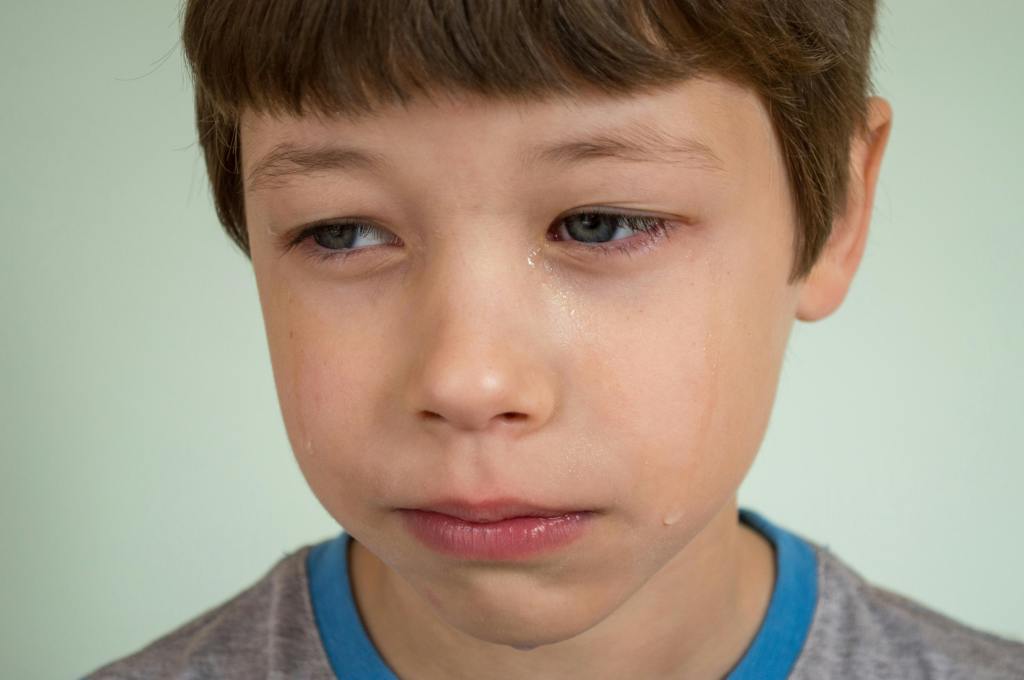
Then you hear screaming and crying, or they come running to you pointing to their mouth. What do you do?
When your child is hurting, everything feels urgent. But how do you know if it is?
This is why it’s important for you to know about the 4 most common types of pediatric dental emergencies.
What Is A Pediatric Dental Emergency?
A pediatric dental emergency involves bleeding, trauma, infection, or pain. It can include 1 aspect or any combination.
4 Most Common Pediatric Dental Emergencies
1. Permanent Tooth Knocked Out
A permanent tooth that’s knocked out due to a fall, sports injury, or other type of accident or trauma is a dental emergency.
Time is of the essence. You need to contact your pediatric dentist immediately.
Next, find the tooth as quickly as possible.
Be careful to pick it up only by its crown. Rinse it off gently and, if possible replace it back into the socket. If this isn’t possible, place the tooth in a a cup or plastic bag with cold milk or saliva.
It’s important not to let the tooth dry out. The longer the tooth is out of its socket the less chance it will be able to be saved. Doing this swiftly will help save the tooth so long as you can be seen by the dentist right away.
2. Chipped Or Broken Tooth
A chipped or broken tooth will require a dental visit.
But, when it’s a large chip or is broken down to the gum line this is a dental emergency and you need to contact your pediatric dentist right away.
3. Severe Tooth Ache
Toothaches can be caused by cavities, infections, even a piece of food stuck between the tooth and the gums. Toothaches do mean a visit to the dentist.
However, if the pain is severe or if there is swelling, redness, fever, crying, not eating, not sleeping contact your pediatric dentist immediately.
It’s visible on the gums overlaying the tooth. A dental abscess looks like a pimple or large bump. Pus or blood may be inside the abscess.
An abscess is extremely painful. If an abscess spreads it can lead to swelling of the gums, face, jaw, neck or surrounding teeth.
Because this infection can spread not only to other teeth but to other areas of the body, a dental abscess is an absolute emergency that requires immediate attention.
Stay Calm
Easy to say, hard to do.
As a parent, staying calm is one of the most important things you can do during a dental emergency. Your child will take cues from your reaction. Talk to them reassuringly, offer comfort, and focus on getting the right help.
Keep your pediatric dentist’s contact information easily accessible. Whether it’s in your phone, on the fridge, keep it somewhere you will know where to find it because you never know when you will need it.
Daddy, Why Is My Face Swollen?Mommy And Daddy Please Make My Tooth Stop HurtingDaddy’s Taking You To The Dentist To Check Your GumsPlease make my teeth stop hurtingMy Tooth Hurts So Much My Head HurtsMy Tooth Hurts!
Has your family experienced a dental emergency? Do you know a child who had their tooth knocked out? How did everything go? Tell Us, We’d really like to know! Send us an email at kidstoothhotline@protonmail.me Like Us on Facebook
More Tips? We have lots. We’re here just for kids!
Last week we talked about spaces between baby teeth being ideal, to allow enough room for the permanent teeth to come in to the mouth.
Now you’re looking at your child’s teeth and they’re getting their adult teeth. You’re asking yourself, why are their teeth coming in with gaps? Are permanent teeth supposed to come in this way?
Think back to yourself at that age. Did you have spaces?
I did. In fact I created spaces between my bottom canines and lateral incisors (on both sides) with my tongue. How? When my baby canines came out I got used to putting my tongue in those spaces and my adult canines grew in with the gap between the teeth. So I totally get gaps.
For today, let’s talk about permanent teeth with gaps.
Why Permanent Teeth Can Come In With Gaps
As children lose their baby teeth their permanent teeth begin to grow into their mouth. During these times it’s common to see gaps, especially between the front teeth.
The gaps are there because:
Their jaws are growing and expanding,
Early (premature) loss of a baby tooth due to tooth decay or trauma and the neighboring teeth move,
Baby teeth are lost at different times as a child grows so their adult teeth grow in at different times,
Since adult teeth are larger than baby teeth, they take time to adjust into place,
Baby tooth is lost and there is no permanent tooth to replace it,
The adult tooth may be smaller in size (not larger) and is called a microdont tooth,
Muscle attachment connecting the upper lip to the gum can sometimes attach too low between the front teeth, keeping them apart and preventing the gap from closing naturally.
Gum disease can lead to tooth and bone loss, resulting in gaps between the teeth.
A good example, which we all remember is “the ugly duckling stage.” During this time, the top front teeth may look spaced apart or uneven in length. With time this corrects itself as the teeth come in and more teeth come.
I Like My Gappy SmileMy Top Teeth Have GapsMy Teeth Have Gaps
Do Habits Play A Role In Tooth Spacing?
Habits definitely have an impact in how teeth are aligned.
The 4 most common habits which can push teeth outward or prevent proper jaw growth are:
Mouth breathing,
Thumb sucking (finger sucking, pacifiers),
Tongue thrusting,
Low tongue posture.
How Does Jaw Growth Affect Tooth Gaps?
Jaw development is a major factor in determining whether spacing is helpful or problematic to tooth position.
Jaw growth affects gaps in 3 ways:
Spaces don’t close and gaps remain as adult teeth come in,
Teeth come into the mouth in different positions,
Bite issues.
Will Gaps Close On their Own?
Most of the time spacing improves naturally as more permanent teeth come into their mouth. The pressure from neighboring teeth and continued jaw growth can help close these smaller gaps.
However, some gaps can remain. This may be the case due to:
Genetics,
Habit-related changes,
Missing teeth,
Jaw-size differences.
I Have Gaps Between My Teeth And My Brother Doesn’t Have ThemMy Gaps Make Me SingWhen Will My Gaps Go Away?
What To Look For
If it’s in-between dental visits the signs to look for and know it’s time to schedule an evaluation with your pediatric dentist or orthodontist are:
Gaps aren’t changing or they’re getting larger in size as more teeth are coming in,
Teeth are out of position,
Tooth position is affecting their eating and speaking,
They feel like they’re always biting their lip.
What To Remember
Tooth gaps in children are common. Most of the time, they’re part of normal growth. Sometimes they need treatment. Sometimes they don’t. The key is knowing when to watch, when to wait and when to do.
Mommy Says She Loves My Gappy TeethMy Teeth Are Growing In With Gaps
Does your child have spaces in-between their adult teeth? Do they have the same gaps you had? What do you think? Is it time to watch, time to wait, time to have an evaluation? Tell Us, We’d really like to know! Send us an email at kidstoothhotline@protonmail.me Like Us on Facebook
We Have Gaps Between Our Teeth
More Tips? We have lots. We’re here just for kids!
Mom You Light Up My Life Because You Are The Light Of My Life
Wishing every Mom a fabulous Mother’s Day!
For the most amazing Moms on your special day, you will always be your family’s heart, soul and smile!
From all the diaper changes, meal times, putting up with temper tantrums, school pick-ups, being the family cheer-leader, looking after and making every day so much fun, YOU really are amazing!!
From each of us at kidstoothotline to you, HAPPY MOTHER’S DAY
You absolutely love your child’s adorable toothy smiles looking up at you. And why not? They’re so precious, so white, so engaging.
When you’re gazing at their smile, have you noticed the spaces between their teeth? These gaps make their teeth so endearing.
Have you wondered why your child has these gaps between their teeth? Is it better to have gaps or no gaps? How do gaps develop? Why do some children have gaps while others don’t? And, are these tooth gaps a cause for concern?
Wonder no more. Today we’ll be looking into why tooth gaps in children’s teeth are good.
Gaps Between Baby Teeth
Small spaces (or gaps) between baby teeth is normal. In fact, this is something good.
Spacing can occur between the front teeth, or the back teeth, or between all the teeth. When the spaces are in-between front teeth, this is called physiologic spacing. Primate spacing is when the gaps are between the back teeth.
Causes Of Gaps In Baby Teeth
3 reasons for spacing in-between baby teeth:
Baby teeth are smaller than adult teeth – Baby teeth serve as placeholders for the much larger adult teeth. The gaps allow room for the adult teeth to come in properly,
Genetics – If spacing runs in your family, your child may very well have gaps between their teeth,
Tooth eruption order – The order baby teeth are lost and adult teeth come in sometimes differs. This may leave temporary gaps until the adult teeth come into the mouth.
I Have Spaces Between My Teeth
Gaps Between Baby Teeth Are Normal
It’s completely normal for children to have gaps between their baby teeth. In fact, gaps between baby teeth are normal, natural and beneficial to a child’s oral development.
These are 3 signs that spacing is part of normal development:
Consistent spacing rather than a single unusually large gap,
Baby teeth that feel secure and aren’t shifting due to injury or tooth decay,
No pain, swelling, or signs of infection.
The Role Of Baby Teeth
Baby teeth may be present for a short time, but they carry great importance for the long term.
Baby teeth are important for 3 reasons:
Speech,
Chewing,
Guiding adult teeth into the correct position.
Properly spaced baby teeth give adult teeth the place and space they need to come into the mouth. This can also support a child’s long term oral health.
In contrast, a child whose baby teeth don’t have any spaces or are tight together is actually more likely to experience crowding.
I Like My Teeth With Spaces
Monitoring Spacing In Baby Teeth
Pediatric dentists check spacing within the context of your child’s overall growth and dental development.
This includes:
Checking jaw development,
Bite alignment, and
Whether the spacing is normal developmental spacing or caused by factors such as early tooth loss or habits that influence tooth position and alignment.
Baby Teeth Gaps Close On Their Own
Spacing between children’s teeth often naturally close as their permanent teeth come into their mouth. In addition, the pressure from neighboring adult teeth and continued jaw growth can help close the smaller gaps.
We Have Spaces Between Our Teeth
When Gaps Between Baby Teeth Are A Concern
While gaps between baby teeth are expected, there are times when they are a concern:
Extra large gaps – If a gap is significantly larger, it may indicate an incorrectly positioned, missing or extra adult tooth,
Missing teeth – If a baby tooth never comes in and there’s an unfilled space, it’s important to check for any underlying issues,
Persistent front gap after permanent teeth erupt – If the gap between the top front teeth persists after the adult canines come in, it’s important to look at the muscle attachments as they may be preventing the gap from closing,.
Habits such as tongue thrusting, thumb sucking, finger sucking or pacifier use – Prolonged habits can push teeth forward, creating gaps or tooth-jaw misalignment,
Early tooth loss – If a baby tooth is lost early due to decay or injury, the surrounding teeth shift affecting spacing for the developing adult teeth.
Saying Cheese Shows Off The Spaces Between My Teeth
What To Remember
Every child’s smile develops differently.
During the baby teeth stage spacing between teeth isn’t a problem. It’s expected. Small gaps between these teeth create the space needed for larger permanent teeth to come into the mouth properly.
So what do you think? How do you feel about spacing between teeth? Does your child have gaps in-between their baby teeth? Did you have the same gaps? Tell Us, We’d really like to know! Send us an email at kidstoothhotline@protonmail.me Like Us on Facebook
More Tips? We have lots. We’re here just for kids!
We’ve all heard the saying “An ounce of prevention is worth a pound of cure.” This is especially true for children’s dental care. As parents it’s important to know that children’s dental care always begins with prevention.
Preventive dental care plays a crucial role in maintaining children’s oral health as they grow. This is an excellent way to prevent cavities, gum disease, and oral health issues. It’s not only about daily brushing. This involves a broader approach.
So what does preventive care look like for children, and why is it so important?
Benefits of Preventive Dentistry for Children
Knowing there are benefits for preventive care helps encourage families to prioritize them. In addition, preventive care allows for dental problems to be caught before they become serious.
The 3 main advantages of preventive care are:
When you take care of your child’s dental health, they are at less risk for painful dental issues,
By having preventive dental care, you can save money and time by avoiding costly dental treatments later on as well as time away from school and work,
Preventive dental care helps set the stage for positive dental hygiene from the earliest stages of childhood into adulthood.
Mommy And Daddy Are Taking Me To The Dentist For My CheckupMy Dentist And I Both Did A Good Job
Early Preventive Care Is A Life Long Investment In Your Child’s Future
Starting preventive dental care early in childhood sets the foundation for a lifetime of good dental health and healthy smiles.
By establishing good habits when your child is young and keeping up with this, you’re setting your child up for a healthier future.
What’s important is that the effort you put in now will benefit them for years to come.
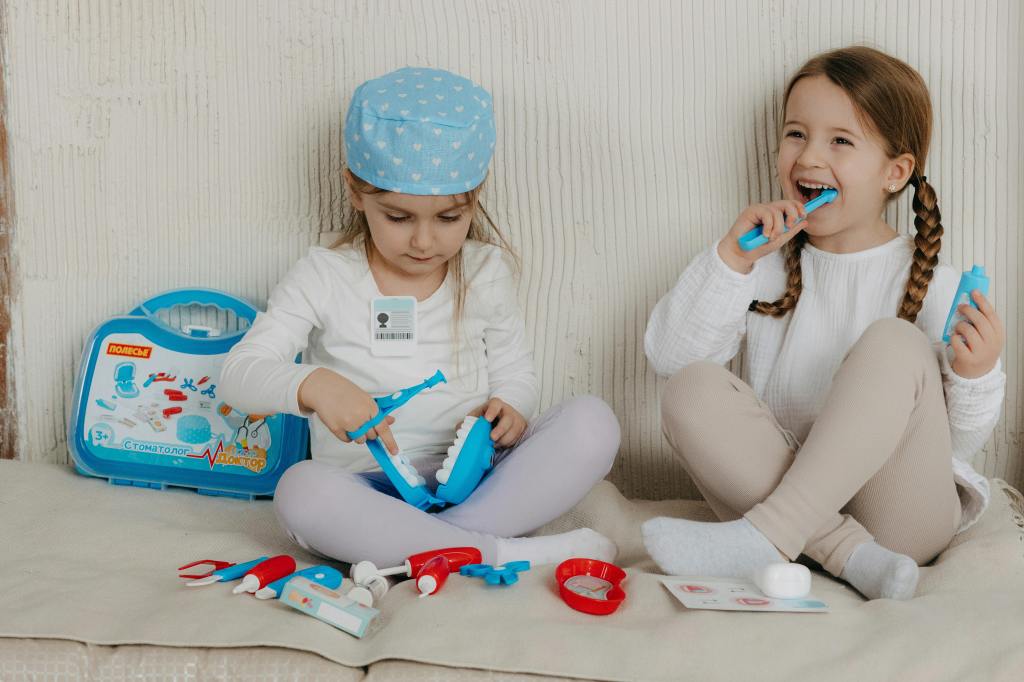
We Love Our Dentist So Much We Play Dentist At HomeSaying Cheese For My Dentist
Long Term Benefits of Preventive Care
You want to continue investing in preventive care for your child as it lays the foundation for sound dental health as they grow. The long term benefits of preventive dentistry reach far into adulthood.
4 long term benefits for children who receive preventive care are that they are more likely to:
Keep their teeth longer,
Avoid losing teeth or having root canals later on in life,
Have a confident and energetic smile,
Enjoy better overall health.
I Always Learn Something New About ToothbrushingMy Dentist Always Talks About My Teeth With My Mom
5 Best Preventive Dental Care Treatments For Children
These are the top 5 preventive treatments children should receive for strong, healthy teeth:
1. Routine Dental Examinations and Cleanings
Brushing and flossing at home are essential. But they are not enough.
Regular professional cleanings are necessary to set a solid foundation for oral health. Plaque and tartar build up are removed. The mouth, teeth and gums are examined for any signs of irritation, tooth decay, and bite problems. If anything of concern is found it can be addressed quickly before there is a chance to get worse.
It’s important to know that these visits should begin when your child’s first tooth comes in or no later than their 1st birthday; and regularly every six months. Also, as your child grows the familiarity of these visits help build their confidence and rapport while creating pleasant and positive dental experiences.
2. Fluoride Treatments
Fluoride is a natural mineral that strengthens tooth enamel and minimizes the risk of tooth decay.
A simple application during a routine visit can yield many benefits. It’s safe, effective, and a great way to build strong teeth and stay free of cavities. Even though it’s found in the drinking water throughout some communities, it’s still important to have this specific treatment at the dentist’s office.
3. Dental Sealants
Sealants are a highly effective preventive treatment. They act as a barrier that keeps food particles and plaque bacteria from settling into the grooves of the teeth, especially the molars.
Sealants can offer years of protection which greatly reduces the risk of cavities.
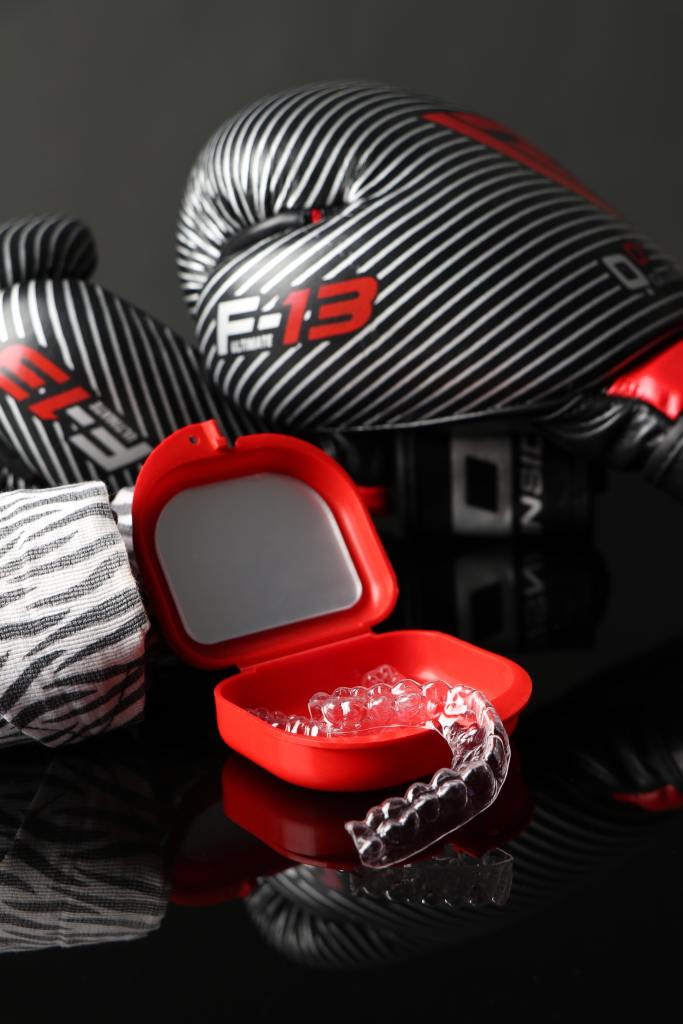
4. Custom Mouth Guard
If your child plays sports, a custom mouthguard is a crucial piece of equipment, especially in contact sports. It can protect their teeth from injury, reduce the risk of jaw fractures and concussion. Sure you can get one at the sports store, but it doesn’t offer the same fit, comfort, and protection.
5. Orthodontic Evaluation
It’s recommended to have your child examined by an orthodontist around age 7. While your child’s teeth may look straight, these visits can provide insight beyond what you see at the surface.
The orthodontist will evaluate jaw growth, tooth eruption, and bite development. Issues such as crowding, spacing, and mis-alignments can be addressed early. These early interventions can reduce the need for complex orthodontic treatment later on.
If no treatment is needed, making the connection as a part of preventive treatment brings you peace of mind.
What To Remember
Preventive dental care is a shared effort with you as the parent, your dentist; and as your child grows up this includes them as well. At its core preventive dental care is proactive treatment providing your child with good oral health today and into their future.
Treating your child’s teeth proactively instead of reactively helps avoid cavities, gum disease, and the need for multiple or complex procedures.
My Dentist And I Are Both Checking Out My Smile
So what do you think? Do you agree? Are you team prevention? If you don’t agree that’s okay, why you feel the way you do? Is there more you want to know? What are your own experiences with preventive dental care? Did you receive preventive dental care growing up? Tell Us, We’d really like to know! Send us an email at kidstoothhotline@protonmail.me Like Us on Facebook
More tips? We have lots. We’re here just for kids!
I May Look Young But I Can Really Get My Speed Up So I Always Wear My Mouthguard, Thanks Mom!
In the Know for You to Know
As parents we always say “wear your helmet!” Especially when our children want to ride their bike, skateboard or scooter. We also say this when they play baseball, football, hockey or lacrosse.
But, have you ever said “wear your mouth guard!”?
Why would you? One word, protection. While a helmet protects a child’s head, a mouthguard protects their teeth, mouth and their head.
You’re thinking, “how does a mouthguard protect a child’s head?” As parents we’ve heard about concussions. We think about concussions as occurring from a blow to the head. However, a hit to the teeth, mouth or jaw can also cause a concussion.
Now you’re thinking, Why are mouth guards so important? How can a mouthguard help prevent an injury?
So stay tuned and keep reading on how to keep your child’s teeth safe.
What Is A Mouth Guard?
A mouth guard is a soft, flexible plastic that fits over the teeth.
It’s used to soften the impact if your child gets hit in the face. Rather than letting the teeth absorb all the impact, the mouth guard distributes the force, reducing the risk of severe dental injuries.
A mouth guard is a protective aid in absorbing and re-distributing the force of the impact that may otherwise cause harm to the jawbone, cheekbones, lips and head. When paired with additional protective gear, such as a padded helmet, it helps to protect your child’s head and mouth.
My Sports Gear Includes My Mouthguard
Types of Mouth Guards
There are 3 types of mouth guards:
Stock – These are found in sporting goods stores and come pre-formed, ready to wear. One size fits most and may not fit very well. They are made of hard plastic, can be bulky and uncomfortable to wear and talk with.
Boil and bite – These mouth protectors can also be bought at many sporting goods stores and may have a better fit than stock mouth protectors. They are first softened in hot boiling water, then placed in the mouth and with your child moving their lips, tongue and cheeks around and closing their teeth together, is adapted to the shape of their mouth. It’s important to be very careful because this is very hot water and very hot plastic.
Custom – These are made by your pediatric dentist specifically for your child. Because it’s custom made, this provides the best fit. They fit snugly, allowing your athlete to run and talk more easily while playing sports. Custom mouth guards are comfortable, and offer excellent protection. They can be made in a wide variety of colors and designs.
Why Is It Important To Wear A Mouth Guard?
A mouth guard is a mouth protector which helps cushion a blow to the mouth and face. This minimizes the risk of broken teeth and injuries to your child’s lips, tongue, face, jaws and head.
While collision and contact sports, such as basketball and boxing are higher risk sports for the mouth, children can experience a dental injury in non-contact activities too, such as gymnastics and skating.
My Balance Beam Is Really High And The Mat Is Far Away, I’m Happy I’m Wearing My MouthguardPlaying Basketball, Guess Who Is Wearing A Mouthguard?
When Your Child Needs To Wear A Mouth Guard
From a safety stand point it’s wise for a child to wear a mouth guard for any sport or activity where there is a chance of contact. Even non-contact sports can lead to accidents.
If it’s a sport that involves a lot of movement, there’s always a chance of being hit or colliding with another child
Recreational sports such as skateboarding, bicycling, inline skating, gymnastics, volley ball, soft ball.
How Many Mouth Guards Does My Child Have To Wear?
One.
A mouth guard covers the top teeth, and are a great way to protect the soft tissues of their tongue, lips and cheek lining.
There are certain times when depending on specific needs it may be recommended for your child to have a mouthguard which covers their lower teeth.
Can My Child Wear A Mouth Guard With Braces?
A properly fitted mouthguard is especially important for children who have braces.
A hit to the face can damage the wires and brackets or other orthodontic appliances. The mouthguard provides a protective barrier between the braces and their cheeks and lips, limiting the risk of gum and soft tissue injuries.
How To Take Care Of Your Child’s Mouth Guard
4 Tips for taking care of your child’s mouth guard:
Rinse with cool water before each use and after wearing brush with toothpaste, rinse, and dry.
Keep the mouthguard in a sturdy container that has vents and in a safe place. Vents allow air to circulate and help prevent the mouthguard from drying out.
Don’t take the mouthguard out and leave it in the sun. Avoid high temperatures, hot water, hot surfaces and direct sunlight. They will distort the mouth guard.
Check for wear and tear. A mouthguard that’s torn, wearing out, or doesn’t fit any more can irritate your child’s mouth and decrease the amount of protection it provides.
What To Remember
When it comes to protecting your child’s mouth, a mouthguard is an essential piece of athletic gear. And like their helmet needs to be part of their standard equipment from an early age.
So let’s protect those precious smiles and ensure the memories you take home are happy ones.
Mom Is Trying To Balance Me On My Rollerblades And So Happy We Remembered My MouthguardWishing I Listened and Wore My Mouth Guard.jpgBicycle Riding And I Forgot My MouthguardHelmet, Bat and Mouthguard, All Set To Play Ball
Did you wear a mouth guard when you played sports? Thinking back, do you think you should have worn one? How old was your child when they started wearing their helmet to ride their bike or scooter? What sports does your child play? Has your child’s coach told you to have them wear a mouthguard? Have you asked your child’s coach about mouth guards? Are you ready to take the next step in protecting your child’s smile when they play their favorite sports? Tell Us, We’d really like to know! Send us an email at kidstoothhotline@protonmail.me Like Us on Facebook
More tips? We have lots. We’re here just for kids!
Having Fun Reading Our Story To My Sister About Going To The Dentist
In the Know for You To Know
As a parent, you know preventing dental related issues is important, and you also know that this is not so simple when your child has Autism.
Whether your child is sensitive to light and sounds or smells and tastes or does not know how to express these feelings; you want them to have a positive experience.
You’re thinking, how do you do this? Once you’ve made their appointment think about telling them a story about going to the dentist. Not just any story. This is a personalized story you’ve written just for them.
Now you’re thinking, why tell them a story about going to the dentist? Story telling is a great way to introduce new or unfamiliar experiences to your child. It’s also a way to re-introduce unpleasant experiences in a positive way.
Since we all love to tell a really good story or listen to one, today we’re helping you write your own dental social story.
When To Start Preparing Your Child For Their Dental Visit
Once you’ve made your child’s appointment you know when it’s best to introduce this to them. Your approach needs to be tailored to your child’s individual needs.
Your child may do well if you wait until the day before or day of the appointment to talk to them about their visit. Most children do not. So preparing them starts weeks before their appointment.
Preparing a child with autism for their trip to the dentist well in advance can be very helpful in easing anxiety and having a calm and successful visit.
You’re thinking, what is the best way to prepare them?, and how do I write a social story?
What Is A Social Story?
Social stories use positive, simple, straight forward language to describe the sequence of events your child will experience. The stories usually have photos or pictures to help show the things they will see, hear, and do.
My Daddy Is Reading To Me Our Story About My Dentist Visit
Writing Your Own Social Story
After you’ve made your child’s dental appointment consider taking pictures of the street the office is on, the parking lot, the outside of the building, the office’s front door with the dentist’s name.
You might want to stop by and ask if you can take some pictures of the office to include in your social story. Introducing yourself and your child ahead of time helps everyone, especially your child.
This way you’re showing your child what to expect step by step.
My Mom Recorded Our Dentist Story And Now We Can Read And Listen Together
Things To Keep In Mind When Writing Your Social Story
Write your story for your child, use their name;
Stay positive;
Give examples;
Pictures help explain;
Leave room for questions;
Include a “The End” to complete your story.
Using a scrap book or empty picture book can help you organize your child’s story. You can also use your phone, since children love the phone.
Your Social Story
Steps
What Will Be Happening
1
We’re going to the Dentist and we’ll be driving down this street. Then we’ll park our car near the Dentist’s office. After we park the car we’ll walk to the Dentist’s office. The office is upstairs/downstairs/on the walk-in floor so we may/may not need to take an elevator ride; or we may/may not take the stairs. When we get to the Dentist’s office we’ll open the door and walk in.
2
There is a lady sitting behind a desk. She’s the receptionist. She’ll say hello to us when we walk in. After we say hello, we’ll tell her your name. She may ask us to sit down and watch a movie, or play one of the games until it’s our turn.
3
When it’s our turn the hygienist will call your name. The hygienist is the lady/man who cleans your teeth. Then we’ll all walk together to a room with a few special chairs that look like Daddy’s recliner chair.
4
The hygienist will ask you to sit down in the chair. The hygienist will tell you that this chair is special because it moves up and down and reclines back almost like a bed, but you don’t have to take a nap. The hygienist will show you the buttons that make the chair move and will show you how the chair moves.
5
The hygienist will show you how the chair moves back so she and the Dentist can look at all your teeth even the one’s all the way in the back. The hygienist will also tell you that when you’re lying down on the chair you can hold my hand and put your legs straight out.
6
Then the hygienist will ask you to sit on the chair. After you sit down the hygienist will tell you that she’s going to press the button for the chair to lay down. Let’s ask if you can press the button.
7
The hygienist will ask you how big you can open your mouth?, and count how long you can stay open wide. The hygienist will show you the big light she and the dentist use so they can see all your teeth. Before she turns the light on, the hygienist will ask you if I want to wear sunglasses because the light is bright or if you want to close your eyes.
8
The hygienist will show you the special mirror she and the dentist use to look at your teeth. She’ll let you touch the mirror will also show you what the mirror feels like on your lips and tongue and cheeks. Then the hygienist will show you and let you touch the tooth counter she and the dentist use to count and check your teeth.
9
The hygienist will show you the special floss string she uses to clean in-between your teeth, she’ll let you touch the floss and she’ll show you how it feels in-between your fingers. Then she’ll floss your teeth.
10
The hygienist will show you the special power toothbrush and special toothpaste she uses to clean your teeth. Then she will let you touch this special toothbrush and she’ll show you what the brush feels like on your finger and then on your teeth. The best part is that the hygienist says you get to pick the flavor of your toothpaste. The hygienist will show you the special tooth vitamins she puts on your teeth after the dentist checks your teeth with his mirror and tooth counter. And you also get to pick your flavor.
11
The dentist may want to take special pictures of your teeth. The hygienist will explain that these photos are called x-rays and you get to wear a super special emoji apron to take the x-rays. The apron may feel heavy to take the pictures.
12
When you’re all finished the hygienist will give you a fun bag filled with a brand new toothbrush and toothpaste, and you’ll get to choose a super special prize and sticker.
13
After you get your prize we’ll go back and make your next appointment with the receptionist.
14
Then it’s time to say Goodbye and go to our car. Maybe we’ll go someplace special afterwards since you did such a good job.
The End
Why Social Stories Are Helpful
Remember last week when we talked about positive dental visits? We also talked about a technique called Tell-Show-Do. This is essentially what a social story is doing.
You are introducing your child to their dental visit by Telling them about their visit. You’re explaining their entire visit to them step by step from beginning to end.
When you’re at their visit the Tell is reinforced and then it’s adding the Show and Do.
Helpful Information For Parents And Caregivers
Explaining the reason for the visit helps your child know what to expect. This helps to decrease worrying and begins to build trust.
Meeting the Receptionist is the first step into the office and helps start on a good note. Activities during wait time helps time pass and reduce anxiety.
Knowing people’s roles helps identify them and make them familiar.
Clear instructions using everyday words helps reduce anxiety and provides structure.
Knowing what to expect increases comfort and helps to establish expectations.
Describing what will be happening during their appointment and being part of this builds confidence.
Wearing sunglasses or closing their eyes can reduce light sensitivity.
Seeing and touching the instruments first helps build consistency and predictability.
Describing what they will feel during their visit ahead of time helps to prevent surprise.
Involving your child helps them look forward to and focus on their specific part of their visit.
A clear end to the visit with a prize helps end the visit in a positive way.
My Mom Is Telling Me About Flossing My TeethAt My Dentist Visit
What To Remember
Social stories help to better prepare your child for their dental visit. These stories walk you and your child through what you can expect at their appointment. Each step shows where they’ll be going and what they’ll be doing.
With practice and preparation, dental visits for children with autism can become more accepted and predictable over time.
I hope this is helpful and reassuring for you as a parent. Every child deserves to have a positive experience at each dental visit.
Have you heard about social stories? Have you written your own social story for your child? Was it helpful? Do you want to start all over again with a new story? Tell us, We’d really like to know! Send us an email at kidstoothhotline@proton.me Like Us on Facebook
More tips? We have lots. We’re here just for kids!
Going to the Dentist is hard. For parents whose child has Autism this can be especially challenging and intimidating.
Dental care and oral hygiene routines at home may go very slowly, can be sporadic or non-existent.
Getting to know your child, your concerns, looking and listening to their cues, and accommodating to their needs makes you and your child feel comfortable and cared for. Over time with compassion, lot’s of patience and determination at home and in the pediatric dental office achieving positive results is possible and will bring invaluable rewards for your child and for you.
But for now, how do you start on the path to achieve a successful dental visit, or just brush their teeth?
Why Is Dentistry So Hard For Children With Autism?
Autism is individual and it’s complex. Your child may have medical concerns that your family is dealing with and need to be taken into consideration.
Some children are distant and detached from people and their surroundings, and may or may not be verbal. Other children may have repetitive routines and behaviors, unpredictable body movements, or self-injurious behaviors. There are some children who have sensory, taste and texture sensitivities. Each of these behaviors can complicate dental care and establishing oral hygiene routines.
Preparing Your Child For A Successful Dental Checkup
Before your child’s dental checkup there are several things you can do to help prepare them. These small steps help set the stage for a positive experience by using what we call desensitization.
Desensitization is about familiarity and routine. This helps prepare them for the sights and sounds they’ll experience during a dental visit.
Having a consistent dental routine at home is very helpful. While this may not always mean that tooth brushing and flossing is actually done, it’s the repetition and patience that goes a long way.
This Is How We Are Going To Brush Your Teeth
Make Your Child’s Dental Checkup As Young As Possible
Did you know that children should have their 1st dental checkup by the age of 1?
This is especially important for children with autism since they are at a high risk of developing cavities.
A few factors that can increase your child’s level of risk for cavities are the amount of starches, carbohydrates and sugars in their diet, as well as their oral hygiene routine at home.
Seeing your child at this young age allows for desensitization at an age when they’re likely to be less fearful and more cooperative. The younger you bring your child to the dentist, the easier the checkup will be for both of you.
Tips To Prepare Your Child For Their Dental Visit
Call the office ahead of your visit to discuss your child’s medical history, needs and preferences. Ask if your child can tour the office before your appointment.
While you’re on the phone or during the tour, ask if the office has or if you can bring noise-canceling headphones, a weighted blanket, or sunglasses, You can also ask if your child can listen to music or watch a movie. It’s okay to ask if it would be possible to turn off the fluorescent ceiling lights in the treatment room, and/or have limited talking during the appointment. If your child has self-soothing or a repetitive routine when they’re in a new environment remember to let them know.
Remember your child’s routine and consider the time of day you’re scheduling their appointment. You may want to schedule your child’s checkup when the office is less busy. You may also want to consider if there are certain times of day that your child tends to feel more comfortable or relaxed, like after lunch or after their nap. Try to schedule their appointment around this time. Fitting their appointment within their daily routine is key to having a successful, stress free dental visit.
Some children with Autism may benefit from a gradual introduction to each step over multiple successive visits, rather than trying to accomplish everything at once. You can also ask the office if they offer introduction or desensitization visits to help prepare your child for their first visit, their cleaning appointment or their dental procedure.
Tell your child ahead of time they are going to the dentist and bring their Tablet (or iPad) with you.
Read a book about going to the dentist. Some of our favorite books are —Just Going To The Dentist by Mercer Mayer, The Berenstain Bears Visit the Dentist, Dentist Trip (Peppa Pig), Dora Goes To The Dentist
Role play a dentist visit at home – You can put on disposable gloves, let your child touch them when they’re on your hands so they can feel the texture of the gloves, and practice opening wide by saying “Cheese”, looking in their mouth and counting their teeth. You can also do this with their toys.
Toothbrushing and flossing every day. Make a routine and stay with it (successful or not stay with it). Be your child’s role model. Repetition builds familiarity as well as daily habits.
Encourage your child and do something fun as a reward for success at the end of the visit. (just not sweets or candy). This gives them positive reinforcement and associates the visit with something happy to look forward to.
Always be positive when talking about the dentist and their upcoming appointment.
Can We Brush My Friend’s Teeth Also?
What To Expect At Your Child’s Dental Visit
Your child’s dental visit isn’t only about teeth. It’s about respecting their boundaries and proceeding with what they’re comfortable doing.
Sometimes it’s only being able to count their teeth, take x-rays, or brush their teeth. These are all small steps in the right direction. It’s important to celebrate their small victories because they add up and help your child feel more accustomed to visiting the dentist.
For each step of their visit we use the technique known as ‘Tell, Show, Do”.
What Is Tell, Show, Do?
Tell, Show, Do is a 3 step method where we:
Tell your child what we’re going to do. First is Tell where we explain in age appropriate language what we’re going to do.
Show them what we’re doing to do.Second, we Show them what we’re doing to do to ease anxiety and prepare them for what comes next.
Do what we said we’re going to do. Third, we gently Do the recently demonstrated procedure.
My Mom Always Helps Me
What To Remember
Pediatric dental office’s have all the bells and whistles for making going to the dentist fun. However they still have bright lights, loud noises and unfamiliar people, sights, smells and tastes.
Dental visits and procedures can be difficult for children with Autism who are sensitive to strong smells, tastes, and textures, or do not tolerate people or objects near their ears, face and mouth.
By starting your child’s dental visits as young as possible and incorporating home routines, desensitization and Tell, Show, Do you’re on your way to successful dental visits for your child.
Does your child have Autism? What are your dental obstacles? Do you have dental visit challenges? What tips do you have to share for dental visits? Tell us, We’d really like to know! Send us an email at kidstoothhotline@proton.me Like Us on Facebook
More tips? We have lots. We’re here just for kids!
You’re going about your regular day. Work, school, after school, dinner, homework. Then you walk into your child’s room and notice they’re playing with their lip. They see you standing there and before you can ask anything, they say “Mom, look at this bubble on my lip.”
When you look, there is definitely a bubble on the inside of their lip. Then you think back and don’t recall anything being there yesterday or the day before that.
After a few questions you find out that this bubble comes and goes, it gets bigger and smaller, thankfully doesn’t hurt, and they run their tongue and teeth over it when it’s there.
But what is this bubble? Where did it come from? Why does it come and go, and change shape?
There is a specific type of bubble that is commonly found in the mouth that acts in this way; it’s called a Mucocele.
So, what is there to know about mucoceles?
What Is A Mucocele?
A mucocele is another name for a mucous cyst. By nature, cysts are fluid filled sacs.
Mucoceles are frequently seen in children due to their tendency to bite or suck on their lips and cheeks. These habits can lead to trauma not only to the delicate oral tissues but also to the minor salivary glands which lie underneath.
These glands have ducts which provide a path for the saliva to flow into the mouth. When these ducts are blocked the saliva has no where to go. Saliva keeps forming and with no where to go causes the glands to swell. The swollen salivary glands become a mucocele.
What Does A Mucocele Look Like?
Mucoceles tend to be transparent, mucous-filled dome shaped bubbles.
The bubble may be clear or the same color as the mouth tissues. It can take on a bluish or reddish color depending on where it is and how much pressure there is from the buildup of saliva.
Sometimes the surface may become white, rough or scaly due to repeated sucking on the bubble.
What Causes A Mucocele To Form?
Mucoceles are usually the result of trauma in the mouth which injures the tiny salivary ducts lying just under the surface of the mouth tissues.
Lip or cheek biting and/or sucking causes trauma which injures these salivary gland ducts. Saliva keeps on forming normally. It is the ongoing accumulation of saliva under the surface that causes the mouth tissues to bulge. This bulge is the saliva bubble (mucocele) that you see and feel.
Why Do Mucoceles Get Bigger and Smaller?
Mucoceles may fluctuate in size. They can often grow larger and then shrink. In some cases, they can rupture spontaneously releasing the built up saliva into the mouth.
However, they can reappear if the underlying cause is not addressed.
How Common Are Mucoceles?
4 things to know:
Mucoceles are most common in children between the ages of 3 and 20 years old.
This is the age range where you’ll see 70% of mucoceles.
The peak age for mucoceles to occur is between the ages of 10 and 20 years old.
The inside of the lower lip is the most common place for a mucocele to form.
I Don’t Want Anyone To See The Bubble On My Lip
Where Else Are Mucoceles Found In The Mouth?
Mucoceles can develop in a few places in the mouth.
These areas include the:
Lips
Cheeks
Underneath the Tongue (called a Ranula)
The Bubble Is On The Inside Of This Cheek
Do You Need To Worry About Mucoceles?
Mucoceles are generally harmless and tend to resolve on their own. They can be a source of discomfort and may persist if not evaluated and properly treated.
Is Any Treatment Needed For Mucoceles?
When treating mucoceles in children, pediatric dentists often opt for a conservative approach. In many cases, the mucoceles will deflate on their own and heal without intervention.
However, if a mucocele persists, becomes painful, interferes with eating and speaking then surgical excision may be necessary to alleviate discomfort and help prevent recurrence.
When To Seek Care For A Mucocele
If your child experiences any of these symptoms, you need to contact your pediatric dentist or pediatrician:
Mucoceles That Persist for More Than a Few Weeks – Most mucoceles resolve on their own over time. However, if this remains unchanged for several weeks or shows no signs of improvement, it’s important to make an appointment with a pediatric dentist for a thorough assessment.
Pain, Discomfort, or Interfere with Daily Activities – While mucoceles are typically painless, the size, presence and location can cause discomfort while eating, speaking, or chewing.
Frequent Recurrence or Rapid Growth – If the mucocele ruptures and then reappears frequently or grows rapidly, this may indicate an important underlying issue which needs to be identified and addressed.
My First Patient With A Mucocele
Like the saying goes, the first time you see something won’t be the last time. The first time I saw a child with a mucocele was when I was in the 1st year of my pediatric dentistry residency
I have seen mucoceles many times over the years since then. Each time a child comes into my office with one, I remember back to the first time a Mom brought her daughter in to have “her lip bubble” checked out.
What you learn from textbooks is not always how you see it in person. But this was classic.
A Mom brought her school age daughter into see me since this “cheek bubble” was “there for a while.” They were great with giving me an understanding of the time line, what had changed, and what their concerns were.
What Did I See On My Examination That Led Me To Diagnose This “Bubble” As A Mucocele?
The cheeks like the lips have many, many little salivary glands. When 1 or more of these glands is hurt their ducts get squished and the saliva has no place to go so it stays inside the gland.
Saliva is continuously being made so it builds up in each gland. As the saliva builds up it creates a “bubble.”
In this child’s case the bubble was the size of a pencil eraser and the color of her cheek. The cause? Cheek biting. Not just one time. As her Mom said “only when she gets nervous.”
What Caused This Mom To Bring Her Daughter In For An Examination?
According to Mom, she noticed her daughter was biting her cheek a lot. Then during toothbrushing the previous night, she also noticed the “bubble” was bigger than before and came in the next morning.
Why Didn’t Mom Bring Her Daughter In When She First Noticed The “Bubble?”
I asked Mom why she hadn’t called or come in before? Mom said that since it wasn’t bothering her and it would come and go she wasn’t worried. But when she saw it the night before all that changed and she brought her daughter in. Which we were both glad she did.
What Was The Treatment For This Child?
Since this mucocele had been an ongoing issue at the time for almost 6 months I gave Mom a referral to the Oral Surgeon. Once I knew the specifics about the Oral Surgeon’s plan for treatment I made them a follow up appointment with me.
The Outcome?
A happy Mom with peace of mind and a happy daughter.
Has your child had a mucocele? What (if any) treatment did they need? Did you know about mucoceles before? Tell Us, We’d really like to know! Send us an email at kidstoothhotline@proton.me Like Us on Facebook
More tips? We have lots. We’re here just for kids!