
In the Know for You to Know
You absolutely love your child’s adorable toothy smiles looking up at you. And why not? They’re so precious, so white, so engaging.
When you’re gazing at their smile, have you noticed the spaces between their teeth? These gaps make their teeth so endearing.
Have you wondered why your child has these gaps between their teeth? Is it better to have gaps or no gaps? How do gaps develop? Why do some children have gaps while others don’t? And, are these tooth gaps a cause for concern?
Wonder no more. Today we’ll be looking into why tooth gaps in children’s teeth are good.
Gaps Between Baby Teeth
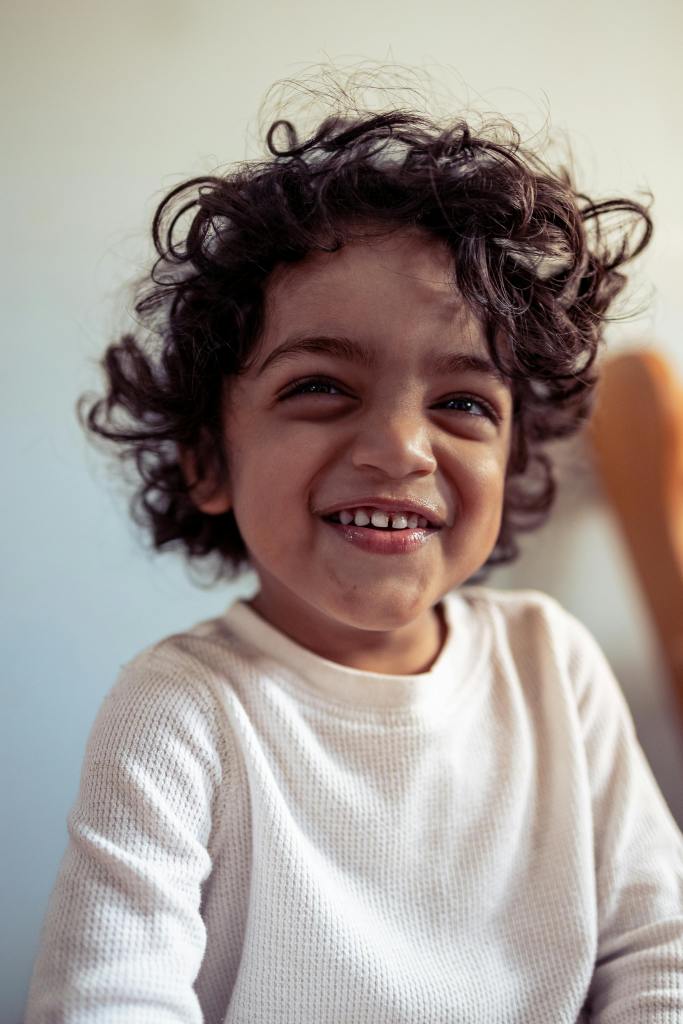
Small spaces (or gaps) between baby teeth is normal. In fact, this is something good.
Spacing can occur between the front teeth, or the back teeth, or between all the teeth. When the spaces are in-between front teeth, this is called physiologic spacing. Primate spacing is when the gaps are between the back teeth.
Causes Of Gaps In Baby Teeth
3 reasons for spacing in-between baby teeth:
- Baby teeth are smaller than adult teeth – Baby teeth serve as placeholders for the much larger adult teeth. The gaps allow room for the adult teeth to come in properly,
- Genetics – If spacing runs in your family, your child may very well have gaps between their teeth,
- Tooth eruption order – The order baby teeth are lost and adult teeth come in sometimes differs. This may leave temporary gaps until the adult teeth come into the mouth.
Gaps Between Baby Teeth Are Normal
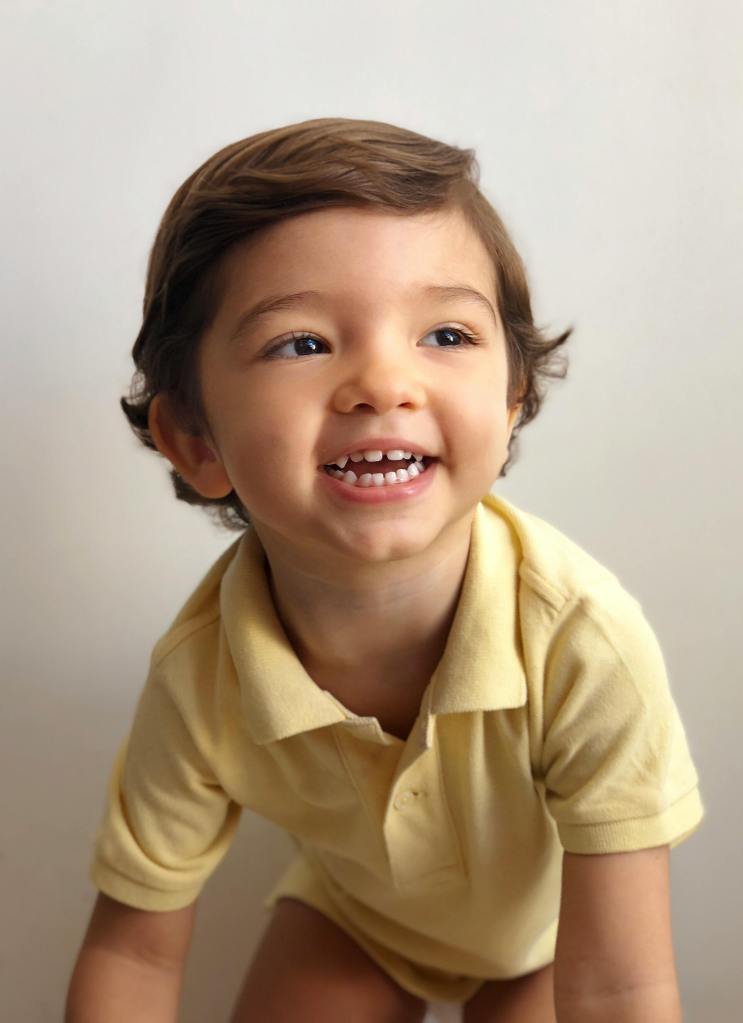
It’s completely normal for children to have gaps between their baby teeth. In fact, gaps between baby teeth are normal, natural and beneficial to a child’s oral development.
These are 3 signs that spacing is part of normal development:
- Consistent spacing rather than a single unusually large gap,
- Baby teeth that feel secure and aren’t shifting due to injury or tooth decay,
- No pain, swelling, or signs of infection.
The Role Of Baby Teeth
Baby teeth may be present for a short time, but they carry great importance for the long term.
Baby teeth are important for 3 reasons:
- Speech,
- Chewing,
- Guiding adult teeth into the correct position.
Properly spaced baby teeth give adult teeth the place and space they need to come into the mouth. This can also support a child’s long term oral health.
In contrast, a child whose baby teeth don’t have any spaces or are tight together is actually more likely to experience crowding.
Monitoring Spacing In Baby Teeth
Pediatric dentists check spacing within the context of your child’s overall growth and dental development.
This includes:
- Checking jaw development,
- Bite alignment, and
- Whether the spacing is normal developmental spacing or caused by factors such as early tooth loss or habits that influence tooth position and alignment.
Baby Teeth Gaps Close On Their Own
Spacing between children’s teeth often naturally close as their permanent teeth come into their mouth. In addition, the pressure from neighboring adult teeth and continued jaw growth can help close the smaller gaps.

When Gaps Between Baby Teeth Are A Concern
While gaps between baby teeth are expected, there are times when they are a concern:
- Extra large gaps – If a gap is significantly larger, it may indicate an incorrectly positioned, missing or extra adult tooth,
- Missing teeth – If a baby tooth never comes in and there’s an unfilled space, it’s important to check for any underlying issues,
- Persistent front gap after permanent teeth erupt – If the gap between the top front teeth persists after the adult canines come in, it’s important to look at the muscle attachments as they may be preventing the gap from closing,.
- Habits such as tongue thrusting, thumb sucking, finger sucking or pacifier use – Prolonged habits can push teeth forward, creating gaps or tooth-jaw misalignment,
- Early tooth loss – If a baby tooth is lost early due to decay or injury, the surrounding teeth shift affecting spacing for the developing adult teeth.
What To Remember
Every child’s smile develops differently.
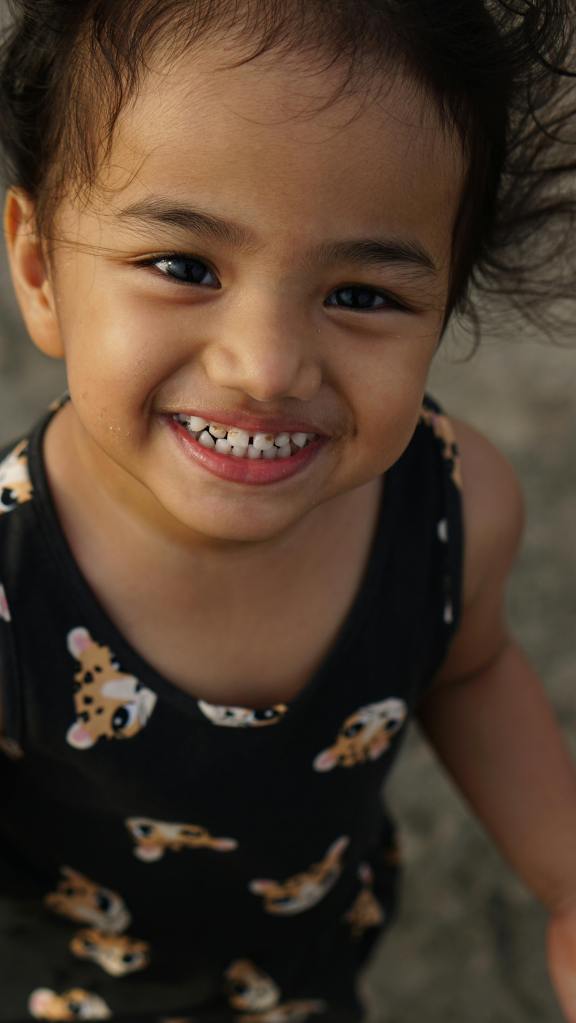
During the baby teeth stage spacing between teeth isn’t a problem. It’s expected. Small gaps between these teeth create the space needed for larger permanent teeth to come into the mouth properly.
So what do you think? How do you feel about spacing between teeth? Does your child have gaps in-between their baby teeth? Did you have the same gaps? Tell Us, We’d really like to know! Send us an email at kidstoothhotline@protonmail.me Like Us on Facebook
More Tips? We have lots. We’re here just for kids!

 kidstoothhotline
One thought on “Talking Mom To Mom, Why It’s Good To Have Gaps Between Baby Teeth”
Comments are closed.