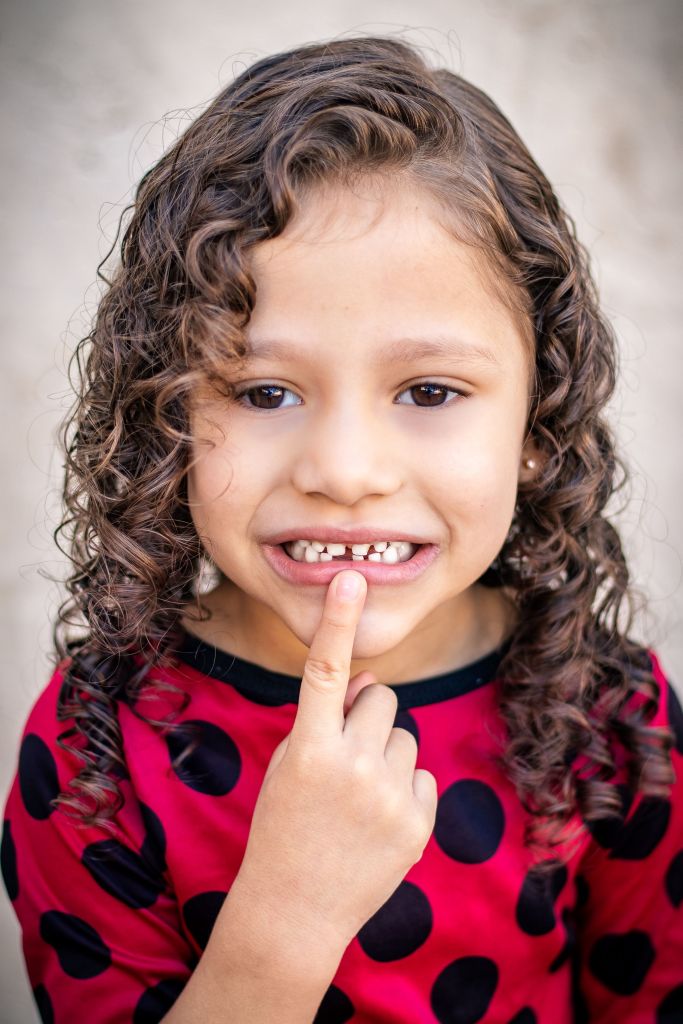
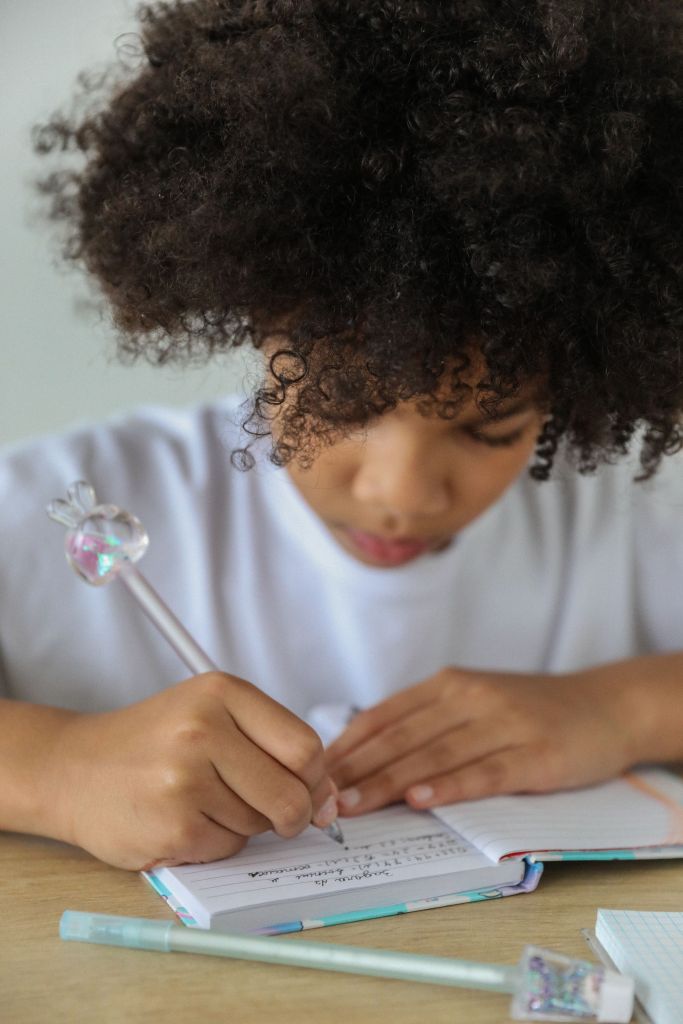
✦ If it’s sticky, it gets stucky and that’s so yucky! Stay away from fruit rollups, caramels, and other chewy, sticky candy.
✦ Drink lots of water to help wash away the sticky chewies. Water is really good for you and your teeth. Have you ever seen a vampire with a cavity?
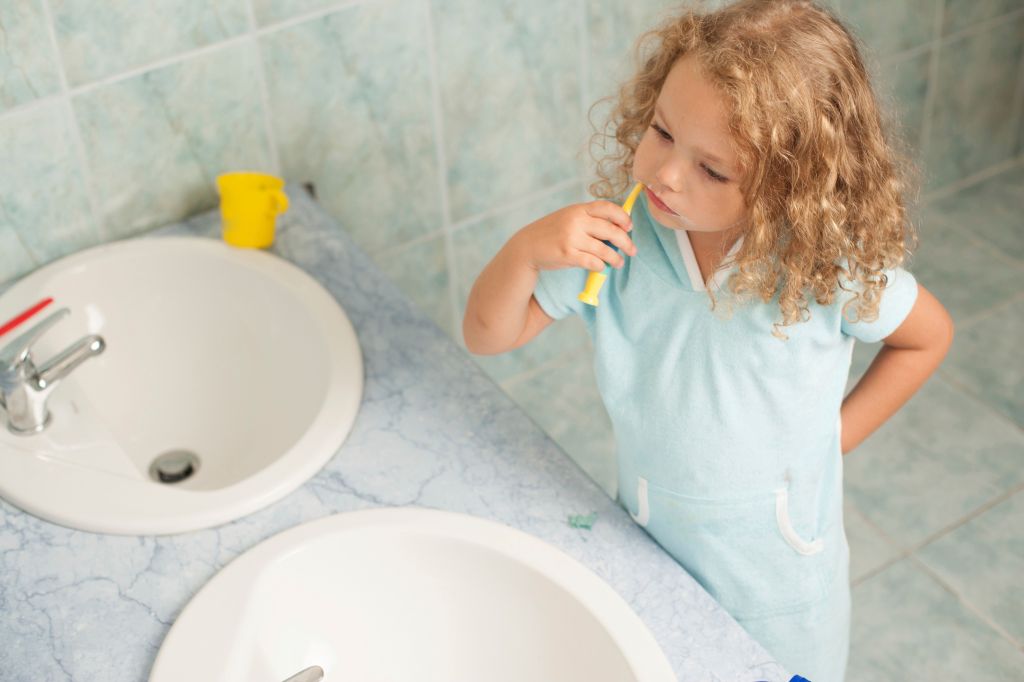
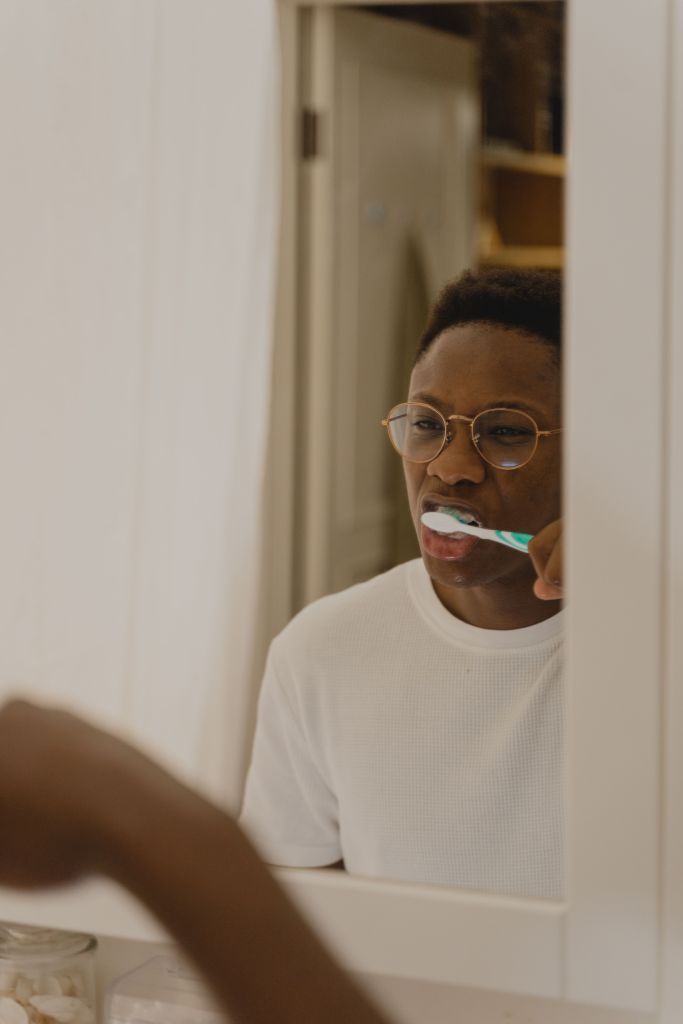
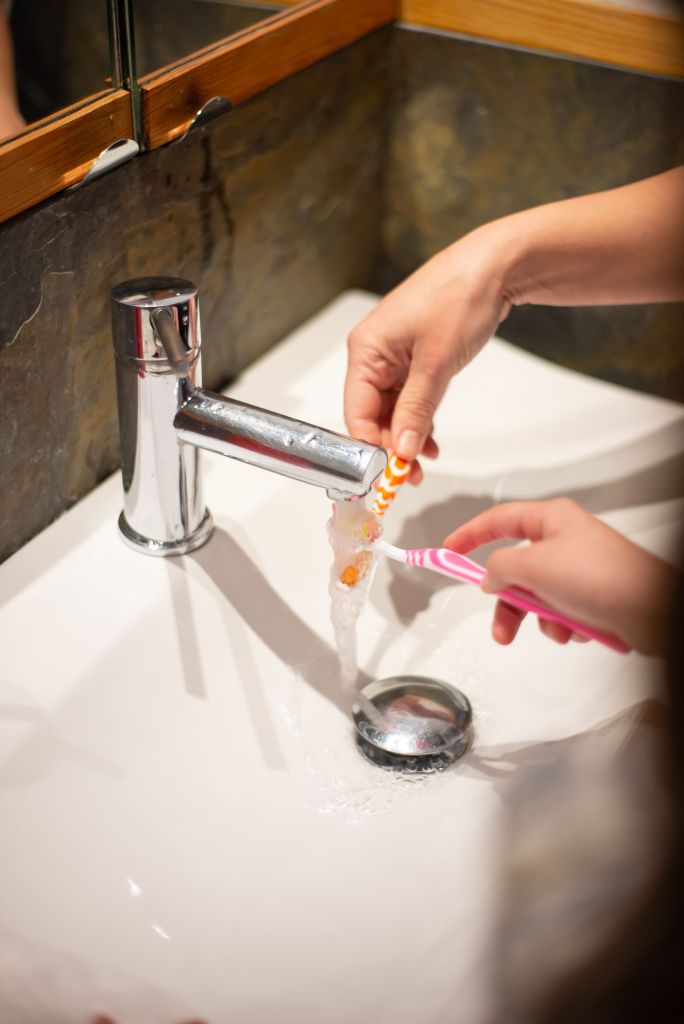
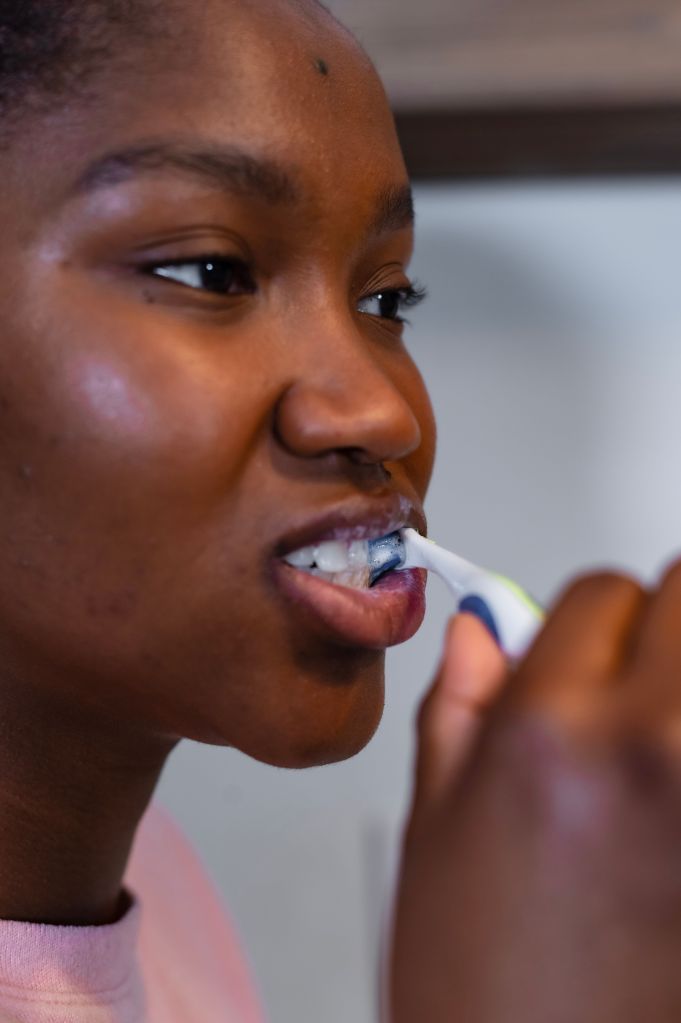
✦ Brush your teeth in the morning and at night, and remember to floss before you brush. It takes 2 minutes of brushing to clean away all the candy that’s on your teeth and flossing to remove whats gotten in between.
✦ Smooth chocolate is the best. It sliddddes off your teeth.
✦ Choose your top 5 favorites, eat them, and you’re done.
Follow these tips and your teeth will be spooktacularrr
Have A Fun, Happy And Safe Halloween!
What are your children looking forward to most this Halloween? Tell us, We’d really like to know! Email us at kidstoothhotline@proton.me Like Us and Chat with us on Facebook
More tips? We Have lots. We’re here just for kids!
Halloween is almost here! It’s time for children to dress up in their favorite costume, then go out trick-or-treating and collect candy and treats from friends and neighbors.
Every where you go there’s chocolates and sugary treats to tempt eager trick-or-treaters.
How do you incorporate tooth friendly snacks into your Halloween festivities? Is it possible for your child to enjoy their spooky snacks and for you to keep their teeth healthy?
Here’s what I want you to know.
6 Ghoulishly Delicious Party Treats
Is it your turn to host this year’s Halloween monster mash?, Are you having a gathering of your ghosts and goblins? No Halloween bash is complete without some scary good snacks.
In addition to bobbing for apples, set your table with Halloween snacks that are big on taste and good for teeth.
1. Banana Ghosts
Try this 2 ingredient treat. Bananas and mini bittersweet chocolate chips are all you need. Cut a banana in half, and add the chocolate chips for the eyes and mouth. Arrange on your favorite Halloween platter.
2. Mandarin Orange Pumpkins
Easy to make and fun to eat. Peel the oranges and add a small pretzel stick or piece of celery into the top as the stem. Arrange in a group to look like a large pumpkin.
3. Veggie Skeleton
Who says veggies need to be boring? On a platter arrange sliced peppers (for the ribs), cucumbers (spine), carrot sticks (arms) and broccoli florets (elbow and hand). For the head, in a bowl place your favorite dip (did I hear Blue Cheese?) and use extra broccoli florets as the hair and eyes. Everyone will be impressed!
4. Witches Broomsticks
For something fun, yummy and festive, choose 2 of your family’s favorite cheese sticks. Cut each cheese stick to resemble the bristles of a broom. Place two cheese sticks around a pretzel stick or pretzel rod and tie together with a chive or use a vegetable peeler to create thin carrot ribbons to tie the broom together.
5. Apple Monster Mouth
Between 2 slices of apple spread your favorite nut butter. Place a slice of strawberry, peach, or red plum onto of the nut butter to create the “tongue”. For the teeth place almond slices into the nut butter.
6. Mummy Pizza
Choose pizza dough, english muffin, pita, or a tortilla as your base. Cover with your favorite tomato sauce and criss-cross slices of mozzarella cheese (or your child’s favorite cheese). Slice green or black olives to make the eyes. Bake until fully cooked. Enjoy!
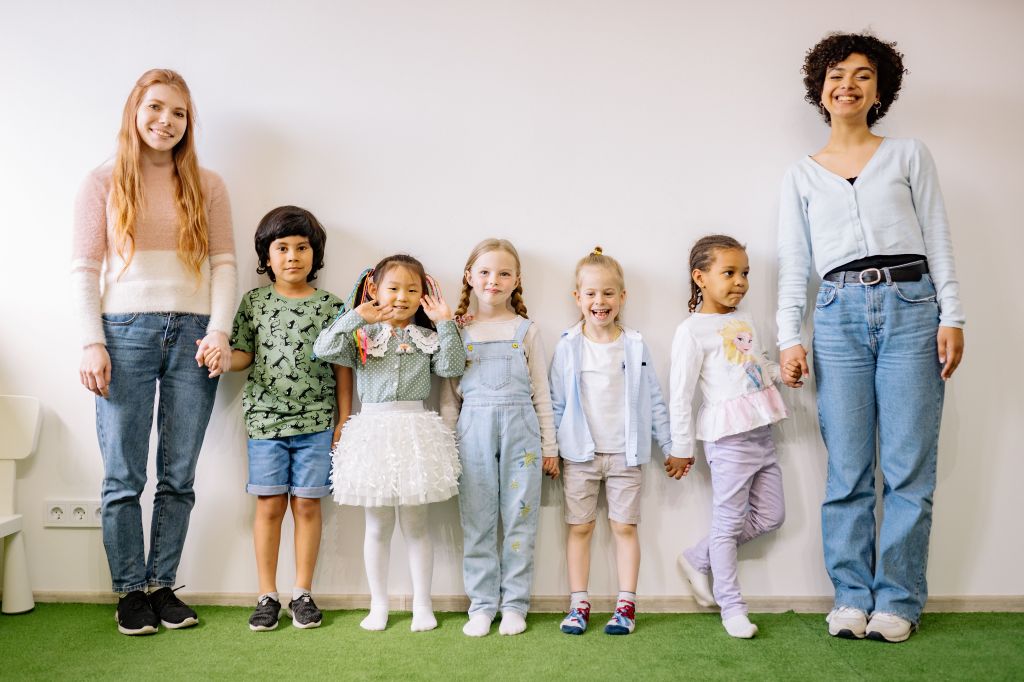
Sharing Our Halloween Treats With YouMaking Our Halloween Pizza Our WayReady To Transform Oranges Into PumpkinsWe Helped Our Mom Pick These Vegetables For Our Veggie SkeletonHaving Fun Making My Children’s Halloween Snacks
What To Look For In Tooth Friendly Halloween Treats
There’s a few things to look out for in the ingredient list to help you make informed choices –
Xylitol, xylitol is a sugar just not like glucose or sucrose. This is what makes candies “sugar free.”
Artificial sweeteners, artificial sweeteners are high intensity sugary sweeteners.
Natural sweeteners, natural sweeteners are also high intensity sugary sweeteners and are considered to have “zero calories.”
Candy Free Choices For Trick-or-Treaters
Halloween is also about fun. Instead of candy, include a small favorite (or nostalgic) toy as a Halloween treat –
Glow sticks
Vampire fangs
Bubbles
Bouncy balls
Finger puppets
Stickers
Yo-yo’s
Halloween is every child’s dream. It’s the season of costumes and candy and candy and more candy. So be the cool parent and their Halloween Hero, and wonder no more about which Halloween treats are best for your child’s teeth.
What’s your family’s most fun Halloween memory? What’s everyone’s favorite Halloween treat? Tell us, We’d really like to know! Email us at kidstoothhotline@proton.meLike Us and Chat with us on Facebook
Happy Halloween!
More tips? We have lots. We’re here just for kids!
Mom, I can brush my own teeth! Let me brush by myself Mom! Mom, I can do this!
Sound familiar?
As a mom I’ve been there. As a mom and a pediatric dentist I totally understand.
Part of you wants to let your child brush their own teeth. You’ve been doing this for them since they were babies. On the other hand you’re not sure they’re ready and if they’ll do a good job.
When should you start letting your child brush their own teeth? How do you support your child’s healthy habits?
Here’s what I want you to know.
What To Look For, 5 Signs Your Child Is Ready To Brush On Their Own
1. Do They Have The Basic Motor Skills?
3 questions to ask yourself first,
Can they tie their own shoes?
Can they wash and dry their hair from start to finish on their own?
Can they write their name legibly?
Why ask these questions? This is because brushing teeth requires a lot of coordination. So it’s important to look at their fine motor skills.
What are these motor skills?
You’ll need to look at how they hold their toothbrush?
Can they hold and turn the toothbrush to reach all around their mouth? and all all all the way in the back behind their most back (molar) teeth?
Are they able to move the toothbrush in small gentle circles around their teeth?
Can they angle the toothbrush to gently brush at the gum lines on both sides of each tooth?
Can they wrap the floss around their fingers and move the floss along as they go from tooth to tooth?
2. Can They Follow Instructions?
Understanding and following directions is important. Taking the right amount of time when toothbrushing is just as important.
Can they brush for a full 2 minutes? Why 2 minutes? This is the right amount of time to make sure all their teeth get touched with toothpaste and to allow the toothpaste to do a proper job.
3. Do They Show An Interest In Brushing By Themselves?
Has your child asked you if they’re holding their toothbrush correctly? Are they trying to imitate the way you brush?
Taking an active part in their own health gives them a genuine sense of accomplishment and confidence.
4. Can They Maintain A Routine?
How many reminders does it take for them to clean up their room or brush their hair? Can they remember to brush their teeth without you constantly reminding them?
The more you need to say this the more likely that’s a day teeth won’t be brushed; because let’s face it everyone is rushed and tired.
If your child is able to stay consistent then give independent brushing a try.
5. Do They Understand The Importance Of Oral Hygiene?
Proper brushing removes plaque so they’re actually cleaning their teeth effectively.
Look at your child’s teeth after you’ve let them brush. Are they clean? Do you see any food or plaque left behind?
I Follow The Toothbrushing Rules Twice A Day Everyday
Your Guidance Supports Your Child’s Independent Brushing
Monitoring and supervising is key. It’s always okay to watch from the bathroom door and to step back in with reminders and assistance. Remember to always check when they’re done.
When brushing feels like their achievement rather than a chore imposed by you, your child approaches their oral hygiene with less resistance.
This positive association matters more than you realize. That’s why this transition should be gradual, not rushed.
Make Toothbrushing Fun And Engaging
Let your child pick their toothbrush color, toothpaste flavor, flosser color, and their 2 minute timer. Allowing them to make these choices makes this fun, encourages their interest and allows them to do a good job.
Lead By Example
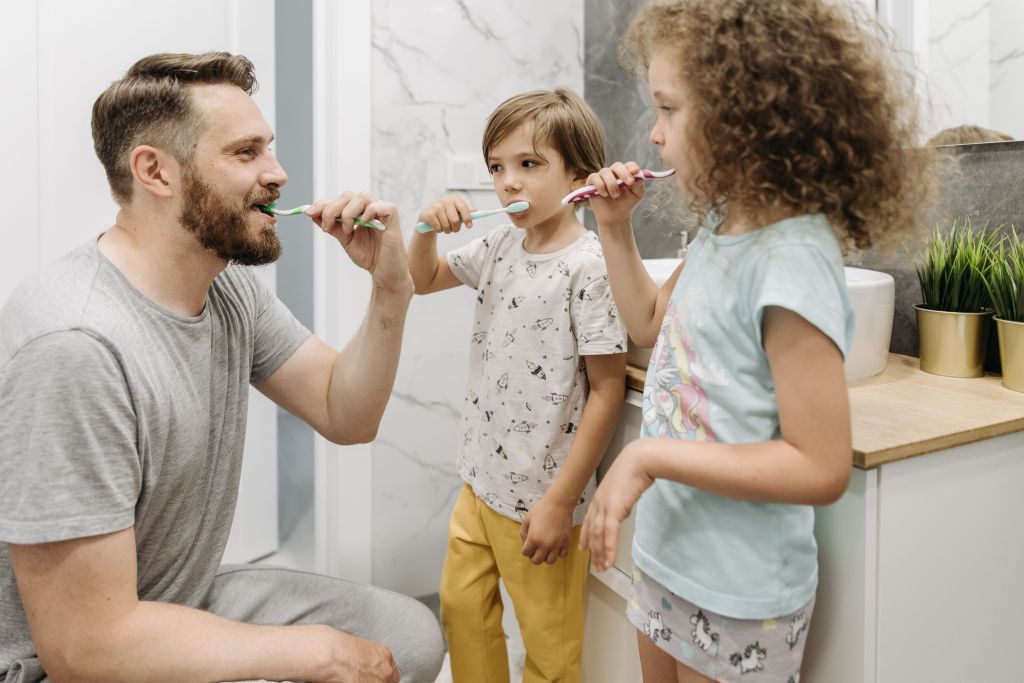
Children learn by watching. Flossing and brushing together, side by side reinforces the correct techniques and instills proper daily habits.
Offer Encouraging Suggestions
There are times when you’ll need to step in and give gentle reminders. Resist the urge to take over.
You may need to offer a few reminders again (and again) when (or if) you notice plaque buildup, or inconsistency in these habits.
As your child grows and becomes more accustomed to their routine you can gradually step back while still checking on how they are doing.
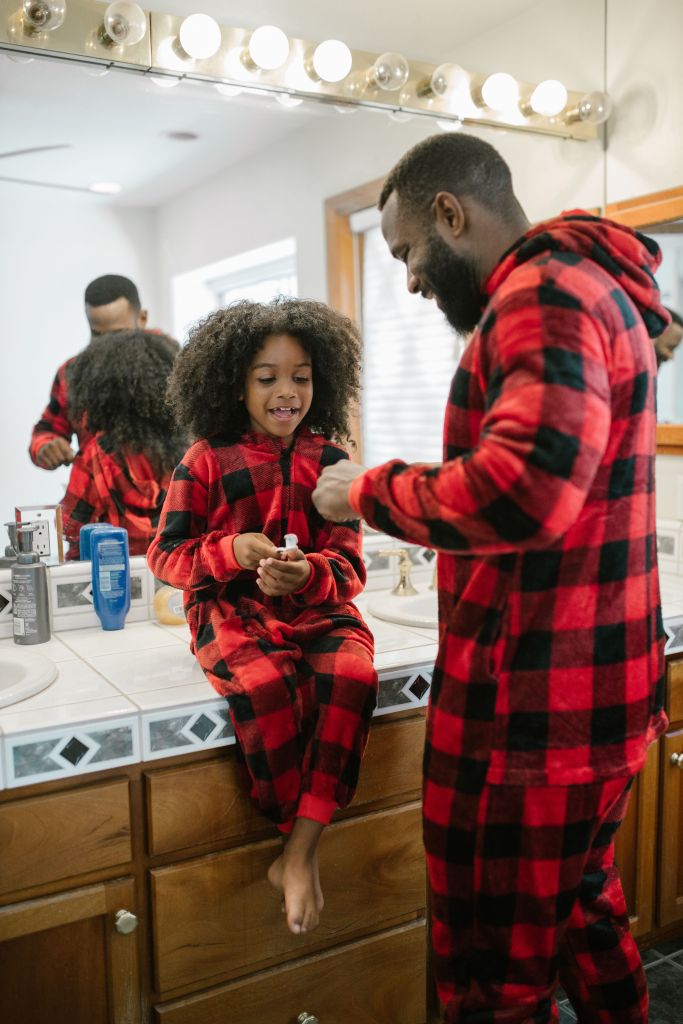
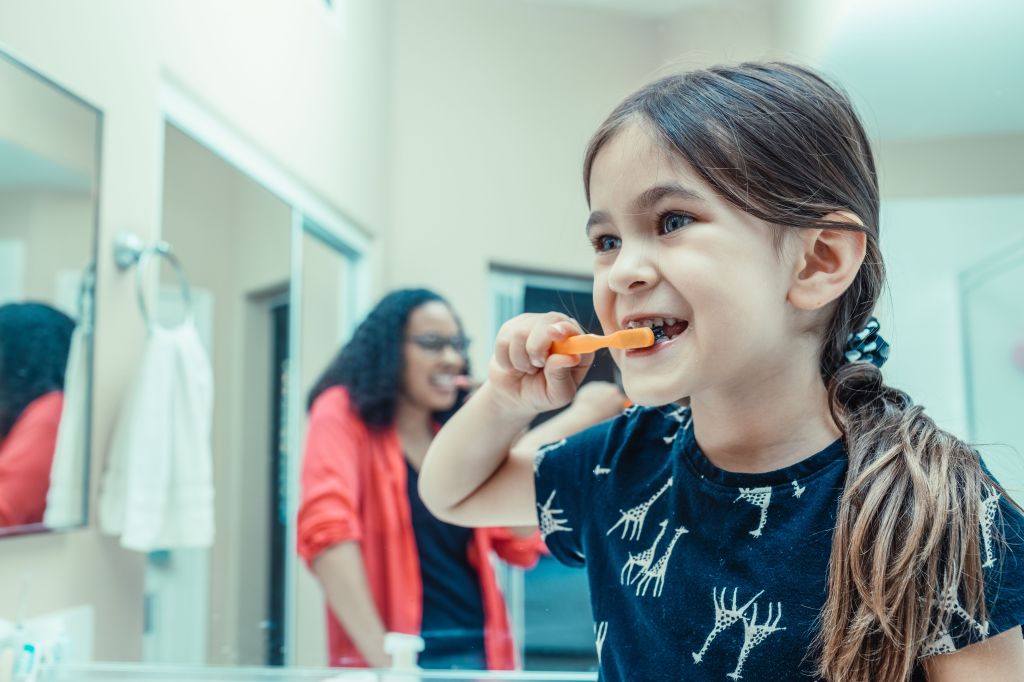
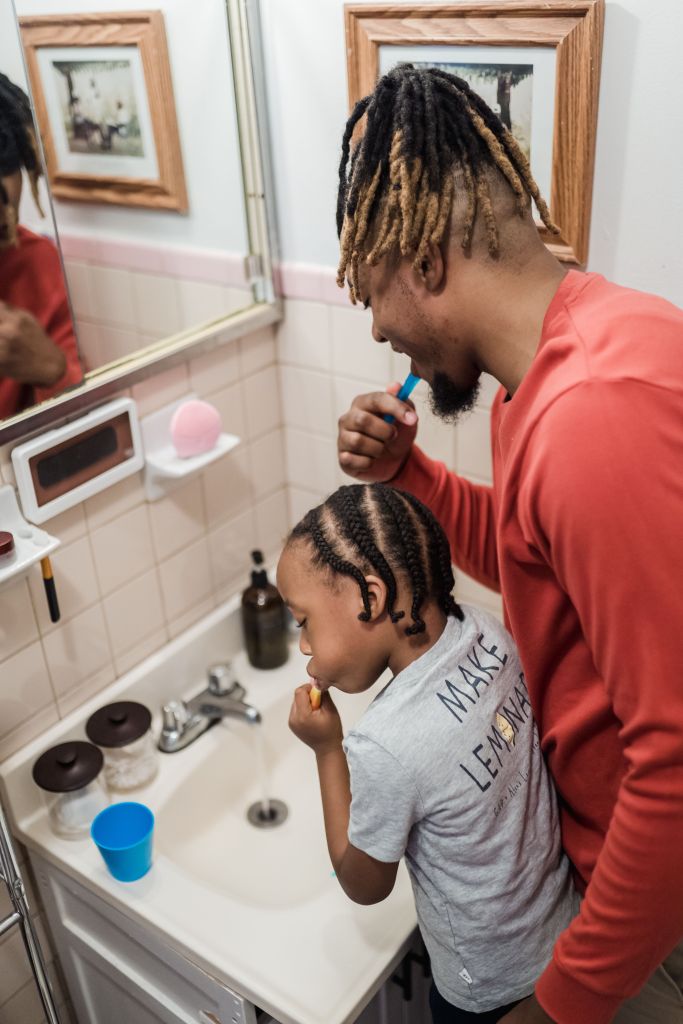
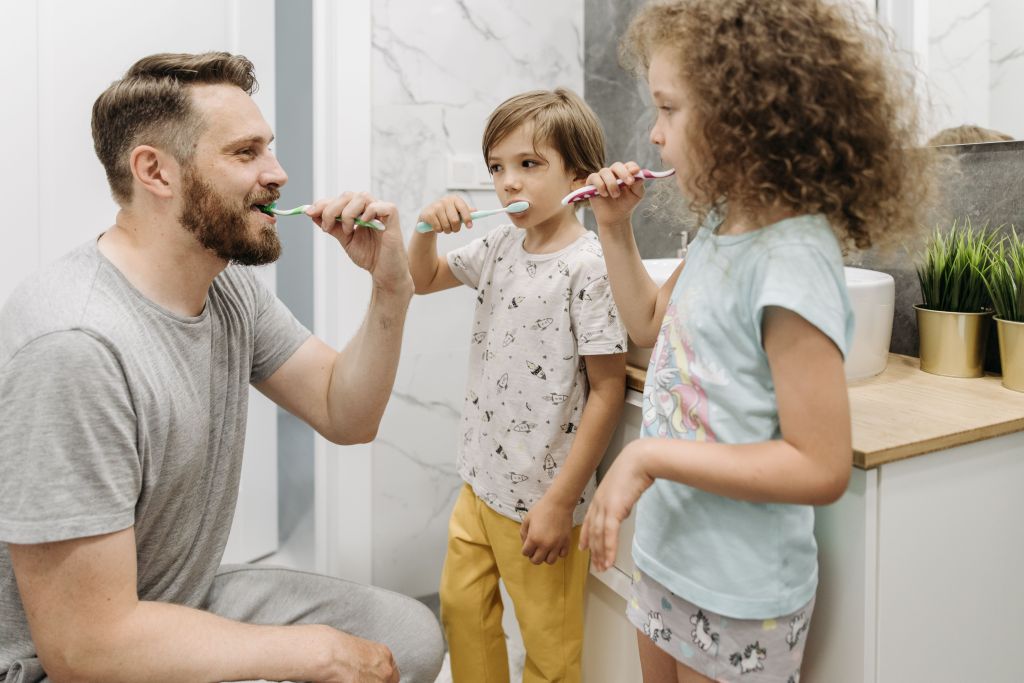
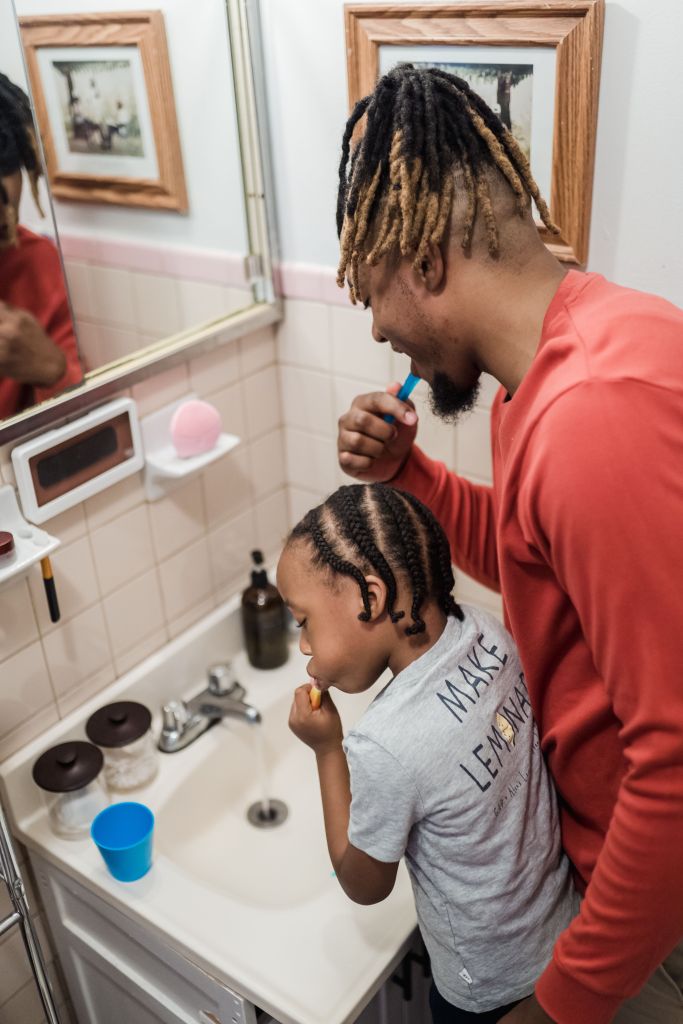
Brushing TogetherMy Dad Helps Me With Everything, Including My TeethI’m Brushing My Teeth And Mommy’s Brushing Hers
Are They Ready?
Every child develops at their own pace. There are children who can do this when they’re 8 or 9 years old. For others it’s 10 or 11 years old. Like with all milestones it takes time and what works for one might need tweaking for another.
What do you do if your child isn’t ready but wants to be an independent brusher? That’s okay!
There’s no definite time that all kids must be able to brush their teeth on their own. You can continue to help them learn and practice.
Encourage their independence but you continue to floss and brush their teeth.
Ask them questions about why and how you’re brushing.
Once or twice a week have them hold their toothbrush with your hand over theirs and talk with them about what you’re doing as you’re doing this. Remember to have them look in the mirror to watch.
Use a flosser or put the floss around their fingers and floss together. Remember to use a mirror so they can see.
Once a week let them try on their own with you in the bathroom, check their teeth and then it’s your turn.
Transitioning to independent brushing is a big step and important milestone for both of you.
Finding the right balance between independence, supervision and encouragement will take time. Taking this day by day allows you to set your child up for their consistent long term oral hygiene routine.
Daddy’s Making Sure I Brush My Teeth RightBrushing Teeth Just Like Daddy
Has your child told you they want to brush their own teeth? Do you think they are ready to floss and brush on their own? How old were you when you started brushing on your own? What tips have you found is the sweet spot to encourage independent brushing? Tell Us, We’d really like to know! Send us an email at kidstoothhotline@proton.me Like Us on Facebook
My Every Morning And Every Night Toothbrushing Routine, Thanks Mom!
More tips? We have lots. We’re here just for kids!
Think about it. You smile at your child and they smile back. You both giggle and feel great.
This may be a simple expression, but it goes beyond simply making us look happier.
Smiling releases natural hormones called endorphins. These hormones make you feel happier, more positive, and less stressed.
Why smile on World Smile Day? This is what I want you to know.
What Is World Smile Day?
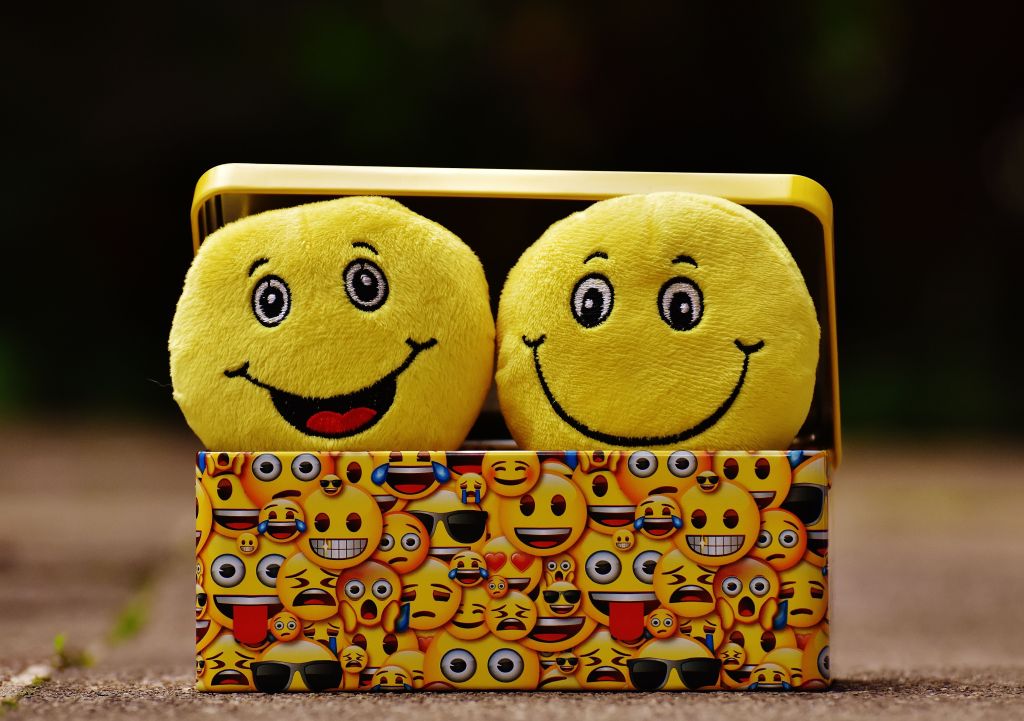
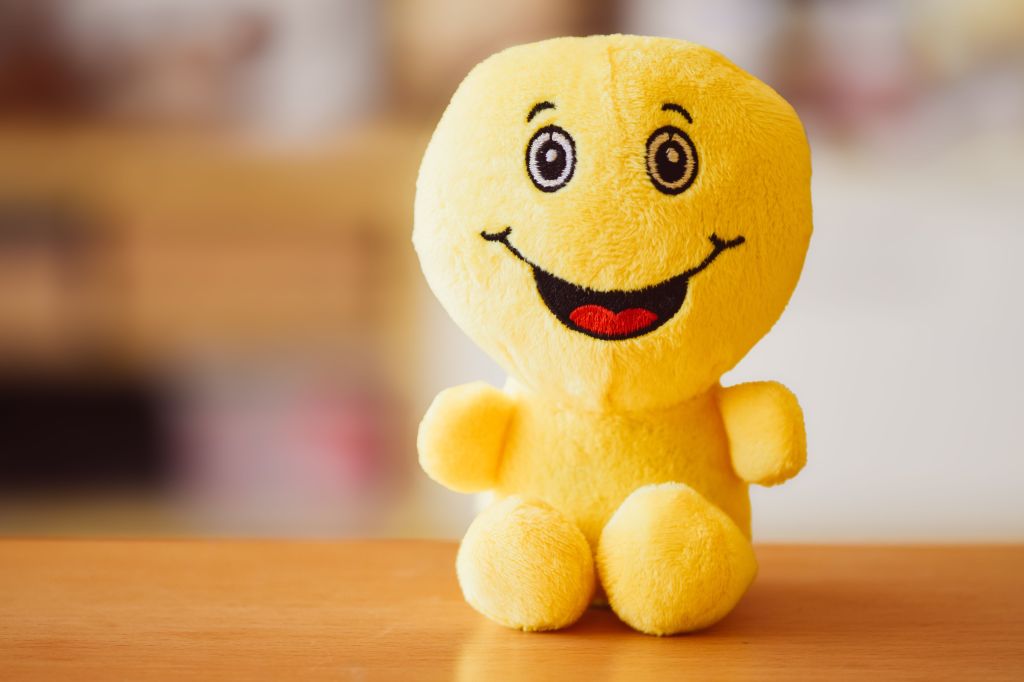
World Smile Day started in 1999 by Harvey Ball, the creator of the Smiley Face emoji.
This day celebrates the meaning of the Smiley icon, bringing a smile of the faces of people around the world.
Who doesn’t smile when they see the Smiley Face?
When Is World Smile Day?
World Smile Day is celebrated around the world every year on the 1st Friday of October. For this year, that’s tomorrow.
Why Is The Smiley Face Yellow?
Yellow was chosen because it’s a symbol of cheerfulness!
Sharing My Smile
The Power Of A Child’s Smile
Fun fact – Did you know it takes 17 muscles to smile?
Smiling Increases A Child’s Self Confidence
A smile is about feeling good on the inside and out. Their smile plays a major role in how they feel about themselves, and how they present themselves to others.
A Healthy Smile Makes Me SmileA New Tooth Brush Makes Me Smile
Children Are The Biggest Smilers
Children smile about 400 times a day. When a child smiles they naturally feel happier. This in turn helps them face challenges and new situations with a positive spirit.
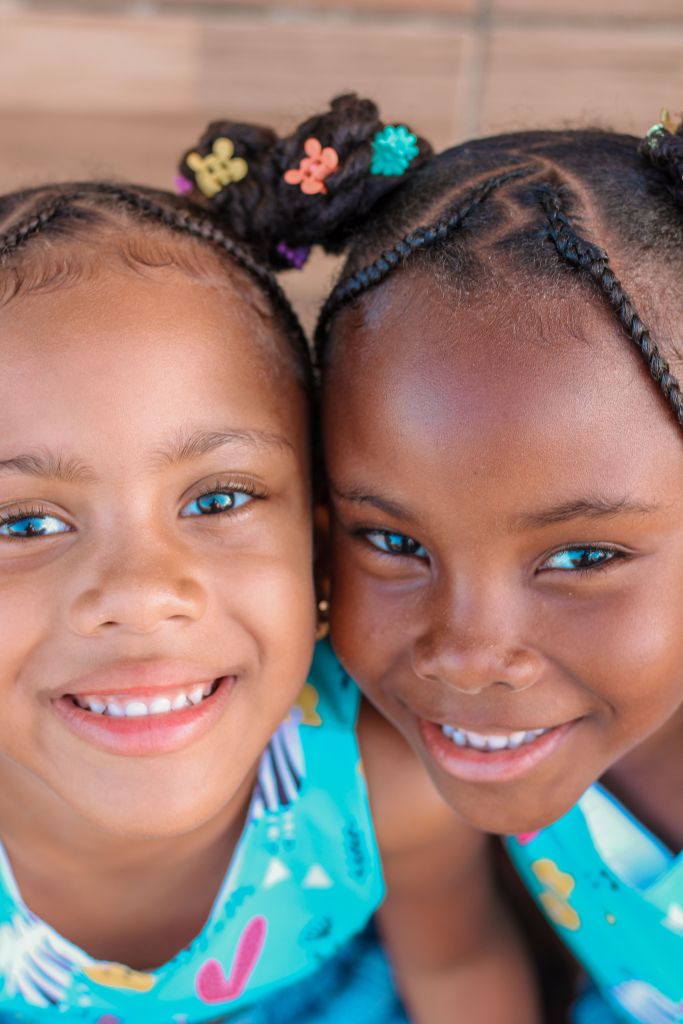
Being With Our Friends Makes Us Smile I Love To Smile
Smiling Creates Positive Social Experiences
When a child smiles big and often, it demonstrates their confidence. Other children want to be around them. This helps a child to build friendships and lifelong relationships.
A smile helps children build connections and have positive social experiences with their peers.
Telling Jokes Makes Us SmileMy Birthday Makes Me SmileFun Times Makes Us SmileLaying On The Grass Makes Us Smile
The Science Behind The Smile
Smiling is important for a child’s health. It’s a natural mood booster by reducing stress and anxiety.
Each time they smile, their body releases natural stress releasing compounds, called endorphins and neuropeptides. These hormones relax their body and lower their heart rate and blood pressure.
Don’t feel like smiling? Even laughing can improve a child’s mood. Plus it’s hard not to smile when you’re laughing.
There’s nothing quite like seeing a child’s smile to make everyone feel better. It really creates a positive atmosphere for the whole family.
Friends Makes Us SmileHaving Fun Makes Us Smile
Smiling Positively Impacts School Performance
A smile can also directly impact a child’s school performance. Children who have healthy smiles are less likely to be absent from school.
This is why good oral hygiene routines are important for supporting children’s overall well-being and success in school.
The End Of The School Day Makes Us Smile
The Family That Smiles Together Supports And Encourages Each Other
While a smile can go a long way for a child, there is nothing like a parent’s support and encouragement to help them feel great about themselves. Creating this loving and supportive environment makes everyone feel more secure and accepted.
This is why talking with them about their oral health is so important. Good oral health, a healthy smile, and good communication go a long way to forming a positive self-image.
Being Together Makes Us SmileI Make Mommy And Daddy SmileHappy World Smile DayBlowing Bubbles Makes Us SmileI Know How To Make Mommy SmileHappy Smiles From Us To You
Celebrate World Smile Day
6 fun and easy ways to celebrate:
Encourage 1 person to smile, smile at them and see if they smile back to you
Hand out Smiley Face stickers
Tell a funny joke and see who laughs and smiles
Take a family picture of everyone smiling
Appreciate the happiness a smile can bring
Sing your favorite smile song
Make Your Child’s Smile Their Super Power
A simple smile has the power to bring people together, spread kindness, and brighten someone’s day.
Keep Smiling!
Being With Our Friends Makes Us Smile
How will your family celebrate World Smile Day? What makes your child smile? How many times do you think they smile in a day? Is the Smiley Face emoji your favorite? Which Smiley Face do you use most in your texts? Tell Us, We’d really like to know! Send us an email at kidstoothhotline@proton.me Like Us on Facebook
More tips? We have lots. We’re here just for kids!
It can feel like achieving good dental health for children takes tremendous effort. Sometimes parents wonder that no matter what they do, it is really working and worth the effort?
As a Mom and pediatric dentist, I can tell you it’s worth the effort.
How do I know? This is what I want you to know.
Molars Do A Lot Of Work
All that chewing power takes a lot of work. But molars, those teeth all the way in the back, are up to the challenge.
Even though they’re designed to be powerful, their shape also makes them more vulnerable to cavities.
How? 2 reasons – Not only do the pits and grooves on their chewing surfaces trap food and plaque, but those back teeth can be really tricky for kids to reach with a toothbrush.
So taking some extra time to brush those molars helps keep them clean and healthy.
Mommy Says We Have To Brush All The Way Back To Get To My MolarsCheck Out My Molars
Brush And Floss But Still Get Cavities, Why?
Even with regular brushing and flossing, there are children who still experience dental problems.
This comes from several different reasons:
Tooth Anatomy: This arises especially in molars which have deep pits and grooves where food and plaque become trapped. These are very narrow spaces that toothbrush bristles have a difficult time reaching.
Diet and Snacking Frequency: How often (and how long) a child snacks also plays a role. Crackers, chips, and fruit snacks (to name a few) provide a continual source of food acid to the bacteria in the mouth; which lowers the pH of saliva. The more often this occurs, the less often teeth are protected and the higher the risk of cavities.
Underdeveloped Motor Skills: Think about how much dexterity goes into toothbrushing and flossing. Children are still learning and developing these skills. This is why it’s so important for parents to brush and floss their children’s teeth.
Mouth Breathing: When children can’t breathe through their nose they breathe through their mouth. Whether it’s allergies or nasal congestion, this leads to dry mouth. Dry mouth means there’s less saliva in the mouth which raises the chance of cavities.
Genetics: Genetics determines everything about us, even our teeth. The size and shape of teeth, the bacteria that’s in the mouth, and the strength of teeth enamel are all genetically decided.
Take heart, if dental issues occur despite good habits, parents shouldn’t take this as a sign they’ve done something wrong. Rather, look at it as the family simply needing more focused help.
Look At All My TeethMommy And Daddy Work Hard On My Teeth
Children usually stop sucking between the ages of 2 and 4 years old, or by the time the permanent front teeth are ready to come into their mouth.
As permanent teeth come in, sucking may cause problems with the proper growth of the mouth and alignment of the teeth. It can also cause changes to the shape of the roof of the mouth.
The intensity and duration of the sucking also determines whether or not dental problems may result. If children rest their thumbs passively in their mouths, they are less likely to have the same difficulty as those who vigorously suck their thumbs. Some aggressive thumbsuckers may even develop problems with their baby teeth.
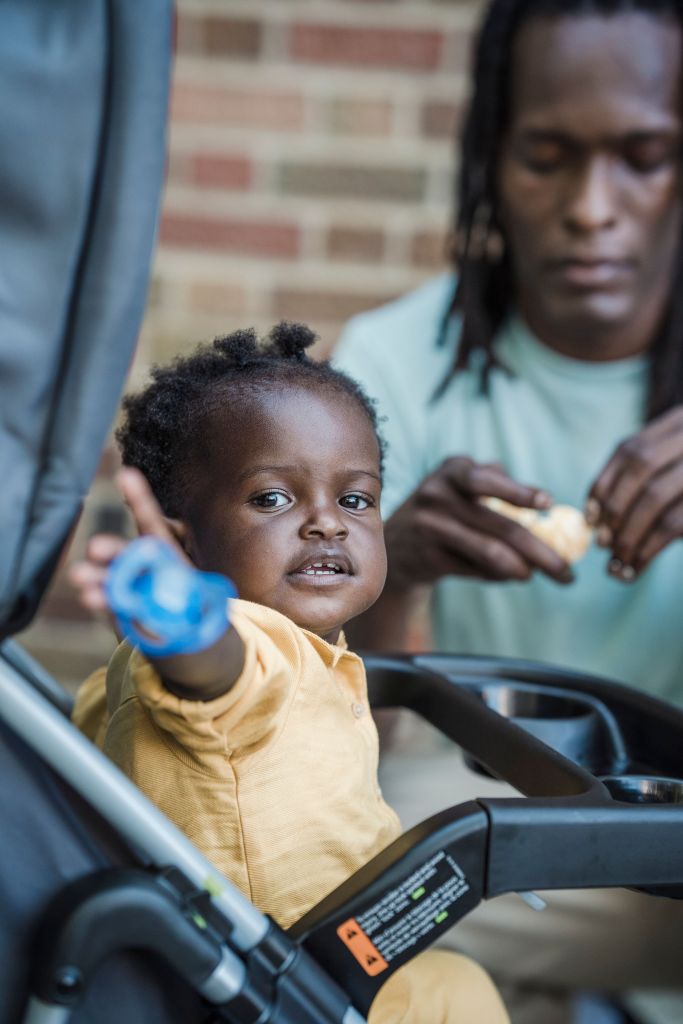
I’m So Happy I Stopped Sucking My ThumbI Still Suck My Thumb, So There’s No Way I’m Showing My TeethI Really Like My PacifierDaddy’s Holding My Hand So I Don’t Suck On My FingersI’m Trying Hard Not To Suck My ThumbDaddy Said To Throw Away My PacifierThis Is The Thumb I Used To Suck On
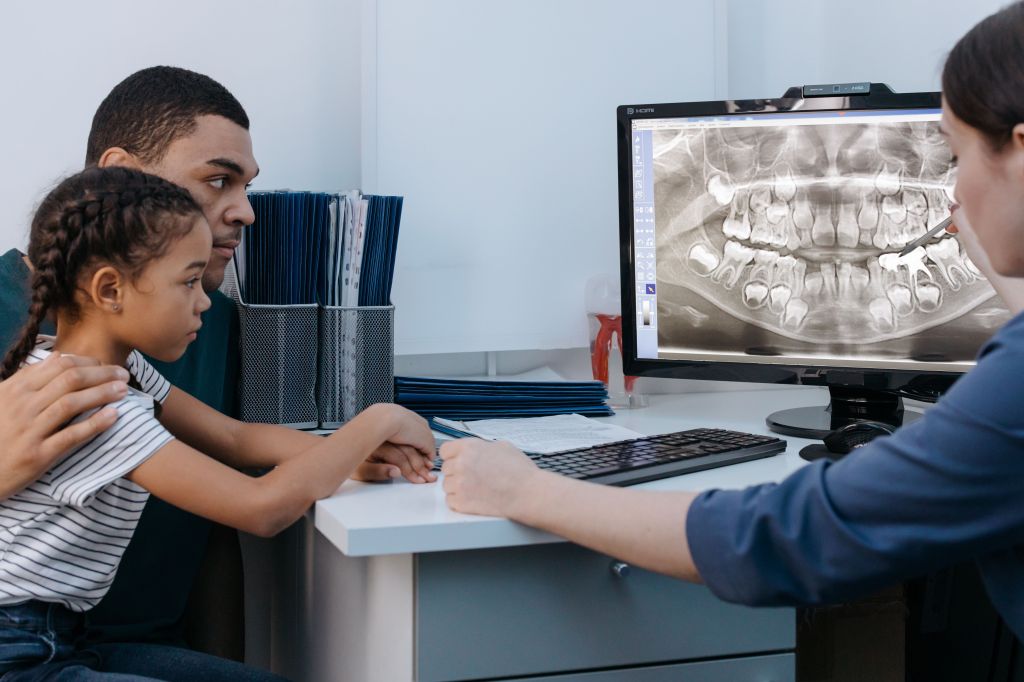
Why Take X-rays Of Baby Teeth?
Why take x-rays of baby teeth if they fall out? That’s a question a lot of parents think about and ask. Yes, they’re baby teeth, but they’re also important placeholders for the adult teeth which replace them.
Dental X-rays give pediatric dentists a closer look at areas which can’t be seen, such as in between the teeth and below the gum line. They can help spot hidden and developing cavities, monitor developing permanent teeth, and follow how a child’s smile is growing and changing.
Concerned about the radiation exposure? Modern digital X-rays are safer, with 80% less radiation than the older methods.
Look At All Those Teeth
Every Tooth Has A Job
Not every tooth in your child’s smile looks the same. There’s a reason why.
Front teeth are shaped for biting into food, while the larger teeth in the back are designed for crushing and chewing.
Every tooth has its own job to do, and together they are quite the team.
All My Teeth Are Shiny But They Don’t All Look The Same
Sweet Dreams Start With A Regular Tooth Brush Routine
Most children aren’t getting enough sleep, and settling down for bedtime can turn into a whole event.
For children who have trouble winding down at night, parents can try turning off screens a little earlier and keeping to the same simple routine every night. The more consistent it is, the easier bedtime gets.
And making toothbrushing and flossing part of their routine gets their smile ready for sweet dreams tonight and easier mornings tomorrow.
Daddy’s And My Toothbrushing RoutineI Floss And Brush Every Morning And Every NightWe Brush Teeth With Daddy Every Night And With Mommy Every Morning
How is it going? Are you ready to stay the course? What are your experiences, best and not so good? Tell us, We’d really like to know! Send us an email to kidstoothhotline@proton.meLike Us on Facebook
Happy Teeth Happy Family
More tips? We have lots. We’re here just for kids!
Your child has grown a lot over the summer, and so has their teeth. Now they’re back in school and picture day is coming.
This is a big event. Choosing the right outfit. Hair has to be just so. Practicing their smile. Whether it’s gap toothed grins or braces covered smiles now is the time to prepare your child’s smile to be camera ready.
How do you do this? Here’s what I want you to know.
A Child’s Smile Worries Are A Real Concern
Confidence starts with being heard.
Has your child mentioned a chipped tooth? Or, have you noticed they’re hiding their teeth, not smiling, avoiding pictures, or asking questions like, “Why are my teeth different?”
Smile concerns don’t need to be dismissed or dramatized. Most of the time, children just want to feel okay about something that’s bothering them.
I Don’t Want To Show My Teeth For My School PicturesMommy Says To Smile Big But I Don’t Want To
What Are A Child’s Smile Concerns?
In today’s world phones are everywhere. Taking photos and selfies are an everyday event. But what happens when a child isn’t happy with their smile looking back at them?
Teeth change as children grow and so does the appearance of their teeth. No smile is perfect (sorry Hollywood). A lot of children are especially sensitive to dental imperfections.
Some common tooth worries children experience are:
Chipped or uneven front teeth can happen from a fall, during play or a sports injury;
Gaps or uneven teeth which can be a natural part of normal growth patterns, genetics, or a pacifier or a thumb sucking habit;
Tooth staining can happen when eating certain foods or can arise from some medications;
A discolored or gray tooth can be due to a bump, fall, or issues with early tooth development.
Parent’s Guide To Keeping Teeth Healthy
Your 1st step is to start with a consistent daily routine for toothbrushing and flossing.
A Daily Routine To Help Promote Child Healthy Teeth
Set time each morning and night for teeth cleaning and try to make it fun,
Listen to your child’s favorite music or sing songs as your toothbrushing timer,
Add a fun brushing dance to your routine,
Play a 2 minute funny video on your smartphone to pass the time,
Add a fun toothbrushing app like The Tooth Savers Brushing Game and save the fairytale kingdom with their toothbrush, or The Disney Magic Timer by Oral-B and transform toothbrushing into an adventure.
5 Easy Toothbrushing Steps
Angle the toothbrush 45 degrees towards the gums of their upper and lower teeth,
Brush the inside and outside of your child’s teeth and move the toothbrush gently back and forth across their teeth,
Brush back and forth along their tooth’s chewing surface,
Hold the toothbrush in a vertical position and using the tip of the toothbrush clean behind their upper and lower front teeth,
Brush their tongue gently.
Do We Have To Floss?
The short answer is Yes.
The reason? Flossing is how you remove food particles and plaque from between your child’s teeth that brushing misses. Including flossing in your routine ensures you can keep your child’s teeth looking great; and goes a long way towards fresher breath.
What Is Cosmetic Dentistry For Children?
Child appropriate, minimally invasive treatments are a contemporary way of addressing cosmetic needs without affecting natural development. Cosmetic dental care is based on what your child truly needs, not what looks “perfect” or what someone else thinks should be done.
4 Most Common Cosmetic Techniques For Children
Minor reshaping or smoothing – When a tooth has a rough edge or an uneven contour your pediatric dentist can perform a minor re-contouring, or smoothing to create a more uniform, balanced and even appearance. Best of all, no numbing is needed.
Tooth colored bonding – Is a great non invasive way to repair chips, cracks, or minor tooth imperfections. Your pediatric dentist applies a composite resin that matches the natural color of the tooth, which is then sculpted, shaped and hardened. Most of the time these visits are short, comfortable and no numbing is involved.
Whitening – Some teens will start to notice yellow or uneven tooth color. Pediatric dentists only suggest teeth whitening treatment when it’s safe and age appropriate. They only apply teeth whitening solutions which are gentle, professionally monitored, and use a specific teeth whitening system made for developing enamel. There are certain particular instances when a pediatric dentist can offer gentle, monitored whitening options for a specific case, such as deeply ingrained staining or discoloration. No adult strength products are used.
Resin Infiltration – White spots caused by early enamel changes or braces can make children feel awkward about their teeth. Since these teeth are cavity free, pediatric dentists can use a no “drill” method called resin infiltration that helps blend the enamel color without needing to remove any tooth structure.
Your child’s confident smile is important for picture day and everyday. Let them smile their best smile!
All Brushed, Flossed And Smiling For My PicturesMommy And Daddy Worked Hard On My Picture Day SmileSmiling My SmilePracticing Saying CheeseMy Sister And I Love To Smile For The CameraMy School Picture SmileOn Our Way For School PicturesThis Is How I’m Smiling For My School PicturesPracticing Our SmilesChecking Out Our Smiles Before The PhotographerMy School Picture Day Smile
Has school picture day arrived? Are you ready? What are your biggest challenges? What are your best tips for preparing your child’s smile? Tell Us, We’d really like to know! Send us an email at kidstoothhotline@proton.meLike Us on Facebook
Can We Take Your Picture?
More tips? We have lots. We’re here just for kids!
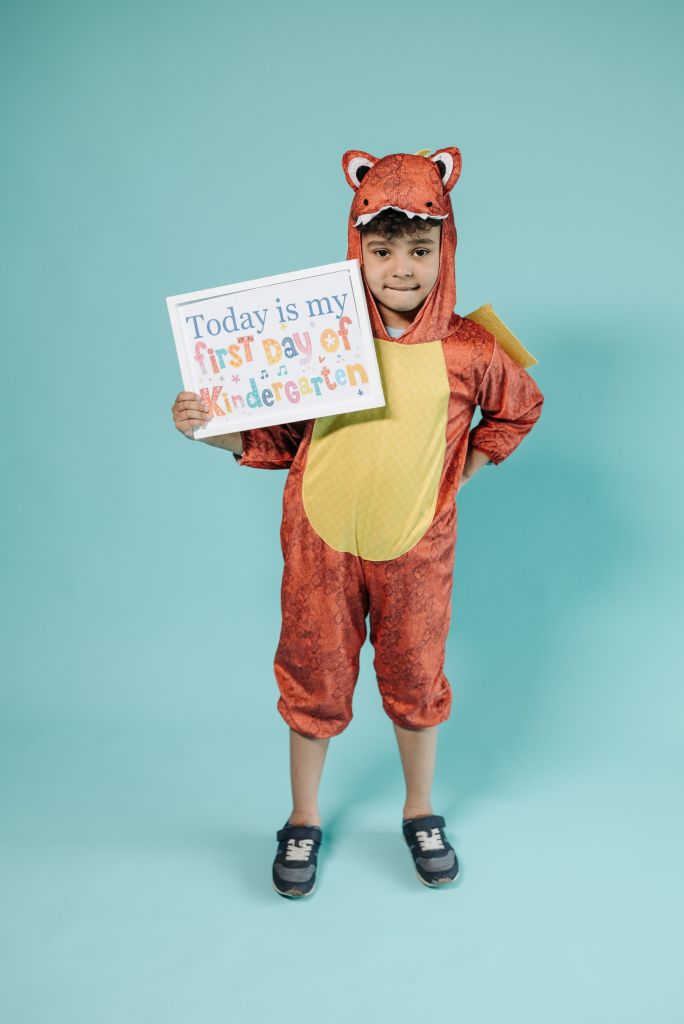
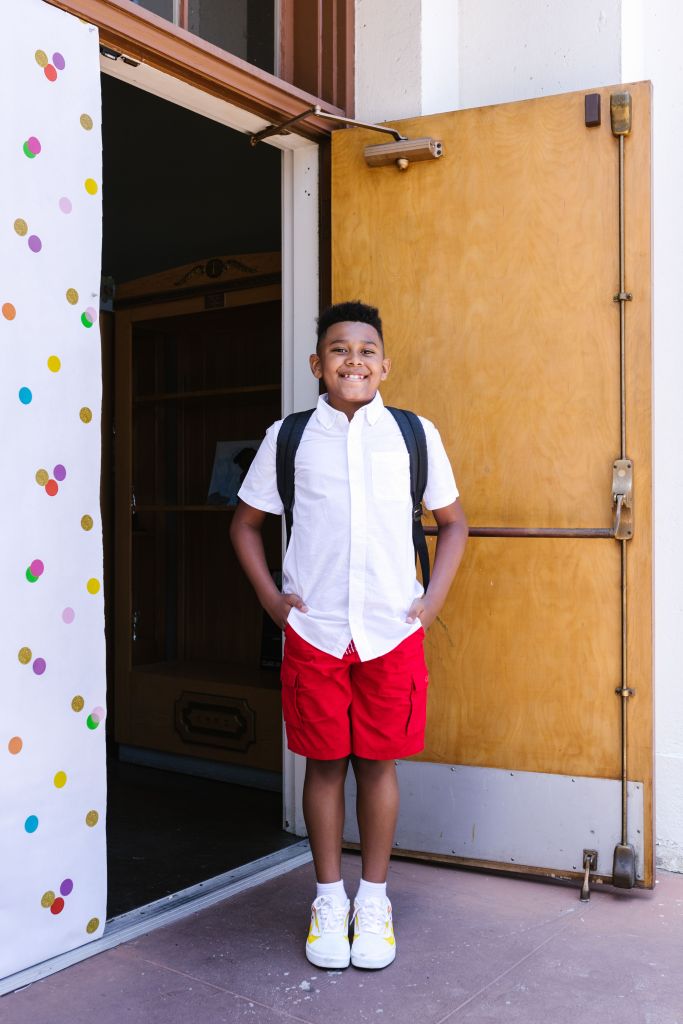
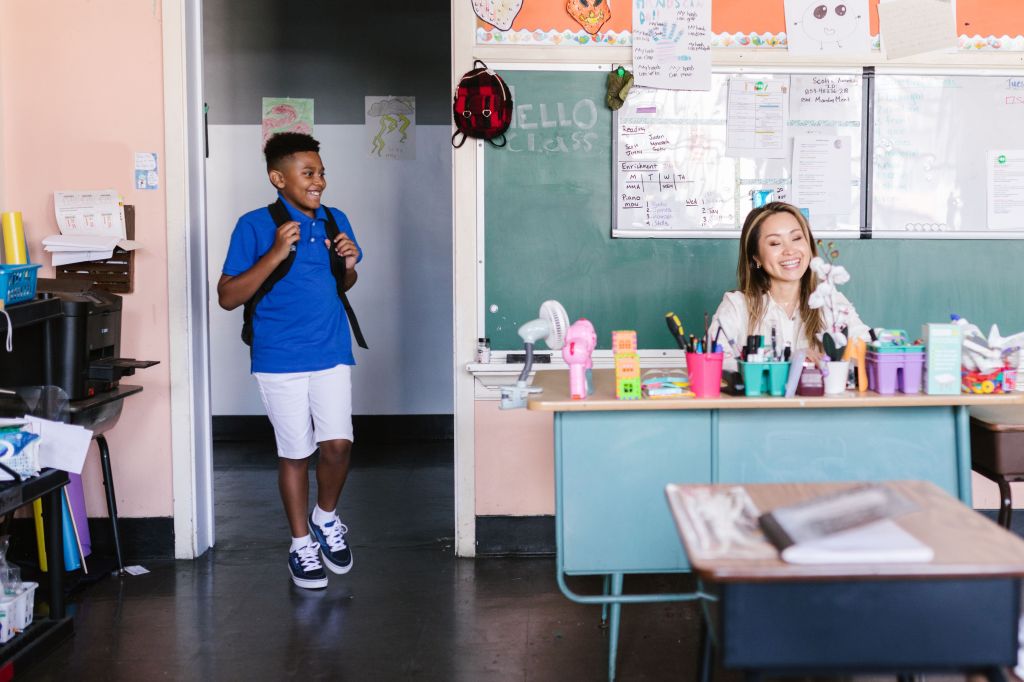
Don’t forget 1 more school essential, their healthy smile.
Tell us, What are your back to school traditions? What makes your child smile on their first day of school? Do you have any special back to school memories? We’d really like to know! Send us an email at kidstoothhotline@proton.me Like Us on Facebook
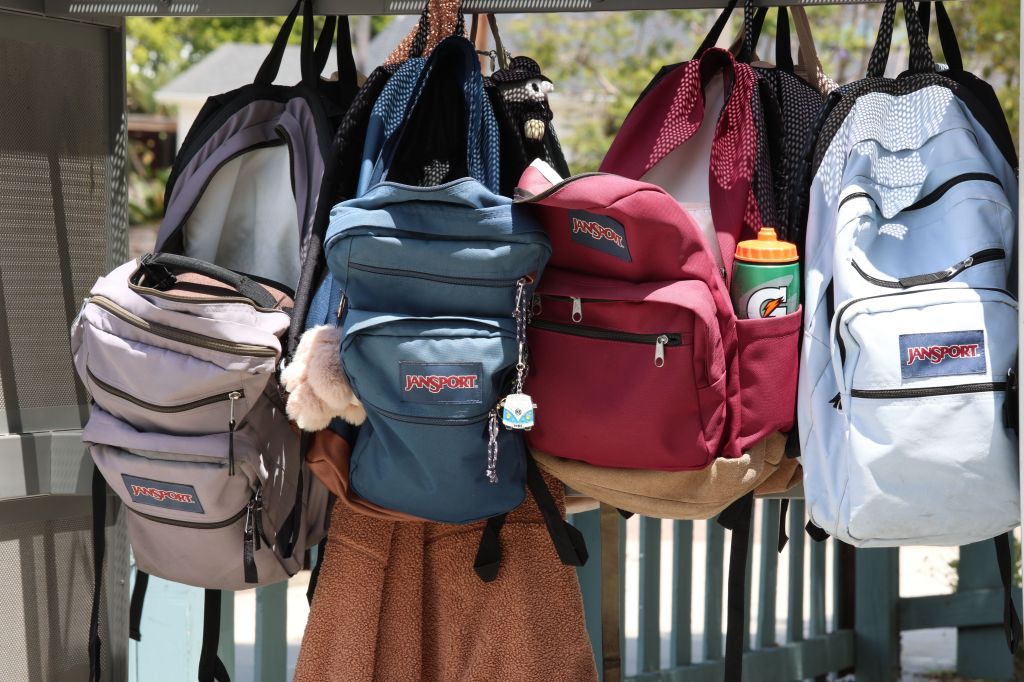
Riding The School Bus This Year?I’m Going Back to SchoolMy First Day Of KindergartenWalking To School With My MomAwesome New BackpacksShowing My Friend I Lost My Tooth Yesterday Before School StartedI’m A Big Kid Walking To SchoolI’ll Be Rockiing The 5th GradeIt’s Back To School TimeI’m So Happy On My First Day Of SchoolStanding Tall, Teeth Brushed And Flossed For My First Day Of Middle SchoolExcited For My New Teacher And New Classroom
More tips? We have lots. We’re here just for kids!
What makes teeth so exciting? After all they’re just teeth, right? Well, not so much.
There are lots of cool and surprising facts about how teeth function and develop that can make children excited to learn more. And we all know good things happen when children are excited to learn.
When children understand more about their teeth they become more confident and ready to show off their smile.
Here are some cool facts about teeth that you and your children might not know.
#1. YOUR TEETH ARE AS UNIQUE AS YOUR FINGERPRINT
Our fingerprints are entirely unique to us. The same is true about your teeth. No 2 people in the world have the same shape, size, and alignment, not even identical twins.
Your teeth are special to you. This is part of what makes your smile so unique and wonderful.
Your teeth are special and they are yours, so take good care of them.
#2. Tooth Enamel Is The Hardest Part Of Your Body
Yes it is. The enamel on your teeth is stronger than your muscles or bones.
Like your bones, tooth enamel is made up of calcium and phosphorous. But it also has specific proteins and a crystalline structure that makes it even stronger.
Enamel is the outer most layer of your teeth. Think of enamel like a shell that’s there to protect teeth from break down and decay.
This is why brushing and flossing are so important!
#3. TEETH START TO FORM EVEN BEFORE A CHILD IS BORN
Baby teeth start forming under the gums before you are born. That’s why most babies have their first tooth by 6 to 12 months old.
Isn’t it amazing how early children’s smiles start developing?
#4. 1/3 OF A TOOTH IS UNDERNEATH THE GUMS
Teeth are sort of like icebergs, the whole tooth isn’t visible to the eye. 1/3 of a tooth is hidden underneath your gums.
Which means it’s just as important to take care of your gums as the part of your teeth you can see.
#5. YOUR SALIVA CAN FILL 2 BATHTUBS
You produce about a quart of saliva a day. Over a year that’s enough saliva to fill 2 medium size bathtubs.
Saliva is extremely important. It helps protect teeth and gums, lubricates the mouth, helps digest our food, fights germs, and protects our teeth from bacteria.
#6. TEETH BY NUMBERS AND LETTERS
We have 2 chances to grow teeth. 1st are our baby teeth and 2nd come our adult teeth.
Children have 20 baby teeth. We count them by singing the ABC’s. Baby teeth start falling out around age 6 and are replaced by their adult teeth. We count them by singing our 1,2,3’s.
Since we don’t get a 3rd set of teeth, it’s important to take good care of the ones we have.
#7. ON AVERAGE YOU’LL SPEND 38 DAYS BRUSHING YOUR TEETH OVER YOUR LIFETIME
If you brush your teeth for 2 minutes 2X’s a day, you’ll spend more than 1 month of your life brushing.
It’s a small amount of time for something so important that keeps your smile healthy.
#8. THE 1 THING YOUR TEETH CAN’T DO
Unlike your skin or bones, teeth can’t heal or regenerate if they’re damaged. Tooth enamel isn’t a living tissue, so a tooth can’t regrow the lost enamel.
This is why it’s so important to protect your teeth from cavities and injuries.
#9. MORE PRESSURE DOESN’T MEAN MORE CLEAN
Be gentle when brushing your teeth. Vigorous scrubbing can actually wear down your enamel and damage your gums.
Use a soft bristle toothbrush in light, circular motions. You want to remove the soft plaque. Please don’t scrub your teeth.
#10. TYRANNOSAURUS TEETH
Tyrannosaurus Rex had some of the most fearsome teeth in history. A single T. Rex tooth could be up to 12 inches long. They were shaped like bananas and had serrated edges to help them eat through their prehistoric meals.
Can you imagine trying to brush a tooth that large?
Our Family’s Coming Up With Our Own Dental Cool Facts
The more we know about our teeth, the more we appreciate how much work they do for us every single day.
What fun and cool dental facts have you heard? Have you played dental trivial pursuit? Tell Us, We’d really like to know! Send us an email at kidstoothhotline@proton.me Like Us on Facebook
Your Turn, What Is Your Dental Cool Fact?
More tips? We have lots. We’re here just for kids!
The mention of the Tooth Fairy brings out joy and excitement in all of us. No matter if your child is about to lose their first tooth or you’re a pro, the thought of a visit sparks amazing anticipation.
The slightest suggestion of a visit from the Tooth Fairy causes such happiness and wonder that a special day has been set aside to honor our tooth loving friend. Yes, Tooth Fairy Day is coming on August 22.
Do you remember losing your 1st baby tooth? I do and I still remember everything about this momentous event.
So let’s celebrate the magical journey of one of childhood’s most cherished traditions, the Tooth Fairy!
Tooth Fairy Fun Facts
Who Is The Tooth Fairy?
The Tooth Fairy is a magical fairy who visits children when they lose a baby tooth and leaves them a gift in exchange for their tooth.
I’m Staying Up For The Tooth Fairy
How Old Is The Tooth Fairy?
The Tooth Fairy is 118 years old. The first known mention of the Tooth Fairy was in the Chicago Daily Tribune in 1908.
In the fairy realm that’s probably about 25 years old.
What Does The Tooth Fairy Do With The Teeth She Collects?
The Tooth Fairy uses the teeth she’s collected for magical purposes. She may build fairy tooth castles, fairy schools, fairy tooth wands, or create fairy jewelry.
The Tooth Fairy can also use the teeth to hold her fairy dust that she sprinkles to grant special wishes and promote sweet dreams for children so they don’t even know she’s in their room picking up their teeth.
The Tooth Fairy Is Coming!I’m All Snuggled Up So The Tooth Fairy Can Come Visit Me
How Many Teeth Does The Tooth Fairy Collect Each Night?
The Tooth Fairy is very busy collecting teeth. It is thought that the Tooth Fairy gathers about 300,000 teeth from children around the world every night.
It’s no wonder she’s one of the busiest fairies in the fairy realm.
The Tooth Fairy Is A Frequent Visitor
With each child having 20 baby teeth to lose, the Tooth Fairy becomes a frequent visitor. She marks each of her visits with a souvenir to show her presence and celebration of a child’s growth.
The Tooth Fairy Is The Official Ambassador For Children’s Dental Health
The Tooth Fairy is a clever parent assistant to help promote good oral hygiene for their child.
Children never want to disappoint the Tooth Fairy. The mention of her name motivates and encourages toothbrushing and flossing in exchange for receiving her reward.
Even Wiggly Teeth Need To Be Brushed And Flossed
Tooth Fairy Day Is Celebrated 2X’s A Year
The Tooth Fairy is celebrated 2X’s a year. National Tooth Fairy Day is observed on February 28 and August 22.
Why 2X’s? No one really knows for sure. It could have something to do with helping to remind parents to keep up with their child’s 2X’s a year dental examinations. Or, it offers a special opportunity to doubly celebrate this treasured time honored childhood tradition.
What Does The Tooth Fairy Pay For Teeth?
This is totally up to your discretion.
The Tooth Fairy’s rates fluctuate with the market. The dental insurance company Delta Dental has been researching the Tooth Fairy pay rate for many years. They’ve found a correlation between the stock market and how much she pays for teeth.
The Tooth Fairy follows the stock market. Who knew?
Sometimes instead of money, the Tooth Fairy may leave a small toy, a book, a fun activity set, a sprinkle of fairy glitter, or a thank you note.
Build Excitement For The Tooth Fairy’s Visit
Explain to your child that the Tooth Fairy is a magical fairy who collects the baby teeth they’ve lost, and leaves a special surprise for them to find.
Make Losing Their Teeth A Tooth Fairy Celebration
Try these 3 ways to make losing baby teeth a happy event:
You can always buy a special tooth pillow at the crafts store. What would make this even more special is for you and your child to make their own personalized tooth fairy pillow. Their own memorable tooth pillow to place their tooth into and to put under their (regular) pillow while they sleep and wait for the Tooth Fairy.
Keep a tooth diary or a tooth journal for each tooth they lose. Your child (or both of you) can write the date, time, which tooth, what they were doing and where their tooth was lost. Don’t forget to include how excited they are. This is such a wonderful memory book to look back on and re-live their excitement.
Have a Tooth Fairy treasure hunt. What a fun Tooth Fairy! She leaves a series of clues about teeth for your child to find and search for around the house. When the last clue has been found, this is where they find their Tooth Fairy’s gift.
We Made My Tooth Fairy PillowMommy And Daddy Helped Me Make My Tooth Fairy PillowsWriting About The Tooth I Just LostWriting In My Tooth Fairy DiaryMy Second Tooth Fairy Clue
The Tooth Fairy continues to fascinate, charm and play a memorable role in the lives of children and families. Her enchanting tradition reminds us of the joy, magic and wonder of childhood.
What are your family’s Tooth Fairy stories and traditions? How does your family celebrate your child’s Tooth Fairy visit? What are your memories of the Tooth Fairy? Have you passed your memories down to your child? Tell Us, We’d really like to know! Send us an email at kidstoothhotline@proton.me Like Us on Facebook
Looking For The Tooth Fairy
More tips? We have lots. We’re here just for kids!
Is it your child’s healthy smile? Is it your child laughing with friends at camp, at the park, or on play dates? Is it their fresh breath when you’re snuggling and cuddling?
Did you know that learning good oral hygiene habits early can help them develop healthy dental habits for life?
And that leading by example and practicing good daily habits for yourself has an important impact on your child?
So what does oral hygiene have to do with fresh breath? The answer is, Everything.
Here’s what I want you to know.
What Is National Fresh Breath Day?
National Fresh Breath Day is celebrated every year on August 6th.
This day highlights the significance of maintaining good oral hygiene to achieve fresh breath and its relationship with overall well-being.
It’s a reminder of the value of good daily oral hygiene and the broader health implications linked to it.
When Did National Fresh Breath Day Start?
The history of this day dates back to Dr. Harold Katz in 1994. Dr. Katz founded this day to promote regular brushing, routine flossing, and dental check ups.
The Family That Brushes And Flosses Together Smiles Together
Why Is Oral Hygiene Important?
Good oral hygiene is a twofold process, involving professional preventive care and personal daily practices like proper brushing and flossing.
This is about your child’s dental health and how it affects them having fresh breath.
6 Reasons Why It’s Important For Children To Learn Good Oral Hygiene Early
Teaching children proper oral hygiene habits at an early age lays the foundation for life long dental health;
Young children who develop daily consistent brushing and flossing habits are more likely to maintain healthy teeth and gums into adulthood;
National Fresh Breath Day provides an excellent opportunity for parents to explain why brushing, flossing, and regular dental visits matter. As children grow they begin to understand the reasons behind these habits and become more motivated to practice them consistently;
Good oral care also reduces the risk of cavities, gum problems, and school absences caused by tooth pain;
As children grow older, they come to understand that maintaining good oral hygiene insures fresh breath, is a confidence booster and contributes to their long term wellness;
Positive reinforcement, fun educational activities, colorful toothbrushes, and family brushing routines encourage children to view oral care as part of daily life.
This Is Why I Brush And Floss EverydayTaking Care Of Their Teeth Early
Even for children, the health of their mouth is a mirror to the overall well being of their body. Their mouth reflects systemic conditions that may be developing but otherwise remain invisible.
Examples Of Oral Health’s Systemic Effect
Studies suggest that poor dental hygiene, gum disease and tooth decay can be a significant risk factor for heart disease;
Diabetes: Poor oral health can exacerbate diabetes by increasing blood sugar levels;
Gum Disease and Respiratory Infections: Bacteria from the mouth can be inhaled, leading to lung infections;
Oral Inflammation and Kidney Disease: Chronic oral inflammation can weaken kidneys, potentially leading to disease;
Self-esteem: Poor oral health can lead to low self-esteem;
Chronic Pain: Conditions like gum disease and infections can cause persistent pain, contributing to stress and anxiety.
Did you know your child’s mouth is home to billions of bacteria? While many of them are perfectly normal, here’s how to help keep the harmful bacteria under control so your child’s smile stays healthy and strong:
Twice daily tooth brushing with a fluoride toothpaste: 2 minutes 2x’s a day,
Nightly flossing: Floss removes food particles and plaque between teeth that toothbrushes can’t reach. Floss before brushing and then brush all the “stuff” away,
Brush their Tongue: Brush away the food and plaque off their tongue to enhance oral hygiene and breath freshness,
Toothbrush: Choose a soft bristled, age appropriate sized brush. Replace it every 3 months or when bristles fray,
Eating a balanced diet and avoiding foods with strong odors can also help maintain fresh breath,
Crunchy vegetables like celery, apples, cucumbers and carrots aren’t just nutritious but also helpful in maintaining fresh breath. Their high water content stimulates saliva, and crunchy texture helps scrub away bacteria which leads to better hygiene between meals and fresh breath,
Drink water: Drinking water throughout the day aids in maintaining fresh breath. Staying hydrated increases saliva production, which naturally cleanses the mouth and helps reduce bacteria that can cause bad breath,
No smoking or vaping: Smoking in any form is bad, it’s detrimental to everyone’s health. It adversely impacts oral hygiene, causing issues such as gum disease and oral cancer. It also leads to bad breath due to the accumulation of toxins and drying of the mouth,
Schedule and keep up with regular dental check ups.
Happy Healthy Teeth Is Important For Our FamilyYour Teeth And Your Health Are So Important To Us
What I Want You To Know
National Fresh Breath Day is a reminder that small daily habits produce the greatest long term health benefits. This is what makes us smile!
A+ For Our Children’s Oral Health
How will your family celebrate National Fresh Breath Day? What new habits will you begin? Any habits you want to update? Give us a shout out, We’d really like to know! Send us an email at kidstoothhotline@proton.me Like Us on Facebook
More tips? We have lots. We’re here just for kids!