
In the Know for You To Know
It can feel like achieving good dental health for children takes tremendous effort. Sometimes parents wonder that no matter what they do, it is really working and worth the effort?
As a Mom and pediatric dentist, I can tell you it’s worth the effort.
How do I know? This is what I want you to know.
Molars Do A Lot Of Work
All that chewing power takes a lot of work. But molars, those teeth all the way in the back, are up to the challenge.
Even though they’re designed to be powerful, their shape also makes them more vulnerable to cavities.
How? 2 reasons – Not only do the pits and grooves on their chewing surfaces trap food and plaque, but those back teeth can be really tricky for kids to reach with a toothbrush.
So taking some extra time to brush those molars helps keep them clean and healthy.


Brush And Floss But Still Get Cavities, Why?
Even with regular brushing and flossing, there are children who still experience dental problems.
This comes from several different reasons:
- Tooth Anatomy: This arises especially in molars which have deep pits and grooves where food and plaque become trapped. These are very narrow spaces that toothbrush bristles have a difficult time reaching.
- Diet and Snacking Frequency: How often (and how long) a child snacks also plays a role. Crackers, chips, and fruit snacks (to name a few) provide a continual source of food acid to the bacteria in the mouth; which lowers the pH of saliva. The more often this occurs, the less often teeth are protected and the higher the risk of cavities.
- Underdeveloped Motor Skills: Think about how much dexterity goes into toothbrushing and flossing. Children are still learning and developing these skills. This is why it’s so important for parents to brush and floss their children’s teeth.
- Mouth Breathing: When children can’t breathe through their nose they breathe through their mouth. Whether it’s allergies or nasal congestion, this leads to dry mouth. Dry mouth means there’s less saliva in the mouth which raises the chance of cavities.
- Genetics: Genetics determines everything about us, even our teeth. The size and shape of teeth, the bacteria that’s in the mouth, and the strength of teeth enamel are all genetically decided.
Take heart, if dental issues occur despite good habits, parents shouldn’t take this as a sign they’ve done something wrong. Rather, look at it as the family simply needing more focused help.


Thumb Sucking Affects Teeth
Finger sucking and pacifiers can affect the position of children’s teeth.
Children usually stop sucking between the ages of 2 and 4 years old, or by the time the permanent front teeth are ready to come into their mouth.
As permanent teeth come in, sucking may cause problems with the proper growth of the mouth and alignment of the teeth. It can also cause changes to the shape of the roof of the mouth.
The intensity and duration of the sucking also determines whether or not dental problems may result. If children rest their thumbs passively in their mouths, they are less likely to have the same difficulty as those who vigorously suck their thumbs. Some aggressive thumbsuckers may even develop problems with their baby teeth.







Why Take X-rays Of Baby Teeth?
Why take x-rays of baby teeth if they fall out? That’s a question a lot of parents think about and ask. Yes, they’re baby teeth, but they’re also important placeholders for the adult teeth which replace them.
Dental X-rays give pediatric dentists a closer look at areas which can’t be seen, such as in between the teeth and below the gum line. They can help spot hidden and developing cavities, monitor developing permanent teeth, and follow how a child’s smile is growing and changing.
Concerned about the radiation exposure? Modern digital X-rays are safer, with 80% less radiation than the older methods.

Every Tooth Has A Job
Not every tooth in your child’s smile looks the same. There’s a reason why.
Front teeth are shaped for biting into food, while the larger teeth in the back are designed for crushing and chewing.
Every tooth has its own job to do, and together they are quite the team.

Sweet Dreams Start With A Regular Tooth Brush Routine
Most children aren’t getting enough sleep, and settling down for bedtime can turn into a whole event.
For children who have trouble winding down at night, parents can try turning off screens a little earlier and keeping to the same simple routine every night. The more consistent it is, the easier bedtime gets.
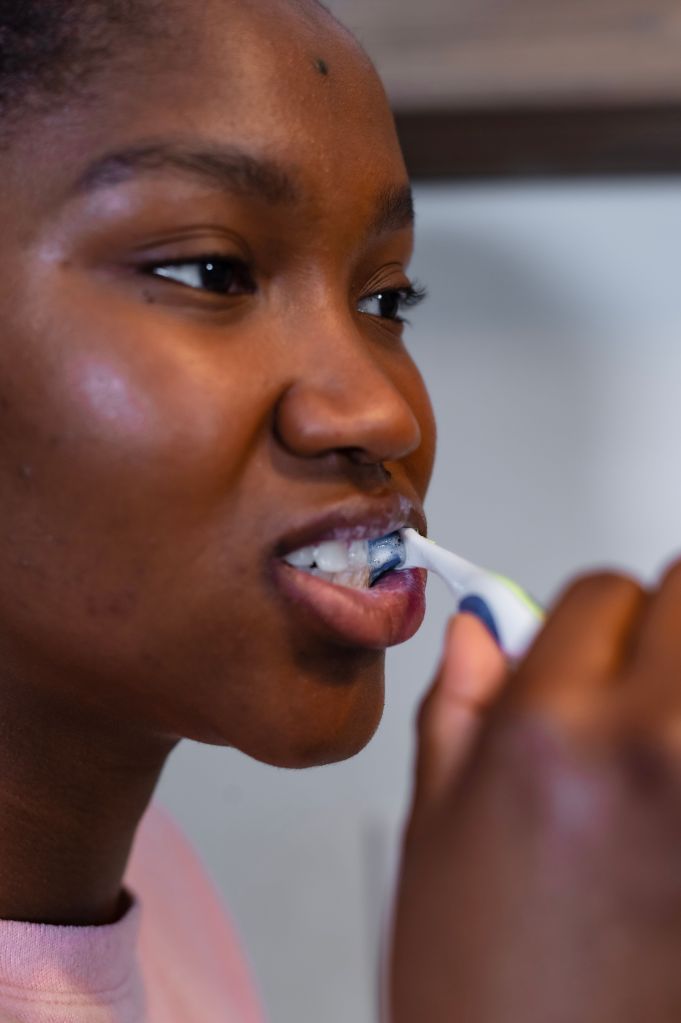
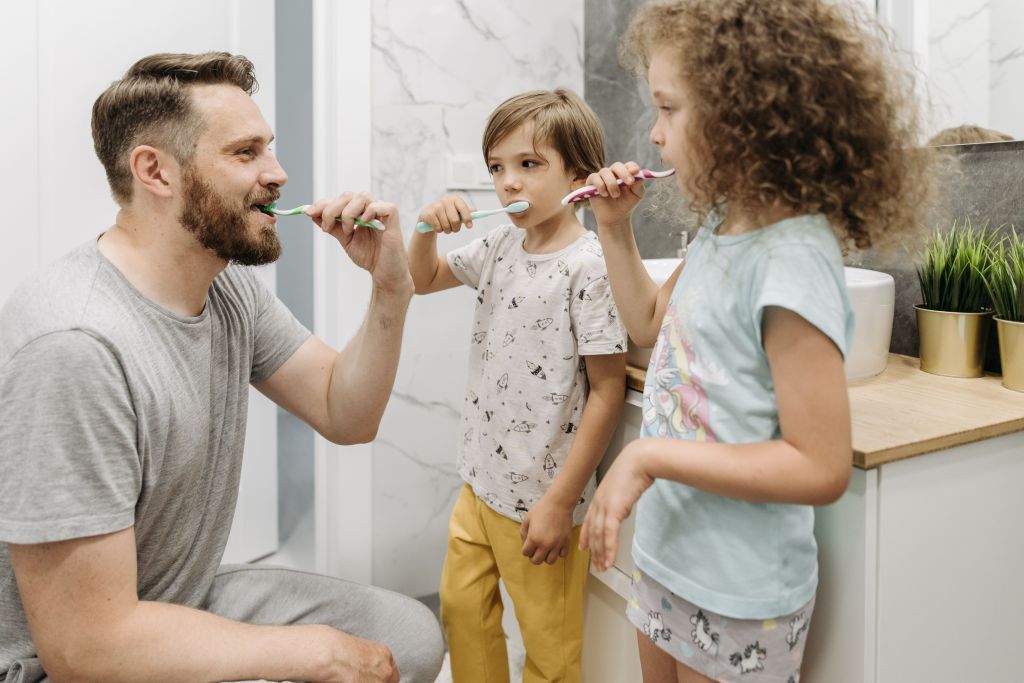
And making toothbrushing and flossing part of their routine gets their smile ready for sweet dreams tonight and easier mornings tomorrow.

How is it going? Are you ready to stay the course? What are your experiences, best and not so good? Tell us, We’d really like to know! Send us an email to kidstoothhotline@proton.me Like Us on Facebook

More tips? We have lots. We’re here just for kids!


