In the Know for You to Know
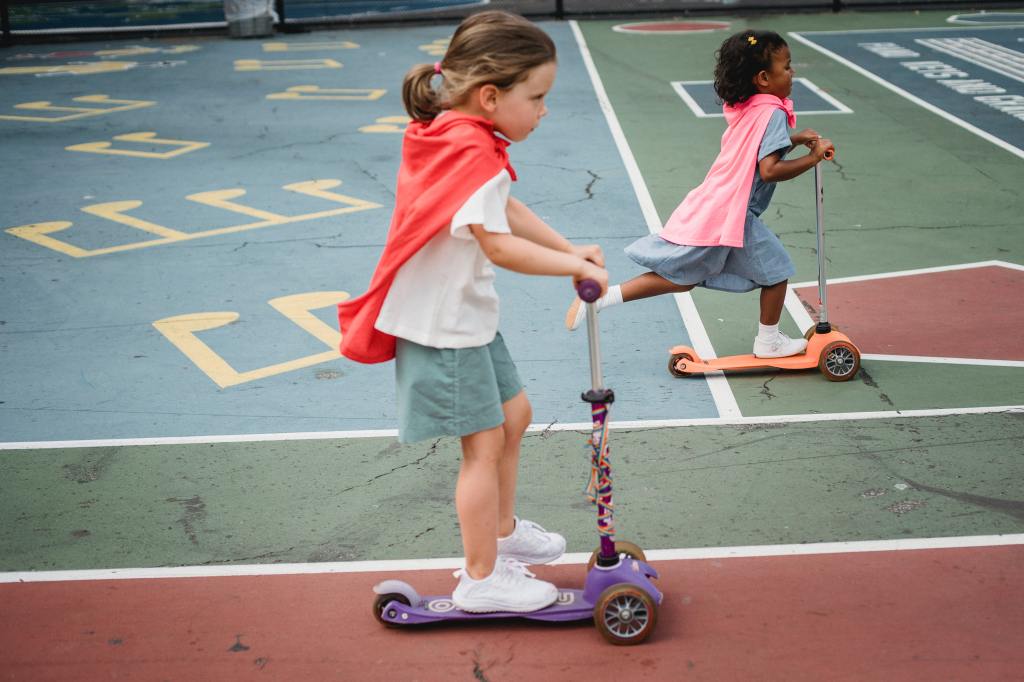
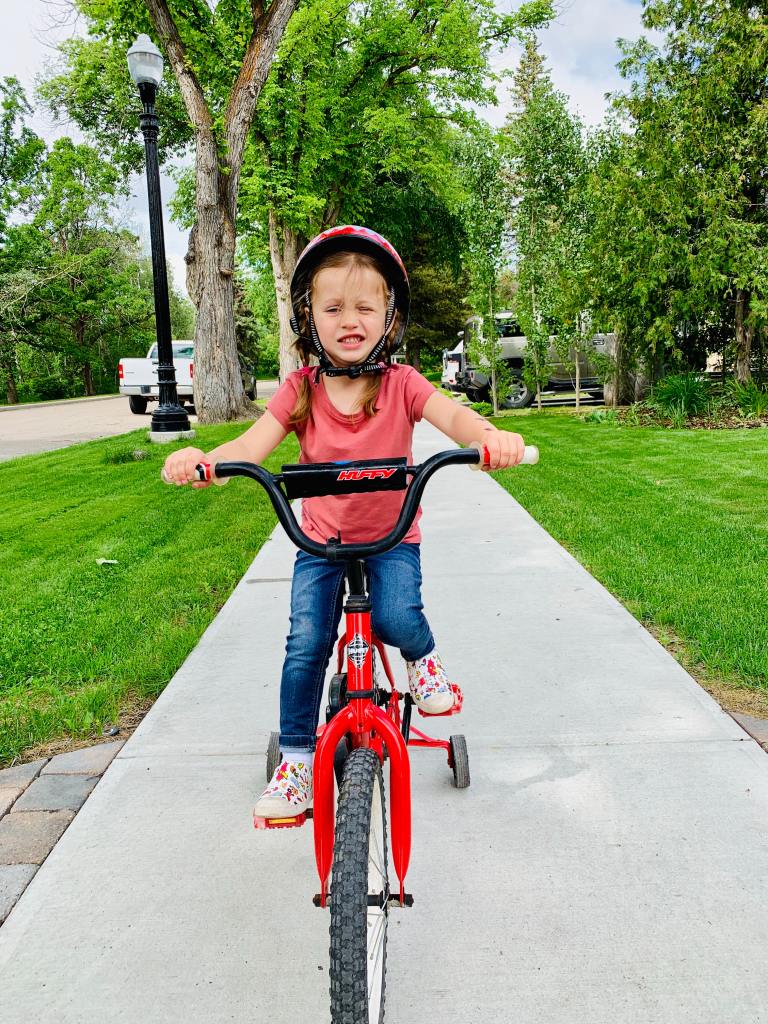
As parents we always say “wear your helmet!” Especially when our children want to ride their bike, skateboard or scooter. We also say this when they play baseball, football, hockey or lacrosse.
But, have you ever said “wear your mouth guard!”?
Why would you? One word, protection. While a helmet protects a child’s head, a mouthguard protects their teeth, mouth and their head.
You’re thinking, “how does a mouthguard protect a child’s head?” As parents we’ve heard about concussions. We think about concussions as occurring from a blow to the head. However, a hit to the teeth, mouth or jaw can also cause a concussion.
Now you’re thinking, Why are mouth guards so important? How can a mouthguard help prevent an injury?
So stay tuned and keep reading on how to keep your child’s teeth safe.
What Is A Mouth Guard?
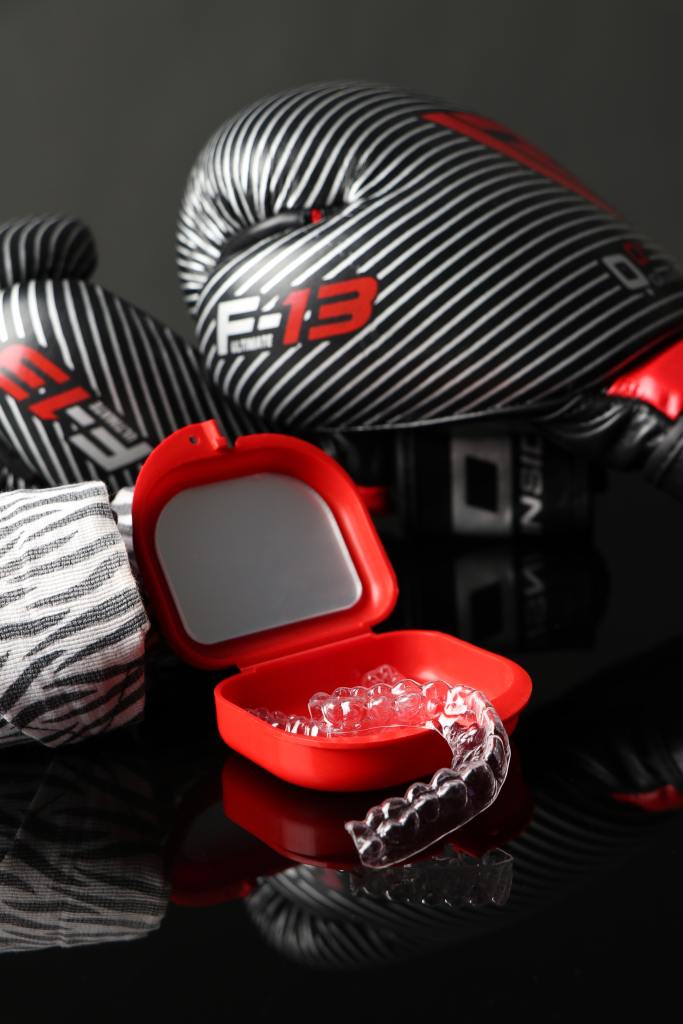
A mouth guard is a soft, flexible plastic that fits over the teeth.
It’s used to soften the impact if your child gets hit in the face. Rather than letting the teeth absorb all the impact, the mouth guard distributes the force, reducing the risk of severe dental injuries.
A mouth guard is a protective aid in absorbing and re-distributing the force of the impact that may otherwise cause harm to the jawbone, cheekbones, lips and head. When paired with additional protective gear, such as a padded helmet, it helps to protect your child’s head and mouth.
Types of Mouth Guards
There are 3 types of mouth guards:
- Stock – These are found in sporting goods stores and come pre-formed, ready to wear. One size fits most and may not fit very well. They are made of hard plastic, can be bulky and uncomfortable to wear and talk with.
- Boil and bite – These mouth protectors can also be bought at many sporting goods stores and may have a better fit than stock mouth protectors. They are first softened in hot boiling water, then placed in the mouth and with your child moving their lips, tongue and cheeks around and closing their teeth together, is adapted to the shape of their mouth. It’s important to be very careful because this is very hot water and very hot plastic.
- Custom – These are made by your pediatric dentist specifically for your child. Because it’s custom made, this provides the best fit. They fit snugly, allowing your athlete to run and talk more easily while playing sports. Custom mouth guards are comfortable, and offer excellent protection. They can be made in a wide variety of colors and designs.
Why Is It Important To Wear A Mouth Guard?
A mouth guard is a mouth protector which helps cushion a blow to the mouth and face. This minimizes the risk of broken teeth and injuries to your child’s lips, tongue, face, jaws and head.
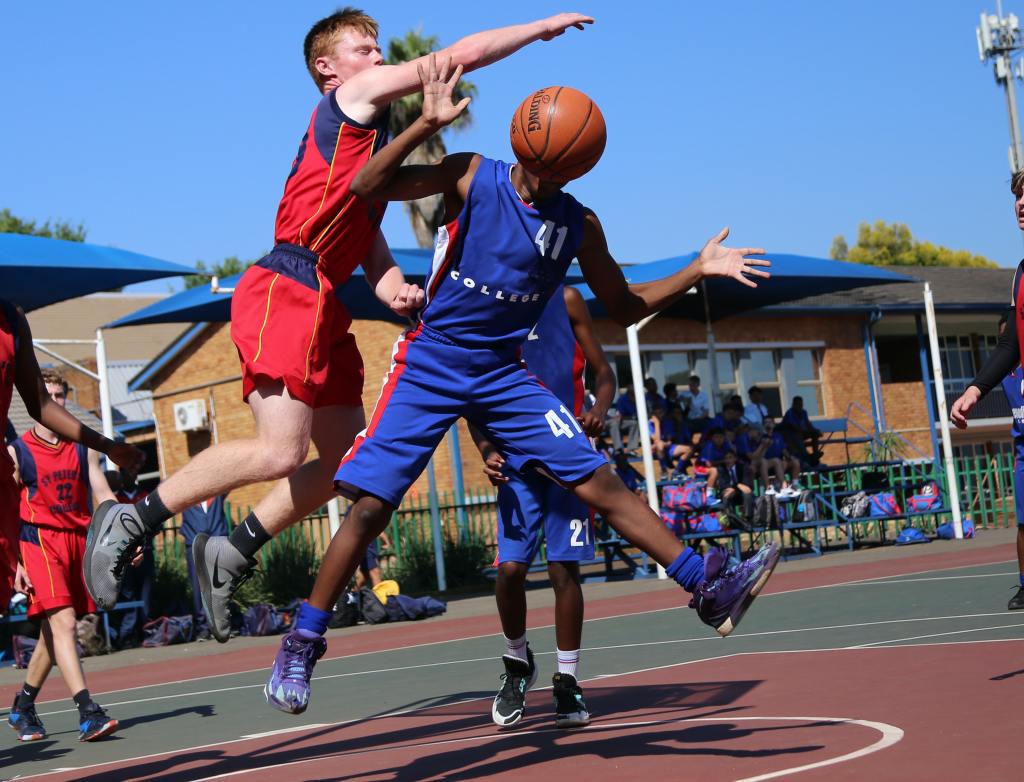
While collision and contact sports, such as basketball and boxing are higher risk sports for the mouth, children can experience a dental injury in non-contact activities too, such as gymnastics and skating.

When Your Child Needs To Wear A Mouth Guard
From a safety stand point it’s wise for a child to wear a mouth guard for any sport or activity where there is a chance of contact. Even non-contact sports can lead to accidents.
If it’s a sport that involves a lot of movement, there’s always a chance of being hit or colliding with another child
What Sports Need A Mouth Guard?
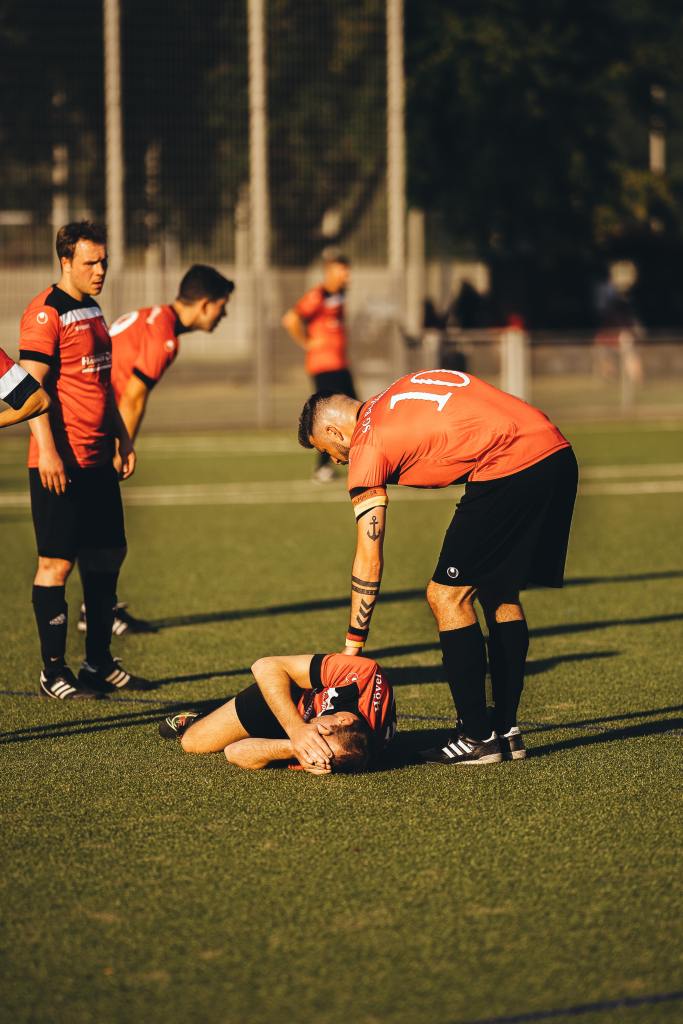
Wearing a mouth guard is recommended for:
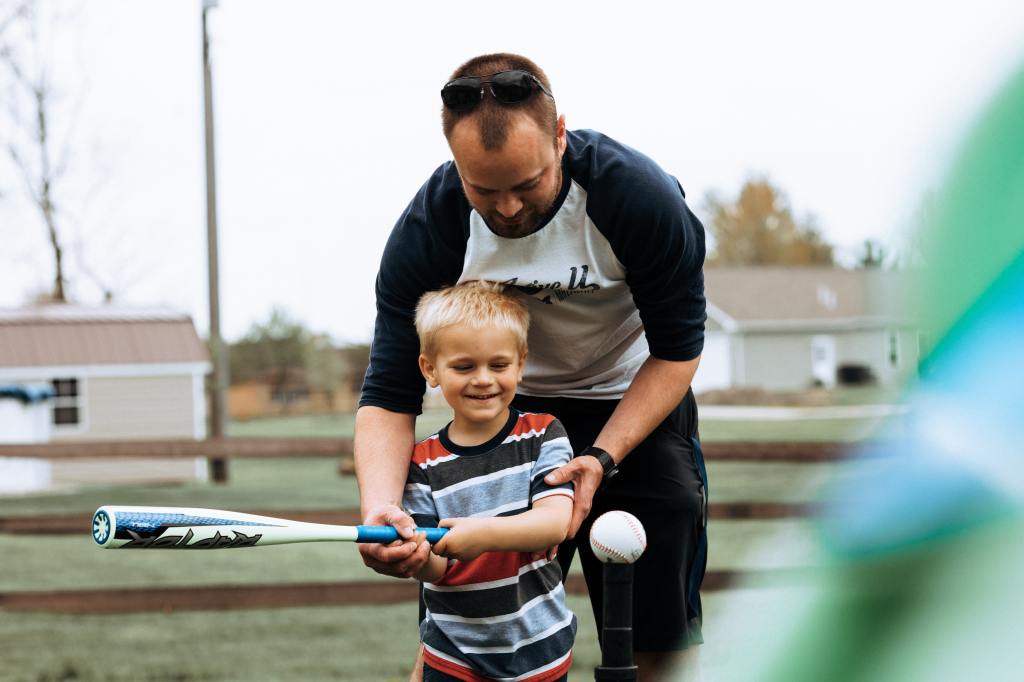
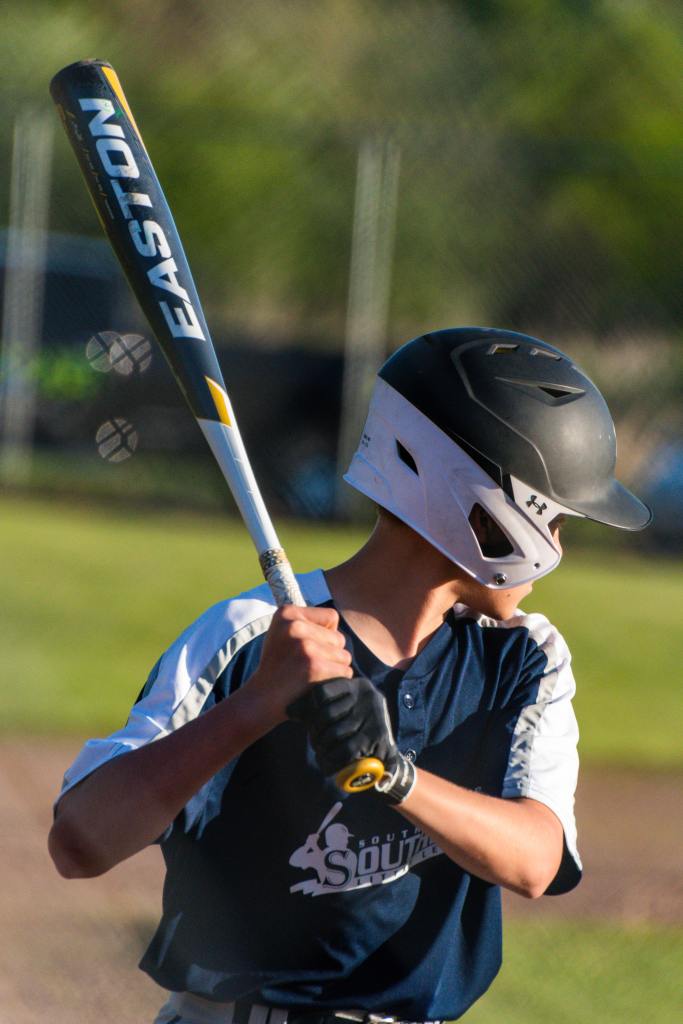
- Baseball
- Basketball
- Softball
- Football
- Soccer
- Lacrosse
- Rugby
- Wrestling
- Martial arts
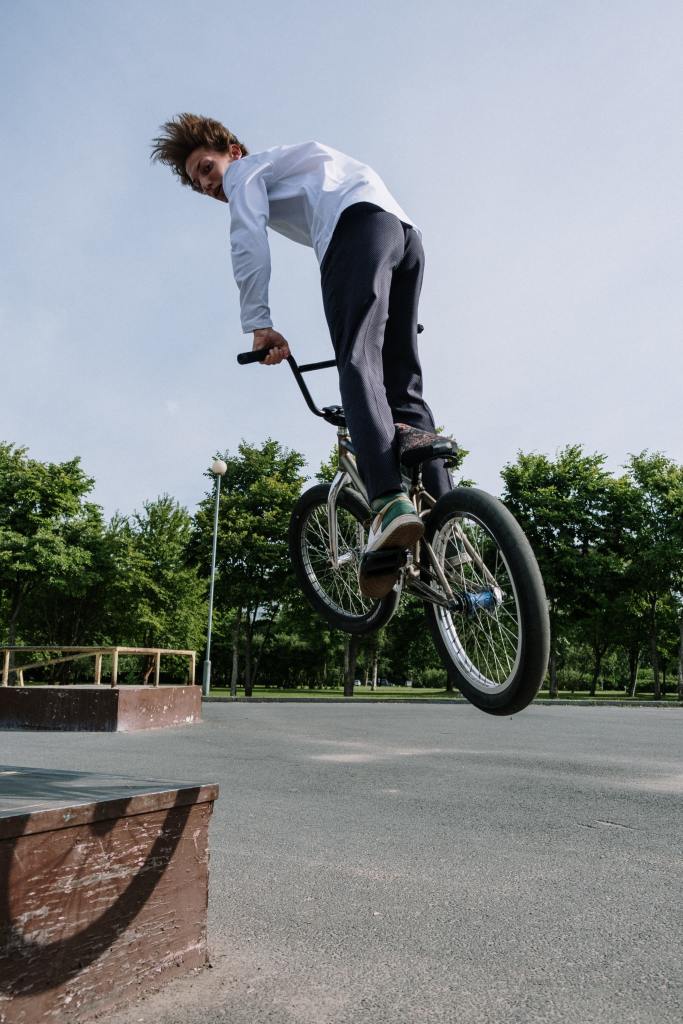
- Recreational sports such as skateboarding, bicycling, inline skating, gymnastics, volley ball, soft ball.

How Many Mouth Guards Does My Child Have To Wear?
One.
A mouth guard covers the top teeth, and are a great way to protect the soft tissues of their tongue, lips and cheek lining.
There are certain times when depending on specific needs it may be recommended for your child to have a mouthguard which covers their lower teeth.
Can My Child Wear A Mouth Guard With Braces?
A properly fitted mouthguard is especially important for children who have braces.
A hit to the face can damage the wires and brackets or other orthodontic appliances. The mouthguard provides a protective barrier between the braces and their cheeks and lips, limiting the risk of gum and soft tissue injuries.
How To Take Care Of Your Child’s Mouth Guard
4 Tips for taking care of your child’s mouth guard:
- Rinse with cool water before each use and after wearing brush with toothpaste, rinse, and dry.
- Keep the mouthguard in a sturdy container that has vents and in a safe place. Vents allow air to circulate and help prevent the mouthguard from drying out.
- Don’t take the mouthguard out and leave it in the sun. Avoid high temperatures, hot water, hot surfaces and direct sunlight. They will distort the mouth guard.
- Check for wear and tear. A mouthguard that’s torn, wearing out, or doesn’t fit any more can irritate your child’s mouth and decrease the amount of protection it provides.

What To Remember
When it comes to protecting your child’s mouth, a mouthguard is an essential piece of athletic gear. And like their helmet needs to be part of their standard equipment from an early age.
So let’s protect those precious smiles and ensure the memories you take home are happy ones.

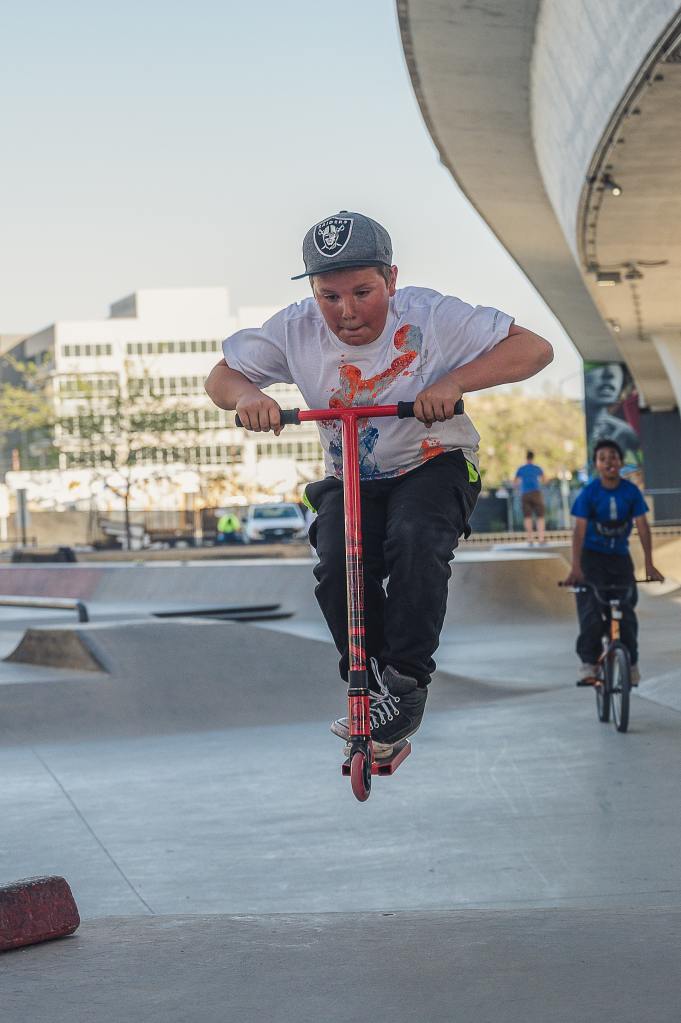
Did you wear a mouth guard when you played sports? Thinking back, do you think you should have worn one? How old was your child when they started wearing their helmet to ride their bike or scooter? What sports does your child play? Has your child’s coach told you to have them wear a mouthguard? Have you asked your child’s coach about mouth guards? Are you ready to take the next step in protecting your child’s smile when they play their favorite sports? Tell Us, We’d really like to know! Send us an email at kidstoothhotline@protonmail.me Like Us on Facebook
More tips? We have lots. We’re here just for kids!

 kidstoothhotline
One thought on “Talking Mom To Mom – Game On, Safety First, Why Should My Child Wear A Mouth Guard?”
Comments are closed.