
In the Know for You to Know
Last week we talked about spaces between baby teeth being ideal, to allow enough room for the permanent teeth to come in to the mouth.
Now you’re looking at your child’s teeth and they’re getting their adult teeth. You’re asking yourself, why are their teeth coming in with gaps? Are permanent teeth supposed to come in this way?
Think back to yourself at that age. Did you have spaces?
I did. In fact I created spaces between my bottom canines and lateral incisors (on both sides) with my tongue. How? When my baby canines came out I got used to putting my tongue in those spaces and my adult canines grew in with the gap between the teeth. So I totally get gaps.
For today, let’s talk about permanent teeth with gaps.
Why Permanent Teeth Can Come In With Gaps
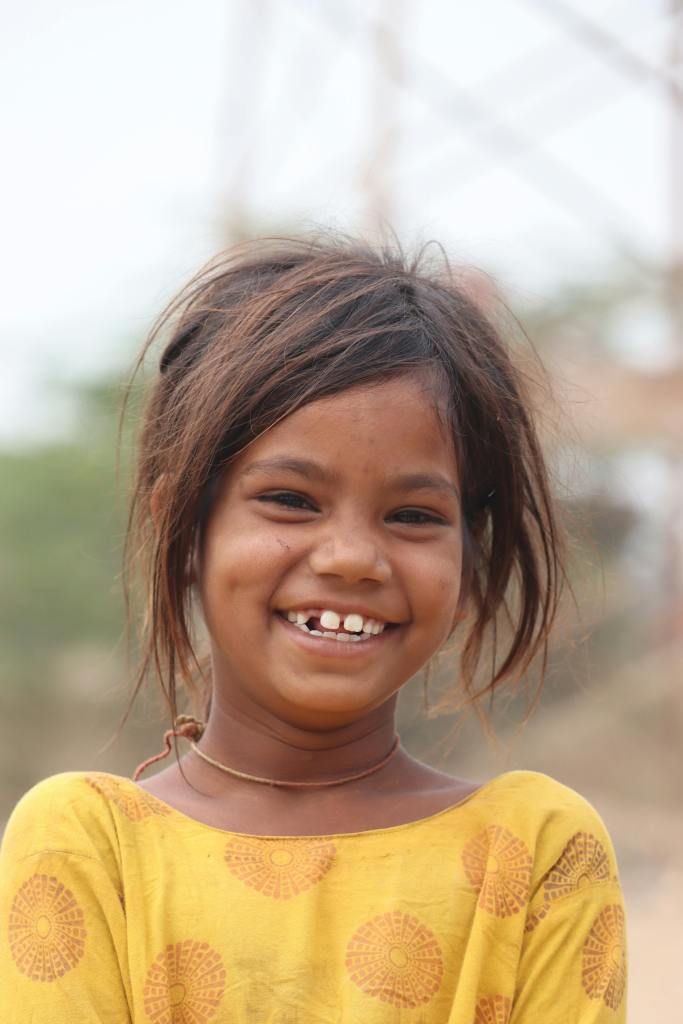
As children lose their baby teeth their permanent teeth begin to grow into their mouth. During these times it’s common to see gaps, especially between the front teeth.
The gaps are there because:
- Their jaws are growing and expanding,
- Early (premature) loss of a baby tooth due to tooth decay or trauma and the neighboring teeth move,
- Baby teeth are lost at different times as a child grows so their adult teeth grow in at different times,
- Since adult teeth are larger than baby teeth, they take time to adjust into place,
- Baby tooth is lost and there is no permanent tooth to replace it,
- The adult tooth may be smaller in size (not larger) and is called a microdont tooth,
- Muscle attachment connecting the upper lip to the gum can sometimes attach too low between the front teeth, keeping them apart and preventing the gap from closing naturally.
- Gum disease can lead to tooth and bone loss, resulting in gaps between the teeth.
A good example, which we all remember is “the ugly duckling stage.” During this time, the top front teeth may look spaced apart or uneven in length. With time this corrects itself as the teeth come in and more teeth come.


Do Habits Play A Role In Tooth Spacing?
Habits definitely have an impact in how teeth are aligned.
The 4 most common habits which can push teeth outward or prevent proper jaw growth are:
- Mouth breathing,
- Thumb sucking (finger sucking, pacifiers),
- Tongue thrusting,
- Low tongue posture.
How Does Jaw Growth Affect Tooth Gaps?
Jaw development is a major factor in determining whether spacing is helpful or problematic to tooth position.
Jaw growth affects gaps in 3 ways:
- Spaces don’t close and gaps remain as adult teeth come in,
- Teeth come into the mouth in different positions,
- Bite issues.
Will Gaps Close On their Own?
Most of the time spacing improves naturally as more permanent teeth come into their mouth. The pressure from neighboring teeth and continued jaw growth can help close these smaller gaps.
However, some gaps can remain. This may be the case due to:
- Genetics,
- Habit-related changes,
- Missing teeth,
- Jaw-size differences.


What To Look For
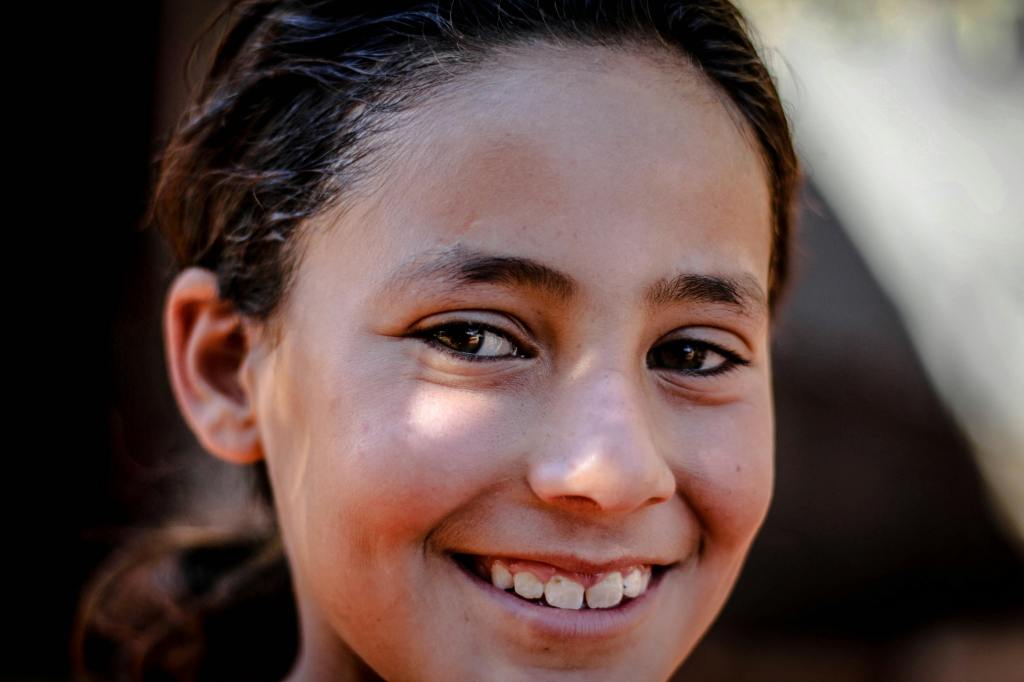
If it’s in-between dental visits the signs to look for and know it’s time to schedule an evaluation with your pediatric dentist or orthodontist are:
- Gaps aren’t changing or they’re getting larger in size as more teeth are coming in,
- Teeth are out of position,
- Tooth position is affecting their eating and speaking,
- They feel like they’re always biting their lip.
What To Remember
Tooth gaps in children are common. Most of the time, they’re part of normal growth. Sometimes they need treatment. Sometimes they don’t. The key is knowing when to watch, when to wait and when to do.


Does your child have spaces in-between their adult teeth? Do they have the same gaps you had? What do you think? Is it time to watch, time to wait, time to have an evaluation? Tell Us, We’d really like to know! Send us an email at kidstoothhotline@protonmail.me Like Us on Facebook

More Tips? We have lots. We’re here just for kids!


