In the Know for You to Know
As parents you envision your child’s perfect smile. Pearly white teeth looking up to you and straight as can be. You think to yourself about how those are the cutest teeth ever.
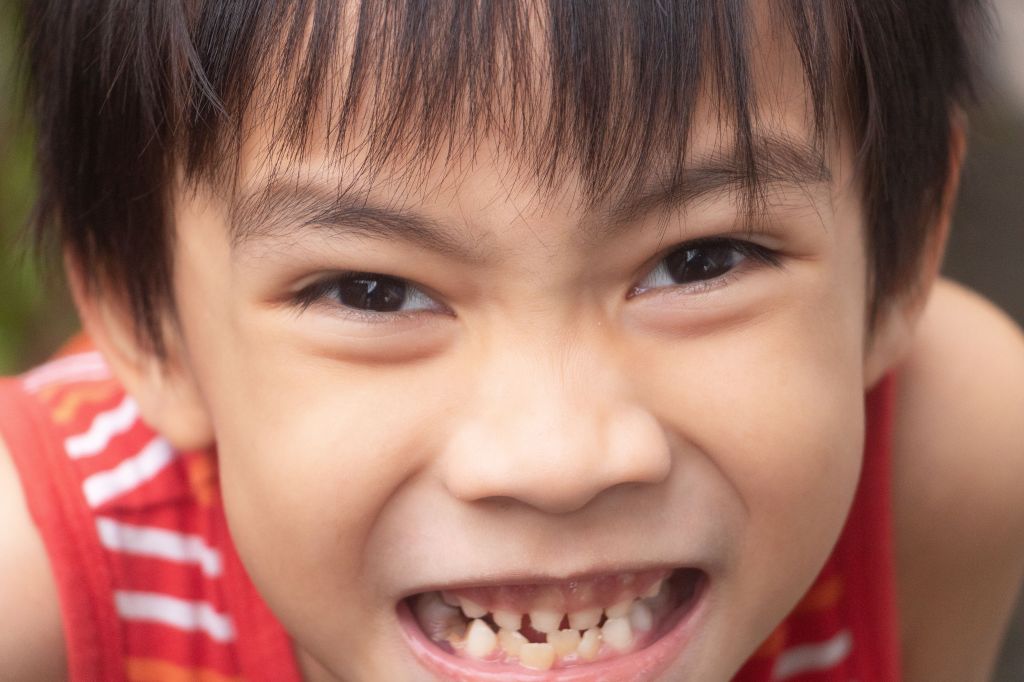
Then one day you’re brushing your child’s teeth and notice not all their teeth are sparkling white. You brush some more but some teeth look yellow. You’re thinking wait, how did this happen?
Why are their teeth yellow? What do you do? Can you brush away the yellow?
This is what I want you to know.
Baby Teeth Are White, Adult Teeth Aren’t
Baby teeth are whiter than adult teeth.
As your child grows and their adult teeth start to come in you may see a noticeable difference in the color between the teeth. While baby teeth are more white, adult teeth tend to appear more yellow in color.
The color differences are due to the differences in the thicknesses and actual color hues of the tooth layers.
Baby teeth have thinner and whiter layers so they appear more translucent. Adult teeth have thicker and different deeply colored layers so they appear more opaque.
When you’re looking at new adult teeth coming in next to baby teeth the difference is more eye catching. As more adult teeth come in the differences become less obvious.

7 More Reasons For Yellow Teeth
There are lots of causes for yellow teeth, these are the 7 most common reasons –
1. Cavities
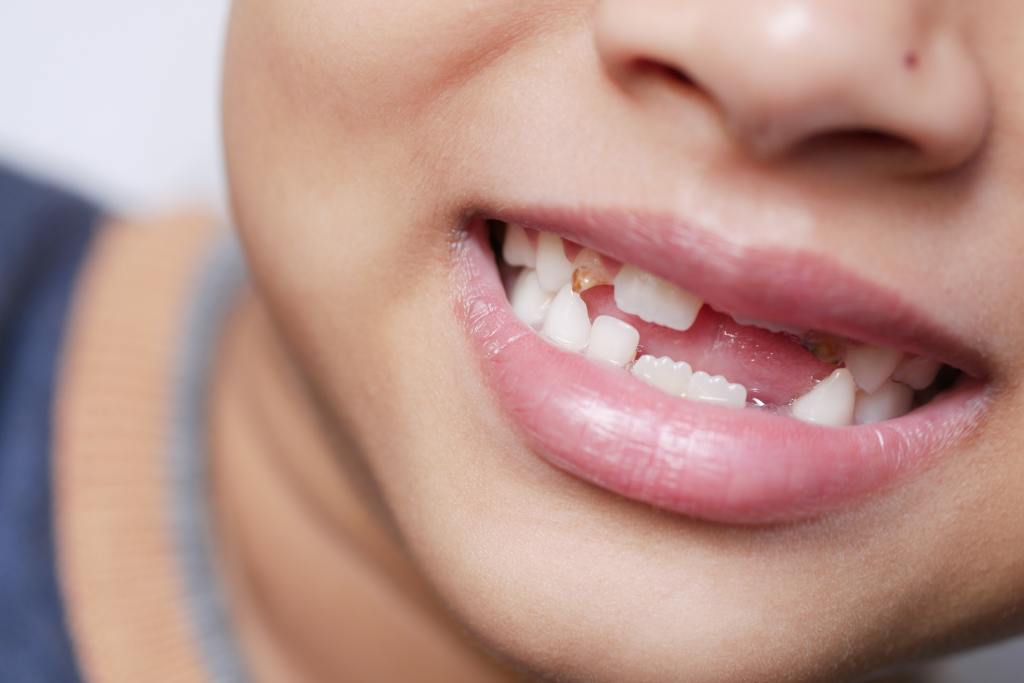
Cavities start out as super white spots on teeth that over time cause the outer enamel shell to disintegrate leaving the inner layer of the tooth (aka dentin) exposed.
This newly exposed part of the tooth is yellow, and that can’t be brushed back to white.
2. Tooth Injury
Teeth take a lot of wear and tear.
Sometimes a child may take a fall or bump their mouth and injure their tooth. When a tooth gets hurt it can turn yellow.
Teeth are interesting because sometimes this color change happens right way and other times it can take weeks or months or years for the tooth to change color.
What’s important is for you to always have your dentist see your child as soon as possible.
3. Plaque And Tarter Buildup
When there’s inconsistent brushing plaque builds up on their teeth.
What is plaque? Plaque is this sticky, invisible film of food and bacteria that clings to teeth. So not yellow, but…
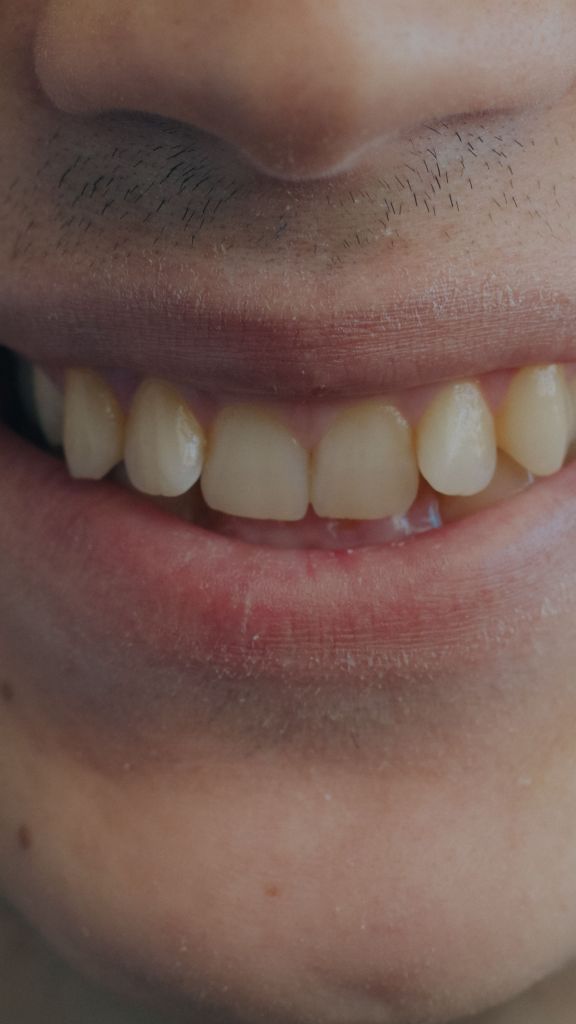
Over time the plaque hardens into a yellow material that is called tarter. Tarter sticks tightly to the tooth enamel and can’t be brushed away. So it’s the tarter that makes the teeth look dull and yellow.
What can you do? Make sure to brush your child’s teeth twice a day for a full two minutes each time and floss daily.
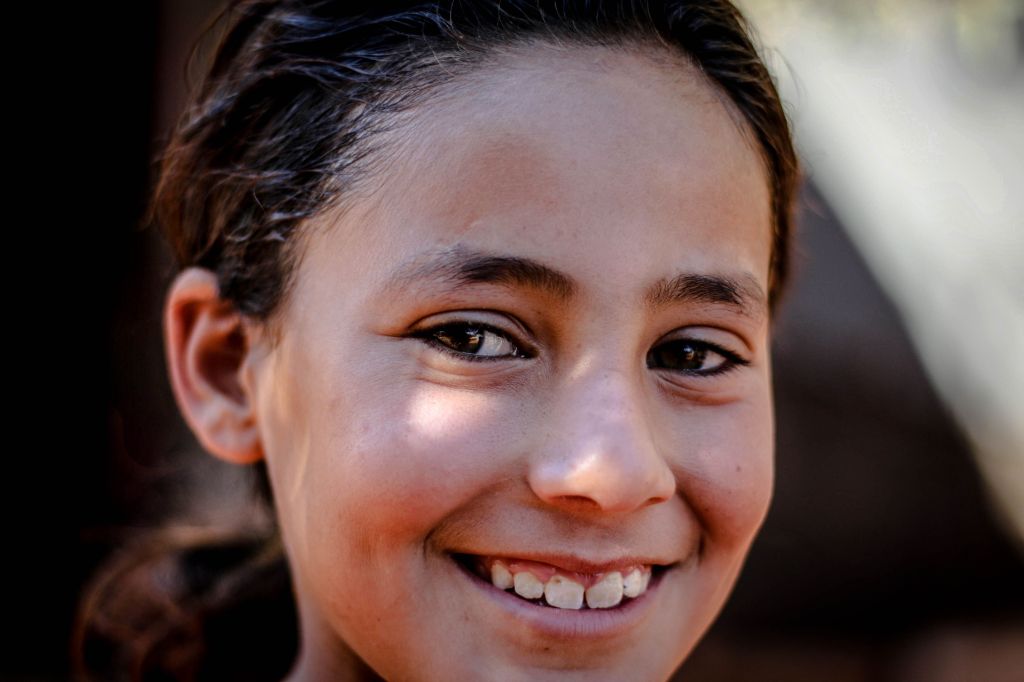
4. Weak Enamel
Have you ever heard anyone say “Weak teeth runs in the family?”
Sometimes the color and strength of teeth are genetic. The hard outer shell of teeth is the enamel. Some children are born with thinner or weaker tooth enamel. It may be thin, it could be crumbly, it can flake off.
In these cases the next layer of the tooth, which is the dentin is seen. It’s the dentin which is yellow. When the dentin shows through the tooth looks yellow; even if your child has fantastic oral hygiene.
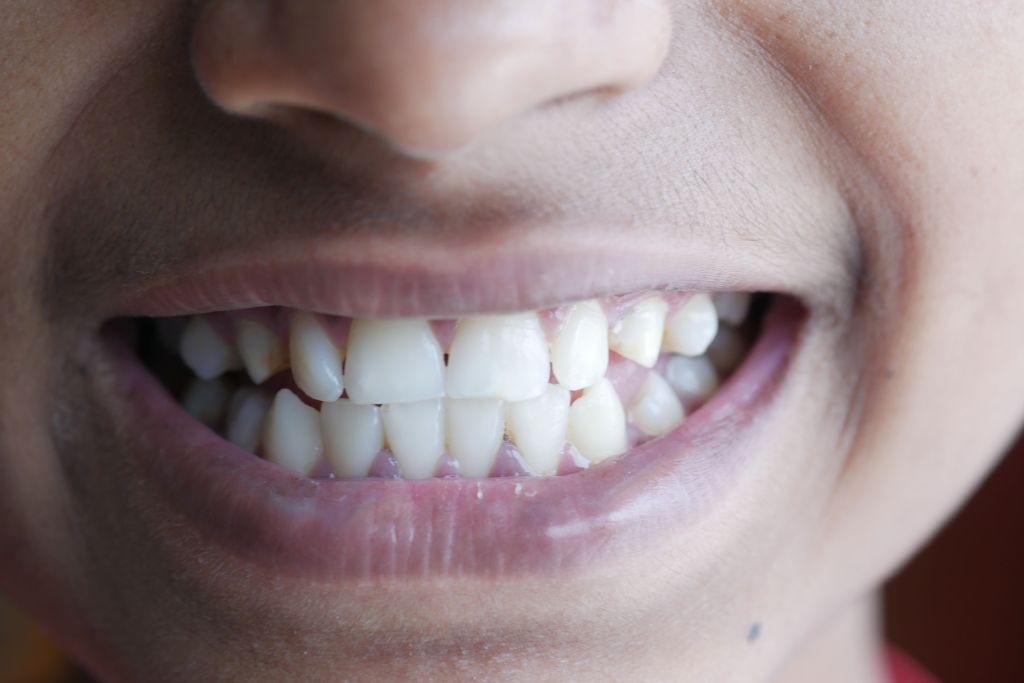
5. Medications And Antibiotics
Certain medications and antibiotics can affect tooth color. This occurs when these types of medicines are given when teeth are developing underneath the gums.
There are specific types of antibiotics which attach to the minerals in the developing teeth and can cause varying shades of yellow to brownish to gray discoloration.
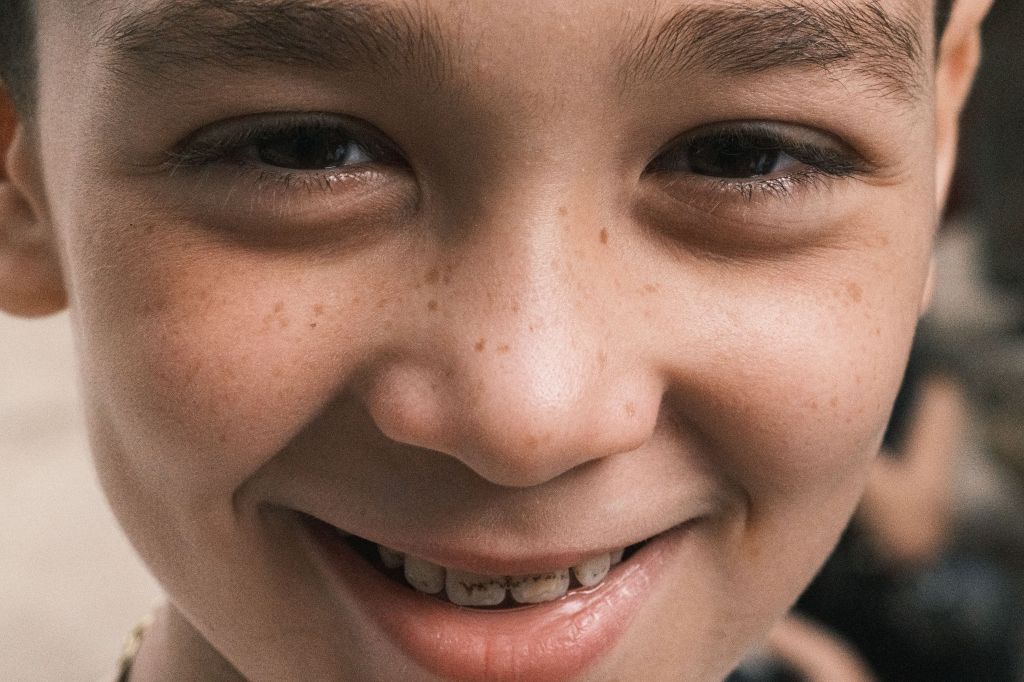
6. Too Much Fluoride
Fluoride is great for teeth, in the correct amount and with supervision.
Excess fluoride during the years when permanent teeth are forming underneath the gums can lead to a condition called dental fluorosis.
There are 2 types of fluorosis,
- Mild fluorosis appears as faint white lines or streaks,
- Severe fluorosis can cause more noticeable yellow or brownish discoloration and surface changes on the teeth.
It’s also important to know that once teeth come into the mouth, they can’t develop fluorosis.
7. Stains From Food And Drinks
Many foods and beverages can stain tooth enamel, including soda, coffee, tea, lemon, tomato sauce and dark colored berries.
Over time, these tooth stains can build up and cause your child’s teeth to take on a yellow hue.
As A Parent What Can You Do?
It’s always important to pay close attention to your child’s teeth, and especially to changes in their teeth.
Whether you’re dealing with yellow baby teeth or adult teeth be sure to –
- Keep up with your child’s dental visits,
- Supervise their twice daily brushing and flossing routine,
- Monitor their fluoride intake to insure your child uses the correct amount of fluoride toothpaste,
- Encourage drinking water,
- Limit sugary snacks and drinks.
Have you wondered if it was normal for your child to have yellow teeth? What did you do? Tell us, We’d really like to know! Send us an email at kidstoothhotline@protonmail.me Like us on Facebook

More tips? We have lots. We’re here just for kids!


