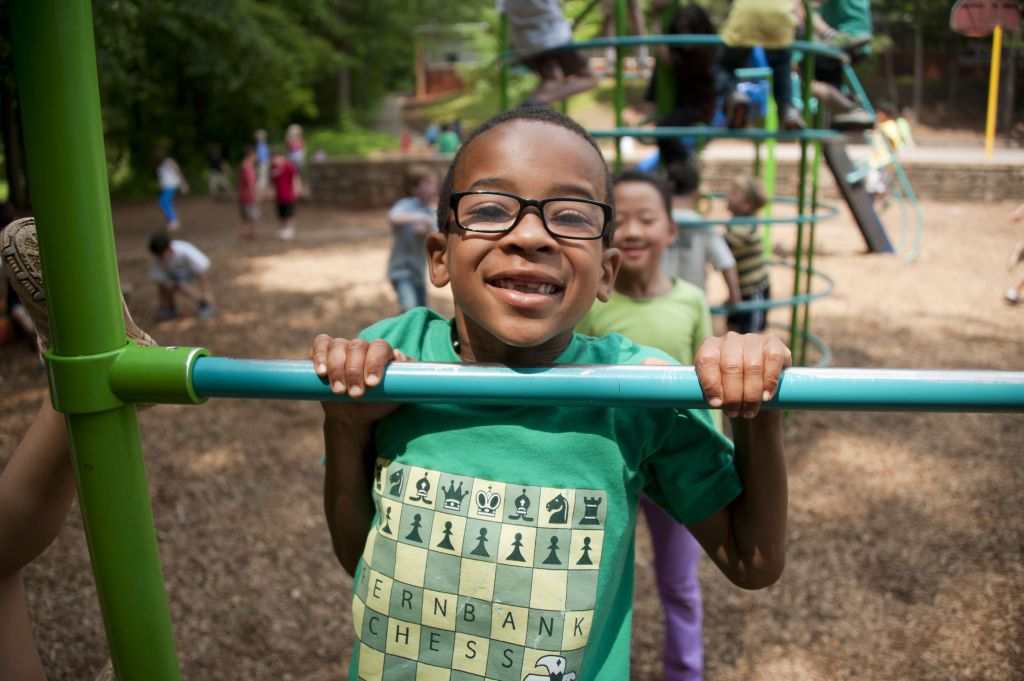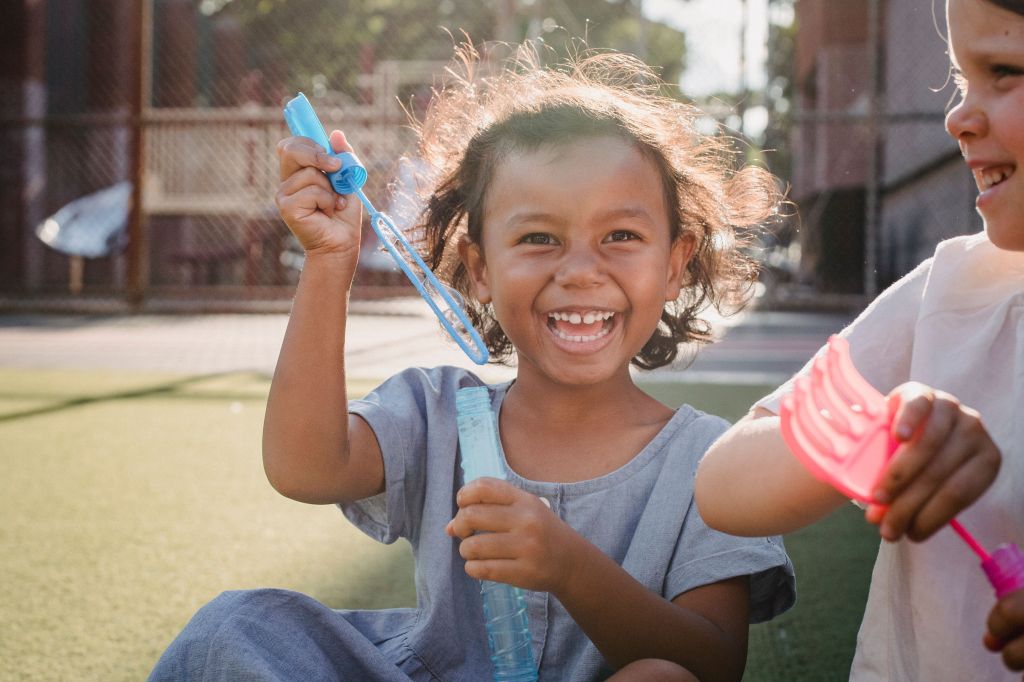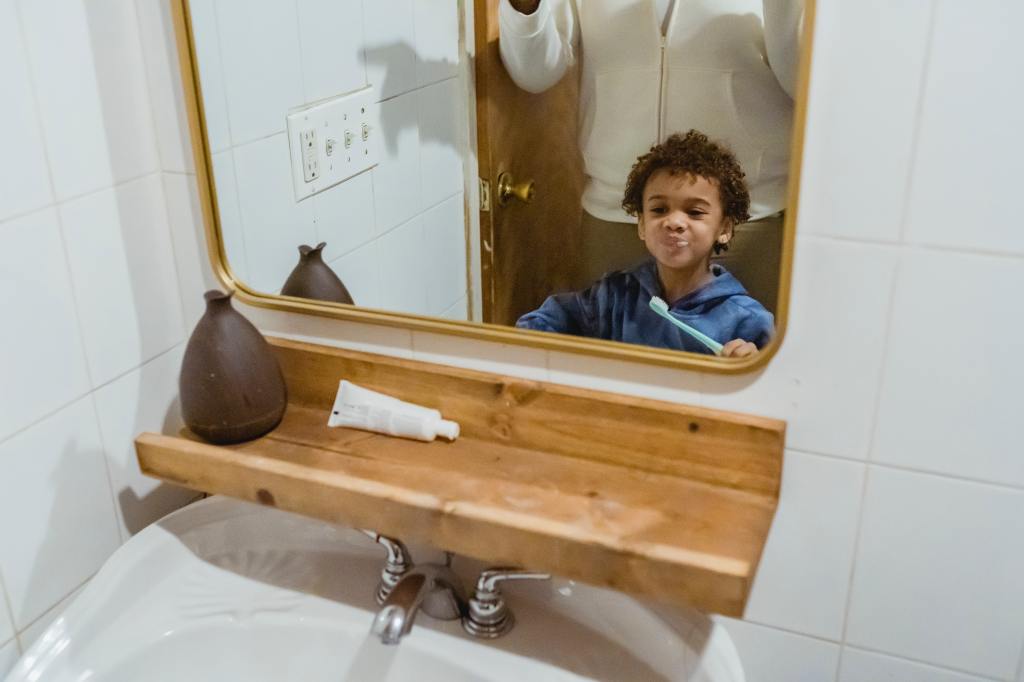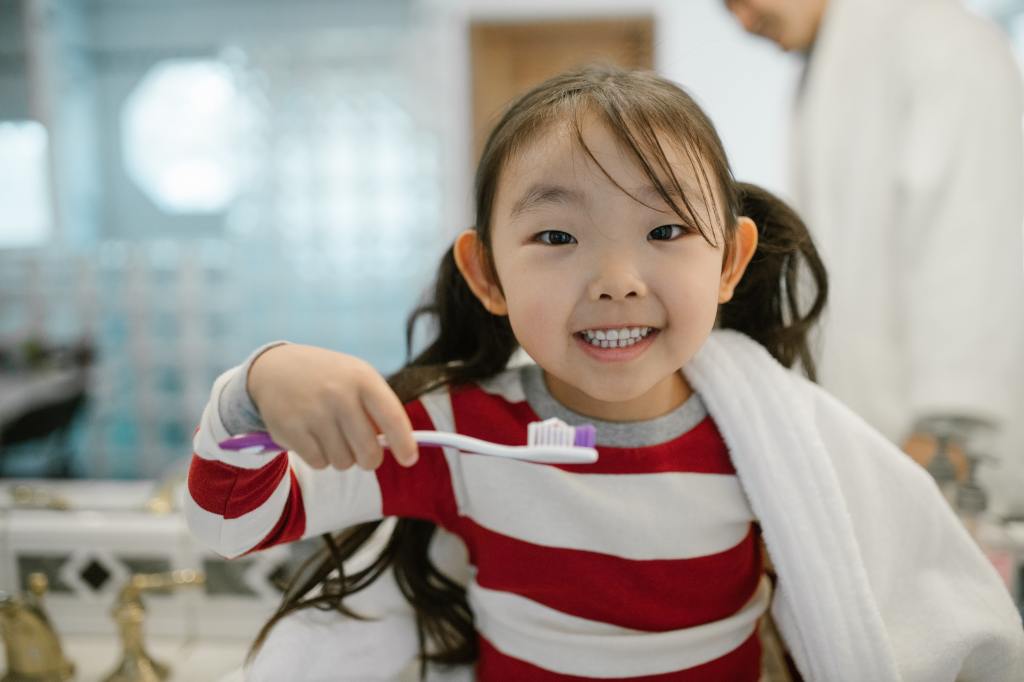

Mom You Light Up My Life Because You Are The Light Of My Life
Wishing every Mom a fabulous Mother’s Day!
For the most amazing Moms on your special day, you will always be your family’s heart, soul and smile!
From all the diaper changes, meal times, putting up with temper tantrums, school pick-ups, being the family cheer-leader, looking after and making every day so much fun, YOU really are amazing!!
From each of us at kidstoothotline to you, HAPPY MOTHER’S DAY
We’ve all heard the saying “An ounce of prevention is worth a pound of cure.” This is especially true for children’s dental care. As parents it’s important to know that children’s dental care always begins with prevention.
Preventive dental care plays a crucial role in maintaining children’s oral health as they grow. This is an excellent way to prevent cavities, gum disease, and oral health issues. It’s not only about daily brushing. This involves a broader approach.
So what does preventive care look like for children, and why is it so important?
Benefits of Preventive Dentistry for Children
Knowing there are benefits for preventive care helps encourage families to prioritize them. In addition, preventive care allows for dental problems to be caught before they become serious.
The 3 main advantages of preventive care are:
When you take care of your child’s dental health, they are at less risk for painful dental issues,
By having preventive dental care, you can save money and time by avoiding costly dental treatments later on as well as time away from school and work,
Preventive dental care helps set the stage for positive dental hygiene from the earliest stages of childhood into adulthood.
Mommy And Daddy Are Taking Me To The Dentist For My CheckupMy Dentist And I Both Did A Good Job
Early Preventive Care Is A Life Long Investment In Your Child’s Future
Starting preventive dental care early in childhood sets the foundation for a lifetime of good dental health and healthy smiles.
By establishing good habits when your child is young and keeping up with this, you’re setting your child up for a healthier future.
What’s important is that the effort you put in now will benefit them for years to come.
We Love Our Dentist So Much We Play Dentist At HomeSaying Cheese For My Dentist
Long Term Benefits of Preventive Care
You want to continue investing in preventive care for your child as it lays the foundation for sound dental health as they grow. The long term benefits of preventive dentistry reach far into adulthood.
4 long term benefits for children who receive preventive care are that they are more likely to:
Keep their teeth longer,
Avoid losing teeth or having root canals later on in life,
Have a confident and energetic smile,
Enjoy better overall health.
I Always Learn Something New About ToothbrushingMy Dentist Always Talks About My Teeth With My Mom
5 Best Preventive Dental Care Treatments For Children
These are the top 5 preventive treatments children should receive for strong, healthy teeth:
1. Routine Dental Examinations and Cleanings
Brushing and flossing at home are essential. But they are not enough.
Regular professional cleanings are necessary to set a solid foundation for oral health. Plaque and tartar build up are removed. The mouth, teeth and gums are examined for any signs of irritation, tooth decay, and bite problems. If anything of concern is found it can be addressed quickly before there is a chance to get worse.
It’s important to know that these visits should begin when your child’s first tooth comes in or no later than their 1st birthday; and regularly every six months. Also, as your child grows the familiarity of these visits help build their confidence and rapport while creating pleasant and positive dental experiences.
2. Fluoride Treatments
Fluoride is a natural mineral that strengthens tooth enamel and minimizes the risk of tooth decay.
A simple application during a routine visit can yield many benefits. It’s safe, effective, and a great way to build strong teeth and stay free of cavities. Even though it’s found in the drinking water throughout some communities, it’s still important to have this specific treatment at the dentist’s office.
3. Dental Sealants
Sealants are a highly effective preventive treatment. They act as a barrier that keeps food particles and plaque bacteria from settling into the grooves of the teeth, especially the molars.
Sealants can offer years of protection which greatly reduces the risk of cavities.
4. Custom Mouth Guard
If your child plays sports, a custom mouthguard is a crucial piece of equipment, especially in contact sports. It can protect their teeth from injury, reduce the risk of jaw fractures and concussion. Sure you can get one at the sports store, but it doesn’t offer the same fit, comfort, and protection.
5. Orthodontic Evaluation
It’s recommended to have your child examined by an orthodontist around age 7. While your child’s teeth may look straight, these visits can provide insight beyond what you see at the surface.
The orthodontist will evaluate jaw growth, tooth eruption, and bite development. Issues such as crowding, spacing, and mis-alignments can be addressed early. These early interventions can reduce the need for complex orthodontic treatment later on.
If no treatment is needed, making the connection as a part of preventive treatment brings you peace of mind.
What To Remember
Preventive dental care is a shared effort with you as the parent, your dentist; and as your child grows up this includes them as well. At its core preventive dental care is proactive treatment providing your child with good oral health today and into their future.
Treating your child’s teeth proactively instead of reactively helps avoid cavities, gum disease, and the need for multiple or complex procedures.
My Dentist And I Are Both Checking Out My Smile
So what do you think? Do you agree? Are you team prevention? If you don’t agree that’s okay, why you feel the way you do? Is there more you want to know? What are your own experiences with preventive dental care? Did you receive preventive dental care growing up? Tell Us, We’d really like to know! Send us an email at kidstoothhotline@protonmail.me Like Us on Facebook
More tips? We have lots. We’re here just for kids!
Having Fun Reading Our Story To My Sister About Going To The Dentist
In the Know for You To Know
As a parent, you know preventing dental related issues is important, and you also know that this is not so simple when your child has Autism.
Whether your child is sensitive to light and sounds or smells and tastes or does not know how to express these feelings; you want them to have a positive experience.
You’re thinking, how do you do this? Once you’ve made their appointment think about telling them a story about going to the dentist. Not just any story. This is a personalized story you’ve written just for them.
Now you’re thinking, why tell them a story about going to the dentist? Story telling is a great way to introduce new or unfamiliar experiences to your child. It’s also a way to re-introduce unpleasant experiences in a positive way.
Since we all love to tell a really good story or listen to one, today we’re helping you write your own dental social story.
When To Start Preparing Your Child For Their Dental Visit
Once you’ve made your child’s appointment you know when it’s best to introduce this to them. Your approach needs to be tailored to your child’s individual needs.
Your child may do well if you wait until the day before or day of the appointment to talk to them about their visit. Most children do not. So preparing them starts weeks before their appointment.
Preparing a child with autism for their trip to the dentist well in advance can be very helpful in easing anxiety and having a calm and successful visit.
You’re thinking, what is the best way to prepare them?, and how do I write a social story?
What Is A Social Story?
Social stories use positive, simple, straight forward language to describe the sequence of events your child will experience. The stories usually have photos or pictures to help show the things they will see, hear, and do.
My Daddy Is Reading To Me Our Story About My Dentist Visit
Writing Your Own Social Story
After you’ve made your child’s dental appointment consider taking pictures of the street the office is on, the parking lot, the outside of the building, the office’s front door with the dentist’s name.
You might want to stop by and ask if you can take some pictures of the office to include in your social story. Introducing yourself and your child ahead of time helps everyone, especially your child.
This way you’re showing your child what to expect step by step.
My Mom Recorded Our Dentist Story And Now We Can Read And Listen Together
Things To Keep In Mind When Writing Your Social Story
Write your story for your child, use their name;
Stay positive;
Give examples;
Pictures help explain;
Leave room for questions;
Include a “The End” to complete your story.
Using a scrap book or empty picture book can help you organize your child’s story. You can also use your phone, since children love the phone.
Your Social Story
Steps
What Will Be Happening
1
We’re going to the Dentist and we’ll be driving down this street. Then we’ll park our car near the Dentist’s office. After we park the car we’ll walk to the Dentist’s office. The office is upstairs/downstairs/on the walk-in floor so we may/may not need to take an elevator ride; or we may/may not take the stairs. When we get to the Dentist’s office we’ll open the door and walk in.
2
There is a lady sitting behind a desk. She’s the receptionist. She’ll say hello to us when we walk in. After we say hello, we’ll tell her your name. She may ask us to sit down and watch a movie, or play one of the games until it’s our turn.
3
When it’s our turn the hygienist will call your name. The hygienist is the lady/man who cleans your teeth. Then we’ll all walk together to a room with a few special chairs that look like Daddy’s recliner chair.
4
The hygienist will ask you to sit down in the chair. The hygienist will tell you that this chair is special because it moves up and down and reclines back almost like a bed, but you don’t have to take a nap. The hygienist will show you the buttons that make the chair move and will show you how the chair moves.
5
The hygienist will show you how the chair moves back so she and the Dentist can look at all your teeth even the one’s all the way in the back. The hygienist will also tell you that when you’re lying down on the chair you can hold my hand and put your legs straight out.
6
Then the hygienist will ask you to sit on the chair. After you sit down the hygienist will tell you that she’s going to press the button for the chair to lay down. Let’s ask if you can press the button.
7
The hygienist will ask you how big you can open your mouth?, and count how long you can stay open wide. The hygienist will show you the big light she and the dentist use so they can see all your teeth. Before she turns the light on, the hygienist will ask you if I want to wear sunglasses because the light is bright or if you want to close your eyes.
8
The hygienist will show you the special mirror she and the dentist use to look at your teeth. She’ll let you touch the mirror will also show you what the mirror feels like on your lips and tongue and cheeks. Then the hygienist will show you and let you touch the tooth counter she and the dentist use to count and check your teeth.
9
The hygienist will show you the special floss string she uses to clean in-between your teeth, she’ll let you touch the floss and she’ll show you how it feels in-between your fingers. Then she’ll floss your teeth.
10
The hygienist will show you the special power toothbrush and special toothpaste she uses to clean your teeth. Then she will let you touch this special toothbrush and she’ll show you what the brush feels like on your finger and then on your teeth. The best part is that the hygienist says you get to pick the flavor of your toothpaste. The hygienist will show you the special tooth vitamins she puts on your teeth after the dentist checks your teeth with his mirror and tooth counter. And you also get to pick your flavor.
11
The dentist may want to take special pictures of your teeth. The hygienist will explain that these photos are called x-rays and you get to wear a super special emoji apron to take the x-rays. The apron may feel heavy to take the pictures.
12
When you’re all finished the hygienist will give you a fun bag filled with a brand new toothbrush and toothpaste, and you’ll get to choose a super special prize and sticker.
13
After you get your prize we’ll go back and make your next appointment with the receptionist.
14
Then it’s time to say Goodbye and go to our car. Maybe we’ll go someplace special afterwards since you did such a good job.
The End
Why Social Stories Are Helpful
Remember last week when we talked about positive dental visits? We also talked about a technique called Tell-Show-Do. This is essentially what a social story is doing.
You are introducing your child to their dental visit by Telling them about their visit. You’re explaining their entire visit to them step by step from beginning to end.
When you’re at their visit the Tell is reinforced and then it’s adding the Show and Do.
Helpful Information For Parents And Caregivers
Explaining the reason for the visit helps your child know what to expect. This helps to decrease worrying and begins to build trust.
Meeting the Receptionist is the first step into the office and helps start on a good note. Activities during wait time helps time pass and reduce anxiety.
Knowing people’s roles helps identify them and make them familiar.
Clear instructions using everyday words helps reduce anxiety and provides structure.
Knowing what to expect increases comfort and helps to establish expectations.
Describing what will be happening during their appointment and being part of this builds confidence.
Wearing sunglasses or closing their eyes can reduce light sensitivity.
Seeing and touching the instruments first helps build consistency and predictability.
Describing what they will feel during their visit ahead of time helps to prevent surprise.
Involving your child helps them look forward to and focus on their specific part of their visit.
A clear end to the visit with a prize helps end the visit in a positive way.
My Mom Is Telling Me About Flossing My TeethAt My Dentist Visit
What To Remember
Social stories help to better prepare your child for their dental visit. These stories walk you and your child through what you can expect at their appointment. Each step shows where they’ll be going and what they’ll be doing.
With practice and preparation, dental visits for children with autism can become more accepted and predictable over time.
I hope this is helpful and reassuring for you as a parent. Every child deserves to have a positive experience at each dental visit.
Have you heard about social stories? Have you written your own social story for your child? Was it helpful? Do you want to start all over again with a new story? Tell us, We’d really like to know! Send us an email at kidstoothhotline@proton.me Like Us on Facebook
More tips? We have lots. We’re here just for kids!
Brushing My Teeth Like My Daddy So I’ll Be Big And Strong Like Him
In the Know for You to Know
World Oral Health Day is a global observance dedicated to raising awareness about the importance of oral health and promoting good oral hygiene practices.
This day emphasizes the connection between oral health and overall well-being, encouraging parents and people of all ages to take care of their children’s and their own teeth and gums.
So what is there to know about World Oral Health Day?
What Is World Oral Health Day?
This is an annual event that focuses on the significance of maintaining good oral health throughout life.
World Oral Health Day’s goal is to encourage and develop better oral care practices.
When Is World Oral Health Day?
World Oral Health Day is observed every year on March 20th.
March 20th was chosen to reflect the importance of the number 20 in oral health. Children should have 20 baby teeth, and seniors should aim to have at least 20 of their natural teeth.
History Of World Oral Health Day
World Oral Health Day was launched by the FDI World Dental Federation in 2007 to raise awareness about oral health and its impact on overall health.
For 2026 the motto “A Happy Mouth is…A Happy Life” inspires lasting, positive change by showing the vital role oral health plays in living a healthier, happier life; which begins in childhood.
Nice Clean Mouth And All Ready For BedMommy And Daddy Give Me Yummy Healthy Foods For My Teeth And To Grow
Why is World Oral Health Day Important?
Oral health is a crucial component of overall health.
Poor oral hygiene can lead to a range of issues, including tooth decay, gum disease, and even systemic conditions like heart disease and diabetes. Systemic disease in adulthood can be traced back to childhood habits.
Oral Health Across The Lifespan
A positive mouth-body connectionultimately shows how oral health supports well being throughout life.
Oral health matters at every age and stage of life. From a baby’s first tooth to a confident smile in older age, oral health is far more than just healthy teeth. It shapes how we eat, speak, learn, work, and connect with one another.
Oral health is essential to living life to the fullest. It is inseparable from overall health, influencing both body and mind.
At its core is prevention, simple daily habits and regular check ups that can make a lifelong difference.
Love To Brush My TeethGood Teeth and Great GradesStill No Cavities At My Age, Healthy Mouth And Healthy MeLearning To Hold A Scisssor Is Like Learning To Hold A ToothbrushFlossing Is Part Of My Nightly Routine For Heathy Gums
Ways To Celebrate World Oral Health Day
Celebrating World Oral Health Day is celebrating every life, young and old. Because feeling your best starts with a healthy smile, every day and at every age.
How To Celebrate
Schedule a Dental Check-Up: Use this day as a reminder to schedule your children’s and your regular dental check ups. Early detection and prevention are key to maintaining good oral health.
Practice Good Oral Hygiene: Make sure everyone brushes their teeth at least twice a day and flosses overnight.
Educate Your Family and Friends: Encourage your extended family members and friends to follow a good oral hygiene routine as well.
Promote Oral Health In School: As a parent encourage your children’s school to talk about oral health and teach children about the importance of brushing, flossing, and regular dental visits.
Happy Heathy Mommy Happy Heathy BabyStrong Healthy Teeth, Strong Healthy MePlaying Is Like Brushing Teeth And Flossing, We Do It EverydayEven On Vacation We Still Brush Our Teeth 2X’s A DayMommy And Daddy Brush My Teeth And My Tongue
What To Remember
It’s important to prioritize your child’s and your oral health for a very good reason, a healthy mouth is the gateway to a healthy, happy life.
Reading Our Social Story About Keeping Our Teeth And Body Healthy Loving My Teen SmileMommy Fed You And Cleaned Your Mouth Now It’s Time For Bed
What are your thoughts? Do you think there is a connection between a healthy mouth and a healthy body? Do you believe oral health plays a vital role in living a healthier, happier life? Tell Us, We’d really like to know! Send us an email at kidstoothhotline@proton.me Like Us on Facebook

Healthy Teeth, Healthy Body, Happy Family
More tips? We have lots. We’re here just for kids!
Being a parent means worrying about absolutely everything. Especially when it comes to things in the mouth.
The mouth is a scary place for so many, especially when you’re not quite sure what you’re looking at.
Thankfully there are a few things that don’t need to worry you. These are actually typical findings seen in a child’s mouth.
Some children may have 1 or 2, some may have all; but all children will experience at least 1 of these changes as they grow.
I’ve put together 9 commonly seen oral changes you may notice in your child’s mouth.
A Baby’s Tooth Chart Is Totally Individual
Children’s teeth are just like they are, lots of variety.
While there is a typical time line for baby teeth to come in there is also variability in the process. Most babies get their first teeth between 4 and 9 months of age.
The exact order the teeth come in doesn’t matter. What matters is that the teeth come in and your child has their full set of 20 baby teeth by about their 3rd birthday.
Still Getting My Baby TeethMy Sister And I Have The Same Teeth But They Came In At Different Times
Spaces Between Baby Teeth Are Good
Spaces (or gaps) between baby teeth is good. This is something important that we like to see.
Baby teeth are smaller than adult teeth and permanent teeth need the extra space to come in correctly. Without enough room, crowding can develop as the adult teeth come into the mouth.
Why Are There Spaces Between My New Teeth?
Children Lose Their Baby Teeth On Their Own Timeline
Generally children start losing (aka exfoliating) their baby teeth around 6 years of age.
However, the earlier baby teeth come into the mouth, the earlier they fall out. Like wise, the later baby teeth come in the later they fall out.
Getting My New Tooth
Adult Teeth Can Grow In Behind Baby Teeth
Baby teeth start to become loose when the adult teeth push up from under the gums and naturally melts away the baby tooth’s root. Then the adult tooth grows into that same place.
Sometimes the adult tooth isn’t growing directly under the baby tooth, it’s growing a little further to the back behind or in front of the baby tooth. When this happens the baby tooth doesn’t fall out and the adult tooth grows in behind or in front of the baby tooth.
Showing Off My Shark Teeth
Adult Molars Grow In Without Losing Baby Teeth
6 year molars (aka first permanent molars or adult molars) are the first set of permanent teeth which come into a child’s mouth that do not replace any baby teeth.
You’ll see these adult molars coming into your child’s mouth all the way in the back in the empty space behind their last baby molar.
See I Have My 6 Year Molars
Children Can Have Baby Teeth And Adult Teeth At The Same Time
When children have a combination of baby teeth and adult teeth they are in their mixed dentition.
This is the time when they start losing their front baby teeth and their adult teeth begin to come in. The mixed dentition lasts up to when a child loses their last baby tooth.
Getting My Adult Teeth
Children’s Bite and Jaws Change As They Grow
As children grow so do their jaws. Each growth milestone is reflected in the position of their jaws, the eruption pattern of their teeth, and the alignment of their teeth.
Facial and jaw growth can also affect how teeth look.
This is why it’s important to monitor a child’s developing dentition and growth pattern at regular examinations.
When I Smile This Way You Don’t See My Crooked Teeth As Much
Their Gums Are The Windows To Their Teeth
The gums outline teeth in a specific way and the way they look says a lot. When we look at the gums were look at 3 things. The color, the shape and the texture of the gums.
It’s not that only 1 aspect can be off. If 1 is off, there’s something going on that affects all 3 characteristics.
Which is why dry, puffy, red, swollen, irritated, or bleeding gums adversely affect the teeth.
Teeth Can Cause Discomfort As They Come In
Whether it’s baby teeth or adult teeth, as a tooth makes it way toward the tops of the jaws it is common to feel pressure. This pressure, known as teething is sporadic, intermittent, and can be uncomfortable.
When bottom teeth are coming in, it’s common to feel pain in the ears. This is why some children will pull on their ears or put their fingers into their ears.
When the top teeth are coming in, it’s common to feel like they have a headache. This is why some children will rub their foreheads or the tops of their heads.
What To Remember
While these 9 changes are commonplace, if any issues last for more than a couple of days or things are getting worse it’s important to follow up with your pediatric dentist or pediatrician for an examination.
What is the scariest thing you’ve seen in your child’s mouth? Which of these findings has your child had? Tell Us, We’d really like to know! Send us an email at kidstoothhotline@proton.me Like Us on Facebook
More tips? We have lots. We’re here just for kids!
As a Mom and a Pediatric Dentist, February is one of the nicest times, when I have heart felt conversations about the importance of children’s oral health.
Talking with you as one parent to another, and giving you these nuggets of powerful information helps you realize how important it’s to start your children early for a lifetime of good oral health.
Truth be told, keeping your child’s teeth healthy isn’t only a 1 month job. It’s something parents and caregivers work on each and every day.
Today I’m shining the light on the importance of starting oral health care early in your child’s life.
Why It Matters
Early oral care and daily habits matter from the very start.
Tooth decay is the most common preventable chronic disease in children. When left untreated, it can cause infection, trouble eating or sleeping, missed school days, and long term health issues.
Schedule your child’s first pediatric dental appointment by their 1st birthday or within 6 months of their first tooth erupting into their mouth.
Daily routines and at home habits are important to start at a young age. Clean gums before teeth come in with a soft cloth. Transition to a soft toothbrush when their first tooth appears. Use a rice grain size of fluoridated toothpaste to help prevent cavities.
Your child’s diet impacts their teeth more than you realize. It’s important to avoid putting your child to bed with a bottle. If that’s the only way they’ll go to sleep only put water in their bottle.
What To Remember
Healthy teeth play a big role in your child’s health and well being. Three simple habits make all the difference:
First dental visit by their 1st birthday or within 6 months of their first tooth coming into their mouth.
No teeth, use a soft cloth to wipe their gums and transition to a soft toothbrush with fluoridated toothpaste when their first tooth comes into their mouth.
Diet impacts your child’s teeth more than you realize.
While February is a great reminder of how we need to focus on our children’s teeth, children’s oral health matters every month. By starting good oral healthcare habits at an early age you can help prevent problems as they grow.
How old was your child when they had their first dental appointment? How old was your child when you started to brush their teeth? Did they go to bed with a bottle? Tell Us, We’d really like to know! Send us an email at kidstoothhotline@proton.me Like Us on Facebook
More tips? We have lots. We’re here just for kids!
Do you believe in the power of a happy and healthy smile?
What if I told you about the actual impact a smile has on a child’s overall health?
Think about it. You smile at your child and they smile back. You both giggle and feel great. Smiling may be a simple expression, but its benefits go beyond simply making us look happier.
With this in mind, today we’re talking about the benefits of smiling.
Smiling Increases A Child’s Self-Confidence
As children grow they often become self-conscious about their appearance. The internet and especially social media don’t make things easier for them or their parents.
A beautiful smile isn’t only about looks. It’s about feeling good on the inside and out. Their smile plays a major role in how they feel about themselves, and how they present themselves to others.
Children smile about 400 times a day. When a child smiles they naturally feel happier. This in turn helps them face challenges and new situations with a positive spirit.
I Love To Smile
Smiling Creates Positive Social Experiences
When a child smiles big and often, it demonstrates their confidence. Other children want to be around them. This helps a child to build friendships and lifelong relationships.
A beautiful smile helps children builds strong connections and have positive social experiences with their peers.
Friends Make Friends Smile
Smiling Reduces Anxiety And Stress
Smiling is important for a child’s health. It’s a natural mood booster. Each time they smile, their body releases natural stress releasing compounds, called neuropeptides. These neuropeptides relax their body and lower their heart rate and blood pressure.
Don’t feel like smiling? Even laughing can improve a child’s mood. Plus it’s hard not to smile when you’re laughing.
There’s nothing quite like seeing a child’s smile to make everyone feel better. It really creates a positive atmosphere for the whole family.
Giggle time With Mommy And Daddy
The Family That Smiles Together Supports And Encourages Each Other
While a smile can go a long way for a child, there is nothing like a parent’s support and encouragement to help them feel great about themselves. Creating this loving and supportive environment makes everyone feel more secure and accepted.
This is why talking with them about their oral health is so important. Good oral health, a beautiful healthy smile, and good communication go a long way to forming a positive self-image.
Sisters Know How To Make Each Other Smile
Smiling Positively Impacts School Performance
A smile does more than foster self-confidence and social interactions. It can also directly impact a child’s school performance. Children who have healthy smiles are less likely to be absent from school.
Which is why good oral hygiene routines are important for supporting children’s overall well-being and success in school.
I’m Smiling Because I’m With My Friends
Creating Beautiful Smiles By Encouraging Healthy Oral Hygiene Habits
There are some things you can do to help your child develop good oral care habits:
Brush teeth twice a day, once in the morning and once before bed,
Use fluoride toothpaste to help strengthen their teeth and prevent cavities,
Floss each night to remove food particles and plaque between teeth that brushing doesn’t reach,
Regular dental checkups with your pediatric dentist to keep your child’s teeth healthy,
Eat a healthy diet with plenty of fruits and vegetables, limit sugary snacks and drinks which cause tooth decay,
Lead by example by showing your child the importance of good oral hygiene by practicing these habits yourself. Children watch everything their parents do and are more likely to copy those habits,
Reward system to motivate children to maintain their oral care routine. Stickers, a small toy, going to the park, extra play time or screen time can be great incentives.
What To Remember
A healthy smile is the first sign of a happy child. While smiling makes you feel happy, it also helps keep you healthy. As the saying goes, “smiling is contagious.” A home filled with smiles becomes a more positive and supportive place.
Remember the power of a smile, it might just be what you need to brighten up your day.
Show Us Your Smiley Face
How do you describe a happy child? How many times a day does your child smile? Now, how many times a day do you smile? Same number of smiles in a day or different? Tell Us, We’d really like to know! Send us an email at kidstoothhotline@proton.me Like Us on Facebook
More tips? We have lots. We’re here just for kids!
I’m Keeping Your Teeth and Your Body Healthy Because Mommy Loves You
In the Know For You To Know
For the last few years we’ve heard a lot about how the mouth affects the rest of the body. That the bacteria typically in the mouth has been found in other organs of the body and implicated in various diseases.
This does make sense since the mouth is the entrance to the body.
With this in mind, today is a good time to discuss how this mouth-body connection affects children.
What Is The Mouth-Body Connection?
This is the link between oral health as it relates to overall health. It’s the role that the harmful bacteria in our (children’s and yes parent’s too) mouths play in systemic disease.
Is There Science Behind The Mouth-Body Connection?
Everyone’s mouth (including children) has good and bad bacteria. The good bacteria help keep us healthy. With poor oral hygiene the bad bacteria over grow. The imbalance leads to inflammation and infection.
This inflammation and infection don’t stay in the mouth. They affect the rest of the body. With time and age this compounds on itself and affects disease progression.
What Diseases Are Oral Inflammation Linked To?
The bacteria and inflammation are linked to:
Heart Disease by damaging blood vessels
Diabetes Complications by making sugar control (and insulin) less effective which weakens the immune system
Lung Infections by oral bacteria being inspired into the lungs
Pregnancy Complications, Giving birth to pre-term, low birth weight and failure to thrive babies
Brain Health by causing inflammation which is a major factor in neurodegenerative disease
Learning About Teeth Starts YoungStrong Healthy Teeth, Strong Healthy Me
It’s About More Than Teeth And Gums
Oral health affects children’s lives in ways that extend beyond cavities.
It’s important to look at:
Sleep quality which can be affected by oral health and breathing patterns
Speech development which can be influenced by oral health, dental and bone structures
Self-confidence, social development and learning which are all affected by oral health, dental appearance and comfort
Proper nutrition which depends on good oral health and healthy teeth for chewing and enjoying their food
Regular dental check-ups can sometimes reveal signs of health issues before they appear elsewhere in the body. This allows for prompt referrals to your pediatrician and other appropriate healthcare providers when necessary.
How Does Oral Health Affect The Immune System?
Inflammation and infection in the mouth are the same as it is in the rest of the body. The immune system goes into overdrive to fight it.
With chronic inflammation the immune system is always on high alert. and this leads to immune fatigue.
In other words, poor oral health puts stress on the immune system making children (and parents) susceptible to colds, viruses, and long term health issues.
Mommy And Daddy Make My Tooth Stop HurtingDrinking My Healthy Drink And Loving It
How To Build Life Long Health Habits
As a parent knowing about and understanding the mouth-body connection allows you develop comprehensive health habits for your child and support them as they grow:
Regular and routine dental check-ups are part of overall healthcare
Good oral health habits and routines establish long term self-care patterns
Making good food choices by being aware of how nutrition affects both oral and general health
These unified approaches to health can benefit your child as they grow and into adulthood.
What To Remember
Your child’s mouth isn’t just about teeth. The mouth is a window into the rest of their body, and oral health issues can influence and be influenced by your child’s general health.
Is your child a mouth breather? Are they a good sleeper, do they snore or do they wake up at during the night? Has your child missed school because of tooth or mouth pain? What is your family’s brushing habits? Tell Us, We’d really like to know! Send us an email at kidstoothhotline@proton.me Like Us on Facebook
More tips? We have lots. We’re here just for kids!
Do you think children are too young to have cavities (aka tooth decay)?
Most parents say that their children are too young for cavities. Unfortunately this isn’t the case.
What do the numbers say? According to the CDC (U.S. Centers for Disease Control and Prevention) 46% of children age 2-19 years old have at least 1 decayed tooth. The numbers are equally high according to the National Institute of Dental and Cranio-facial Research.
Tooth decay is a significant dental problem affecting children. It’s often called the most common chronic disease of childhood.
How many children do you know who have asthma? How many children do you know who have cavities?
With this in mind, now is a great time for us to discuss tooth decay in children.
What Is Tooth Decay?
Tooth decay is the breakdown of tooth enamel. Enamel is a tooth’s hard outer protective layer. Damaged enamel can lead to cavities.
What Causes Tooth Decay In Children?
When food, beverages, bacteria and saliva all mix in the mouth they create a sticky substance called plaque. It’s plaque that sticks to the teeth.
This plaque coats all parts of the teeth. When left on the teeth plaque will eat away at the tooth’s enamel, dissolving it and causing cavities.
Beverages like juice, soda and sports drinks are especially harmful since they bring out the acidic (bad) bacteria.
When children eat, snack and drink their sugary drinks throughout the whole day, the plaque builds up. Combine this with poor dental hygiene and you have a recipe for cavities.
Main Causes Of Tooth Decay In Children
Some of the main causes are:
Milk or juice in the bottle at bedtime or sleeping with the bottle
Cookies
Candies
Raisins, any Dried Fruit
White Bread
Cereal
Cake
Chocolate Milk, any Flavored Milk
Sweet Specialty Coffees
Fruit Juice, even 100% Juice
Soda
Dad Did You Know This?
Why Are Children At Risk For Tooth Decay?
Everyone, even children have good and bad bacteria in their mouth. Some have more good bacteria, and some have more bad bacteria.
The proportions of these bacteria are totally individual and can vary even within a family.
When foods containing sugars and starches are left on the teeth the bacteria that normally live in the mouth change these foods by making acids. Over time, the acids made by the bacteria eat away at the tooth enamel, causing cavities.
There are some things that may raise your child’s risk for developing tooth decay:
High levels of the bad bacteria
A diet high in sugars and starches
Drinking water that has low or no fluoride
Poor oral hygiene, rushed or missed tooth brushing routines
Decrease in saliva
I’m Not Going To Open My Mouth
What Are The Signs Of Tooth Decay?
Some early signs of tooth decay for you to be on the look out for:
White spots that weren’t there before. These spots mean that the enamel is starting to break down
Tooth sensitivity to sweets as well as hot or cold beverages
Light brown or dark brown color on the tooth
Pain in the area around the tooth
Pick Your Child’s Smile
What To Remember
Tooth decay in children starts quietly and slowly. It’s the perfect storm of everyday habits. Decay begins with the gradual chalky erosion of tooth enamel until one day a full fledged cavity appears.
Do you think that baby teeth can get cavities that matter? Are you worried about your child getting cavities? Tell Us, We’d really like to know! Send us an email at kidstoothhotline@proton.me Like Us on Facebook

More tips? We have lots. We’re here just for kids!