In the Know for You to Know
Being a parent means worrying about absolutely everything. Especially when it comes to things in the mouth.
The mouth is a scary place for so many, especially when you’re not quite sure what you’re looking at.
Thankfully there are a few things that don’t need to worry you. These are actually typical findings seen in a child’s mouth.
Some children may have 1 or 2, some may have all; but all children will experience at least 1 of these changes as they grow.
I’ve put together 9 commonly seen oral changes you may notice in your child’s mouth.
A Baby’s Tooth Chart Is Totally Individual
Children’s teeth are just like they are, lots of variety.
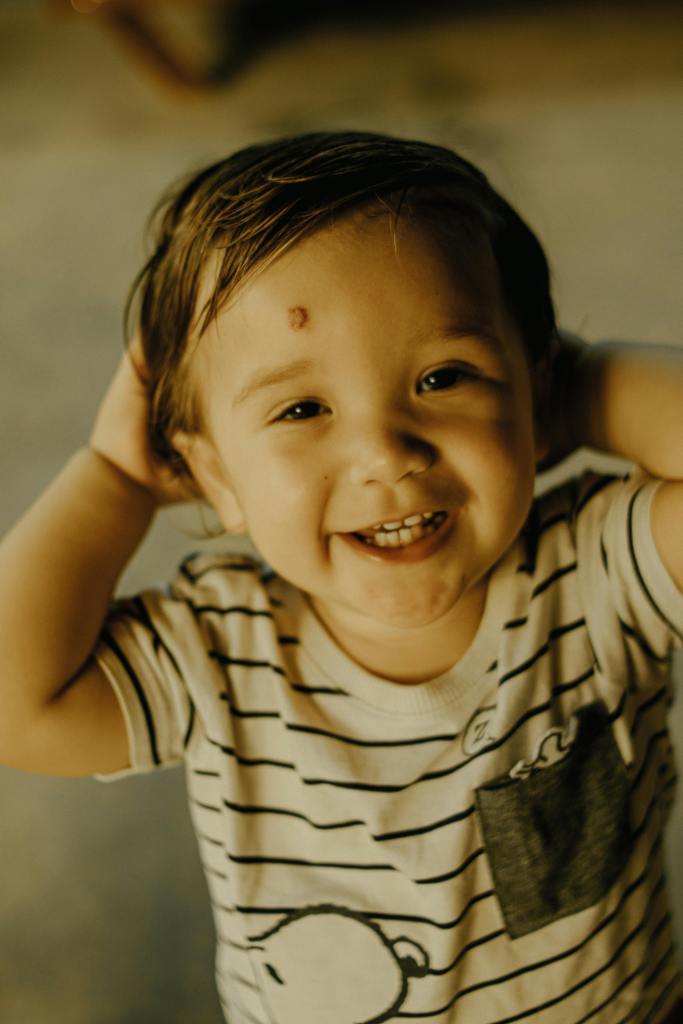
While there is a typical time line for baby teeth to come in there is also variability in the process. Most babies get their first teeth between 4 and 9 months of age.
The exact order the teeth come in doesn’t matter. What matters is that the teeth come in and your child has their full set of 20 baby teeth by about their 3rd birthday.
Spaces Between Baby Teeth Are Good
Spaces (or gaps) between baby teeth is good. This is something important that we like to see.
Baby teeth are smaller than adult teeth and permanent teeth need the extra space to come in correctly. Without enough room, crowding can develop as the adult teeth come into the mouth.

Children Lose Their Baby Teeth On Their Own Timeline
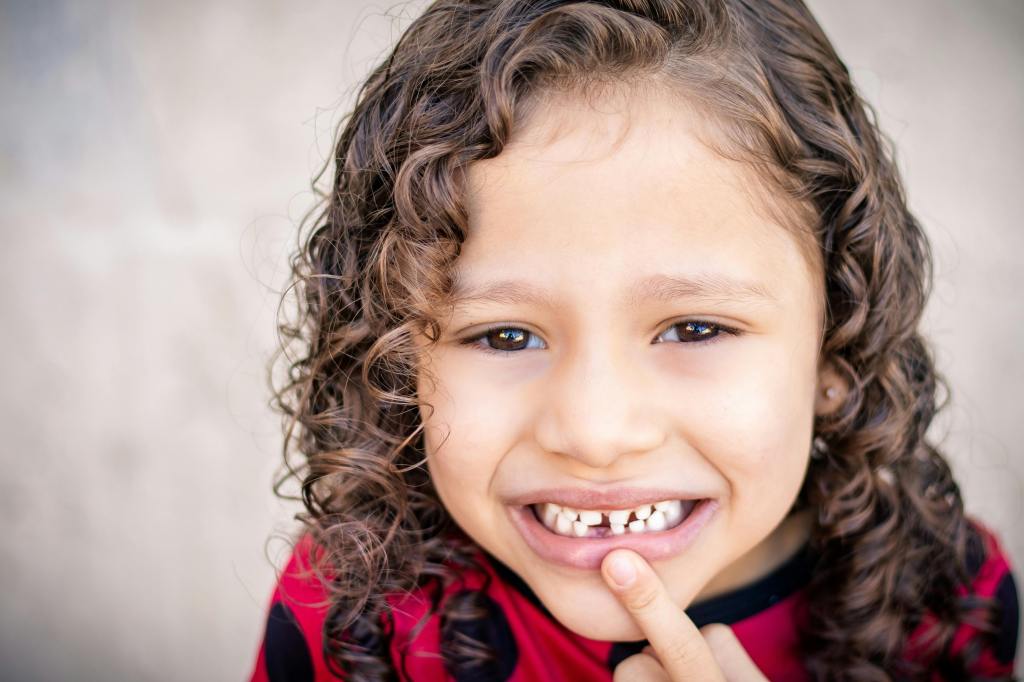
Generally children start losing (aka exfoliating) their baby teeth around 6 years of age.
However, the earlier baby teeth come into the mouth, the earlier they fall out. Like wise, the later baby teeth come in the later they fall out.
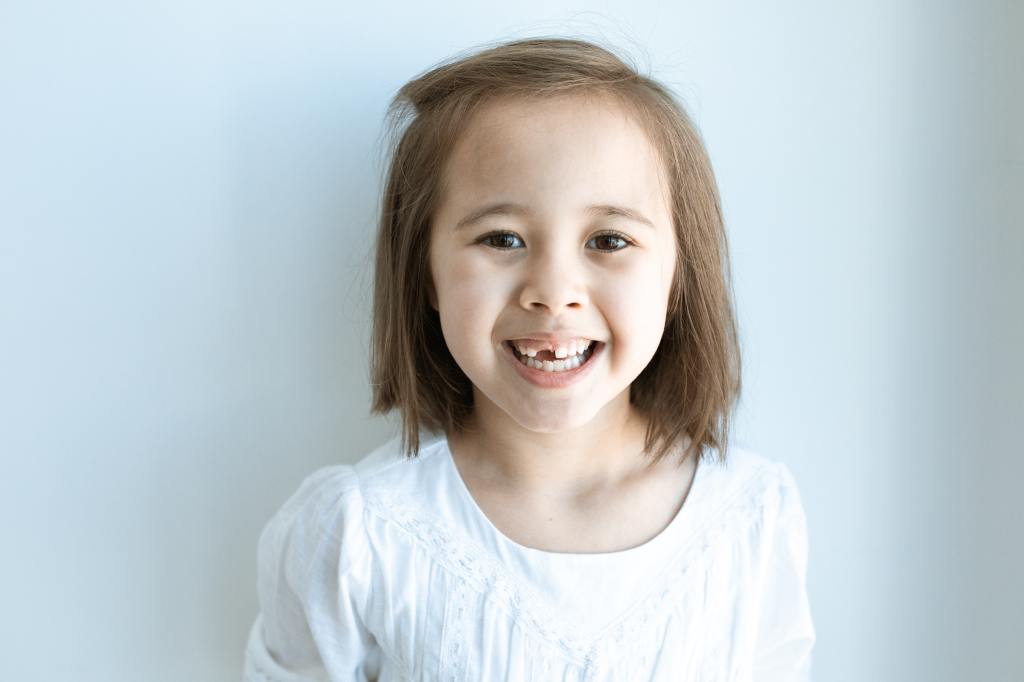
Adult Teeth Can Grow In Behind Baby Teeth
Baby teeth start to become loose when the adult teeth push up from under the gums and naturally melts away the baby tooth’s root. Then the adult tooth grows into that same place.
Sometimes the adult tooth isn’t growing directly under the baby tooth, it’s growing a little further to the back behind or in front of the baby tooth. When this happens the baby tooth doesn’t fall out and the adult tooth grows in behind or in front of the baby tooth.
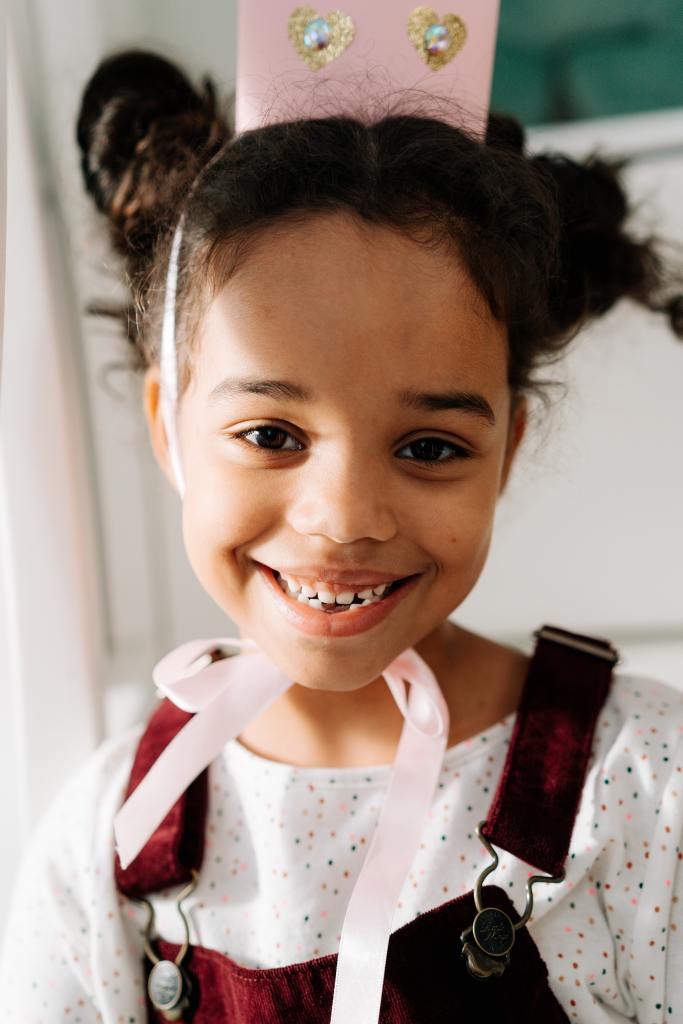
Adult Molars Grow In Without Losing Baby Teeth
6 year molars (aka first permanent molars or adult molars) are the first set of permanent teeth which come into a child’s mouth that do not replace any baby teeth.
You’ll see these adult molars coming into your child’s mouth all the way in the back in the empty space behind their last baby molar.

Children Can Have Baby Teeth And Adult Teeth At The Same Time
When children have a combination of baby teeth and adult teeth they are in their mixed dentition.
This is the time when they start losing their front baby teeth and their adult teeth begin to come in. The mixed dentition lasts up to when a child loses their last baby tooth.
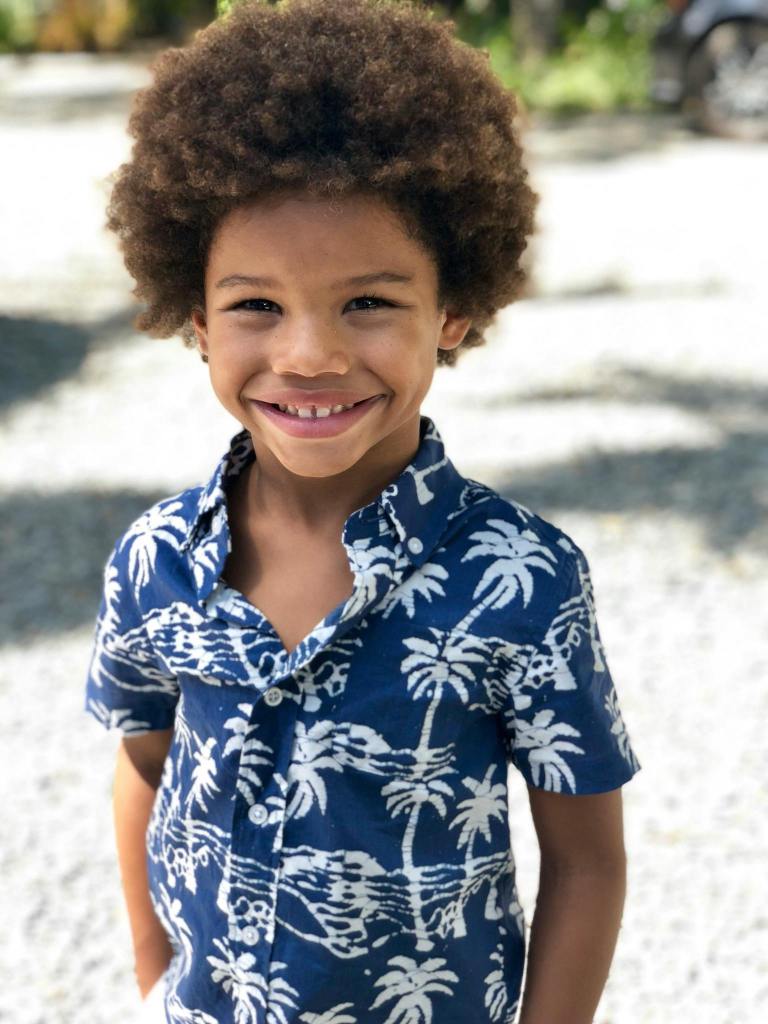
Children’s Bite and Jaws Change As They Grow
As children grow so do their jaws. Each growth milestone is reflected in the position of their jaws, the eruption pattern of their teeth, and the alignment of their teeth.
Facial and jaw growth can also affect how teeth look.
This is why it’s important to monitor a child’s developing dentition and growth pattern at regular examinations.

Their Gums Are The Windows To Their Teeth
The gums outline teeth in a specific way and the way they look says a lot. When we look at the gums were look at 3 things. The color, the shape and the texture of the gums.
It’s not that only 1 aspect can be off. If 1 is off, there’s something going on that affects all 3 characteristics.
Which is why dry, puffy, red, swollen, irritated, or bleeding gums adversely affect the teeth.
Teeth Can Cause Discomfort As They Come In
Whether it’s baby teeth or adult teeth, as a tooth makes it way toward the tops of the jaws it is common to feel pressure. This pressure, known as teething is sporadic, intermittent, and can be uncomfortable.
When bottom teeth are coming in, it’s common to feel pain in the ears. This is why some children will pull on their ears or put their fingers into their ears.
When the top teeth are coming in, it’s common to feel like they have a headache. This is why some children will rub their foreheads or the tops of their heads.
What To Remember
While these 9 changes are commonplace, if any issues last for more than a couple of days or things are getting worse it’s important to follow up with your pediatric dentist or pediatrician for an examination.
What is the scariest thing you’ve seen in your child’s mouth? Which of these findings has your child had? Tell Us, We’d really like to know! Send us an email at kidstoothhotline@proton.me Like Us on Facebook
More tips? We have lots. We’re here just for kids!

 kidstoothhotline