
In the Know for You to Know
Can you believe it’s 2026? Here’s to a great year!
Like the saying goes, new year, new dreams, new hopes. This year you’re hoping for only good visits at the pediatric dentist’s office. Finger’s crossed no cavities. Or at least no new ones.
But when cavities are caught early, are they really cavities?
How can you tell if your child has early signs of tooth decay? What do you look for to tell if your child has a potential cavity?
Today we’re talking the tell tale signs of early tooth decay for you to spot.
Early Signs Of Tooth Decay
Recognizing the early signs of decay can help you take action.
What to look for:
- White spots on the teeth – this is also called demineralization, and indicates the earliest sign of enamel damage
- Brown or black spots near the gum line – indicates cavities are forming or have already formed
- Bad breath
- Sensitivity to sweets
- Sensitivity to hot and/or cold foods and beverages
- Pain or discomfort while chewing – can lead to a decreased appetite
- Puffy, swollen or red gums
Why Early Decay Isn’t Only About Baby Teeth
Have you heard the myth about baby teeth? The one that goes, “They’re just baby teeth. They’ll fall out anyway.”
Well, this is what happens when early decay is undervalued and overlooked:
- Pain and infections lead to missed school and poor nutrition
- Premature tooth loss affects speech and adult tooth position
- Self-confidence takes a hit and embarrassment takes over due to visible cavities and/or bad breath
- Future dental visits may become a source of fear


Parent’s Role In Early Detection Of Tooth Decay
Become the tooth detective of your home.
Be on the look out for:
- Complaining about teeth hurting when eating or drinking cold foods, beverages, and ice cream
- Avoiding chewing on one side or eating less
- White or brown spots that don’t go away no matter how much you brush
- Bad breath
- Gums that bleed when brushed
- When your child tells you they have a bad taste in their mouth

What To Remember
Tooth decay often starts silently.
As a parent, you’re always looking for anything unexpected when it comes to your child’s health, and that includes their teeth.
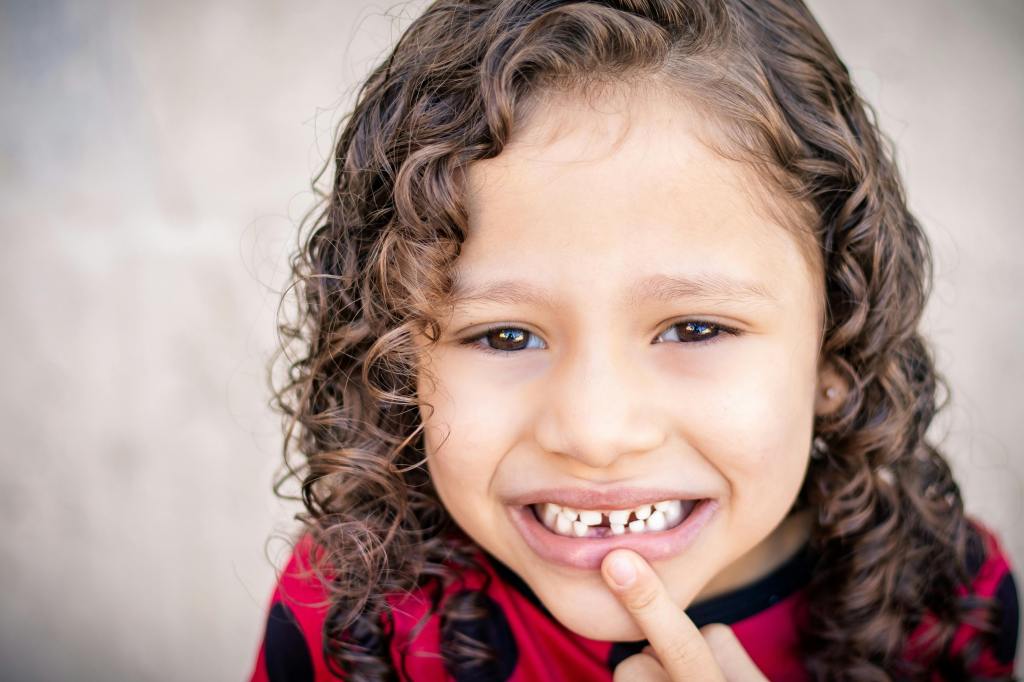
So if you’ve spotted something on your child’s pearly whites, you’ll be wondering what’s going on. Whether your child has baby teeth or newly erupted adult teeth, knowing what to look for can give you peace of mind.
When is the last time you looked in your child’s mouth? And looked at their teeth? How did they look? How did their breath smell? Tell Us, We’d really like to know! Send us an email at kidstoothhotline@proton.me Like Us on Facebook
More tips? We have lots. We’re here just for kids!

 kidstoothhotline
One thought on “Talking Mom To Mom, Spotting The Early Signs Of Tooth Decay In Children”
Comments are closed.