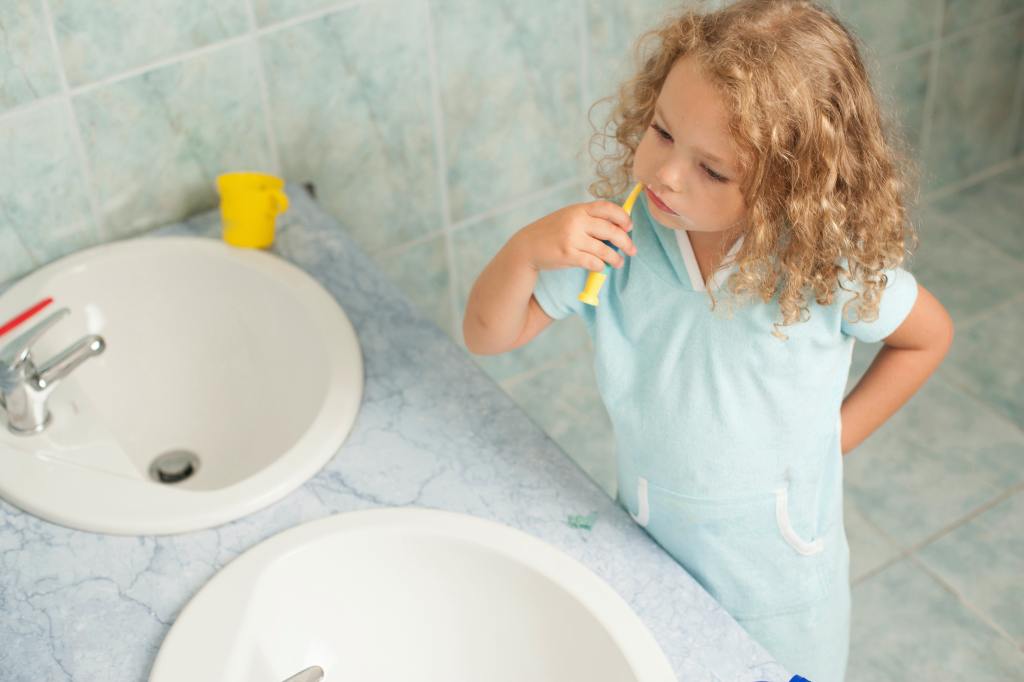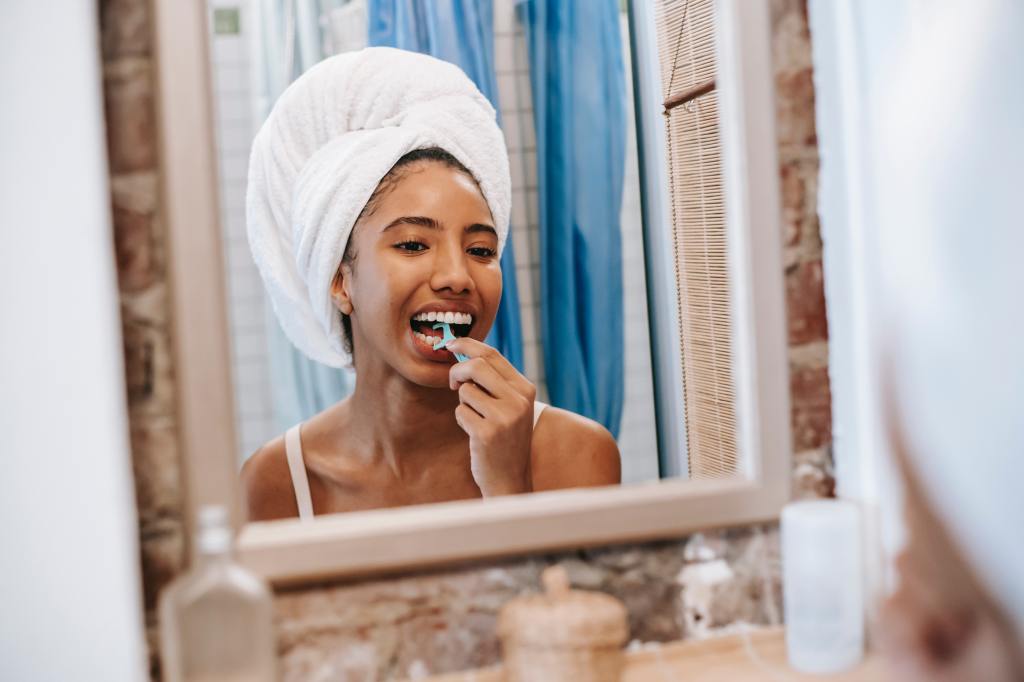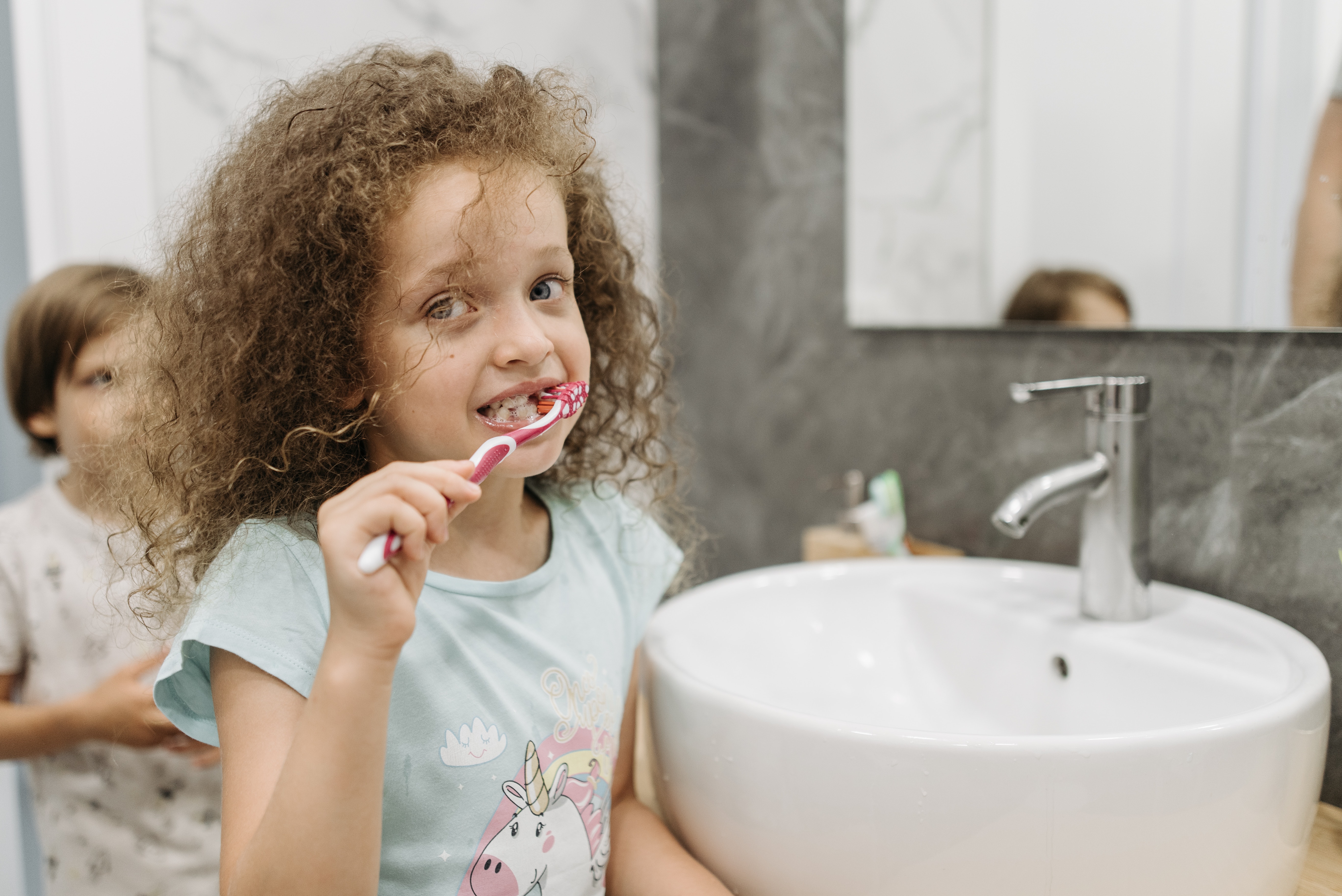
The 4 B’s For Your Child’s New School Year Tooth Brushing Routine

We Are Back To School

What Are The 4 B’s?

The Power Of The 4 B Routine

The Benefits Of The 4 B Routine

Happy Grandparent’s Day

My Duet With Grandma

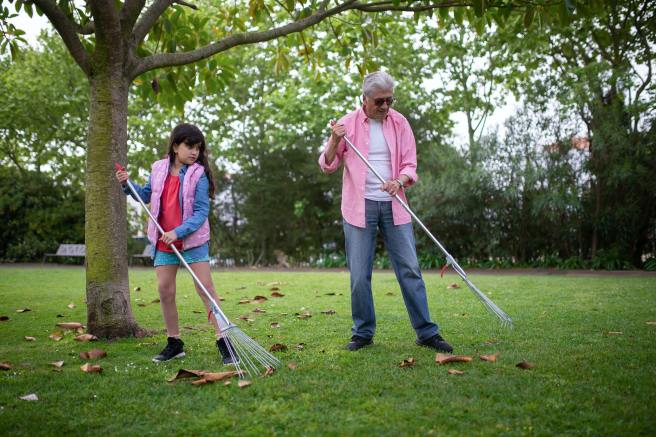
Cherish Your Grandparents

Spending Time With Your Grandparents

3 Reasons Grandparents Are The BEST

Does Charcoal Toothpaste Work?

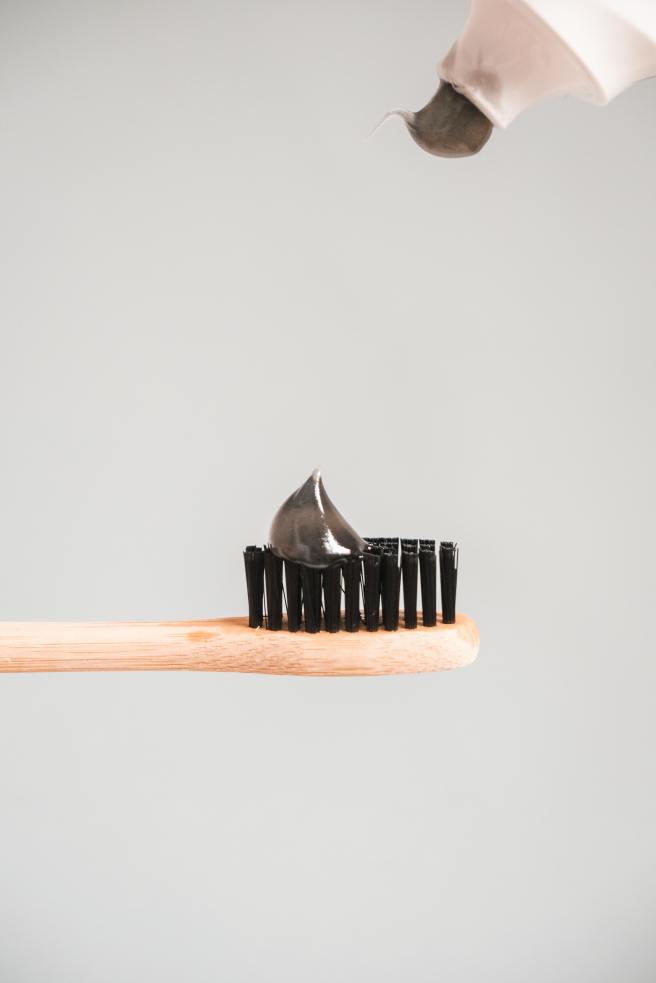
Charcoal Toothpaste Really Looks Like Charcoal

What Is Charcoal Toothpaste?

Can Charcoal Toothpaste Benefit My Child’s Oral Health?

Will Charcoal Toothpaste Whiten My Teenager’s Teeth?

Is Charcoal Toothpaste Safe For My Child?

Charcoal Toothpaste, Just A Trend?

What To Do?

National Tooth Fairy Day Is Almost Here

The Tooth Fairy Came For My Tooth Last Night

Greeting From Your Friend The Tooth Fairy

Braces For Children And Teens, But Which Type?

Braces Are The Key To My Smile

Why Braces?

How Long Does My Child Have Braces?

Types Of Braces

Which Style Of Braces Is Right For My Child?

Happy National Watermelon Day

Watermelon Says Summer

Watermelon Is Healthy

Fun Trivia About Watermelon

Tips For Celebrating Watermelon

Why Is Chewing Ice Bad For My Child’s Teeth?

Ice Cubes Aren't For Teeth
Ice Cubes Aren’t For Teeth

Ice Is Harder Than Teeth

Ice Isn't For Teeth
Ice Isn’t For Teeth

Ice Can Break Teeth And More

Broken Teeth Can Get Cavities

How To Stop Chewing On Ice

Gummy Vitamins, What’s The Big Deal For Little Teeth?

In the Know for You to Know

Sugar Puts The Gummy In Gummy Vitamins

Sugar Puts The Gummy In Gummy Vitamins

Gummy vitamins are very popular with children and parents for getting essential vitamins and nutrients in a tasty gummy treat. While this can be a great way for your children to want to take their vitamins, gummy vitamins can also harm their teeth.

BUT THEY’RE VITAMINS

Yes, they’re vitamins that are chewy, really tasty, and come in an endless variety of colors, shapes and flavors.

THE STICKY TRUTH

It’s really 3 things to keep in mind,
Gummy vitamins are high in sugars in comparison to other vitamins. It’s the sticky consistency that makes them stick to the tops and in-between the teeth that’s the concern because it eats away at the tooth’s outer protective enamel layer.

Gummy Vitamins Can Also Come Sugar-Free, But…

Xylitol is the only 1 sugar substitute known to help reduce cavities, and that is in very specific amounts.

Manufacturers of gummy vitamins may not use xylitol or use it in different amounts. Some manufacturers may say their vitamin is sugar-free only to find out that they add other sugar substitutes (which doesn’t reduce cavities) and other sweeteners. They may also coat the vitamin with sugar or a sugar substitute (again which doesn’t reduce cavities).

Our Recommendation

It is your and your pediatrician’s decision regarding which vitamin supplement is best for your child. Our suggestion is to please make sure your child takes their gummy vitamin before your nightly tooth brushing routine. This way everyone goes to bed with nice clean teeth.

If your pediatrician wants your child to take their gummy vitamin in the morning, have them take it with their breakfast and when they’ve finished eating then brush their teeth. This way everyone starts the day with nice clean sparkling teeth.

Does your child take gummy vitamins? What’s your routine? We’d really like to know! Send us and email at kidstoothhotline@proton.me Chat with us and Like Us on Facebook at facebook.com/kidstoothhotline

More tips? We have lots. We’re here just for kids!


\

Summer Tooth Tips For Your Family

In the Know for You to Know

Hello Summertime

Summer is here and your family wants to have fun, fun, and more fun. Lazy days and yummy foods have been on your children’s minds since the count down to vacation began.

This is also a stressful time for you because you know what they want and you want to keep up their balanced diet and keep going with those good habits you’ve worked hard on.

So how do you indulge those eagerly awaited extra special delights and stay on track?

4 Bite Sized Tips For Healthy Summer Teeth

Keep up with your child’s routine

Whether you’re traveling, day tripping, planing a staycation or a trip to Grandma’s, put together a traveling dental kit. This way if schedule changes disrupt your good habits you can start up where you left off. Also remember that while bottles and sippy cups are good for comforting your child, don’t let them fall asleep with one in their mouth as it increases their risk for cavities.

Stick to your child’s healthy diet

Make those special foods and beverages more delicious when eaten with a healthy and balanced meal full of fresh fruit, veggies, whole grains, lean protein, water, and plain milk.

Indulge with care

Gooey, sticky and chewy are fun to eat, not so much to brush off teeth. Choose treats that are super smooth and slide off the teeth like chocolate bars without crunchies, italian water ices, and ice cream.

Make it fun

Vacation time is happy and new every year. This year tweak your consistent daily routines in a fun way. Try doing something to keep your child’s attention long enough for you to brush all their teeth, like – brushing and flossing together or have a brush-a-thon to your child’s favorite tunes. Children love stickers, so use a sticker chart and remember to be on the look out for their fun flavor toothpaste or a toothbrush with their favorite character.

Summer time is always a busy time for families. Being out of school with a steady stream of activities puts every day life on hold, including good tooth routines and habits.

If your good habits go haywire, pick up where you left off and help your child get back on track with their good brushing, flossing and healthy eating habits.

Enjoy your summer and make those amazing memories while at the same time protecting those beautiful smiles!

How do you keep up with your children’s brushing and flossing over the summer? What are your families favorite summer foods? We’d really like to know! Send us an email at kidstoothhotline@proton.me or Chat with us and Like Us on Facebook at facebook.com/kidstoothhotline

More tips? We have lots. We’re here just for kids!

Mouthguards Are The Sports Equipment To Protect Your Child’s Smile

In the Know for You to Know

As parents we all know to say “Wear your helmet!” when our children want to go out to ride their bike, skateboard or scooter. We also say this when our older children play baseball, football, hockey or lacrosse. You may have already seen them used in contact sports, such as football, boxing, and ice hockey.

Mouthguards offer the same protection. While a helmet protects a child’s head, a mouthguard protects their teeth and their head.

How does a mouthguard protect a child’s head? As parents we’ve heard about concussions, and a lot of times we think about concussions as occurring from a blow to the head. What’s important to note is that contact to any portion of the mouth or jaw can cause a concussion.

My Balance Beam Is Really High And The Mat Is Far Away, I'm Happy I'm Wearing My Mouthguard
My Balance Beam Is Really High And The Mat Is Far Away, I’m Happy I’m Wearing My Mouthguard

How can a mouthguard help?

What Is The Benefit Of Wearing A Mouthguard?

Mouthguards are mouth protectors which help cushion a blow to the mouth and face, minimizing the risk of broken teeth and injuries to your child’s lips, tongue, face or jaws.

While collisions in contact sports, such as basketball and boxing are higher-risk sports for the mouth, children can experience a dental injury in non-contact activities too, such as gymnastics and skating.

Findings in Sports Dentistry show that even in non-contact sports such as gymnastics, rollerblading, and field hockey, mouthguards help protect teeth. Many of these experts recommend that a mouthguard be worn for any recreational activity that poses a risk of injury to the mouth.

Most Important Mouthguard Features

To be most effective a mouthguard should have these features:

  • Be resilient, tear-resistant and comfortable,
  • Fit properly and stay in place during sports activities,
  • Be durable and easy to clean,
  • Not restrict your child’s speech or breathing.

There Are 3 Types Of Mouthguards

  • Stock These are found in sporting goods stores and come pre-formed, ready to wear. One size fits most and may not fit very well. They are made of hard plastic, can be bulky and which can make it uncomfortable to wear and talk.
  • Boil and bite These mouth protectors can also be bought at many sporting goods stores and may have a better fit than stock mouth protectors. They are first softened in hot boiling water, then placed in the mouth and with your child moving their lips, tongue and cheeks around and closing their teeth together, they plastic is adapted to the shape of their mouth. Remember to be very careful because this is very hot water and very hot plastic.
  • Custom-fit These are made by your dentist for your child specifically and because they are customized, usually offer the best fit. They fit snugly, allowing your athlete to run and talk more easily while playing sports. Custom mouth guards are comfortable, and offer excellent protection. They can be made in a wide variety of colors and designs.

How Many Mouthguards Does My Child Have To Wear?

One.

Mouthguards typically cover the top teeth, and are a great way to protect the soft tissues of their tongue, lips and cheek lining.

There are certain times when depending on specific needs your dentist or orthodontist may suggest for your child to instead use a mouthguard to cover their lower teeth.

Mouthguards And Braces

A properly fitted mouthguard is especially important for children who have braces. A blow to the face could damage the wires and brackets or other fixed orthodontic appliances. The mouthguard provides a barrier between the braces and their cheeks and lips, limiting the risk of gum and soft tissue injuries.

If your child has an orthodontic retainer or wears any removable appliance, never wear it during any type of sports activities.

Tips for Caring for Your Child’s Mouthguard

4 tips for keeping your child’s mouthguard sports ready:

  • Rinse with cool water before each use and afterwards brush with toothpaste, rinse, dry.
  • Keep the mouthguard in a sturdy container that has vents and in a safe place. This permits air circulation and helps prevent damage to the mouthguard.
  • Don’t take the mouthguard out and leave it in the sun. Avoid high temperatures, such as hot water, hot surfaces or direct sunlight, which can distort the mouth guard.
  • Check for wear and tear to see if it needs replacing. A mouthguard that’s torn, in bad shape, or doesn’t fit any more can irritate your child’s mouth and lessen the amount of protection it provides.

When it comes to protecting your child’s mouth, a mouthguard is an essential piece of athletic gear that should be part of their standard equipment from an early age.

Does your child wear a mouthguard? Do you wear a mouthguard? What are your thoughts about mouthguards? We’d really like to know. Send us an email at kidstoothhotline@proton.me Like Us on Facebook at www.facebook.com/kidstoothhotline

More tips? We have lots. We’re here just for kids!