In the Know for You to Know
Dental x-rays (aka radiographs) are a valuable diagnostic tool to see places on teeth that are not visible to the eye. They help diagnose cavities and other developing problems that your Pediatric Dentist would not be able to see otherwise.
While dental x-rays are not like medical x-rays, the same question still comes to mind – What about the radiation?
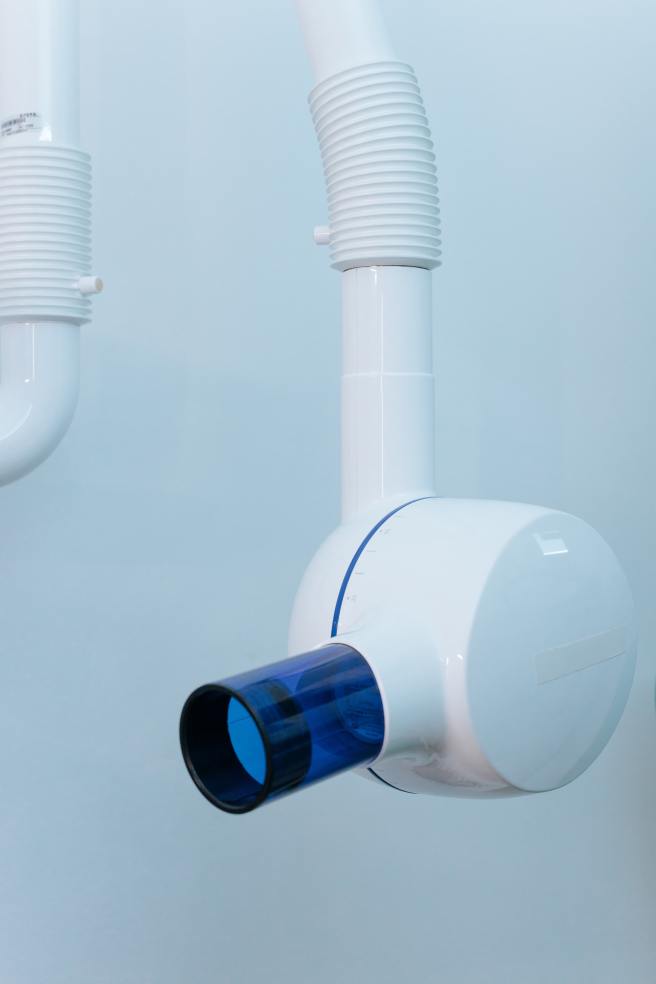
Why Dental X-rays Are Important
As parents we know from our own dental visits about cavity detecting x-rays. But x-rays detect so much more than cavities. Pediatric Dentists utilize x-rays to evaluate developing adult teeth, evaluate the results of an injury, diagnose bone problems, or plan orthodontic treatment.
X-rays allow Pediatric Dentists to diagnose and treat conditions that can’t be detected during a clinical examination. Dental problems that are found early and treated early allow dental care to be more comfortable.
Safety Features
X-rays are recommended only when necessary to evaluate and monitor your child’s oral health, and the frequency is determined by your child’s individual needs.
Pediatric Dentists are particularly mindful and careful to minimize radiation exposure.
3 Sets Of Gold Standards and Guidelines
As well as following the American Academy of Pediatric Dentistry (aapd.org) guidelines for the type and frequency of x-ray examinations, Pediatric Dentists also adhere to the principle of ALARA as set by the American College of Radiology (acr.org) and Image Gently (imagegently.org).
ALARA stands for “as low as reasonably achievable” and is a radiation protection standard set by the American College of Radiology (acr.org) for establishing and following a safe radiation program.
Image Gently (imagegently.org) is a coalition of health care organizations dedicated to providing safe, high quality pediatric x-ray imaging worldwide. The primary objective for Image Gently is to raise awareness in the imaging community of the need to adjust the radiation dose when imaging children.
Safety Equipment
In addition to following these 3 sets of guidelines, lead aprons and thyroid collars are used to help to protect your child. Today’s equipment restricts the x-ray beam to the area of interest. Digital x-rays, modern equipment and proper shielding assure that your child receives the minimal amount of radiation exposure.
Oral Health Conditions X-rays Diagnose
Dental x-rays are used to diagnose conditions that cannot be seen with the plain eye.
To this end, x-rays are used to assist in diagnosing:
- Infection
- Injuries
- Monitor healing
- Developing teeth
- Impacted teeth
- Growths, cysts, tumors of the jaws
- Cavities
- Gum disease
- Growth and development of the face, teeth, and jaws

Important To Know
This is not something Pediatric Dentists take lightly. While dental x-rays are important to diagnose and treat oral health conditions that wouldn’t ordinarily be detected during a clinical examination, at the same time, Pediatric Dentists respect the importance of your child’s health and are careful to minimize their radiation exposure.
We respect everyone’s opinion regarding dental x-rays and hope you found this information on dental x-rays helpful.
In our post next week we will continue our conversation on x-rays and focus on digital x-rays, the x-ray procedure for children, the types of dental x-rays and when they are recommended.
What are your feelings about dental x-rays now that you’ve read about ALARA, Image Gently and the American Academy of Pediatric Dentistry’s standards for radiation safety? Would you feel comfortable discussing this with your child’s Dentist? Share your thoughts, We’d really like to know! Send us an email to kidstoothhotline@proton.me Like us or Chat with us on Facebook at facebook.com/kidstoothhotline
More tips? We have lots. We’re here just for kids!

 kidstoothhotline
One thought on “Dental X-rays For Children, What Parents Need To Know”
Comments are closed.