In the Know for you to Know

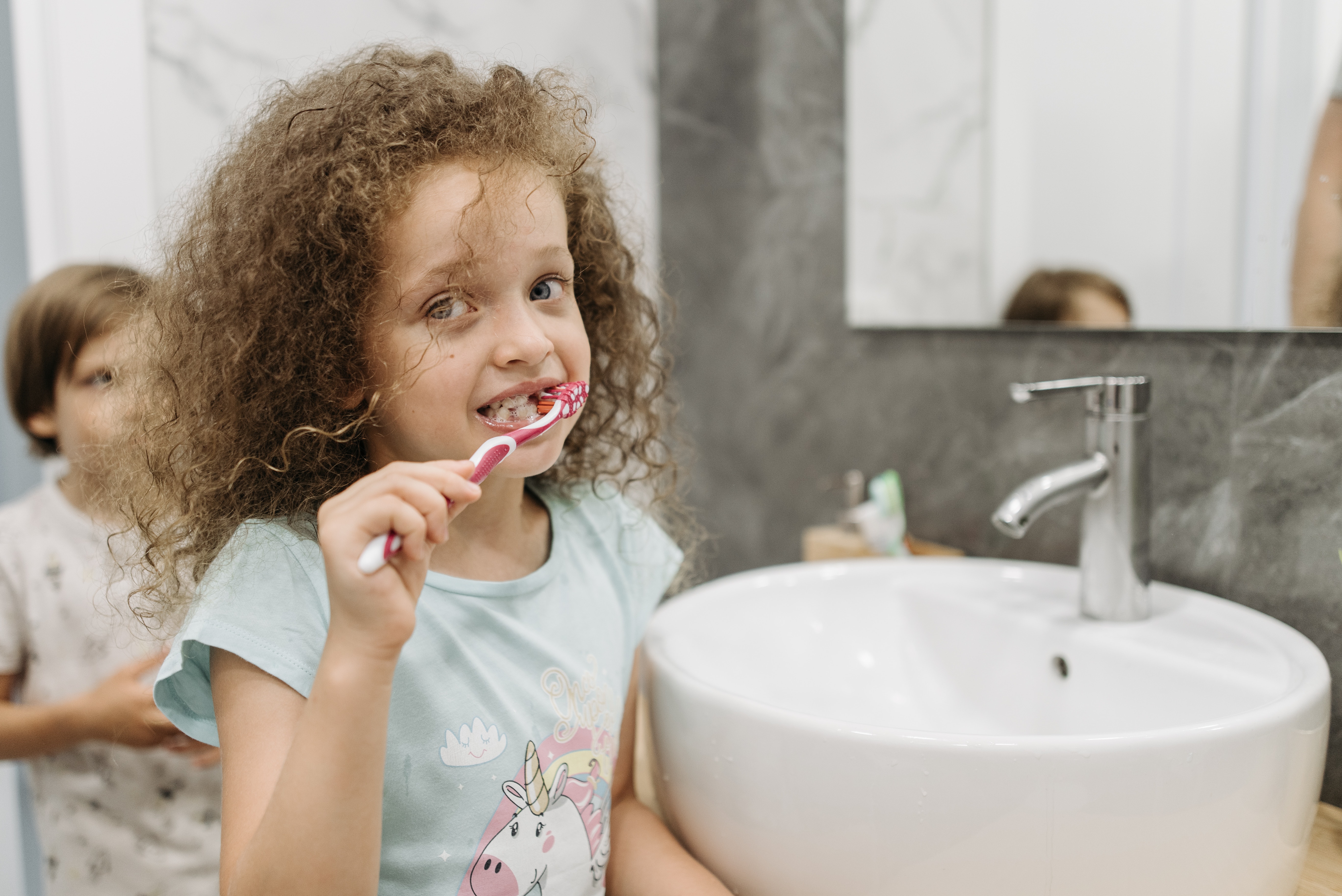
As parents we know the best way to prevent cavities is to brush every morning and night and floss each night. We also know that even with the most diligent brushing and flossing habits, sometimes your child’s back teeth need some extra help. This help comes from dental sealants.
Sealants are and have been a game changer for children’s teeth. As parents you have a lot of questions about what sealants are, how they can help, are they safe, and how long they last.
Today we’re breaking down the basics on some important details for you about dental sealants so you can confidently navigate your child’s oral health.
What Are Sealants?
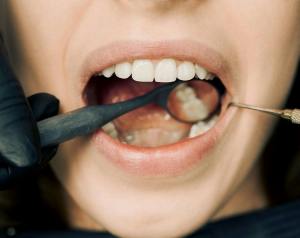
Sealants protect the grooved chewing surfaces of back teeth where most children’s cavities are found.
They are made of clear or tooth colored plastic which is placed on specific surfaces of the tooth to help keep them cavity-free.
How Do Sealants Work?
Even when your child brushes and flosses carefully it is difficult to clean the tiny grooves and pits on certain teeth. Food and bacteria build up in these crevices placing your child at risk for tooth decay (aka cavities).
Sealants work by “sealing out” food and plaque, reducing the risk of cavities.
Are Sealants Safe?
According to the American Dental Association (ADA), Sealants are very safe.
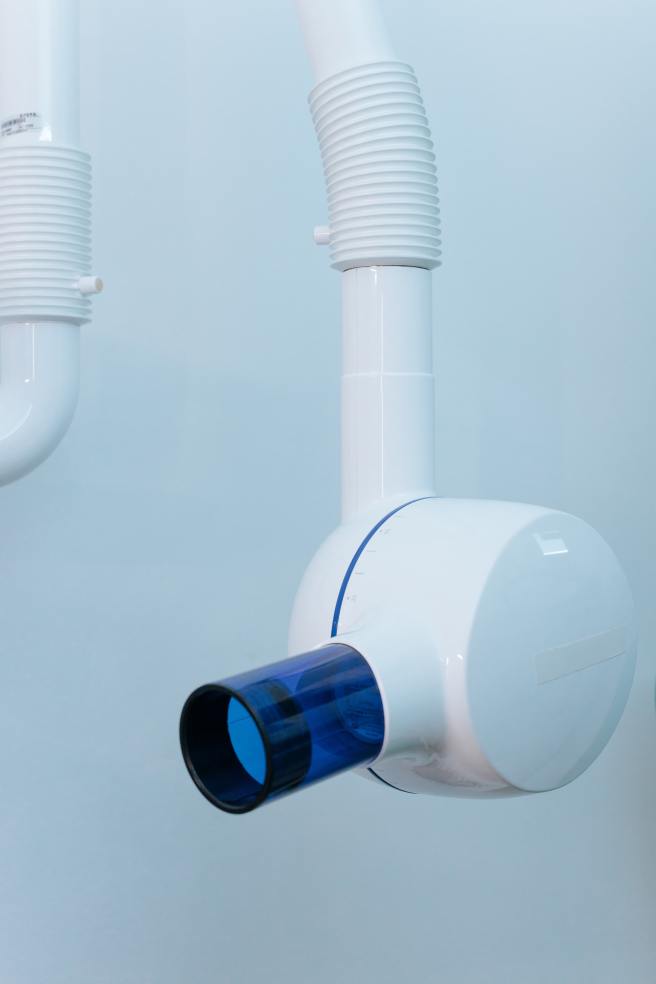
The flowable material has an extremely small and safe amount of BPA (0.001%), and the light that is used to dry the sealant is a special wavelength of regular light. The light is not an x-ray or a laser.
Which Teeth Need To Be Sealed?
The natural flow of saliva is meant to help keep the smooth surfaces of teeth clean but can’t clean out the nooks and crannies in the back molars.
All molars, whether baby teeth or adult teeth have groovy chewing surfaces. It is in these deep grooves, pits and fissures where what your child eats and drinks gets caught. Since these areas are difficult to reach into with a toothbrush, placing a sealant over them makes brushing easier and decreases the risk for cavities.
How Are Sealants Applied To Teeth?
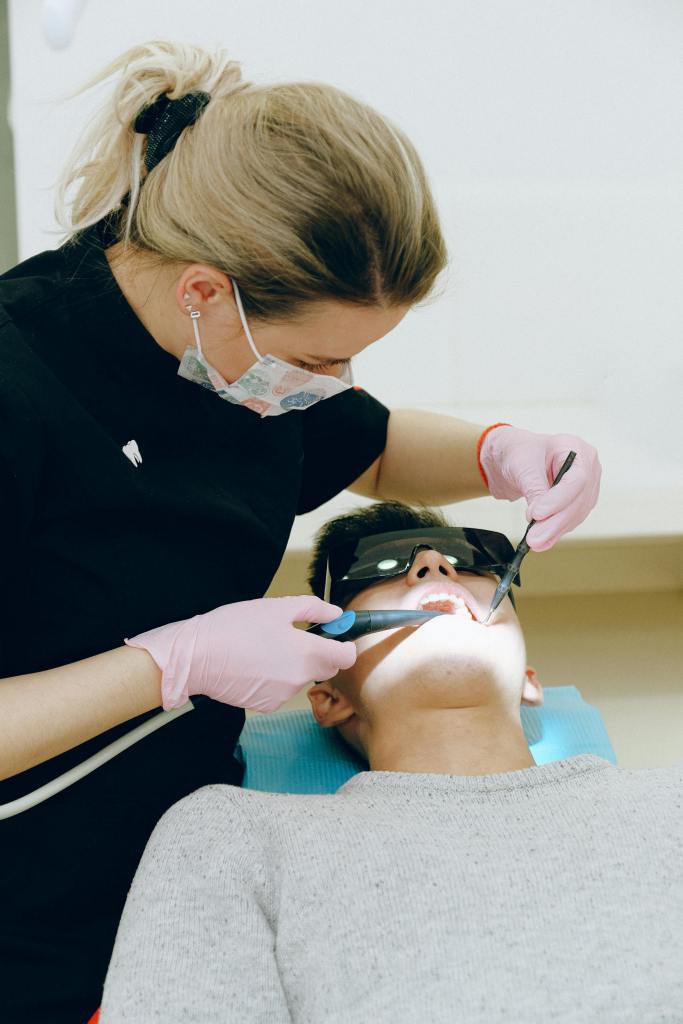
Placing a sealant is quick, comfortable and takes only one visit.
The tooth is cleaned, conditioned and dried. The sealant is then flowed onto the grooves of the tooth and dried with a special light.
Your child will be able to eat right after the appointment.

How Long Do Sealants Last?
Research from the ADA shows that sealants can last for several years. With good oral hygiene sealants can last longer.
If My Child Has Sealants, Are Brushing, Flossing And Fluoride Still Important?
Absolutely! Sealants are only one step in the plan to keep your child cavity free.
Brushing, flossing, fluoride, balanced nutrition, limited snacking with good choices, and regular dental visits are all still essential for a bright, healthy smile.
What To Remember
Toothbrushing can’t reach everything since the bristles can’t reach into the deep nooks and crannies.
The likelihood of developing cavities in these teeth starts early, making this an important consideration for children and teenagers.
Sealants protect these vulnerable areas of the back teeth by acting as a barrier to food, beverages and plaque.

What are your thoughts about sealants? Do you have sealants? Does your child have sealants? Are you thinking about having sealants placed for your child? Tell us, We’d really like to know! Send us an email at kidstoothhotline@proton.me Like Us or Chat with us at facebook.com/kidstoothhotline
More tips? We have lots. We’re here just for kids!









































































 kidstoothhotline