In the Know for You to Know
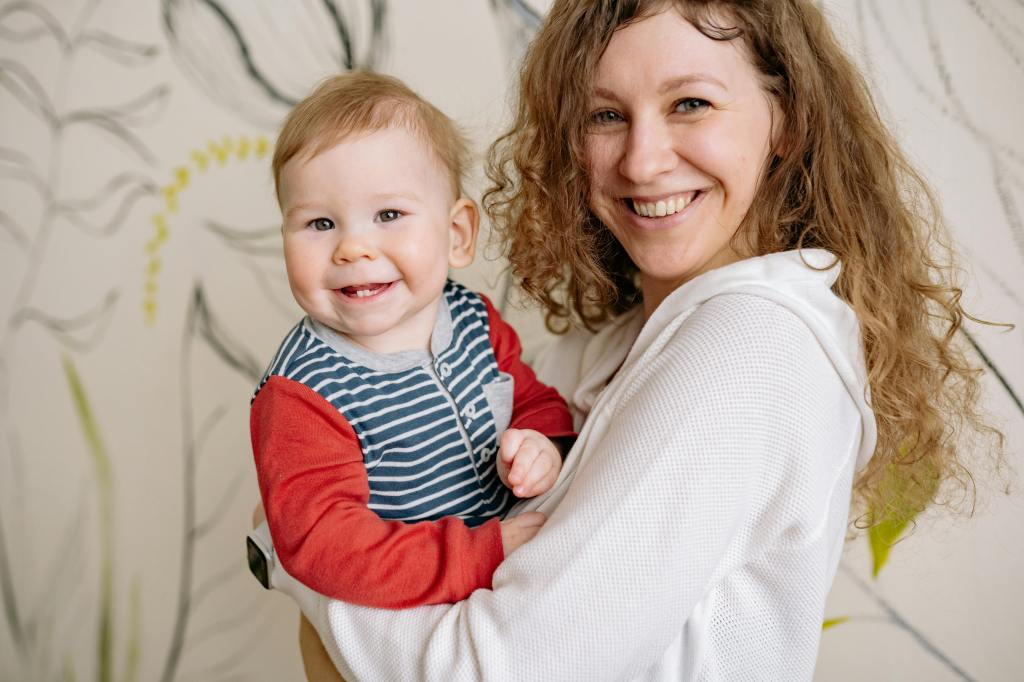
Babies grow so fast and experience so many growth milestones so quickly you don’t know where the time has gone.
With all these first experiences it’s easy to overlook teeth. When you look around you see your family and friend’s babies who are around the same age getting their first teeth.
You’re wondering when will my baby get their adorable toothy grin?
Like with all baby’s milestones teething is very individual and unique to them.
Today, we’re breaking down the basics on when babies get their teeth.
When Do Babies Start To Get Their Teeth?
There is no one set “normal” expected age for when teeth start to come into a baby’s mouth. It’s a really wide range of time. Some babies may be born with teeth and some may not get a tooth until they’re 1 year old.
However, most babies get their first tooth when they are between 4 and 9 months old.

Which Teeth Do Babies Get First?
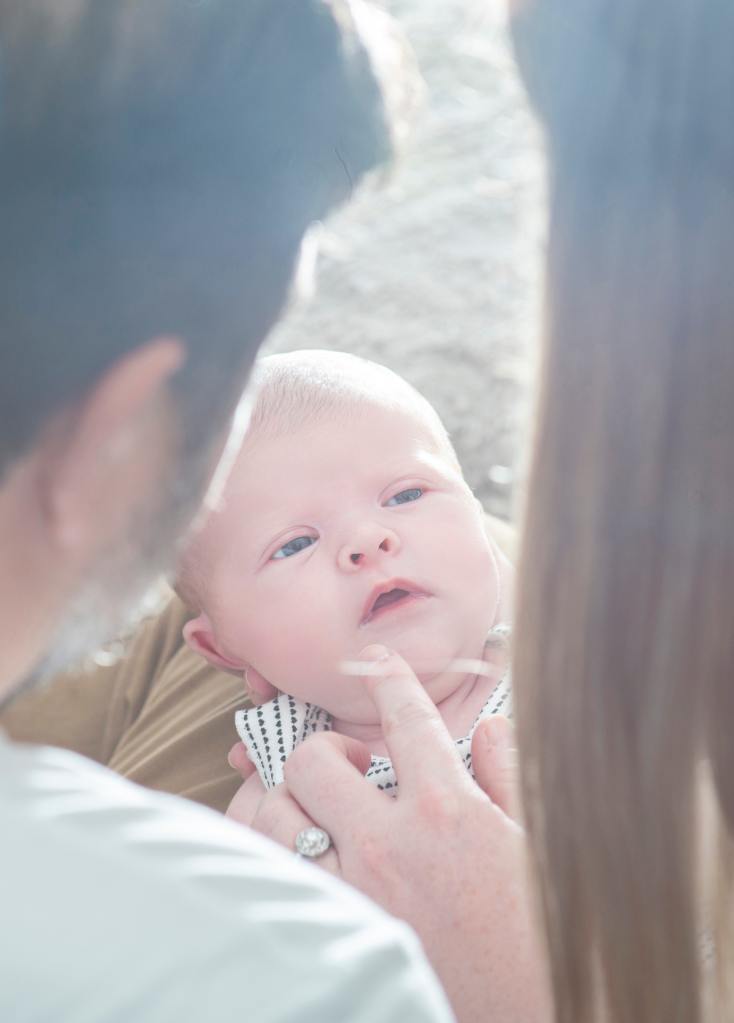
The very first teeth which typically come into their mouth are the 2 bottom front teeth. These teeth are their bottom central incisors and typically come in between 4 and 6 months of age.
The next teeth to come in are the top front central incisors. These incisors come in between 6 months and 8 months of age.
What Are The Signs To Be Looking For The First Tooth Arrival?
As the teeth grow underneath they push up against the gums. This pushing causes pressure that is uncomfortable.
But as a parent how can you tell if your baby is teething?
These are some classic signs of teething ~
- increased drooling – changing their bibs or pajama tops more often,
- wanting to put things in their mouths – like their toys or biting on your finger
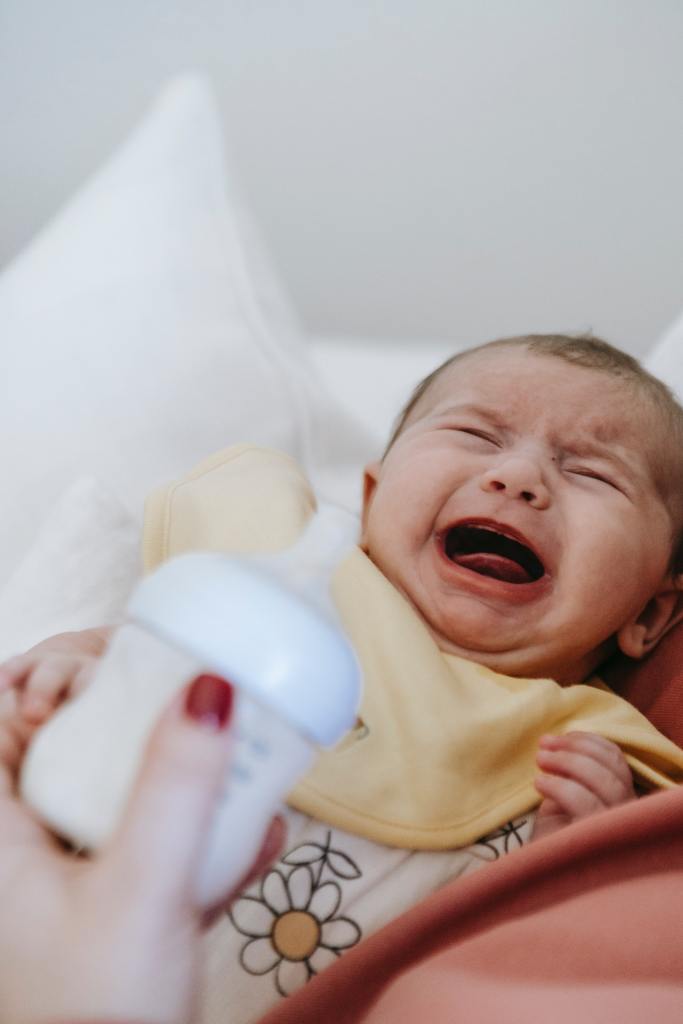
- being more fussy or irritable than usual
- trouble sleeping or not wanting to sleep
- loss of appetite
- sore swollen gums
- putting their fingers in their mouth or pulling on their ear

Is Fever Or Diarrhea A Sign Of Teething?
Teething doesn’t cause a baby to develop a fever, diarrhea, or a rash.
If your child refuses to eat, you’re not able to console them, they develop a fever of 100 degrees Fahrenheit or higher, develop diarrhea, or develop any type of rash, these can be signs of potentially serious medical issues and it is imperative to contact your pediatrician immediately.
What Do The Gums Look Like When A Baby Is Teething?
When babies are teething their gums often become swollen, red, appear to bulge from the tooth underneath.
As the tooth initially comes through the gums you will see the white tip of the tooth.
How Long Does Teething Last?
Babies begin to experience teething as the tooth grows up to the gums. Once the new tooth has come through the gums the teething pain begins to decrease over the next several days and is usually subsided within a week.
What To Use To Relieve Teething Pain
To help relieve the pressure the tooth exerts from under the gums, you can apply light pressure to the gums.
You can do this by~
- gently rubbing your child’s gums with your clean finger in gentle circles
- allowing your child to chew on a cool (not frozen) washcloth which you hold
- allowing your child to chew on a solid non-fluid filled food grade silicone teething toy which you hold
What Is Not Recommended For Teething Pain
The FDA (Federal Drug Administration) strongly recommends to avoid, and in fact discourages to use ~
- Homeopathic teething tablets
- Fluid filled teething rings
- Teething necklaces, bracelets or beads
- Teething gels and creams containing benzocaine and/or lidocaine
- Teething crackers, biscuits, or cookies
How Many Teeth Should A Baby Have When They’re 1 Year Old?
The number of teeth depends on the baby and family tooth history.
Most 1 year olds have between 2 and 6 teeth. Some can have 8 teeth, while other babies have none.
How Many Teeth Should A 3 Year Old Have?
This also depends on the child and family.
Most 3 year olds have all 20 of their 20 baby teeth. They have 10 teeth on the top and 10 teeth on the bottom.
From front to back they have their central incisors, lateral incisors, canines, first baby molars, and second baby molars; all adding up to 20 baby teeth.
What To Remember
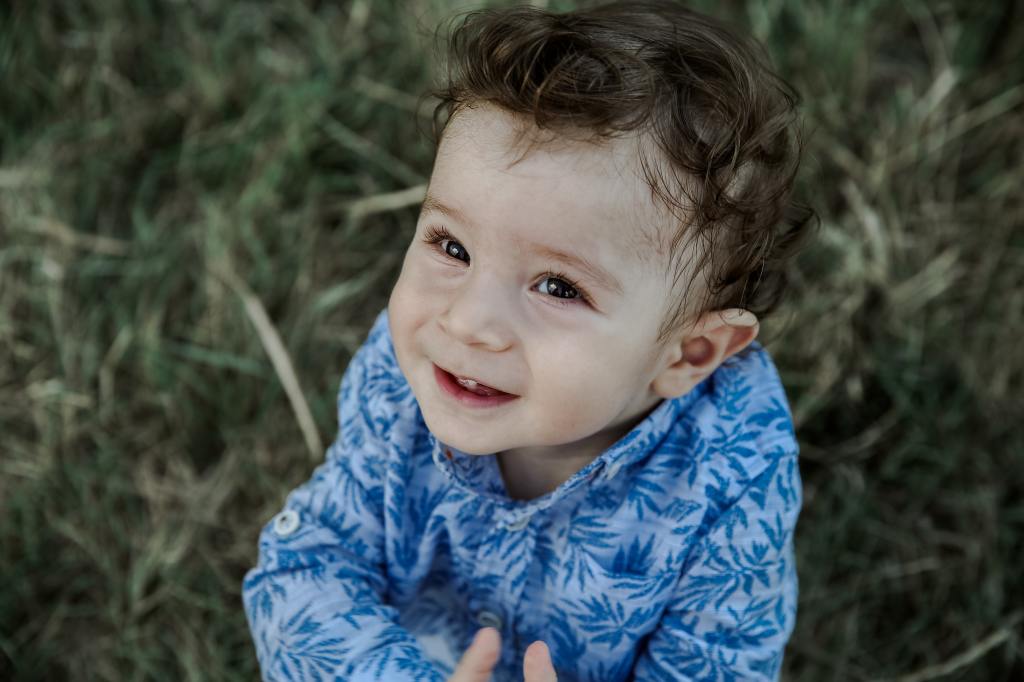
When your baby starts teething it can be difficult for both of you. Teething can be stressful. Knowing all you can about your baby’s teeth is essential, and helps both of you through the teething process.
While there is no “normal” expected age for when teeth start to come into a baby’s mouth, most babies get their first tooth when they’re between 4 and 9 months old. Some children may start getting their teeth as early as 3 months while others not until 1 year old.
For you as a parent it’s important to recognize the signs of teething and understand how to take care of your baby’s teething pain. This enables you to take care of your baby the best way you can as they start to get their teeth.

How old was your child when they got their first baby tooth? What was teething like for them? How many sleepless nights did you have? What do you wish you had known then? Tell us, We’d really like to know! Email us at kidstoothhotline@proton.me Like Us and Chat with us on Facebook
More tips? We have lots. We’re here just for kids!
























































 kidstoothhotline