My Mom And Dad Said YES To The Tooth Truths And Look At Me Now
Fluoride is a little mineral with big tooth benefits. It works to strengthen tooth enamel, fight tooth decay (aka cavities) and keep smiles shining bright.
With all its benefits fluoride still sparks differences of opinion. Even now-a-days old wives tales still persist.
Today we’re taking an up front look at those tales and seeing how they stack up to the truths about fluoride.
Do I Need This Much Toothpaste?My Mom And Dad Always Make Sure I Drink My WaterThank You For My Beautiful Healthy Smile
Tale: Fluoride isn’t natural and isn’t safe for children.
Truth: Fluoride is a mineral which occurs naturally in water and in many foods. Like other nutrients fluoride is safe in the appropriate amount.
The amount of fluoride in water, toothpaste and professional fluoride treatments are well below toxic levels, and are carefully regulated to insure safety.

Tale: Well water has no fluoride
Truth: Some wells have too little fluoride while others have too much. Bottled, filtered, spring, and well waters all vary in their fluoride amount. It’s important to have the water from your well tested for fluoride every year.
If you’re not sure if you have well water or town/city water, check with the local water company. If you know your town or city supplies your drinking water you can also check the fluoride level by calling them.

Tale: Fluoride shouldn’t be used because it causes fluorosis.
Truth: Fluorosis is chalky white spots on teeth. This is typically mild and occurs when young children consume too much fluoride when their teeth are developing.
This is preventable. It’s important to use the correct amount of fluoride toothpaste and to always supervise your child’s toothbrushing so they don’t swallow the good tasting toothpaste.

Tale: Children’s teeth are fine, they don’t need fluoride.
Truth: Fluoride helps prevent tooth decay and makes your
child's teeth stronger. We all have bacteria in our mouth that combines with sugars from food and drinks to make acid. The acid harms the outer layer of the tooth (aka enamel). Fluoride protects teeth from being damaged by the acid and helps rebuild tooth enamel.

Tale: Children don’t need fluoride once their adult teeth come in.
Truth: It’s not just baby teeth, all teeth benefit from fluoride. Like children, parent's teeth also benefit from fluoride’s ability to protect tooth enamel and repair early stages of tooth decay.

What To Remember
As pediatric dentist’s we want to help you with your goal of preventing cavities and promoting good dental health for your child.

Fluoride is safe, effective and easy to include in your child’s daily routine. With little or no fluoride, the teeth aren’t able to resist cavities. By adding fluoride to water, the cavity rate has decreased by 50-70%.

But the amount has to be correct. All it takes is a small amount of fluoride for the maximum benefit.

What’s your take on fluoride? Do you have too much, too little or just the right amount of fluoride in your water? Tell us, We’d really like to know! Send us a email to kidstoothhotline@proton.me  Like Us on Facebook

More tips? We have lots. We’re here just for kids!
Grandma Always Watches Me Brush My TeethThe Best Way To Drink WaterThis Is The Way My Mom And I Like To Drink Our WaterWe’re Teeth StrongMom’s Helping Me With My Homework Like She Helps Me Brush My TeethSay YES to Tooth TruthsThe Best Drink
There I was, a brand new pediatric dentist. I was ready to take the on the world and stop cavities. Fluoride was my super power to halt cavities before they started.
I was examining a 3 1/2 year old girl who lived in a town with fluoridated water, but she was drinking bottled water. When I asked why bottled water, her Mom asked me 2 questions.
These 2 questions are the top 2 on practically every parent’s mind when fluoride is mentioned. Why is fluoride is so important? and Do I need worry about my child drinking water with fluoride?
Fluoride can spark some differences of opinion. Today, we’re discussing fluoride basics, why fluoride is safe and its importance for protecting children’s teeth against tooth decay (aka cavities).
What Is Fluoride?
Fluoride is a naturally occurring mineral that helps strengthen tooth enamel and prevent cavities.
Fluoride can be found naturally in water, soil, air and some foods.
Why Is Fluoride Important?
Fluoride is one of the best and safest ways to prevent cavities for children.
How Does Fluoride Work?
Your mouth contains bacteria that feed on the sugars in the foods we eat and the beverages we drink. This produces acid that can wear away the hard, outer shell of your tooth’s enamel. This can lead to cavities.
Fluoride protects teeth by making the teeth stronger and more resistant to acid. It not only reduces the risk of cavities, it can even help reverse early signs of decay.
How Does Fluoride Prevent Cavities?
Fluoride prevents cavities in 3 ways.
Fluoride is like a shield for your child’s teeth. It helps to strengthen tooth enamel. By strengthening the enamel it can stop cavities before they start and even repair tiny areas of cavity damage.
Plus, fluoride fights off those troublesome germs that cause tooth decay.
Along with healthy eating and good toothbrushing habits, fluoride is a great way to keep your child’s smiles cavity free and strong.
Some Of Us Like To Smile, Others Not So MuchPlaying Is Like Brushing Teeth, We Do It EverydayWe’re 2 Sisters Sharing Healthy Happy SmilesMommy And Daddy Give Me Yummy Healthy Foods And Brush My Teeth With Fluoride ToothpasteDo You Really Think My Teeth Look Great?
Is Fluoride Safe?
Yes, fluoride is safe and effective in preventing cavities when used correctly.
However, too much while teeth are growing and developing can cause fluorosis. This is usually mild, with tiny white spots on teeth that are hardly noticeable. Severe cases are rare, but can cause enamel discoloration.
To avoid this keep fluoride containing products out of reach, especially for little ones. The right amount, like in toothpaste for your child’s age and drinking water gives your child all the benefits.
Should I Be Worried About My Child Drinking Water With Fluoride?
No. Fluoridated water is easy and one of the best beverage choices for all children.
Sweetened drinks like juice (even 100% natural), soda and sports drinks contribute to weight gain and tooth decay.
If We Brush Our Children’s Teeth With Fluoride Toothpaste, Do We Still Need To Drink Fluoridated Water?
Yes. Drinking water with fluoride bathes their teeth in small amounts of fluoride throughout the day and has been found to add to the benefits of brushing with fluoride toothpaste.
Drinking water with fluoride helps prevent cavities before they start.
I May Have A Few Teeth But My Mommy Is Making Sure We Brush With Fluoride ToothpasteWe Love Our Teeth Thanks To Our Mom and DadWe Brushed My Teeth With Fluoride Toothpaste So Now I Can Show Them OffWe Love Showing Off Our Healthy TeethThe Thought Of Getting A Cavity Makes Us Laugh
4 Sources Of Fluoride
There are 4 sources of fluoride:
Fluoridated Water
Fluoride Toothpaste
Fluoride Treatments
Fluoride Supplements
Fluoridated Water
Most tap water in the United States contains fluoride to help fight cavities.
One of the easiest ways to ensure your child gets enough fluoride is by choosing fluoridated tap water as their go-to drink. Not only does it strengthen their teeth, but it also supports their overall health.
Fluoride Toothpaste
Brush teeth twice a day with a fluoride toothpaste.
For children under 3 years old, use a smear of toothpaste, which is the size of an uncooked grain of rice.
If your child is older than 3 years old use a green-pea size amount of toothpaste.
Fluoride Treatments
Your pediatric dentist can apply fluoride varnish to your child’s teeth for extra protection against cavities.
A fluoride treatment is quick and painless. Fluoride varnish is a sticky yellow or orange substance that often has a pleasant taste.
The varnish application is fast and sets quickly. Your child may be advised to avoid eating of drinking for a short period of time (maybe 30 minutes) after the treatment. This is so that the fluoride isn’t washed off their teeth.
Fluoride Supplements
If your tap water doesn’t have fluoride, your pediatric dentist will recommend for your child to take a fluoride supplement. The fluoride dose in the supplement depends on how little fluoride is in your water.
Come To Daddy And Then We’re Going To Clean Your Teeth Before BedtimeEven On Vacation We Still Brush Our Teeth 2X’s A DayShowing Off My Healthy TeethSmiling Our Best SmilesHealthy Teeth Just Like My Daddy
What To Remember
Children deserve the healthiest start to their lives, and a healthy smile is one of the best gifts parents can give them.
Fluoride is naturally occurring and has definite health benefits for children’s teeth. You’ll find fluoride in drinking water, toothpaste and mouth rinses. It’s safe and effective in preventing cavities when used correctly.
These small habits today will lead to strong, confident smiles for years to come.
Did We Brush My Teeth This Morning?
What concerns do you have about fluoride? Does your family use fluoride toothpaste? Does your drinking water have fluoride or do you use bottled water? Do you have well water? Has your pediatric dentist or pediatrician ever mentioned your child needs to take fluoride supplements? Tell us, We’d really like to know! Send us a email at kidstoothhotline@proton.me and Like Us on Facebook
February is dedicated as National Children’s Dental Health Month, but good dental care (aka oral health care) is important every month and every day.
Tooth brushing and flossing are essential to prevent cavities, but there is more you can do to protect your child from tooth decay.
Today on the last day of National Children’s Dental Health Month, we’re breaking down the basics on an important topic so you can confidently navigate your child’s dental care journey.
What Is Fluoride?
Fluoride is a naturally occurring mineral, when used in small amounts on a routine basis helps to prevent tooth decay (aka cavities).
How Does Fluoride Work?
Fluoride encourages “remineralization” or strengthening of the tooth enamel.
It occurs naturally in water, and is an ingredient in many dental products such as tooth paste, mouth rinses, gels, varnish and supplements. Fluoride is most effective when combined with a healthy diet and good oral hygiene.
How Safe Is Fluoride?
Fluoride is shown to be safe and highly effective. It’s important for you to know that only small amounts of fluoride are necessary for the maximum benefit.
What Is Topical Fluoride?
Topical fluoride comes in a number of different forms, such as gels, foams, and varnish. Fluoride varnish is the most used form, and is applied onto the teeth with a small brush-like applicator.
There are 2 advantages to have a fluoride treatment:
Easily and quickly applied to the teeth, it takes 1 minute,
Fluoride continues to be absorbed into the tooth enamel for approximately 24 hours after the application.
Who Benefits From Receiving Topical Fluoride?
All children. This benefit exists whether they have no cavities, a few cavities, a lot of cavities, or braces.
Healthy Teeth Just Like My DaddyWe Love Our Teeth Thanks To Our Mom and DadMommy And Daddy Take Care Of My Teeth So I Can Smile Pretty For The CameraOur Beautiful Teeth Are The Best Gift Our Parents Could Give Us
My Water Doesn’t Have Fluoride, Will My Child Need Supplements?
There are several important factors to consider before recommending a fluoride supplement, including your child’s age and the amount of naturally occurring fluoride in your water supply.
Bottled, filtered, spring, and well waters all vary in their fluoride amount, so a water analysis is necessary to ensure your child is receiving the proper amount.
If it is determined after testing that your drinking water does not have an acceptable fluoride level and your child is between the ages of 6 months and 16 years old, you should speak with their pediatric dentist about fluoride supplements.
How Much Fluoride Does My Child Need?
Unlike most medicines, fluoride dosage corresponds to a child’s age, not their weight. It also depends on the amount of fluoride present in your drinking water.
When Is The Best Time For My Child To Take Their Fluoride Supplement?
Fluoride supplements are most effective when there is a 2 hour window before and after eating or drinking any dairy and high calcium juices. This is so that the fluoride doesn’t get absorbed by the calcium and dairy and become inactive.
4 Tips To Remember
Children need fluoride for strong teeth.
Fluoride is a naturally occurring mineral which also strengthens tooth enamel, helps prevent cavities, and can help remineralize enamel.
Mommy, My Teeth are So BeautifulI Love To LaughThank You For My Beautiful Healthy SmileMy Friend And I Like To Play And Having Healthy Teeth
What are your family’s healthy dental care habits? Is your child using a fluoride mouth rinse? Tell us, We’d really like to know! Send us an email to kidstoothhotline@proton.me Like Us or Chat with us on Facebook at facebook.com/kidstoothhotline
More tips? We have lots. We’re here just for kids!
Can you believe we rang in 2024? Seems like yesterday that everyone was in awe of the new century starting, and now we’re almost at a quarter of the century. Time sure does fly.
In the spirit of this new year we’ve put together some helpful tips to make it easier for you to take care of your children’s teeth. This is because as we know, taking good care of your children’s teeth gives you the power to protect your child from cavities.
Floss And Brush That Smile
A handy tip is that the last thing that touches your child’s teeth at night is their toothbrush.
Brushing starts and ends your day Make a game out of brushing your child’s teeth 2 Minutes 2X’s A Day – Once in the morning after breakfast and once at night right before their bedtime.
Floss every night There are 2 rules of thumb for flossing — 1st is to begin flossing your child’s teeth once they have any two teeth touching, 2nd is that flossing is recommended with your every night brushing routine. The key is to floss first and brush second. This way all the yucky stuff that comes out from in-between their teeth is brushed away.
What type of toothbrush? Choose a child size soft bristle toothbrush. Remember to replace it when the bristles start to wear down, which is usually every 3 to 4 months.
How much toothpaste? For children under 3 years old a rice grain size (meaning a dab) of fluoridated toothpaste on a baby tooth brush or finger brush or wash cloth is the right amount. For children over 3 years old brush twice a day with a pea size amount o fluoride toothpaste. Be sure your child doesn’t swallow the toothpaste and spits it out instead. Can’t spit out? Have a wash cloth handy to wipe the toothpaste off their teeth, tongue and cheeks.
Fluoride Is Nature’s Cavity Superpower
Fluoride is a naturally occurring mineral found in most drinking water. It’s also in toothpaste and mouth rinses. There are some sources of drinking water like bottled, filtered, spring, and well waters that vary in their fluoride amount. If this is the case for you then it’s important to talk with your pediatric dentist or pediatrician about fluoride supplements. In the right amount and on a regular schedule fluoride is safe and helps prevent cavities by strengthening tooth enamel.
Protect Your Child’s Teeth With Sealants
Sealants protect the grooved chewing surfaces of back teeth (molars) where most cavities are found. They are made of clear or tooth colored plastic which is brushed on to these surfaces of the tooth to help keep them cavity-free. Sealants can last for several years, and over time will need to be reapplied when necessary.
Healthy Diet Strong Teeth
It’s important to avoid all day snacking. Children should have 2-3 healthy snacks per day. These snacks are an opportunity to provide nutrients because children actually need more nutrients than they can get at meal time.
Good food can be fun food Fresh fruit and veggies are always flavorful and appealing. To make eating them more fun you can cut their fruit and veggies into different shapes with your cookie cutters. Know what goes great with fruit and is good for teeth? Cheese! The calcium in cheese is healthy for growing teeth and growing bones. So it’s a win-win 2 for 1. When thinking about bread and crackers, whole grains are a great addition to stay on that healthy track.
Juice is not a way to meet your child’s daily fruit and vegetable needs Juice, soda, and sports drinks are sugar sweetened beverages with no real nutritional value and put you on the fast track to cavities. Drinking water and plain low fat milk are the healthiest choices. Water is the best choice in-between meals and for hydration.
Help Prevent Sports Related Dental Injuries
If your child plays sports, any kind of sports, it’s best to use a mouth guard to protect their teeth. Sporting goods stores sell hard and soft types, or your pediatric dentist can make a custom mouth guard. Your child only needs to wear 1 guard, and usually the top is more comfortable and easier to fit. When it’s more comfortable and a regular part of their sports equipment it’s so much easier to wear.
What are your News Years Resolutions for healthy teeth and gums? Your resolution doesn’t have to be for a whole year. Take small steps for the next week or for this month. Tell us what you’re doing and how you’re doing. We’d really like to know!
As parents we know from our own dental experiences about cavity detecting x-rays. But x-rays detect so much more than cavities. X-rays allow Dentists to diagnose and treat conditions that can’t be detected during a clinical examination.
But wait, there’s even more that is being done to minimize radiation exposure for your child.
Digital X-Rays
Digital x-rays significantly reduce the amount of radiation as compared to the older film based x-rays, and provides an opportunity to further reduce the radiation dose by 90 percent.
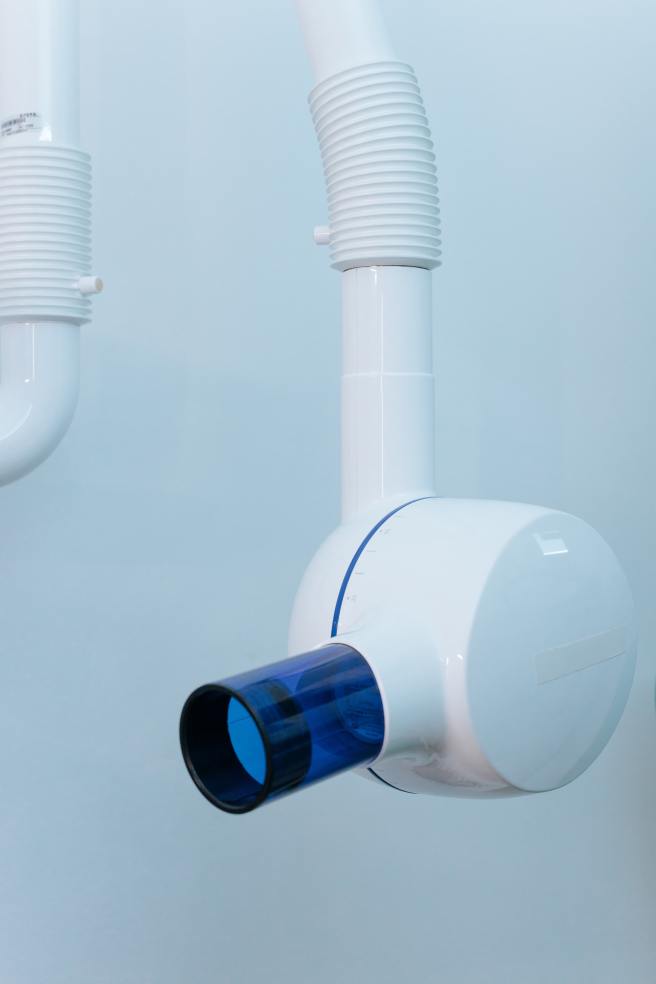
In addition, today’s modern digital dental x-ray machines are required by the FDA to have “child settings” that keep radiation exposure to a minimum.
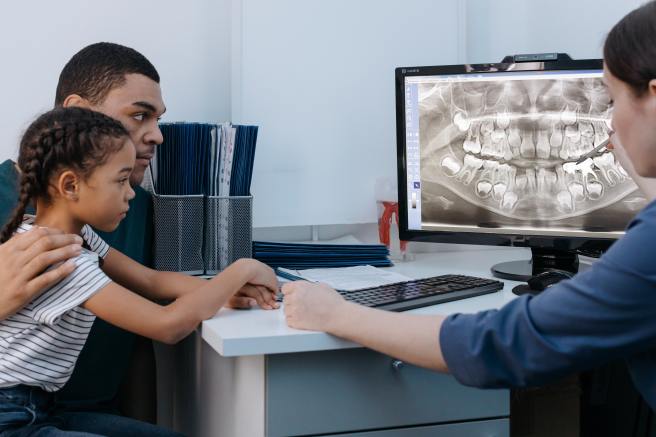
Digital x-rays are instantaneous. Their improved diagnostic quality and the efficiency to view the x-rays directly on the computer screen enable you to better visualize and follow your child’s treatment.
Even though it takes less than a second to take a digital x-ray, your child will still be protected with a lead apron and thyroid collar shield to protect their body from unnecessary radiation exposure.
If you’re into green technology, you’ll be glad to know that digital x-rays are green.
X-Ray Procedure For Children
Pediatric Dentists have special ways to help children be comfortable taking an x-ray.
First, before taking any x-ray, we place a protective lead apron and thyroid collar on your child.
Then to make taking the x-ray easier we use child size digital x-ray computer sensors while engaging your child to “take a photo” or “take a tooth selfie” of their tooth. Children really like seeing their tooth selfie on the computer screen.
Types Of Dental X-Rays
There are several varieties of x-rays typically seen in a pediatric dental office, but the type that is used totally depends on your child’s needs.
Bitewing X-rays – Are to view cavities between the teeth, especially when then teeth are touching.
Periapical X-rays – Allow us to see several adjacent teeth and the supporting bone structure. This is also helpful to see the adult teeth growing underneath baby teeth. We also use this x-ray to check for any tooth infections.
Panoramic x-rays – We’re able to view of the entire mouth, upper and lower jaws, the jaw joint, sinus, nose, eyes and the wisdom teeth.
Occlusal X-rays – We take one for the top front baby teeth and another for the bottom front baby teeth. This allows us to check for cavities, infections, injuries, and developing adult teeth.
Orthodontic x-rays – Evaluate the relationship between the head, jaw, and teeth.
Important To Know
While dental x-rays are important to diagnose and treat oral health conditions which wouldn’t ordinarily be found during a clinical examination, this is not something Pediatric Dentists take lightly.
Pediatric Dentists respect your concerns for your child’s health especially about radiation exposure during x-rays and are mindful to minimize the amount of radiation.
We do this by following the guidelines set by the American Academy of Pediatric Dentistry for the type and frequency of x-ray examinations, in addition to adhering to the radiation protection standard of ALARA for a safe radiation protocol, as well as the Image Gently safety and effectiveness standards for pediatric radiation imaging safety best practices.
Also, in addition to following these 3 sets of guidelines, lead aprons and thyroid collars are used to help to protect your child. Modern equipment restricts the x-ray beam to the area of concern, while digital x-rays, and proper shielding assure that your child receives the minimal amount of radiation exposure.
We want to assure you that we respect everyone’s opinion regarding dental x-rays. We also hope that you found the information from last week’s post as well as today’s helpful and informative.
What are your feelings now about dental x-rays after seeing how diligent Pediatric Dentists are in making sure that when your child does need an x-ray it is taken with the least amount of radiation possible? Have they changed? Are they the same? Share your thoughts with us, we’d really like to know! Send us an email at kidstoothhotline@proton.me Like Us or Chat with us on Facebook at facebook.com/kidstoothhotline
More tips? We have lots. We’re here just for kids!
Mommy Fed You And Cleaned Your Mouth Now It’s Time For Bed
Your child’s dental health is much more than healthy teeth. This is because dental health is integral to their overall good health, the same way it is for mom and dad.
Your baby’s dental examinations allows you opportunities to learn about so many changes they will go through as they grow, especially in the first year.
There are so many things to talk about concerning your baby’s mouth, teeth and growth at this young age. They could be about teething, tooth development, jaw growth, oral hygiene, fluoride, diet, thumb sucking, pacifiers, injury prevention, brushing and so much more.
You may want to know how often you should bring your baby for their dental examination. Or maybe your husband, mom, or mother-in-law may have a question or two.
Where And When Do We Start?
We’ve put together a list of topics which are important right from the beginning, and will help you as your baby grows.
Birth to 2 months
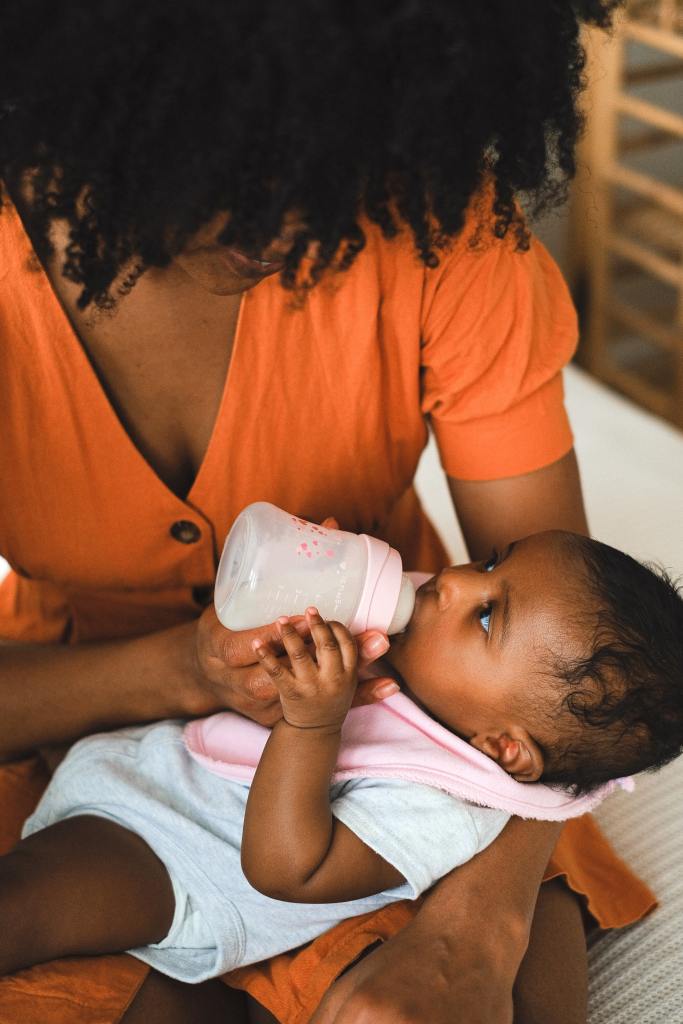
Feeding Whether you’re breast feeding, bottle feeding or doing a combination of both it’s important to wipe your baby’s mouth with a clean wet wash cloth to clean away the residual milk or formula. Why is this important? So your baby gets used to you cleaning their mouth now and as they grow. If you’re bottle feeding, remember no bottle propping.
4 months
Feeding Whether you’re breast feeding, bottle feeding or doing a combination of both it’s important to wipe your baby’s mouth with a clean moist wash cloth to clean away the residual milk or formula. If you’re bottle feeding, remember no bottle in the bed.
Fluoride Depending on your water supply your baby may or may not need a fluoride vitamin, so it’s best to talk about your drinking water now.
Teething Teeth may be starting to come even at this young age, which makes it even more important for you to wipe your baby’s mouth with a clean wet wash cloth after every feeding.
6 to 9 months
Teething Teeth typically begin coming in at 6 months old. Cool wash cloth compresses on the new teeth and tender gums help with discomfort. Avoid teething gels, teething beads, teething rings filled with liquid.
Dental Check-up We’re looking at the teeth to see which one’s are coming in, which one’s are about to come in, the order they’re coming in, if there are any white or brown spots or cavities on the teeth, the shape of the teeth, if there are any defects of the teeth, as well as the shape, size and growth of your baby’s jaws.
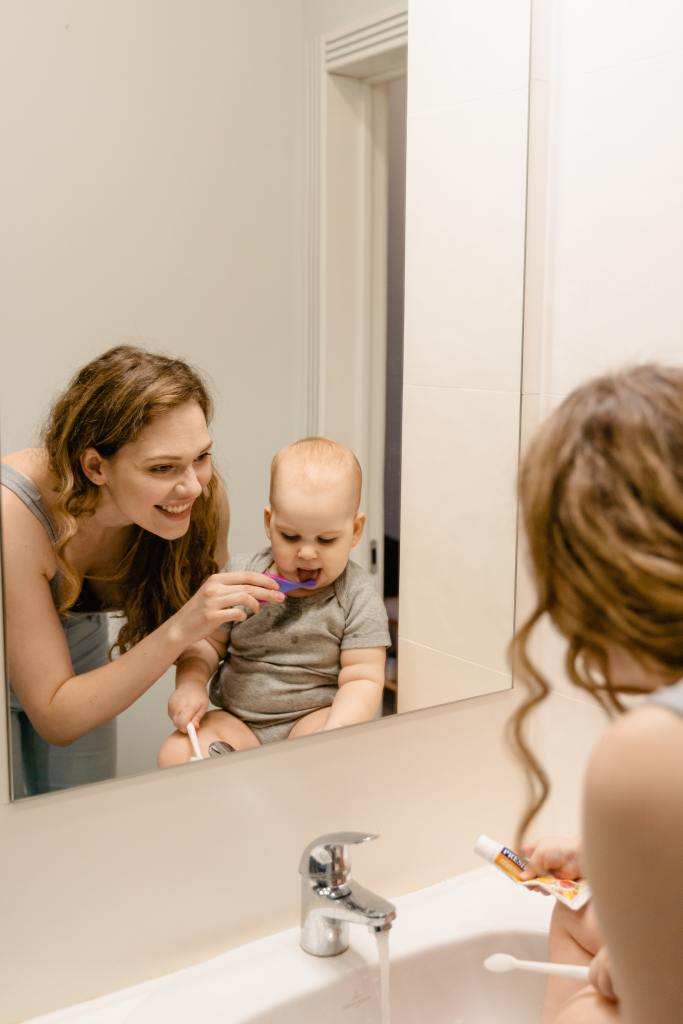
Oral Hygiene As teeth come into their mouth keep wiping your baby’s mouth with a clean wet wash cloth after each feeding to keep their mouth clean. You can put a dab (aka small pea size) of fluoride toothpaste on the wash cloth to wipe your baby’s teeth. It’s important to lift their top and bottom lips away from their teeth so that you can see the full tooth and clean the whole tooth (and all of the teeth).
Fluoride If your drinking water has very little or does not have any fluoride your child will need fluoride vitamins. The exact does of fluoride depends on how little fluoride your water has and your child’s age.
Feeding Whether you’re breast feeding, bottle feeding, doing a combination of both, trying out a sippy cup or introducing table foods it’s important to keep wiping your baby’s mouth with a clean moist wash cloth to clean away the residual milk, formula, or food. If you’re bottle feeding or beginning to use a sippy cup, remember no bottles or cups in the bed. It’s important to clean your baby’s teeth before going to sleep.
12 months
Teething Teeth are still coming into your baby’s mouth. Cool wash cloth compresses help with discomfort. Teething gels, teething beads, teething rings filled with liquid need to be avoided.
Dental Check-up With more teeth in your baby’s mouth we’re looking at the teeth to see which teeth are in their mouth, which one’s we can feel under their gums, the order they’re coming in, if there are any white spots or brown spots or cavities on the teeth, the shape of the teeth, if there are any defects of the teeth, as well as the shape, size and growth of your baby’s jaws. We’ll ask you about your pediatrician’s visits since your baby’s overall growth affects their dental growth.
Oral Hygiene As more teeth come into their mouth keep wiping your baby’s mouth with a clean wet wash cloth after each feeding to keep their mouth clean. You can put a dab (aka small pea size) of fluoride toothpaste on the wash cloth to wipe your baby’s teeth. It’s very important to lift their top and bottom lips away from their teeth so that you can see the full tooth and clean the whole tooth (and all their teeth).
Fluoride If your drinking water has very little or does not have any fluoride in it, your child will need fluoride vitamins. Since the exact does of fluoride depends on the amount of fluoride your water has and your child’s age your prescription may change.
Feeding Whether you’re breast feeding, bottle feeding, doing a combination of both, trying out a sippy cup or introducing table foods it’s important to keep wiping your baby’s mouth with a clean moist wash cloth to clean away the residual milk, formula, or food. If you’re bottle feeding or beginning to use a sippy cup, remember no bottles or cups in the bed. It’s important to always clean your baby’s teeth before going to sleep.
Important To Remember
Always hold your infant when you are feeding them. No bottle propping or putting them to bed with a bottle or sippy cup.
Start cleaning your baby’s mouth with a clean wet wash cloth after their very first feeding and then after every feeding.
Make your child’s first pediatric dental appointment when their first tooth starts to peek through their gums.
Baby’s can start to get their teeth as early as 4 months old, this is why starting early to clean their mouths is so important.
Lift their top and bottom lips so you can see all of their top and bottom front teeth.
Fluoride is safe and your pediatric dentist will only prescribe fluoride if your drinking water does not have the optimal amount of fluoride.
Love Feeding My Baby And Looking Into Her Beautiful EyesBreastfeeding My Baby Then I Will Clean His MouthAfter Your Feeding I Am Going To Clean Your Mouth
As Pediatric Dentists our goal is to make dental visits stress free for every child and their parents, and that starts in infancy.
Your child’s visits to the pediatric dentist should be fun and positive. Every child deserves a dentist who lays the foundation for a lifetime of good oral health.
How old was your child when they got their first baby teeth? How old was your baby when you started cleaning their teeth? Share with us, We’d really like to know. Email us at kidstoothhotline@proton.me Like Us or Chat with us on Facebook at facebook.com/kidstoothhotline
You’ve been waiting for this day, your baby has started eating solid foods and is drinking from a cup.
Well maybe not from a regular cup right now, but you’re introducing them to drinking from a no spill training cup. These training cups are also affectionately know as sippy cups.
Children grow to love their sippy cup, but there are a few things you should know about them.
Benefits Of Drinking From A Cup
Pediatricians and Pediatric Dentists stress the benefits of teaching your child to drink from a cup.
1st is to transition from sucking to sipping.
2nd, is that ongoing feeding from a bottle can lead early childhood cavities, which occur when a child’s teeth are constantly bathed in milk, formula, juice or other drinks.
3rd, is that drinking from a cup also helps these little mouths strengthen their smiling muscles.
The Right Cup To Choose
Sippy cups come in a variety of styles. Some have a lid with a wide spout, some have a straw, and some have a one way valve inside the lid to prevent spills.
Cups with valves may sound great but the children have to suck on the spout to get any liquid to come up from the cup and this is just like drinking from a baby bottle.
There are some parents who make their own sippy cups, where they offer their child a regular open cup with or without a straw.
If you choose a sippy cup it’s better to choose one without a valve. The cup should have a snap-on or screw-on lid with a simple spout. Also look for a sippy cup with two handles to help those little hands hold the cup easier. There are some cups that have a weighted base which helps to pull them back upright when they tip over, which is great for helping to minimize spills.
My Mom is Helping Me Learn To Drink From A Cup
Healthy Beverages For Your Child’s Sippy Cup
Plain water is the healthiest drink, plus the fluoride in your tap water helps prevent cavities. P.S. fluoride is safe for children.
Plain milk is also a good choice, but remember milk also has natural sugars so it’s best to offer in small portions with a meal. This way the food and saliva help to dilute and wash away the sugar.
Flavored milks, juices (even 100% juice) and carbonated drinks have added sugars which cause cavities.
No Carrying Around The Sippy Cup My Dear Toddler
Don’t let your child carry the sippy cup around. Toddlers are often unsteady on their feet. It’s a risk if they try to walk and drink at the same time. Falling while drinking from the sippy cup has the potential to injure their mouth.
No Sippy Cups To Bed Is Best But If You Have To…
When nap time and bed time come, don’t let your child go to bed with their sippy cup unless it’s filled with plain water. Sugary drinks sit in their mouths during sleep giving their teeth a sugar bath which can lead to cavities.
Congratulations, introducing a sippy cup is a huge step and worthy of a celebration!
What is your sippy cup story? Do you have a tip or a trick that made your child’s and your journey easier or more fun? Tell us, we’d really like to know. Send us an email at kidstoothhotline@proton.me Like Us on Facebook at facebook.com/kidstoothhotline
More tips? We have lots. We’re here just for kids!
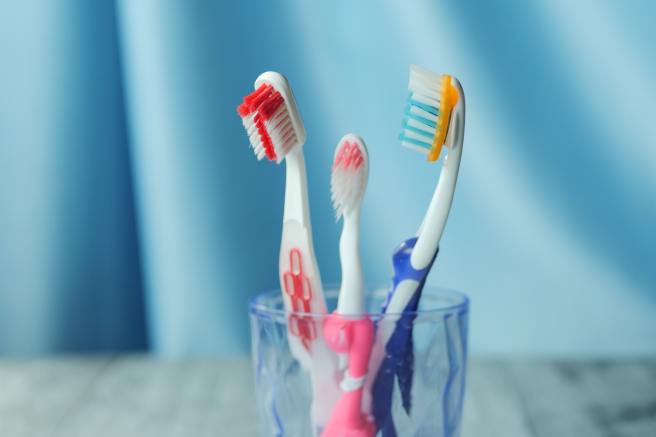
3 Important Reasons to Replace Your Child’s Toothbrush?
How many times a year do you change your child’s toothbrush?
Every 6 months?
Every 3 months?
Once a month?
Once a year?
3 most important reasons to change your child’s toothbrush – when the bristles start to wear out, after your child has been sick, and every 3 months to keep their routine on track.
Brushing My Teeth With My New Toothbrush Makes Me Smile
Your child’s teeth start forming very early in your pregnancy. By the time you’re giving birth some of those first baby teeth are almost fully formed and some are still growing, while there are some adult teeth with the tiniest beginnings.
Where are their teeth?
You may not see their teeth yet, but your Baby’s teeth are right underneath their gums. You may even be able to feel the outline of some teeth.
When will I see teeth?
All children are different, even among siblings.
Teething typically starts when a Baby is between 6 and 8 months old, although some children can start as early as 3 months old. Be patient because some children don’t have their first tooth until they’re 12 to 14 months, and for some not until 24 months.
How long does teething last?
Teething is just like children, wonderful and individual.
The first teeth to peek through are usually the bottom two front teeth, next to grow in are usually the top two front teeth. Then the “usual” order are the bottom and top side teeth, followed by the first molars, the eye teeth, and finally the second molars.
Don’t stress if their teeth aren’t coming in in this exact order. What’s important is that their teeth come into their mouths.
When all their 20 baby teeth have grown in, your child can be between 2 and 3 years old.
What can I do to comfort my Baby?
Hugs, kisses, cuddling and snuggling are always a good idea.
When you feel you need something to add, you can consider —
Giving your Baby a firm rubber teething ring to chew on can help with discomfort. You may want to put the teething ring in the refrigerator to make it a little cold which also helps.. Never put a teething ring in the freezer. A frozen teething ring will freeze to their tender gums.
It’s best to avoid liquid-filled teething rings, any plastic objects or beads, teething necklaces and bracelets, any anything that will break or become a choking hazard.
Gently rub their gums with a cool, wet wash cloth, You can place the wet wash cloth in the refrigerator to chill it, but wash it before using it again.
You can give them their bottle with cool water. The bottle’s nipple is almost as strong as the teething ring and you’re hydrating them which helps them feel better.
It’s also best to skip topical pain relievers and medications that are rubbed on the gums. They aren’t helpful and run the risk of burning their sensitive gums.
How do I take care of my Baby’s teeth?
Start taking care when they are born.
Yes, you are a new Mom. Yes, you’ve just given birth to a brand new adorable human being. Yes, you’re learning what feels like ten million new things about taking care of your Baby. Yes, you are tired.
Yes, your Baby doesn’t have teeth right now. But they will soon and starting earlier is better than starting later for you and your Baby.
Wipe your Baby’s gums with a soft, clean cloth after feedings and at bedtime. This helps wipe away sugar and bacteria that together will cause cavities.
Then when you see that adorable smile with the littlest bits of those pearly white teeth showing, you can say – No problem, I’ve got this!
More tips? We have lots/ We’re here just for kids!



























































 kidstoothhotline