Halloween will soon be here. What costume will your child wear? Will it be trick or will it be treat?
If you choose treats, what will they be? and what will you do to keep their teeth healthy?
Check out these tips for a happy Halloween –
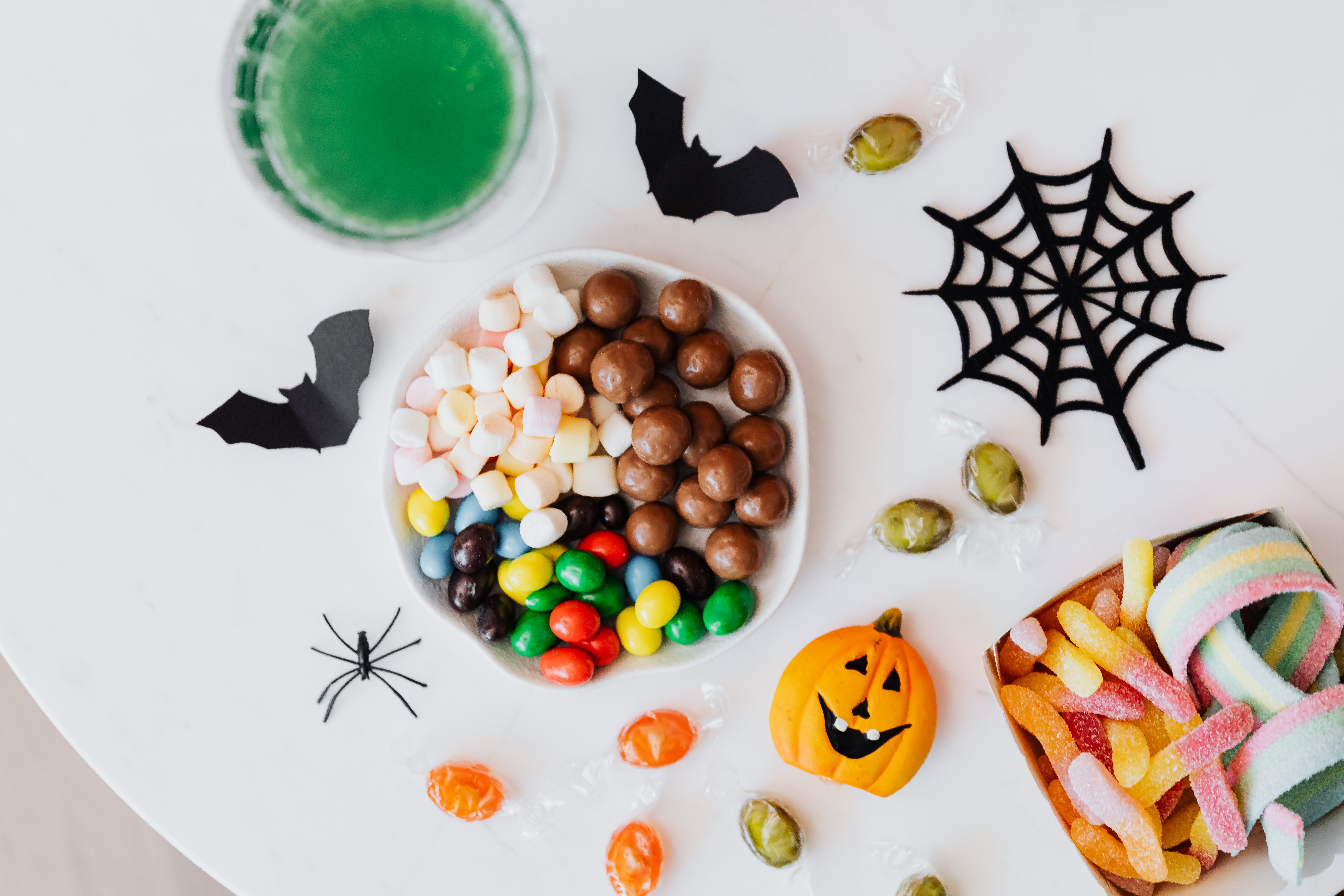
*If it’s sticky, it gets stucky and that’s so yucky! Staying away from taffy, dried fruits, caramels, and other chewy, sticky candy is a good idea.
**When choosing candy less sticky and less sour goodies like pretzels, xylitol gum, and smooth chocolate are a good choice. Chocolate without any mix-ins is great because it slides off their teeth.
***Drink water to help wash away the sticky gooey chewy candies. Water is really good for you and your teeth.
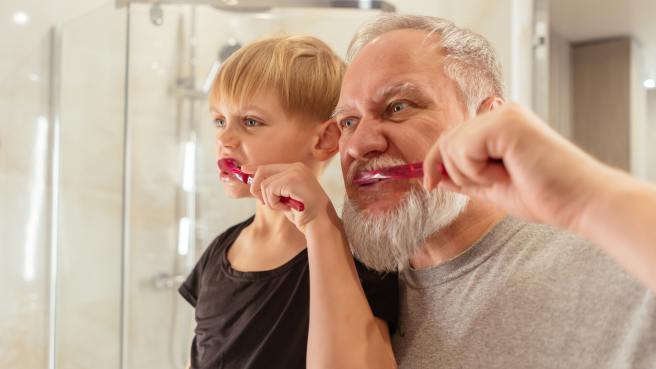
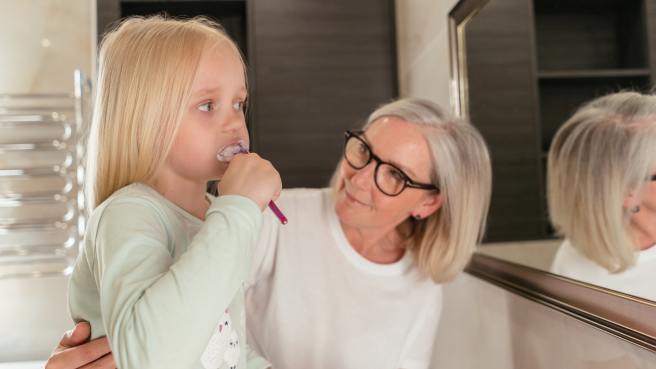
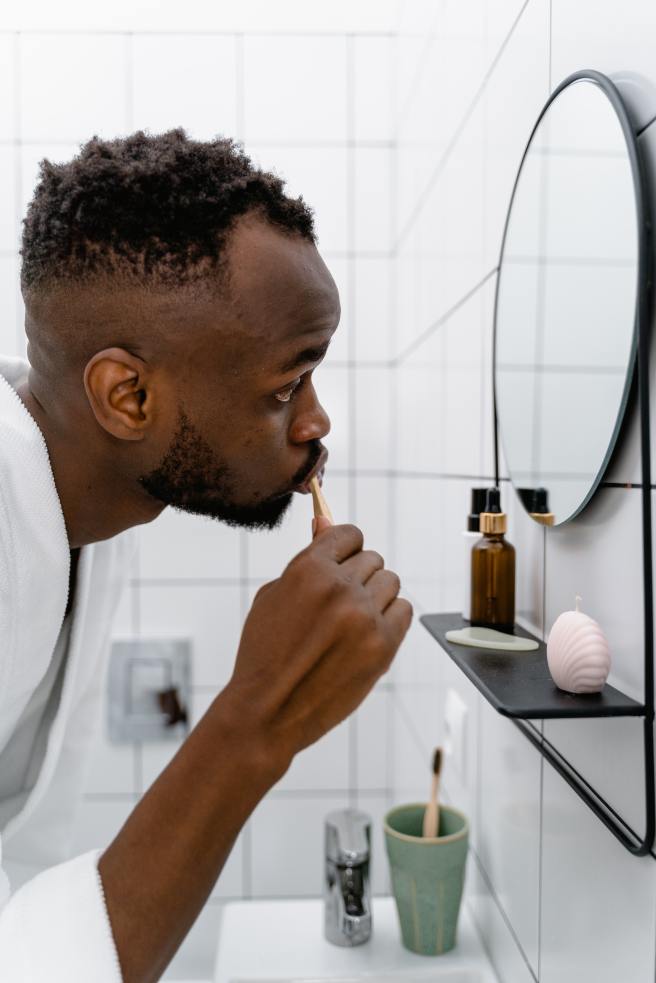
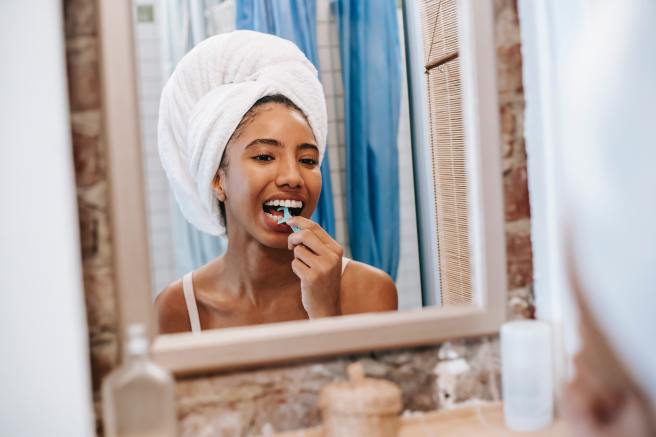
****After trick or treating it’s important to make sure to brush their teeth and remember to floss before you brush. It takes 2 Minutes of brushing to clean away all the candy and flossing to remove what has gotten in between their teeth. Keeping up your flossing and brushing routine is important every day.
*****Select with your child their top 5 favorite pieces of candy. Allow them to eat all these choices with in a specific time period rather than continually snacking throughout the night and next day. By doing this you’re one and done and everyone is happy.
Follow these tips for spooktacular teeth.
Happy Halloween!
Tell us about your Halloween plans, costume, whether you tricked or treated, and what your child’s candy choices were. Send us an email at kidstoothhotline@protonmail.com or Message us, Send us a Comment and Like us on Facebook at www.facebook.com/kidstoothhotline
More tips? We have lots. We’re here just for kids!
Chewing gum and blowing bubbles is so much fun. The bigger the bubble gets the more fun it is.
Regular gum is full of sugar and well sugar is really not so much fun. So what’s a gum lover to do?
To keep those bubbles coming a great alternative is chewing gum with Xylitol.
What Makes Xylitol Gum Better?
Everyone’s mouth contains bacteria and some bacteria really like sugar. These are the bacteria that cause cavities. But these bacteria so not like Xylitol. So Xylitol is a great alternative because of this plus it helps produce more saliva and keep everything moist and moving around and as an added bonus gives you minty fresh breath with no added sugar.
Sounds Good, Any Other Tips?
As with all good things moderation is key for maximum enjoyment. Remember to Brush (2 Minutes 2X’s A Day) and floss before brushing every night.
Anything Else?
Are you ready for a Bubblegum Blowing Contest? Ready – Set – Blow Bubbles!
I may just have been born but I can still have teeth
In the Know for You to Know
Yes it is possible for babies to be born with teeth. We’re used to hearing that we should expect babies to get their first teeth around the time they are 6 months of age. Believe it or not, you’d be surprised that some babies are born with teeth!
What Are These Teeth And Where Did They Come From?
Some babies are born with teeth, and they are called Natal Teeth.
The reason for natal teeth is not well understood. What is known is that there is no one single cause of natal teeth.
Some say these are baby teeth that come in early. Some say it’s genetic. While others are of the opinion that babies born with cleft lip or cleft palate are more likely to have natal teeth.
What To Know About Neonatal Teeth
There are some babies who have teeth appear within the first 30 days after they are born, these are called Neonatal Teeth.
Neonatal teeth are less common than Natal Teeth. They can develop like typical baby teeth, but they need to be watched as they carry many of the same complications and risks as natal teeth.
What Do Natal and Neonatal Teeth Look Like?
Sometimes these teeth have the same shape and appearance as typical baby teeth. While other times they may be smaller, under developed, yellow or yellow-brown in color, loose, or conical in shape.
Natal and neonatal teeth can come through the gums in the same places a baby tooth would, but they’re most likely to be in the bottom front area. Sometimes there’ll be a lone tooth, or they can come in as a pair.
Complications To Watch Out For
While natal and neonatal teeth aren’t usually fully developed like usual baby teeth, there are some complications to watch out for:
Breastfeeding Difficulties – Babies with natal and neonatal teeth often have difficulty latching on for breastfeeding. These teeth can also make breastfeeding painful for mothers as they can cause sores due to biting.
Tongue Injury – An injury to the tongue is uncomfortable, especially for a newborn, and especially when it is on the bottom surface or tip of their tongue. These are the places where their tongue comes in contact with the natal or neonatal teeth. This can also cause interferences with breastfeeding.
Tooth Swallowing – There are some circumstances when the natal or neonatal teeth are loose and there is a risk of them being swallowed that they’ll need to be taken out for safety.
Treatment For Natal And Neonatal Teeth
Some treatment may include:
Tooth Extraction – This is recommended if the baby’s natal or neonatal tooth is loose to prevent the tooth from being swallowed.
Smoothing – Smoothing the tooth if it is impacting the baby’s ability to feed. If the tooth is sharp it can cause pain and injury during breastfeeding.
Watch and Wait – Some natal and neonatal teeth are actually baby teeth. If this is the case and there aren’t any concerns with these teeth, keeping them in place has many potential benefits for your child’s oral health.
As long as natal and neonatal teeth are not interfering with feeding, not causing any injuries or problems, aren’t at risk for being swallowed, aren’t bothering you or the baby they can be kept in place and monitored. It’s also important to care for them as you would regular baby teeth.
Did you know that teeth are the only part of the human body that can’t repair itself?
Tooth enamel is the outer most layer of teeth and is made up of specific proteins, crystals and minerals like calcium and phosphorus. When teeth have been in ongoing contact with foods high in carbohydrates (aka sugars), carbonated beverages (aka soda), and there are longer times (than you would like) between tooth brushings these minerals break down and dissolve the enamel.
DEMINERALIZATION
Everyone has bacteria in their mouths, even newborns. When the bacteria comes in contact with the yummy sweet foods and drinks they produce an acidic environment in the mouth which causes the minerals in your child’s teeth to demineralize and weaken the enamel.
The weakened enamel makes their teeth more vulnerable and cavities form. It is usually not only one cavity that forms, it’s multiple.
Cavities grow fast in baby teeth. The enamel is super thin. A finger nail is thicker than enamel on baby teeth.
SO WHAT TO DO?
Once cavities get to a certain size they can’t be stopped or reversed and don’t stop growing.
While it’s best if cavities aren’t given the opportunity to grow at all, if they do show up and they are small, sometimes they can be stopped.
This does take work on your part when your child is young and on your child’s and your part when they are older. The rewards are worth it.
TIPS TO DO
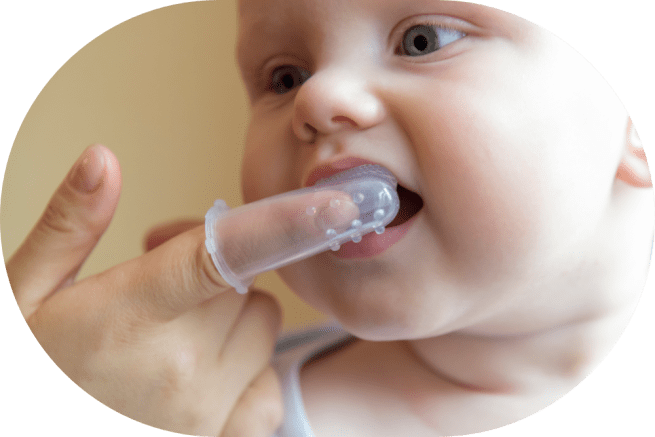
For your newborn, infant, and baby use a clean moist washcloth to wipe their mouths after every feeding and before putting them to bed.
For your toddler, pre-schooler, and kindergartener you can also use a clean moist washcloth twice a day (as you would a tooth brush) and add a rice grain size amount of fluoride toothpaste, or, if they allow you can use a soft toothbrush with a rice grain size amount of fluoride toothpaste and brush for 2 Minutes in the AM after breakfast and in the PM floss first and then brush for 2 Minutes before bedtime.
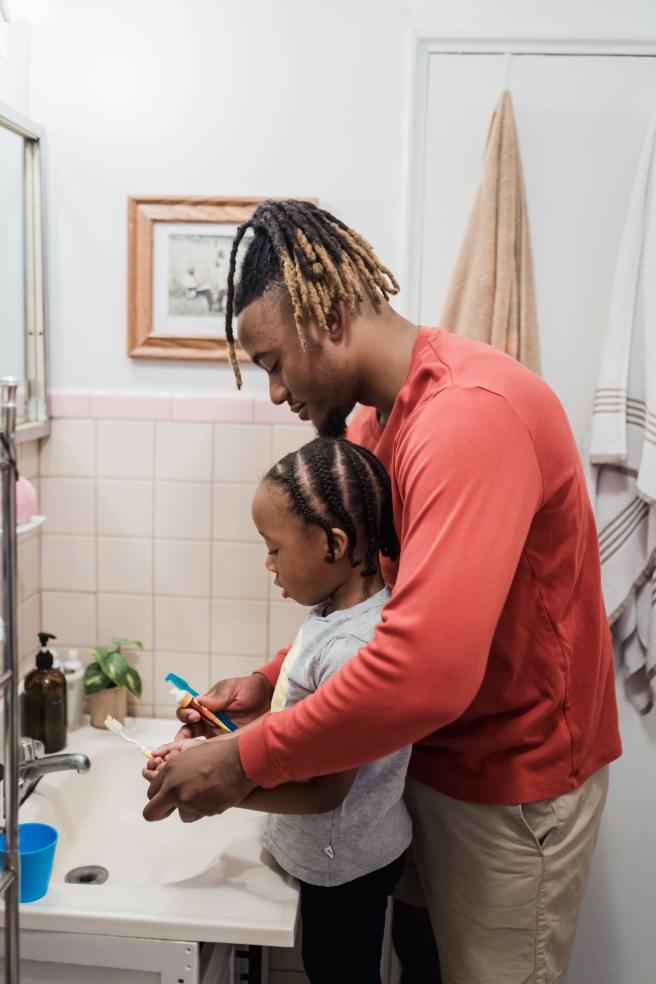
For your school-age child you’ll use a soft toothbrush, a small pea size amount of fluoridated toothpaste and brush for 2 Minutes in the AM and in the PM floss first and then brush for 2 Minutes before bedtime.
For your tween and teenage child you get to watch them use a soft toothbrush, a pea size amount of fluoride toothpaste and brush for 2 Minutes in the AM after breakfast and in the PM floss first and then brush for 2 Minutes before bedtime.
For your college age child you may still need to advise them and make sure they use a soft toothbrush, a larger pea size amount of fluoride toothpaste and brush for 2 Minutes in the AM after breakfast and in the PM floss first and then brush for 2 Minutes before bedtime.
P.S. Don’t forget about yourself!
P.P.S.
REMEMBER – YOU GOT THIS
More Tips? We have lots. We’re here just for kids!
Flossing every night before you brush your child’s teeth goes a long way to teaching them this is something they will always do. Repetition lets them know, even from a young age, that is their normal, their routine, their habit.
So, when to start? The best time is when they are toddlers and they have 2 teeth touching. Yes, when any 2 teeth are touching.
If you can’t see a full uninterrupted 360 around a tooth, that tells you it’s time to floss.
Why Floss?
Brushing alone doesn’t remove everything.
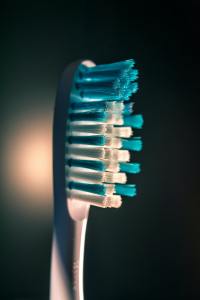
Floss goes where no toothbrush can go. The bristles on a brush may look like they can go everywhere. They can’t. They can’t because they are too thick (really, no joke, totally serious). Unlike a toothbrush, floss fits in between their teeth and along the gum line under where the teeth touch.
Not only does this help with cleaning all the tooth surfaces, flossing also helps control bad breath.
Remember to floss first and brush second, so that you brush away the food and plaque the floss takes out from between the teeth.
Toothbrush bristles are BIG
Types of Dental Floss
There are so many to choose from –
waxed and unwaxed,
flavored (grape, bubblegum, mint) and unflavored,
wide and regular,
textured and smooth
There is also –
regular string floss,
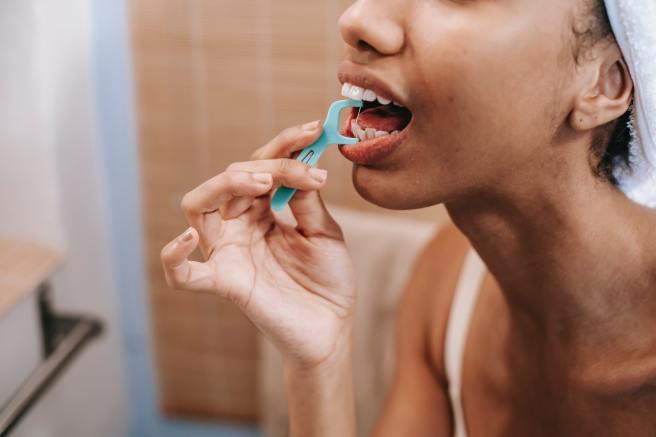
pre-threaded flossers (great for children!),
floss holders (you put on and change the floss with each use),
floss threaders (if your child has braces).
Floss Techniques
Pre-threaded flossers are great when flossing your children’s teeth. There are so many colors, shapes, and flavors to choose from which makes this easier for you and keeps them interested and entertained. Remember to clean the floss with a tissue after flossing between each tooth.
Floss holders, once they have the floss put on are like using the pre-threaded flossers.
Floss threaders are great if your child has braces. You place the string floss through the loop and pass the floss threader at the tip top point of the triangle their gums form between their teeth, floss, and pull the threader with the floss straight out. Do not pull up or push down as this can dislodge their braces.
String floss is also a good choice. With this method you are wrapping floss around your fingers (like you do for yourself).
Where to Start –
You may want to start between the 2 front teeth and floss towards the back on each side. Or you may want to start in the back and floss all the way around their mouth, like a circle. Which ever is your preference and works best for you and your child, remember to floss the back side of the most back teeth.
How Long Do I Have To Floss My Child’s Teeth?
Like tying their shoes this takes time and dexterity. Don’t worry if it takes a little longer than you’d like, expect, or are hoping for. Usually around the time the children are 10 or 11 years old they start flossing and you start watching.
This way you make sure they are flossing between their teeth, especially the hardest to reach ones all the way in the back.
Success Is 1 Step At A Time
Don’t be discouraged if this is hard when you start. Try starting with 1 or 2 teeth a night in the beginning, and don’t forget to congratulate yourself on your success!
Your Happy Place is Your Success!
More tips? We have lots. We’re here just for kids!
You couldn’t wait for your child to get their first tooth. Then by the time they were 24 to 36 months old they had all their 20 baby teeth. You thought you were all set.
Now they’re asking you – When will the Tooth Fairy come to visit?
When Will My Child Lose Their Baby Teeth?
Children whose baby teeth come in early also get their adult teeth earlier. Children who have their baby teeth come in later – you guessed it – have their adult teeth come in later.
Girls typically lose their baby teeth and get their adult teeth earlier than boys of the same age. What’s important to remember is what every parent knows and that is every child develops at their own pace, so it’s normal too have early and late tooth development.
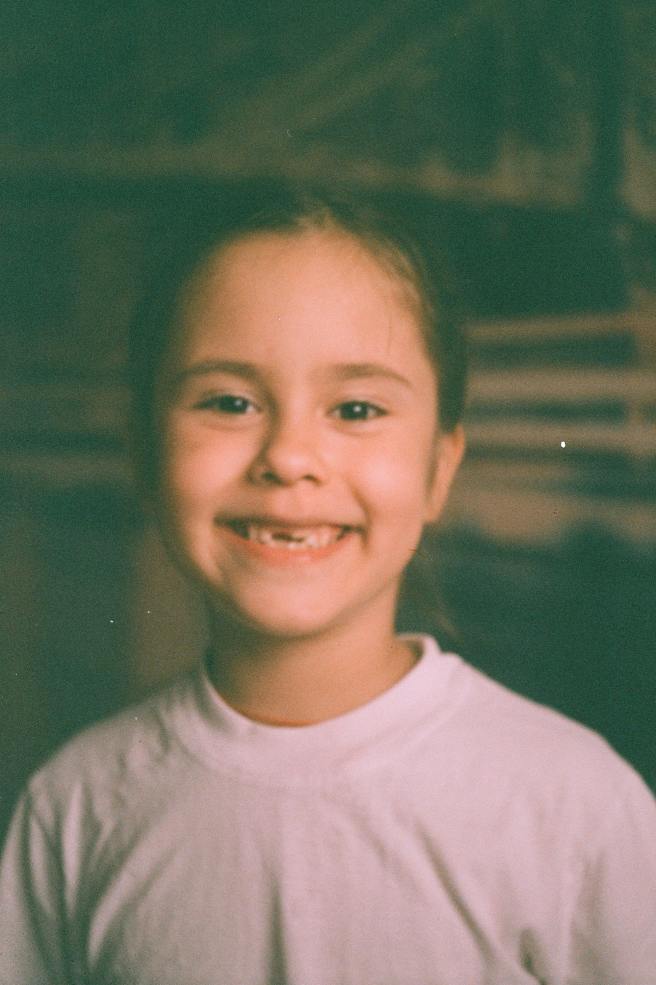
Most children will start to lose their baby teeth around the time they are 5-7 years old. This is when the roots of the baby teeth are dissolved by the adult teeth.
So get ready to be on the tooth chart!
The first baby teeth to come in are the first to fall out. You can anticipate seeing the bottom front teeth changing first. After the baby tooth is lost the gums may look a little wavy. This is the adult tooth growing in and when it makes its appearance in their mouth you’ll see those waves on the tips of those teeth. These waves are perfectly fine and even have a special name – mammelon (also spelled mamelon). No worries – the mammelons wear away naturally as your child gets older.
Over the next years your child will continue to lose more baby teeth, and new teeth will also be coming in all the way in the back behind the furthest back baby tooth.
By the time your child is 14 to 16 years old they will have their 28 adult teeth in their mouth.
What To Do When Baby Teeth Get Loose
To wiggle or not to wiggle that is the question.
While it’s tempting to help that loose tooth along and speed up that visit from the Tooth Fairy, it’s best to be patient and let nature take its course. Pulling the tooth before it is loose enough will cause unnecessary bleeding and discomfort. Plus the adult tooth won’t come in any faster.
If the tooth is wiggly and it moves easily then with their tongue or with clean hands your child can wiggle the tooth out on their own.
Now you can start your own Tooth Fairy Tradition to celebrate this big milestone!
How To Comfort Your Child
Parents know it’s important to be calm, reassuring, and proud of this BIG-KID Milestone! Go ahead and be proud, this is what everyone has been waiting for!
Once the wiggled tooth is in your hand or Tooth Fairy Box, clean the site with a moistened soft wash cloth to clean up any ooze that may appear. You can place the wash cloth’s edge on the gums and have your child bite down gently if they don’t like the feeling of the baby tooth not being there. The ooze and any uncomfortableness generally goes away quickly and there is no need for medicines.
Your child’s teeth start forming very early in your pregnancy. By the time you’re giving birth some of those first baby teeth are almost fully formed and some are still growing, while there are some adult teeth with the tiniest beginnings.
Where are their teeth?
You may not see their teeth yet, but your Baby’s teeth are right underneath their gums. You may even be able to feel the outline of some teeth.
When will I see teeth?
All children are different, even among siblings.
Teething typically starts when a Baby is between 6 and 8 months old, although some children can start as early as 3 months old. Be patient because some children don’t have their first tooth until they’re 12 to 14 months, and for some not until 24 months.
How long does teething last?
Teething is just like children, wonderful and individual.
The first teeth to peek through are usually the bottom two front teeth, next to grow in are usually the top two front teeth. Then the “usual” order are the bottom and top side teeth, followed by the first molars, the eye teeth, and finally the second molars.
Don’t stress if their teeth aren’t coming in in this exact order. What’s important is that their teeth come into their mouths.
When all their 20 baby teeth have grown in, your child can be between 2 and 3 years old.
What can I do to comfort my Baby?
Hugs, kisses, cuddling and snuggling are always a good idea.
When you feel you need something to add, you can consider —
Giving your Baby a firm rubber teething ring to chew on can help with discomfort. You may want to put the teething ring in the refrigerator to make it a little cold which also helps.. Never put a teething ring in the freezer. A frozen teething ring will freeze to their tender gums.
It’s best to avoid liquid-filled teething rings, any plastic objects or beads, teething necklaces and bracelets, any anything that will break or become a choking hazard.
Gently rub their gums with a cool, wet wash cloth, You can place the wet wash cloth in the refrigerator to chill it, but wash it before using it again.
You can give them their bottle with cool water. The bottle’s nipple is almost as strong as the teething ring and you’re hydrating them which helps them feel better.
It’s also best to skip topical pain relievers and medications that are rubbed on the gums. They aren’t helpful and run the risk of burning their sensitive gums.
How do I take care of my Baby’s teeth?
Start taking care when they are born.
Yes, you are a new Mom. Yes, you’ve just given birth to a brand new adorable human being. Yes, you’re learning what feels like ten million new things about taking care of your Baby. Yes, you are tired.
Yes, your Baby doesn’t have teeth right now. But they will soon and starting earlier is better than starting later for you and your Baby.
Wipe your Baby’s gums with a soft, clean cloth after feedings and at bedtime. This helps wipe away sugar and bacteria that together will cause cavities.
Then when you see that adorable smile with the littlest bits of those pearly white teeth showing, you can say – No problem, I’ve got this!
More tips? We have lots/ We’re here just for kids!
Summer is here and everyone is looking forward to being outside playing sports, running, swimming and having fun.
With all that playing it’s only a matter of time before you hear “I’m thirsty. What do you have to drink?” What do you reach for to satisfy your child’s thirst and keep them hydrated?
As a parent you know that juice and soda are not good for your child’s health and their teeth. Do you know that sports drinks which are considered healthy are actually loaded with sugar?
Sports drink companies have done a great job trying to convince us these drinks have magical powers. While doing this they are omitting that their elixir is a combination of salts and minerals (also called electrolytes) like sodium, potassium, and phosphate mixed together with artificial flavors, artificial colors and a lot of sugar.
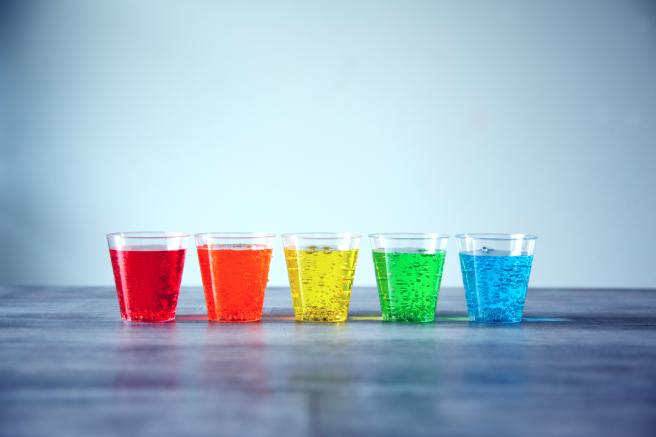
A rainbow of drink colors
It may seem like a good idea to reach for a sports drink to ward off dehydration on a hot day when they’ve been playing or exercising. All this sugar makes sports drinks less effective for quenching thirst, since the children are using the water in their body to metabolize the sugar. The American Academy of Pediatrics does not recommend these drinks for routine or moderate play or exercise. This is because the sodium, potassium, and phosphate that is put into these drinks is actually stored in our bodies in far greater reserve than anything man can contribute to.
Your child’s healthy body maintains reserves of these vital elements that it can tap into as needed to keep their body’s salt balance in check. It’s natural to lose these electrolytes through sweat, but even with vigorous exercise for many hours, our bodies will correct for any losses with regular healthy meals and drinking water.
These drinks taste good for a reason, and it’s because of the added sugar, which can go on to hurt your child’s dental health. Good habits begin at a young age so encourage your child to make healthy decisions about what they choose to drink as they grow. Your positive example will go far for your family to have happier healthier smiles and a healthier future.
More tips? We have lots. We’re here just for kids!














































 kidstoothhotline