Stopping Cavities With The Silver Bullet

In the Know For You To Know

Here you are, you know your child has a cavity but you also know they won’t sit to have it taken care of. You’re thinking about taking your child to the pediatric dentist and face the music or tough it out, after all it’s only a baby tooth and it will fall out. At first toughing it out sounds like a good idea but then you look at their face then into their mouth and realize you have to go.

But what can they do?

There is a special medication that can be applied directly to teeth which can stop or at least slow down the growth of a cavity. This remedy is Silver Diamine Fluoride.

Please make my teeth stop hurting

What is Silver Diamine Fluoride?

Silver Diamine Fluoride (SDF) is an FDA and ADA (American Dental Association) approved clear topical liquid that is used to treat cavities. It is applied by a pediatric dentist to the cavity area of a tooth to control and help stop the progression of a cavity.

How Does SDF Work?

Silver Diamine Fluoride is composed of two main components, silver and fluoride. The silver part acts as an antimicrobial on the bacteria causing the cavity while the fluoride helps to strengthen and remineralize the tooth. The third accessory component is Diamine which makes the SDF into a liquid.

How Is SDF Applied To Teeth?

Your child’s teeth will be dried and any food or plaque will be removed. SDF is applied to the affected teeth with a small brush and allowed to dry on each tooth for one to two minutes. After this application it is recommended that your child does not eat or drink for at least an hour so the Silver Diamine Fluoride has time to penetrate into the tooth and the cavity.

After SDF is applied the cavity will turn black and stay black. It make take up to a week for the cavity areas to turn black. The black stains on teeth treated with SDF are permanent. The parts of the tooth without the cavity will not turn black.

When Is SDF Recommended?

While Silver Diamine Fluoride is not a substitute for the traditional way cavities are treated, it is another option for treating cavities. Young children, children with special health needs, any child who has a difficult time at the dentist or who may have a lot of cavities may benefit from this type of care.

What Are The Benefits Of SDF?

Silver Diamine Fluoride has a number of benefits — Quick to apply, Painless, May stop cavity progression, Relieves tooth sensitivity, Helpful cavity treatment for children who are very young or any child who struggles with appointments and longer procedure times.

Are There Any Risks With SDF?

Some common risks are — All cavity areas will stain black while healthy tooth structure will not stain; If Sliver Diamine Fluoride touches skin or the gums, a harmless temporary brown or white stain may appear on that area, which will disappear on its own in one to three weeks; Some may notice a metallic taste but this is temporary; SDF may not stop cavities from progressing and other treatments may need to be discussed.

SDF Is Just Not For Some Children

SDF contains silver and children who are allergic to silver or who have mouth sores or ulcers in their mouth should not have it applied to their teeth. It should also not be used when the cavity is very deep and has compromised the tooth. Some parents may not want the cavity areas on their child’s teeth turning black.

Are There Any Alternatives To SDF?

Two possible alternatives may be — No treatment, which may lead to worsening symptom severity as well as increasing breakdown of teeth; Depending on the extent and location of the cavities other treatment options may be necessary which is an important conversation for you to have with your child’s pediatric dentist.

What’s important is that Silver Diamine Fluoride is a safe, effective alternative treatment that can help your child maintain a healthy smile.

Thank You For Taking Care Of Our Teeth

Has your child had SDF applied to their teeth? How did your appointment go? We’d really like to know. Send us an email at kidstoothhotline@protonmail.com Like us or Friend us on Facebook at www.facebook.com/kidstoothhotline

More tips? We have lots. We’re here just for kids!

Why Is My Teenager Grinding Their Teeth?

In the Know for You to Know

You know what it’s like, the house is quiet, your teenager is finally sleeping, and then you hear that nightly nails on a chalk board sound coming from their bedroom. You’re thinking to yourself “Not again, what is going on?”

Teeth grinding is also called clenching or Bruxism, and is quite common especially for teenagers. So what’s a parent to do? The good news is that most teens will stop their teeth grinding habit on their own, so there’s no cause for worry.

But you’re thinking, “What do I do to stop this?”

Grinding My Teeth At Night Wakes Me Up So I Fall Asleep Studying

What Causes Grinding?

You may be worried that your teen is afraid of something, is anxious, stressed, can’t sleep, or is having a nightmare. For some tweens and teens it may be because they are deeply concentrating on something.

However, it can be that their adult teeth are still coming in or their wisdom teeth are pushing against other teeth. When this occurs they try to compensate for the pressure they’re feeling and make their teeth match up.

Sometimes teens grind their teeth because they are deep sleepers. So even if you wake them up, the grinding will continue as they fall back asleep.

This Is Me When I Wake-up After Grinding My Teeth At Night

Is Grinding A Concern?

Sometimes grinding may persist, and you’re noticing that their teeth don’t have the same shape they did before, or they may look flatter. You may notice chips or cracks on teeth, they may complain about having a lot of headaches, or ear pain, or tenderness around their jaw joint (aka temporomandibular joint or tmj) or their neck muscles.

Depending on the dental age your tween or teen is, your pediatric dentist may not recommend a mouth piece (aka mouth guard) as it can affect how their teeth come into their mouth.

If your child snores that can cause them to grind their teeth and this is something to let your pediatrician know.

Sometimes teeth grinding can be due to pain from an ear infection, this is also something to talk with your pediatrician about.

What Can Parents Do?

As children become tweens and teens they tend to get more stressed out about things, which can show up as grinding during sleep. When they grind their teeth during sleep they aren’t getting the healthy restful sleep they need. Knowing how to respond to our children’s stressors is what helps us to help them.

Alleviating anxiety and stress may mean trying some exercise, looking into finding a hobby, deep breathing exercises, or yoga.

During the day your tween and teen may need to remind themselves to relax, open their mouths and smile. This way their top and bottom teeth aren’t touching so they aren’t grinding. Giving up chewing gum (or at least decreasing its frequency) may also help.

Try starting a relaxing pre-bedtime routine. A warm bath or shower, relaxing music, deep breaths or a good book and putting the phone away may help your child fall asleep in a more calm and relaxed way.

If their jaw or neck muscles hurt, you can give them a warm wet compress to hold to the area that bothers them to relieve the tension in these muscles.

Is There A Cure For Grinding?

For tweens and teens it may be a change in routine to help decrease stress and learning to relax their muscles.

You and your teen can think about establishing a routine to set the stage for peaceful quiet time to encourage healthy sleep and help your child feel relaxed at bedtime.

What approaches have you tried for your tweens and teens teeth grinding? We’d love to know your ideas, what you’ve tried, what’s working for you, what hasn’t worked. Email us at kidstoothhotline@proton.me Like us or Message us on Facebook at www.facebook.com/kidstoothhotline

More tips? We have lots. We’re here just for kids!

Smart Mom’s Rely On A Specialist To Be In The Know

In the Know for You to Know

Happy 2023 to You! We celebrated the end of another year last week and are looking forward to everything 2023 has to bring. Wishing you all a happy and healthy new year with plenty to smile about!!

Mom Tips For Starting Off 2023 On The Right Tooth

My Mom Showing Me How To Brush My Teeth

Brush And Floss By Example

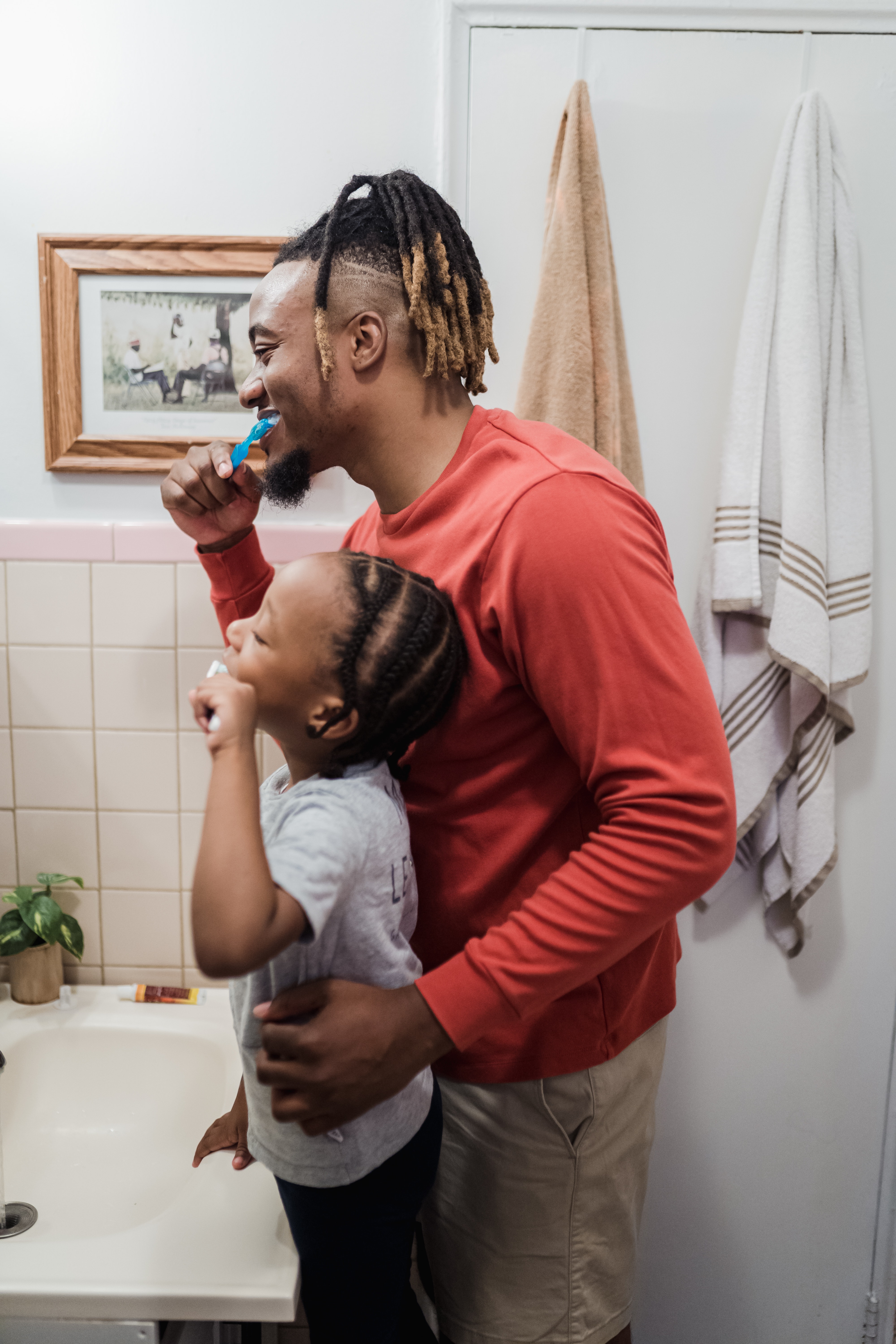
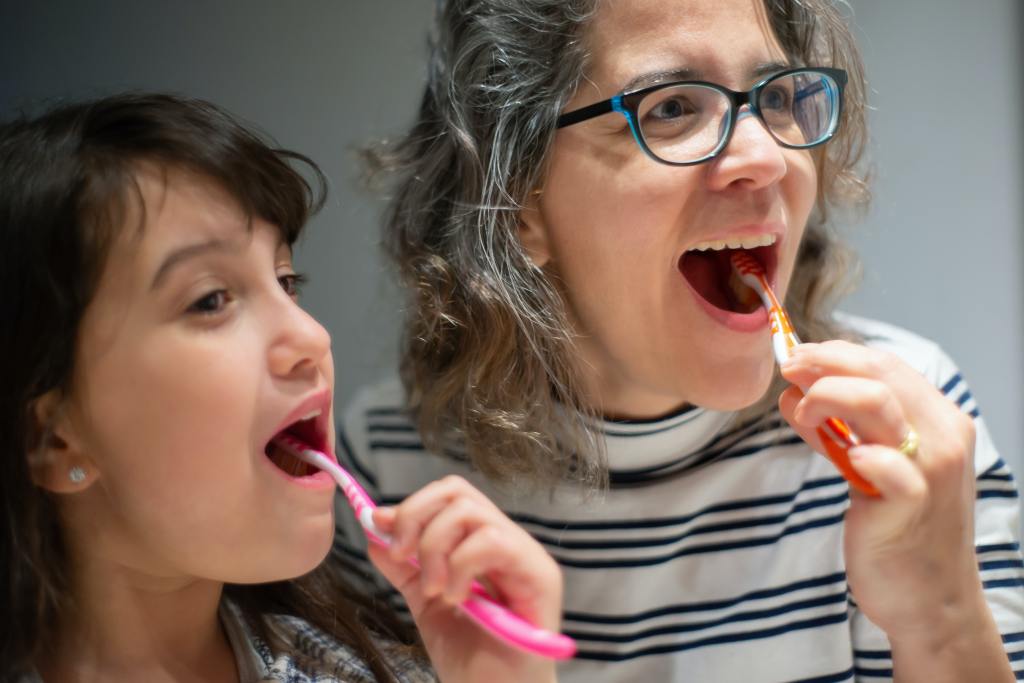
Show your children that taking care of their teeth and gums is something you do twice a day everyday. Brushing after breakfast and before bed is important, so is flossing before bedtime brushing. Show them how you hold your toothbrush – tilt the bristles toward your gums and move your brush in little circles, making sure to touch every side of every tooth. This doesn’t have to be boring. You can have fun! What’s your favorite songs? You can brush to the music.

Using Fluoride Toothpaste From The Start Is Okay

The American Dental Association (ADA) and The American Academy Of Pediatric Dentistry (AAPD) recommend that parents use fluoride toothpaste as soon as your baby gets their first tooth. All you need is a little bit. A tiny rice grain size of toothpaste is all you need at first, then a peas-size amount once your child turns 3 years old.

Fluoride In The Water

Drinking water that has fluoride in it and using fluoride toothpaste is not too much fluoride. The amount that is put into each is not too little and not too much but the exact right amount because it is strictly enforced so everyone’s teeth benefit.

Water Is Good For Teeth, Soda And Juice Not So Much

The sugar and the fizzy make soda and juice taste so good, and so bad for teeth. What’s left in the mouth sits on teeth and makes their saliva more acidic. The more often teeth have a sugar bath the more likely cavities will form.

New Parents You Can Stop Cavities Before They Start

Wiping your child’s mouth (inside and out) after a feeding and before you put them to bed (or nap) can decrease the potential for a specific type of cavities on baby teeth. That’s right, all you have to do is clean their mouth with a wet washcloth starting before they get teeth and even after teeth start coming into their mouth. P.S. This also means never putting your child to sleep while they are still having their feeding.

Play It Safe

Accidents, falls, sports are common causes of tooth trauma for children. To reduce the risk of injuries, make sure your child is secure in their car seat, wears a helmet when riding a bicycle, and uses a mouthguard when playing contact sports.

Rewards And Praise

Just never candy.

These tips help make it easier for you to set your child up for a lifetime of healthy teeth and bright beautiful smiles!

Have a tip you’d like to share? Have a story to tell us? Want to say Hi! Send us an email at kidstoothhotline@protonmail.com Like us, Message us, Chat with us on Facebook at www.facebook.com/kidstoothhotline

More tips? We have lots. We’re here just for kids!

Happy National Cupcake Day!

In the Know for You to Know

It’s time to CELEBRATE Today is Cupcake Day!

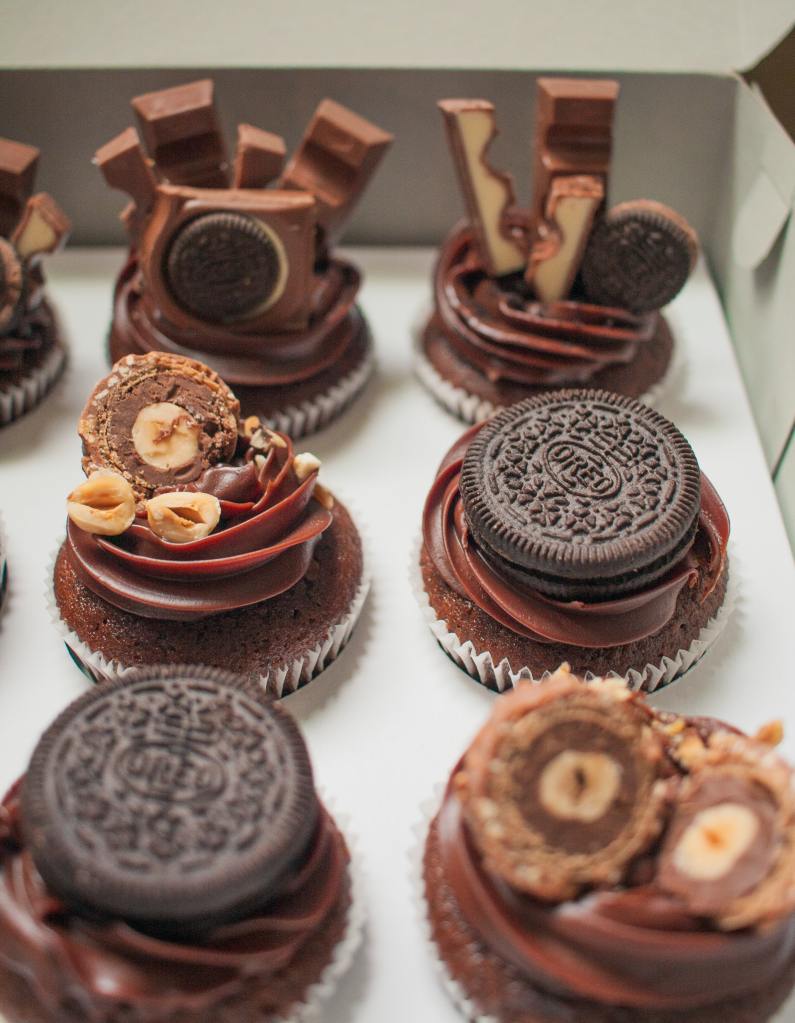
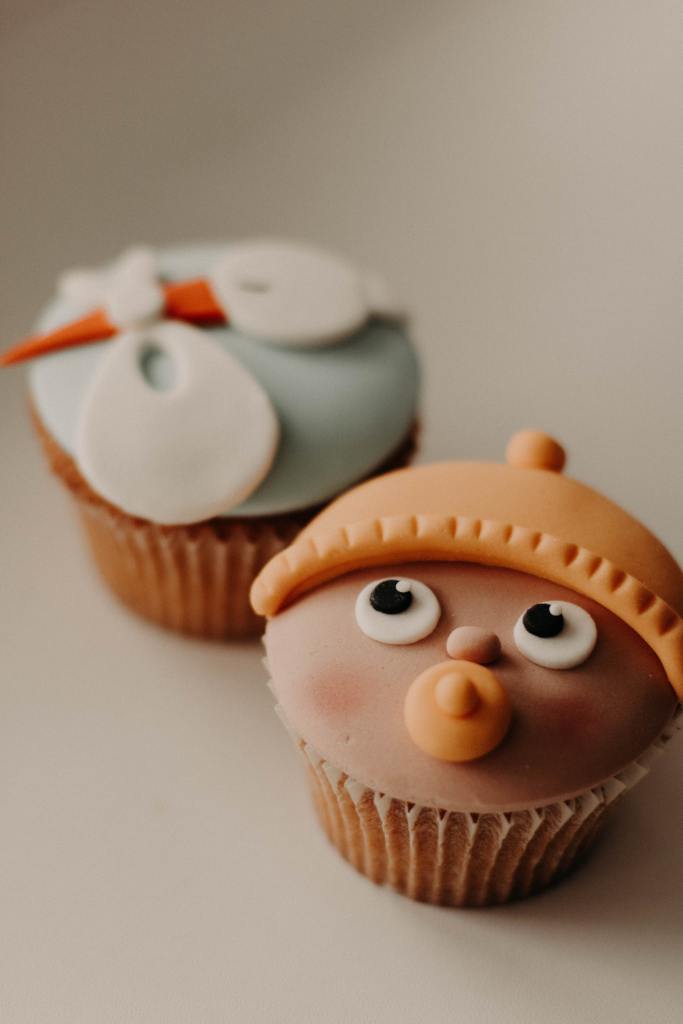
Yes, today, December 15th is dedicated to celebrating everything cupcake. Whether it’s the frosting, the sprinkles, the yummy decorations, or that they are the perfect fit in the palm size for your child, cupcakes are the ultimate treat.

Fun Cupcake Facts

  • Cupcakes are delicious,
  • They are fun to make and eat,
  • Cupcakes are irresistible,
  • They were inspired by English Fairy Cakes dating all the way back to the 17th century,
  • Cupcakes were originally baked in tea cups and were small yellow cakes,
  • They bring us together and are great for birthdays, celebrations, and bake sales.

Celebrating The Day

Everyone loves cake and cupcakes are the perfect size to bake, decorate and eat together. Whether you use a box cake mix, look up a recipe online or from your favorite cookbook, use a muffin tin with cup liners, or ramekins, have some together time with your child and bake your favorite bite-sized creation.

Or maybe you’re a fan of celebrating by eating or short on time, then bakeries are sure to have some tasty choices for you to enjoy.

Whether you and your child are baking at home or going to the bakery to pickup your cupcakes, make it a party and have fun!

Take some pictures to remember your special day. Remember too bake (or pickup) extra cupcakes, because left overs taste just as wonderful.

  • I Made This Cupcake Just For You
  • Love Making These Cupcakes
  • Bake Cupcake Decorate Cupcake Eat Cupcake Repeat!
  • Cupcakes For My Birthday!
  • So Many Cupcake Choices
  • Celebrating With Cupcakes For My Mom
  • Amazingly Irresistible Cupcakes
  • Just Love Decorating My Cupcakes
  • Having Fun Decorating My Cupcakes
  • Which One Should I Choose?

After The Celebration

After the fun of your day before your child goes to bed there’s one last thing to do — floss and brush. You knew I was going to say this!

There’s Another Cupcake Day?

Mark your calendar — October 18, 2023 is National Chocolate Cupcake Day.

Have an awesome Cupcake Day!

We’d love to hear how you celebrated National Cupcake Day and all about you or your bakeries creations. Send us an email at kidstoothhotline@protonmail.com or Like us, Message us, Chat with us on Facebook at www.facebook.com/kidstoothhotline

More tips? We have lots. We’re here just for kids!

Are My Child’s New Teeth Supposed To Be Bumpy?

In the Know for You to Know

Smiling With My New Bumpy Teeth

You’ve made it! Your child is officially on the permanent tooth chart. The Tooth Fairy has visited at least once. Adult teeth are coming in. Everyone is happy.

But wait, what are those bumps on the edges of these teeth? They weren’t there yesterday, or were they? Are they supposed to be there? What are they and why are they there?

You’re thinking, what do I do? And how do I explain this to my child?

Why Do The Edges Of My Child’s Teeth Have Bumps?

Their baby teeth had smooth edges, so why don’t their adult teeth? Adult teeth don’t form as a solid entity. As they form they fuse from 3 tissue lobes which morph into a single tooth, and the bumps are the result of this process. The 3 bumps are located along the edge of the teeth and help the teeth come through the gums.

The Bumps On New Adult Teeth Actually Have A Name

These bumpy grooves have a groovy name and are called Mamelons. Mamelons are perfectly normal.

As a Pediatric Dentist we expect these bumps to be present as brand new adult teeth come in and for a few years as these teeth continue to grow under the gums.

Which Teeth Have Mamelons?

You will see Mamelons on the 4 top and 4 bottom front teeth. These front teeth are called Incisors. The 4 top front teeth are called the Maxillary Incisors and the 4 bottom front teeth are called the Mandibular Incisors.

Do I Need To Have the Mamelons Removed Or Can I Leave them Alone?

There is no need to worry about Mamelons. They do not interfere with normal biting and chewing, they are not an esthetic issue; so they are not an oral health concern.

As your child gets older and the Mamelons don’t wear away, check with your Dentist about any potential bite concerns.

In general, leave them alone and they will wear away on their own.

How Do I Explain Mamelons To My Child?

There’s really nothing to say. If your child asks, assure them everything is okay and there are children in their class whose teeth also have these wavy Mamelons.

What About Pictures?

Take as many as you can! Mamelons are present for such a short period of time. You’ll want to remember this time forever.

  • All My New Teeth Are Bumpy
  • I Know Why My Teeth Have Bumps
  • I Love my new Lumpy Bumpy Teeth
  • New Teeth Almost All Grown In With Bumpy Mamelons
  • I'm Reading Up On Why My Teeth Have Bumps
  • Showing Off My New Teeth And They Have Mamelons
  • We All Have Teeth With Bumpy Mamelons
  • Yes, I Can See Your Bumpy Teeth
  • Yes, I Still Have My Bumpy Mamelons on My Teeth And That's Okay With Me
  • Yea For Bumpy Teeth

What did you think when you first saw the Mamelons? Share your stories with us – email us at kidstoothhotline@protonmail.com or Like us, Message us, Chat with us on Facebook at www.facebook.com/kidstoothhotline We’d love to hear from you!

More tips? We have lots. We’re here just for kids!

Children’s Tooth Truths

In the Know for you to Know

Mommy Loves You, Let's Go Floss and Brush Your Teeth
Mommy Loves You, Let’s Go Floss and Brush Your Teeth

Taking care of your child’s teeth affects their oral health. A good sign of their well-being is healthy teeth and gums. A lot of parents feel that oral health is one of their top priorities for maintaining a healthy lifestyle for their family.

So what are these truths?

Mistruth 1 – Sugar Causes Cavities

Truth – While sugar does contribute to the formation of cavities, it’s not only the sugar itself that causes the cavity. It’s also the bacteria (which is naturally in the mouth) that thrive and eats the sugar which is stuck on the teeth, and eats the teeth as well.

Solution – Keep your child’s teeth and gums healthy by brushing 2Minutes 2X’s A Day and floss every night before brushing.

Mistruth 2 – Parents Don’t Need To Brush Their Child’s Baby Teeth

Truth – Start early and keep going, even before their teeth are in their mouth. Cleaning your baby’s mouth and teeth after every feeding and before naps and bedtime is a good routine.

Solution – A soft toothbrush or washcloth are best to use, with a tiny rice grain size amount of fluoridated toothpaste. Once baby teeth start coming in you’ll have your routine and your baby will be used to you doing this. Remember to Lift Their Lips (upper and lower lips) so that you can see the entire tooth to make sure they are clean.

Mommy Did You Know This Tooth Truth?

Mistruth 3 – Brushing Harder Cleans Better

Truth – Brushing harder doesn’t mean brushing smarter. The harder you brush their teeth, the more they won’t let you brush and more harm is done to teeth and gums.

Solution – Brush gently with a soft bristled toothbrush in a circular motion for 2Minutes 2X’s A Day, every day.

Mistruth 4 – Flossing Is Not Really Necessary

Truth – Flossing is an important part of maintaining your child’s good oral health. Think of flossing as brushing in-between the teeth. Why floss? The food and stuff that gets in-between has no way to get out. What’s the result? Cavities in-between teeth.

Solution – Toothbrush bristles and rinses don’t get in-between teeth so the only way to clean is with floss. Flossing at night before brushing cleans everything out and then you brush it away.

Mistruth 5 – Chewing Gum Is Like Brushing

Truth – Chewing gum is not a replacement for brushing teeth. Some chewing gums advertise cleaner teeth and fresher breath, but all they can really do is freshen breath.

Solution – While chewing sugar free gum or gum with Xylitol is better, they are not a replacement for a toothbrush and floss. A regular daily routine for brushing and flossing is still best.

What Dental Mistruths have you heard? Did they make you giggle? Was it really convincing? We’d really like to know!

Send us an email at kidstoothhotline@protonmail.com or Like us, Message us or Chat with us on Facebook at www.facebook.com/kidstoothhotline

More tips? We have lots. We’re here just for kids!

Keeping Your Child’s Toothbrush Clean After Brushing

In the Know for You To Know

You do this twice a day out of habit – Brush, Rinse, Repeat.

Brushing my teeth with my fresh, clean toothbrush makes me happy

But, what are the best ways to keep toothbrushes clean and fresh between brushing?

Here are 6 ways to take care of your child’s toothbrush so your child’s toothbrush will help you take care of them —

Cleaning your toothbrushes is easy

Rinse your brushes to remove any remaining toothpaste and food particles from the bristles.

Toothbrushes like to be left out in the open

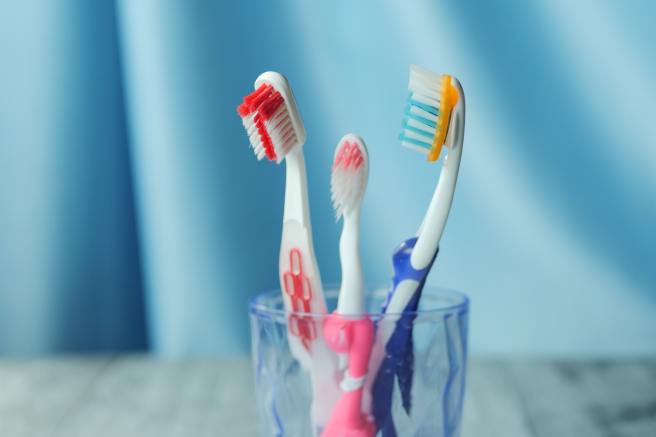
Store your brushes upright and allow them to air dry. Don’t cover or store them in closed containers. A closed container or one with little air holes keeps the brushes wet which allows unwanted bacteria to grow.

Keep toothbrushes separate

If you store your child’s toothbrush with other toothbrushes make sure they are separated to prevent cross contamination and allow them to dry.

Store toothbrushes so they don’t get splashed on

Keep your brushes away from the edge of the sink and counter top. This way they’re not accidentally splashed when someone is washing their hands or reaching for the hand towel. It’s also a good way to help avoid getting germs on the brushes.

Sharing is not caring with toothbrushes

Sharing a toothbrush means you’re also sharing bacteria from each other’s mouth.

Replace your child’s toothbrush every 3 months

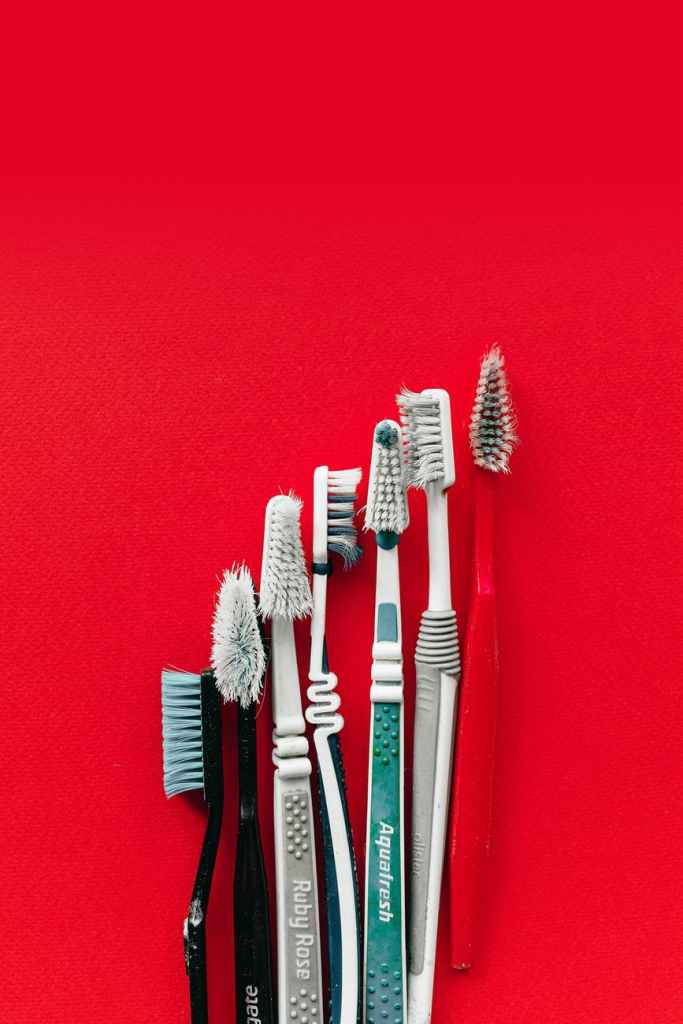
90 days of brushing 2Min 2X’s A Day (that’s 180 brushings) takes a toll on a toothbrushes bristles. The bristles become worn down, don’t do a good job of brushing and give germs a place to grow. Regularly replacing your child’s brush allows you to keep up with your good healthy habits.

It's time for a new toothbrush

How do you keep your child’s toothbrush clean and fresh? Have a tip you’d like to share? We’d love to hear from you!

Email us at kidstoothhotline@protonmail.com or Like us, Message us, Chat with us on Facebook at www.facebook.com/kidstoothhotline

More tips? We have lots. We’re just for kids!

How Often Should You Change Your Child’s Toothbrush?

In the Know for You to Know

How Often Do You Change Toothbrushes? There are 3 important reasons to change your child's toothbrush to keep their routine on track.

3 Important Reasons to Replace Your Child’s Toothbrush?

How many times a year do you change your child’s toothbrush?

  • Every 6 months?
  • Every 3 months?
  • Once a month?
  • Once a year?

3 most important reasons to change your child’s toothbrush – when the bristles start to wear out, after your child has been sick, and every 3 months to keep their routine on track.

Brushing My Teeth
Brushing My Teeth With My New Toothbrush Makes Me Smile

Let us know how often you change your child’s toothbrush. Send us an email at kidstoothhotline@protonmail.com or Message us, Chat with us, Like us on Facebook at www.facebook.com/kidstoothhotline

More tips? We have lots. We’re here just for kids!

Halloween is October 31st, Do you know what November 1st is?

In the Know for You to Know

Yes it is the day after Halloween, and it’s also a special day. It’s NATIONAL BRUSH DAY.

Family Brushing Time After Trick or Treating

What is National Brush Day?

Every year we celebrate National Brush Day on November 1st. To make up for those extra sweets from Halloween we celebrate this day so we can remind our children to get back into our healthy routines and brushing our teeth.

How do we celebrate?

After your children enjoy their treat it’s time to brush to the beat (of their favorite song).

On this day it’s being especially mindful of how important brushing for 2Minutes 2X’s A Day is for everyone. Brushing is actually fun when you do it together to make sure they get into the nooks and crannies. Check out www.2min2x.org for fun brushing.

What do we need to do?

You’ll need 3 things–A soft toothbrush (age appropriate size), a dab will do ya size of toothpaste (fluoride toothpaste recommended), and floss.

Remember to floss first at night. I know everyone says to brush and floss. Flossing first allows you to take out all the yucky stuff that gets caught in between your child’s teeth (and there’s always stuff) then you brush all that away at once.

If you floss second, then you’ll have to brush again to brush that in between the teeth stuff away.

When do we start?

If you haven’t already, National Brush Day is a great day to start. This way National Brush Day will be your family’s anniversary for good oral heath!

Shine Bright My Teeth

HAPPY NATIONAL BRUSH DAY from US to You!

Tell us how your family celebrated National Brush Day. What’s your routine for your child’s healthy teeth and dazzling smile? Send us an email at kidstoothhotline@protonmail.com or Message us, Send us a Comment and Like us on Facebook @ www.facebook.com/kidstoothhotline

More tips? We have lots. We’re here just for kids!