
Wiggly Tooth? What’s A Parent To Do?

In the Know for You to Know

You couldn’t wait for your child to get their first tooth. Then by the time they were 24 to 36 months old they had all their 20 baby teeth. You thought you were all set.

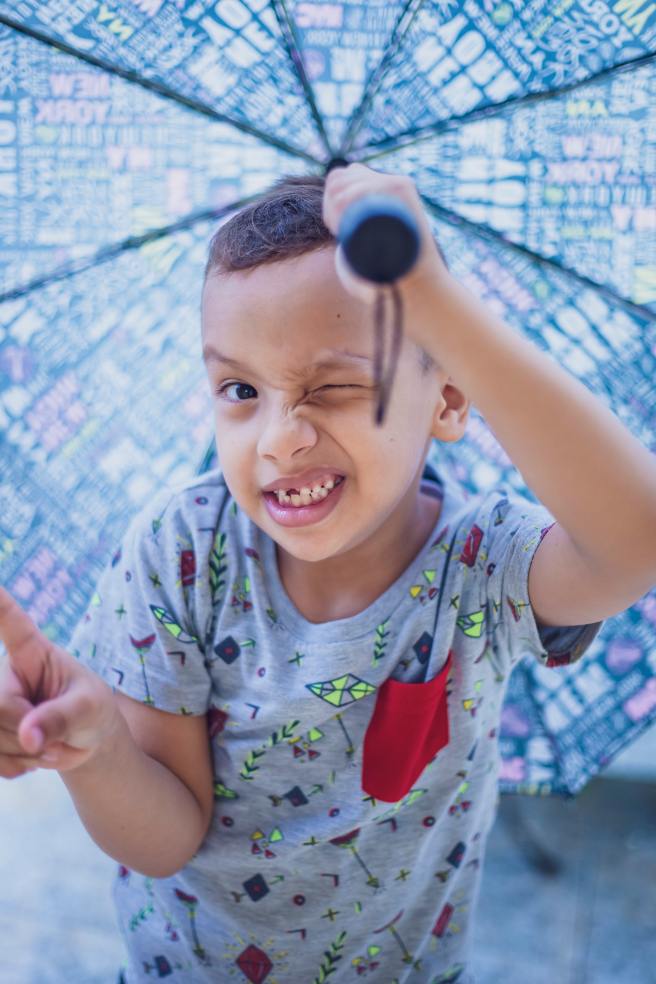
Now they’re asking you – When will the Tooth Fairy come to visit?

When Will My Child Lose Their Baby Teeth?

Children whose baby teeth come in early also get their adult teeth earlier. Children who have their baby teeth come in later – you guessed it – have their adult teeth come in later.

Girls typically lose their baby teeth and get their adult teeth earlier than boys of the same age. What’s important to remember is what every parent knows and that is every child develops at their own pace, so it’s normal too have early and late tooth development.

Most children will start to lose their baby teeth around the time they are 5-7 years old. This is when the roots of the baby teeth are dissolved by the adult teeth.

So get ready to be on the tooth chart!

The first baby teeth to come in are the first to fall out. You can anticipate seeing the bottom front teeth changing first. After the baby tooth is lost the gums may look a little wavy. This is the adult tooth growing in and when it makes its appearance in their mouth you’ll see those waves on the tips of those teeth. These waves are perfectly fine and even have a special name – mammelon (also spelled mamelon). No worries – the mammelons wear away naturally as your child gets older.

Over the next years your child will continue to lose more baby teeth, and new teeth will also be coming in all the way in the back behind the furthest back baby tooth.

By the time your child is 14 to 16 years old they will have their 28 adult teeth in their mouth.
What To Do When Baby Teeth Get Loose

To wiggle or not to wiggle that is the question.

While it’s tempting to help that loose tooth along and speed up that visit from the Tooth Fairy, it’s best to be patient and let nature take its course. Pulling the tooth before it is loose enough will cause unnecessary bleeding and discomfort. Plus the adult tooth won’t come in any faster.

If the tooth is wiggly and it moves easily then with their tongue or with clean hands your child can wiggle the tooth out on their own.

Now you can start your own Tooth Fairy Tradition to celebrate this big milestone!

How To Comfort Your Child

Parents know it’s important to be calm, reassuring, and proud of this BIG-KID Milestone! Go ahead and be proud, this is what everyone has been waiting for!

Once the wiggled tooth is in your hand or Tooth Fairy Box, clean the site with a moistened soft wash cloth to clean up any ooze that may appear. You can place the wash cloth’s edge on the gums and have your child bite down gently if they don’t like the feeling of the baby tooth not being there. The ooze and any uncomfortableness generally goes away quickly and there is no need for medicines.

Let us know your Tooth Fairy Tradition. Like us and tell us on Facebook (www.facebook.com/kidstoothhotline) or Email us at kidstoothhotline@protonmail.com

CONGRATULATIONS ON YOUR CHILD’s BIG-KID MILESTONE!

More tips? We have lots. We’re here just for kids!

Infant Teething Milestones for Your Mini Me

In the Know for You to Know

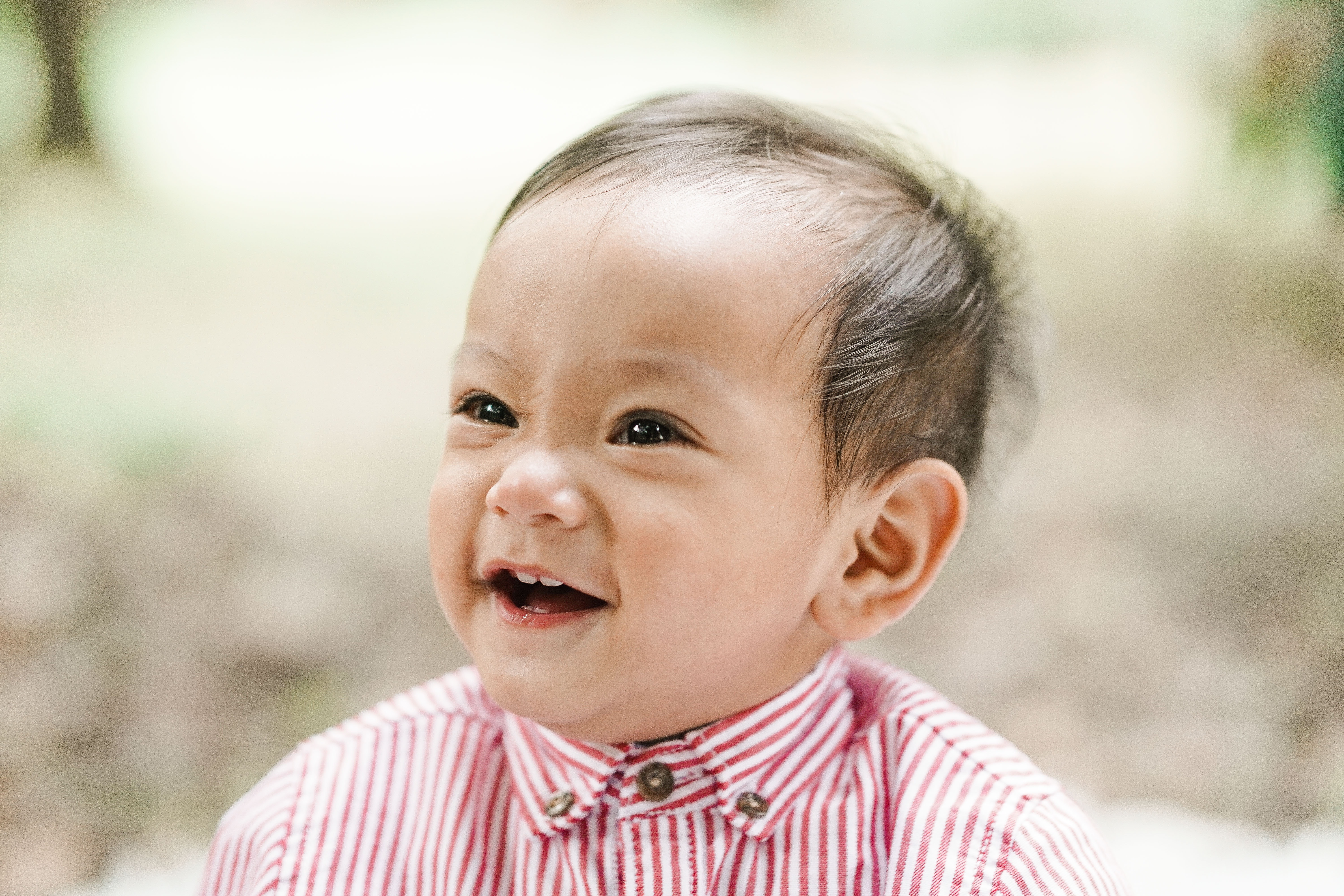
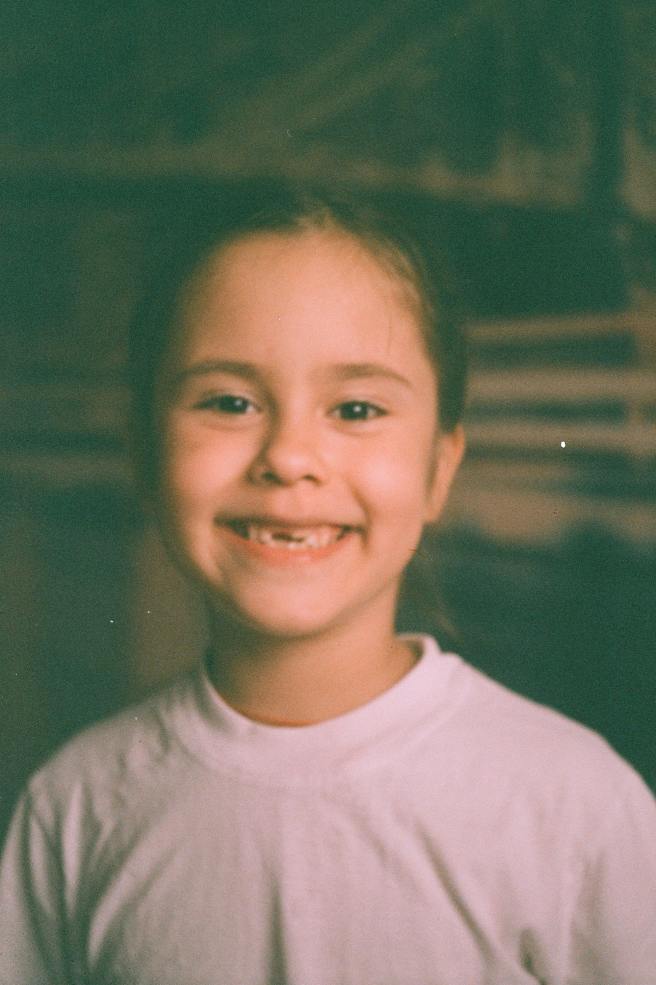
Showing off my amazing toothless grin

Your child’s teeth start forming very early in your pregnancy. By the time you’re giving birth some of those first baby teeth are almost fully formed and some are still growing, while there are some adult teeth with the tiniest beginnings.

Where are their teeth?

You may not see their teeth yet, but your Baby’s teeth are right underneath their gums. You may even be able to feel the outline of some teeth.

When will I see teeth?

All children are different, even among siblings.

Teething typically starts when a Baby is between 6 and 8 months old, although some children can start as early as 3 months old. Be patient because some children don’t have their first tooth until they’re 12 to 14 months, and for some not until 24 months.

How long does teething last?

Teething is just like children, wonderful and individual.

The first teeth to peek through are usually the bottom two front teeth, next to grow in are usually the top two front teeth. Then the “usual” order are the bottom and top side teeth, followed by the first molars, the eye teeth, and finally the second molars.

Don’t stress if their teeth aren’t coming in in this exact order. What’s important is that their teeth come into their mouths.

When all their 20 baby teeth have grown in, your child can be between 2 and 3 years old.

What can I do to comfort my Baby?

Hugs, kisses, cuddling and snuggling are always a good idea.

When you feel you need something to add, you can consider —

  • Giving your Baby a firm rubber teething ring to chew on can help with discomfort. You may want to put the teething ring in the refrigerator to make it a little cold which also helps.. Never put a teething ring in the freezer. A frozen teething ring will freeze to their tender gums.
  • It’s best to avoid liquid-filled teething rings, any plastic objects or beads, teething necklaces and bracelets, any anything that will break or become a choking hazard.
  • Gently rub their gums with a cool, wet wash cloth, You can place the wet wash cloth in the refrigerator to chill it, but wash it before using it again.
  • You can give them their bottle with cool water. The bottle’s nipple is almost as strong as the teething ring and you’re hydrating them which helps them feel better.
  • It’s also best to skip topical pain relievers and medications that are rubbed on the gums. They aren’t helpful and run the risk of burning their sensitive gums.

How do I take care of my Baby’s teeth?

Start taking care when they are born.

Yes, you are a new Mom. Yes, you’ve just given birth to a brand new adorable human being. Yes, you’re learning what feels like ten million new things about taking care of your Baby. Yes, you are tired.

Yes, your Baby doesn’t have teeth right now. But they will soon and starting earlier is better than starting later for you and your Baby.

Wipe your Baby’s gums with a soft, clean cloth after feedings and at bedtime. This helps wipe away sugar and bacteria that together will cause cavities.

Then when you see that adorable smile with the littlest bits of those pearly white teeth showing, you can say – No problem, I’ve got this!

More tips? We have lots/ We’re here just for kids!

What’s the hype about Sports Drinks for Children?

In the Know for You to Know

Summer is here and everyone is looking forward to being outside playing sports, running, swimming and having fun.

With all that playing it’s only a matter of time before you hear “I’m thirsty. What do you have to drink?” What do you reach for to satisfy your child’s thirst and keep them hydrated?

As a parent you know that juice and soda are not good for your child’s health and their teeth. Do you know that sports drinks which are considered healthy are actually loaded with sugar?

Sports drink companies have done a great job trying to convince us these drinks have magical powers. While doing this they are omitting that their elixir is a combination of salts and minerals (also called electrolytes) like sodium, potassium, and phosphate mixed together with artificial flavors, artificial colors and a lot of sugar.

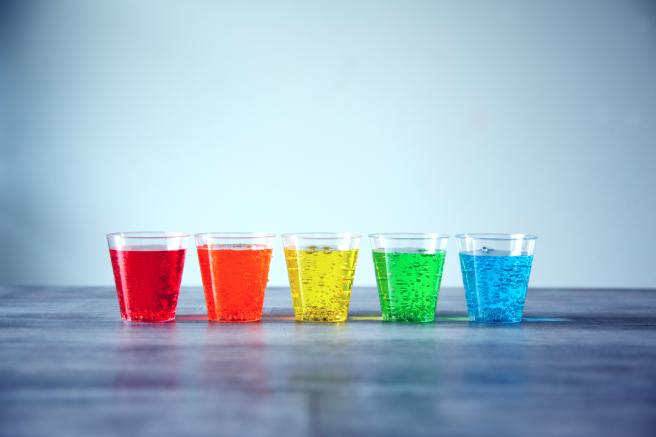
A rainbow of drink colors

It may seem like a good idea to reach for a sports drink to ward off dehydration on a hot day when they’ve been playing or exercising. All this sugar makes sports drinks less effective for quenching thirst, since the children are using the water in their body to metabolize the sugar. The American Academy of Pediatrics does not recommend these drinks for routine or moderate play or exercise. This is because the sodium, potassium, and phosphate that is put into these drinks is actually stored in our bodies in far greater reserve than anything man can contribute to.

Your child’s healthy body maintains reserves of these vital elements that it can tap into as needed to keep their body’s salt balance in check. It’s natural to lose these electrolytes through sweat, but even with vigorous exercise for many hours, our bodies will correct for any losses with regular healthy meals and drinking water.

These drinks taste good for a reason, and it’s because of the added sugar, which can go on to hurt your child’s dental health. Good habits begin at a young age so encourage your child to make healthy decisions about what they choose to drink as they grow. Your positive example will go far for your family to have happier healthier smiles and a healthier future.

More tips? We have lots. We’re here just for kids!