In the Know for You to Know
From each of us at Kids Tooth Hotline we’re sending YOU our VERY BEST WISHES for a WONDERFUL New Year in 2023!





More tips? We have lots. We’re here just for kids!
In the Know for You to Know
From each of us at Kids Tooth Hotline we’re sending YOU our VERY BEST WISHES for a WONDERFUL New Year in 2023!
More tips? We have lots. We’re here just for kids!
In the Know for You to Know
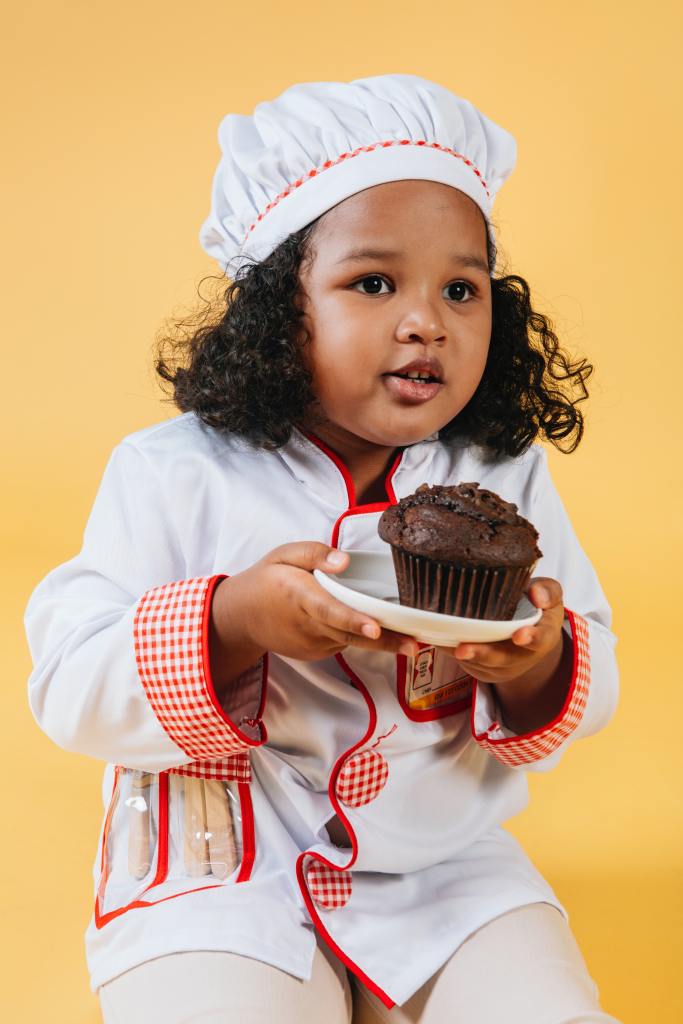
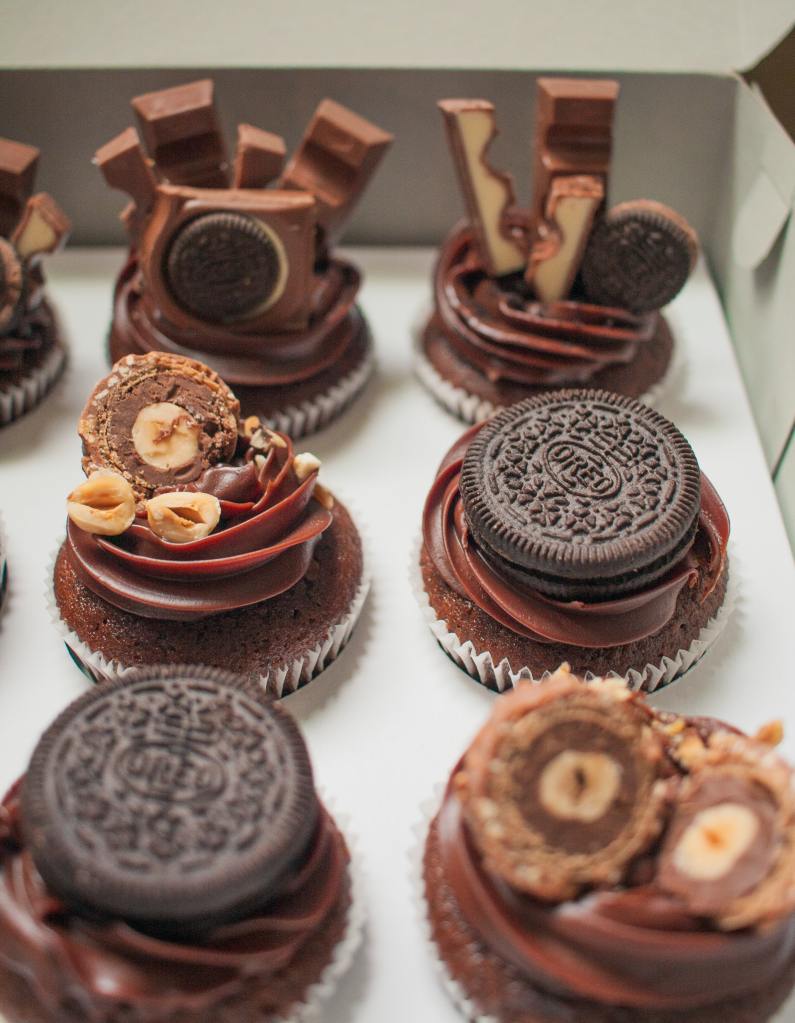
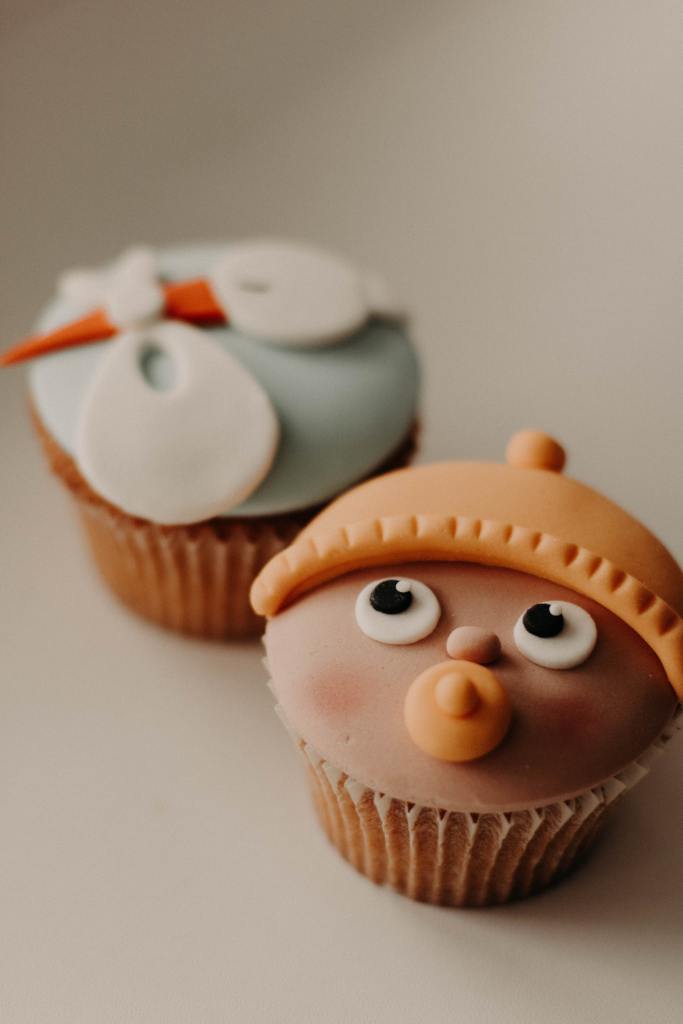
It’s time to CELEBRATE Today is Cupcake Day!



Yes, today, December 15th is dedicated to celebrating everything cupcake. Whether it’s the frosting, the sprinkles, the yummy decorations, or that they are the perfect fit in the palm size for your child, cupcakes are the ultimate treat.
Fun Cupcake Facts
Celebrating The Day
Everyone loves cake and cupcakes are the perfect size to bake, decorate and eat together. Whether you use a box cake mix, look up a recipe online or from your favorite cookbook, use a muffin tin with cup liners, or ramekins, have some together time with your child and bake your favorite bite-sized creation.
Or maybe you’re a fan of celebrating by eating or short on time, then bakeries are sure to have some tasty choices for you to enjoy.
Whether you and your child are baking at home or going to the bakery to pickup your cupcakes, make it a party and have fun!
Take some pictures to remember your special day. Remember too bake (or pickup) extra cupcakes, because left overs taste just as wonderful.







After The Celebration
After the fun of your day before your child goes to bed there’s one last thing to do — floss and brush. You knew I was going to say this!
There’s Another Cupcake Day?
Mark your calendar — October 18, 2023 is National Chocolate Cupcake Day.
Have an awesome Cupcake Day!
We’d love to hear how you celebrated National Cupcake Day and all about you or your bakeries creations. Send us an email at kidstoothhotline@protonmail.com or Like us, Message us, Chat with us on Facebook at www.facebook.com/kidstoothhotline
More tips? We have lots. We’re here just for kids!
In the Know for You to Know

You’ve made it! Your child is officially on the permanent tooth chart. The Tooth Fairy has visited at least once. Adult teeth are coming in. Everyone is happy.
But wait, what are those bumps on the edges of these teeth? They weren’t there yesterday, or were they? Are they supposed to be there? What are they and why are they there?
You’re thinking, what do I do? And how do I explain this to my child?
Why Do The Edges Of My Child’s Teeth Have Bumps?
Their baby teeth had smooth edges, so why don’t their adult teeth? Adult teeth don’t form as a solid entity. As they form they fuse from 3 tissue lobes which morph into a single tooth, and the bumps are the result of this process. The 3 bumps are located along the edge of the teeth and help the teeth come through the gums.
The Bumps On New Adult Teeth Actually Have A Name
These bumpy grooves have a groovy name and are called Mamelons. Mamelons are perfectly normal.
As a Pediatric Dentist we expect these bumps to be present as brand new adult teeth come in and for a few years as these teeth continue to grow under the gums.
Which Teeth Have Mamelons?
You will see Mamelons on the 4 top and 4 bottom front teeth. These front teeth are called Incisors. The 4 top front teeth are called the Maxillary Incisors and the 4 bottom front teeth are called the Mandibular Incisors.
Do I Need To Have the Mamelons Removed Or Can I Leave them Alone?
There is no need to worry about Mamelons. They do not interfere with normal biting and chewing, they are not an esthetic issue; so they are not an oral health concern.
As your child gets older and the Mamelons don’t wear away, check with your Dentist about any potential bite concerns.
In general, leave them alone and they will wear away on their own.
How Do I Explain Mamelons To My Child?
There’s really nothing to say. If your child asks, assure them everything is okay and there are children in their class whose teeth also have these wavy Mamelons.
What About Pictures?
Take as many as you can! Mamelons are present for such a short period of time. You’ll want to remember this time forever.










What did you think when you first saw the Mamelons? Share your stories with us – email us at kidstoothhotline@protonmail.com or Like us, Message us, Chat with us on Facebook at www.facebook.com/kidstoothhotline We’d love to hear from you!
More tips? We have lots. We’re here just for kids!
In the Know for you to Know

Taking care of your child’s teeth affects their oral health. A good sign of their well-being is healthy teeth and gums. A lot of parents feel that oral health is one of their top priorities for maintaining a healthy lifestyle for their family.
So what are these truths?
Mistruth 1 – Sugar Causes Cavities
Truth – While sugar does contribute to the formation of cavities, it’s not only the sugar itself that causes the cavity. It’s also the bacteria (which is naturally in the mouth) that thrive and eats the sugar which is stuck on the teeth, and eats the teeth as well.
Solution – Keep your child’s teeth and gums healthy by brushing 2Minutes 2X’s A Day and floss every night before brushing.
Mistruth 2 – Parents Don’t Need To Brush Their Child’s Baby Teeth
Truth – Start early and keep going, even before their teeth are in their mouth. Cleaning your baby’s mouth and teeth after every feeding and before naps and bedtime is a good routine.
Solution – A soft toothbrush or washcloth are best to use, with a tiny rice grain size amount of fluoridated toothpaste. Once baby teeth start coming in you’ll have your routine and your baby will be used to you doing this. Remember to Lift Their Lips (upper and lower lips) so that you can see the entire tooth to make sure they are clean.

Mistruth 3 – Brushing Harder Cleans Better
Truth – Brushing harder doesn’t mean brushing smarter. The harder you brush their teeth, the more they won’t let you brush and more harm is done to teeth and gums.
Solution – Brush gently with a soft bristled toothbrush in a circular motion for 2Minutes 2X’s A Day, every day.
Mistruth 4 – Flossing Is Not Really Necessary
Truth – Flossing is an important part of maintaining your child’s good oral health. Think of flossing as brushing in-between the teeth. Why floss? The food and stuff that gets in-between has no way to get out. What’s the result? Cavities in-between teeth.
Solution – Toothbrush bristles and rinses don’t get in-between teeth so the only way to clean is with floss. Flossing at night before brushing cleans everything out and then you brush it away.




Mistruth 5 – Chewing Gum Is Like Brushing
Truth – Chewing gum is not a replacement for brushing teeth. Some chewing gums advertise cleaner teeth and fresher breath, but all they can really do is freshen breath.
Solution – While chewing sugar free gum or gum with Xylitol is better, they are not a replacement for a toothbrush and floss. A regular daily routine for brushing and flossing is still best.
What Dental Mistruths have you heard? Did they make you giggle? Was it really convincing? We’d really like to know!
Send us an email at kidstoothhotline@protonmail.com or Like us, Message us or Chat with us on Facebook at www.facebook.com/kidstoothhotline
More tips? We have lots. We’re here just for kids!
In the Know for You To Know
You do this twice a day out of habit – Brush, Rinse, Repeat.

But, what are the best ways to keep toothbrushes clean and fresh between brushing?
Here are 6 ways to take care of your child’s toothbrush so your child’s toothbrush will help you take care of them —
Cleaning your toothbrushes is easy
Rinse your brushes to remove any remaining toothpaste and food particles from the bristles.
Toothbrushes like to be left out in the open
Store your brushes upright and allow them to air dry. Don’t cover or store them in closed containers. A closed container or one with little air holes keeps the brushes wet which allows unwanted bacteria to grow.
Keep toothbrushes separate
If you store your child’s toothbrush with other toothbrushes make sure they are separated to prevent cross contamination and allow them to dry.
Store toothbrushes so they don’t get splashed on
Keep your brushes away from the edge of the sink and counter top. This way they’re not accidentally splashed when someone is washing their hands or reaching for the hand towel. It’s also a good way to help avoid getting germs on the brushes.
Sharing is not caring with toothbrushes
Sharing a toothbrush means you’re also sharing bacteria from each other’s mouth.
Replace your child’s toothbrush every 3 months
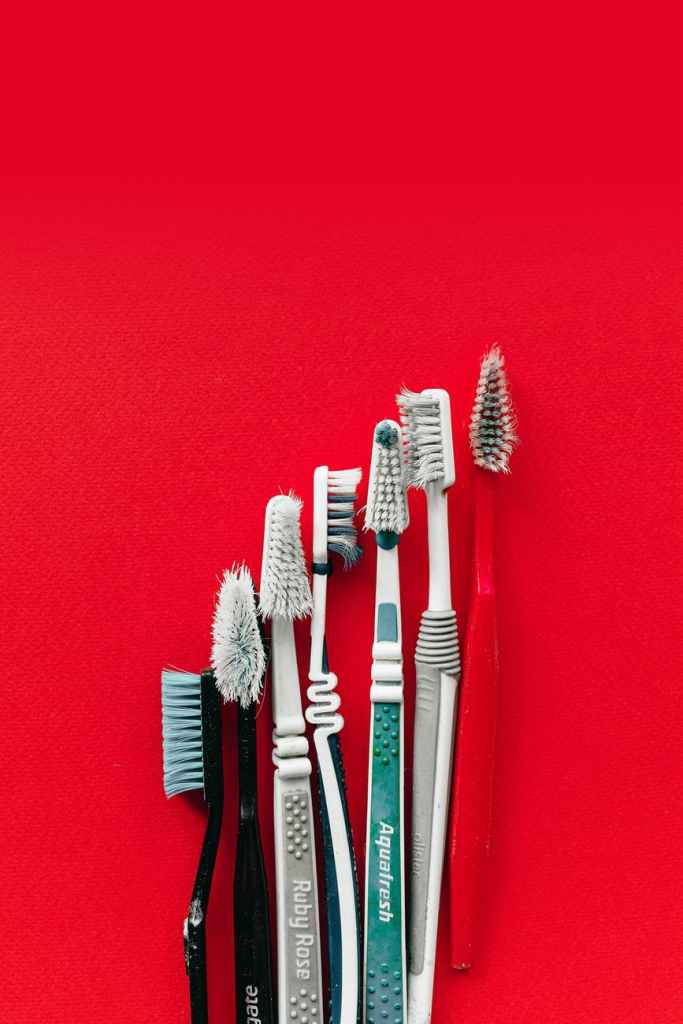
90 days of brushing 2Min 2X’s A Day (that’s 180 brushings) takes a toll on a toothbrushes bristles. The bristles become worn down, don’t do a good job of brushing and give germs a place to grow. Regularly replacing your child’s brush allows you to keep up with your good healthy habits.
How do you keep your child’s toothbrush clean and fresh? Have a tip you’d like to share? We’d love to hear from you!
Email us at kidstoothhotline@protonmail.com or Like us, Message us, Chat with us on Facebook at www.facebook.com/kidstoothhotline
More tips? We have lots. We’re just for kids!
In the Know for You to Know
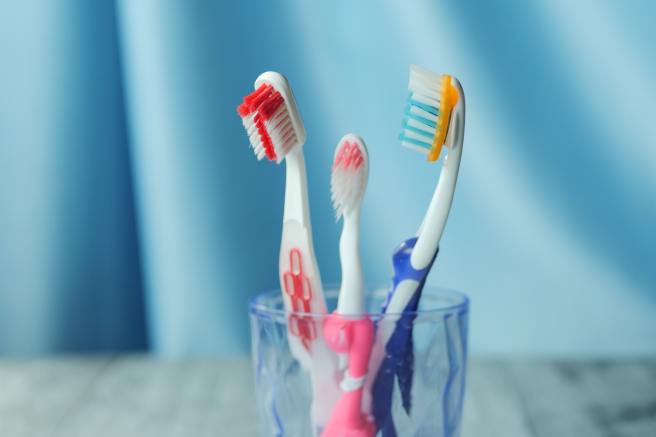
3 Important Reasons to Replace Your Child’s Toothbrush?
How many times a year do you change your child’s toothbrush?
3 most important reasons to change your child’s toothbrush – when the bristles start to wear out, after your child has been sick, and every 3 months to keep their routine on track.

Let us know how often you change your child’s toothbrush. Send us an email at kidstoothhotline@protonmail.com or Message us, Chat with us, Like us on Facebook at www.facebook.com/kidstoothhotline
More tips? We have lots. We’re here just for kids!
In the Know for You to Know
Yes it is the day after Halloween, and it’s also a special day. It’s NATIONAL BRUSH DAY.
What is National Brush Day?
Every year we celebrate National Brush Day on November 1st. To make up for those extra sweets from Halloween we celebrate this day so we can remind our children to get back into our healthy routines and brushing our teeth.
How do we celebrate?
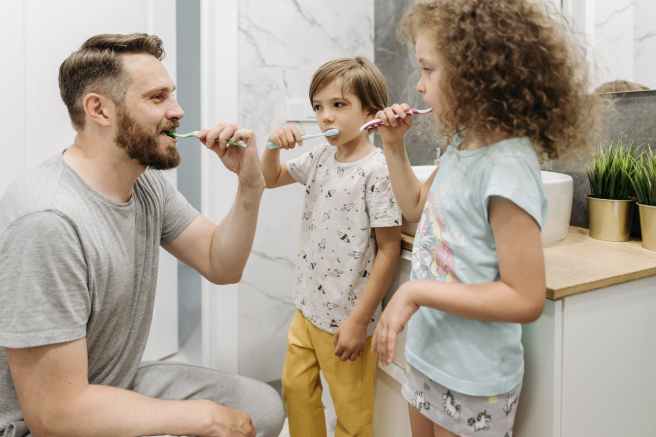
After your children enjoy their treat it’s time to brush to the beat (of their favorite song).
On this day it’s being especially mindful of how important brushing for 2Minutes 2X’s A Day is for everyone. Brushing is actually fun when you do it together to make sure they get into the nooks and crannies. Check out www.2min2x.org for fun brushing.
What do we need to do?
You’ll need 3 things–A soft toothbrush (age appropriate size), a dab will do ya size of toothpaste (fluoride toothpaste recommended), and floss.
Remember to floss first at night. I know everyone says to brush and floss. Flossing first allows you to take out all the yucky stuff that gets caught in between your child’s teeth (and there’s always stuff) then you brush all that away at once.
If you floss second, then you’ll have to brush again to brush that in between the teeth stuff away.
When do we start?
If you haven’t already, National Brush Day is a great day to start. This way National Brush Day will be your family’s anniversary for good oral heath!

HAPPY NATIONAL BRUSH DAY from US to You!
Tell us how your family celebrated National Brush Day. What’s your routine for your child’s healthy teeth and dazzling smile? Send us an email at kidstoothhotline@protonmail.com or Message us, Send us a Comment and Like us on Facebook @ www.facebook.com/kidstoothhotline
More tips? We have lots. We’re here just for kids!
In the Know for You to Know

Halloween will soon be here. What costume will your child wear? Will it be trick or will it be treat?
If you choose treats, what will they be? and what will you do to keep their teeth healthy?

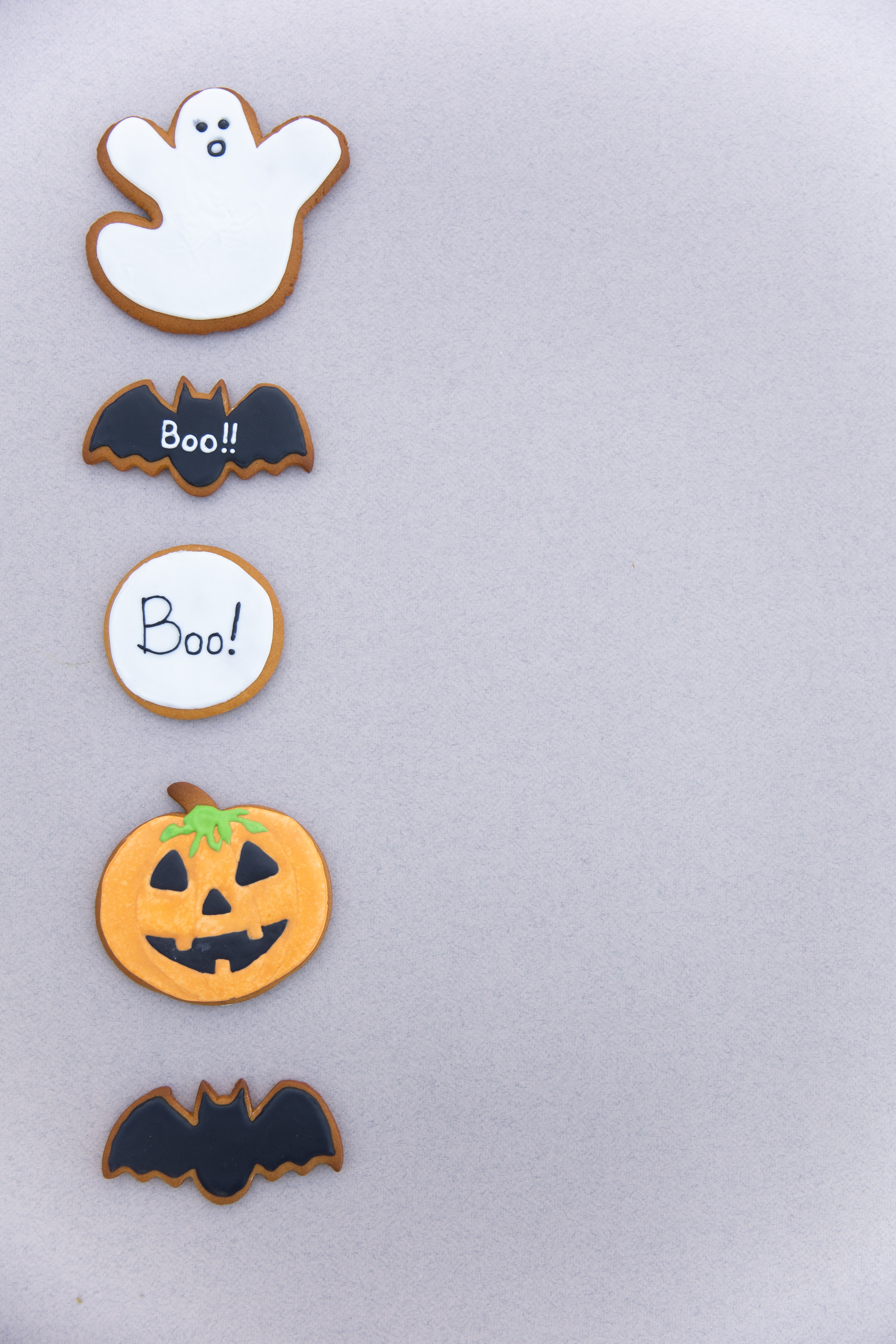

Check out these tips for a happy Halloween –
*If it’s sticky, it gets stucky and that’s so yucky! Staying away from taffy, dried fruits, caramels, and other chewy, sticky candy is a good idea.
**When choosing candy less sticky and less sour goodies like pretzels, xylitol gum, and smooth chocolate are a good choice. Chocolate without any mix-ins is great because it slides off their teeth.
***Drink water to help wash away the sticky gooey chewy candies. Water is really good for you and your teeth.
****After trick or treating it’s important to make sure to brush their teeth and remember to floss before you brush. It takes 2 Minutes of brushing to clean away all the candy and flossing to remove what has gotten in between their teeth. Keeping up your flossing and brushing routine is important every day.
*****Select with your child their top 5 favorite pieces of candy. Allow them to eat all these choices with in a specific time period rather than continually snacking throughout the night and next day. By doing this you’re one and done and everyone is happy.
Follow these tips for spooktacular teeth.
Happy Halloween!

Tell us about your Halloween plans, costume, whether you tricked or treated, and what your child’s candy choices were. Send us an email at kidstoothhotline@protonmail.com or Message us, Send us a Comment and Like us on Facebook at www.facebook.com/kidstoothhotline
More tips? We have lots. We’re here just for kids!
In the Know for You to Know

Chewing gum and blowing bubbles is so much fun. The bigger the bubble gets the more fun it is.
Regular gum is full of sugar and well sugar is really not so much fun. So what’s a gum lover to do?
To keep those bubbles coming a great alternative is chewing gum with Xylitol.
What Makes Xylitol Gum Better?
Everyone’s mouth contains bacteria and some bacteria really like sugar. These are the bacteria that cause cavities. But these bacteria so not like Xylitol. So Xylitol is a great alternative because of this plus it helps produce more saliva and keep everything moist and moving around and as an added bonus gives you minty fresh breath with no added sugar.
Sounds Good, Any Other Tips?
As with all good things moderation is key for maximum enjoyment. Remember to Brush (2 Minutes 2X’s A Day) and floss before brushing every night.
Anything Else?
Are you ready for a Bubblegum Blowing Contest? Ready – Set – Blow Bubbles!

Tell us about your Bubblegum Bubbles Contest! Who blew the biggest bubble? How big were those bubbles? OR Say Hello! Send us an email at kidstoothhotline@protonmail.com Message us and Like us on Facebook at www.facebook.com/kidstoothhotline
More tips? We have lots. We’re here just for kids!

In the Know for You to Know
Yes it is possible for babies to be born with teeth. We’re used to hearing that we should expect babies to get their first teeth around the time they are 6 months of age. Believe it or not, you’d be surprised that some babies are born with teeth!
What Are These Teeth And Where Did They Come From?
Some babies are born with teeth, and they are called Natal Teeth.
The reason for natal teeth is not well understood. What is known is that there is no one single cause of natal teeth.
Some say these are baby teeth that come in early. Some say it’s genetic. While others are of the opinion that babies born with cleft lip or cleft palate are more likely to have natal teeth.
What To Know About Neonatal Teeth
There are some babies who have teeth appear within the first 30 days after they are born, these are called Neonatal Teeth.
Neonatal teeth are less common than Natal Teeth. They can develop like typical baby teeth, but they need to be watched as they carry many of the same complications and risks as natal teeth.



What Do Natal and Neonatal Teeth Look Like?
Sometimes these teeth have the same shape and appearance as typical baby teeth. While other times they may be smaller, under developed, yellow or yellow-brown in color, loose, or conical in shape.
Natal and neonatal teeth can come through the gums in the same places a baby tooth would, but they’re most likely to be in the bottom front area. Sometimes there’ll be a lone tooth, or they can come in as a pair.
Complications To Watch Out For
While natal and neonatal teeth aren’t usually fully developed like usual baby teeth, there are some complications to watch out for:
Breastfeeding Difficulties – Babies with natal and neonatal teeth often have difficulty latching on for breastfeeding. These teeth can also make breastfeeding painful for mothers as they can cause sores due to biting.
Tongue Injury – An injury to the tongue is uncomfortable, especially for a newborn, and especially when it is on the bottom surface or tip of their tongue. These are the places where their tongue comes in contact with the natal or neonatal teeth. This can also cause interferences with breastfeeding.
Tooth Swallowing – There are some circumstances when the natal or neonatal teeth are loose and there is a risk of them being swallowed that they’ll need to be taken out for safety.
Treatment For Natal And Neonatal Teeth
Some treatment may include:
Tooth Extraction – This is recommended if the baby’s natal or neonatal tooth is loose to prevent the tooth from being swallowed.
Smoothing – Smoothing the tooth if it is impacting the baby’s ability to feed. If the tooth is sharp it can cause pain and injury during breastfeeding.
Watch and Wait – Some natal and neonatal teeth are actually baby teeth. If this is the case and there aren’t any concerns with these teeth, keeping them in place has many potential benefits for your child’s oral health.
As long as natal and neonatal teeth are not interfering with feeding, not causing any injuries or problems, aren’t at risk for being swallowed, aren’t bothering you or the baby they can be kept in place and monitored. It’s also important to care for them as you would regular baby teeth.
Let us know if you know someone whose baby has (or had) natal or neonatal teeth and what they needed to do. Send us an email at kidstoothhotline@protonmail.com or Message us, Like us or Send us a Comment on Facebook at www.facebook.com/kidstoothhotline
More tips? We have lots. We’re here just for kids!
 kidstoothhotline