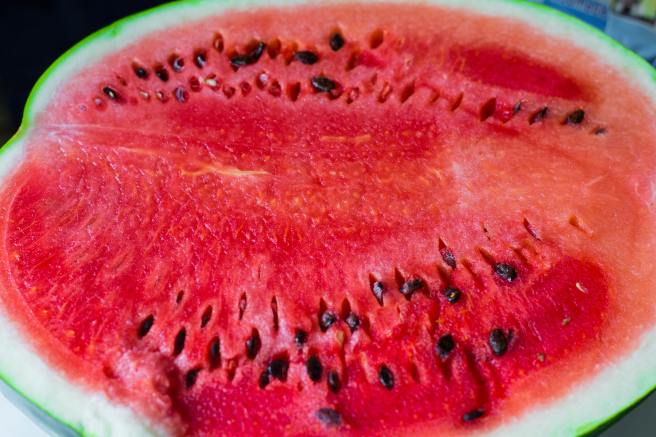
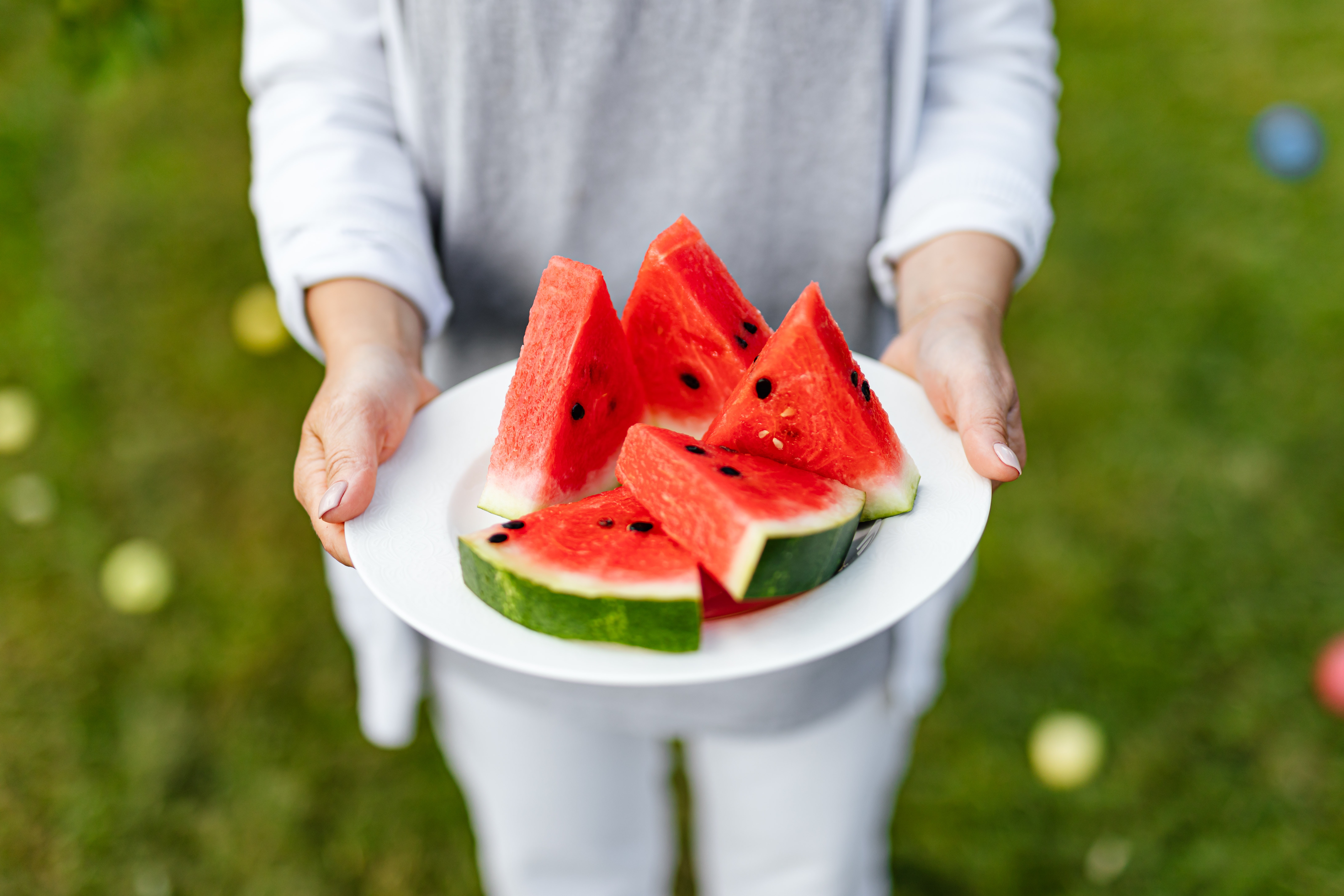
Did you know there is a day dedicated to watermelon? Turns out today is the day to celebrate watermelon.
Watermelon Says Summer
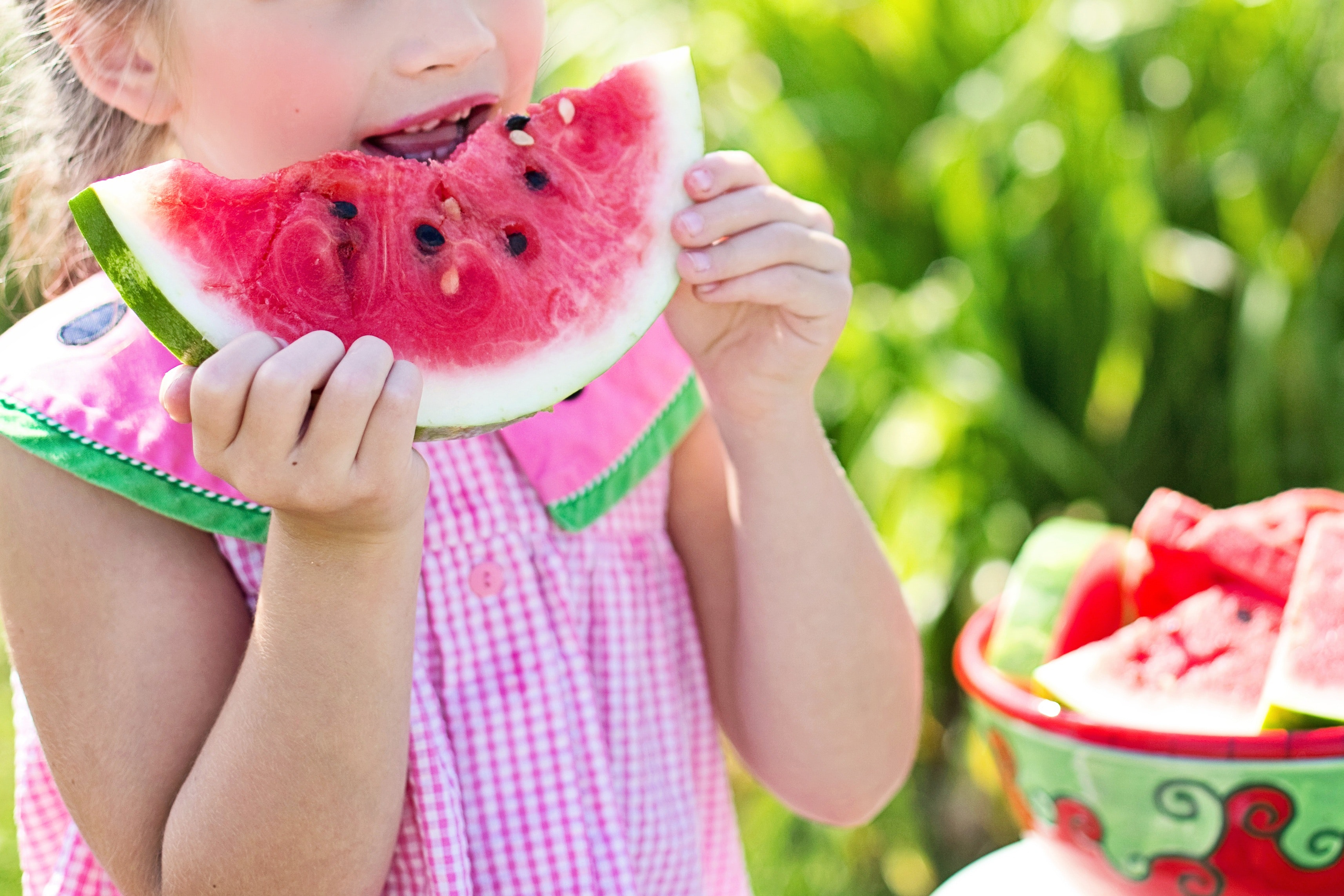
Watermelon means summer. Summer weekends, bbq’s, picnics, enjoying fun times with friends and family. We love biting into a juicy piece of watermelon, then wiping the sweet juices off our children’s smiling faces.
Watermelon Is Healthy
Watermelon is 92% water and full of Vitamins A, C, and antioxidants. In addition to being a thirst quencher, watermelon is also a superfood.
Fun Trivia About Watermelon
*Watermelon is both a fruit and a vegetable. *It takes 90 days to grow a watermelon from planting seeds to harvest. *The most common watermelon varieties and colors are seeded, seedless, mini, yellow, orange, red and white. *Watermelon is the official state vegetable of Oklahoma. *According to the Guinness Book of World Records, the largest watermelon on record weighed in at 350.5 pounds (159 kg) and was grown by Chris Kent of Sevierville, Tennessee (USA) in 2013.
Tips For Celebrating Watermelon
There’s nothing that says summer like biting into a perfect slice of watermelon. Some other ways to enjoy this delightfully tasty treat are grilling it, drinking it as a juice or smoothie, eating it as ices or sherbet, and enjoying it in a salad or salsa.
There’s nothing like beating the heat with summertime’s most refreshing fruit. How does your family like to enjoy watermelon? What will your family do celebrate watermelon day? Which watermelon color is your family’s favorite? Tells us, We’d really like to know! Send us an email to kidstoothhotline@proton.me Like Us on Facebook at www.facebook.com/kidstoothhotline
More tips? We have lots. We’re here just for kids!
Gummy vitamins are very popular with children and parents for getting essential vitamins and nutrients in a tasty gummy treat. While this can be a great way for your children to want to take their vitamins, gummy vitamins can also harm their teeth.
BUT THEY’RE VITAMINS
Yes, they’re vitamins that are chewy, really tasty, and come in an endless variety of colors, shapes and flavors.
THE STICKY TRUTH
It’s really 3 things to keep in mind, Gummy vitamins are high in sugars in comparison to other vitamins. It’s the sticky consistency that makes them stick to the tops and in-between the teeth that’s the concern because it eats away at the tooth’s outer protective enamel layer.
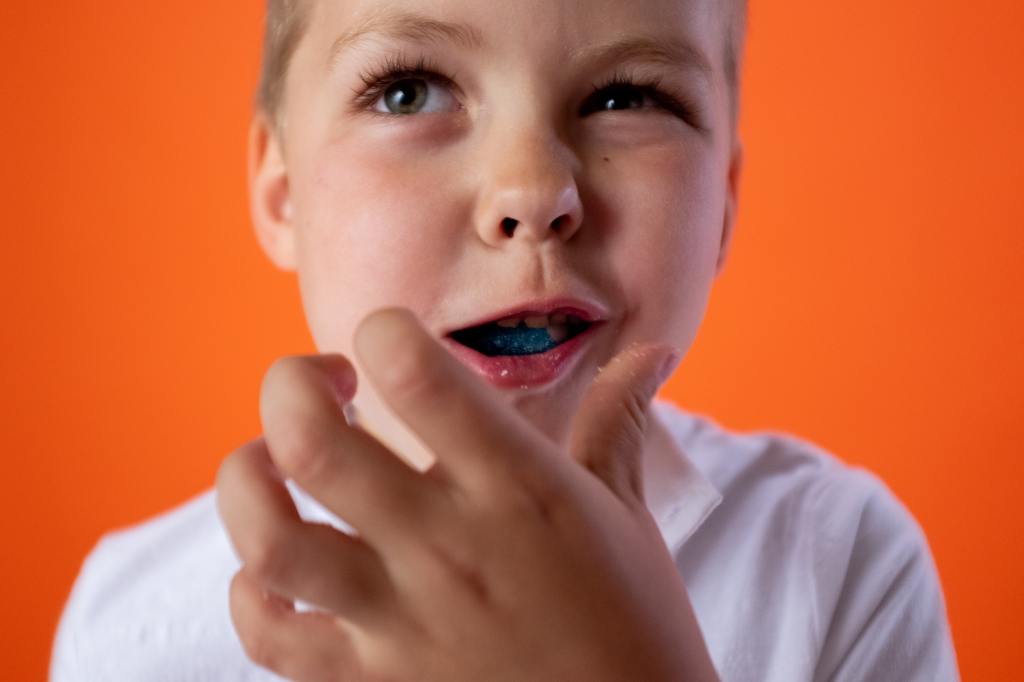
Chewing My Gummy VitaminWhat’s Your Favorite Flavor Of Gummy Vitamins?
Gummy Vitamins Can Also Come Sugar-Free, But…
Xylitol is the only 1 sugar substitute known to help reduce cavities, and that is in very specific amounts.
Manufacturers of gummy vitamins may not use xylitol or use it in different amounts. Some manufacturers may say their vitamin is sugar-free only to find out that they add other sugar substitutes (which doesn’t reduce cavities) and other sweeteners. They may also coat the vitamin with sugar or a sugar substitute (again which doesn’t reduce cavities).
Our Recommendation
It is your and your pediatrician’s decision regarding which vitamin supplement is best for your child. Our suggestion is to please make sure your child takes their gummy vitamin before your nightly tooth brushing routine. This way everyone goes to bed with nice clean teeth.
If your pediatrician wants your child to take their gummy vitamin in the morning, have them take it with their breakfast and when they’ve finished eating then brush their teeth. This way everyone starts the day with nice clean sparkling teeth.
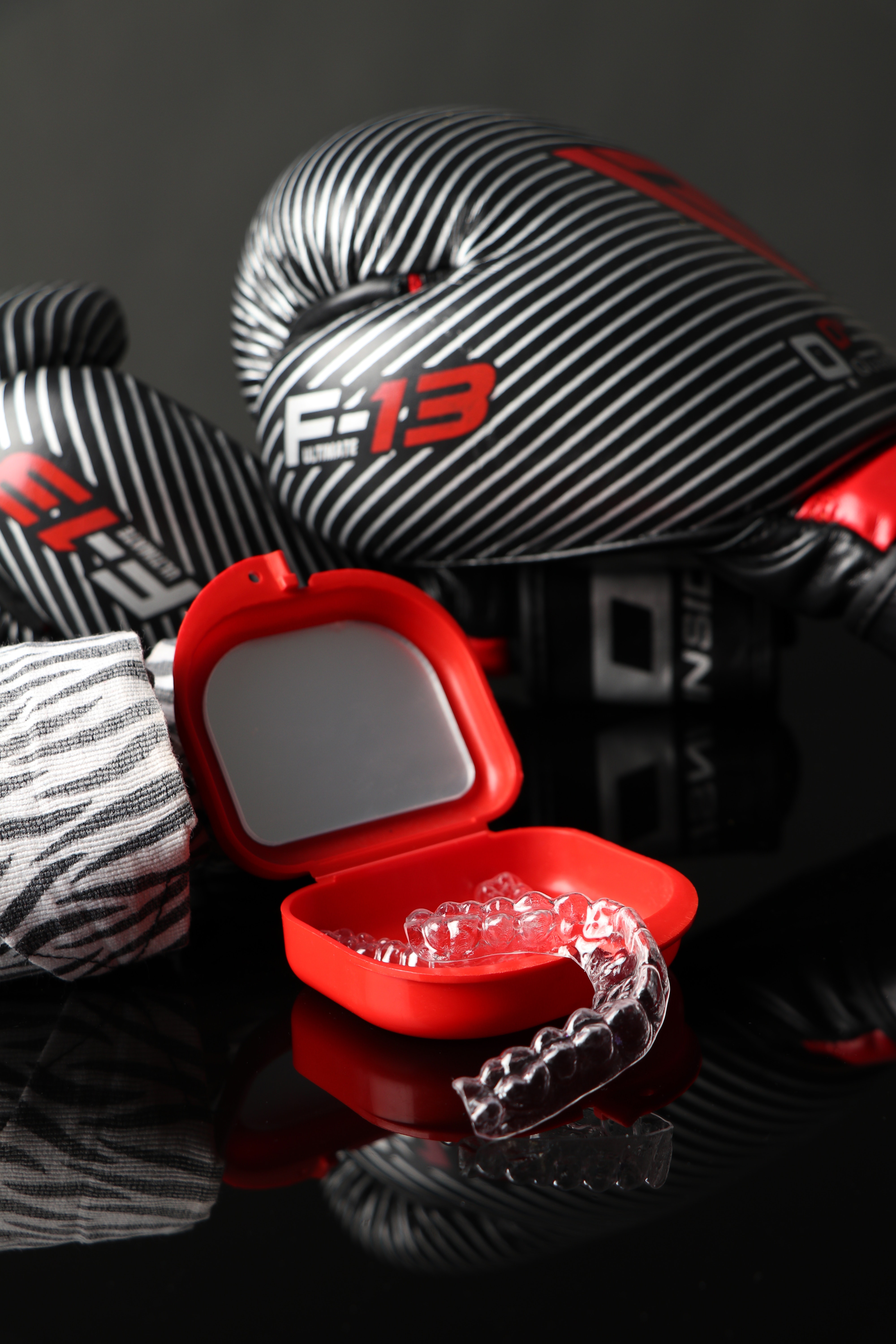
As parents we all know to say “Wear your helmet!” when our children want to go out to ride their bike, skateboard or scooter. We also say this when our older children play baseball, football, hockey or lacrosse. You may have already seen them used in contact sports, such as football, boxing, and ice hockey.
Mouthguards offer the same protection. While a helmet protects a child’s head, a mouthguard protects their teeth and their head.
How does a mouthguard protect a child’s head? As parents we’ve heard about concussions, and a lot of times we think about concussions as occurring from a blow to the head. What’s important to note is that contact to any portion of the mouth or jaw can cause a concussion.
My Balance Beam Is Really High And The Mat Is Far Away, I’m Happy I’m Wearing My Mouthguard
How can a mouthguard help?
What Is The Benefit Of Wearing A Mouthguard?
Mouthguards are mouth protectors which help cushion a blow to the mouth and face, minimizing the risk of broken teeth and injuries to your child’s lips, tongue, face or jaws.
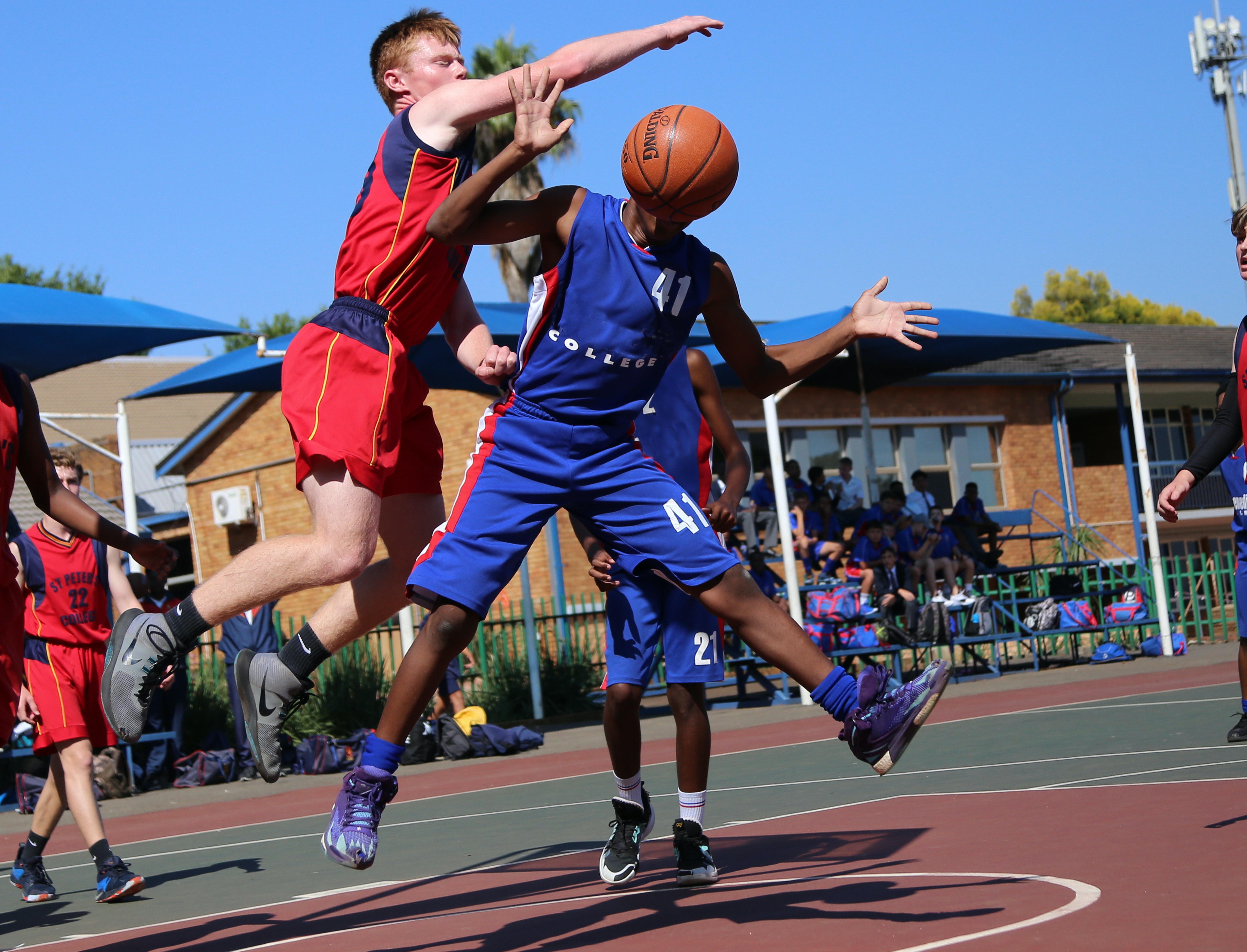
While collisions in contact sports, such as basketball and boxing are higher-risk sports for the mouth, children can experience a dental injury in non-contact activities too, such as gymnastics and skating.
Findings in Sports Dentistry show that even in non-contact sports such as gymnastics, rollerblading, and field hockey, mouthguards help protect teeth. Many of these experts recommend that a mouthguard be worn for any recreational activity that poses a risk of injury to the mouth.
Most Important Mouthguard Features
To be most effective a mouthguard should have these features:
Be resilient, tear-resistant and comfortable,
Fit properly and stay in place during sports activities,
Be durable and easy to clean,
Not restrict your child’s speech or breathing.
There Are 3 Types Of Mouthguards
Stock These are found in sporting goods stores and come pre-formed, ready to wear. One size fits most and may not fit very well. They are made of hard plastic, can be bulky and which can make it uncomfortable to wear and talk.
Boil and bite These mouth protectors can also be bought at many sporting goods stores and may have a better fit than stock mouth protectors. They are first softened in hot boiling water, then placed in the mouth and with your child moving their lips, tongue and cheeks around and closing their teeth together, they plastic is adapted to the shape of their mouth. Remember to be very careful because this is very hot water and very hot plastic.
Custom-fit These are made by your dentist for your child specifically and because they are customized, usually offer the best fit. They fit snugly, allowing your athlete to run and talk more easily while playing sports. Custom mouth guards are comfortable, and offer excellent protection. They can be made in a wide variety of colors and designs.
How Many Mouthguards Does My Child Have To Wear?
One.
Mouthguards typically cover the top teeth, and are a great way to protect the soft tissues of their tongue, lips and cheek lining.
There are certain times when depending on specific needs your dentist or orthodontist may suggest for your child to instead use a mouthguard to cover their lower teeth.
Mouthguards And Braces
A properly fitted mouthguard is especially important for children who have braces. A blow to the face could damage the wires and brackets or other fixed orthodontic appliances. The mouthguard provides a barrier between the braces and their cheeks and lips, limiting the risk of gum and soft tissue injuries.
If your child has an orthodontic retainer or wears any removable appliance, never wear it during any type of sports activities.
Tips for Caring for Your Child’s Mouthguard
4 tips for keeping your child’s mouthguard sports ready:
Rinse with cool water before each use and afterwards brush with toothpaste, rinse, dry.
Keep the mouthguard in a sturdy container that has vents and in a safe place. This permits air circulation and helps prevent damage to the mouthguard.
Don’t take the mouthguard out and leave it in the sun. Avoid high temperatures, such as hot water, hot surfaces or direct sunlight, which can distort the mouth guard.
Check for wear and tear to see if it needs replacing. A mouthguard that’s torn, in bad shape, or doesn’t fit any more can irritate your child’s mouth and lessen the amount of protection it provides.
When it comes to protecting your child’s mouth, a mouthguard is an essential piece of athletic gear that should be part of their standard equipment from an early age.
Growing up I was always the child in the dental chair. Every check up it was as if I was destined to have another cavity. My parents chalked it up to “soft teeth run in the family.”
Then I went to dental school, got married, had children and became a pediatric dentist. Along the way I learned some tips and tricks that wouldn’t leave our children’s oral health up to genetics or luck. Today I’m happy to say that this approach has kept our children from having cavities and crooked teeth.
My fellow parents, it is not luck that contributes to good teeth, it’s about planning, consistency and adaptability. I want to share with you what I did to help decrease the family trend of cavities and crowded teeth for my children from when they were infants through their teenage years.
Decreasing The Family Trend For Cavities And Crowded Teeth
1. Before your child’s first tooth comes in it is important to wipe their gums with a damp washcloth after each feeding and before nap and bed-time.
2. Teething rings should be placed in the refrigerator only, never in the freezer. You never want anything to freeze to your child’s gums.
3. As soon as your child’s first tooth peaks through their gums it is important to start brushing with a rice grain size amount of fluoridated toothpaste twice a day.
4. For your pre-K child (over 3 years old) brush twice a day with a pea size amount of fluoride toothpaste and there’s no swallowing.
5. You can protect your child from having fear of the dentist. As parents, we’re always saying that words and actions matter.
6. Orthodontic treatment may be beneficial even before your child’s permanent teeth come in.
7. Mouth guards are recommended to protect your child’s teeth from sports injuries.
8. Sealants are effective in preventing cavities on molars by forming a protective coating over the deep crevices so food doesn’t get caught in the grooves.
9. Always replace your child’s toothbrush after an illness.
With everything you have to do, it may be tempting to skip a day. Turns out diligence is the key.
Tongue tie is when there is a short muscle attachment under the tongue which may restrict tongue tip mobility and tongue movement. This limitation in motion can cause potential difficulties for breastfeeding and speech.
A tongue tie is something a baby is born with and can be seen in newborns, infants, children, and even adults. Pediatricians and lactation consultants are often the first to notice the tie, and maybe even before a parent.
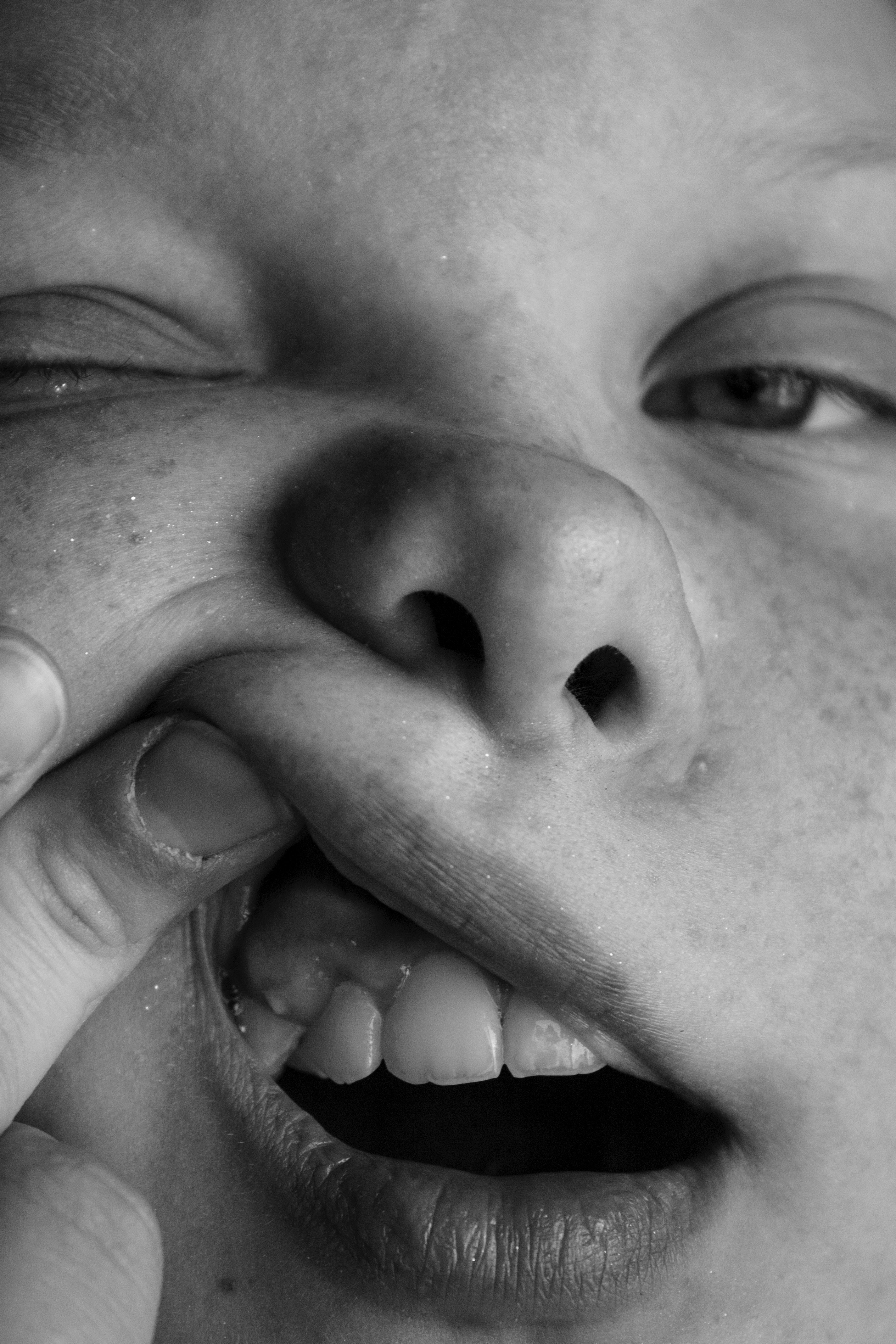
This Is How Far I Can Stick Out My Tongue
What Is Tongue Tie?
Tongue tie is also called ankyloglossia. During pregnancy as the baby develops, the connection between the under surface of the tongue and the bottom of the mouth is too tight or too short. When the baby is born this reduces the tongue’s range of motion.
How Do I Know What Tongue Tie Looks Like?
Even though every ones tongue’s look slightly different there are a couple of ways to tell if your child has tongue tie.
The most classic appearance is if there is a small strip of what looks like gum tissue extending from the tip of the tongue to the lower jaw’s front gum area and their tongue looks heart shaped. The heart shape is more evident especially when they move their tongue or try to stick out their tongue.
Another appearance is when the attachment is behind the tip further down on the tongue and also limits tongue movement.
A third type of appearance is when the attachment is thick or stiff and is located in the middle of the underside of the tongue extending to the bottom of the mouth.
The fourth type is when you may not see the attachment, but when touching under the tongue gently with fingertips, it feels tight and the bottom of the mouth may or may not be shiny.
How Can I Tell If My Child Has Tongue Tie?
Do you know a child who can’t lick an ice cream cone or stick out their tongue as far as their friends? This child has tongue tie.
Parents typically notice their baby may be tongue tied while breastfeeding, or trying to breast feed. Babies may have trouble latching on and rather than sucking they compress Mom’s breast causing pain, or they may need long feeding times.
Sometimes Mom and Dad may notice that their child can’t move their tongue from side to side, touch the top of their mouth with their tongue, or stick their tongue out past their front teeth.
Can Tongue Tie Affect Speech?
Tongue tie does not prevent or delay the onset on speech. It may interfere with the articulation and clarity of speech.
There are certain letters and sounds we use our tongues to help us pronounce. They are: D, F, L, R, S, Sp, T, Th, and Z.
These letters and sounds need a specific amount of tongue movement to be pronounced and to be heard clearly. Otherwise it may sound like the child is mumbling.
It’s also important to know that not every child who has a tongue tie has struggles with speech.
Spoiler Alert — Check back next week for our post on Treatments for Tongue Tie.
Do you know a child with tongue tie? Or maybe you know an adult who has tongue tie? What was done (or they wish was done) to help with the tongue tie? We’d really like to know! Send us an e-mail at kidstoothhotline@protonmail.me or Like Us on Facebook at www.facebook.com/kidstoothhotline
More tips? We have lots. We’re here just for kids!
Body piercing is a popular style of self expression. You may not be surprised to see someone with a face or mouth piercing, but it may be surprising how dangerous they can be.
While everyone likes to display their personal style, tongue, lip, or cheek piercings can cause dental problems and other health consequences.
How Bad Can Mouth Piercings Be?
These types of piercings can interfere with speaking, chewing or swallowing. They can also cause pain, swelling and infections. Some can also be allergic to the metal in the piercing.
Piercings on the face and lips can lead to facial scarring. Tongue piercings can lead to nerve damage and speech problems.
Anything Else To Know About Mouth Piercings?
These piercings can also injure the gums, crack teeth, scratch teeth, cause sensitive teeth, and they can also damage fillings. The mouth jewelry may even become trapped between the teeth. Also, having a piercing in the mouth can lead to excessive drooling.
Any Recommendations About Mouth Piercings?
If your child already has a piercing keep the piercing site clean and call your pediatrician immediately if your child shows any signs of infection.
Avoid clicking the jewelry against teeth and avoid stress on the piercing. Be gentle and aware of the jewelry’s movement when talking and chewing.
Check the tightness of their mouth jewelry daily (with clean hands) to help prevent swallowing or choking if the jewelry becomes dislodged.
When taking part in sports, remove the jewelry and protect their mouth with a mouthguard.
Regular check-ups are important, and remember to brush twice a day and floss every night.
The best option is to remove mouth jewelry before it causes a problem. Don’t pierce on a whim. And remember, the piercing will be an added responsibility to your child’s and your life needing constant attention.
Do you or your child have a face or mouth piercing? How do you take care of the piercing? What are your hacks? We’d really like to know! Send us an email at kidstoothhotline@protonmail.me Chat with us, Like Us on Facebook at facebook.com/kidstoothhotline
More tips? We have lots. We’re here just for kids!
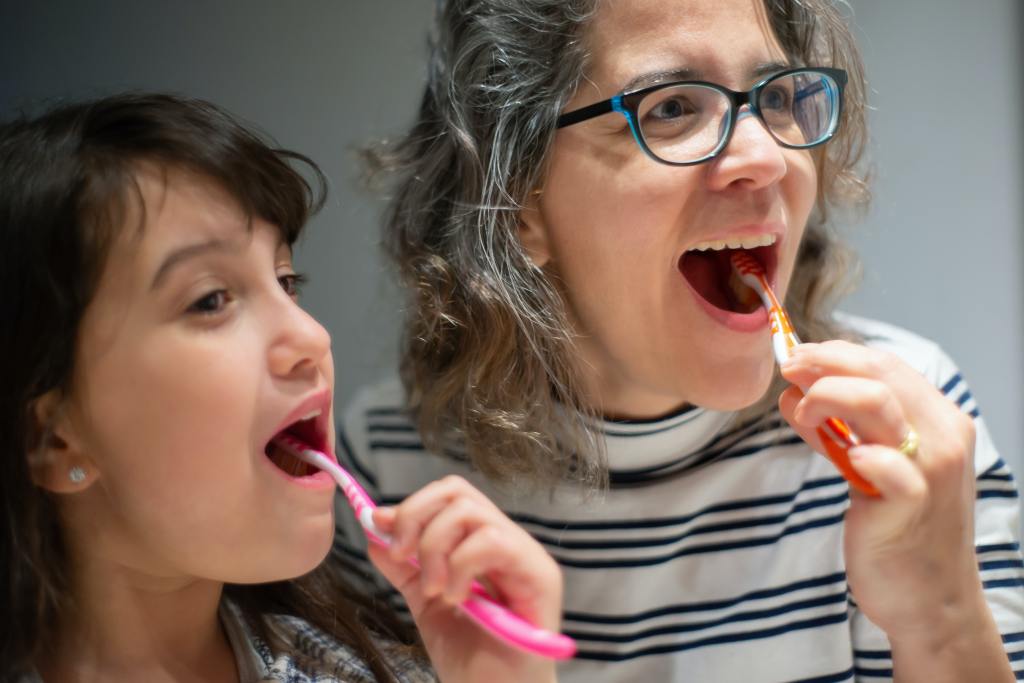
Like most parents you may have a tough time brushing your child’s teeth. There’s crying, screaming, struggling, chasing and all to brush teeth.
I’ve put together some tips and tricks that will empower you in your brushing dilemma.
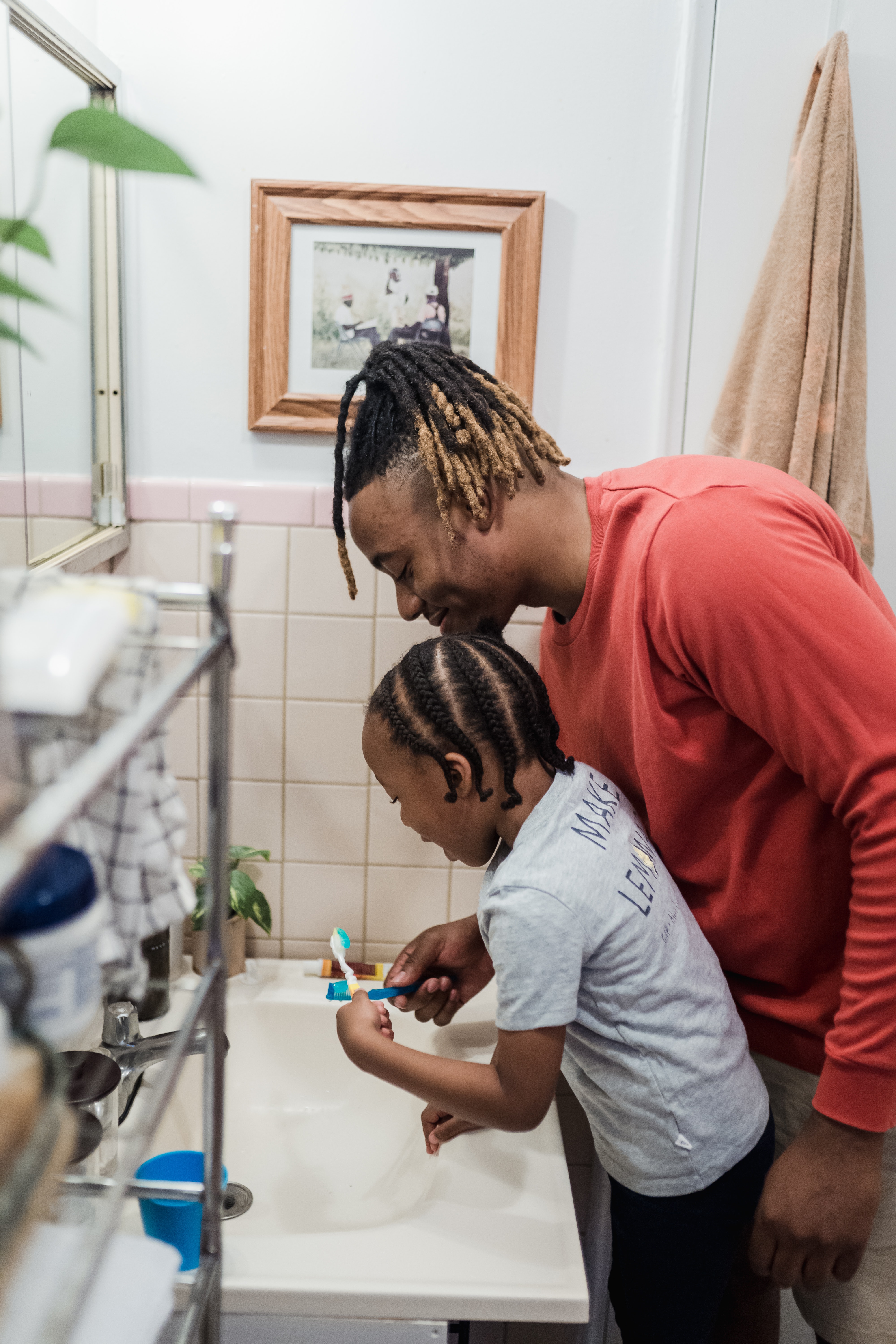
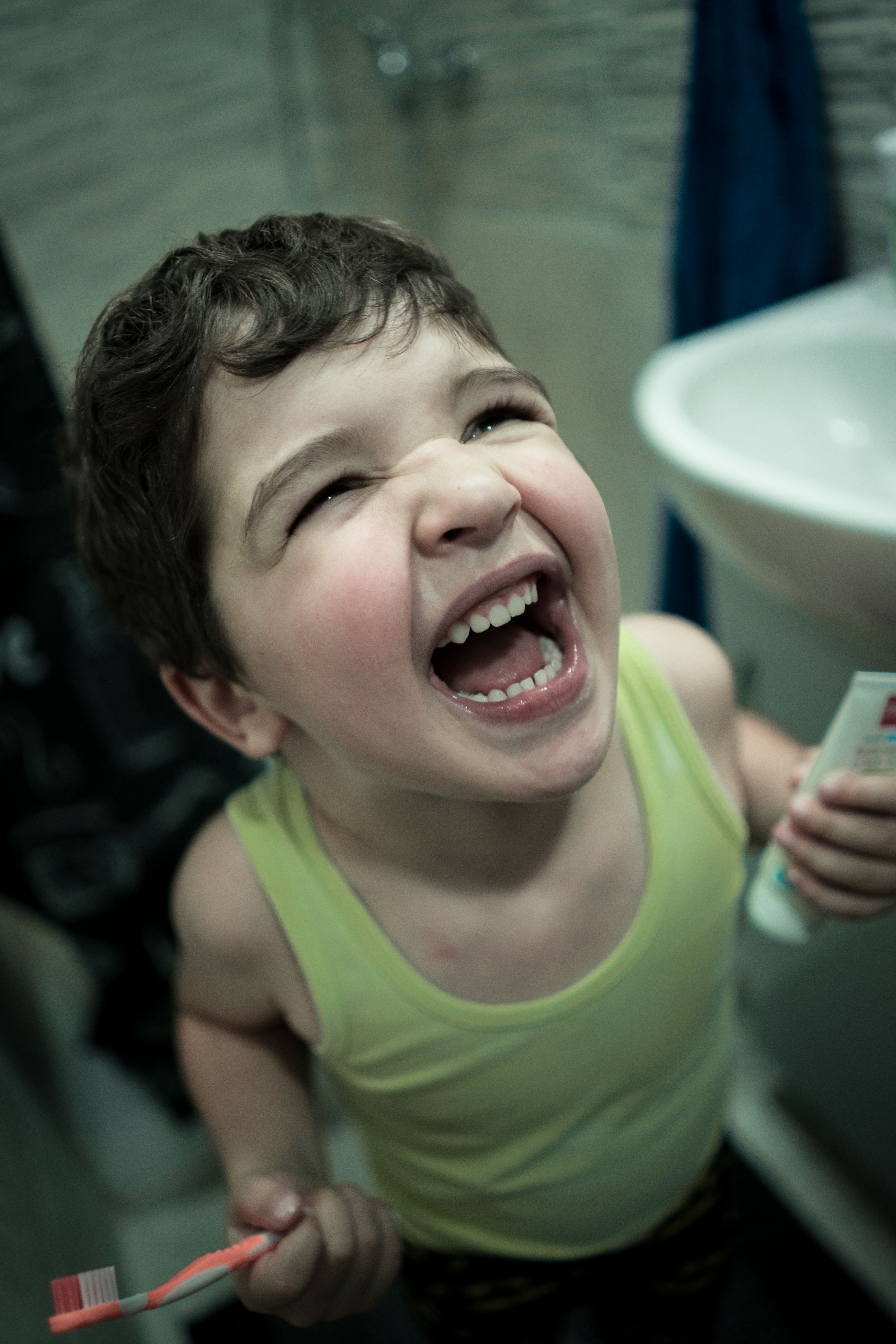
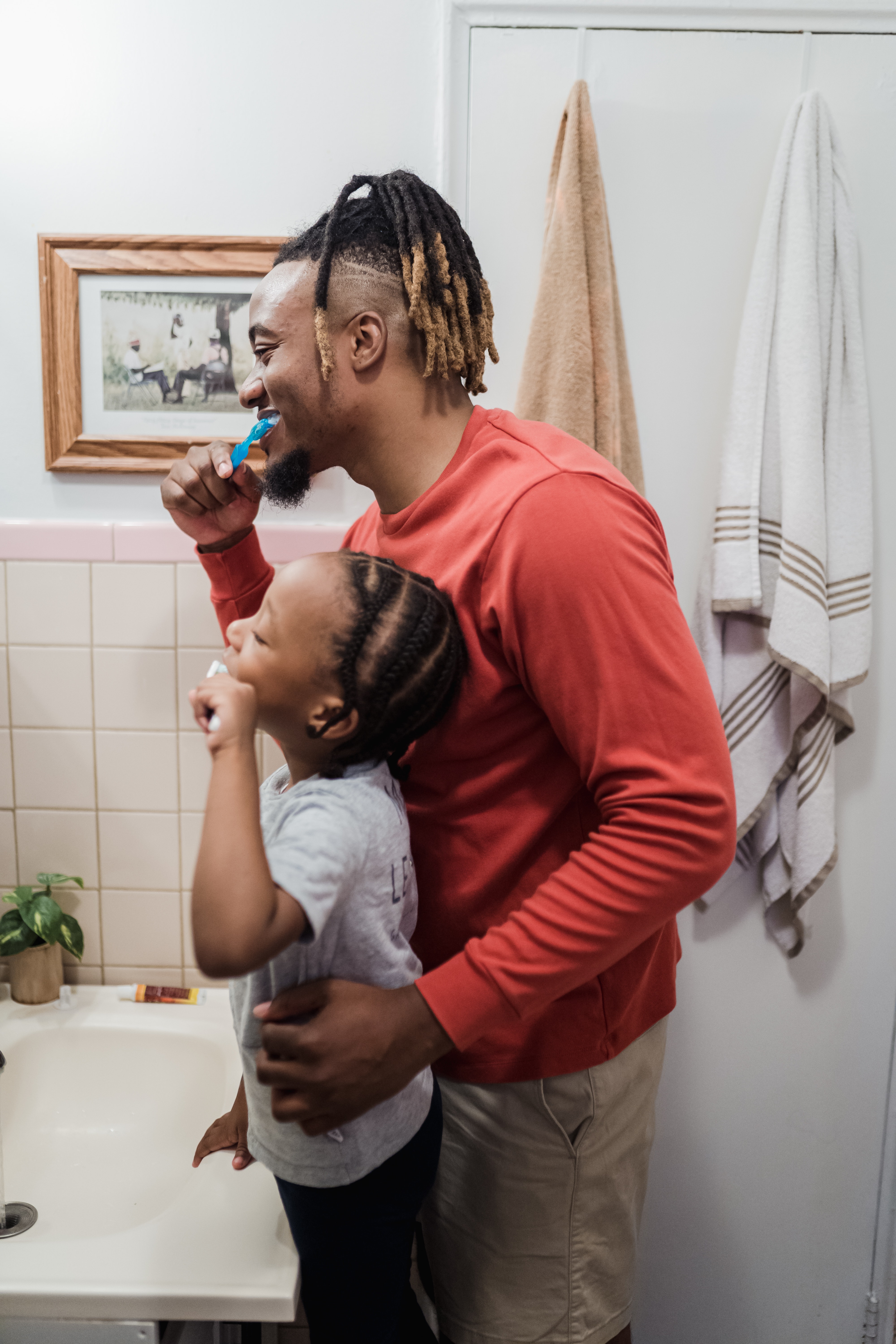
Laughing And Smiling Brushing Teeth with Daddy
Insider Tips To Make Brushing Easier
There isn’t only one way to for you to brush teeth. There are a few different positions you can use to more easily and comfortably clean your child’s teeth.
Lying On The Bed Try brushing your child’s teeth with your child lying down on your bed. If you’re right handed you sit on their right side, and if you’re left handed sit on their left side. You can use your arm to help cradle your child’s head while brushing.
Sitting On The Floor With you sitting on a chair have your child sit down on the floor in front of you and lean back against your legs. Have them tip their head up so you can see inside their mouth.
Lying On The Floor Have your child lie down on the floor. You can either sit beside them, or put a pillow on your lap and place your child’s head on the pillow. If you’re right handed you sit on their right side, and if you’re left handed sit on their left side. You can use your arm to help hold your child’s head while brushing.
Standing In The Bathroom With your child is standing in front of you, have them face the bathroom mirror with their head slightly tilted against your body. Place your hand gently over their hand so that you can help guide the toothbrush around their mouth. This helps your child learn how to brush so they can see how tooth brushing is done, and standing behind them may make it easier for you to brush their teeth.
The 4 Most Important Things To Remember
The 4 most important things to remember are —
always cradle your child’s head,
have good lighting so you can see inside their mouth as well as what you are doing,
be able to easily move their tooth brush around their mouth, and
always find the safest and most comfortable position for you and your child.
Tooth Brushing By Any Other Name
Does the mention of tooth brushing cause stress in your home? Instead of saying it’s time to brush teeth try calling brushing by another name. For your next brushing time simply say to your child “It’s Smile Check Time”.
Even if helping your child brush twice a day is challenging a little creativity can go a long way to getting them interested, no matter their age.
Here you are, you know your child has a cavity but you also know they won’t sit to have it taken care of. You’re thinking about taking your child to the pediatric dentist and face the music or tough it out, after all it’s only a baby tooth and it will fall out. At first toughing it out sounds like a good idea but then you look at their face then into their mouth and realize you have to go.
But what can they do?
There is a special medication that can be applied directly to teeth which can stop or at least slow down the growth of a cavity. This remedy is Silver Diamine Fluoride.
Please make my teeth stop hurting
What is Silver Diamine Fluoride?
Silver Diamine Fluoride (SDF) is an FDA and ADA (American Dental Association) approved clear topical liquid that is used to treat cavities. It is applied by a pediatric dentist to the cavity area of a tooth to control and help stop the progression of a cavity.
How Does SDF Work?
Silver Diamine Fluoride is composed of two main components, silver and fluoride. The silver part acts as an antimicrobial on the bacteria causing the cavity while the fluoride helps to strengthen and remineralize the tooth. The third accessory component is Diamine which makes the SDF into a liquid.
How Is SDF Applied To Teeth?
Your child’s teeth will be dried and any food or plaque will be removed. SDF is applied to the affected teeth with a small brush and allowed to dry on each tooth for one to two minutes. After this application it is recommended that your child does not eat or drink for at least an hour so the Silver Diamine Fluoride has time to penetrate into the tooth and the cavity.
After SDF is applied the cavity will turn black and stay black. It make take up to a week for the cavity areas to turn black. The black stains on teeth treated with SDF are permanent. The parts of the tooth without the cavity will not turn black.
When Is SDF Recommended?
While Silver Diamine Fluoride is not a substitute for the traditional way cavities are treated, it is another option for treating cavities. Young children, children with special health needs, any child who has a difficult time at the dentist or who may have a lot of cavities may benefit from this type of care.
My Tooth Hurts So Much My Head HurtsMy Tooth Hurts!
What Are The Benefits Of SDF?
Silver Diamine Fluoride has a number of benefits — Quick to apply, Painless, May stop cavity progression, Relieves tooth sensitivity, Helpful cavity treatment for children who are very young or any child who struggles with appointments and longer procedure times.
Are There Any Risks With SDF?
Some common risks are — All cavity areas will stain black while healthy tooth structure will not stain; If Sliver Diamine Fluoride touches skin or the gums, a harmless temporary brown or white stain may appear on that area, which will disappear on its own in one to three weeks; Some may notice a metallic taste but this is temporary; SDF may not stop cavities from progressing and other treatments may need to be discussed.
SDF Is Just Not For Some Children
SDF contains silver and children who are allergic to silver or who have mouth sores or ulcers in their mouth should not have it applied to their teeth. It should also not be used when the cavity is very deep and has compromised the tooth. Some parents may not want the cavity areas on their child’s teeth turning black.
Are There Any Alternatives To SDF?
Two possible alternatives may be — No treatment, which may lead to worsening symptom severity as well as increasing breakdown of teeth; Depending on the extent and location of the cavities other treatment options may be necessary which is an important conversation for you to have with your child’s pediatric dentist.
What’s important is that Silver Diamine Fluoride is a safe, effective alternative treatment that can help your child maintain a healthy smile.
You know what it’s like, the house is quiet, your teenager is finally sleeping, and then you hear that nightly nails on a chalk board sound coming from their bedroom. You’re thinking to yourself “Not again, what is going on?”
Teeth grinding is also called clenching or Bruxism, and is quite common especially for teenagers. So what’s a parent to do? The good news is that most teens will stop their teeth grinding habit on their own, so there’s no cause for worry.
But you’re thinking, “What do I do to stop this?”
Grinding My Teeth At Night Wakes Me Up So I Fall Asleep Studying
What Causes Grinding?
You may be worried that your teen is afraid of something, is anxious, stressed, can’t sleep, or is having a nightmare. For some tweens and teens it may be because they are deeply concentrating on something.
However, it can be that their adult teeth are still coming in or their wisdom teeth are pushing against other teeth. When this occurs they try to compensate for the pressure they’re feeling and make their teeth match up.
Sometimes teens grind their teeth because they are deep sleepers. So even if you wake them up, the grinding will continue as they fall back asleep.
This Is Me When I Wake-up After Grinding My Teeth At Night
Is Grinding A Concern?
Sometimes grinding may persist, and you’re noticing that their teeth don’t have the same shape they did before, or they may look flatter. You may notice chips or cracks on teeth, they may complain about having a lot of headaches, or ear pain, or tenderness around their jaw joint (aka temporomandibular joint or tmj) or their neck muscles.
Depending on the dental age your tween or teen is, your pediatric dentist may not recommend a mouth piece (aka mouth guard) as it can affect how their teeth come into their mouth.
If your child snores that can cause them to grind their teeth and this is something to let your pediatrician know.
Sometimes teeth grinding can be due to pain from an ear infection, this is also something to talk with your pediatrician about.
What Can Parents Do?
As children become tweens and teens they tend to get more stressed out about things, which can show up as grinding during sleep. When they grind their teeth during sleep they aren’t getting the healthy restful sleep they need. Knowing how to respond to our children’s stressors is what helps us to help them.
Alleviating anxiety and stress may mean trying some exercise, looking into finding a hobby, deep breathing exercises, or yoga.
During the day your tween and teen may need to remind themselves to relax, open their mouths and smile. This way their top and bottom teeth aren’t touching so they aren’t grinding. Giving up chewing gum (or at least decreasing its frequency) may also help.
Try starting a relaxing pre-bedtime routine. A warm bath or shower, relaxing music, deep breaths or a good book and putting the phone away may help your child fall asleep in a more calm and relaxed way.
If their jaw or neck muscles hurt, you can give them a warm wet compress to hold to the area that bothers them to relieve the tension in these muscles.
Grinding My Teeth While I’m Sleeping Doesn’t Make For Good Sleep
Is There A Cure For Grinding?
For tweens and teens it may be a change in routine to help decrease stress and learning to relax their muscles.
You and your teen can think about establishing a routine to set the stage for peaceful quiet time to encourage healthy sleep and help your child feel relaxed at bedtime.
What approaches have you tried for your tweens and teens teeth grinding? We’d love to know your ideas, what you’ve tried, what’s working for you, what hasn’t worked. Email us at kidstoothhotline@proton.me Like us or Message us on Facebook at www.facebook.com/kidstoothhotline
More tips? We have lots. We’re here just for kids!
Happy 2023 to You! We celebrated the end of another year last week and are looking forward to everything 2023 has to bring. Wishing you all a happy and healthy new year with plenty to smile about!!
Mom Tips For Starting Off 2023 On The Right Tooth
Brush And Floss By Example
Show your children that taking care of their teeth and gums is something you do twice a day everyday. Brushing after breakfast and before bed is important, so is flossing before bedtime brushing. Show them how you hold your toothbrush – tilt the bristles toward your gums and move your brush in little circles, making sure to touch every side of every tooth. This doesn’t have to be boring. You can have fun! What’s your favorite songs? You can brush to the music.
Using Fluoride Toothpaste From The Start Is Okay
The American Dental Association (ADA) and The American Academy Of Pediatric Dentistry (AAPD) recommend that parents use fluoride toothpaste as soon as your baby gets their first tooth. All you need is a little bit. A tiny rice grain size of toothpaste is all you need at first, then a peas-size amount once your child turns 3 years old.
Fluoride In The Water
Drinking water that has fluoride in it and using fluoride toothpaste is not too much fluoride. The amount that is put into each is not too little and not too much but the exact right amount because it is strictly enforced so everyone’s teeth benefit.
Water Is Good For Teeth, Soda And Juice Not So Much
The sugar and the fizzy make soda and juice taste so good, and so bad for teeth. What’s left in the mouth sits on teeth and makes their saliva more acidic. The more often teeth have a sugar bath the more likely cavities will form.
New Parents You Can Stop Cavities Before They Start
Wiping your child’s mouth (inside and out) after a feeding and before you put them to bed (or nap) can decrease the potential for a specific type of cavities on baby teeth. That’s right, all you have to do is clean their mouth with a wet washcloth starting before they get teeth and even after teeth start coming into their mouth. P.S. This also means never putting your child to sleep while they are still having their feeding.
Play It Safe
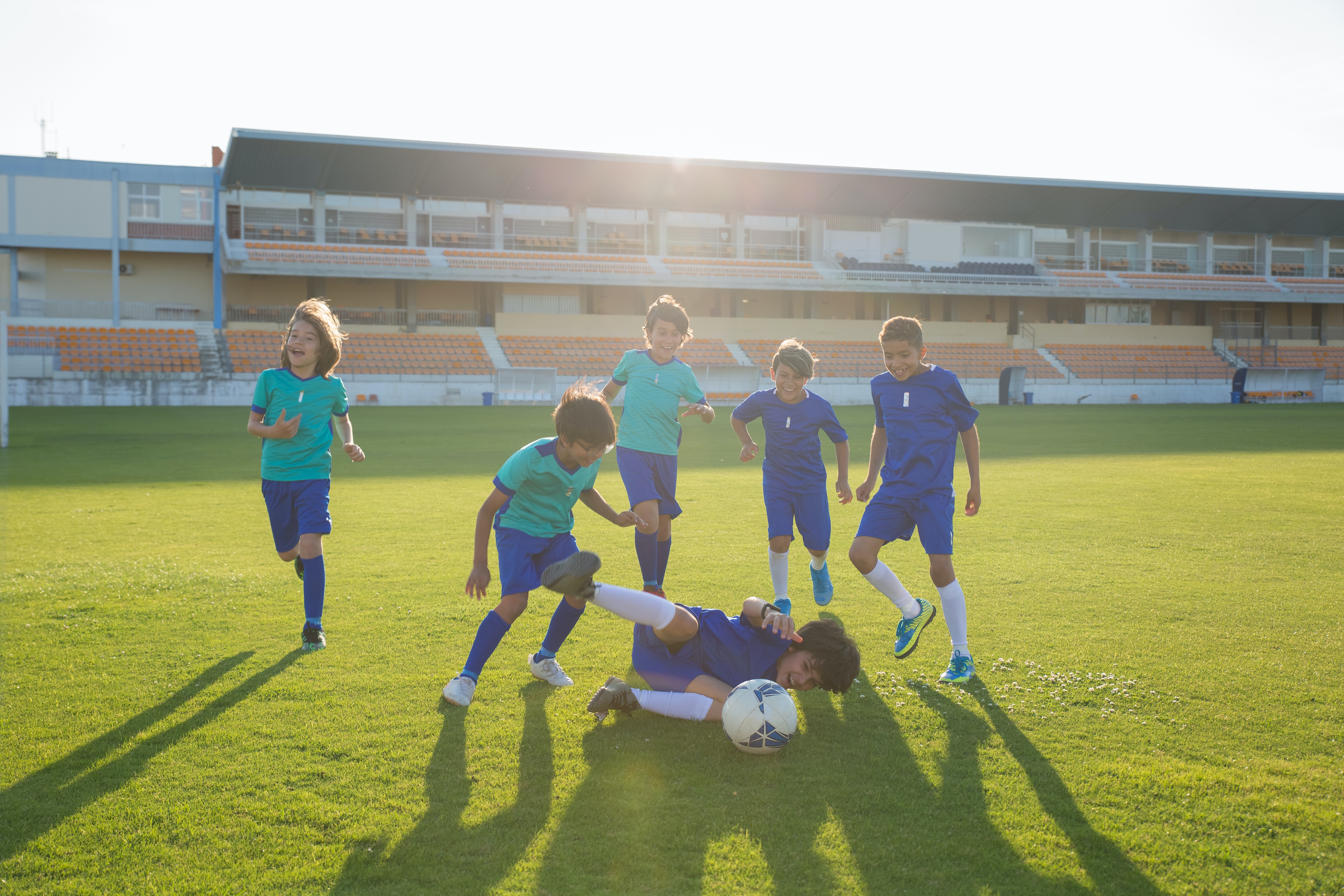
Accidents, falls, sports are common causes of tooth trauma for children. To reduce the risk of injuries, make sure your child is secure in their car seat, wears a helmet when riding a bicycle, and uses a mouthguard when playing contact sports.
Rewards And Praise
Just never candy.
These tips help make it easier for you to set your child up for a lifetime of healthy teeth and bright beautiful smiles!




















































 kidstoothhotline