Brushing My Teeth Like My Daddy So I’ll Be Big And Strong Like Him
In the Know for You to Know
World Oral Health Day is a global observance dedicated to raising awareness about the importance of oral health and promoting good oral hygiene practices.
This day emphasizes the connection between oral health and overall well-being, encouraging parents and people of all ages to take care of their children’s and their own teeth and gums.
So what is there to know about World Oral Health Day?
What Is World Oral Health Day?
This is an annual event that focuses on the significance of maintaining good oral health throughout life.
World Oral Health Day’s goal is to encourage and develop better oral care practices.
When Is World Oral Health Day?
World Oral Health Day is observed every year on March 20th.
March 20th was chosen to reflect the importance of the number 20 in oral health. Children should have 20 baby teeth, and seniors should aim to have at least 20 of their natural teeth.
History Of World Oral Health Day
World Oral Health Day was launched by the FDI World Dental Federation in 2007 to raise awareness about oral health and its impact on overall health.
For 2026 the motto “A Happy Mouth is…A Happy Life” inspires lasting, positive change by showing the vital role oral health plays in living a healthier, happier life; which begins in childhood.
Nice Clean Mouth And All Ready For BedMommy And Daddy Give Me Yummy Healthy Foods For My Teeth And To Grow
Why is World Oral Health Day Important?
Oral health is a crucial component of overall health.
Poor oral hygiene can lead to a range of issues, including tooth decay, gum disease, and even systemic conditions like heart disease and diabetes. Systemic disease in adulthood can be traced back to childhood habits.
Oral Health Across The Lifespan
A positive mouth-body connectionultimately shows how oral health supports well being throughout life.
Oral health matters at every age and stage of life. From a baby’s first tooth to a confident smile in older age, oral health is far more than just healthy teeth. It shapes how we eat, speak, learn, work, and connect with one another.
Oral health is essential to living life to the fullest. It is inseparable from overall health, influencing both body and mind.
At its core is prevention, simple daily habits and regular check ups that can make a lifelong difference.
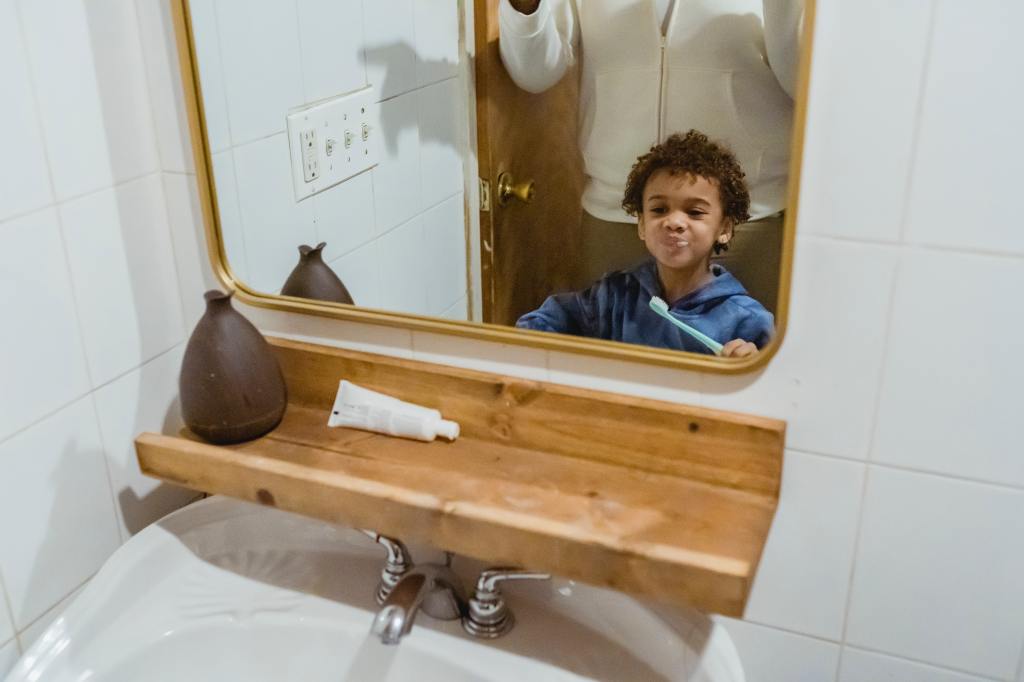
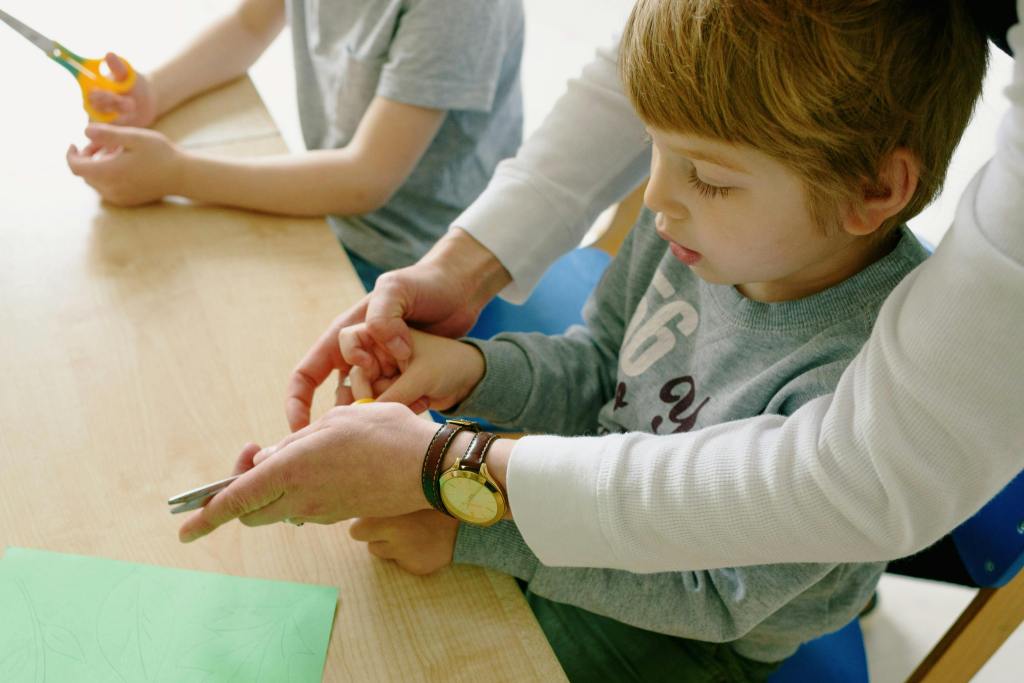
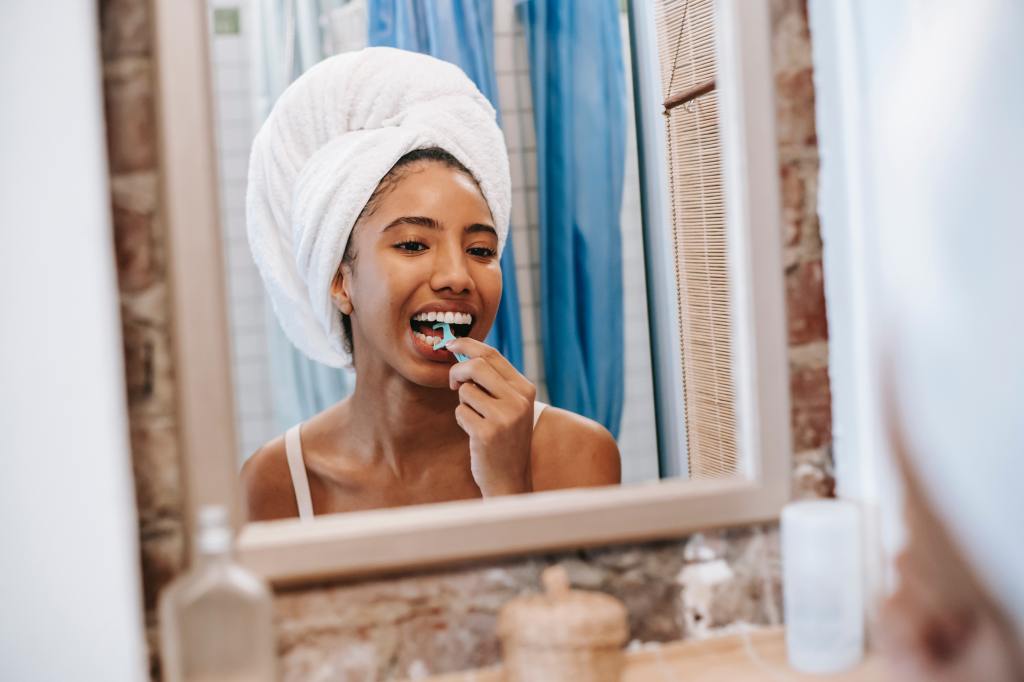
Love To Brush My TeethGood Teeth and Great GradesStill No Cavities At My Age, Healthy Mouth And Healthy MeLearning To Hold A Scisssor Is Like Learning To Hold A ToothbrushFlossing Is Part Of My Nightly Routine For Heathy Gums
Ways To Celebrate World Oral Health Day
Celebrating World Oral Health Day is celebrating every life, young and old. Because feeling your best starts with a healthy smile, every day and at every age.
How To Celebrate
Schedule a Dental Check-Up: Use this day as a reminder to schedule your children’s and your regular dental check ups. Early detection and prevention are key to maintaining good oral health.
Practice Good Oral Hygiene: Make sure everyone brushes their teeth at least twice a day and flosses overnight.
Educate Your Family and Friends: Encourage your extended family members and friends to follow a good oral hygiene routine as well.
Promote Oral Health In School: As a parent encourage your children’s school to talk about oral health and teach children about the importance of brushing, flossing, and regular dental visits.
Happy Heathy Mommy Happy Heathy BabyStrong Healthy Teeth, Strong Healthy MePlaying Is Like Brushing Teeth And Flossing, We Do It EverydayEven On Vacation We Still Brush Our Teeth 2X’s A DayMommy And Daddy Brush My Teeth And My Tongue
What To Remember
It’s important to prioritize your child’s and your oral health for a very good reason, a healthy mouth is the gateway to a healthy, happy life.
Reading Our Social Story About Keeping Our Teeth And Body Healthy Loving My Teen SmileMommy Fed You And Cleaned Your Mouth Now It’s Time For Bed
What are your thoughts? Do you think there is a connection between a healthy mouth and a healthy body? Do you believe oral health plays a vital role in living a healthier, happier life? Tell Us, We’d really like to know! Send us an email at kidstoothhotline@proton.me Like Us on Facebook
Healthy Teeth, Healthy Body, Happy Family
More tips? We have lots. We’re here just for kids!
Showing Off My Mouth Piercing, Now Have To Really Watch My Teeth
In the Know for You to Know
Back in the day it was all about getting your ears pierced. I remember being so excited when my parents finally said I was old enough to get my ears pierced and pick out my first set of earrings.
Fast forward to today. Now it’s about piercing the tongue, lips, cheeks, skin around the mouth and even the uvula (the little flap of skin hanging down in the back of the mouth).
You may not be surprised to see a teenager with a face or mouth piercing. But it may be surprising to know how dangerous they can be.
While everyone likes to display their personal style, oral piercings can cause dental problems along with other health risks and complications.
How Harmful Are Mouth Piercings?
Piercings can interfere with:
Speaking,
Chewing,
Swallowing.
They can also cause:
Pain,
Swelling,
Infections,
Choking.
In addition:
Some children may be allergic to the metal in the piercing,
Piercings on the face and lips can lead to facial scarring,
Tongue piercings can lead to broken teeth, nerve damage or speech problems.
How Do Mouth Piercings Hurt Teeth?
Piercings can hurt teeth in several ways:
Cut into the gums and cause the gums to recede away from the teeth,
Crack teeth,
Scratch teeth,
Cause sensitive teeth,
Damage fillings.
The mouth jewelry may become trapped between the teeth,
Having a piercing in the mouth can also lead to excessive drooling.
I’m Expressing My Real SelfMy New Lip Piercing
Recommendations For Parents
Everyday Care:
Keep the piercing site clean and call your pediatrician immediately if your child shows any signs of infection.
Avoid clicking the jewelry against teeth and avoid stress on the piercing.
Be gentle and aware of the jewelry’s movement when talking and chewing.
Check the tightness of their mouth jewelry daily (with clean hands) to help prevent swallowing or choking if the jewelry becomes dislodged.
See your pediatric dentist regularly, and remember to brush twice a day and floss daily.
When Taking Part In Sports:
Remove the jewelry,
Protect their mouth with a mouthguard.
Piercings Are So Not Us
What To Remember
The best advice about oral piercings is to avoid getting them altogether.
If your child already has a piercing prevention is best. Something doesn’t seem right? It’s best to remove their mouth jewelry before it causes more of a problem, and contact your pediatric dentist or pediatrician.
Don’t pierce on a whim. The piercing will be an added responsibility to your child’s and to your life, requiring constant attention.
If you’ve made the decision to have a piercing done, make sure an experienced professional does the piercing.
Just Say NO To Piercing
Does your child have a mouth or face piercing? What type do they have? How do they take care of their piercing? Tell Us, We’d really like to know! Send us an email at kidstoothhotline@proton.me Like Us on Facebook
More tips? We have lots. We’re here just for kids!
As a Mom and a Pediatric Dentist, February is one of the nicest times, when I have heart felt conversations about the importance of children’s oral health.
Talking with you as one parent to another, and giving you these nuggets of powerful information helps you realize how important it’s to start your children early for a lifetime of good oral health.
Truth be told, keeping your child’s teeth healthy isn’t only a 1 month job. It’s something parents and caregivers work on each and every day.
Today I’m shining the light on the importance of starting oral health care early in your child’s life.
Why It Matters
Early oral care and daily habits matter from the very start.
Tooth decay is the most common preventable chronic disease in children. When left untreated, it can cause infection, trouble eating or sleeping, missed school days, and long term health issues.
Schedule your child’s first pediatric dental appointment by their 1st birthday or within 6 months of their first tooth erupting into their mouth.
Daily routines and at home habits are important to start at a young age. Clean gums before teeth come in with a soft cloth. Transition to a soft toothbrush when their first tooth appears. Use a rice grain size of fluoridated toothpaste to help prevent cavities.
Your child’s diet impacts their teeth more than you realize. It’s important to avoid putting your child to bed with a bottle. If that’s the only way they’ll go to sleep only put water in their bottle.
What To Remember
Healthy teeth play a big role in your child’s health and well being. Three simple habits make all the difference:
First dental visit by their 1st birthday or within 6 months of their first tooth coming into their mouth.
No teeth, use a soft cloth to wipe their gums and transition to a soft toothbrush with fluoridated toothpaste when their first tooth comes into their mouth.
Diet impacts your child’s teeth more than you realize.
While February is a great reminder of how we need to focus on our children’s teeth, children’s oral health matters every month. By starting good oral healthcare habits at an early age you can help prevent problems as they grow.
How old was your child when they had their first dental appointment? How old was your child when you started to brush their teeth? Did they go to bed with a bottle? Tell Us, We’d really like to know! Send us an email at kidstoothhotline@proton.me Like Us on Facebook
More tips? We have lots. We’re here just for kids!
Can you believe it’s 2026? Here’s to a great year!
Like the saying goes, new year, new dreams, new hopes. This year you’re hoping for only good visits at the pediatric dentist’s office. Finger’s crossed no cavities. Or at least no new ones.
But when cavities are caught early, are they really cavities?
How can you tell if your child has early signs of tooth decay? What do you look for to tell if your child has a potential cavity?
Today we’re talking the tell tale signs of early tooth decay for you to spot.
Early Signs Of Tooth Decay
Recognizing the early signs of decay can help you take action.
What to look for:
White spots on the teeth – this is also called demineralization, and indicates the earliest sign of enamel damage
Brown or black spots near the gum line – indicates cavities are forming or have already formed
Bad breath
Sensitivity to sweets
Sensitivity to hot and/or cold foods and beverages
Pain or discomfort while chewing – can lead to a decreased appetite
Puffy, swollen or red gums
Why Early Decay Isn’t Only About Baby Teeth
Have you heard the myth about baby teeth? The one that goes, “They’re just baby teeth. They’ll fall out anyway.”
Well, this is what happens when early decay is undervalued and overlooked:
Pain and infections lead to missed school and poor nutrition
Premature tooth loss affects speech and adult tooth position
Self-confidence takes a hit and embarrassment takes over due to visible cavities and/or bad breath
Future dental visits may become a source of fear
We’re Reading Our Social Story So I Can Check My Daughter’s TeethI Look At Mommy’s Teeth, Then Mommy Looks At My Teeth
Parent’s Role In Early Detection Of Tooth Decay
Become the tooth detective of your home.
Be on the look out for:
Complaining about teeth hurting when eating or drinking cold foods, beverages, and ice cream
Avoiding chewing on one side or eating less
White or brown spots that don’t go away no matter how much you brush
Bad breath
Gums that bleed when brushed
When your child tells you they have a bad taste in their mouth
Let Me Tell You About My TeethMy Teeth, My Teeth
What To Remember
Tooth decay often starts silently.
As a parent, you’re always looking for anything unexpected when it comes to your child’s health, and that includes their teeth.
So if you’ve spotted something on your child’s pearly whites, you’ll be wondering what’s going on. Whether your child has baby teeth or newly erupted adult teeth, knowing what to look for can give you peace of mind.
When is the last time you looked in your child’s mouth? And looked at their teeth? How did they look? How did their breath smell? Tell Us, We’d really like to know! Send us an email at kidstoothhotline@proton.me Like Us on Facebook
More tips? We have lots. We’re here just for kids!
This week we’re continuing our discussion about the importance of tweens and teens maintaining good oral health habits.
As they strive for more independence their good habits may fall to the side; as they’re finding out being a teen can be awesome and tough at the same time.
If you’re at a loss as to how to talk with your tween or teen, we’ve put together some tips on how they can maintain excellent dental health.
Brushing Teeth
Brushing teeth is important for keeping teeth healthy and preventing tooth decay. Unfortunately teenagers don’t always brush their teeth, and there could be several reasons for this.
For example, your child might not understand the importance of brushing their teeth and gums, they might forget to do it, or they may not want to because none of their friends are brushing.
How To Tell If Your Teen Isn’t Brushing Their Teeth
There are a few ways for you to know if your tween or teen isn’t keeping up with tooth brushing ~
Their toothbrush doesn’t look like it’s been used.
The tube of toothpaste is lasting a very long time.
Their teeth don’t look clean.
They may have bad breath (aka halitosis).
They have red, swollen, bleeding gums.
Toothbrushing Basics
These are some basic steps in case your tween or teen needs some gentle reminding for brushing their teeth.
Use a pea-sized amount of fluoride toothpaste on their toothbrush.
Place the toothbrush at a 45° angle towards the gum-line. If you’re using a manual toothbrush, move the brush in gentle circles. If you’re using an electric toothbrush, move the brush gently across the teeth.
Start with the top teeth. Brush the outside surface of the top teeth and along the gum-line, one tooth at a time. Then brush the inside surface of the teeth and gums, one tooth at a time.
Move to the bottom teeth and repeat as in the step above.
Brush along the chewing surfaces of all the teeth.
Gently brush the tongue.
Toothbrush for 2 minutes. Remember to brush for 2 minutes every morning (after breakfast) and for 2 minutes every night (before bed).
Spit out the toothpaste after brushing is finished. There’s no need to rinse with water. Any leftover fluoride toothpaste helps to build strong, healthy teeth.
Now that their teeth are nice and clean it’s best not to have anything more to eat or drink. If they do then they have to brush all over again.
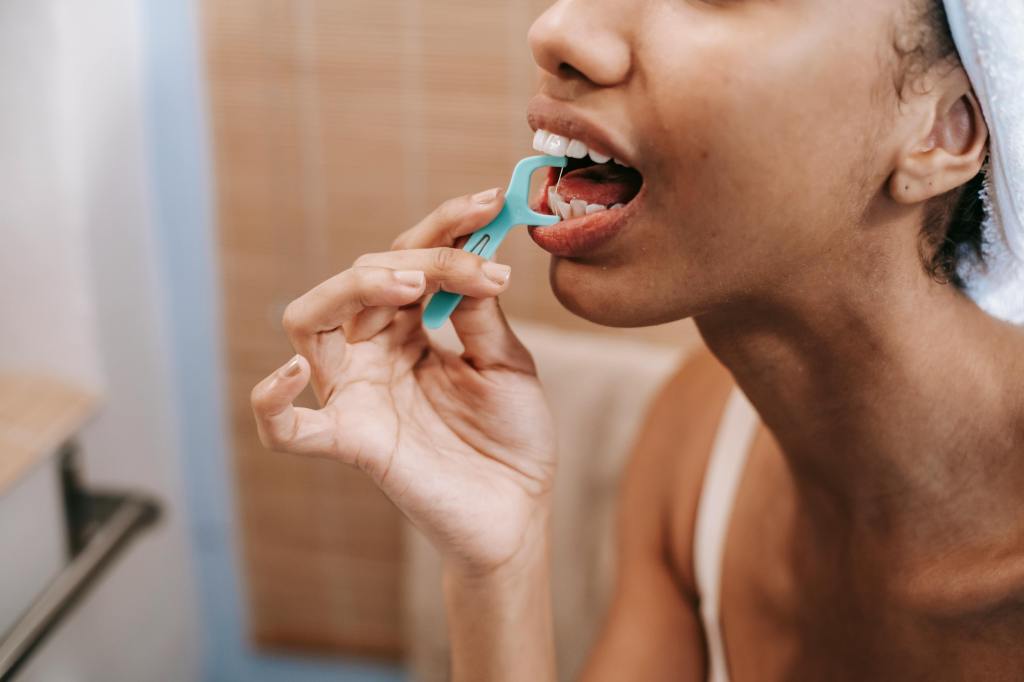
As well as brushing, your child should use dental floss to clean between their teeth every evening before brushing.
Does My Teen Really Need To Floss?
Yes. Brushing is important but it won’t remove the particles of food between their teeth and around their gum-line. You need to floss these spaces at least once a day.
With any floss, you should be careful to avoid hurting your gums. You and your teen can follow these basic steps ~
Carefully insert the floss between two teeth, using a back and forth motion. Gently bring the floss under the gum-line, but don’t force it under the gums.
Curve the floss around the side of your tooth in the shape of the letter “C” and slide it up and down the side of each tooth.
Repeat this process between all your teeth.
Choosing The Correct Toothbrush
When you and your teen are choosing a toothbrush, it’s important to look for a brush which has ~
Soft bristles- these aren’t rough and won’t damage your child’s gums or tooth enamel.
A long handle – this will help your child reach all their teeth.
A small head – this will make it easy for your child to move the toothbrush one tooth at a time around their mouth.
Electric Or Manual Toothbrush?
Electric and manual toothbrushes are equally good, as long as you use them properly to clean all the surfaces of all your child’s teeth. Electric toothbrushes can be useful if you feel your child needs more control in positioning the brush.
What To Remember
Dental decay is one of the most common chronic diseases in young people. This makes it imperative for your child to continue to follow good oral health habits during their teen years.
Do you prefer a manual toothbrush or electric brush for your teenager? How’s their toothbrushing going? How many times a week does your teen floss? What works best for you when it comes to their toothbrushing routine? Tell us, We’d really like to know! Send us an email at kidstoothhotline@proton.me Like Us on Facebook
Showing Off My Beautiful SmileSmiling My Best SmileWe Brushed My Teeth So Now I Can Show Them OffKeeping My Teeth Healthy By FlossingLoving My College Smile
More tips? We have lots. We’re here just for kids!
Like most childhood milestones teeth are variable. The age when a baby gets their teeth differs from child to child.
There are some infants who are born with teeth. Then there are 1 year olds who have yet to get any teeth.
When you’re out and about you’re noticing other children your baby’s or toddler’s or pre-schooler’s age who already have teeth or are getting teeth.
You’re wondering why at 1 year old your child doesn’t have any teeth yet?
Today we’re talking about possible causes of delayed baby teeth, also known as delayed tooth eruption.
When Do Babies Start To Get Their Teeth?
There is no one set “normal” expected age for when teeth start to come into a baby’s mouth. It is a really wide range of time. Some babies may be born with teeth and some may not get a tooth until they’re 1 year old.
However, most babies get their first tooth when they are between 4 and 9 months old.
At What Age Is A Baby Considered To Have Delayed Tooth Eruption?
If a child does not have any teeth by the time they are 12-18 months old, it is time for them to see a pediatric dentist.
It is important to examine their mouth and try to determine the reason teeth have not come in yet, and what to do next.
I’m 1 So Where Are My Teeth?I’m 2 Where Are My Teeth?So My Love Where Are Those Teeth Of Yours?Why Does My Brother Have Teeth And I Don’t?I Have Teeth But My Brother Doesn’t
What Causes Delayed Tooth Eruption?
For some children who haven’t gotten their baby teeth yet, it can come down any one of a number of factors ~
Genetics
Failure To Thrive or Under Nutrition
Fibrosis (thick gums)
Systemic Diseases
Premature Birth or Low Birth Weight
Genetics
Genes for teeth are passed down just like hair color, eye color, and height.
If your child doesn’t have teeth yet, ask other family members how old they were or their children were when they started getting their teeth.
There are also some genetic conditions, such as Down’s Syndrome, which cause delays in tooth eruption.
Systemic Disease
There are some developmental delays, diseases, and syndromes which are associated with delayed tooth eruption.
Some include ~
Apert Syndrome
Hypopituitarism
Vitamin D Resistant Rickets
Chemotherapy and Radiation Therapy
Premature Birth, Low Birth Weight, Failure To Thrive
Baby teeth begin forming during your pregnancy and are almost fully formed in time for a full term birth, and ready to start coming into their mouth in the next 4 to 9 months.
Tooth development slows down and delays tooth eruption for baby’s born premature, were low birth weight, and/or failure to thrive.
Under Nutrition, Malnutrition, Vitamin Deficiencies
Poor nutrition with inadequate intake of vitamin A, vitamin B12, vitamin C, vitamin D, vitamin E, calcium, iron, phosphorus, magnesium and zinc, adversely affect tooth development and eruption.
Still No TeethNope, No Teeth YetWe’re Still Waiting For Those Teeth Hope They’re ComingWhere Are My Teeth?I Have 10 Fingers And 10 Toes But No Teeth
Is Delayed Tooth Eruption Serious?
For most children baby teeth coming in late isn’t a concern. For some other children there can be unknown issues.
It’s always best to talk with your pediatrician and pediatric dentist about why no teeth have come through your child’s gums.
What To Remember
Children’s teeth are just like they are, lots of variety.
While there is a general time line for baby teeth to come in, there is a lot of variability in the process.
For most baby teeth coming in late shouldn’t be a concern. However, for some children there could be underlying issues.
If your child’s baby teeth aren’t coming in as you’d expect and they are 12 months old there could be several reasons. Knowing these possible causes can help you take the appropriate steps.
Why Does My Brother Have Teeth And I Don’t?No Teeth Yet
Did your child get their teeth “on time” or were they late? How old were they when they finally got their teeth? Is your family a late tooth bloomer? Tell us, We’d really like to know! Email us at kidstoothhotline@proton.me Like Us and Chat with us on Facebook
When Will Our Children Get Their Teeth?I’m Calling The Toothfairy To Find Out Where My Teeth Are
More tips? We have lots. We’re here just for kids!
My Elastic’s Color Pops With My Clean Teeth And Braces
Your child has their braces on and you’re settling into your new normal. Now you’re facing the dreaded “I don’t want to brush.”
You’ve heard about cavities after braces and want to avoid this for your child. So brushing and flossing is more important than ever.
Now you’re thinking about how to explain and show them what to do; especially if you didn’t have braces.
Today we’re breaking down the basics on tooth brushing and flossing when your child has braces.
Can You Clean Teeth With Braces On?
Yes and your child should, especially with braces.
Having braces on makes it feel like it’s more difficult to keep your child’s teeth clean. It can be difficult to go around the archwires and brackets, but remember how extremely important it is to keep your child’s mouth as clean as possible.
Clean Teeth And Braces For Our Happiest SmilesClean Teeth And Clean Braces Is A Great FeelingI Just Finished Brushing And Flossing
Why It’s Important To Take Care Of Teeth With Braces
While it feels like it’s more difficult to keep your child’s teeth clean, there are 2 influencers that play a role ~
The Plaque Aspect
Plaque and tarter are sneaky and attach themselves to the teeth, as well onto, around and under the brackets, wires, and bands. When plaque and food get trapped and sit around teeth and braces, there is a high likely-hood of bad breath, their gums becoming inflamed, cavities developing, or teeth discoloring.
The Time Aspect
The time factor is made up of 2 components ~
How long your child will be in braces,
How much time it takes to floss and brush with braces on. This takes more time and effort to properly and fully clean around each bracket, band and wire, however it doesn’t take as long as you think it will.
Taking Care Of Teeth At Home When Your Child Has Braces
Here are some basic things you can do at home to help keep your child’s teeth and braces clean ~
BRUSH, BRUSH, And BRUSH SOME MORE – It’s essential to keep up with your regular 2Minutes 2X’s A Day brushing routine. What boosts your game is adding brushing after each meal and snack.
HOW YOU BRUSH AND WHAT YOU USE MATTERS – Hold their toothbrush at a 45-degree angle to remove plaque and food from around the teeth and braces. Hand held soft bristle tooth brushes are a good choice. Electric toothbrushes vary in styles and features. If you’re looking into an electric toothbrush decide of what you’re comfortable using. Curved, circular or interdental brushes can make it easier to access the areas around their braces and help you get a good cleaning. It’s best to use non-metal containing brushes to avoid scratching the teeth and braces.
REMEMBER TO FLOSS – Flossing is as necessary as brushing. Flossing is tricky but important when your child has braces. You can start with a piece of floss 18″-20” long (yes that long). Slide one end of the floss under their archwire so you have equal amounts above and below the wire. Floss gently around the bracket and in-between their teeth. Gently slide the floss out from under the wire. Clean the floss with a wash cloth and then floss the next tooth. Remember to floss behind the most back teeth.
CLEAN THEIR TONGUE – Food and plaque get trapped in the crevices on the tongue. Have them stick their tongue out (a comfortable amount) and gently brush their tongue in a back to front motion with a soft bristle tooth-brush (no toothpaste needed) or with a tongue scrapper.
RINSE – If there’s no time to brush after lunch or snacks then have them swish and rinse their mouth with water. This way the food residue will be dislodged.
My Dentist Can’t Believe How Clean My Teeth And Braces AreSmiling Is Fun With My Clean Teeth and BracesSo Happy With My Healthy Teeth And Clean BracesMy Smile Says It All
What To Remember
Taking care of your child’s teeth and gums is always important, and crucial during the time they have braces. A consistent daily oral hygiene routine including brushing, flossing, cleaning their tongue and rinsing helps to protect their teeth from potential dental issues and insure their healthy smile.
Rocking My Healthy SmileNot Worrying About How My Teeth Look In Pictures Is The BestSummer Sweets With Clean Teeth
How is your child’s oral hygiene routine going? Or isn’t it going? What do you think would make this easier? Tell Us, We’d really like to know! Send us an email at kidstoothotline@proton.me Chat with Us and Like Us on Facebook
More tips? We have lots. We’re here just for kids!
You know how it is, the day is going great, everyone is happy and everything is going along smoothly.
Then you hear “Mom, my braces are poking me!!”
Now you’re thinking how did this happen and what can I do to fix it?
Today we’re breaking down the basics on how you can handle the pesky pokey braces wire to help give your child some relief.
Braces 101
Archwires, brackets and elastics are the 3 main components of braces.
Brackets are attached to teeth with a tooth colored material which is similar to (but not the same as) a tooth colored filling. Brackets have openings (aka slots) into which the wire fits. The elastics go around the bracket and hold the wire in place.
Why Are The Wires Called Archwires?
The wires are called archwires because your child top teeth make up their top jaw or upper arch, and their lower teeth comprise their bottom jaw or lower arch.
When the wire is placed into the orthodontic brackets on their top jaw this is their upper archwire, and when the wire is placed on their bottom jaw it is their lower archwire.
What Do Archwires Do?
The archwire is the metal wire which connects all the brackets on the teeth together and curves around the teeth from front to back. The wire corrects teeth alignment and other irregularities to reposition and make your child’s teeth straight.
My Child’s Archwire Is Poking Their Cheek, What Should I Do?
You can use a Q-tip to push the wire so that it is flat against the tooth.
If you can’t position the wire so that it’s comfortable position, place a piece of the wax your orthodontist gave you over the wire where it’s poking your child’s cheek.
Then call your orthodontist to let them know and see your child.
What Is Wax For Braces?
Dental wax is usually made from one or a combination of several waxes, mostly beeswax, carnauba wax, and/or paraffin wax.
Dental wax can also be found under a few different names, including tooth wax, braces wax, and orthodontic wax.
The wax can be applied to create a smooth protective barrier between your child’s mouth and the area of the wire that is causing discomfort.
Similarly, dental wax can be an excellent at-home remedy for relief and protection when a wire has come out of a place. Applying a small piece of dental wax can act as a protective barrier until your orthodontist can correct the issue.
How To Use Wax For Braces
First have your child brush their teeth (or you brush their teeth) to make sure the wire itself is clean, especially the part where you’ll be placing the wax.
After brushing, with clean hands gently pull their cheek away from the area where the pokey wire is. They can wiggle their lower jaw to the side where you’ll be placing the wax to allow you to see better.
Take off a new, unused piece of wax about the size of a small green pea and roll it into a ball. Place the wax where the wire is poking out or causing irritation.
The wax should reduce pain or irritation caused by the wire. Make sure to remove the wax when eating or brushing teeth and then reapply new, unused wax as needed or until you see your orthodontist.
Why Do Archwires Become Loose?
Sometimes a wire can break depending on the food your child eats, as their teeth are moved, if they get hit in the mouth while playing sports (and not wearing a mouth guard), or the wires might be too long in the back of their mouth.
Your child may feel a pokey archwire coming in contact with their gums or cheeks. If this happens. the wires can cause small mouth sores or cuts on the gums and cheek, so it’s important to take action right away.
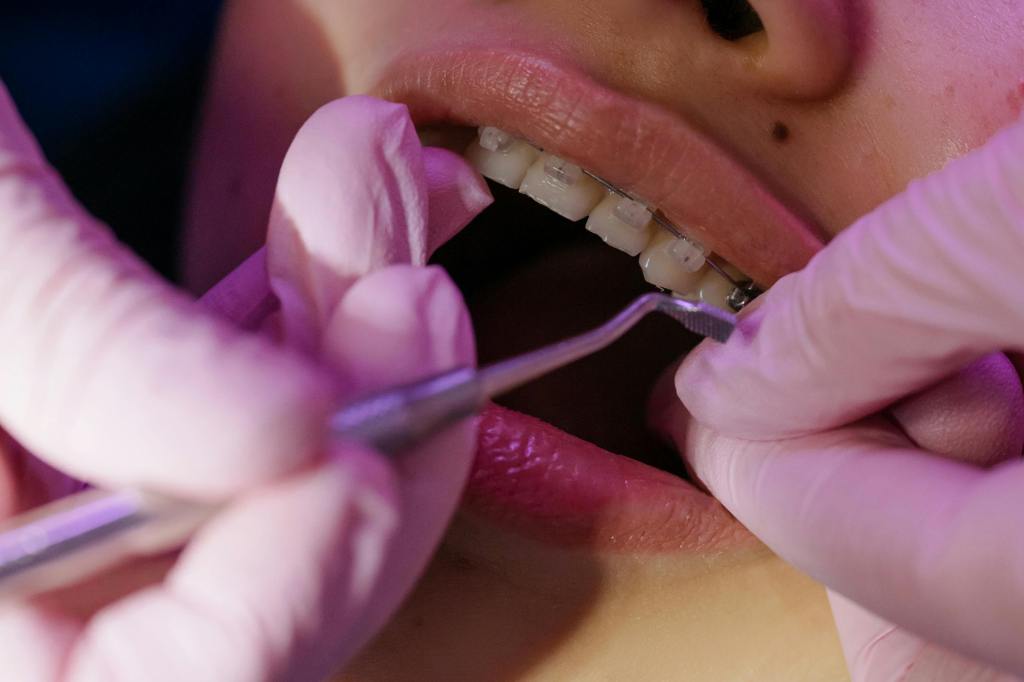
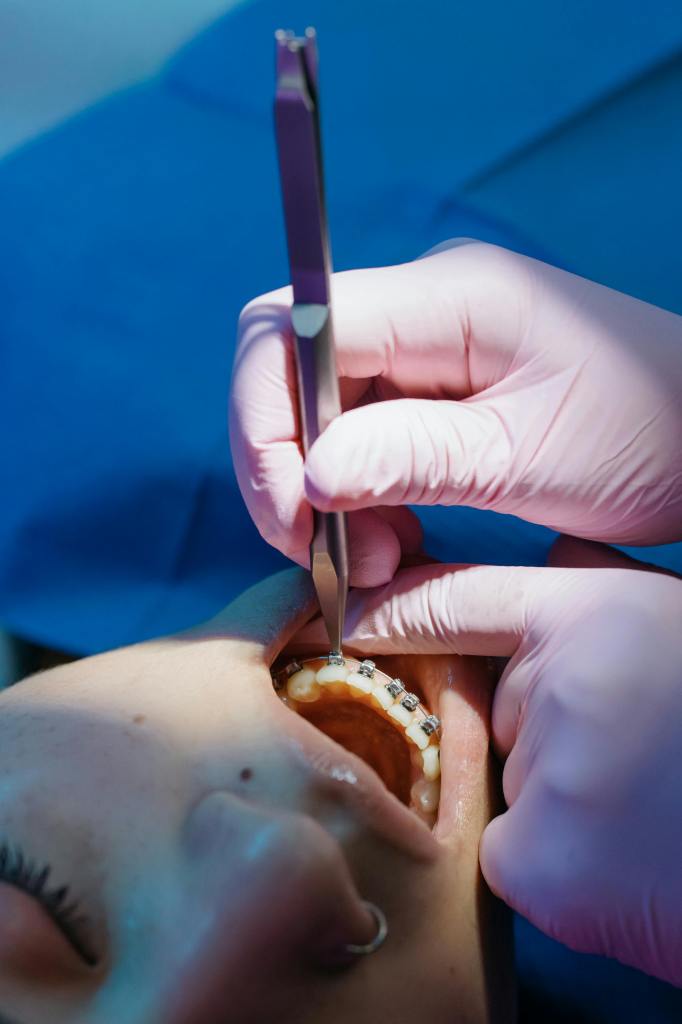
My Orthodontist Is Removing The Wax From My Broken Brace’s WireMy Broken Wire Is Really Bothering My CheekHaving My Broken Brace’s Wire ReplacedBroken Wire Off, New Wire Going On
Foods To Avoid With Braces
During the time your child is in braces it is important to use caution when eating certain foods and snacks which put their braces at risk.
So what are these foods that can pop off or dislodge an archwire?
Anything that is hard, or sticky, or gooey, or chewy,
Chewing gum,
Nuts and seeds
Popcorn
Want to eat a bagel or an apple? Instead of biting in, cut the food into bitesize pieces and eat on their back teeth.
What To Remember
It is expected during the course of your child’s braces the wires will pull out and cause poking.
These are 3 steps to help you to help your child stay comfortable ~
Stay calm and check things out – look in their mouth to see what’s happening. If you can, with a clean finger try to move the wire away from their cheek back towards the teeth.
Always keep the small container of orthodontic wax handy. Take a small green pea size amount of wax and roll it with your fingers into a ball and place it over the end of the poky wire,.
Never hesitate to call your orthodontist, no matter how many times this may happen.
Remember to remove the wax before eating and brushing, and don’t reuse the wax. Once you remove it you’ll need a new piece of wax.
What’s been your experience with poking wires? Does wax do the trick for comfort until your child’s next orthodontic appointment? How often do poky wires occur? Tell Us, We’d really like to know! Send us an email at kidstoothhotline@proton.me Chat with us and Like Us on Facebook
I May Be Smiling But The Wire Poking My Cheek Really Hurts
More tips? We have lots. We’re here just for kids!
As parents we love that cute adorable stage when our child’s teeth are white picket fence perfect.
Then they start losing their baby teeth and their adult teeth start coming in and they don’t look as perfectly positioned.
When you talk with some other parents they’re saying the same thing but some are making appointments to have their child examined by an orthodontist.
You know your child’s dental check-up is coming up and you think to yourself that you’ll bring it up then.
Today we’re breaking down the basics on when a child should be evaluated for possible braces.
Braces Evaluation For Children, Helping Develop A Healthy Smile
For children (and adults) oral health is a window into their overall health.
Potential orthodontic treatment can be an important part of your child’s oral health care. Teeth that are correctly positioned make for confident smiles as well as eating and chewing properly.
Starting Early
The American Association of Orthodontists (AAO) recommends children have their first orthodontic evaluation around the age of 7, or when a potential problem is recognized.
It’s important to remember there is a big difference between an orthodontic consultation and actually beginning orthodontic treatment.
So Why Age 7?
This is because around the age of 7 years old, children have a combination of baby teeth and permanent teeth.
An examination with an orthodontist at this age provides a lot of information. If a problem exists, or if one is developing, then the orthodontist can advise you on what treatment is recommended, when it should begin, and estimate how long it will last.
However, if you notice something, it’s not necessary to wait until your child turns 7 years old.
Should Your Child Be Evaluated For Braces? Signs To Check For
The first step is to look inside your child’s mouth.
A few things to look out for ~
Crooked teeth,
Too many teeth in a too small mouth,
Difficulty flossing and brushing,
Frequently biting the inside of their cheek,
Jaw discomfort or a clicking sound when chewing or jaw pain upon waking,
Losing baby teeth early or late,
Adult teeth coming in early with no room or coming in late,
Problems with chewing food,
An underbite, An overbite, A deep bite,
Mouth breathing,
Thumb or finger sucking,
Missing teeth or extra teeth.
3 Reasons Why This Matters
Losing Baby teeth either too early or too late can cause problems for the permanent teeth to come into your child’s mouth.
How teeth come together is important for the life of the tooth. In what is considered “a good bite” the outside surface of the upper teeth prevent the cheeks from getting caught between the chewing surfaces with the bottom and top back teeth. If the teeth aren’t matched up, this can cause constant cheek biting and prevent a child from wanting to eat.
Bite problems can over time also lead to jaw problems such as pain, clicking, popping, or locking.
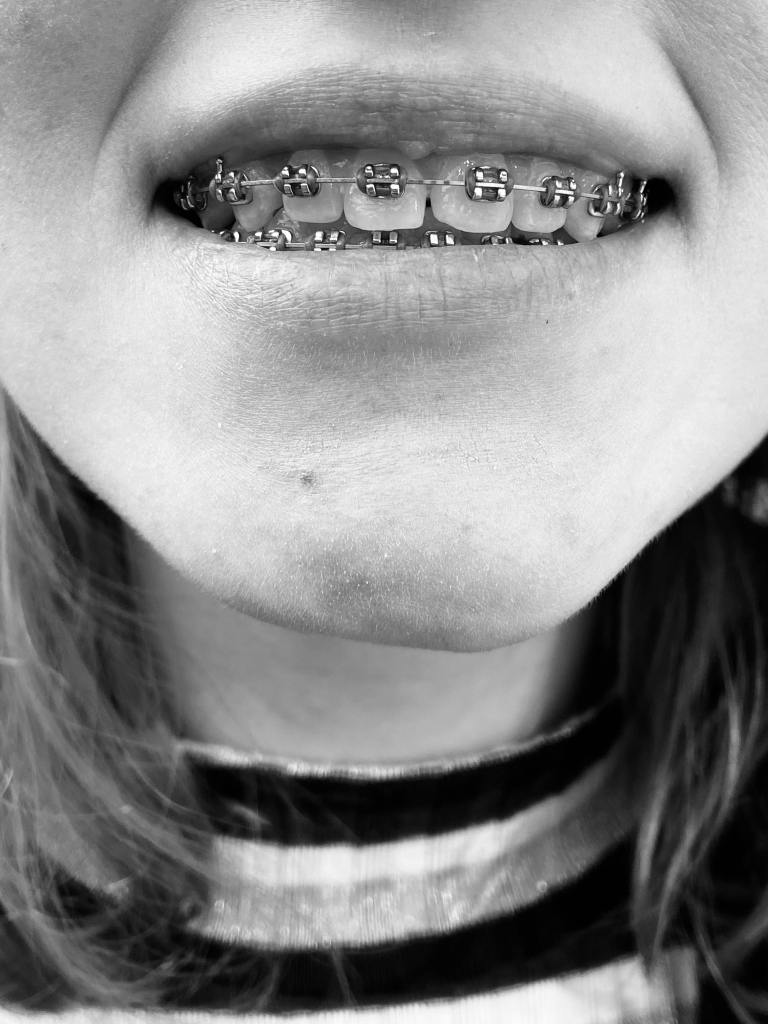
My Mom And Dad Are Talking About Braces For MeI Got My Braces Last ChristmasStill Getting Used To My Braces But I Like How My Teeth Are LookingI’m So Happy When I Look At My TeethChecking Out My Braces
What Is The Purpose Of Evaluating My Child’s Bite When They’re So Young?
Parents want their child to have healthy teeth and a good bite. To have this means that they need to have 2 things, good tooth alignment and good jaw position.
4 Benefits Of Early Braces Evaluation
Starting at an earlier age can help avoid more complicated and lengthy treatments when a child is older.
Most children will have a mix of baby teeth and permanent teeth, so the way their permanent teeth come in can be evaluated and potential issues can be addressed such as a cross-bite, crowding, or impacted teeth.
Proactive steps can be an advantage for younger children to correct issues as their jaws grow utilizing interceptive treatments such as palatal expanders.
A beautiful smile can boost a child’s self-esteem and confidence.
What Will I Learn From A Consultation With An Orthodontist?
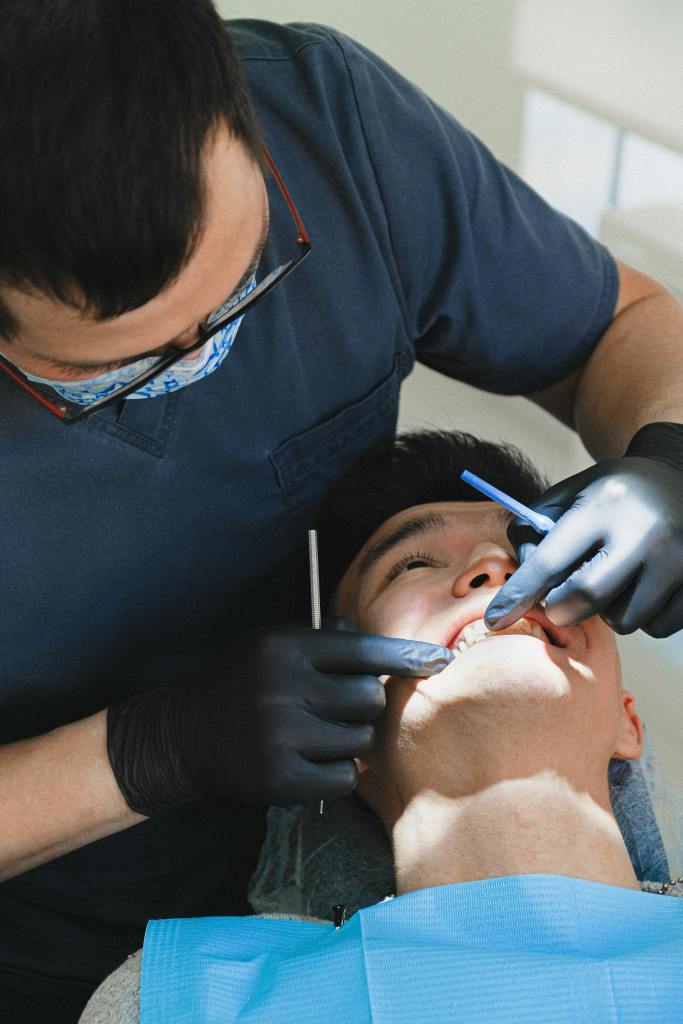
The orthodontist will examine your child and discuss with you when it will be best for your child to begin treatment as well as the type of treatment they are recommending.
Each child has their own specific individual treatment needs. For some children starting early when they still have baby teeth may be best for them. Other children may benefit from some extra growing time and waiting until they’ve lost their baby teeth. Some children may wait until they have all their adult teeth to begin braces.
Depending on your child’s needs, they may be evaluated every 6 months or 1 year to watch their growth and development progress to take advantage of their natural growth.
Why Would An Orthodontist Recommend Early Treatment?
Early treatment is a proactive and valuable way to address some issues so they don’t become more involved long term problems.
4 Reasons An Orthodontist May Recommend Early Treatment
Create room in a child’s mouth to decrease crowding for adult teeth,
Help with facial growth,
Preserve space when baby teeth are lost early and adult teeth aren’t ready to come in
Decrease trauma risk for protruding top front teeth.
What To Remember
There is a big difference between an orthodontic consultation and actually beginning braces.
An evaluation when your child has a combination of baby teeth and adult teeth doesn’t always mean that they’re getting braces right away. If and/or when treatment is needed, it can begin at the appropriate time for your child.
Cool Braces To Match My Cool ShadesLove To Show Off My Brace’s SmileWearing My Braces To PromLoving The Color Of My New Brace’s Elastics
Do you feel like braces runs in your family? Have you thought to yourself that since you had braces your child will also? Did you want braces as a child but didn’t have them and you want to make sure that your child doesn’t feel the way? Have you thought about getting braces as an adult? Do you have braces now? Tell Us, We’d really like to know! Send us an email at kidstoothhotline@proton.me Chat with us and Like Us on Facebook
Daddy Says To Smile Pretty Since The Spots On My Front Teeth Are Better Than The One’s On My Back Teeth
You feel like you’re in a good place keeping up with your child’s twice a day tooth brushing routine. Flossing and brushing is going really well so you know what’s going on with their teeth and gums.
Then you notice there are some spots on their teeth which you didn’t notice before and you’re wondering what they are and why they’re there.
Thinking back to your child’s last dental check-up you remember hearing about the areas of hypoplasia on their teeth. Since they didn’t have any cavities you thought everything was all right.
Now you’re thinking, why does my child’s teeth have these spots and what caused them?
Today we’re breaking down the basics about the spots on children’s teeth which is called enamel hypoplasia.
Tooth Basics
Enamel is the hard outermost layer of teeth and the hardest substance in the human body.
Dental enamel needs to be hard because it forms an insulating barrier that protects the inner layers of the tooth from chewing and biting forces as well as sensitivity from hot and cold foods and drinks.
Dental Enamel Starts Developing Early
Around the time Mom’s are finding out that they are pregnant, tooth enamel is starting to form for baby teeth.
Tooth enamel continues to form as baby teeth develop during pregnancy. Around the time your baby is born the dental enamel begins to form for their adult teeth.
Adult tooth enamel continues to develop as these teeth form during early to middle childhood.
Any type of disruption to the enamel formation process will cause defects in the enamel, including hypoplasia.
What Is Hypoplasia?
Enamel hypoplasia is a developmental defect when tooth enamel doesn’t develop properly causing it to be too thin.
Enamel formation is a complex process of formation and timing. Any disruption leading up to the final step in completing the process can affect the thickness of the enamel layer.
What Causes Enamel Hypoplasia?
The enamel forming cells are precise and sensitive, so hypoplasia can affect a whole tooth, part of a tooth, some teeth, certain teeth or less commonly all the teeth.
Some factors which can cause hypoplastic teeth are ~
Premature birth,
Low birth weight,
Health concerns for Mom or Baby during pregnancy,
Health concerns for Baby after birth,
Failure to thrive, Malnutrition,
Certain bacterial or viral infections,
Dental trauma,
Fever,
Some early childhood diseases and/or chronic illness in the first few years of life,
Genetic conditions, such as Treacher Collins syndrome.
Does Enamel Hypoplasia Affect Baby Teeth And Adult Teeth?
Enamel hypoplasia can occur in both baby teeth and permanent teeth, depending on the timing of the disruption.
If enamel formation is disrupted during pregnancy, baby teeth can be affected with hypoplasia.
When the disruption occurs from birth through middle childhood, the permanent teeth which are developing at that time can be affected with hypoplasia.
We Thought The White Spots On My Teeth Were Supposed To Be There, They’re Called HypoplasiaMommy Says My Front Teeth Look Great But My Back Teeth Have HypoplasiaMy Dentist Told My Mommy And Daddy That I Have Hypoplasia On Alot Of My Teeth
What Are The Signs Of Enamel Hypoplasia?
When looking at your child’s teeth some signs to check for to see if they have hypoplastic teeth are ~
White spots on teeth,
Teeth with ridges, grooves or pits,
Stained teeth or teeth that look yellow, brown, or grayish because the enamel is thin and the underlying dentin layer which is yellowish in color shows through,
Sensitive teeth due to the thinness of the enamel and the dentin being close to the surface,
Excessive enamel wear or enamel fracturing off,
Teeth that look mis-shaped,
Teeth that look like they have cavities.
Do You Treat Enamel Hypoplasia?
Yes, teeth with enamel hypoplasia do need to be treated.
Even teeth with mild hypoplasia, which may initially be a cosmetic concern, needs to be monitored since they can go on to become a significant dental issue due to the thin enamel.
In addition, the thinness of the enamel places children with hypoplastic teeth at more of a risk for developing cavities faster, having increased sensitivity to hot and cold foods, increased risk for tooth damage, and can impact the position of their teeth and their bite.
How Do You Treat Teeth With Enamel Hypoplasia?
Treatment for teeth with enamel hypoplasia depends on the tooth’s location in the mouth (front tooth or back molar), as well as the extent and severity of the hypoplasia.
For hypoplastic teeth where there is purely an aesthetic concern without any other dental complications, cosmetic treatment options can include ~
Fluoride treatments to help strengthen the enamel,
Tooth bonding where tooth colored materials are applied over the thin enamel,
When your child is older and has passed their last growth spurt, other esthetic restorations are a consideration.
For hypoplastic teeth that are more seriously involved including molars, treatment considerations may include ~
Desensitizing toothpaste,
Dental sealants,
Fillings, tooth colored bonded fillings don’t bond well to teeth with defects in the enamel and can come off or chip the enamel more, so there may be other options depending on the specific tooth involved,
Dental crowns,
Other restorations when your child has completely finished growing,
Orthodontic consultation.
What Can We Do At Home To Help The Hypoplasia From Getting Worse?
Some helpful suggestions for at home care ~
Brush teeth for 2 minutes every morning and 2 minutes every night before bed,
Floss every night before brushing teeth,
Use an alcohol-free fluoride mouth rinse every night after flossing and brushing. You can place a small amount in a disposable cup (enough to cover their tooth brush bristles) and dip their tooth brush into the fluoride rinse, then brush their teeth for 1 minute. If your child is old enough to spit out (and not swallow) then watch them as they swish for 1 minute and then spit out the rinse,
After meals, snacks and drinks rinse their mouths with plain water,
Water is the best beverage, serve it routinely and encourage your child to drink water,
Choose healthy snacks and meals to stay on track with their dental health.
My Mommy And Daddy Thought I Have A Cavity, But It’s Called Enamel HypoplasiaMy Dentist Told My Parents The Spots On My Teeth Are Called Enamel HypoplasiaMy Dentist Always Checks My Teeth Really Well Since I Have Enamel HypoplasiaWe Have To Take Very Good Care Of Your Teeth So The Hypoplasia Doesn’t Get Worse
What To Remember
Taking care of teeth with enamel hypoplasia is super important.
This is important because these teeth simply don’t have a thick enough enamel layer to protect them from cavities as well as pain and sensitivity to hot and cold foods and beverages.
Teeth use each other as a guide for their positioning and alignment. Thin enamel doesn’t provide the support teeth need to stay in place, so these teeth are more susceptible to being misaligned which affects a child’s bite.
Your twice daily at home care routines, healthy choices for meals, snacks and beverages, and regular dental visits are a good place to start to help protect your child’s teeth especially when they have enamel hypoplasia.
My Mom Says The Spots On My Teeth Are Called Hypoplasia
Have you been told your child has enamel hypoplasia? Does your child have another defect involving their tooth enamel? Have you been told your child has a different defect involving their teeth? Tell us, We’d really like to know! Send us an email at kidstoothhotline@proton.me Like Us on Facebook
More tips? We have lots. We’re here just for kids!





































































 kidstoothhotline