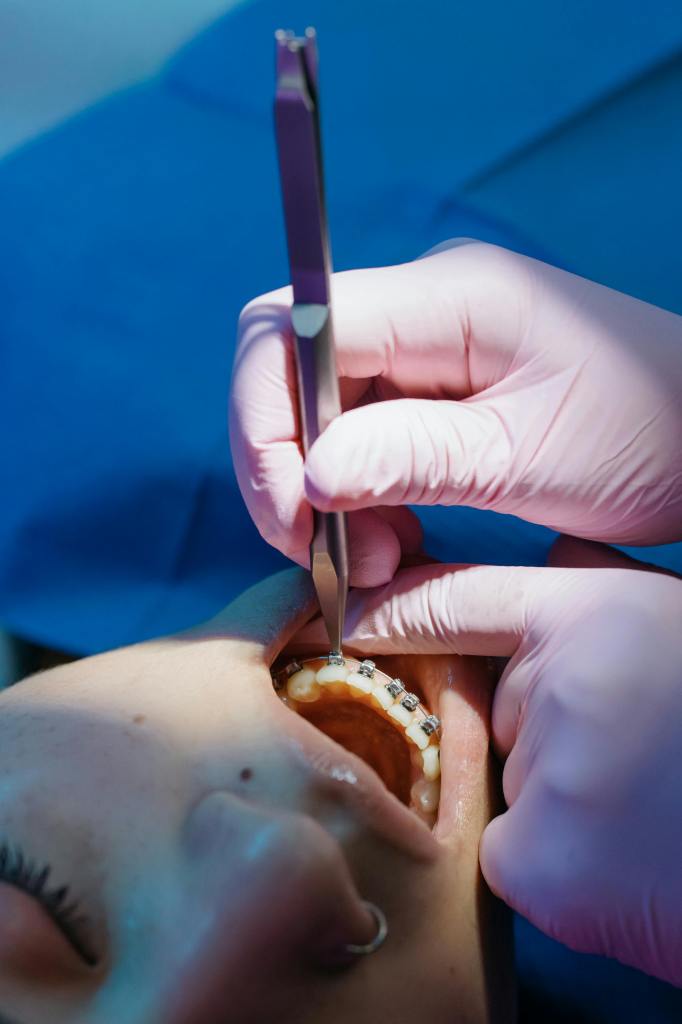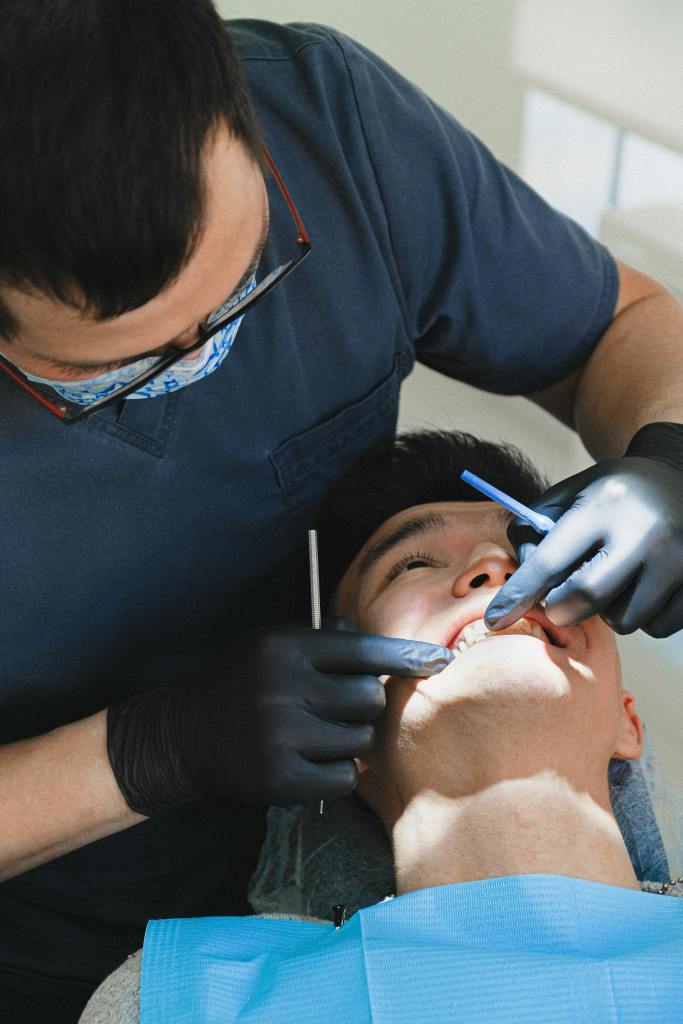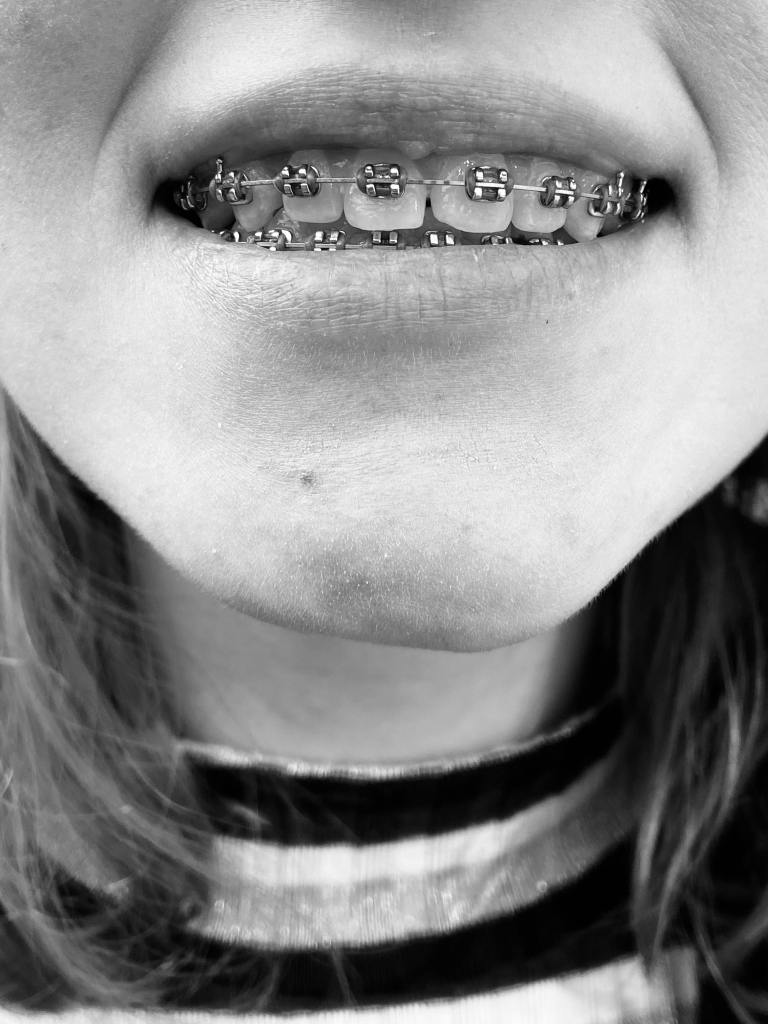
Why Does My Child Need Braces? Aren’t They Too Young?

Braces Evaluation For Children, Helping Develop A Healthy Smile

Should Your Child Be Evaluated For Braces? Signs To Check For

What Is The Purpose Of Evaluating My Child’s Bite When They’re So Young?

What Will I Learn From A Consultation With An Orthodontist?

What To Remember

My Pediatric Dentist Said My Child Has Hypoplastic Teeth, What Are Hypoplastic Teeth?

Tooth Basics

What Is Hypoplasia?

What Are The Signs Of Enamel Hypoplasia?

Do You Treat Enamel Hypoplasia?

What Can We Do At Home To Help The Hypoplasia From Getting Worse?

What To Remember

Summer Vacation Tips for Healthy Teeth: Keep Your Child’s Smile Bright

Summer Vacation Tips

What To Remember

Talking Teeth During National Children’s Dental Health Month

Did You Know?

What To Know For Your Child’s Teeth

Talking Tooth Care

What To Remember

Even On Vacation We Still Brush Our Teeth 2 Minutes 2X's A Day
Even On Vacation We Still Brush Our Teeth 2 Minutes 2X’s A Day

Why Does My Child Grind Their Teeth?

My Mom and Dad Say I Grind My Teeth But I Don't Know Why
My Mom and Dad Say I Grind My Teeth But I Don’t Know Why

What Is Tooth Grinding?

What Are The Signs My Child Is Grinding Their Teeth?

Why Do Children Grind Their Teeth?

Can Bruxism Cause Problems?

How is Bruxism Treated?

As A Parent, What Can I Do To Help My Child?

What To Remember

More tips? We have lots. We’re here just for kids!

Is My Child To Young For Braces?

What Does The Orthodontist Say?

Does This Mean We’re Ready To Start Braces?

What is Early Treatment?

If There is Phase 1, Is There A Phase 2?

What To Remember

Summer Tooth Tips For Your Family

In the Know for You to Know

Hello Summertime

Summer is here and your family wants to have fun, fun, and more fun. Lazy days and yummy foods have been on your children’s minds since the count down to vacation began.

This is also a stressful time for you because you know what they want and you want to keep up their balanced diet and keep going with those good habits you’ve worked hard on.

So how do you indulge those eagerly awaited extra special delights and stay on track?

4 Bite Sized Tips For Healthy Summer Teeth

Keep up with your child’s routine

Whether you’re traveling, day tripping, planing a staycation or a trip to Grandma’s, put together a traveling dental kit. This way if schedule changes disrupt your good habits you can start up where you left off. Also remember that while bottles and sippy cups are good for comforting your child, don’t let them fall asleep with one in their mouth as it increases their risk for cavities.

Stick to your child’s healthy diet

Make those special foods and beverages more delicious when eaten with a healthy and balanced meal full of fresh fruit, veggies, whole grains, lean protein, water, and plain milk.

Indulge with care

Gooey, sticky and chewy are fun to eat, not so much to brush off teeth. Choose treats that are super smooth and slide off the teeth like chocolate bars without crunchies, italian water ices, and ice cream.

Make it fun

Vacation time is happy and new every year. This year tweak your consistent daily routines in a fun way. Try doing something to keep your child’s attention long enough for you to brush all their teeth, like – brushing and flossing together or have a brush-a-thon to your child’s favorite tunes. Children love stickers, so use a sticker chart and remember to be on the look out for their fun flavor toothpaste or a toothbrush with their favorite character.

Summer time is always a busy time for families. Being out of school with a steady stream of activities puts every day life on hold, including good tooth routines and habits.

If your good habits go haywire, pick up where you left off and help your child get back on track with their good brushing, flossing and healthy eating habits.

Enjoy your summer and make those amazing memories while at the same time protecting those beautiful smiles!

How do you keep up with your children’s brushing and flossing over the summer? What are your families favorite summer foods? We’d really like to know! Send us an email at kidstoothhotline@proton.me or Chat with us and Like Us on Facebook at facebook.com/kidstoothhotline

More tips? We have lots. We’re here just for kids!

Does Tongue Tie Go Away?

In the Know for You to Know

Mommy and Daddy Love That Now I Can Stick Out My Tongue

Tongue tie is a short muscle attachment under the tongue which may restrict tongue mobility and can cause potential difficulties for breastfeeding and speech.

In our last post we talked about recognizing tongue tie, and how the tie affects breast feeding and speech. Today we’re discussing Treatments for Tongue tie.

Some doctors may take a wait and see approach to evaluate if tongue tie goes away as in some milder cases. There are an increasing number of others who recommend prompt treatment to prevent ongoing feeding difficulties for an infant, or for an older child who has speech difficulties, dental problems, and social concerns. Most cases of tongue tie are treated as soon as they are diagnosed, and depending on the child’s age, it can be done either in the office or in the operating room.

Does Tongue Tie Go Away On Its Own?

Treating Tongue Tie

Tongue tie does not really go away on its own. Sometimes the tight tie may loosen slightly as the child’s mouth grows. For some as they get older they seek to accommodate to their limited tongue movement for chewing and speech. Nonetheless there are children who continue to experience difficulties with eating and speech.

Once a child has been examined and it’s decided that the best way to address the tie is to surgically alter the attachment, you may be referred to either an ENT (Ear Nose and Throat) Physician, an Oral Surgeon, or a Pediatric Dentist.

Tongue tie can be corrected in one of two surgical ways:

Frenotomy

The doctor examines the frenum and then snips it free with sterile scissors. The procedure is quick and usually there is little blood. Most times local anesthetic isn’t used because discomfort is minimal due to there being few nerve endings and blood vessels in the frenum. After the procedure, you stay for a while in the office while the baby breastfeeds. In this circumstance, the breast milk is for pain relief and as an antiseptic.

Frenuloplasty

On examination if the frenum is too thick for a frenotomy, a frenuloplasty, may be recommended. This procedure uses general anesthesia and surgical tools to free the tongue from the thick band of tissue in the bottom of the mouth. When the frenum is free the wound is closed with stitches that dissolve on their own within a couple of weeks. The child will most likely not need to stay in the hospital overnight, and will likely go home the same day as the operation. As with all surgeries there are possible complications and can include bleeding, infection, scarring, or damage to the tongue or salivary gland.

Follow-Up Care

After the procedure a follow-up appointment is usually scheduled between 5 and 7 days to check on healing in the treated area.

Your pediatrician may refer you to a speech therapist depending on how your child’s speech was affected by the tongue tie to overcome any articulation and enunciation problems.

The doctor who performed the procedure or your pediatrician may give your child simple exercises to help improve the full motion of their tongue.

Do you know a Mom who is having trouble with painful breastfeeding? Have you seen a child who is unable to stick their tongue out all the way or move it from side to side? Do you know someone whose child doesn’t want ice cream because they can’t lick the cone? Do you know a child who doesn’t want to be in the school band because they can’t play the wind instrument they want? Newborns, babies and children, tweens and adolescents can have tongue tie. Let us know if you know a family whose child has (or had) tongue tie and what they are doing (or did) to address the tie.. Send us an email at kidstoothhotline@protonmail.me Like Us on Facebook at www.facebook.com/kidstoothhotline

More tips? We have lots. We’re here just for kids!
Why Can’t I Brush The Yellow Off My Child’s Teeth

In the Know for You to Know

You love seeing your child’s beautiful pearly white teeth. The pure whiteness has you thinking to yourself those are the cutest teeth ever.

Then one day you notice not all their teeth are sparkling white, and in fact some look yellow. You’re thinking wait, when did that happen?

Well you’re in good company. The most common time as a parent you’ll ask about yellow teeth is when your child’s first adult teeth begin to appear.

Will All My Teeth Be Sparkly And Bright?

Baby Teeth Are White, Adult Teeth Are Not

Baby teeth are actually whiter than adult teeth. As your child gets older and their adult teeth start to come in you may see a noticeable difference in the color between the teeth. While baby teeth are more white, adult teeth tend to appear more yellower in color.

The color differences are due to the differences in the thicknesses and actual color hues of the tooth layers. Baby teeth have thinner and whiter layers so they appear more translucent. Adult teeth have thicker and different deeply colored layers so they appear more opaque.

When you’re looking at new adult teeth coming in next to baby teeth the difference is more eye-catching. As more of your child’s adult teeth come in the difference becomes less obvious.

Are There Other Reasons For Yellow Teeth?

There are lots of causes, however the 2 most common for baby teeth and adult teeth are cavities and tooth injuries.

Cavities start out as super white spots on teeth that over time cause the outer enamel shell to disintegrate leaving the inner layer of the tooth (aka dentin) exposed. This exposed part of the tooth is yellow, and that can’t be brushed back to white.

If your child injures their tooth the baby tooth can turn yellow or in rare cases the adult tooth can come in with a yellow spot.

As A Parent What Can You Do?

Talk with your child. School age children and teens have insecurities about their appearance, and their teeth are part of that. If you’ve noticed the yellow chances are they have also. Let them know that while lots of families deal with yellow teeth it’s something that you can take care of together.

Whether you’re dealing with yellow baby teeth or adult teeth be sure to keep up with your child’s daily brushing and flossing routine.

Have you wondered if it was normal for your child to have yellow teeth? What did you do about it? Share your tips with us, we’d really like to know. Email us at kidstoothhotline@protonmail.me Like us on Facebook at facebook.com/kidstoothhotline

More tips? We have lots. We’re here just for kids!

Overcoming Tooth Brushing Struggles For Children With Autism

In the Know for You to Know

Our Family Motto
Our Family Motto

For parents it’s all about finding creative ways to introduce and teach your child about tooth brushing and routine oral hygiene. Every child responds in their own way, and for children with Autism their reactions may be unforeseen because of communication challenges, or certain behavioral characteristics to new changes in routine and sensory sensitivities.

This is especially stressful for you when you’re trying to establish healthy dental hygiene habits and your child is overwhelmed by sounds, smells, tastes, textures, or flavors.

So what to do and where to start to overcome your tooth brushing struggles?

In our last post My Child Has Autism, How Can I Brush Their Teeth? we suggested 2 ideas. Creating a step by step picture guide book (aka story board) or an activity schedule. We included a step by step plan for you on how to assemble your own story board and activity sheet. Which one (or both) you choose, they are absolutely helpful and go a long way to establishing your daily routine.

Now that you have your story board or activity sheet ready to go it’s time for the next step–

Second, Let’s Practice

There are a lot of movements we make with our mouths when we brush, so it’s always good to practice.

1st, it’s great to start with opening wide, and staying open wide. Maybe you make it a game and count to see how long you can both stay open wide. Remember to use the phone timer to count those seconds.

2nd, let’s count teeth. How many teeth are in there? Yes you need to count all the way to the back so be sure to (you guessed it) stay open wide.

3rd, let’s brush. Put a dab of toothpaste on the brush, remember to open wide, and let’s brush those teeth slowly and gently. Maybe you can count teeth, sing a song, or use the phone timer to count. Remember your goal is 2Minutes 2X’s A Day.

For children who have taste or texture sensitivity, there are fluoride tooth pastes that come in different flavors (bubblegum, berry), or unflavored or non-foaming (sodium lauryl sulfate free). There are also choices for toothbrushes, such as a spinning or battery-powered toothbrush for children who like vibration.

4th, time to spit out the toothpaste. Spitting not happening? No problem, drooling out the toothpaste in the sink (or washcloth) and wiping with a wet washcloth is a good alternative, or skip the drooling and use the wet wash cloth.

Sometimes children need more assistance and more practice with brushing their teeth.

If brushing is challenging it may be the sensation is uncomfortable. If that’s the case then try showing the brushing on your finger first, then on their finger, then on the back of their hand, then on their lips, then just inside their mouth or pick the 2 front teeth (top or bottom their choice) and start with brushing those teeth.

Third, Help Your Child Learn The Steps For Toothbrushing

Your child’s age determines how much tooth paste goes on their brush. If they’re 3 years old and younger place a rice grain size of tooth paste on their brush. If they’re older than 3 years old place a peas size amount on their brush.

  • Brush the top front teeth (inside, outside, and chewing surfaces),
  • Brush the bottom front teeth (inside and outside),
  • Brush the bottom back teeth (outside, inside, and top surface),
  • Brush the top back teeth (inside, outside, and chewing surface),
  • Finally, brush all around and spit out the tooth paste.

Fourth, Develop A Reward System

Children adore receiving praise from their parents and parents are eager to show their pride in their child, so let your child know how proud of them you are.

You can also start a rewards system (such as a rewards jar or sticker book) to reinforce your pride and their positive behavior after toothbrushing is complete.

Medical and Dental Go Together

As parents you may be dealing with multiple pressing significant health issues for your child and you need to prioritize their needs. They may be taking medicines that are sugar flavored so that you can get them to take it. Going to bed with a bottle of a nutrition drink may be part of your nightly routine because your child needs to gain weight.

Please do not let their dental health take a back seat. It can be as easy as wiping their mouths, tongue and cheeks with a wet washcloth while you are holding them. Or alternating their bottle with water so they don’t fall asleep with the sugary liquid on their teeth even though you’re still wiping their teeth with a wash cloth. You can always slip in some water for them to drink during the day or begin by diluting their juice with 50% water then 75% water then 100% water.

Remember What’s Most Important

Lots of praise, hugs and smiles for both of you!
Tell us about your Story Board or Activity Sheet. How is brushing time for your family? What works for your family? Share your tip with us, we’d love to know. Email us at kidstoothhotline@protonmail.me Like Us on Facebook at facebook.com/kidstoothhotline.

More tips? We have lots. We’re here just for kids!