
You Brush Your Child’s Teeth, Do You Brush Their Tongue? – What 2 Know

In the Know for You to Know

Yes, you make sure your child’s teeth are brushed for 2 minutes 2 times a day, and when their baby teeth are touching you make sure to floss before every night time brushing.

The next question is, is your little one’s tongue getting brushed?

Why Brush Their Tongue?

The tongue is not smooth. It is covered with nooks and crannies which hold onto everything that’s in the mouth. While no one’s tongue will get a cavity, the bacteria and food that’s on and in the tongue can be spread to the teeth which can develop cavities.

Rinsing may loosen the particles but does not remove them. Food and bacteria in the crevices can also cause bad breath, which can be especially noticeable when awakening from sleep.

What To Do?

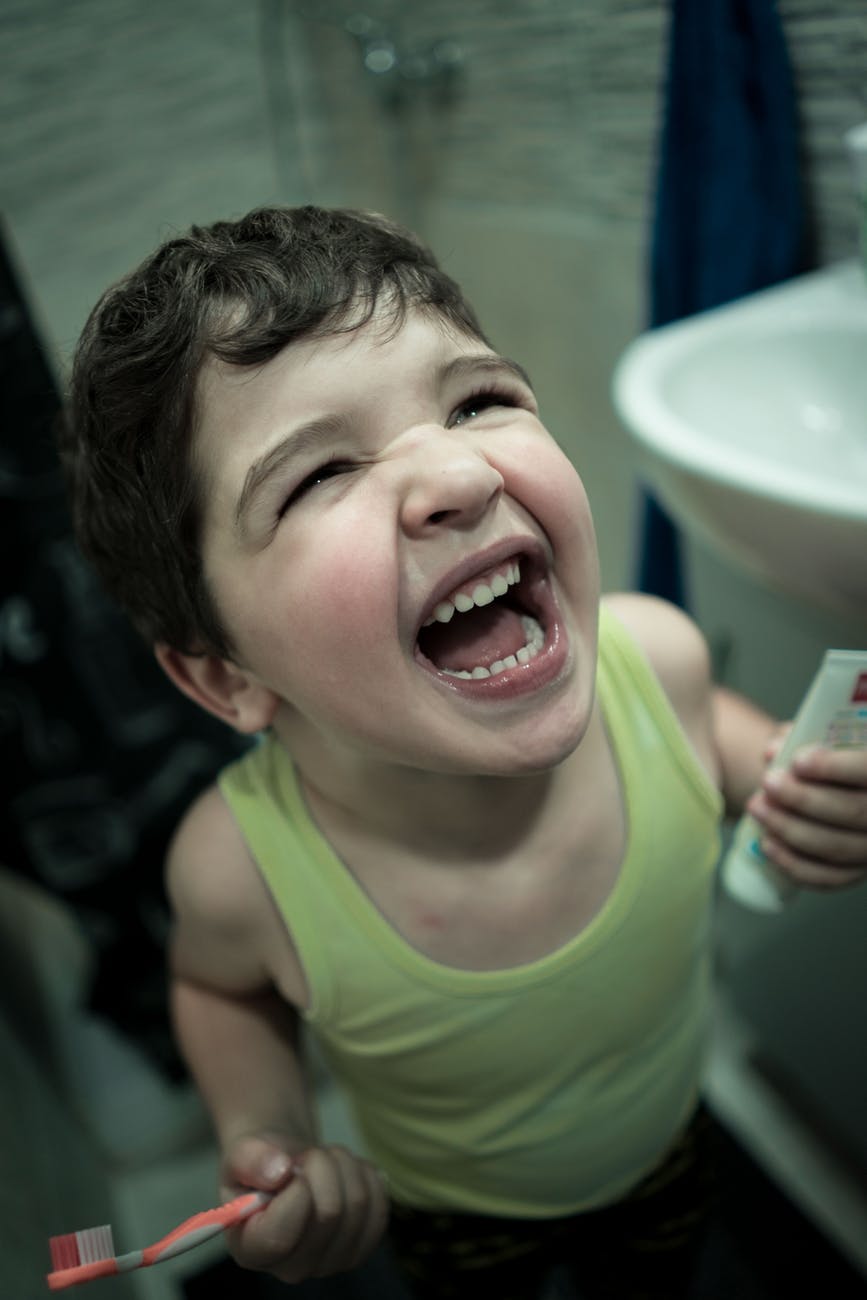
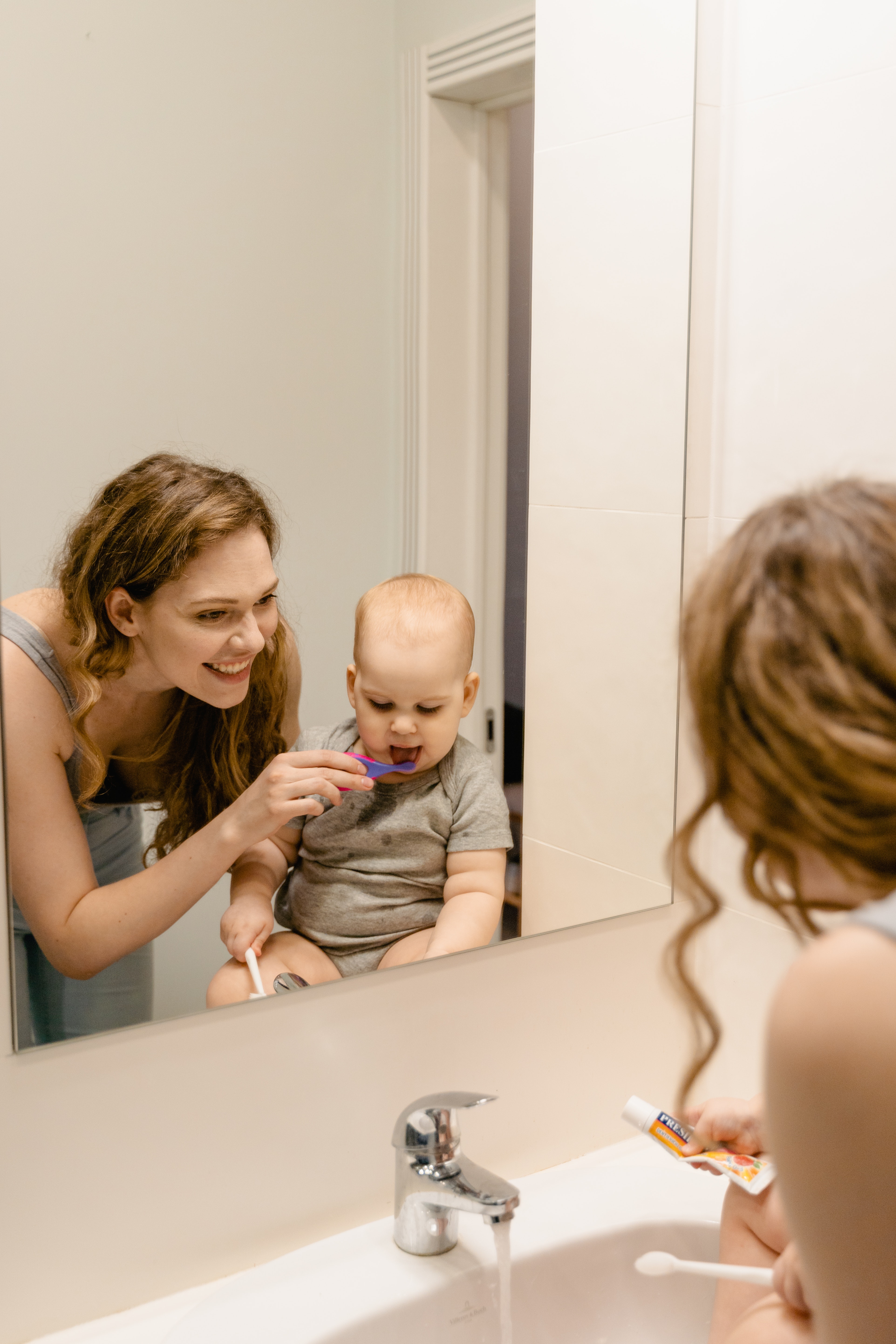
Brushing your child’s tongue, gently from back to front and side to side is a good start. This takes getting used to doing, along with patience and practice.

What Do We Use?

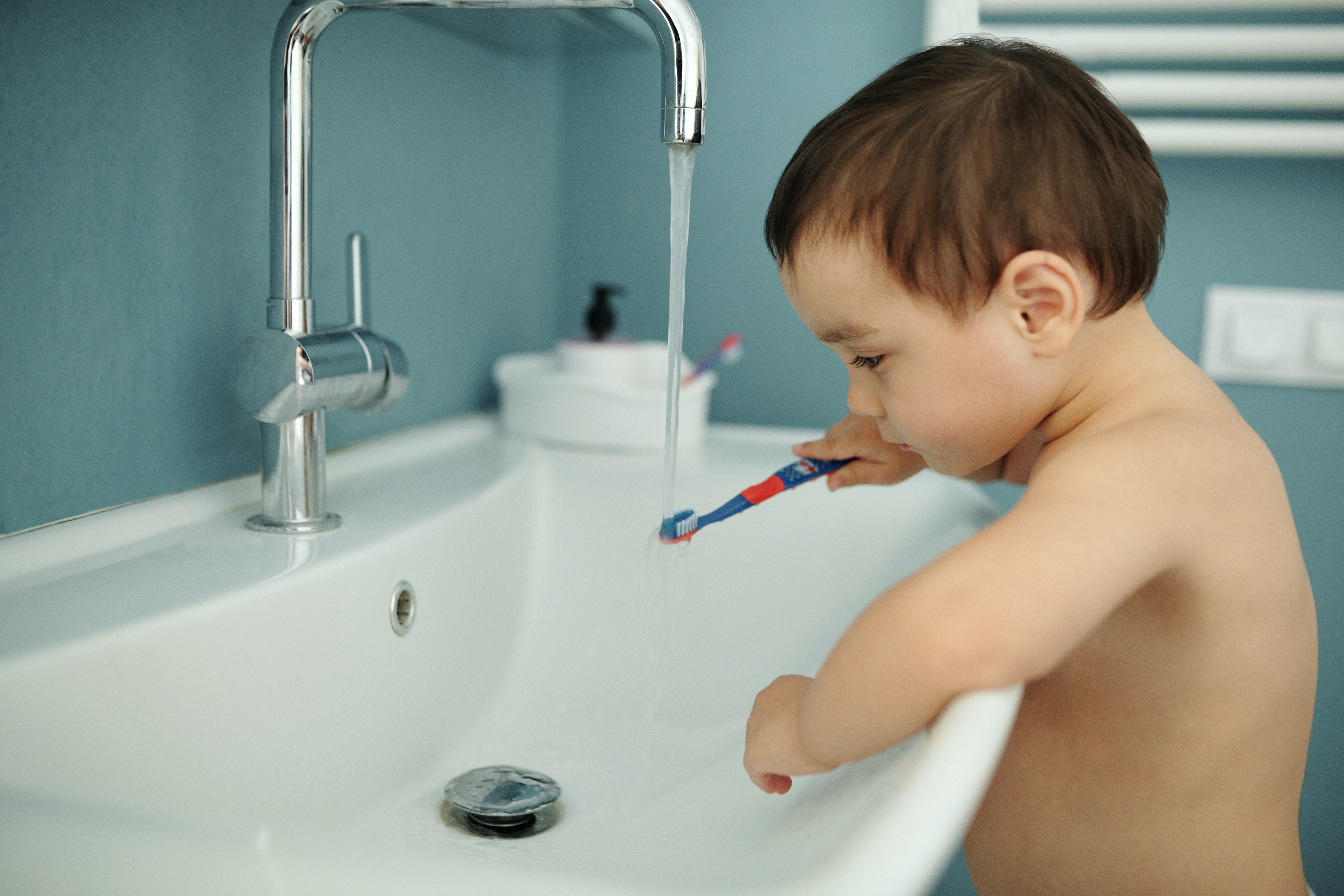
Some parents prefer a tongue scrapper. It’s okay if you prefer to use one. I find that for ease of use and since you’re brushing it’s as easy to use your child’s soft bristle toothbrush. Toothpaste on the brush is your choice. All you need to do after brushing their tongue is to rinse the tooth brush under running water and then it’s ready to use for tooth brushing.

Toothpaste or No Toothpaste?

The choice is yours when brushing your child’s tongue. If you do use toothpaste you’ll only need a dab, and remember to always use a toothpaste with the ADA Seal of Acceptance.

How Do I Do This?

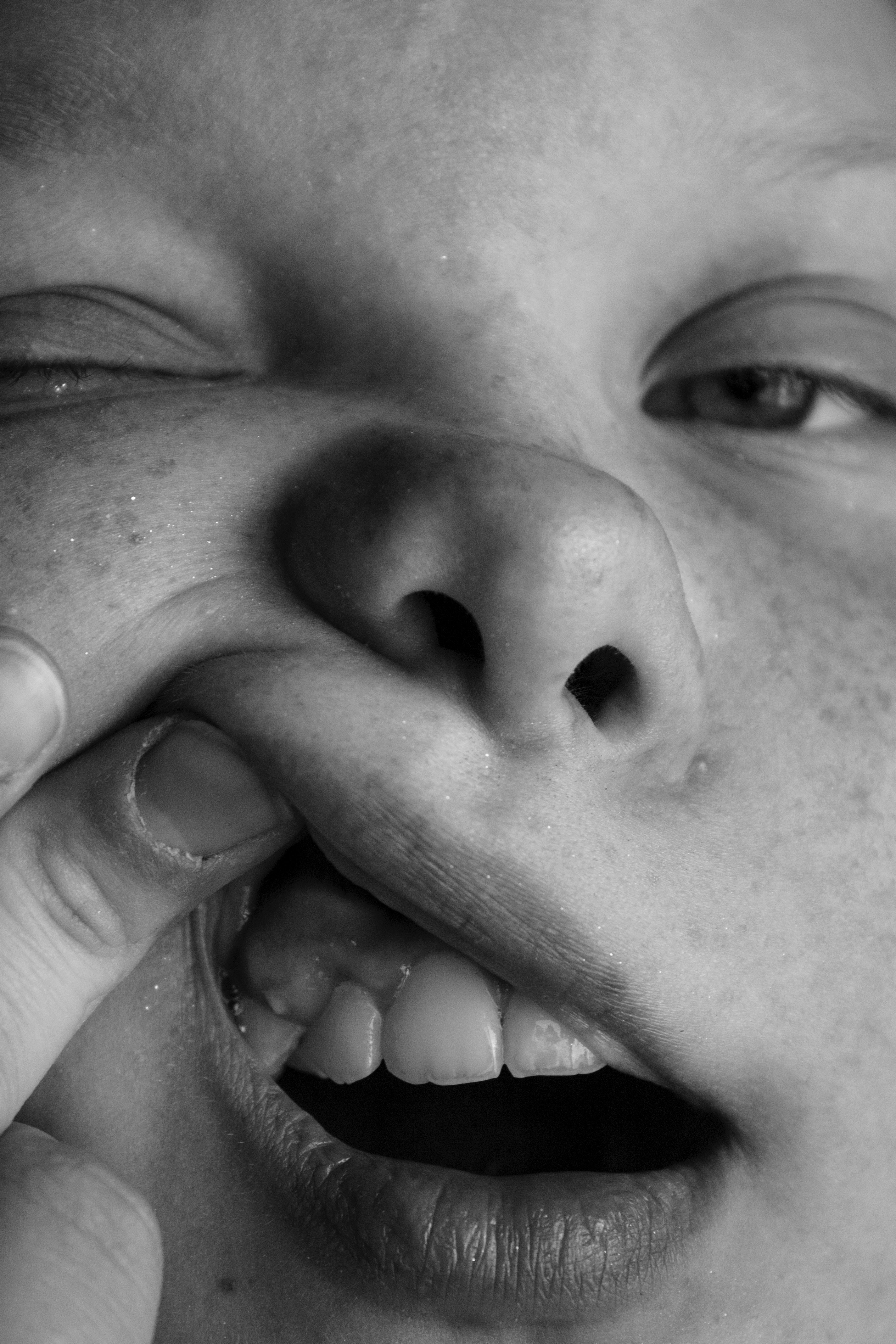
The 1st time, begin by brushing the tip of their tongue. Be prepared for lots of giggles since this may feel like you are tickling their tongue. Brush from back to front and side to side. Do this for one week so that you both get used to doing this as part of your routine.

The 2nd week, go a little further back to the center of their tongue and brush towards the tip. Brush from back to front and side to side. There may be more giggles and laughing, and as before keep doing this every day.

The 3rd week, go a little further back to be in line with their last teeth (aka their molars). Hold the tooth brush horizontally and in gentle sweeping motions brush towards the tip pf your child’s tongue and side to side. You may or may not need to stop intermittently at this step. If you need to briefly stop this is all right. Stay the course slowly and softly until you can brush without stopping.

How Often Do We Do This?

Every night after you floss, brush your child’s tongue and then their teeth. This way nothing that gets flossed out from in-between their teeth or brushed off their tongue will stay on their teeth; because you will brush everything away during your 2 minutes of tooth brushing.

Once you have your routine in place for your evening brushing, you can then add it to your child’s 2 minutes in the morning brushing.

Now your routine is taking shape! All you both need to do is keep it up. Congratulations!

More tips? We have lots. We’re here just for kids!
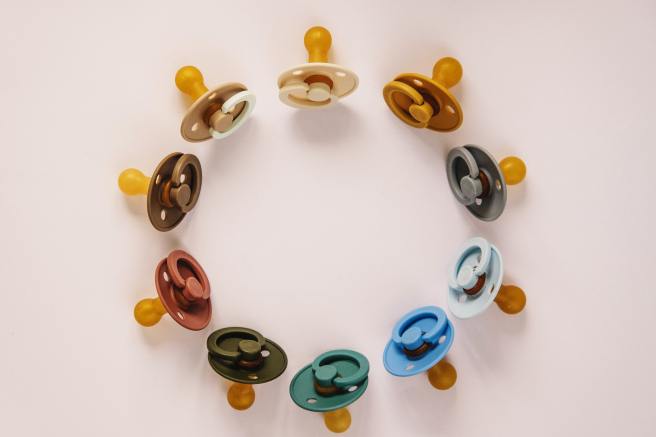
Pacifiers – What 2 Know 2 Say Goodbye

In the Know for You to Know

Sucking is natural for infants and babies. This starts during your 7th month of pregnancy and increases in the weeks just before you give birth in preparation for nursing.

After your baby is born your Pediatrician may recommend a pacifier for a variety of reasons, including prevention of SIDS, or to calm and soothe if your baby is restless.

Each baby is different in how they take to the pacifier. Some will not want it at all, others may only want it when they are being put to sleep, and still others will not want to part with their pacifier and not let it out of their mouth.

The emotions they feel from the sucking can give them a sense of security, relaxation, happiness, or calmness. Everything they receive from you!

When and Why to Stop?

The short answer is between 18 and 24 months of age. The key is before 24 months.

Most babies stop sucking on their pacifier by the time they are 1 year old. Others by the time they are 4 years old.

Increased frequency, longer duration, and greater intensity of the sucking action on the pacifier affects the way a child’s teeth come together and the growth of the jaws. The top front teeth may be pushed outward or turned sideways. The jaws may become narrow or there can be other misalignments. The sooner a child can stop a sucking habit the better.

So What to Do?

  • Some parents choose to go cold turkey,
  • Other parents prefer to wean their child off their pacifier slowly at their pace,
  • There are those who snip off the top of the pacifier nipple which takes away the seal and interest in the broken pacifier,
  • Still others prefer to swap the pacifier with a new toy or prize which distracts attention away from the pacifier,
  • While other parents prefer to offer positive reinforcement, re-assurances, and praise when their child comforts themselves at bed time without the pacifier,
  • There’s those who make the pacifier a beautiful present for a relative’s or neighbor’s new baby who really needs a pacifier,
  • Then there’s the parents who throw a Bye-Bye Pacifier party,
  • And those parents who wrap the pacifier in tissue paper and put it on the kitchen counter for the Pacifier Fairy.

Timing is Important

Once you’ve made the decision that it’s time to stop the pacifier make sure that there are no new life changes or transitions going on for your family, and everyone is onboard with this decision. Everyone has to stay with the plan.

If you’re potty training, having another baby, moving, planning a trip, it’s holiday time, or an equally important life event — not a good time to start taking the pacifier away.

Just in Case?

Which ever plan you choose make sure you find all the pacifiers that are around the house, in the car, at Grandma’s house, at the baby sitter’s, or where ever you may have left 1 (or more) “just in case,” and don’t buy any new ones “just in case.” The last thing you want to do is for there to be confusion and have to start this all over again.

More tips? We have lots. We’re here just for kids?

4 Myths About Children’s Teeth

In The Know For You To Know

MYTH #1 Baby Teeth Are Not Important

Baby teeth are very important and for 4 reasons. First, they are needed for the growth of your Baby’s jaws, muscles and their face. Second, their teeth are also necessary for your Child to be able to chew their food, eat well and grow healthy and strong. Third, their teeth help them to speak — their tongue and cheeks engage the surfaces of their teeth to help them form the sounds they need to talk. Fourth, their Baby teeth provide the space for their permanent teeth to develop and to guide them into position.

Myth #2 Putting Baby To Bed With A Bottle is NOT A Problem

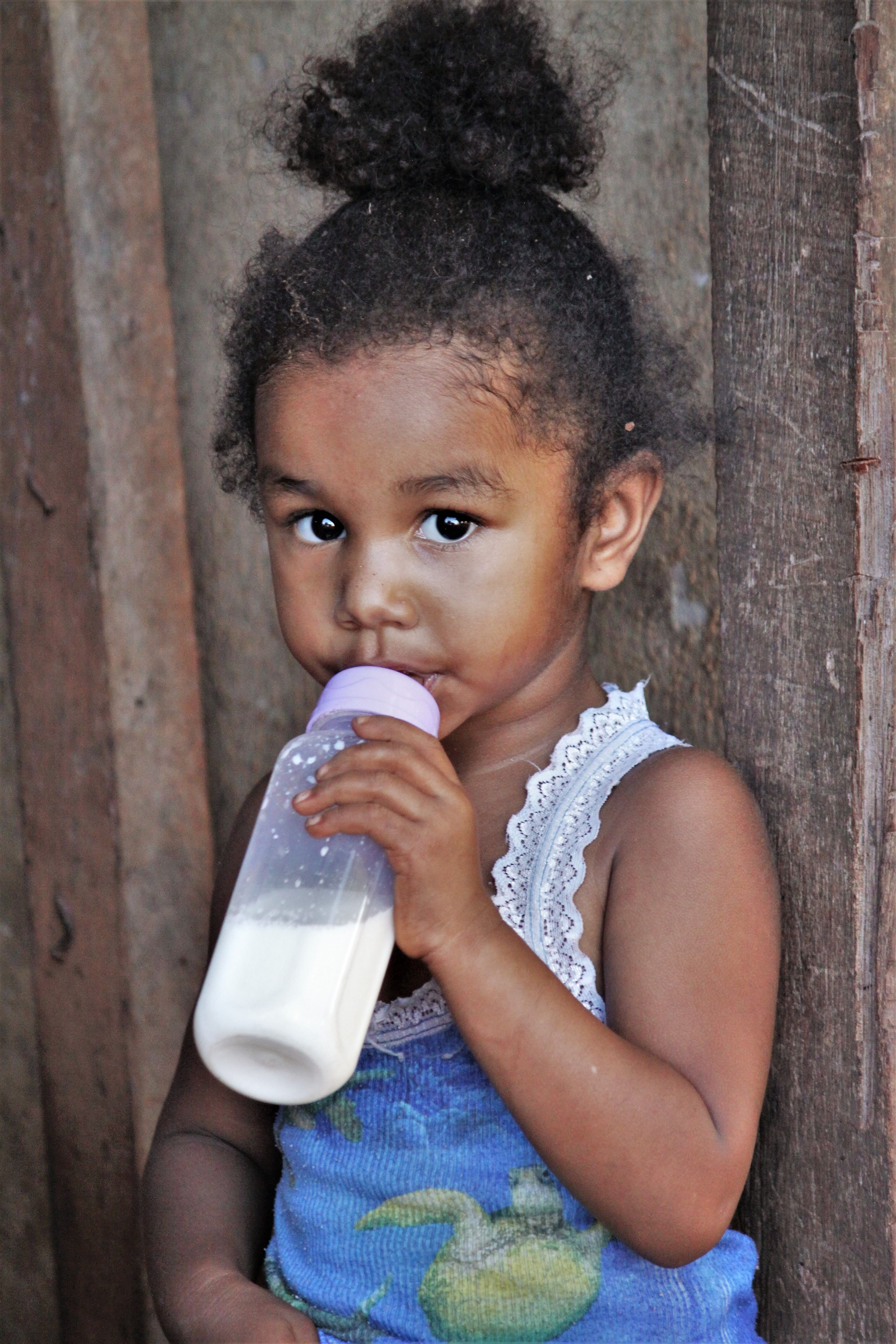
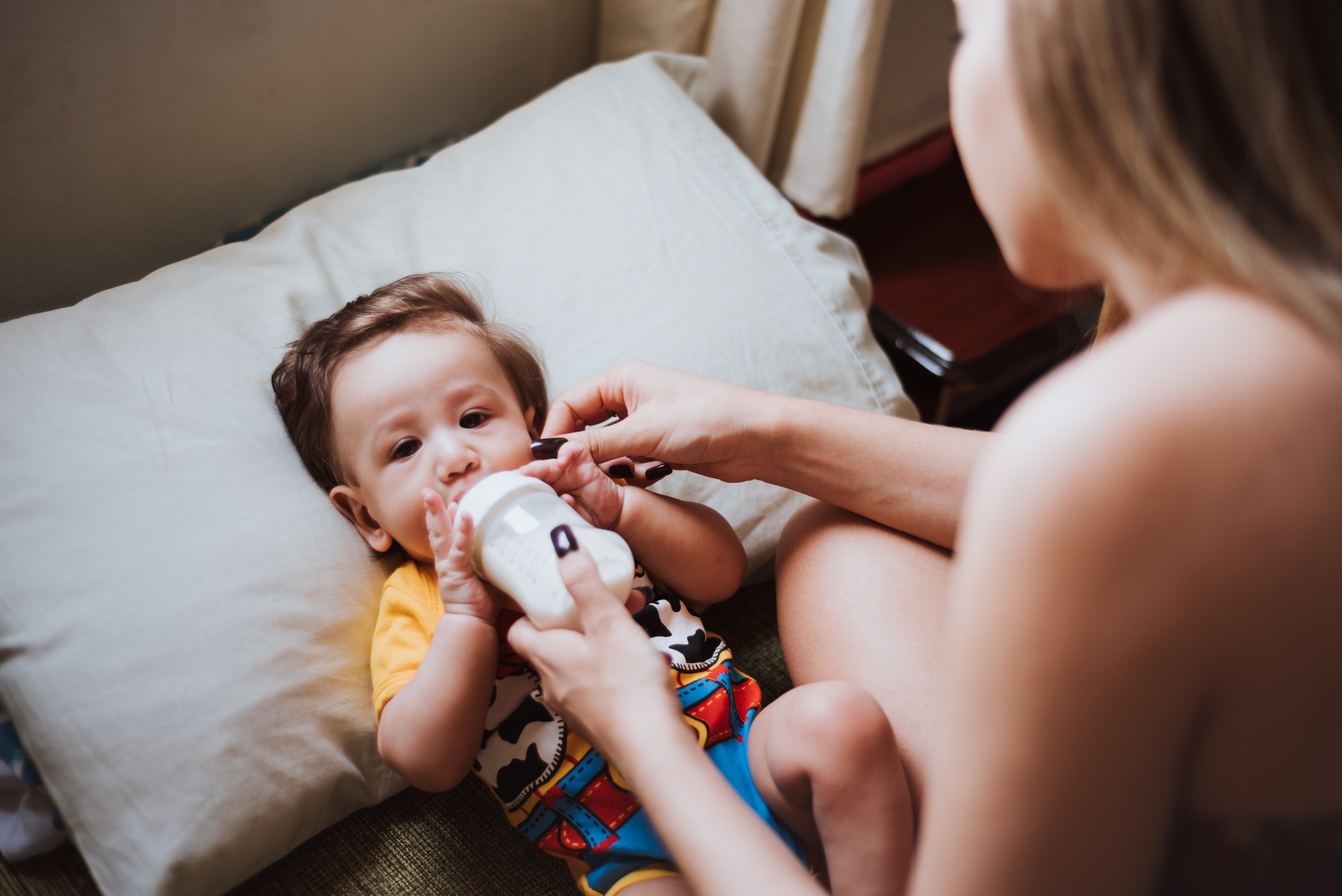
Putting your Baby to sleep for a nap or at night with a bottle or after breast feeding can cause a serious type of cavities. This is because the sugar in the formula, milk, fruit juice, and other sweetened liquids sit on their teeth and eats away at the enamel. The time for cavities to show up can be as soon as 1 year after their teeth come into their mouth. You’ll most probably see the cavities on their top front teeth first.

What to do? Clean your Baby’s whole mouth and teeth with a wet washcloth after each feeding everyday, from their first to their last feeding of the day. It’s best for you to sit down on the bed or on the sofa where you have room and can comfortably and safely hold your Baby and you can look into their mouth easily.

If they will not go to sleep without a bottle, put water in the bottle. Water not working? Then dilute the sugary liquid with 50% water and keep increasing the amount of water until there is 100% water in the bottle by the end of 1 week.

MYTH #3 Cavities Aren’t A Big Deal For Children

Cavities in children are more prevalent than Asthma. And by a lot, children are 8x’s more likely to have cavities than Asthma.

That’s a lot of children — 20% of preschoolers, 50% of 2nd graders, 75% of 15 year olds.

MYTH #4 Letting Your Child Brush Without Your Help

It takes time for children to develop their motor skills. How old do you think they’ll be when they can wash and dry their own hair from start to finish on their own?

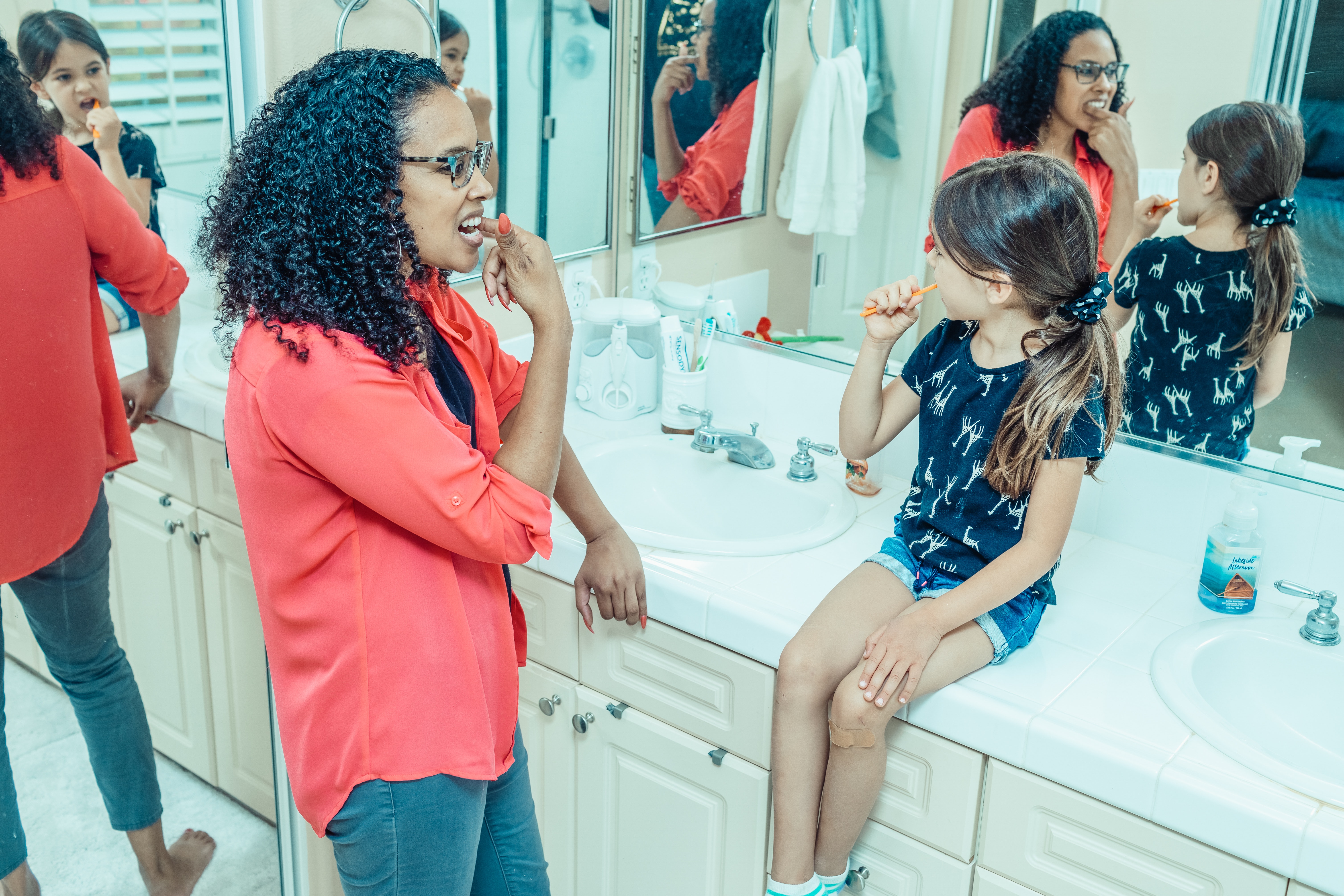
When they can do their hair themselves that’s about the time they can floss and brush on their own also. So you will be doing this for them. Not only that, once they do start flossing and brushing by themselves in front of the bathroom mirror, they’ll do a much better job with you in the bathroom with them.

Brushing is 2 Minutes 2 Times A Day and Flossing is at night before brushing. So it’s brushing in the morning for 2 Minutes after breakfast before leaving for school looking in the mirror, and at night looking in the bathroom mirror to floss first then brush for 2 Minutes, then nothing to eat or drink and straight to bed.

Don’t fall into these common confusions about your Child’s oral health. Now you can take charge and have the power to stop these urban legends before they begin.

What is your power?

More tips? We have lots. We’re here just for kids!

Happy Mother’s Day

For All Moms who are forever in the hearts of those who love you and for those you love, wishing you a Happy Mother’s Day!

In the Know for You to Know

More Tips? We have lots. We’re here just for kids!

1st Baby Teeth – What 2 Know

In the Know for You to Know

Mom, did you know that 3 months into your pregnancy your Baby’s teeth are already beginning to form?

And, that when you are giving birth all 20 of their Baby teeth are formed and their permanent teeth are beginning to grow?

NEWBORN’S TEETH

Immediately after your Baby is born as parents you can do something in anticipation of their teeth coming in.

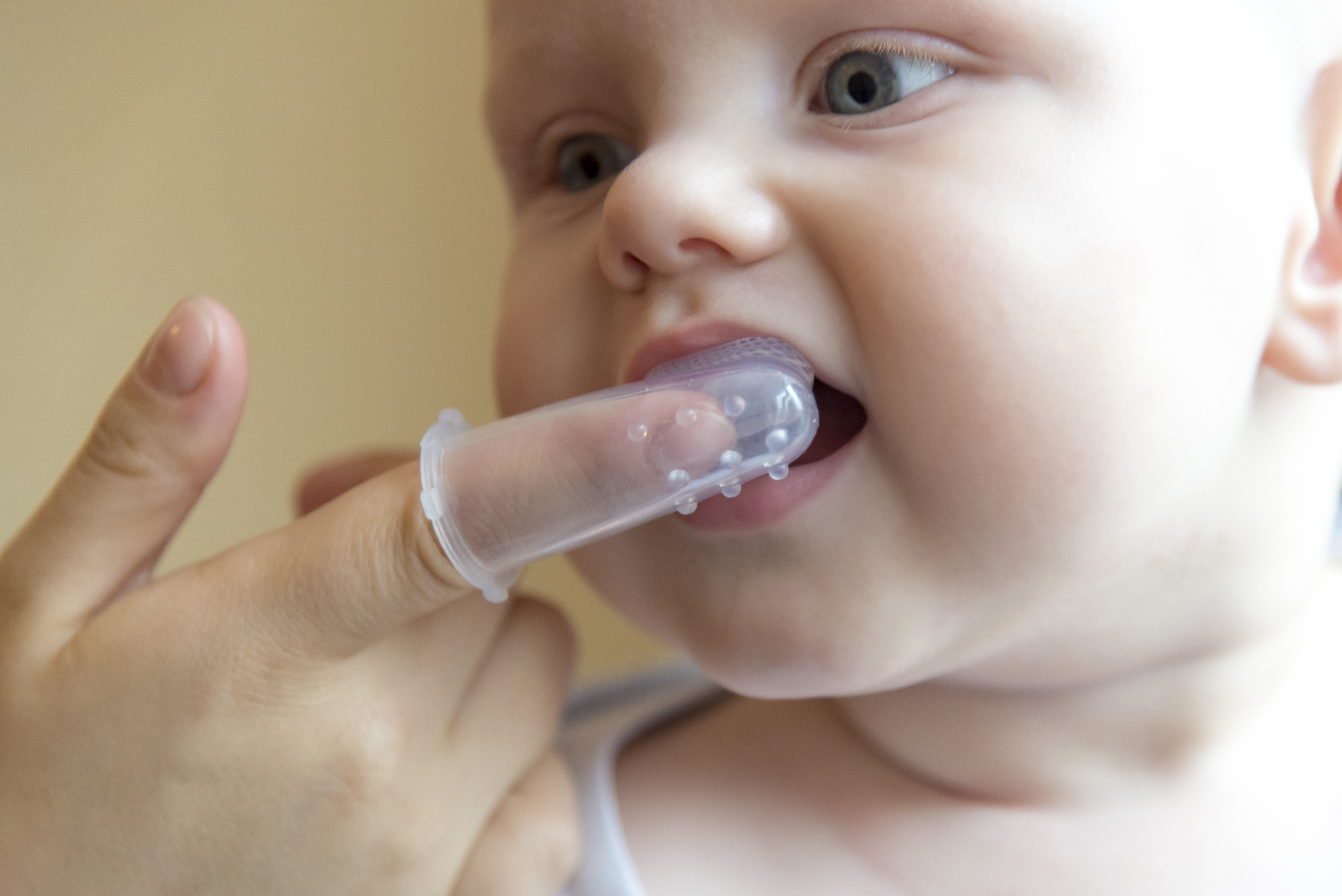
What to do? Wipe off your Baby’s gum pads, tongue and all around their cheeks after each feeding. Use a soft wash cloth or a finger contoured cloth or finger toothbrush.

Some babies are born with a tooth or two already visible in their mouth, or may appear within the first month after they are born. There is NO need to be worried. This is normal.

Early baby teeth are called Natal or Neonatal Teeth depending on when they are seen.

Which are which? Natal teeth are present at birth, and Neonatal teeth come in within the first month.

Where will you find these teeth? Natal and Neonatal teeth are found peaking through the bottom front gum pads.

If everything is fine, your Baby is healthy, the teeth are not interfering with feedings or nursing and they do not cause discomfort to their tongue, their teeth should be left in place. I’m saying that if everything is good to keep the teeth because these are their real baby teeth, they just came early.

Sometimes you or your Pediatrician notice small white spots on the roof of your Baby’s mouth. These spots are called Epstein’s Pearls. They are normal, no cause for concern and usually go away on their own within 10-14 days.

When your Baby begins teething you may (or may not) notice bumps on their gum pads that appear bluish. Their teeth are within theses sacs called Eruption Cysts. This is normal, no cause for concern and as their teeth come into their mouth these sacs will pop and dissolve on their own.

TEETHING

Teething usually begins at 6 months of age, and can start as early as 3 or 4 months. This goes on intermittently until your Baby is about 24 to 30 months old.

What to look out for? Drooling and swollen tender gums are common. Sleeping through the night may be interrupted. Some children may run a slight temperature, others may become finicky eaters, or develop isolated episodes of diarrhea.

What to do? Wet a wash cloth with cool water and place it in your refrigerator to make it cold. Then you can hold it and place it on the spot where the tooth is coming in. Frozen cloths are not a good idea because they will freeze to your Baby’s gums. Teething rings, teething beads, teething bracelets, teething necklaces are never good because they contain harmful gels and liquids which leak out and get into the mouth.

During this time it is important to ensure that your child’s usual feedings are maintained.

FIRST TEETH

Where will you see the teeth? As teeth come into their mouth they usually begin in the bottom front followed by the upper front. The lower and upper side come next. Lower and upper back complete the full set of 20 Baby teeth, 10 lower teeth and 10 upper teeth.

With more and more teeth coming into your Baby’s mouth it’s very important to wipe their teeth, lips, tongue, cheeks, and roof of their mouth with a wet wash cloth. Move their lips away from their teeth so you can see the entire teeth to wipe them clean.

TOP TIP

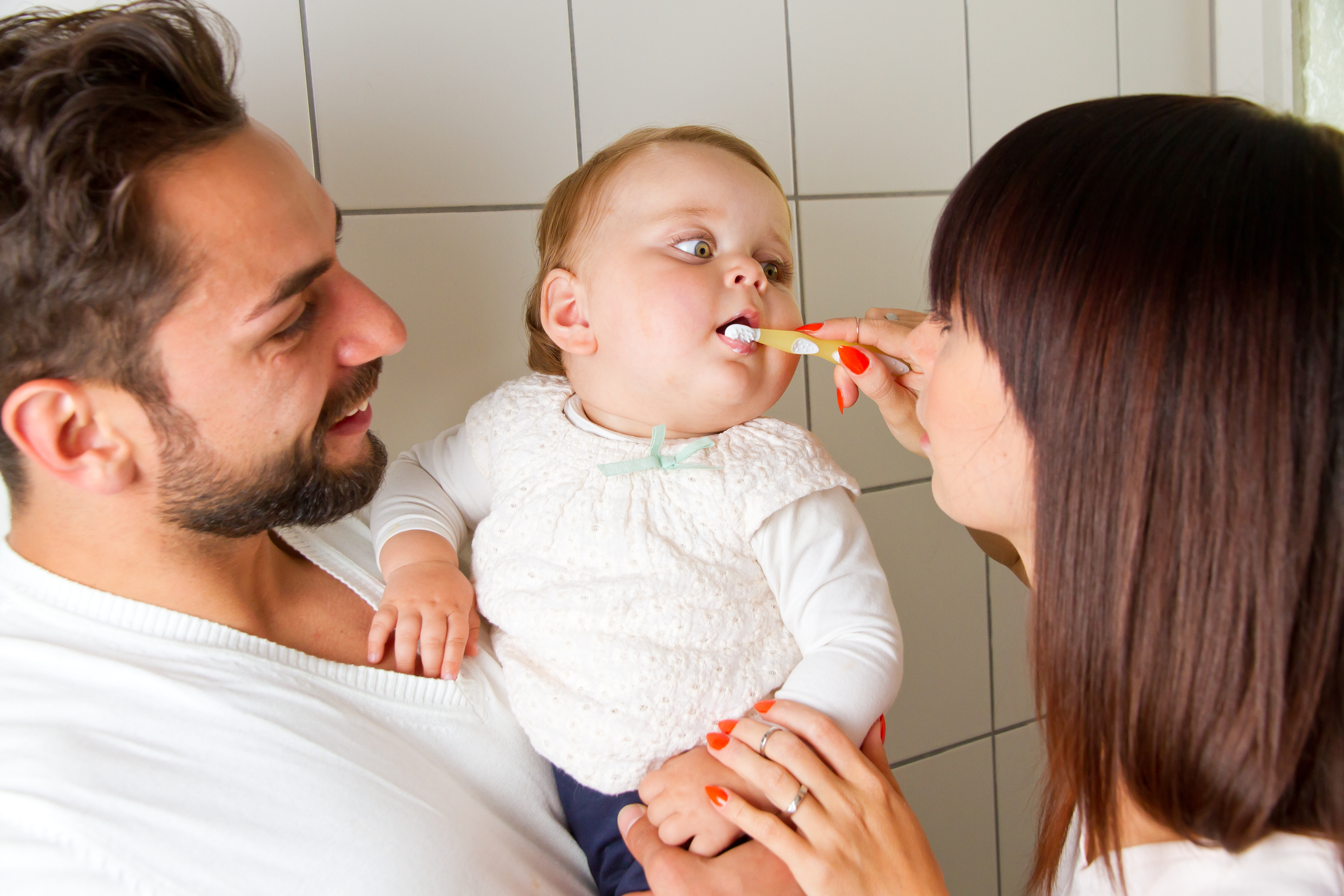
Mom and Dad brushing Baby’s teeth

Start cleaning your child’s teeth when they are a Baby, they will get used to this and it will make your life easier when they are older.

The earlier you start the easier this will be for both of you.

More tips? We have lots. We’re here just for kids!

Autism Speaks – It’s Time to Listen

In the Know for You to Know

Empowerment, Acceptance, Support

As parents we are always looking out for our children – empowering and supporting them to achieve their highest quality of life. All parents no matter what their child’s needs or how challenging the situations, we work to promote acceptance, inclusion, and celebrate their differences. This is especially true for parents who have been told their child (or children) has Autism or is on the Autism Spectrum.

Differences bring us Together

Each child responds in their own way to the myriad of experiences they encounter every day, whether at home or outside. The same is true for their oral hygiene routine. Compassion, understanding, and repetition is the solution to gently acclimating your child into their daily routine. For parents this requires a routine and patience.

Routine – Where do I start?

A calm place is a great way to start. Creating a picture guide book, social stories, or an activity schedule is quite helpful and goes a long way to establishing your routine.

Maybe you want to start with a picture guide book. You can begin by yourself or include your child while you coolly talk about brushing teeth, or you can sing some fun tooth brushing songs. Check out Pinterest, Spotify, or YouTube. The American Dental Association has a really amusing and low key series called Dudley goes to the Dentist, which is on YouTube.

If putting together an activity schedule is where you want to start, print out fun monthly calendar pages and include 2 boxes to check off for brushing and 1 box for flossing (recommended but totally your decision when to include) for each day of the month. Mouthhealthy.org (by the American Dental Association) has great activity sheets like the 2022 Brushing Calendar to help get you started. Go to MouthHealthy.org then click on the Resources button and Activity Sheets from the drop down menu.

Putting together stories first? You may want to start with why we have teeth. Then answer that teeth help us eat, talk and give us our smiles.

Sometimes it can take one sitting to complete or it can take several. What’s important is to keep going because when you’re done your creation is going to be AMAZING!

This is Stressful

Yes it is! Especially when your child has sensory issues to sounds, tastes, textures, flavors; or your child is anxious. Even when it is stressful the key is to have a positive attitude, make your child feel comfortable, regroup, and start again. Please don’t give up.

Practice makes Perfect

There are a lot of movements we make with our mouths when we brush, so it’s always good to practice.

It’s great to start with opening wide, and staying open wide. Maybe you make it a game and count to see how long you can both stay open wide.

Second, let’s count teeth. How many teeth are in there? Yes we need to count all the way to the back so be sure to (you guessed it) stay open wide.

Third, let’s brush. We put a dab of toothpaste on the brush, remember to open wide, and let’s brush those teeth slowly and gently. Maybe we can count teeth or sing a brushing song.

Fourth, time to spit out the toothpaste and rinse with water. Spitting not happening? No problem, drooling out the toothpaste in the sink (or washcloth) and wiping with a wet washcloth is a good alternative, or skip the drooling and use the soft wet washcloth.

Sometimes children need more assistance and more practice with brushing their teeth. If brushing is challenging it may be the sensation is uncomfortable. If that’s the case then try showing the brushing on your finger first, then on their finger, then on the back of their hand, then on their lips, then just inside their mouth or pick the 2 front teeth (top or bottom is their choice) and start with brushing those teeth.

Sometimes it’s needing an adaptive toothbrush or flosser. Alternatively it may be that you will need to brush their teeth and there are products that can help you out. There are companies who manufacture and sell specialized dental products to use at home.

Make Oral Health Care a Priority just like Medical Care

As parents you may be dealing with multiple pressing significant health issues for your child and you need to prioritize their (and your) needs. They may be taking medicines that are sugar flavored so that you can get them to take it. Going to bed with a bottle of a nutrition drink may be part of your nightly routine because your child needs to gain weight.

Please don’t let their oral health take a back seat. It can be as easy as wiping their mouths, tongue and cheeks with a wet washcloth while you are holding them. Or alternating their bottle with water so they don’t fall asleep with the sugary liquid on their teeth even though you’re still wiping their teeth with a washcloth. You can always slip in some water for them to drink during the day or begin by diluting their juice with 50% water, then 75% water, then 100% water.

Most Important

Lots of praise and smiles for them and you!

More tips? We have lots. We’re here just for kids!

Happy Jelly Bean Day

In the Know for You to Know

Did you know that there is a day dedicated to these glorious treats? Yes there is. Today, April 22nd is National Jelly Bean Day.

Love the sweet flavorful taste of Jelly Beans?

Here are some Fun Trivia Facts about Jelly Beans

  • Yes, I’m a Dentist and Yes I like Jelly Beans!
  • Jelly Beans have been around for more than 100 years
  • It takes 7 to 21 days to make one single jelly bean
  • Jelly Beans come in massive amounts of flavors
  • Most Jelly Bean assortments contain 8 flavors
  • The number of Jelly Beans eaten in 1 year can circle the Earth 5X’s
  • Jelly Beans are popular everywhere, and every place has their own favorite
  • Jelly Beans are associated with Easter because of their egg shape

You can have your Jelly Beans and Eat them too

How are you going to spend National Jelly Bean Day? Share with us your fun fact about Jelly Beans and tell us what is your favorite Jelly Bean flavor.

A quick tip for when you’re done enjoying your Jelly Beans is to floss and brush the sugar away.

More tips? We have lots. We’re here just for kids!

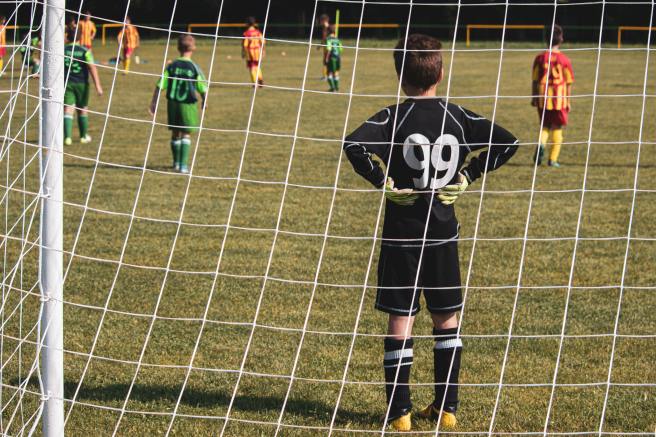
Protecting Your Child’s Mouth While Playing Sports

In the Know for You to Know

Did you know that you can protect your child’s mouth from sports injuries?

As parents we are all about protecting our children, especially when all it takes is 1 simple addition to their equipment.

Helmet–Check, Shin Guards–Check, Mouth Guard–Check

Mouth guards aren’t only for high contact sports like hockey and football. Mouth and tooth injuries can also happen during basketball, when they’re in the heat of the game, focusing on the ball and before you know it there is an elbow to the mouth.

Of course it’s an accident. Everyone wants to have fun. It’s those accidents that have an impact on the teeth, gums, and jaws.

Mouth guards can also help prevent or minimize concussions and head injuries by helping to cushion the chain reaction that can occur when an injury to the mouth travels upward.

Fit is KEY

Like all equipment the better the fit the more likely the children are to wear it, no matter their age. Off the shelf mouth guards are most often what parents reach for. They are boiled and molded at home. Soft guards are a better option than those hard, rigid plastic ones.

A properly fitted mouth guard will be comfortable, will not interfere with talking or breathing, and won’t make your child feel nauseous.

The BEST is only having to wear 1 mouth guard

All you need is 1. Usually it’s the guard for the top teeth that feels better, is easier to mold to their mouth, and that your child will wear.

Think of this as protective sports equipment

A mouth guard is a simple piece of protective sports equipment that can make a crucial difference. Nobody wants to miss half of their game to spend their Sunday afternoon in the Emergency Room. This simple piece of protective equipment makes this less likely to develop.

More tips? We have lots. We’re here just for kids!

Can I Really Prevent My Baby From Getting Cavities?

In the Know for You to Know

The simple answer is Yes. Yes, you can because tooth decay (aka cavities) is preventable.

TOP TIPS TO PREVENT CAVITIES

  • Cavities can begin just as a tooth is coming into their mouth

This is why even before your Baby gets their teeth it is important for you to clean their whole mouth, including their gums, cheeks, and tongue with a soft wash cloth after every feeding and before you put them to sleep.

Your Baby has to eat to grow. Any type of milk, formula, or juice contains sugar which may not do any apparent harm initially but once teeth begin coming in things change quickly. The sugar in these liquids adheres to each tooth’s surface and hurts the young developing teeth. Using a wash cloth or finger brush to clean these growing teeth after each feeding goes a long way and remember to lift their upper and lower lips so you can see their whole tooth.

The same goes for jam, honey, or anything sweet put on the pacifier. Once the binky is in their mouth their teeth take a sugar bath. Your baby is sweet enough. So nix the sweet stuff and keep those teeth sugar free.

  • It’s best not to put Babies to bed with a bottle

Sometimes there’s no other way for them to go to sleep. So if you must put only water in the bottle and watch them so that you can take the bottle out of their crib as soon as they fall asleep .

  • Cavities can be spread through saliva

The bacteria that causes cavities is in everyone’s mouth. It’s how they are kept in check that make the difference.

So there are 3 things you can do

1st resist the feeling to lick clean your child’s pacifier, spoon or anything that goes into their mouths, what’s in your mouth will soon be in theirs

2nd don’t share plates or utensils because sharing saliva can also share cavities

3rd while you’re making sure to clean and brush your child’s teeth don’t forget your own

  • Some times Children need to take medicine

It’s the flavorings that make children like them that are simply sugar. So what’s a parent to do? Keep a wet washcloth with toothpaste close by to wipe their mouths and teeth after the medicine is swallowed.

  • How much toothpaste?

For children under 3 years old, a smear (meaning a dab) of fluoridated toothpaste on a baby toothbrush or finger brush or wash cloth is the right amount. Keep a wet wash cloth close by to wipe off the teeth.

For children from 3 to 6 years old a rice grain size (which is quite small) of fluoridated toothpaste is all you need on a small soft toothbrush, finger brush or wash cloth and with a parent, grandparent, or caregiver’s help.

The #1 way to prevent cavities is to brush your child’s teeth each and every day.

Taking care of your child’s teeth with these tips allows you to begin good oral health at an early age.

More tips? We have lots. We’re here just for kids!

How Will You Handle A Dental Trauma?

Playing Baseball After My Dad Gave Me My Mouthguard To Wear

In the Know for You to Know

The weather is starting to get nicer and your children want to be outside. They want to go to the park, the pool, run, play sports, skateboard… Fun is in the air.

Then you hear your child screaming or they come running to you pointing to their mouth. What do you do now?

This is why it’s important for you to have some basic knowledge about different types of dental trauma and what to do when your child injures their teeth.

Assess what has happened

It’s always important to know what has happened and the extent of your child’s injuries. If there is a serious injury, uncontrollable bleeding or loss of consciousness you need to call 911 and go to the emergency room.

Sometimes it doesn’t look so bad and you’re just not sure. Remember before you leave the place the injury happened, your Pediatric Dentist and your Pediatrician are a phone call away. If you’re not comfortable or you’re worried about a Concussion or Jaw Injury you can still go to the Emergency Room.

Remember – the teeth, lips, tongue and cheeks are connected to the jaw bones, the jaw bones are connected to the face bones, the face bones are connected to the eye bones, the eye bones are connected to the head bones, the head bones are connected to the body bones.

For some injuries you need to go to the Emergency Room

When it comes to certain injuries it does not make a difference if a Baby Tooth or an Adult Tooth is involved, and these are some of those times —

Baby Teeth For baby teeth the concern is the adult tooth that is growing underneath.

If the Baby tooth is:

  • Knocked out of the mouth and in your hand – Leave the Tooth Out
  • Not visible and not found
  • Pushed into the gums or moved forward, backward, sideways, looks shorter or longer
  • Fractured and you can’t find the broken piece

Adult Teeth For Adult Teeth the concern is being able to keep the nerve alive to save the tooth.

If the Adult tooth is:

  • Knocked out of the mouth – Time is Important! Find the tooth, once you do hold it by the root. If the tooth is dirty gently rinse it with cool water. If the tooth looks sound replace it into the socket in the same position as the teeth next to it, and hold in place with a couple of tissues folded or a clean cloth to bite on. If you can’t replace the tooth then put it in a cup of COLD Milk with enough to cover the tooth. No milk, have your child drool their Saliva into the cup and put the tooth in the cup with enough to cover it. Do NOT put the tooth in Water. The longer the tooth is out of the mouth the more it will take to save it.
  • Pushed into the gums, or moved forward, backward, sideways, loose, locked in place, looks longer or shorter
  • Don’t see the tooth or can’t find it
  • Broken off and you can’t find the broken piece

For some things you can go to the Dental Office – Do this Quickly

It’s important to go to the office or call as soon as teeth things happen. Taking quick action can help save a tooth, prevent infections, and help reduce the amount of extensive procedures.

For Baby Teeth and Adult Teeth

  • Chipped Tooth
  • The Nerve is showing when you see a thin red line or red dot where the tooth is broken

This is scary stuff, What do I do next?

Think of this as your Dental Trauma Cheat Sheet.

Take a picture of this post with your phone, put a copy on your refrigerator, keep this where you will find it fast because you never know when you will need to know what to do.

More tips? We have lots. We’re here just for kids!