Keeping Your Child’s Toothbrush Clean After Brushing

In the Know for You To Know

You do this twice a day out of habit – Brush, Rinse, Repeat.

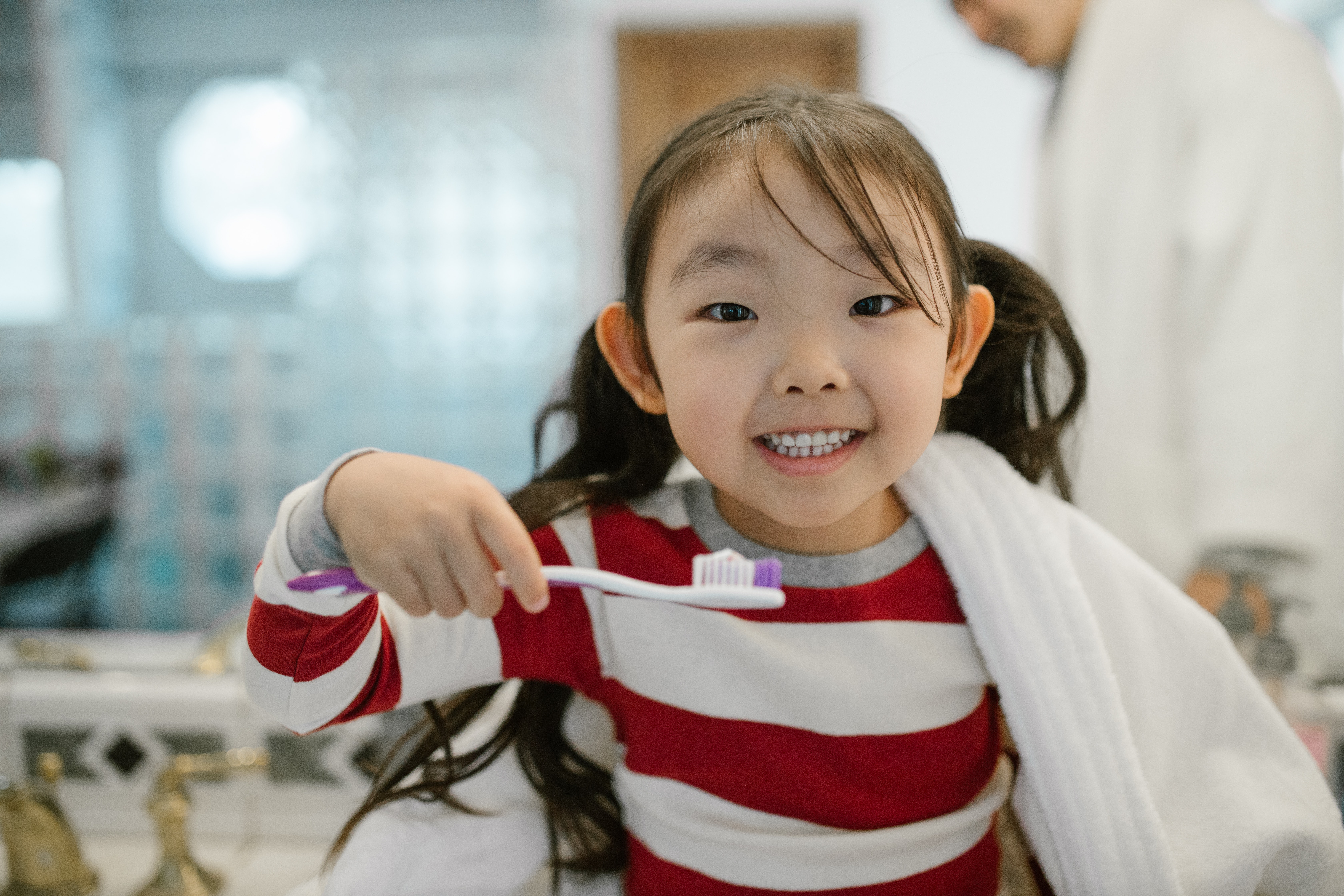
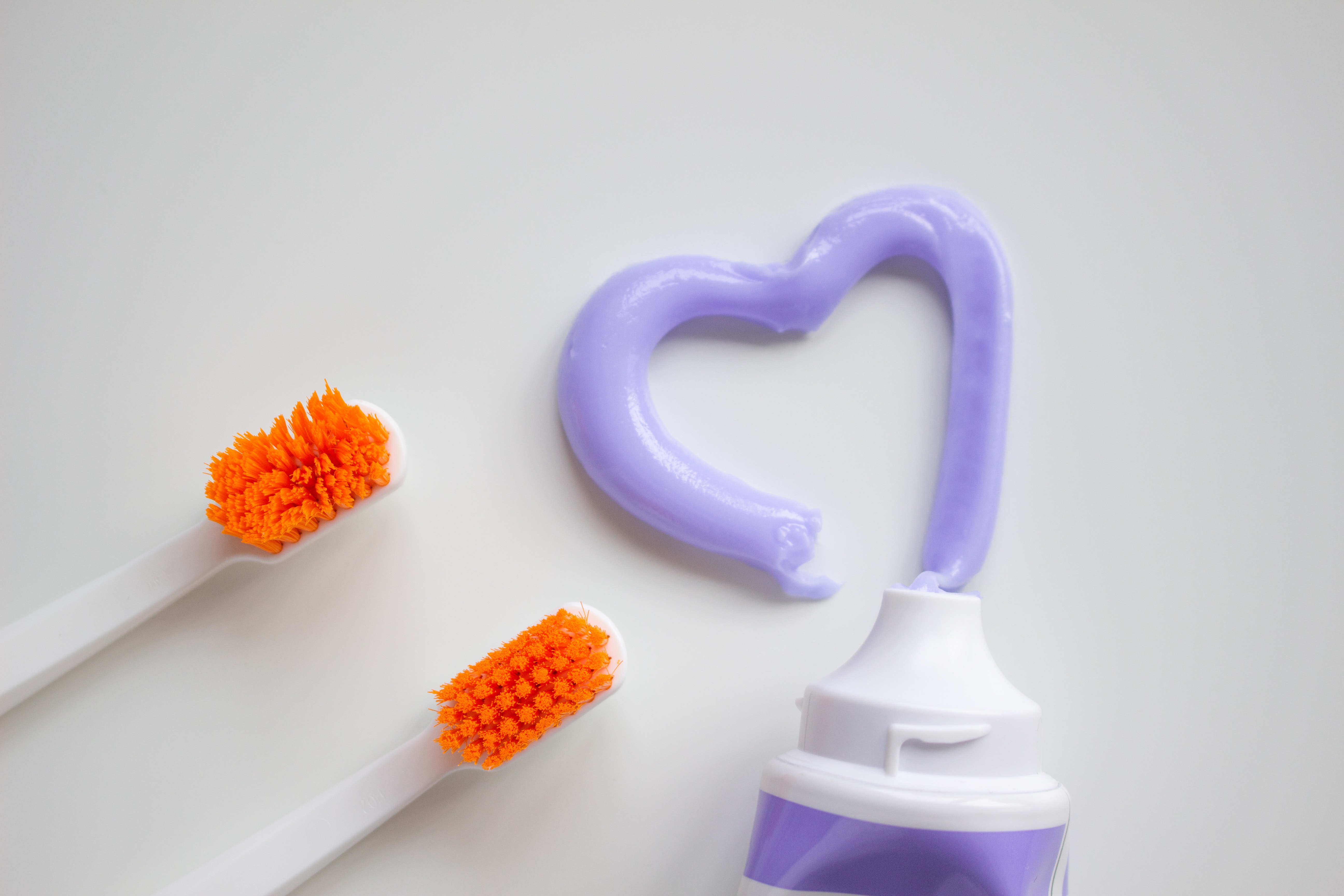
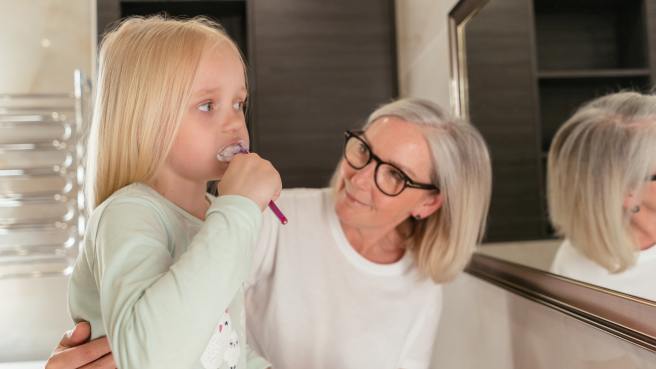
Brushing my teeth with my fresh, clean toothbrush makes me happy

But, what are the best ways to keep toothbrushes clean and fresh between brushing?

Here are 6 ways to take care of your child’s toothbrush so your child’s toothbrush will help you take care of them —

Cleaning your toothbrushes is easy

Rinse your brushes to remove any remaining toothpaste and food particles from the bristles.

Toothbrushes like to be left out in the open

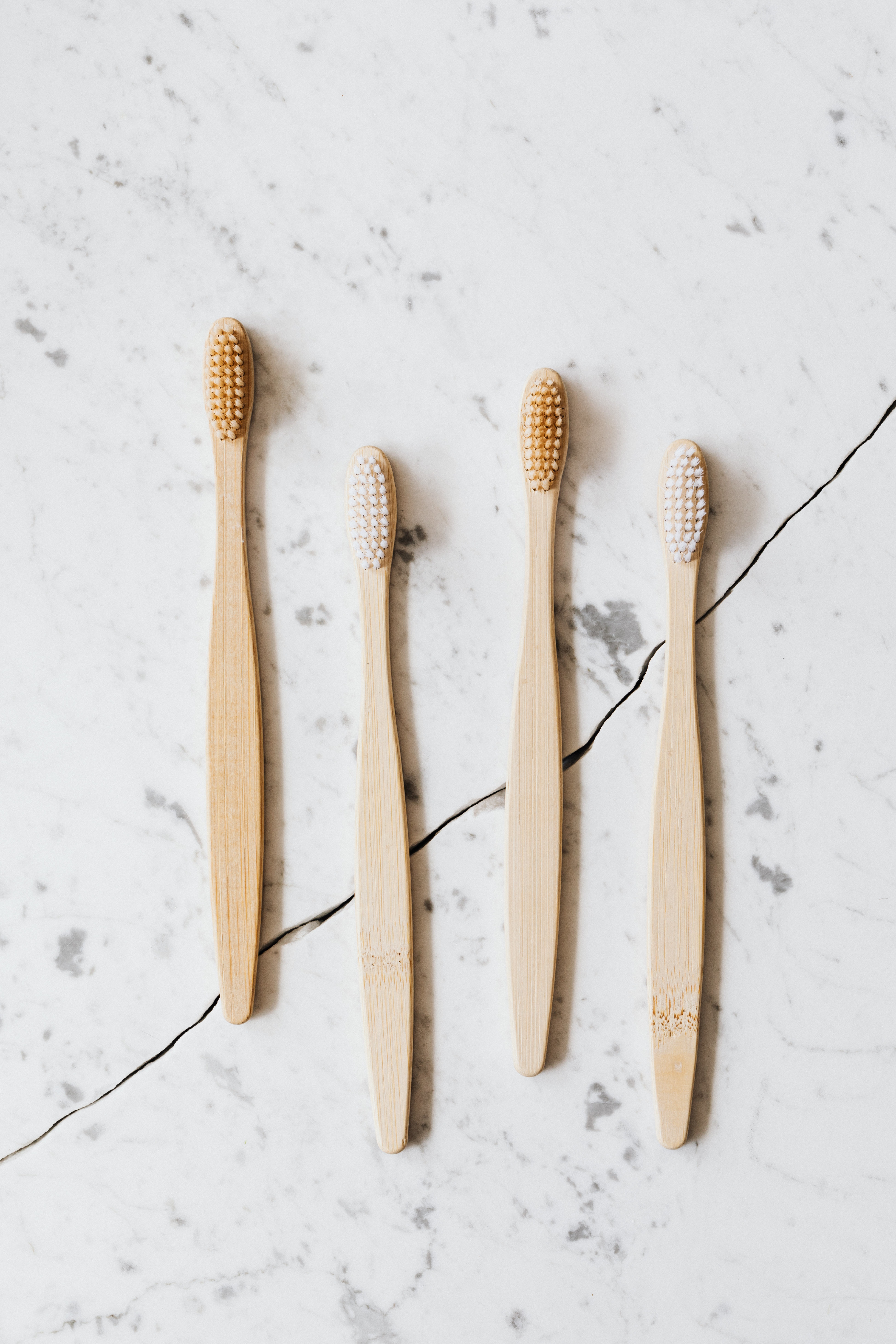
Store your brushes upright and allow them to air dry. Don’t cover or store them in closed containers. A closed container or one with little air holes keeps the brushes wet which allows unwanted bacteria to grow.

Keep toothbrushes separate

If you store your child’s toothbrush with other toothbrushes make sure they are separated to prevent cross contamination and allow them to dry.

Store toothbrushes so they don’t get splashed on

Keep your brushes away from the edge of the sink and counter top. This way they’re not accidentally splashed when someone is washing their hands or reaching for the hand towel. It’s also a good way to help avoid getting germs on the brushes.

Sharing is not caring with toothbrushes

Sharing a toothbrush means you’re also sharing bacteria from each other’s mouth.

Replace your child’s toothbrush every 3 months

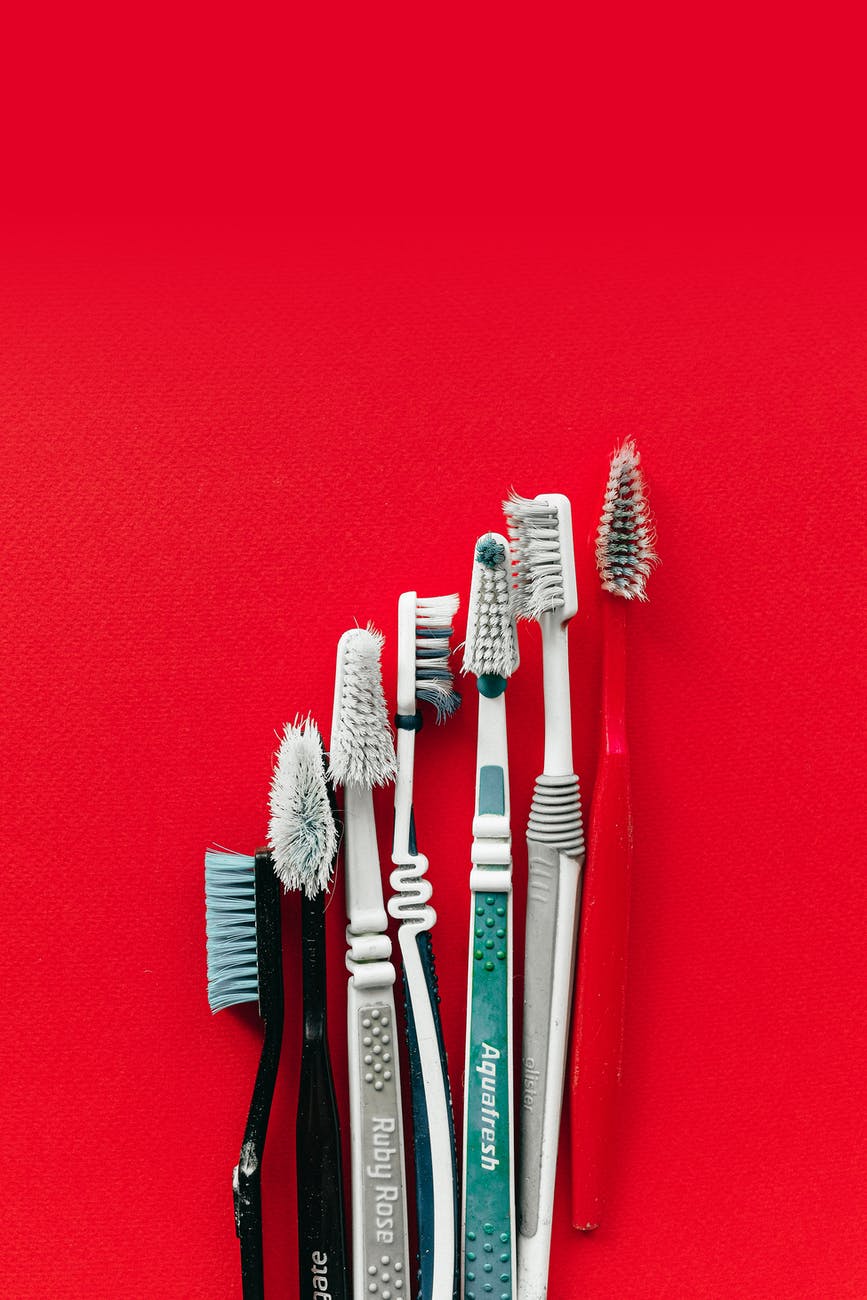
90 days of brushing 2Min 2X’s A Day (that’s 180 brushings) takes a toll on a toothbrushes bristles. The bristles become worn down, don’t do a good job of brushing and give germs a place to grow. Regularly replacing your child’s brush allows you to keep up with your good healthy habits.
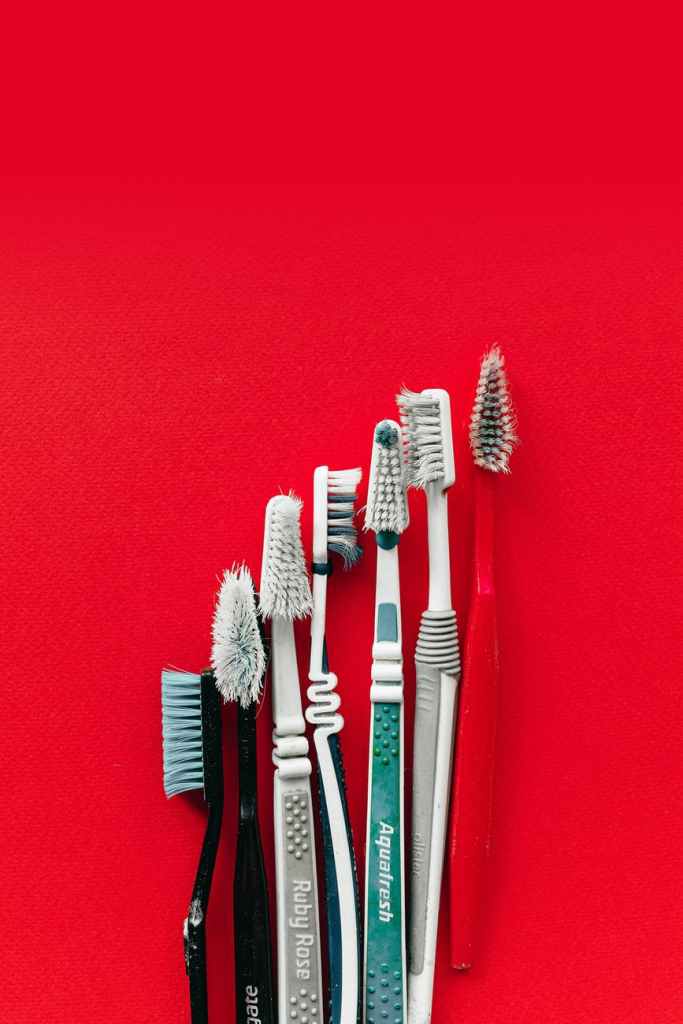
It's time for a new toothbrush

How do you keep your child’s toothbrush clean and fresh? Have a tip you’d like to share? We’d love to hear from you!

Email us at kidstoothhotline@protonmail.com or Like us, Message us, Chat with us on Facebook at www.facebook.com/kidstoothhotline

More tips? We have lots. We’re just for kids!
How Often Should You Change Your Child’s Toothbrush?

In the Know for You to Know

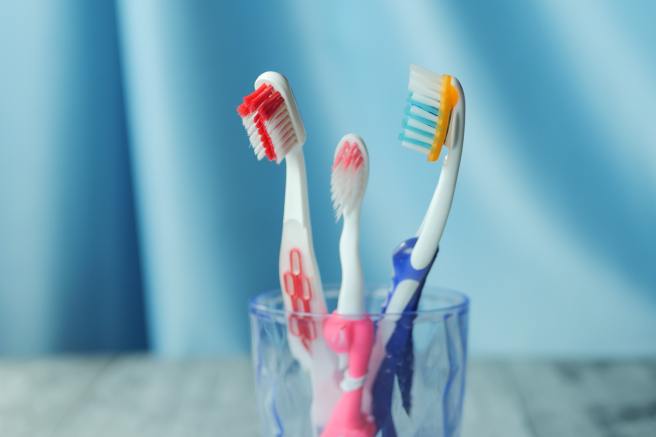
How Often Do You Change Toothbrushes? There are 3 important reasons to change your child's toothbrush to keep their routine on track.

3 Important Reasons to Replace Your Child’s Toothbrush?

How many times a year do you change your child’s toothbrush?

  • Every 6 months?
  • Every 3 months?
  • Once a month?
  • Once a year?

3 most important reasons to change your child’s toothbrush – when the bristles start to wear out, after your child has been sick, and every 3 months to keep their routine on track.

Brushing My Teeth
Brushing My Teeth With My New Toothbrush Makes Me Smile

Let us know how often you change your child’s toothbrush. Send us an email at kidstoothhotline@protonmail.com or Message us, Chat with us, Like us on Facebook at www.facebook.com/kidstoothhotline

More tips? We have lots. We’re here just for kids!
Halloween is October 31st, Do you know what November 1st is?

In the Know for You to Know

Yes it is the day after Halloween, and it’s also a special day. It’s NATIONAL BRUSH DAY.

Family Brushing Time After Trick or Treating

What is National Brush Day?

Every year we celebrate National Brush Day on November 1st. To make up for those extra sweets from Halloween we celebrate this day so we can remind our children to get back into our healthy routines and brushing our teeth.

How do we celebrate?

After your children enjoy their treat it’s time to brush to the beat (of their favorite song).

On this day it’s being especially mindful of how important brushing for 2Minutes 2X’s A Day is for everyone. Brushing is actually fun when you do it together to make sure they get into the nooks and crannies. Check out www.2min2x.org for fun brushing.

What do we need to do?

You’ll need 3 things–A soft toothbrush (age appropriate size), a dab will do ya size of toothpaste (fluoride toothpaste recommended), and floss.

Remember to floss first at night. I know everyone says to brush and floss. Flossing first allows you to take out all the yucky stuff that gets caught in between your child’s teeth (and there’s always stuff) then you brush all that away at once.

If you floss second, then you’ll have to brush again to brush that in between the teeth stuff away.

When do we start?

If you haven’t already, National Brush Day is a great day to start. This way National Brush Day will be your family’s anniversary for good oral heath!

Shine Bright My Teeth

HAPPY NATIONAL BRUSH DAY from US to You!

Tell us how your family celebrated National Brush Day. What’s your routine for your child’s healthy teeth and dazzling smile? Send us an email at kidstoothhotline@protonmail.com or Message us, Send us a Comment and Like us on Facebook @ www.facebook.com/kidstoothhotline

More tips? We have lots. We’re here just for kids!
Halloween Is Coming – What Treats Will You Choose?

In the Know for You to Know

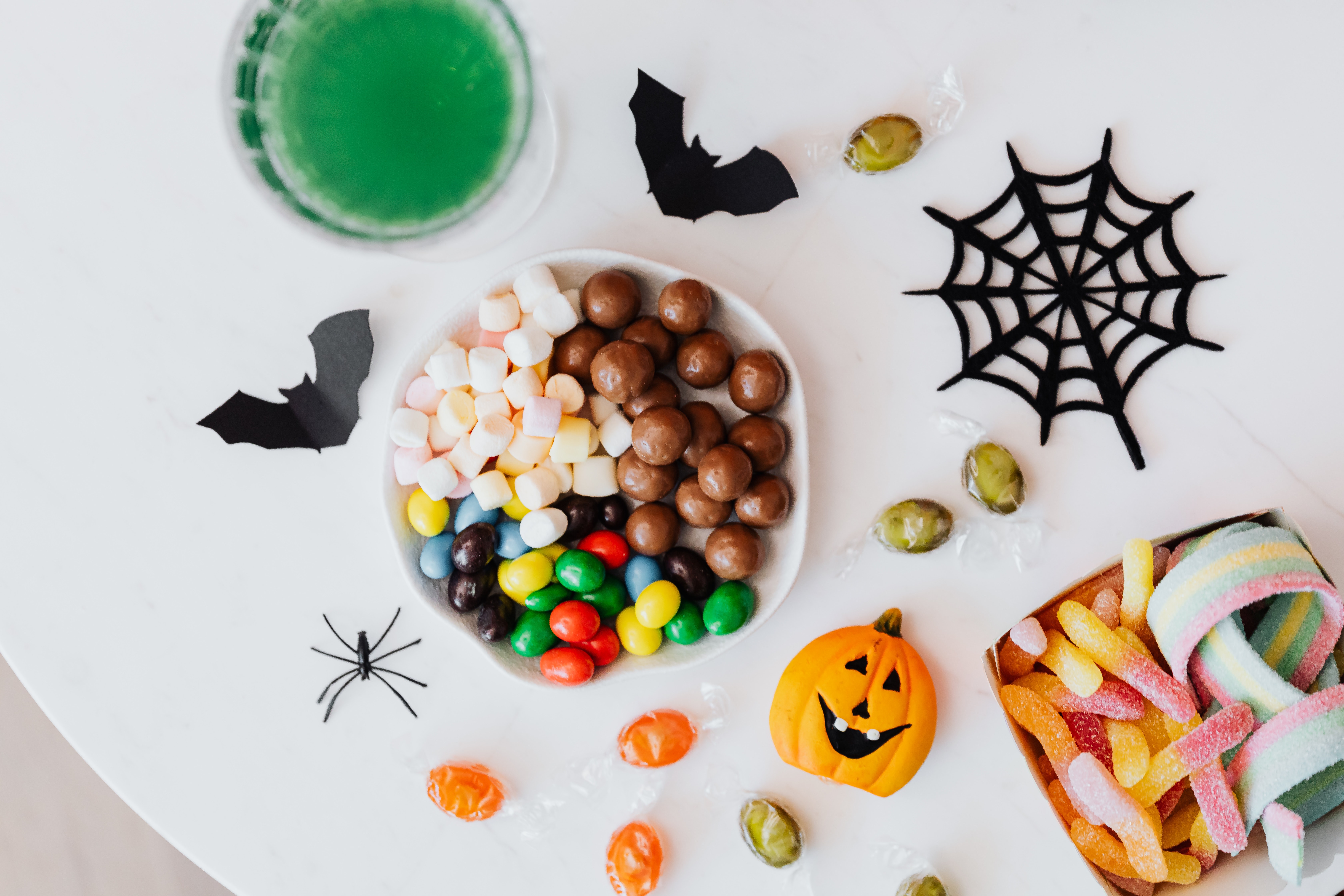
What's in Your Pumpkin?
What’s in Your Pumpkin?

Halloween will soon be here. What costume will your child wear? Will it be trick or will it be treat?

If you choose treats, what will they be? and what will you do to keep their teeth healthy?

Check out these tips for a happy Halloween –

*If it’s sticky, it gets stucky and that’s so yucky! Staying away from taffy, dried fruits, caramels, and other chewy, sticky candy is a good idea.

**When choosing candy less sticky and less sour goodies like pretzels, xylitol gum, and smooth chocolate are a good choice. Chocolate without any mix-ins is great because it slides off their teeth.

***Drink water to help wash away the sticky gooey chewy candies. Water is really good for you and your teeth.

****After trick or treating it’s important to make sure to brush their teeth and remember to floss before you brush. It takes 2 Minutes of brushing to clean away all the candy and flossing to remove what has gotten in between their teeth. Keeping up your flossing and brushing routine is important every day.

*****Select with your child their top 5 favorite pieces of candy. Allow them to eat all these choices with in a specific time period rather than continually snacking throughout the night and next day. By doing this you’re one and done and everyone is happy.

Follow these tips for spooktacular teeth.

Happy Halloween!

Tell us about your Halloween plans, costume, whether you tricked or treated, and what your child’s candy choices were. Send us an email at kidstoothhotline@protonmail.com or Message us, Send us a Comment and Like us on Facebook at www.facebook.com/kidstoothhotline

More tips? We have lots. We’re here just for kids!

What’s In Your Bubblegum?

In the Know for You to Know

We're Only Allowed To Chew Xylitol Bubblegum
We’re Only Allowed To Chew Xylitol Bubblegum

Chewing gum and blowing bubbles is so much fun. The bigger the bubble gets the more fun it is.

Regular gum is full of sugar and well sugar is really not so much fun. So what’s a gum lover to do?

To keep those bubbles coming a great alternative is chewing gum with Xylitol.

What Makes Xylitol Gum Better?

Everyone’s mouth contains bacteria and some bacteria really like sugar. These are the bacteria that cause cavities. But these bacteria so not like Xylitol. So Xylitol is a great alternative because of this plus it helps produce more saliva and keep everything moist and moving around and as an added bonus gives you minty fresh breath with no added sugar.

Sounds Good, Any Other Tips?

As with all good things moderation is key for maximum enjoyment. Remember to Brush (2 Minutes 2X’s A Day) and floss before brushing every night.

Anything Else?

Are you ready for a Bubblegum Blowing Contest? Ready – Set – Blow Bubbles!

Blowing Bubbles with Xylitol BubbleGum

Tell us about your Bubblegum Bubbles Contest! Who blew the biggest bubble? How big were those bubbles? OR Say Hello! Send us an email at kidstoothhotline@protonmail.com Message us and Like us on Facebook at www.facebook.com/kidstoothhotline

More tips? We have lots. We’re here just for kids!

Can Babies Be Born With Teeth?

I may just have been born but I can still have teeth

In the Know for You to Know

Yes it is possible for babies to be born with teeth. We’re used to hearing that we should expect babies to get their first teeth around the time they are 6 months of age. Believe it or not, you’d be surprised that some babies are born with teeth!

What Are These Teeth And Where Did They Come From?

Some babies are born with teeth, and they are called Natal Teeth.

The reason for natal teeth is not well understood. What is known is that there is no one single cause of natal teeth.

Some say these are baby teeth that come in early. Some say it’s genetic. While others are of the opinion that babies born with cleft lip or cleft palate are more likely to have natal teeth.

What To Know About Neonatal Teeth

There are some babies who have teeth appear within the first 30 days after they are born, these are called Neonatal Teeth.

Neonatal teeth are less common than Natal Teeth. They can develop like typical baby teeth, but they need to be watched as they carry many of the same complications and risks as natal teeth.

What Do Natal and Neonatal Teeth Look Like?

Sometimes these teeth have the same shape and appearance as typical baby teeth. While other times they may be smaller, under developed, yellow or yellow-brown in color, loose, or conical in shape.

Natal and neonatal teeth can come through the gums in the same places a baby tooth would, but they’re most likely to be in the bottom front area. Sometimes there’ll be a lone tooth, or they can come in as a pair.

Complications To Watch Out For

While natal and neonatal teeth aren’t usually fully developed like usual baby teeth, there are some complications to watch out for:

Breastfeeding Difficulties – Babies with natal and neonatal teeth often have difficulty latching on for breastfeeding. These teeth can also make breastfeeding painful for mothers as they can cause sores due to biting.

Tongue Injury – An injury to the tongue is uncomfortable, especially for a newborn, and especially when it is on the bottom surface or tip of their tongue. These are the places where their tongue comes in contact with the natal or neonatal teeth. This can also cause interferences with breastfeeding.

Tooth Swallowing – There are some circumstances when the natal or neonatal teeth are loose and there is a risk of them being swallowed that they’ll need to be taken out for safety.

Treatment For Natal And Neonatal Teeth

Some treatment may include:

Tooth Extraction – This is recommended if the baby’s natal or neonatal tooth is loose to prevent the tooth from being swallowed.

Smoothing – Smoothing the tooth if it is impacting the baby’s ability to feed. If the tooth is sharp it can cause pain and injury during breastfeeding.

Watch and Wait – Some natal and neonatal teeth are actually baby teeth. If this is the case and there aren’t any concerns with these teeth, keeping them in place has many potential benefits for your child’s oral health.

As long as natal and neonatal teeth are not interfering with feeding, not causing any injuries or problems, aren’t at risk for being swallowed, aren’t bothering you or the baby they can be kept in place and monitored. It’s also important to care for them as you would regular baby teeth.

Let us know if you know someone whose baby has (or had) natal or neonatal teeth and what they needed to do. Send us an email at kidstoothhotline@protonmail.com or Message us, Like us or Send us a Comment on Facebook at www.facebook.com/kidstoothhotline

More tips? We have lots. We’re here just for kids!

Manual Toothbrush Or Electric Toothbrush? Which Should My Child Use?

My Mom and Dad Chose this Toothbrush for Me

In the Know for You to Know

As parents we always want the best for our children and will explore all options available to us.

A question we have been receiving a lot recently from parents is about the type of toothbrush their child should be using. Specifically whether to use a regular toothbrush (manual brush) or an electric toothbrush.

What Are The Benefits Of A Manual Toothbrush?

Manual toothbrushes come in lots of sizes, shapes, and colors. There are many varieties that have children’s favorite characters on them. They are light weight, easy to hold, and don’t need to be plugged into an electrical outlet or have batteries changed.

What Are The Benefits Of An Electric Toothbrush?

Electric toothbrushes take the work out of brushing. The brush’s bristles move in a circular motion, mimicking what you and your child would need to do with a manual brush. Some brushes already have the bristles angled (45 degrees) to the gum line for effective tooth and gum cleaning.

Many electric toothbrushes come in children’s favorite characters and colors. These brushes encourage your child to brush for the correct amount of time (2Minutes 2X’s A Day) because they come with a built-in timer. Some timers play music, some flashing lights, some talk, some make buzzing sounds, some simply stop.

How Do I Choose The Right Toothbrush For My Child?

Here are some helpful tips when looking for your child’s toothbrush —

1. Select a child-size toothbrush (or electric toothbrush handle) for easier holding, use and comfort,

2. Choose a child-size head on a child-size manual or electric toothbrush,

3. Select a toothbrush or toothbrush head with soft bristles,

4. Include your child in the decision, the more involved your child is in selecting their toothbrush the more willing they are to (or allow you to) use the brush.

Children should have their teeth brushed for them until they have the motor skills and dexterity they need. A good rule to judge this is when your child can fully bathe or shower on their own as well as wash, dry and style their hair all on their own.

Taking Care Of My Child’s Toothbrush

Taking care of your child’s (and your) toothbrush is always important; whether you choose a manual brush or an electric toothbrush. Always rinse the toothbrush head after each and every use with water.

Check the brush’s bristles for wear and change their toothbrush or toothbrush head (if electric) every 3 months. If anyone has been ill, change their brush (or brush head) after their illness.

Remember what’s most important is for you to feel comfortable and confident taking care of your child’s oral health.

Our New Toothbrushing Saying - I Can and I Will
Our New Toothbrushing Saying – I Can And I Will

Let us know which brush you prefer — Send us an email at kidstoothhotline@protonmail.com or Message us, Like us, and Send us a Comment on Facebook at www.facebook.com/kidstoothhotline

More tips? We have lots. We’re here just for kids!

New Parents: 5 Oral Health Tips To Share

In the Know for You to Know

Once your baby comes you’re going to be busy. As a parent you have so many responsibilities. Let’s face it, teeth sometimes fall to the bottom of the list.

So we’ve put together some tips to help you seamlessly incorporate dental health into your new daily routine.

Tip 1 Mom and Dad, you and your baby share everything.

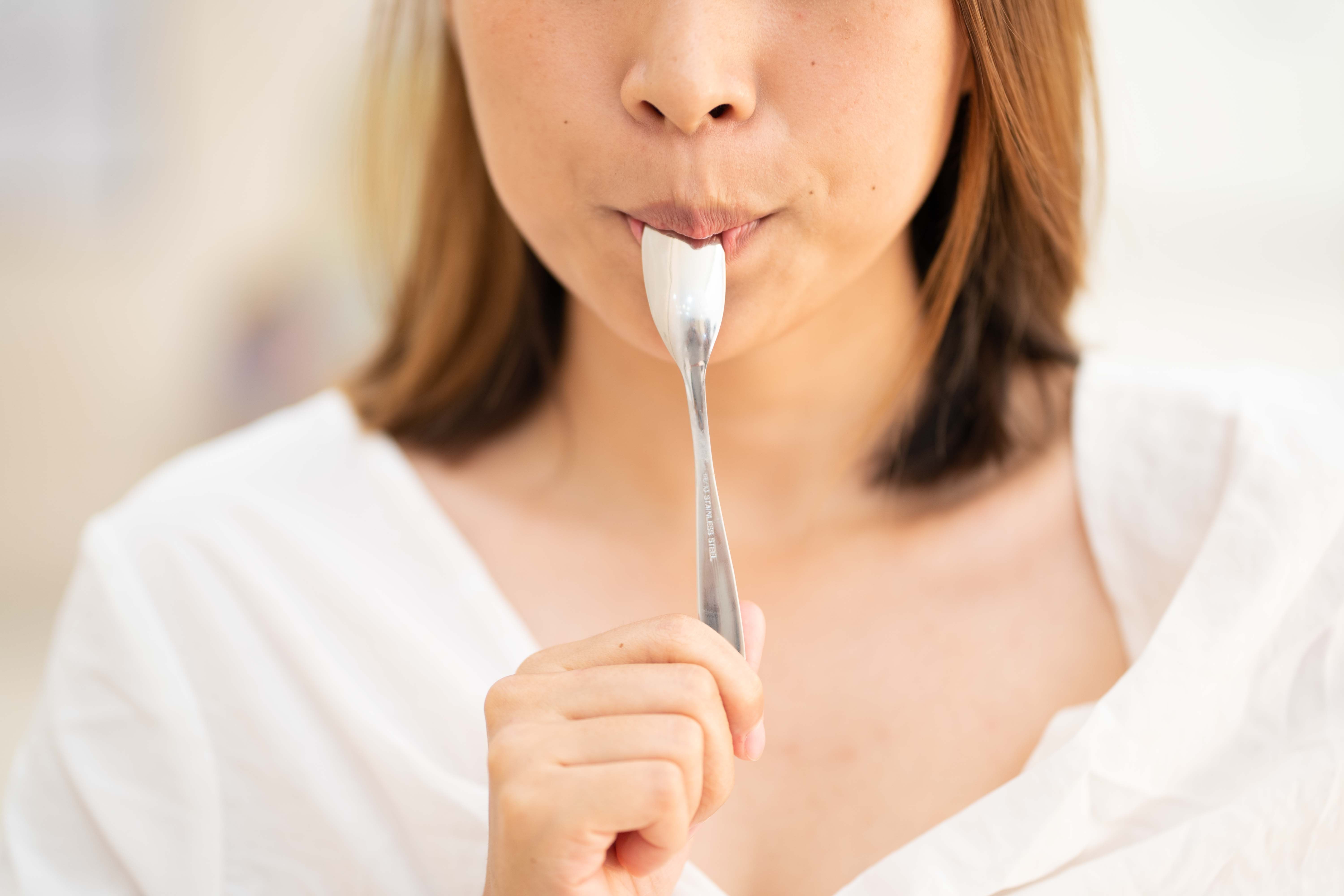
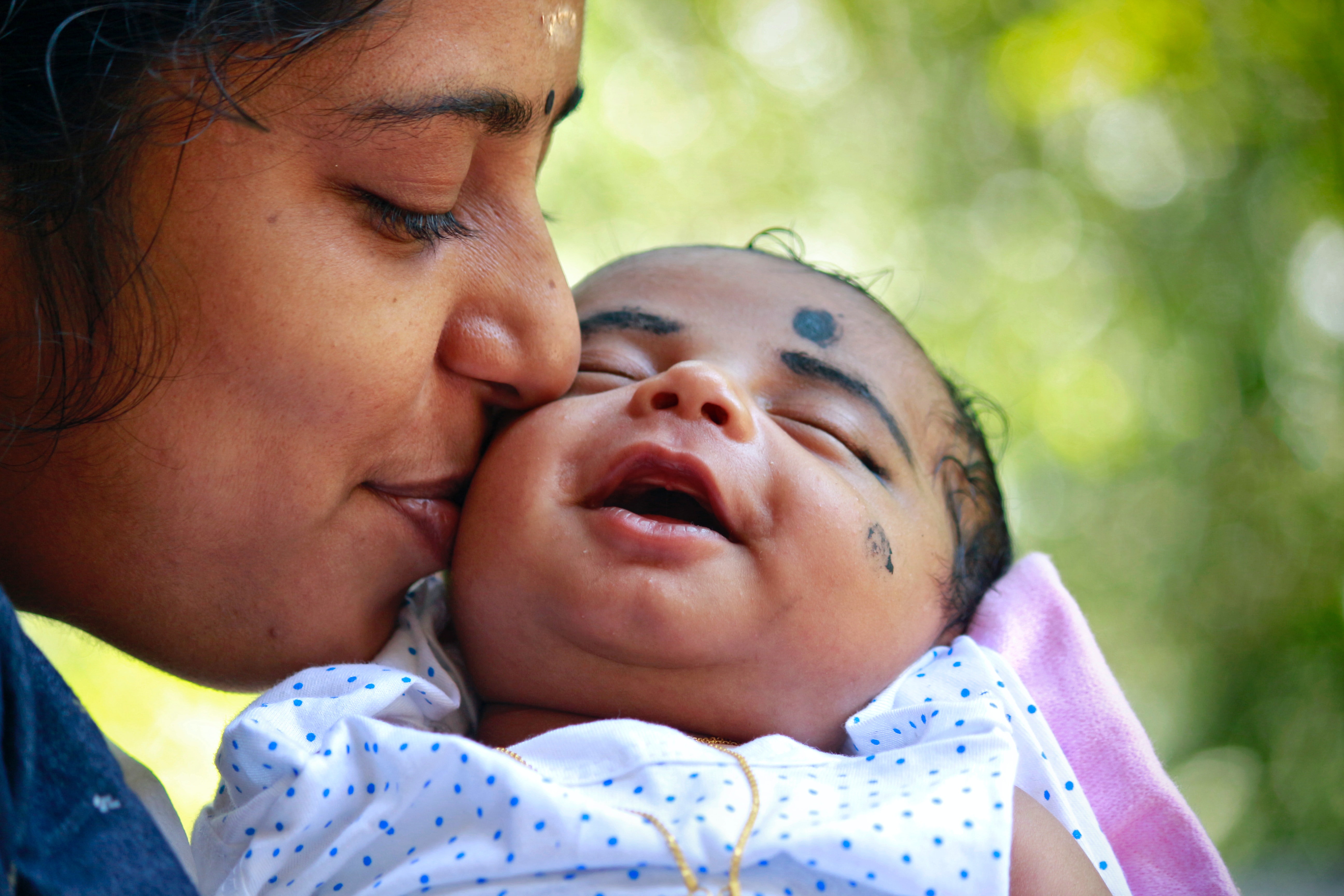
If you have cavities, then you also have the bacteria in your mouth that causes them. These bacteria can be passed from your mouth to your baby’s mouth and increase their risk of having cavities. Think giving kisses, licking spoons, and licking pacifiers.

Oral health is always a work in progress, so think about your own healthy smile early on.

Tip 2 Take care of your baby’s teeth before they come into their mouth.

Whether you bottle feed, breast feed, or a combination of both, what’s important is that you wipe your baby’s gums and lips after each feeding and before naps and bedtime. Their mouth is a warm moist place, the milk (or formula) contains sugar, and bacteria love both so they can grow.

When wiping your baby’s gums and lips use a soft lightly wet washcloth. Gently go over their top and bottom gum pads and gingerly move their lips so you have their gums in full view (this is called – Lift the Lip). Then wipe their lips from the inside to the outside.

Tip 3 Don’t let your child fall asleep with a bottle or while breast feeding.

Of course this can happen and the milk bubbles they make with their lips is so adorable. While this looks super cute the sugar in the milk helps to cause cavities (which are not so cute). Even with your best efforts to avoid this, if it does happen, wipe their gum pads and lips with a soft damp washcloth.

Keep extra washcloths at the ready in a separate compartment of your diaper bag so if this happens when you’re out and about you’ll be prepared.

Tip 4 What to do when your baby starts teething.

Baby’s can start teething when they are between 4 and 6 months old. Some baby’s can be older and some can be younger. You can rub their gums with your clean fingers or with a cool washcloth that you hold.

It’s a good idea to stay away from those liquid teething medicines (since they can burn their tender gums), teething rings, teething beads and teething necklaces.

Teething itself doesn’t cause a fever or diarrhea. Check with your Pediatrician if your baby develops a fever, diarrhea, or looks sick.

Tip 5 Baby Teeth are important.

Not all baby teeth are the same. Some teeth go to the tooth fairy when your child is much older, like 13 to 15 years old.

Baby teeth allow your child to chew their food and speak clearly. Very importantly they provide the place for adult teeth to grow in healthy and in proper position.

Remember, your oral health matters. A healthy mouth for mommy and daddy means a healthy start for your baby.

Tell us some of your tooth care tips –

Send us an email at kidstoothhotline@protonmail.com or Message us and Like us on Facebook at www.facebook.com/kidstoothhotline

More tips? We have lots. We’re here just for kids!

Tips On Proper Tooth Brushing Technique

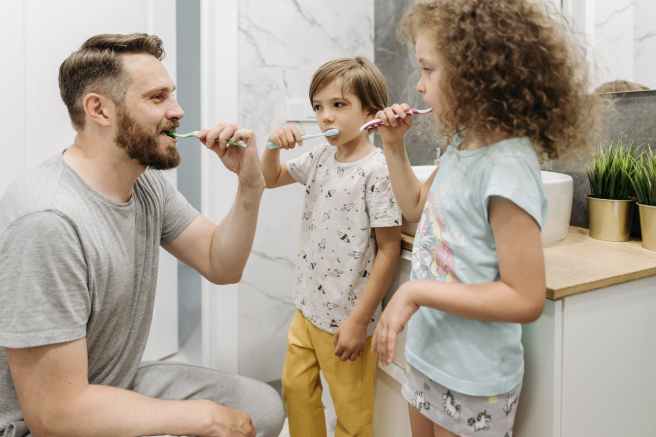
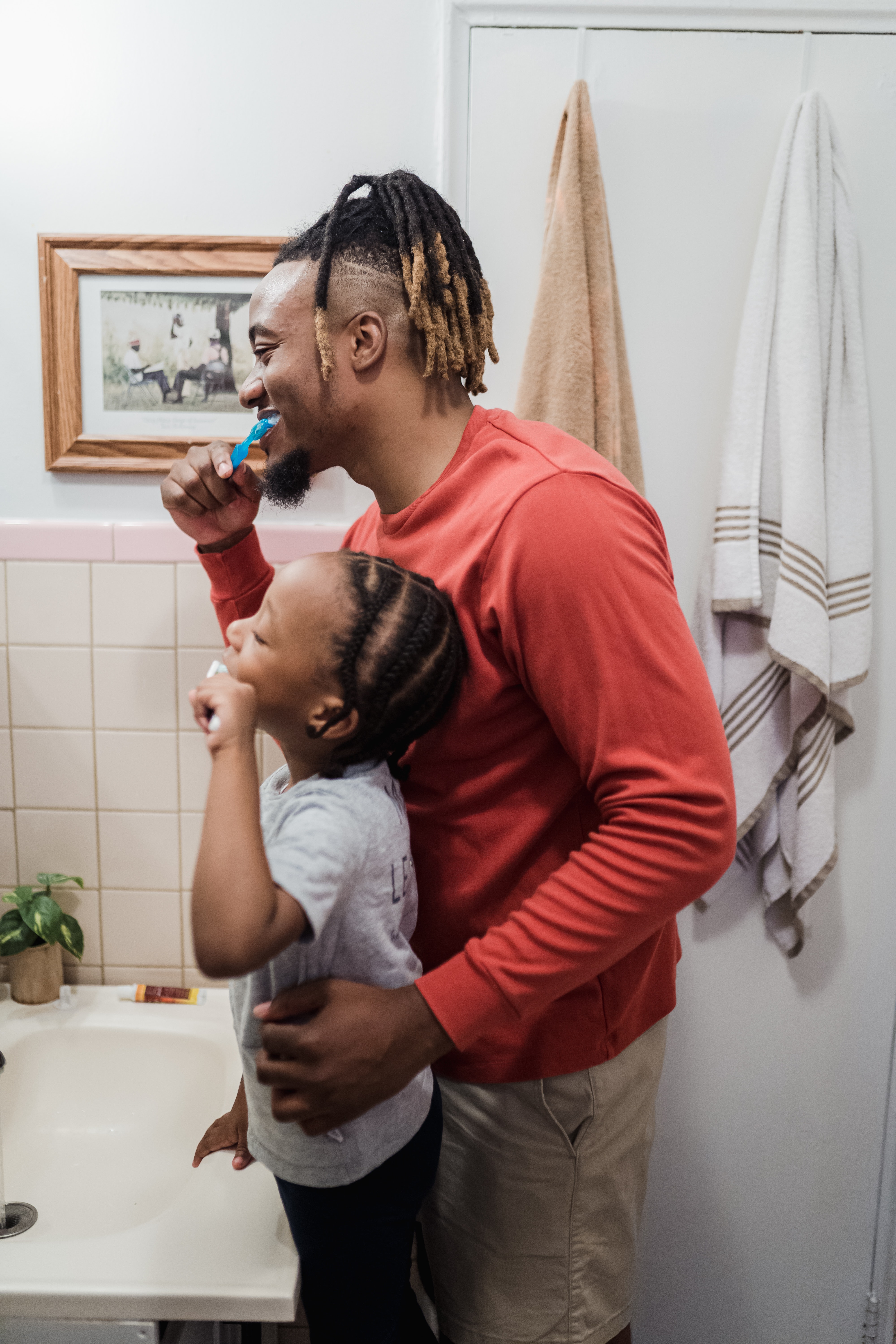
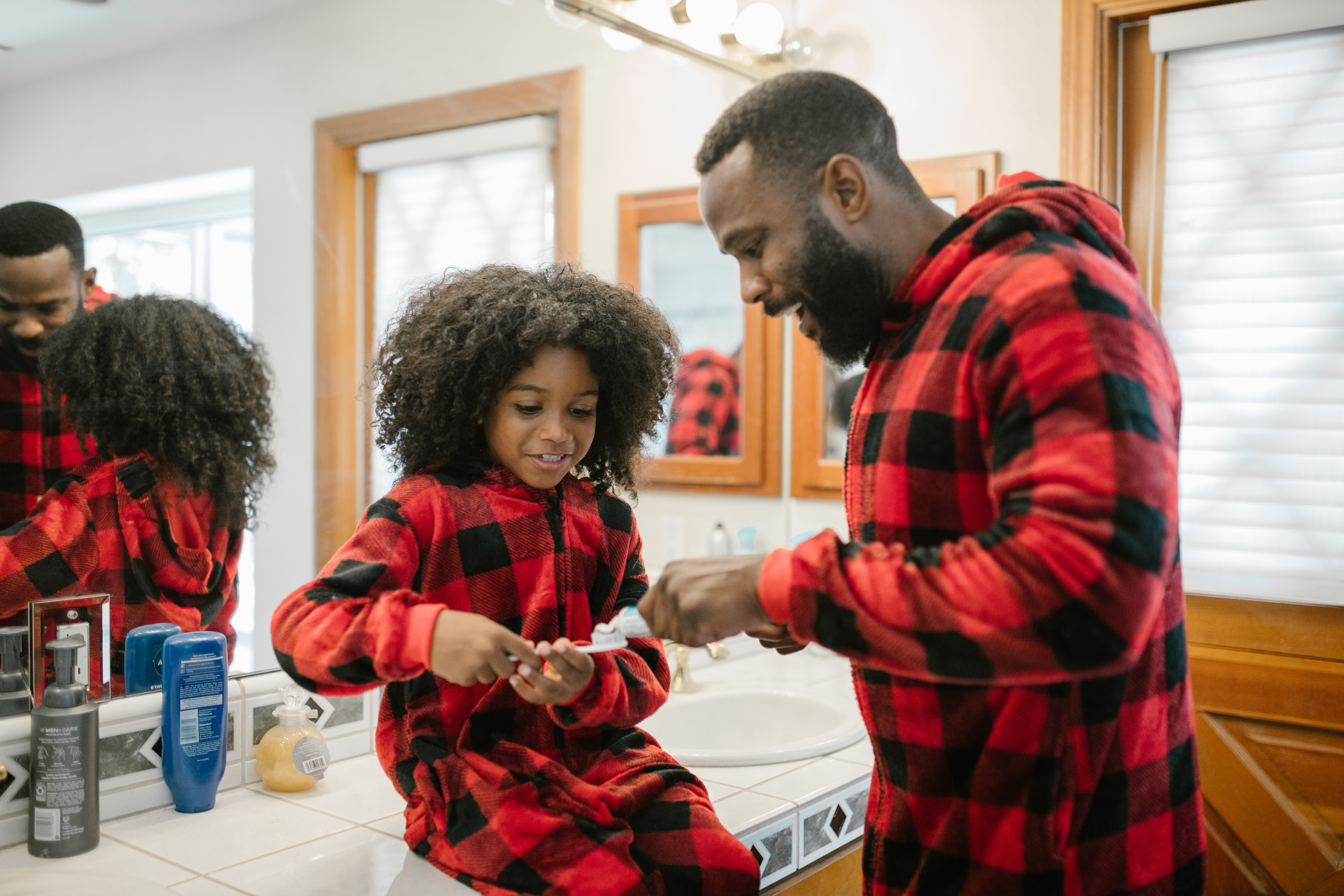
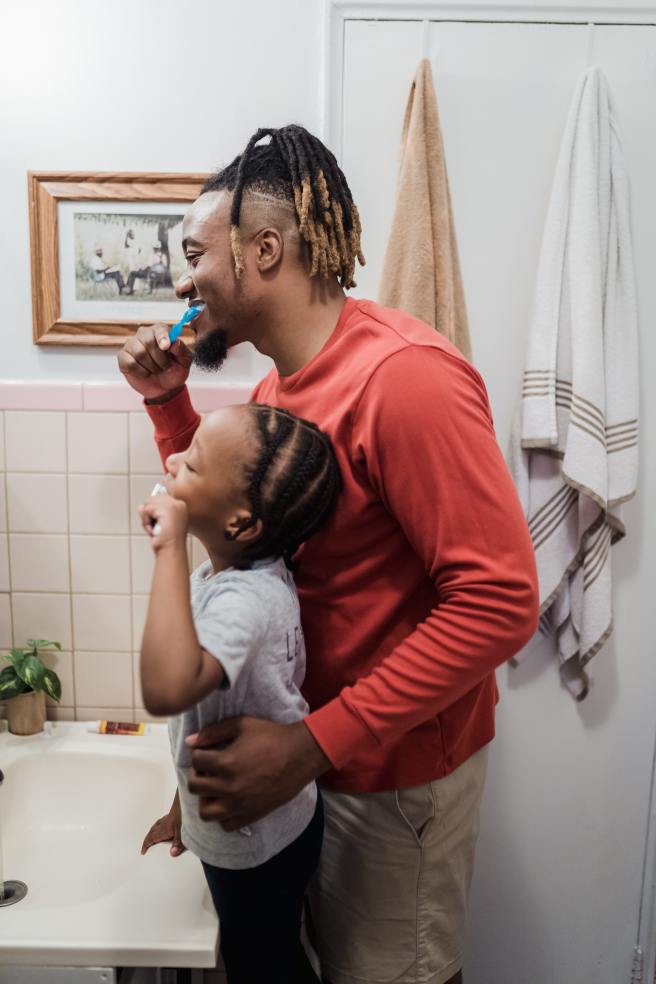
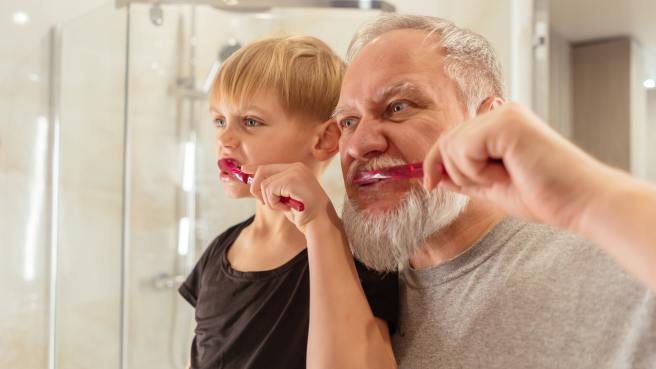
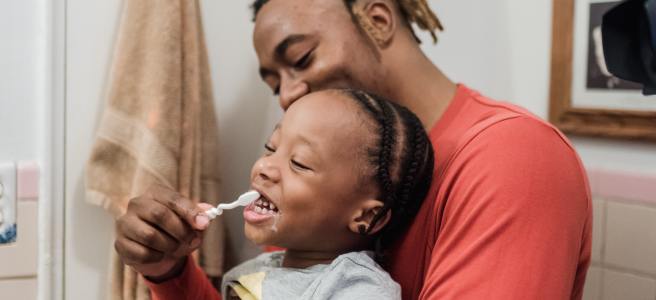
Laughing and Smiling Brushing Teeth With Daddy

In the Know for You to Know

Back to school means there is a lot of learning going on right now! We thought we would add a lesson in ourselves.

Today we’re going over the proper tooth brushing technique. So grab your tooth brushes, and put our knowledge into action.

Why Is It Important To Brush?

Tooth brushing is the best way to remove plaque from your child’s teeth and gums to help prevent cavities. Remember it’s 2Minutes 2X’s A Day.

What is Dental Plaque?

Dental plaque is the sticky stuff that adheres to teeth and forms after eating and drinking every day. The less often you brush the more it accumulates. The more it grows on teeth the higher the risk of cavities.

Steps For Brushing Your Way To Healthy Teeth

Step 1. For a gentle and through tooth brush cleaning always use a small head soft bristle tooth brush,

Step 2. Starting on the Outside of your child’s Front Teeth – Hold the brush at a 45 degree angle to the gum line and move around the tooth in little circles,

Step 3. Keep going around as you move towards the Outside of the Back Teeth and keep the brush going in the same way,

Step 4. Now turn the brush onto the Inside of the Back Teeth and keep going along in circles as you come up to the Front Teeth,

Step 5. When you come to the Inside of the Top and Bottom Front Teeth turn your brush vertically and keep brushing in circles up and down the tooth,

Step 6. Now it’s onto those Chewing Surfaces where you’ll hold the brush flat and brush in a gentle back and forth motion, and don’t forget

Step 7. Gently brush their tongue to remove food particles and freshen breath.

How Much Toothpaste Should I Put On My Child’s Tooth Brush?

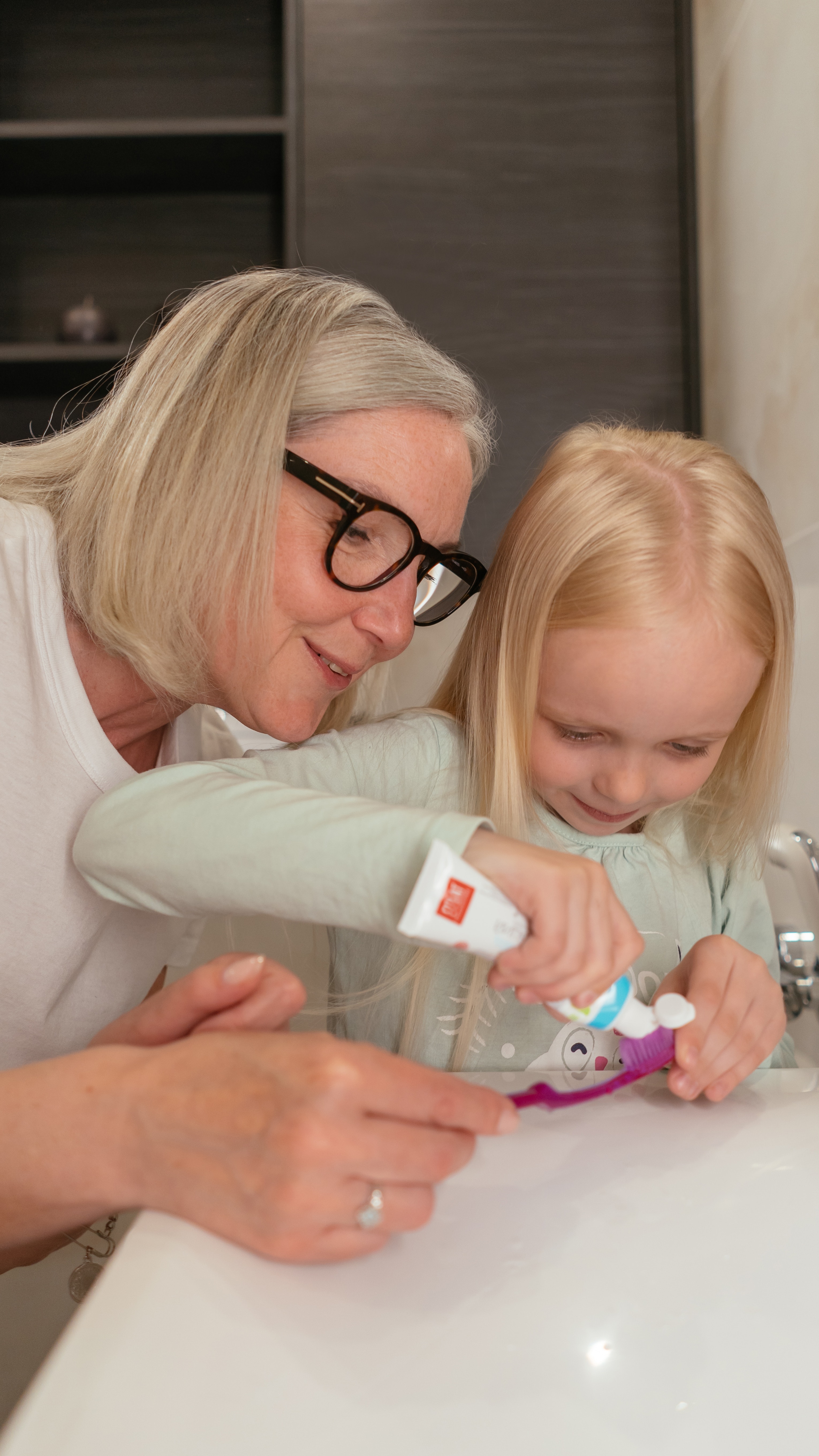
It doesn’t take that much toothpaste to brush their whole mouth and tongue.

Your child is younger than 3 years old use a rice-grain size (think teeny tiny dab) of toothpaste.

If your child is 3 years old to 6 years old use a small pea size amount of toothpaste.

When your child is over 6 years old you can still use a small pea size amount of toothpaste and really don’t need much more than a regular pea size amount of paste as they get older (yes even for tweens and teens).

How Often Do I Need To Change Our Tooth Brushes?

2 good rules to follow is every 3 to 4 months because the tooth brush bristles start to wear out and fray so they become less effective for brushing, or if your child has been sick.

Tooth Brushing Can Be Fun

Playing your child’s favorite music during tooth brushing time helps make the time fly by.

Tell us about your tooth brushing routine or favorite tunes you like to play.

Send us an email at kidstoothhotline@protonmail.com or Message us and Like us on Facebook at www.facebook.com/kidstoothhotline

More tips? We have lots. We’re here just for kids!

Happy ToothsDay

In the Know for You to Know

We’re celebrating ToothsDay today

Did you know that today, September 8th is ToothsDay? Yes it is!
Today is the day we celebrate everything about teeth. No matter getting teeth, baby teeth, grownup teeth, teeth for biting into food, teeth for chewing food, teeth for talking, teeth for smiling, teeth for flossing, teeth for brushing.

Here are 3 great ways to celebrate Toothsday and give your child their best smile —

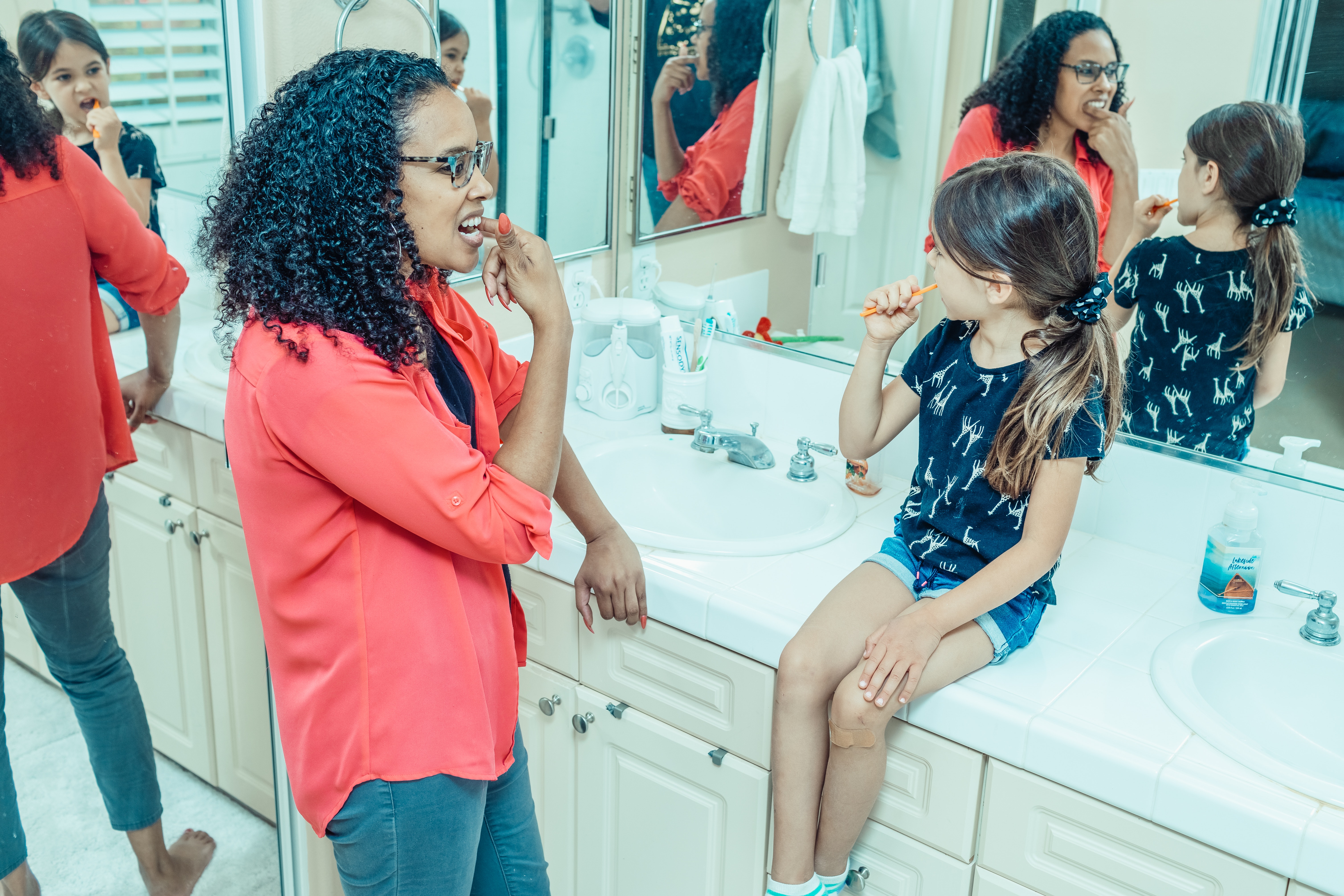
1. Mirror Mirror on the Wall – looking in the mirror to make sure you floss and brush away all the food and sugar that sticks to your child’s teeth and tongue is a great way to teach healthy habits. 2 Minutes 2X’s a day keeps the sugar bugs away.

2. Sweets are treats. There are so many goodies to choose from so keep an eye on snacking and drink choices. With sugar less is more.

3. Celebrate ToothsDay and National School Pictures Day together. That’s right, both are celebrated on September 8th. Pick out your child’s perfect outfit, work on that awesome hairstyle, and practice their best and brightest smile. Mom and Dad you remember this from your childhood, now it’s time for your child to go in front of the camera, think about the deep sense of pride and joy this brings to you.

Today is all about making memories and beautiful smiles together.

Tell us how you celebrated Toothsday.

Send us an email at kidstoothhotline@protonmail.com, Message us and Like us on Facebook www.facebook.com/kidstoothhotline

More tips? We have lots. We’re here just for kids!