
In the Know for You to Know
Children grow up so fast. Before you can catch your breath they’re in school.
Schedules are hectic. There’s after school, sports, dance, homework, and family time. With only so many hours in the day, where do you fit in tooth time?
Don’t be discouraged. Dental health habits don’t have to be overwhelming.
Here’s what I want you to know.
Why Dental Care Is Important For School Age Children
Children deserve a healthy and happy smile. There are 4 reasons why oral hygiene is important for school age children ~
- Helps to prevent cavities,
- Supports healthy teeth and new tooth development,
- Builds comfort for dental visits,
- Teaches children lifelong oral hygiene habits.
Healthy Habits Start At Home
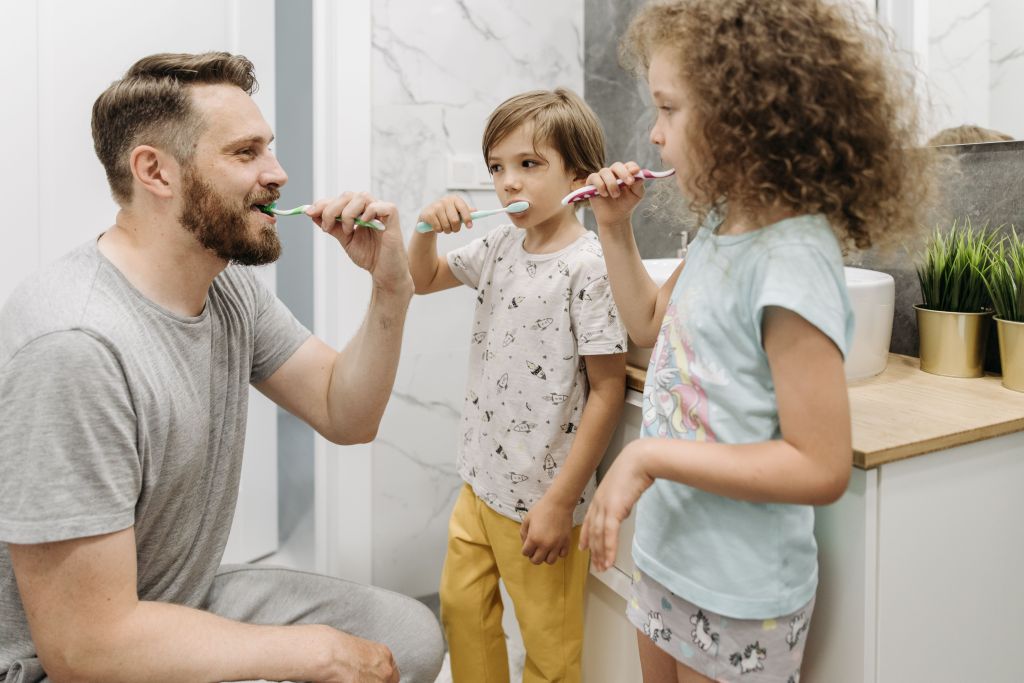
When parents model good oral hygiene and make it part of the family routine, children will naturally follow. This makes it easier on parents and for them to create lifelong habits that support their children’s healthy smiles.
What Can Parents Do?
- Make sure your child’s teeth are brushed twice a day with a soft bristle brush with fluoride toothpaste,
- Limit sugary drinks and snacks,
- Encourage water as their beverage of choice,
- Make dental habits a fun and positive experience.
3 Essential Tooth Brushing Tips
Oral hygiene is a crucial part of your child’s overall health. The good dental habits instilled in them now, set them up for a lifetime of healthy smiles.
- Lead by Example – Children love to imitate their parents. Be their role model for oral health creating a positive and shared experience. Brush your own teeth 2Min 2X’s a day with fluoride toothpaste (in the morning and at bedtime) and floss once a day (before bedtime brushing). Use this time to show your child how to brush and floss their teeth. Have them use a soft bristle toothbrush and show them how to put a (green) pea size amount of fluoride toothpaste on it;
- Make it Fun – Children are more likely to want to do something when it’s fun and they can help make their own choices. Have your child choose their colorful toothbrush, flavored toothpaste, or toothbrush with their favorite cartoon characters. You can also create your family’s own tooth brushing song to make the brushing experience more engaging. You can sing a 2 minute tune as your child brushes, while encouraging them to keep brushing until the song ends. Play their favorite song on your phone, and brush to the tune!
- Set up a Consistent Routine – Settle on a regular daily schedule and keep at it. Tying brushing habits to bedtime is a good idea to create a nightly routine for them. Try 30 minutes before bedtime every night. When you’re finished it’s a good time for cuddling or reading.



Are Mouth Guards Important For Children At This Age?
In one word, yes. Children this age are beginning to participate in recess, gym, after school athletics, and school sports. So it’s important to be aware of injury prevention which is why mouth guards are important.
Teething Is Back
The teething you remember from their baby days usually starts again at about 5 years old, and then on and off until they’re teenagers.
What You Can Expect To See
- Typically around ages 5 to 6, the front teeth and first set of adult molars come in,
- Around age 7, it’s the side teeth,
- Usually between 9 and 11 years old the canines (eye teeth) come in,
- Around age 12 the second set of adult molars comes into your child’s mouth, and you guessed it, they’re called the 12 year molars. Also around this time, your child’s baby molars will be replaced by premolars.



6 Reasons Why It’s Important To Keep Your Child’s Teeth Healthy
- Eating – Children who have cavities are less likely to want to eat because their teeth hurt;
- Speaking clearly – The teeth along with the tongue and mouth muscles help make speech sounds like f, s, sp, v, t, and th;
- Keeping space for their adult teeth to grow in – If a tooth is lost early the surrounding teeth move into that space and block out the adult tooth. This causes issues later on as that adult tooth tries to come into their mouth;
- Staying healthy – Sometimes children don’t know how to tell their parents that their teeth hurt. That doesn’t mean that the pain isn’t real. As cavities grow they can cause pain, swelling and significant infections which can affect other parts of the body;
- Being able to focus and learn – When teeth hurt performance in school suffers. Keeping teeth healthy allows children to pay attention in school;
- Self-confidence – Have you seen a child that doesn’t smile? Keeps their hand over their mouth when they’re talking? Doesn’t want to play or raise their hand in class? They’re probably hiding the cavities on their teeth that they don’t want anyone to see.

Oral health is an important part of your child’s overall health and well being. By establishing and keeping to a daily brushing and flossing routine in these school age years, you’re laying the foundation of good oral health for your child’s lifetime.
What does your daily brushing schedule look like? Are you having fun and keeping it going or are you going off track? Tell us, We’d really like to know! Send us an email to kidstoothhotline@proton.me Like Us on Facebook
More tips? We have lots. We’re here just for kids!


