In the Know for You to Know

There I was, a brand new pediatric dentist. I was ready to take the on the world and stop cavities. Fluoride was my super power to halt cavities before they started.
I was examining a 3 1/2 year old girl who lived in a town with fluoridated water, but she was drinking bottled water. When I asked why bottled water, her Mom asked me 2 questions.
These 2 questions are the top 2 on practically every parent’s mind when fluoride is mentioned. Why is fluoride is so important? and Do I need worry about my child drinking water with fluoride?
Fluoride can spark some differences of opinion. Today, we’re discussing fluoride basics, why fluoride is safe and its importance for protecting children’s teeth against tooth decay (aka cavities).
What Is Fluoride?
Fluoride is a naturally occurring mineral that helps strengthen tooth enamel and prevent cavities.
Fluoride can be found naturally in water, soil, air and some foods.
Why Is Fluoride Important?
Fluoride is one of the best and safest ways to prevent cavities for children.
How Does Fluoride Work?
Your mouth contains bacteria that feed on the sugars in the foods we eat and the beverages we drink. This produces acid that can wear away the hard, outer shell of your tooth’s enamel. This can lead to cavities.
Fluoride protects teeth by making the teeth stronger and more resistant to acid. It not only reduces the risk of cavities, it can even help reverse early signs of decay.
How Does Fluoride Prevent Cavities?
Fluoride prevents cavities in 3 ways.
Fluoride is like a shield for your child’s teeth. It helps to strengthen tooth enamel. By strengthening the enamel it can stop cavities before they start and even repair tiny areas of cavity damage.
Plus, fluoride fights off those troublesome germs that cause tooth decay.
Along with healthy eating and good toothbrushing habits, fluoride is a great way to keep your child’s smiles cavity free and strong.





Is Fluoride Safe?
Yes, fluoride is safe and effective in preventing cavities when used correctly.
However, too much while teeth are growing and developing can cause fluorosis. This is usually mild, with tiny white spots on teeth that are hardly noticeable. Severe cases are rare, but can cause enamel discoloration.
To avoid this keep fluoride containing products out of reach, especially for little ones. The right amount, like in toothpaste for your child’s age and drinking water gives your child all the benefits.
Should I Be Worried About My Child Drinking Water With Fluoride?
No. Fluoridated water is easy and one of the best beverage choices for all children.
Sweetened drinks like juice (even 100% natural), soda and sports drinks contribute to weight gain and tooth decay.
Fluoridated water is calorie free and protects teeth.
Do I Need To Worry If My Child Swallows Toothpaste With Fluoride?
Not if you are using the recommended amount of toothpaste for your child’s age and supervising their morning and evening brushing.
Three go to sources about fluoride toothpaste and toothbrushing are The American Academy of Pediatric Dentistry, The American Dental Association, and The American Academy of Pediatrics.
If We Brush Our Children’s Teeth With Fluoride Toothpaste, Do We Still Need To Drink Fluoridated Water?
Yes. Drinking water with fluoride bathes their teeth in small amounts of fluoride throughout the day and has been found to add to the benefits of brushing with fluoride toothpaste.
Drinking water with fluoride helps prevent cavities before they start.




4 Sources Of Fluoride
There are 4 sources of fluoride:
- Fluoridated Water
- Fluoride Toothpaste
- Fluoride Treatments
- Fluoride Supplements
Fluoridated Water
Most tap water in the United States contains fluoride to help fight cavities.
One of the easiest ways to ensure your child gets enough fluoride is by choosing fluoridated tap water as their go-to drink. Not only does it strengthen their teeth, but it also supports their overall health.
Fluoride Toothpaste
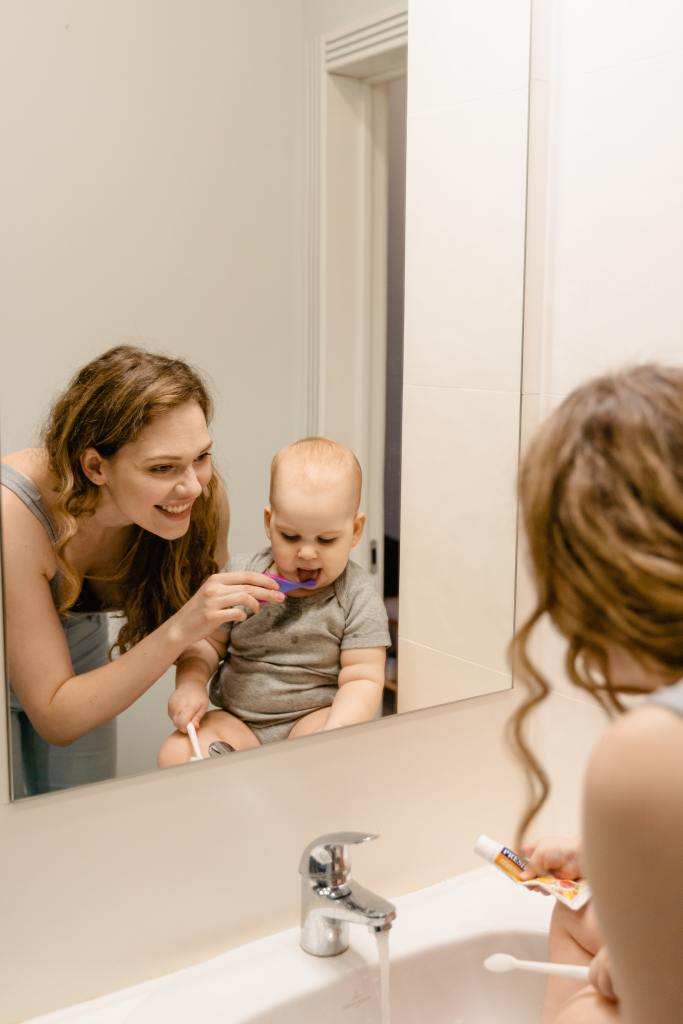
Brush teeth twice a day with a fluoride toothpaste.
For children under 3 years old, use a smear of toothpaste, which is the size of an uncooked grain of rice.
If your child is older than 3 years old use a green-pea size amount of toothpaste.
Fluoride Treatments
Your pediatric dentist can apply fluoride varnish to your child’s teeth for extra protection against cavities.
A fluoride treatment is quick and painless. Fluoride varnish is a sticky yellow or orange substance that often has a pleasant taste.
The varnish application is fast and sets quickly. Your child may be advised to avoid eating of drinking for a short period of time (maybe 30 minutes) after the treatment. This is so that the fluoride isn’t washed off their teeth.
Fluoride Supplements
If your tap water doesn’t have fluoride, your pediatric dentist will recommend for your child to take a fluoride supplement. The fluoride dose in the supplement depends on how little fluoride is in your water.





What To Remember
Children deserve the healthiest start to their lives, and a healthy smile is one of the best gifts parents can give them.
Fluoride is naturally occurring and has definite health benefits for children’s teeth. You’ll find fluoride in drinking water, toothpaste and mouth rinses. It’s safe and effective in preventing cavities when used correctly.
These small habits today will lead to strong, confident smiles for years to come.

What concerns do you have about fluoride? Does your family use fluoride toothpaste? Does your drinking water have fluoride or do you use bottled water? Do you have well water? Has your pediatric dentist or pediatrician ever mentioned your child needs to take fluoride supplements? Tell us, We’d really like to know! Send us a email at kidstoothhotline@proton.me and Like Us on Facebook
More tips? We have lots. We’re her just for kids!

 kidstoothhotline
One thought on “Talking Teeth, February Is National Children’s Dental Health Month – What To Know About Why Fluoride Is Safe And Important for Children’s Teeth”
Comments are closed.