In the Know for You to Know

You’ve been eagerly waiting for your baby’s teeth to come in. Now is the time. Their teeth are coming in. The color and shape are what you expected, but the position looks off.
Lots of parents expect, or at least hope to see their baby’s beautiful teeth lined up in a perfectly straight row.
That’s not always the case. There are times, and more often than not, that baby teeth do not come in straight. They come in misaligned, more commonly known as crooked.
Crooked teeth are one of the most common types of dental issues for children.
So what’s a parent to do?
What Causes Crooked Teeth?
There are several factors that contribute to the position of baby teeth, such as ~
Genetics
Misaligned teeth and jaws are often due to mismatched jaw growth. Jaw and facial growth are determined by genetics, and children inherit traits from both parents.
Prolonged Habits
Oral habits like thumb sucking and finger sucking are known as digit habits. These digit habits and/or pacifiers apply pressure on the roof of the mouth (aka palate) and top front teeth. This leads to a narrowing of the top jaw and protruding front teeth
Tongue Thrusting And Mouth Breathing
Tongue thrusting and mouth breathing are known as myofunctional (aka muscle) disorders. They may interfere with facial growth and lead to crooked teeth and/or bite problems.
Early Baby Tooth Loss
Early loss of a baby tooth may be due to tooth decay (aka cavities) or tooth trauma. When a tooth has a cavity which is large enough for the tooth enamel to break off, the tooth behind tips into the broken spot.
When a baby tooth is lost due to decay or injury from a trauma, the teeth on both sides of the gap move into the space. This causes crooked baby teeth and also blocks the adult tooth from coming in correctly.

Does It Matter If My Child’s Baby Teeth Grow In Crooked?
It doesn’t generally matter if your child’s baby teeth grow in crooked. Your child’s mouth, jaws and face will be doing a lot of growing and changing over the next several years. This growth can affect the position of teeth as they grow. So let growth take its course.
Should I Be Concerned About My Child’s Crooked Baby Teeth?
It’s okay to be concerned. You’re being extra observant and vigilant about your child’s teeth.
This is also something to discuss with your pediatric dentist, either at your child’s upcoming appointment or on the phone.
Depending on your child’s age, they may take a watch-wait-and-see approach. When your child has their regular 6 month check up appointment this is something pediatric dentists are trained to evaluate and discuss with you.
If you’re concerned and don’t want to wait, then call their office and talk with them.
Is There Anything I Can Do To Prevent My Child’s Teeth From Coming In Crooked?
As a parent this is something you really want to prevent. However this is something you can’t prevent.
What Can I Do If My Child’s Baby Teeth Come In Crooked?
There are things you can do to reduce the severity of the problem:
Stop Thumb Sucking, Finger Sucking And Pacifier Use
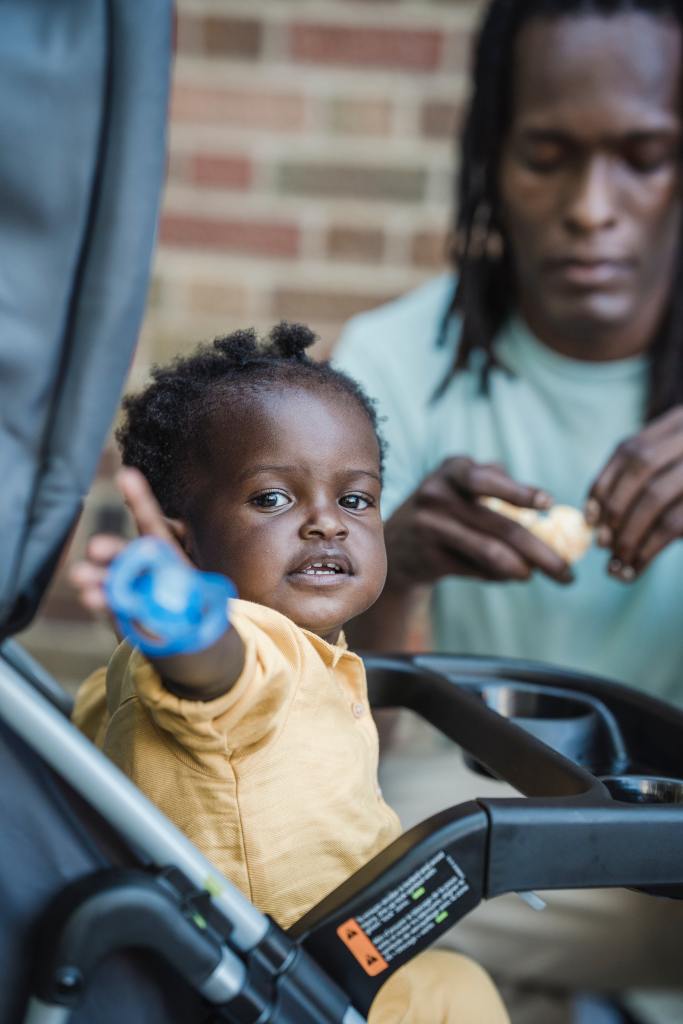
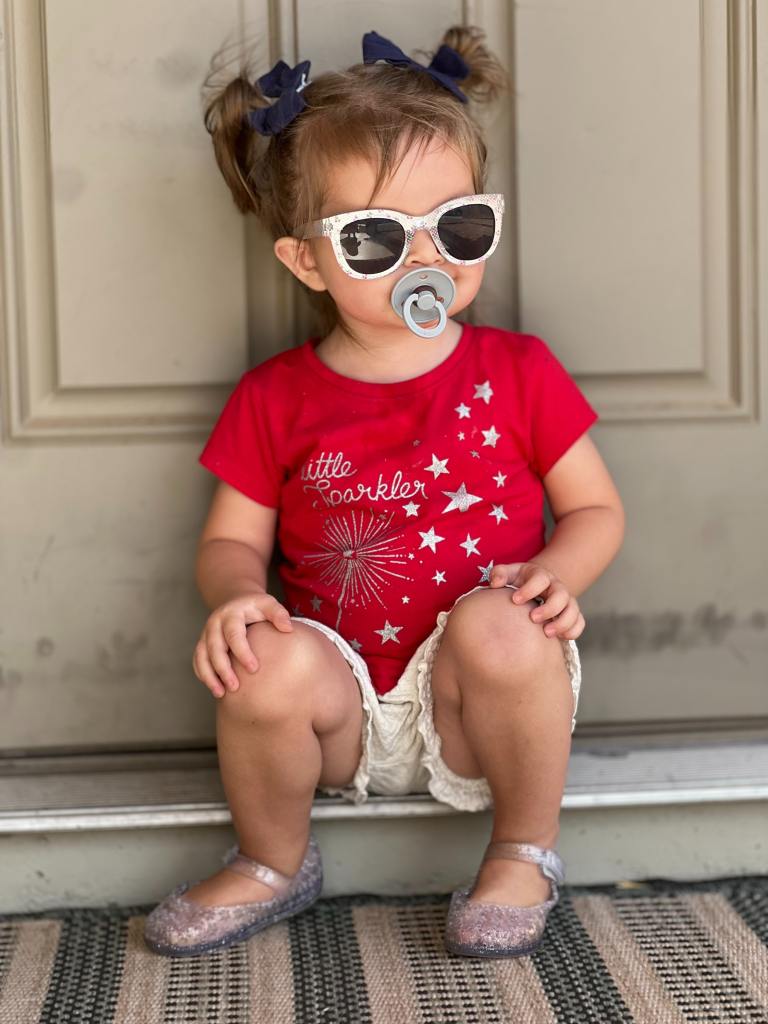
Digit habits (thumb sucking, finger sucking) and pacifiers can alter the position and alignment of teeth when the teeth erupt into their mouth.
For some children these effects can be seen when they are as young as 24 months of age.
This is why it’s best to encourage your child to stop sucking their thumb, or their finger, or their pacifier at or around the age of 18 to 24 months old.
While most children may naturally stop digit sucking or using a pacifier around 24 months old, there are those who don’t want to stop on their own.
Depending on your child’s age, your pediatric dentist may suggest a habit appliance, a certain type of nail polish, how to say good-bye to the pacifier or an orthodontic evaluation.

Treatment For Myofunctional Habits
Tongue thrust and mouth breathing are 2 types of habits that affect tooth position and jaw growth.
Tongue thrust is also called reverse swallow or immature swallowing. This occurs when the tongue moves forward and pushes against the front teeth during swallowing.
The tongue is a strong muscle. This type of swallowing can change the position of teeth and move jaws out of alignment due to the constant pressure of the tongue.
It is important to talk with your pediatric dentist and pediatrician. They can talk with you about allergies, mouth exercises, myofunctional therapy, or habit appliances to address your child’s specific needs.
Take Care Of Baby Teeth To Prevent Tooth Loss
Baby teeth are very important for 4 reasons:
- they are needed for the growth of your baby’s jaws, muscles and their face.
- their teeth are also necessary for your child to be able to chew their food, eat well and grow healthy and strong.
- their teeth help them to speak, their tongue and cheeks engage the surfaces of their teeth to help them form the sounds they need to talk.
- baby teeth provide the space for their permanent teeth to develop and to guide them into the correct position.
What To Do If A Baby Tooth Comes Out Early
Everything is going along and then despite your best efforts your child loses a baby tooth earlier than they should be losing it.
Losing a baby tooth too early can change the position of the surrounding baby teeth and their adult tooth.
It’s important to talk with your pediatric dentist about something to help prevent this from happening. There is a dental appliance that is used for this purpose. It’s called a space maintainer.
What To Remember
Whether your child’s crooked teeth is genetic or caused by habits like digit sucking, there are ways to address the misalignment. Early intervention early, addressing habits, a healthy diet with good oral hygiene can help prevent tooth misalignment in children.
Are you happy with how your child’s teeth look? Does your child have crooked teeth? What are you doing to correct the position of their teeth? Tell us, We’d really like to know! Email us at kidstoothhotline@proton.me and Like Us on Facebook


More tips? We have lots. We’re here just for kids!

 kidstoothhotline