In the Know for You to Know

Your child is crying and complaining to you because their mouth hurts and burns when they eat and when you brush their teeth. You check that they’re not getting sick, and when you have them open their mouth wide you see these small yellowish sores on the inside of their mouth.
You think to yourself, what can this be? Then you remember you’ve heard about canker sores and wonder if these are canker sores.
Today we’re breaking down the basics on what you should know about canker sores.
What Are Canker Sores?
Canker sores, also called aphthous ulcers, are a common condition that 20-30% of children and adolescents experience.
There are 2 types of canker sores. The most common type of canker sores occurring 80% of the time is called Minor aphthous ulcer and the second type is called Major aphthous ulcer.
Minor Aphthous Ulcer
Minor aphthous ulcers have a yellowish-white color and are surrounded by a red inflamed looking border. These sores measure 3-10 millimeters (pinpoint to 1/3 of an inch) in diameter; and are found on the soft tissues in the mouth, such as the inside surfaces of the lips, cheeks and the area where the gums and soft tissues meet. In a single outbreak you can expect to find 1-5 ulcers, and they heal in 7-14 days without scarring.
Depending on where the sore is located, your child may experience difficulty talking or eating, and pain when touching or brushing around the area.
Major Aphthous Ulcer
These ulcers are larger, deeper and take longer to heal than the minor aphthous ulcer. They occur on the lips, soft palate, the tonsillar arches, and can take up to 6 weeks to heal with the potential to cause scarring.
What Causes Canker Sores In Children?
It’s not exactly known what causes children, adolescents, and even adults to get canker sores.
There are some factors that can trigger the development of canker sores:
- Stress,
- Injury to the inside of your mouth,
- Acidic foods, such as citrus fruits,
- Food allergies or Vitamin deficiencies,
- Irritation from orthodontic appliances, such as braces.
What Are The Symptoms Of Canker Sores In Children?
Canker sores are diagnosed on visual examination by their appearance and symptoms.
Common canker sore symptoms include:
- One or more painful sores inside of the mouth. These ulcers may form on the inside of their lips, the inside of their cheeks or above their gums where the gums meet the cheeks,
- Burning or tingling sensations.
- Small, round ulcers that are yellowish-white with a red border.
Are Canker Sores And Cold Sores The Same?
Canker sores and cold sores are not the same thing. They are very different for several reasons.
What Is The Difference Between Canker Sores And Cold Sores?
Canker sores are only found inside the mouth. They are flat and look like an ulceration with a light center and red edge. These sores can appear as a single round sore or up to 5 sores. Canker sores are not contagious.
Cold sores, or fever blisters are caused by a virus, are highly contagious and easily spread from person to person. They are fluid filled and can appear as a blister or cluster of blisters usually outside of or around the mouth.
How Are Canker Sores Treated In Children?
Treatment usually isn’t necessary for minor canker sores, since they tend to heal on their own in 7-14 days.
However, if you’d like to do something more than wait it out, these are some ways to reduce your child’s discomfort:
- Keep your child hydrated with water, hydration helps with healing;
- Encourage your child with soft, cold, cool and easy to eat foods;
- Avoid spicy, acidic, salty foods and drinks since they irritate the canker sores and make their mouths more painful. Think bland food;
- Good sleep habits and sleep times encourage healing;
- Keep up with your oral hygiene routine gently, take it slow, keeping up with their brushing and flossing helps with healing.
How Long Do Canker Sores Take To Heal?
Canker sores take 7-14 days to go away, and there isn’t anything that will make them go away faster. However, there is a tendency for the sores to re-occur.

Is There A Way To Prevent Canker Sores?
There’s no way to prevent canker sores.
However, there are several things you can do to have your child be more comfortable while the sores are healing:
- Try stress reduction techniques, such as mindfulness and meditation, giving your child a warm bath before bed, having them take a warm shower, or enjoyable family time;
- Stay away from acidic, salty and spicy foods;
- Keep up with your good oral hygiene routine;
- Encourage good sleeping habits;
- Talk with your pediatrician for nutritional guidance.
When To Call Your Pediatrician
Call your pediatrician’s office for an appointment if your child begins to experience:
- Recurring sores with new break outs before the existing sores heal,
- Frequent episodes of canker sores,
- Large canker sores,
- Non-healing sores, or sores not healing within 14 days,
- Sores outside their mouth,
- Increasing pain,
- Increasing difficulty eating and drinking,
- It hurts to swallow,
- Fever of any kind.

I Know You Don’t Want To Eat Because Of Your Canker Sore 
How Do I Stop Getting Canker Sores? 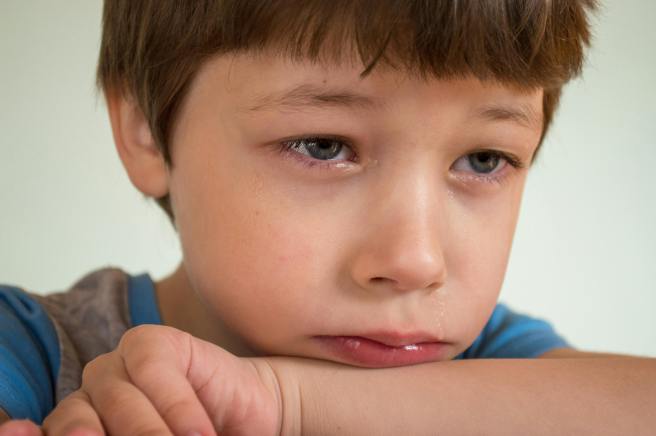
What Will Make My Canker Sore Go Away? 
Why Do I Keep Getting Canker Sores? 
II Know The Sore In You Mouth Hurts, Let Me Make It Batter 
Why Do I Have Another Canker Sore?
What To Remember
Canker sores are small, shallow yellowish-white ulcers that are found on the soft tissues in your child’s mouth like the inside of their lips, cheeks, or below the base of their gums. They can be found as a single ulcer or as several together, and can be painful initially which can make eating difficult.
Unlike canker sores, cold sores are found outside the mouth, such as on the outside surface of their lips, at the corners of their mouth and they are very contagious.
Most canker sores go away in 7-14 days on their own. Call your pediatrician or pediatric dentist’s office if something doesn’t seem right, your child develops a fever, your child looks and/or feels sick, eating and drinking is becoming an issue, the canker sore isn’t healing, or you have any concerns.
Has your child ever experienced a canker sore? Have you had a canker sore? Do canker sores run in your family? We’d really like to know! Send us an email at kidstoothhotline@proton.me Like Us or Chat with us on Facebook
More tips? We have lots. We’re here just for kids!

 kidstoothhotline