In the Know for You to Know

When it’s snuggle time with your child you expect your child’s breath to smell as sweet as they are. While children’s breath can be very sweet, there are times when your toddler to teen’s breath is plain stinky.
Bad breath (aka Halitosis) while not uncommon in children also does not necessarily mean your child is sick.
We’re breaking down the basics for you, so keep reading to find out about potential causes and solutions for bad breath in children.
What Causes Bad Breath?
Halitosis can be caused by several factors, such as —
Mouth Breathing
Everyone breathes through their mouths once in a while, especially when it’s cold and flu season. Even then you’ll notice that your mouth feels dry and chapped.
This is because breathing through the mouth, and especially for children who breathe through their mouths every night when they sleep do dry out their mouth. The drying effect is due to a decrease in saliva production. Less saliva means more dry mouth.
What else can cause mouth breathing? Something stuck in their nose, congestion from a sinus infection, seasonal allergies, or certain medicines like an asthma inhaler. When any of these issues show no signs of resolving anytime soon, it’s time to see your pediatrician.


Large Tonsils
Enlarged tonsils and adenoids can cause bad breath when they trap nasal secretions, food particles, and bacteria.
On the other hand, tonsillitis is an infection that makes the tonsils appear red and swollen. It occurs due to viruses or bacteria.
Dehydration and Dry Mouth
Drinking the right amount of water is important to keep your child’s body hydrated. Being well hydrated means that their salivary glands are producing the correct amount of saliva which in turn helps to cleanse their mouth and teeth, helping them to have fresh breath.
The National Institute of Dental and Craniofacial Research states that saliva helps clean the mouth. When children don’t drink enough water, the amount of saliva in their mouth’s decreases. Less saliva leads a decrease the natural ability to clean their mouths. and an increase in the odor causing bacteria in their mouths.
Oral Hygiene
Poor oral hygiene can cause smelly breath even in children as young as toddlers. The most common places for food debris to hang out is in between teeth, on the gums, and also on the tongue.
Food debris is more than left over particles of food, it is also the mouth bacteria that attaches onto the food, and all of this together make up what we call dental plaque (or plaque for short).
Ever notice that white coating on your child’s tongue? That’s the plaque that attaches to the natural crevices on their tongue. You know that if the plaque is on the tongue, it’s for sure on the teeth and gums.

Cavities, Loose Fillings, Dental Infection
Did you know that bacteria causes cavities? Yes they do. The natural bacteria in the mouth latch onto the plaque. The longer plaque sits on teeth and in between the teeth, the more the tooth enamel is broken down, which is how cavities start and grow.
Cavities keep growing and the larger it gets the more likely it is to cause an infection. When the infection forms more types of bacteria come to the site and since these bacteria have their own smell the mouth gets even smellier.
Sometimes it could happen that your child has a loose cap or filling. If this occurs, food and bacteria can get trapped underneath, which can also cause bad breath.
Gum Disease
The same plaque that sits on the teeth, in between teeth and on the tongue also sits on the gums and causes their breath to smell like sulfur or rotten eggs. Also known as gingivitis, this causes the gums to become red, swollen and bleed during toothbrushing.
Eating Smelly Foods
Some of the foods we really like, are good for us, and are happy our children want to eat can cause smelly breath. The most talked about are onions and garlic.
So what to do? After enjoying your oniony-garlicky delights, have your child rinse their mouth with water, brush their teeth, or chew sugar-free gum to freshen up their breath. The sugar free gum helps to stimulate saliva production to naturally help cleanse their mouths.
Medical Conditions
Your child may have bad breath if they have certain medical conditions, such as tonsillitis, sinusitis, bronchitis, or other respiratory infections.
If your child has a serious medical condition such as uncontrolled diabetes, kidney disease, gastrointestinal issues, liver disease they may also experience chronic bad breath.
An Object In The Nose
Some children, especially toddlers like to put things into their nose, whether it’s a tiny toy, something they find or bits of food.
When something gets put into the nose, it causes an increase in nasal secretions like a runny nose, inflammation and a bad smell that can be mistaken for bad breath. This is the time to seek medical attention.
What Can I Do To Keep Bad Breath Away?
Children can have halitosis for several reasons, and the approach to treatment depends on the cause.
Sometimes it’s a trip to your pediatrician to make sure everything is okay; or sometimes it’s your pediatric dentist you contact.
Sometimes what you’re doing at home is the solution to taking care of your child’s bad breath —
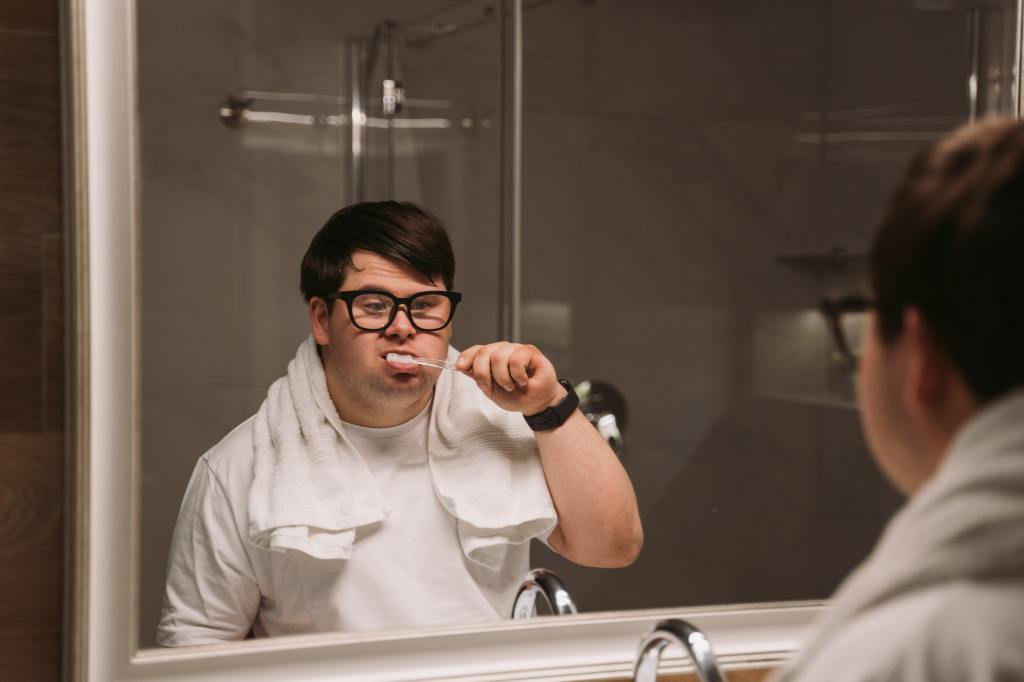
- Good daily oral hygiene – Toothbrushing twice a day in the morning before going to school and at night after flossing. Use a fluoride toothpaste to help reduce the risk of cavities and infection;
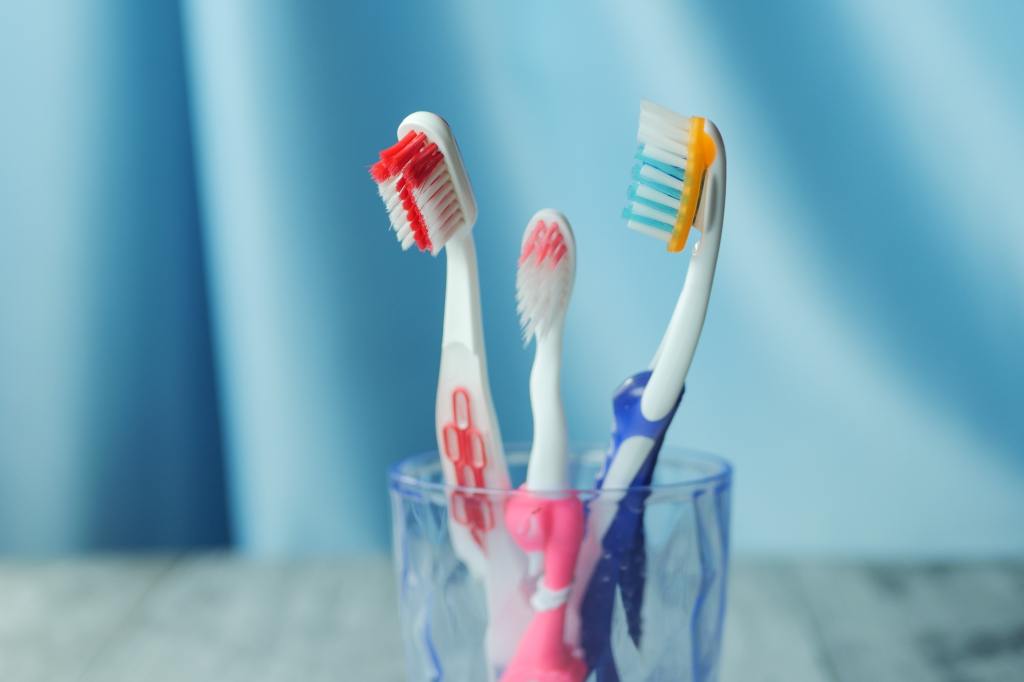
- Change their toothbrush – Toothbrush bristles wear down with regular twice daily use and should be changed every 3-4 months to make sure your child’s teeth are properly cleaned so their breath can stay fresh;
- Brush to their favorite tunes or use a 2 minute brushing timer;
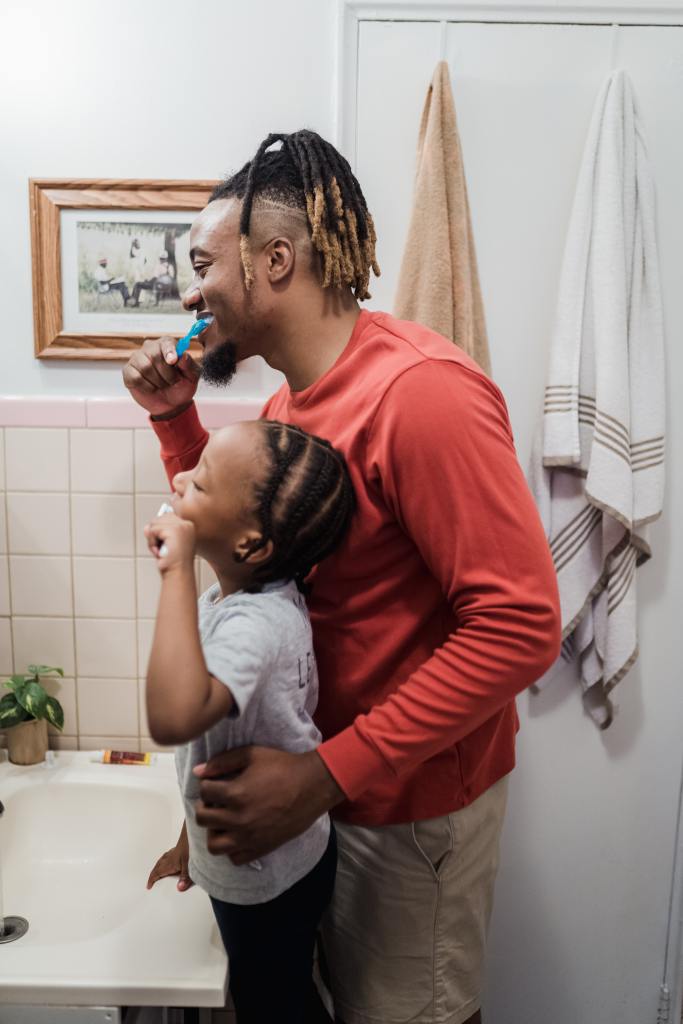
- Be rock stars of the toothbrushing world together by brushing together and establishing your daily routine.




What To Remember
Most children and teenagers have bad breath when they wake up. This usually goes away after they have something to eat and drink and brush their teeth.
Key ways to prevent bad breath for your child is to —
- maintain good oral hygiene including toothbrushing, flossing, tongue brushing,
- decreasing the habit of mouth breathing and learning how to breathe through their nose,
- staying well hydrated by drinking healthy amounts of water which also helps maintain adequate flow of saliva.
However, there are times when you’re concerned because your child’s bad breath isn’t going away no matter what you do, this is the time for you to talk with your pediatric dentist or pediatrician.
Have you noticed your child’s breath lately? Are you worried your child may have bad breath? Has your child had bad breath for a while?, What did you do? Tell us, We’d really like to know! Send us an email at kidstoothhotline@proton.me Like Us or Chat
with us at facebook.com/kidstoothhotline
More tips? We have lots. We’re here just for kids!

 kidstoothhotline