Wishing each of you a Happy New Year! To new beginnings, healthy habits, and lots and lots of laughter in this year ahead.
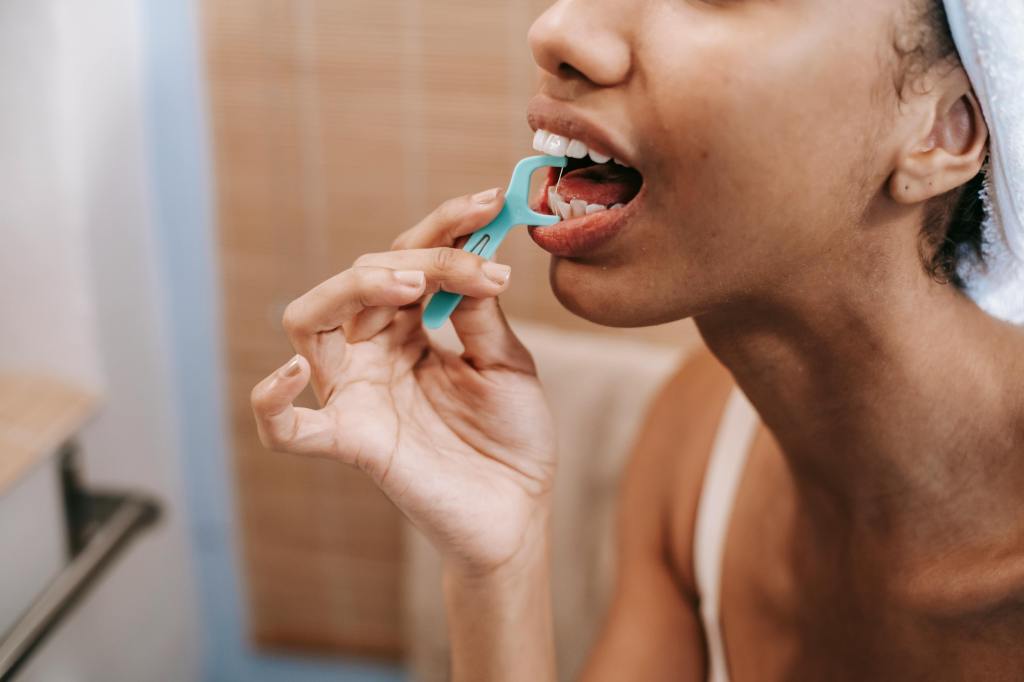
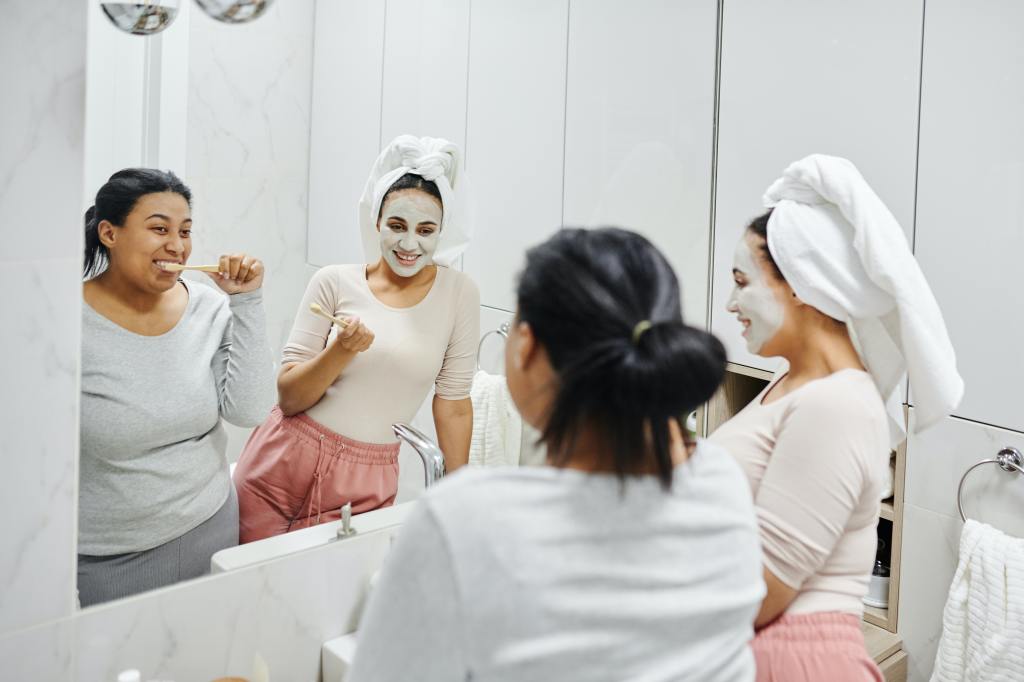
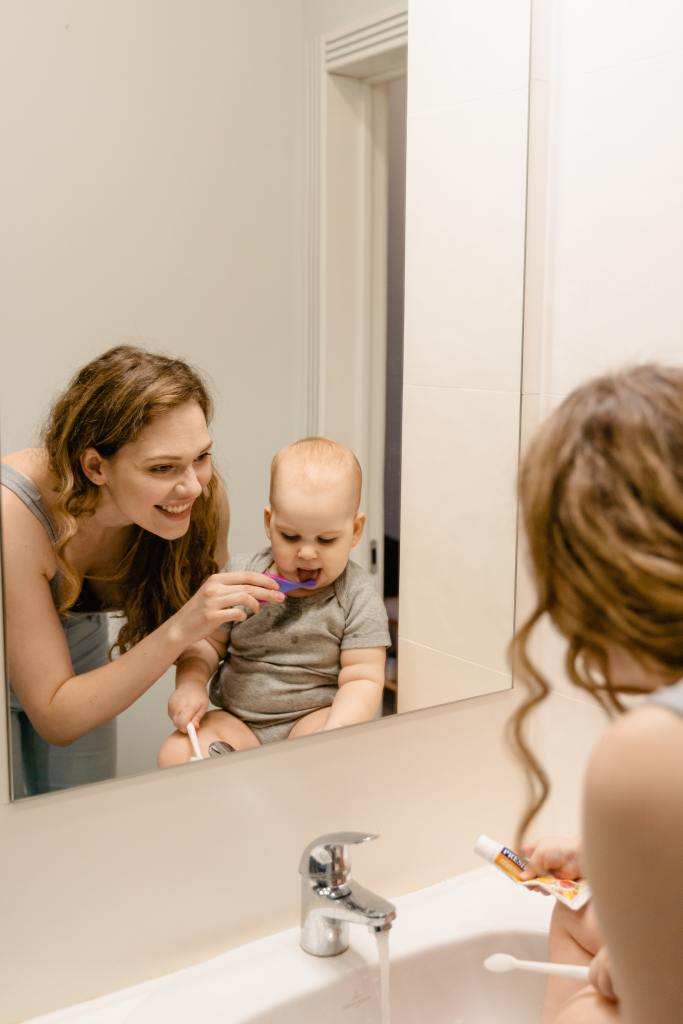
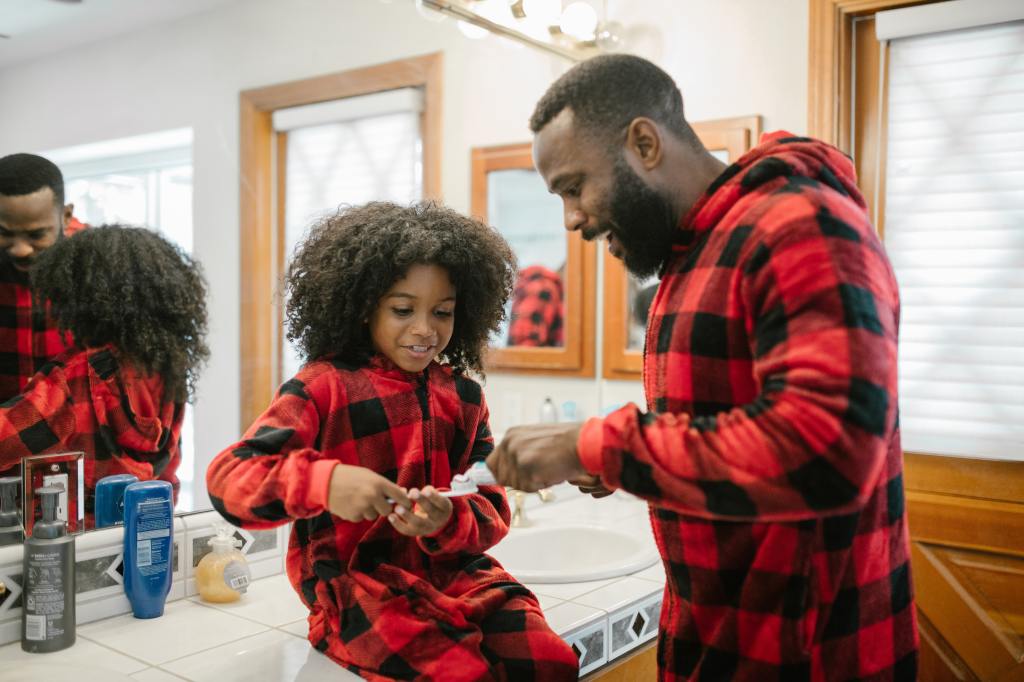
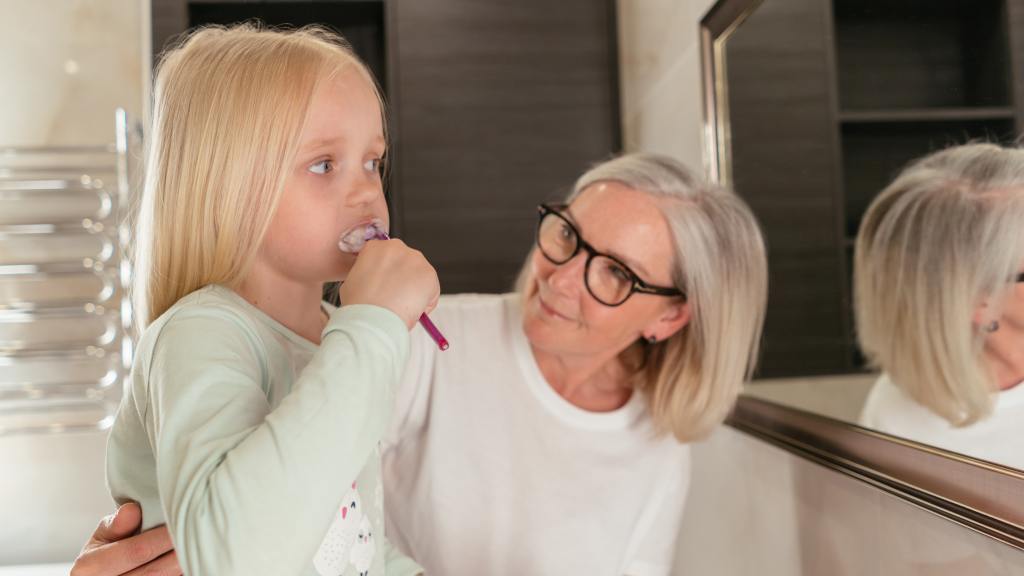
Here we are. On the 2nd day of this new year. Whether you feel eager or daunted, try picking one small change to your child’s oral hygiene routine.
You may choose to start with brushing twice a day or flossing every night. Because, remember, how we start the day is how we end it. With bright healthy smiles all day long!
Here are 4 simple ways to start 2025 on the right foot. Because a healthy smile is the best gift to give your child.
Embrace Sugar-Free Treats
Now-a-days the emphasis for many families are sugar-free snacks and gum as healthier alternatives to sugar-rich treats.
These options not only decrease sugar in children’s diets, they also protect their teeth from harmful sugar acid buildup.
While it’s a good idea to incorporate more sugar-free options into your child’s diet, it’s also important to always encourage rinsing with water after meals and snacks.
Healthy Snacks For My Healthy TeethI Love My Fruit, Then Mommy Brushes My TeethMommy And Daddy Only Let Me Have Juice With My BreakfastMommy Says Eating The Rainbow Makes My Teeth HealthyMommy Takes Care Of My Teeth So We Can Spend More Time Having FunMy Teeth And I Love Our CarrotsI Love Choosing My Fruits And Veggies, And So Does My Teeth
Prioritize Toothbrushing
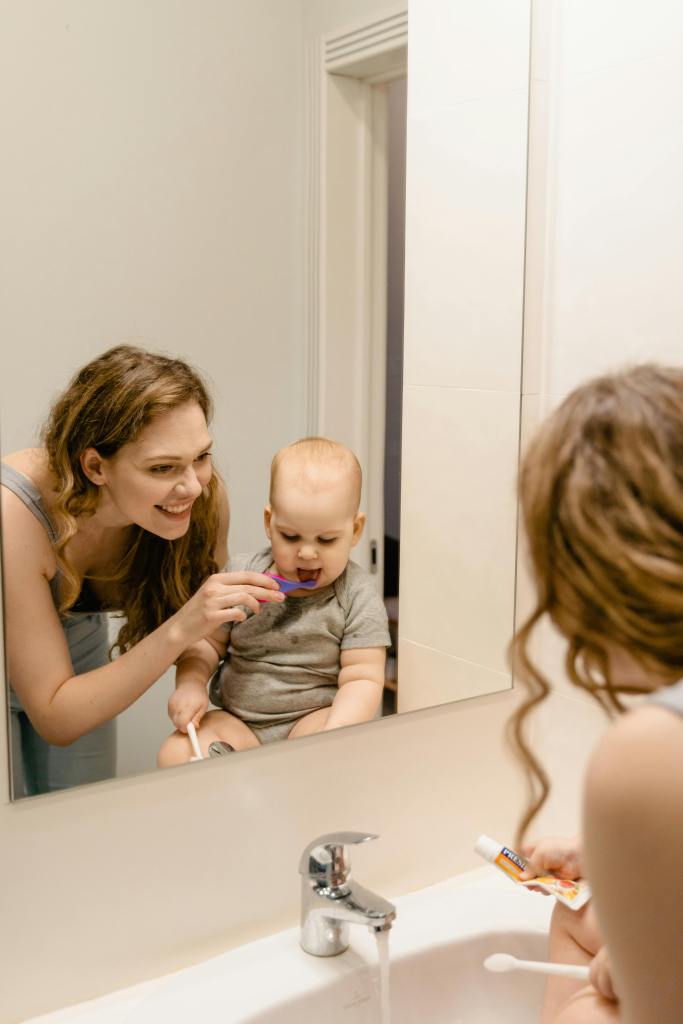
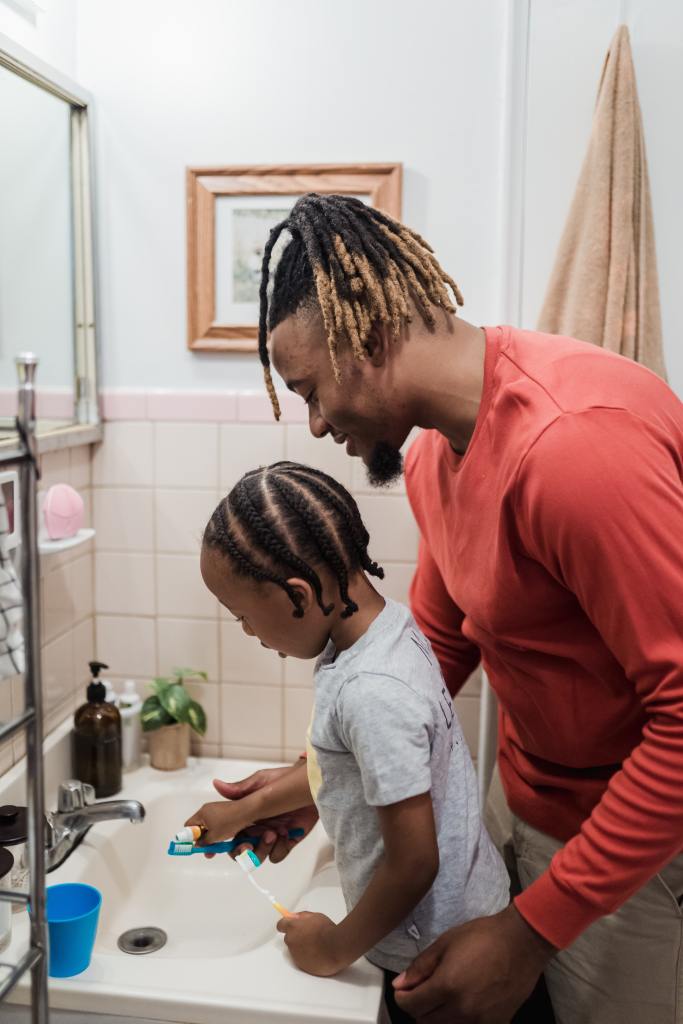
Toothbrushing and fluoride are 2 of the best defenses against cavities by strengthening tooth enamel.
There are 2 ways to help make sure your child gets the right amount of fluoride. The first is by brushing with an American Dental Association (ADA) Seal Of Acceptance fluoride toothpaste. The second is by drinking fluoridated water whenever possible.
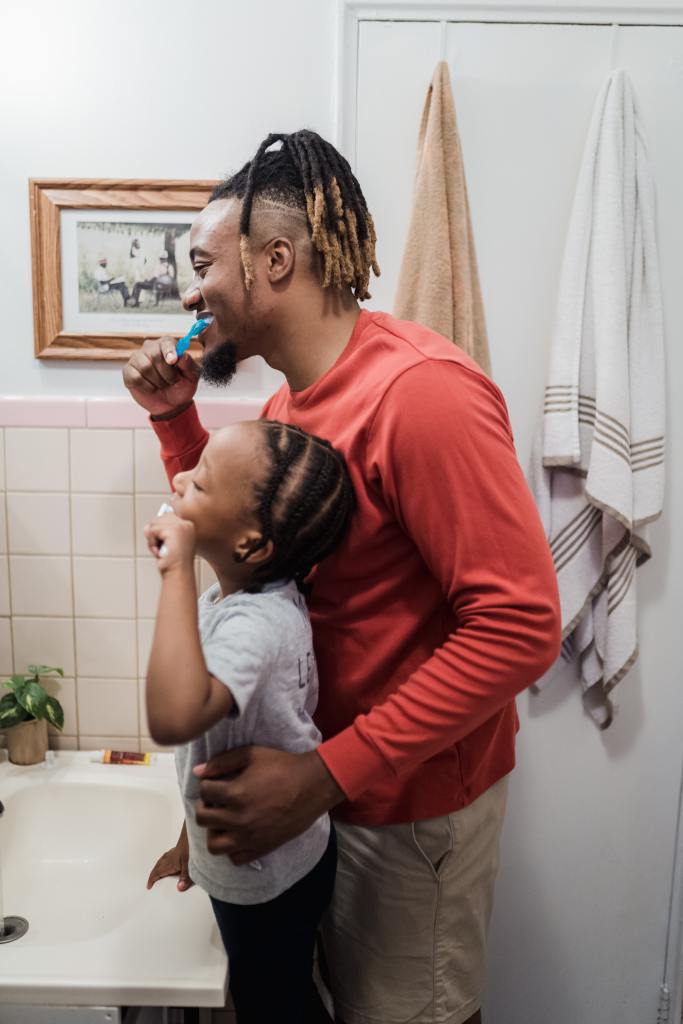
Brushing My Teeth Just Like My Daddy I Like To Show Off My SmileI’m Brushing My Teeth With My Mom And Dad WatchingMommy And Daddy Brush My Teeth And My TongueMommy And Daddy Say This Isn’t The Way To Brush My TeethMommy Is Starting To Clean My Mouth NowNew Teeth New Healthy SmileNo Cavities For Me How About You?Our Teeth Are A Work Of ArtDaddy Makes Everything Fun, Especially Brushing Our Teeth
Consider Sealants For Protection
Dental sealants provide an extra layer of protection because they create a barrier over the grooves and crevices in teeth.
Sealants are a great preventive measure, especially for molars.
Showing My Mom My Awesome Teeth
Replace Used Toothbrushes
The New Year is the perfect time replace worn toothbrushes with new ones.
A useful guide is that a toothbrush should be changed every three to four months or sooner if the bristles are frayed or bent.
What To Remember
Set achievable oral health care goals for this year. Start with brushing twice a day, or flossing every night.
Celebrate milestones to keep both of you motivated.
Be consistent while also modeling good oral hygiene habits yourself. This helps instill in children their daily routine.
Setting small attainable goals makes tooth care more accomplishable and less overwhelming.
Healthy Teeth Means More Game TimeLook At My Teeth!Mommy Takes Care Of My Teeth So We Can Spend More Time Having FunMy Teeth Are Healthy So I Get To Go To The PlaygroundWe’re Teeth StrongTeeth Time In The Morning, Teeth Time At Night, More Family Time During The DayStrong Healthy Teeth, Strong Healthy UsTaking Care Of My Teeth Everyday So I Spend More Time Having Fun With My FriendsAfter Mommy Brushed My Teeth This Morning, We Got ManicuresTaking Care Of My Teeth Gives Me Time To Do What I LikeTaking Good Care Of My Teeth Gives Me More Time For School
As you reflect on the year that was and look forward to all that’s to come, cheers for a happy, bright and smile filled 2025!
Good Night, Sleep Tight, Won’t Let The Tooth Bugs Bite After Brushing My Teeth
What is your tooth goal for your child in the first month of this new year? What will you choose? Tell us, We’d really like to know! Email us at kidstoothhotline@proton.me Like Us on Facebook
Thanks Mom And Dad For My Great Teeth Habits
More tips? We have lots. We’re here just for kids!
As a Mom I understand how down right frustrating it is to find answers to our questions.
As a pediatric dentist I get it. You want to learn more to take the best care you can of your children.
This is why I put together the most asked pediatric dental questions we have received along with their answers.
Browse through these FAQ’s to learn more about pediatric dental care.
What is baby bottle tooth decay and how did my child get it? Baby bottle tooth decay is a type of very rapid decay associated with prolonged nursing and/or bottle feeding. This happens when a child goes to sleep while breast feeding and/or bottle feeding. During sleep time and nap time, the milk or juice sits on the teeth because the saliva flow in the mouth is decreased. It’s best not to nurse children to sleep, and to avoid putting them to sleep with a bottle.
What causes tooth decay? There are 4 things necessary for cavities to form ~ teeth, bacteria, carbohydrates or starches or sugar and time. Dental plaque is the thin, sticky, colorless deposits of bacteria that constantly forms on everyone’s teeth everyday. When you eat, the sugars in food cause the bacteria in plaque to produce acids which attack the tooth enamel. Over time and with repeated acid attacks, the enamel breaks down and a cavity forms. This is why it’s important to brush your child’s teeth twice a day and to floss every night.
If my child gets a cavity in their baby tooth, why should it be filled? Baby teeth or “primary” teeth are important for several reasons ~ these teeth help children speak clearly and chew naturally, they also aid in forming the path that permanent teeth can follow when they are ready to erupt. Some baby teeth stay in a child’s mouth until they are 12-14 years old or longer. A cavity (aka tooth decay) is really an infection caused by bacteria. Left untreated, cavities will continue to grow larger and can potentially spread outside the tooth and cause serious infections. Pain, infection, impairment of general health and premature loss of teeth are just a few of the problems that can happen when baby teeth are not taken care of. This is why proper care of baby teeth is instrumental in your child’s health.
How can I make my child’s diet safe for their teeth and appealing for them to want to eat? A balanced diet good for your child’s general health, growth and development doesn’t have to be boring. Make this fun and be creative. If your child is old enough include them. Keep this in mind when serving fresh fruits and vegetables, breads and cereals, milk and dairy products, and meat, fish and eggs. Limit the servings of sugars and starches, including sugar containing drinks. When you allow these “special treats,” serve them with a meal instead of as a stand-alone snack.
Are pacifiers and thumbsucking harmful to children’s teeth? Thumbsucking, fingersucking and pacifier habits will generally only become a problem if they go on past the age of 3 years old. Most children stop these habits on their own. There are individual treatments that can be discussed if a child is still using a pacifier or sucking their thumbs or fingers past the age of 3.
Are dental sealants good for children’s teeth? Sealants help prevent cavities. The purpose of sealants is to cover the grooves and deep crevices on the surfaces of the back teeth (think molars) which are hard to clean, and keep out food that could get caught and cause cavities. You still need to brush and floss your child’s teeth everyday.
After Your Bottle Daddy And I Will Wipe Your Mouth And Then It’s Off To SleepNow Mommy Is Going To Brush Your TeethWater Is The Best Drink In My BottleChoosing My Fruit Is So Much FunLook What We Got At The Farm MarketOranges Are My FavoriteMy Mom Always Packs Me The Best LunchWe Get To Help Choose Our Fruits And Vegetables At The StoreOpen Wide And Brush TeethNo Cavities For My 2, After Bottle Feeding And Breast Feeding It’s Time To Clean Their Teeth And Mouth Before BedChecking My Sealants
Do you have any questions? Don’t be shy. I’m ready to provide you with informative and clear answers to your dental questions. Let me know. I’m more than happy to help you learn more for you to help your child. Email us at kidstoothhotline@proton.me Like Us on Facebook
More tips? We have lots. We’re here just for kids!

It seems like yesterday your baby got their first tooth. Now they’re coming to you saying “My tooth is loose.” Where did the time go?
This is an exciting time for you and your child as you embrace this new milestone.
Today we’re discussing this natural growth phase as your child begins to lose their baby teeth (aka primary teeth).
What Age Do Children Start To Lose Their Baby Teeth?
Generally children start losing their baby teeth (aka exfoliation) around 6 years of age.
However, the earlier baby teeth come into the mouth, the earlier they fall out. There are some children who may start losing their baby teeth as young as 4 years old.
It’s important to also keep in mind, the later baby teeth come in the later they fall out. So there are some children who may start losing baby teeth at 7 or 8 years of age.
My Bottom Front Teeth Are Really LooseMom, My Teeth Are Wiggly!I Lost My 2 Front Teeth!My Top Teeth Are Loose And Bottom Teeth Are Coming In
How Many Teeth Do Children Lose?
When toddlers have all their baby teeth they’ll have 20 teeth, 10 teeth on the top and 10 teeth on the bottom.
As they grow, children will lose all 20 of their baby teeth.
Which Teeth Do Children Lose First?
Teeth fall out in the order they came in to the mouth.
Around the time a child turns 6 years old the first teeth they start to lose are their bottom front teeth (aka lower central incisors).
While the age varies with each child, there is generally a pattern in which baby teeth are lost~
Tooth
Age
Lower Central Incisors
6-7 years
Upper Central Incisors
6-7 years
Upper Lateral Incisors
7-8 years
Lower Central Incisors
7-8 years
Upper First Molars
9-11 years
Lower First Molars
9-11 years
Lower Canines
9-12 years
Upper Canines
10-12 years
Lower Second Molars
10-12 years
Upper Second Molars
10-12 years
What Are The Signs Of A Loose Tooth?
Sometimes a child doesn’t realize their tooth is loose, so they won’t be able to tell you.
If your child is about the age you were when you lost your first tooth or in the age range, go ahead and check for wiggly teeth. You may find none, 1, or 2.
So what are the tell-tale signs of loose teeth?
Tooth movement or wiggling when eating, talking, touching the tooth, brushing teeth.
Gaps between teeth – as teeth get loose they can move out of their original position. So if teeth were touching before when they become loose they can move and create spaces between teeth.
Change in tooth position – in the same way loose teeth create spaces between teeth, as teeth get lose they can move to the left or the right of their original position and sometimes overlap the teeth next to them.
As A Parent, Is There Anything Special I Should Do?
Losing teeth is an exciting time for some children, but unsettling for others.
Children do well with guidance in new situations, and losing baby teeth is no exception.
When you know that a tooth is loose, it’s important to stay calm and explain to your child what is happening. They’re growing up. The feeling around their wiggly tooth is new and different and it will go away when their tooth comes out; which may mean a visit from the tooth fairy.
Also, keep in mind that while your child’s tooth is loose, it’s important to show them why you need to stay on your regular toothbrushing and flossing routine; even if they don’t want to.
I’m So Excited, I Lost My Top Tooth And The Other One Is WigglyLosing More Baby TeethI Have 2 Wiggly Teeth and I Can’t Wait For The Tooth Fairy To VisitSweet Dreams About The Tooth Fairy With My Tooth Tucked Under My Pillow
Can I Wiggle Out My Child’s Loose Tooth?
Some children love to wiggle their loose teeth anticipating an earlier visit from the tooth fairy. Other children may not like the feeling of their tooth moving in their gums and want to let the tooth come out on its own.
It’s all right if your child wiggles their loose tooth with their tongue or a clean finger, as long as their gums aren’t inflamed or causing pain.
What To Remember
The earlier baby teeth come in, the earlier they fall out
The most common time children lose their baby teeth is when their permanent tooth is ready to grow in and pushes out the baby tooth.
The first baby teeth that fall out are most often the bottom 2 front teeth, the lower central incisors. The next to fall out are the two top front teeth, the upper central incisors. Followed by the lateral incisors, first molars, canines and second molars.
Embrace each time the tooth fairy makes a visit to your house. These special moments will be a memory in the blink of an eye.
So Much To Know About Losing Our Teeth
How old was your child when they lost their first baby tooth? Did the tooth come out on its own? Did you need to wiggle their tooth out? Have you saved their teeth? Tell us, We’d really like to know! Email us at kidstoothhotline@proton.me Like Us and Chat with us on Facebook
More tips? We have lots. We’re here just for kids!

For the children it’s all about the excitement. The thrill of dressing up in their costumes to go out trick-or-treating to collect candy and trinkets from friends and neighbors.
For you it’s how to manage the sweets while keeping your child’s teeth healthy. Part of you is saying for them to have fun and enjoy some candy. Then you’re also thinking about keeping their teeth healthy.
So how do you keep candy and toothbrushing realistic while allowing your child to have a delightful time?
5 Tooth Friendly Tips For A Happy Halloween And For The Days After
When you get home from trick or treating sit down at the table with your child and sort and check treats as you go through their treat bag with them. Help your child pick the healthiest choices. Allow them to eat these choices within a specific period of time in the kitchen rather than continually snacking throughout the day. By doing this you’re done and everyone is happy. Remember to keep candy out of their bedroom.
Water is your friend. Drink water to help wash away any gooey chewy candy that’s stuck in their teeth. Water is really good for you and your teeth.
Sticky and hard candies stay in their mouths for a long time. It’s a good idea to stay away from taffy, dried fruits, caramels, and other chewy, sticky candy. Select less sticky and less sour goodies like pretzels, sugar free gum and chocolate. Chocolate without any mix-ins is great because it slides off and there’s nothing to get stuck in their teeth.
Brush the candy away. After trick or treating it’s important to make sure to floss and brush your child’s teeth. It takes 2 minutes of brushing to clean away all the candy and flossing to remove what has gotten in between their teeth. Keeping up with your flossing and brushing routine is important every day and reinforces consistency.
Don’t allow the Halloween candy stash to be a substitute for healthy snacks. Cheese, yogurt, peanut butter, celery, carrot sticks, apple slices are great options.
A Small Treat Gives A Big SmileHaving Fun Making My Children’s Halloween SnacksHummus And Veggies Ready For HalloweenHappy National Brush Day
What Is National Brush Day?
Each year we celebrate National Brush Day on November 1st.
The legend goes, that to make up for those extra sweet indulgences on Halloween we celebrate today to help your healthy toothbrushing routine.
How Do We Celebrate?
On this day it’s being mindful of how important brushing your child’s teeth for 2 minutes 2x’s a day is for everyone. Brushing is actually fun when you do it together and watching videos to make sure you get into all those tooth nooks and crannies.
Some ways to celebrate ~
Brushing and flossing #2min2x (www.2min2x.org)
Choose your family toothbrushing song or make up your own song
Have a family brushing contest
Select your favorite toothpaste flavor of the week
Smile and always make brushing fun
When Do We Brush?
Brushing for 2 minutes in the morning after breakfast and for 2 minutes before bed (and after flossing) is a great way to healthy teeth and gums.
How Often Do We Brush?
Twice a day every day. That’s 7days a week/365 days a year. Yes, even on school days, holidays, vacations and weekends.
What Do We Need?
You’ll need 3 things, a soft bristle toothbrush (age appropriate size), a dab will do ya size of toothpaste (fluoride preferred), and a flosser.
What Comes Next?
Remember to floss first. Flossing first allows you to take out all the yucky stuff that gets caught in-between your child’s teeth (there’s always stuff) and then you brush all that away at once.
If you floss second, then you’ll have to brush again to take the in-between teeth stuff away.
When Should We Start?
National Brush Day is a great day to start. This way it will always be your anniversary for good oral health!
I Always Brush My Teeth Twice A DayDaddy’s Going To Brush My TeethDaddy’s Showing Me How To Brush My TeethBrushing My Teeth With My DadTeaching My Daughter How To Brush Her TeethMommy, My Teeth are So Beautiful
What To Remember
Halloween is a thrilling time for parents and children. It’s a treat for parents to see their child’s enthusiasm about dressing up and for children to comb through scary decorations for their rewarding sweet treats.
Upon returning home with your child’s over flowing stash of goodies, take this opportunity to share lessons for making healthy choices and also to reinforce good dental habits.
You can continue all this enthusiasm on November 1st. November 1st is National Brush Day. Celebrate with brushing and flossing #2min2x, choose your family toothbrushing song, have a family brushing competition, select your favorite toothpaste flavor of the week; and always make brushing fun.
Today Is The Day For A New Toothbrush And A New Toothpaste Flavor, Can You Guess The Flavor?Happy Halloween
Have A Spooktacular Halloween! and remember to Lift Your Toothbrush For National Brush Day!
Tell us ~Are you having a Halloween Bash or going out Trick-or-Treating? What costume is your child looking forward to wearing? Which is your most memorable costume? Share your favorite toothbrushing song with us. What is your family’s toothpaste flavor this week? If you could create your own toothpaste flavor, what would it be? We’d really like to know! Send us an email at kidstoothhotline@proton.me. Like us or Chat with us on Facebook.
More tips? We have lots. We’re here just for kids!
Halloween is almost here. This is the sweet time of year when children enjoy dressing up in their favorite costume, going out trick-or-treating as they collect candy and treats from friends and neighbors.
Leading up to Halloween, everywhere you look there’s chocolates and sugary treats ready to tempt your eager trick or treaters.
So, how do you keep treats reasonable while enjoying your family’s fun Halloween trick-or treating?
Tasty And Fun Halloween Treats
Whether it’s your annual Halloween monster mash, a gathering of your ghosts and goblins, appetizers to go with a witch’s brew or a pre trick-or-treat treat, no Halloween bash is complete without some scary snacks.
Try our top treats you can prepare with your child and your child will love this Halloween~
Chocolate Dipped Orange Pumpkins
Peel mandarin oranges and separate the individual wedges. Dip the orange wedges into melted chocolate, place on a parchment lined sheet pan and chill in the refrigerator until firm. A bite sized black and orange treat just right for the season.
Spider Bites
Fun and easy to prepare. Melt chocolate chips and peanut butter together in a bowl then add pretzel sticks. Arrange the pretzel sticks in the shape of a spider on a parchment lined sheet pan, place in the refrigerator or freezer until firm.
Mummy Pizza
Whether you choose pizza dough, english muffins, pita, or a tortilla as your base, cover with your favorite tomato sauce and criss-cross slices of mozzarella cheese (or your child’s favorite cheese). Slice green or black olives to make the eyes. Bake until fully cooked.
Apple Monster Mouth
Quarter an apple (red or green is your choice) and remove the core from each quarter. On the side where you removed the core, slice the apple part way through and spread with your favorite nut butter. Place a slice of strawberry, peach, or red plum onto of the nut butter to create the “tongue”. For the teeth place any nut of your choice into the apple above the through the nut butter. Melt chocolate chips and place a dab of melted chocolate on the bottom of 2 chocolate chips to create the eyes.
Pumpkin Hummus With Broomsticks
Fill a festive bowl with your favorite hummus. Run the back of a spoon through the hummus to create the look of a pumpkin. Serve with carrot sticks, celery sticks, pepper slices or cucumber slices.
Jack-O-Lantern Peppers With Witch Dip And Vegetable Broomsticks
Remove the stem and seeds from a bell pepper. Make cut outs in the pepper for the eyes, nose and mouth. Fill one pepper with your family’s favorite dip or dressing. Fill another pepper with pepper slices, carrot sticks, broccoli pieces, cucumber slices, carrot sticks or pretzels. A colorful, festive, fun way to encourage your child to eat their veggies.
Witch’s Broomsticks
These are fun, yummy and festive. Choose 2 of your family’s favorite cheese sticks. Cut each cheese stick to resemble the bristles of a broom. Place two cheese sticks around a pretzel stick or pretzel rod and tie together with a chive or use a vegetable peeler to create thin carrot ribbons to tie the broom together.
Sharing Our Halloween Treats With YouMaking Our Halloween Pizza Our WayPicking Peppers For Our Jack-O-Lantern PeppersReady To Transform Oranges Into Pumpkins
Better Candy Options
When it needs to be candy ~
Dark Chocolate
Choose dark chocolate treats like chocolate bars over sticky, gummy candy. Chocolate melts off the teeth and has anti-oxidants which are good for children.
Sugar-Free Gum
Sugar-free gum contains xylitol, stimulates saliva, neutralizes acids in the mouth, and helps wash away food particles all of which help keep teeth healthy.
Sugar-Free Candy
Sugar-free candy contains xylitol, helps increase the flow of saliva, neutralizes acids in the mouth, and helps wash away food particles which help teeth stay healthy.
Top 3 Candy No-No’s
Part of Halloween fun is indulging. However some candies should be on the no candy list~
Gummy And Sticky Candies
Gummy and sticky candies stay stuck to the teeth which is difficult to brush off.
Hard Candies
Hard candies are so hard that they can cause a child to chip or break a tooth by biting into or chewing on them. Since these candies stay in their mouth for such a long time there is more time for the sugar to stick to their teeth.
Sour Candies
Sour candies taste so sourly good because they are acidic which makes their saliva more acidic and weakens tooth enamel.
Sticky Gummy Worms Look Great On A Plate Not So Much On My TeethWhat’s in Your Pumpkin?Which Treat Will I Choose?
Non-Food Goodies Are A Good Choice
When given a choice select children’s play favorites such as ~
Glow sticks
Spider rings
Vampire fangs
Pencils
Bubbles
Bouncy balls
Finger puppets
Whistles
Stickers
Stencils
Rubik’s cube
Yo-yo’s
Halloween is every child’s dream. It’s the holiday of costumes and candy and more candy and even more candy. With all the joy trick-or treating brings, we don’t want to crush their excitement. So be the cool parent and the Halloween Hero, and wonder no more about which Halloween treats are best for your child’s teeth.
Happy Halloween!
Does your family like to trick or do you like the treats? Are you doing a family costume theme or does everyone choose their own? What are your children’s all time must have no way it will ever change favorite Halloween treats? Where does your child like to keep their candy stash and how did you find it? Tell us, We’d really like to know! Email us at kidstoothhotline@proton.me Like Us and Chat with us on Facebook
More Tips? We have lots. We’re here just for kids!

I May Be 1 But, How Many Teeth Do You Think I Have?
It’s an exciting time, your baby is getting their teeth. Their first pearly white teeth are so adorable.
You’re noticing that teeth are coming in, but how many teeth is a child supposed to have?
Is the number of baby teeth the same as the number of adult teeth? How many teeth is that?
Today we’re breaking down the basics on exactly how many baby teeth and how many adult teeth a child is supposed to have.
How Many Sets Of Teeth Do Children Have?
Children have 2 sets of teeth.
First Set Of Teeth
Their first set of teeth are their baby teeth. Baby teeth are also called primary or deciduous teeth.
Baby teeth begin developing in your baby’s jaws during your pregnancy and continue until just after they are born.
Second Set Of Teeth
A child’s second set of teeth is their adult teeth. Adult teeth are also called permanent teeth.
Adult teeth begin developing around birth. Wisdom teeth (aka third molars) are the last teeth to develop, which is around 8 to 12 years of age.
Baby Teeth
Baby teeth come into a child’s mouth when they are between 4 and 9 months of age, with the average being when a baby is 6 months old.
The timing and order of baby teeth coming into a child’s mouth (aka tooth eruption) is variable.
Most children by the time they are 3 years old have all of their 20 baby teeth.
20 baby teeth means that they have 10 top teeth and 10 bottom teeth.
What Are The Different Types Of Baby Teeth?
The front teeth are the incisors. These teeth help with biting into food and with speech. There are 4 top and 4 bottom incisors.
Next to the incisors are the canines. These are the pointy teeth. There are 2 top canines and 2 bottom canines.
The teeth behind the canines are the molars. Molars help with chewing. There are 4 top and 4 bottom molars.
So 8 incisors, 4 canines, and 8 molars make up the 20 baby teeth.
Mommy, Do I have As Many Teeth As My Brother?Showing Off My 4 Front TeethI’m 11 Months Old, Where Are My Teeth?Showing Off My Pretty Smile And Soon To Be Teeth
Adult Teeth
Around the time a child is 4 1/2 to 7 years old their baby incisors begin to get loose and they also have new teeth coming in behind their baby molars.
When their baby incisors are lost (aka exfoliate), they are replaced with their adult incisors.
Losing baby teeth and having new teeth come in typically continues until a child is 12 to 14 years old.
During this time the adult teeth are gradually replacing the baby canines and baby molars with adult canines and premolars.
School age children as well as tweens and teens also have adult teeth coming in behind their baby molars which are their new adult molars. These new molars do not replace baby teeth. The 6 year old molars come in first, and then the 12 year old molars.
So 8 incisors, 4 canines, 8 premolars, and 8 molars make up their 28 teeth.
What Are The Different Types Of Adult Teeth?
Incisors Like with baby teeth, the front adult teeth are the incisors. There are the 4 top and 4 bottom incisors. These teeth are to help with biting into food and with speech.
Canines Behind the incisors are the canines. They are more pointy than baby canines. There are 2 top and 2 bottom canines. They also help with biting into food.
Premolars Premolars come into the mouth behind the canines and replace the baby molars. They are also called bicuspids. There are 4 top and 4 bottom premolars. These teeth help in chewing food.
Molars Molars are the teeth behind the premolars. Adult molars do not replace any baby teeth. They are the teeth that come in all the way in the back behind all the other teeth. Molars have flat and broad biting surfaces which help in grinding food while chewing.
What About Wisdom Teeth?
Wisdom teeth (aka third molars) usually develop when a child is between 8 and 12 years old.
Typically you think about having 4 wisdom teeth. But that isn’t always the case. While lots of children develop 4 wisdom teeth, sometimes 1, 2, 3 or even all 4 teeth don’t develop.
Rocking My Tooth ChartLoving My Teen Smile-26 Teeth And CountingShowing Off My New TeethRed Hair, Freckles and 24 Sparkling TeethFinally New Teeth, This Is Why I Love To Smile
How Many Teeth Does?
The number of teeth depends on the child. Each child’s tooth pattern is different. Every child loses teeth and gets teeth at their own rate.
A 1 year old can have? Most 1 year olds should have between 2 and 6 teeth. Some can have 8 teeth, while other babies have none.
A 4 year old can have? Most 4 years olds should have all 20 of their 20 baby teeth.
An 8 year old can have? Most 8 year olds should have about 16 to 20 teeth, a combination of baby teeth and adult teeth.
A 15 year old can have? Most 15 year olds should have about 24 to 28 teeth. Some may have all adult teeth, while other’s can have a mix of baby teeth and adult teeth.
Tooth Count
Baby teeth total is 20
Adult teeth total is 28
Wisdom teeth— All 4 wisdom teeth develop, tooth total is 32 teeth 3 wisdom teeth develop, tooth total is 31 teeth 2 wisdom teeth develop, tooth total is 30 teeth 1 wisdom tooth develops, tooth total is 29 teeth 0 wisdom teeth develop, tooth total is 28 teeth
What To Remember
When your toddler has all their baby teeth they’ll have 20 teeth. 10 teeth on the top and 10 teeth on the bottom. The front teeth are their incisors, next are the pointy teeth called the canines, and behind those are the large squarish-rectangular teeth called the molars. So in all they’ll have 8 incisors, 4 canines, and 8 molars.
When your tween and teen has their adult teeth (not counting wisdom teeth) they’ll have 28 teeth. The adult teeth count of 8 incisors, 4 canines, 8 premolars, and 8 molars make up their 28 teeth. Including wisdom teeth the tooth count is up to 32.
Why Don’t I Have As Many Teeth As My Friends?Loving My New Teeth
How many teeth does your child have? How many teeth do you have? Did you know that the number of teeth your child has changes as they grow? Which tooth do you think is the most important? Tell us, we’d really like to know! Email us at kidstoothhotline@proton.me Like Us and Chat with us on Facebook
More tips? We have lots. We’re here just for kids!

Fall is here and it seems like everyone is planing a trip to go apple picking.
There are so many wonderful things about apples, and just about everyone loves them.
Did you know that apples are a very important fruit? Not only are they packed with vitamins for a healthy diet, apples can also help clean teeth.
Keep reading for some fyi’s on how apples help keep teeth and gums healthy.
Eating An Apple Is Almost Like Using A Toothbrush
Eating an apple can help remove plaque from teeth and gums.
How Is This Possible?
Apples contain a specific acid called malic acid which can break down plaque that accumulates on the teeth and gums.
Biting into and chewing an apple stimulates more saliva to be produced and flow into the mouth. More saliva helps wash away food particles and bacteria. This also helps by diluting and washing away sugars that are attached to the teeth.
Apples are 85% water which also helps dilute sugars in the mouth.
Mommy Says Apples Are Good For Me And My TeethDaddy Says Apples Help Keep Our Teeth Healthy And HappyApples Are My Most Favorite Snack
Apples Are Great Snacks
Apples make great snacks with their natural sweetness and high fiber content.
An apple’s natural sweetness decreases cravings for other higher sugar content snacks. The fiber keeps children full longer so they snack less. By being high in water apples are naturally juicy so your child is less likely to ask for sugary beverages.
I Always Eat Apples When I StudyApples Are My FavoriteApple Picking With My Mom Is The Best
10 Fun Apple Facts
There are more than 2,500 varieties of apples are grown in the U.S.
The most popular apples are Red Delicious, Fuji, Golden Delicious, McIntosh, Rome, Granny Smith, and Gala.
A bushel of apples weighs almost 42 pounds.
Bobbing for apples – apples float so easily since they are 25% air.
Apple trees take about 4-5 years to produce their first apples.
It takes 36 apples to make 1 gallon of apple cider.
Apples belong to the rose family.
Apples have no fat, sodium, or cholesterol.
Apples ripen 6-10 times quicker at room temperature than when they are refrigerated.
Johnny Appleseed was in fact a real person.
What’s Your Favorite Apple?Can’t Wait To Eat The Apples We Picked Today
What’s your family’s favorite way to eat apples? Do you have a special apple pie recipe to share? How many apples does your family eat in a week? What’s your family’s favorite apple? Tell Us, We’d really like to know! Send us an email at kidstoothhotline@proton.me Chat with us and Like Us on Facebook
More tips? We have lots. We’re here just for kids!
My Dentist Wiggled 2 Teeth And I Was A Great Helper
Your day is going along as usual, then you get a call from your child’s school telling you to come pick them up.
When you get to school the nurse tells you that your child has been complaining their tooth hurts and there’s a pimple on their gums.
You remember the last time they had a pimple it went away. Now it’s back and you know the tooth needs to come out.
But you thought you had more time, because you’re both not ready.
Today we’re breaking down the basics on how to prepare both you and your child for a tooth extraction.
Why Do Children Need To Have Teeth Taken Out?
Children’s teeth may need to be taken out (aka extraction) for a few reasons.
Sometimes teeth develop an infection (aka abscess) when cavities grow bigger allowing bacteria to keep growing through the tooth.
In some cases a broken tooth can lead to an infection. When a tooth is broken bacteria spreads into and through the unprotected tooth layers to the nerve (aka pulp) of a tooth. The pulp becomes inflamed, starts to die, and an infection begins.
There are other times when there is an accident and a tooth is moved out of place, which disturbs or breaks the nerve and leads to an infection.
Sometimes teeth may need to be removed for Orthodontic reasons, such as to relieve excessive crowding.
There are sometimes when a baby tooth is taking its time in falling out and the adult tooth is growing into the mouth.
My Dentist Is Checking Out My Tooth That Hurts
Prepare Yourself
The first step is to prepare yourself. The more you know the better you can help your child.
Your child needing to have a tooth extracted is scary, for them and for you. So you’ll want to know as much as you can to make this as easy as possible for both of you.
So what do you ask?
First, find out why their tooth needs to be removed,
Second, ask what are the benefits of the procedure,
Third, ask about the procedure itself; what happens and how is it done,
Fourth, ask what your child will feel during the procedure,
Fifth, ask if you can be present during the procedure,
Sixth, ask how you can explain this to your child,
Seven, ask as a pediatric dentist how they explain this to your child,
Eight, ask how you take care of your child afterwards.
Preparing Your Child
You know your child best.
Maybe they do better when you bring things up in advance and they have time to think about it, get used to it and ask you questions.
Perhaps they’ll do better with you bringing this up as you’re going to the appointment with less time to stress.
Or maybe your child is somewhere in the middle.
Also, in addition to timing, the conversation is important.
Let your child ask their questions. Be honest that this is something they need to have done. Bring this up gently and use words that are easy and age appropriate for your child to understand.
I Did Great For My Tooth Wiggle
Staying Positive And How To Respond To Your Child’s Questions About Why Their Tooth Needs To Be Extracted
When talking with your child stay positive, upbeat, and be confident. They feel confident when they see you being positive, confident and upbeat.
Let them know the tooth fairy will be making a visit. Their tooth won’t be hurting any more and they can get back to their pleasant dreams. When their new adult tooth grows in, it will be happy and healthy. They’ll have their smile back again.
Your Child’s Treatment Day
The night before is not the time to worry. Everyone needs to have a good night’s sleep.
Depending on the time of your appointment maybe you can do something fun before hand, like go to the park or the mall.
Does your child have a comfort toy or blanket? You may want to bring them to the appointment for your child to hold. Or you may want to have them on you for afterwards.
Very important, lots of hugs and hi-fives from you.
Preparing For Your Child’s Recovery
Be sure to follow your pediatric dentist’s instructions about antibiotics and pain medication.
Soft, cold foods are a good idea to have on hand. Pudding, ices, ice cream are good for right afterwards.
Tips For An Uneventful Recovery
Eat only soft, cool, easy foods for the first 24 hours.
No rinsing, no spitting, no drinking through straws or sippy cups for the first 3 days.
No hot, spicy, or acidic foods for the first 24 hours.
No eating seeds, nuts, chips, popcorn, pretzels, dry crumbly, chewy foods for the first week,
The area will be numb from the local anesthetic. Watch your child does not bite or suck on their lip, cheek, or tongue.
Instead of a toothbrush, use a soft wet washcloth with toothpaste to clean your child’s mouth for the first 2 days.
Minimize swelling by applying a cold pack wrapped in a towel to the cheek for periods of 10 minutes on/10 minutes off at a time for the rest of the day after the extraction.
Keep fingers out of their mouth and keep their tongue away from the extraction site.
No soda.
No sports, bicycle riding, swimming for the first 2 days.
Follow all additional after treatment instructions given to you by your pediatric dentist.
If your child has any complaints, there’s bleeding from the site, your child starts to run a fever, or something doesn’t look right to you call your pediatric dentist.
What To Eat After A Tooth Extraction
Eat soft, cool, and easy foods that protect the newly healing extraction site like ~
Apple sauce,
Yogurt,
Mashed Bananas,
Mashed Avocado, Mashed veggies,
Mashed Potatoes,
Scrambled eggs,
Oatmeal, pastina,
Mac and Cheese, pasta,
Soup.
Taking It Easy After A Tooth Extraction
After the tooth has been removed, a blood clot forms in the site (aka tooth socket). The clot needs to take hold and become firm inside the socket. This blood clot plays an important part in the healing process.
A clot that doesn’t become firm will continue to bleed and disrupt the healing process. If this happens you need to go back and have the non-healing clot removed and start all over again. This is why the after care instructions are important.
Activities After A Tooth Extraction
Plan some fun activities your child will like for after their tooth extraction and those you know will help with their healing~
Choose a favorite book to read,
Watch a movie,
Go out for ice cream,
Visit Grandma or Auntie,
Crafts, painting, coloring,
Go to the mall,
Screen time,
Rest, maybe take a nap.
What To Remember
Having a tooth extracted can be an intimidating experience for both you and your child. This procedure can be made less frightening if you have a plan in place from the start.
My Tooth Was Sick So My Dentist Sent It To The Tooth Fairy Early
Has your child had a tooth extracted? Do you think you were prepared for their extraction? How did you prepare your child to have a tooth removed? Tell Us, We’d really like to know! Send us an email at kidstoothhotline@proton.me Chat with us and Like Us on Facebook
More tips? We have lots. We’re here just for kids!

You’re having a regular day and while talking with your child you notice their tongue looks strange.
As you look closer you ask them if anything is bothering them. Your child says no but you’re starring at their tongue.
When they stick out their tongue it looks like there’s a map stamped on their tongue. Now you’re thinking, what’s this?
Today, we’re breaking down the basics on a tongue appearance variation called geographic tongue.
What Is Geographic Tongue?
Geographic tongue goes by a few other very technical and official sounding names like benign migratory glossitis and erythema migrans.
Our tongues are not smooth. Feel your own tongue. They are bumpy, and these bumps are due to our tastebuds. We have 3 different types of tastebuds that cover all the surfaces of our tongue in different arrangements.
Depending on the set-up of certain tastebuds on the top and/or sides of the tongue you will see different patterns.
These patterns are called geographic tongue, and make the tongue look like a map.
How Many Tastebuds Do We Have?
On average 10,000 tastebuds. That’s a lot of tastebuds! and children can have more.
What Does Geographic Tongue Look Like?
Geographic tongue can be seen on the top and/or on the sides of the tongue. This appears as smooth tongue colored (or reddish looking) areas surrounded by a white (or off white) border.
Does Geographic Tongue Always Look The Same?
It doesn’t. The pattern on the tongue is random. How and when the appearance changes is based on the tastebuds.
How Long Does Geographic Tongue Last?
Geographic tongue can last a few days to weeks to months. It can last years without changing. These patterns don’t cause tongue scarring.
I Like To Show Off My TongueMy Roadmap Tongue Doesn’t Look Like A Roadmap Anymore
What Causes Geographic Tongue?
While there is no known exact cause for geographic tongue, it is known to run in families.
Is Geographic Tongue Painful?
No. Geographic tongue generally doesn’t cause any pain or discomfort.
How Do You Treat Geographic Tongue?
Since there is no pain or discomfort there is no recommended treatment.
I Have My Daddy’s TongueMy Tongue Doesn’t Look Like A Map Anymore
How Did My Child Get Geographic Tongue?
Anyone can develop geographic tongue, from babies to toddlers to school age children to adolescents to adults; and it can also run in families.
A Pediatric Dentist’s Experience With Geographic Tongue
I recently had a new family join my practice family. This was their first visit to my office. While the parents and I were going over their children’s medical, dental and family histories, Dad said “I dare you to find what’s unique about my child’s mouth.”
After ensuring there wasn’t anything of concern or urgent, the Dad said “tell me what you see.”
Well, can you guess what I saw? Yes, you guessed it! One of the children has geographic tongue.
Then before I could ask, Mom asked if I had any questions. Sure I had questions, and the first one I asked was “Did Mom or did Dad have geographic tongue?”
Can you guess which parent has geographic tongue? It’s Mom, Mom has geographic tongue, and so does Mom’s Mom.
What To Remember
As a parent, it can be surprising to see unusual patterns on your child’s tongue. However, it’s important to know that while geographic tongue may look different it is not serious or contagious, and does not pose any health risks. In most cases, no treatment is necessary.
Taking A Selfie To Show Off My Special Tongue
Have you seen geographic tongue? Have you been told your child has geographic tongue? Does geographic tongue run in your family? Tell us, We’d really like to know! Send us an email at kidstoothhotline@kidstoothhotline Chat with Us and Like Us on Facebook
More Tips? We have lots. We’re here just for kids!

Our Teacher Is Reading Us A Story About Brushing Our TeethBrushing Teeth Like Daddy
An exciting new school year is here and now is the time for your child’s big, healthy smile to shine.
Making your nightly routine enjoyable for your child so they’ll want to take care of their teeth is a good way to start!
Be creative with your own pre-brushing toothbrushing dance, sing some favorite tunes together to help brushing time fly by, buy yummy flavored colorful flossers and have your child choose their color and flavor of the night, and set aside reading time with their best book.
Today we’re talking about tips to setup your routine for motivating your child to take care of their teeth.
The 4B’s For Your Nightly Bedtime Routine
The new school year has started and you’re putting together everyone’s new routine making sure your child starts and ends their day in a healthy way.
Where do you start? Easy, with the 4B’s.
The 4B’s are the key to a consistent bedtime routine for both of you to enjoy together. This helps you to turn challenges into an easy routine and protecting those precious teeth in a big way.
So What Are The 4B’s?
The 4B’s are ~
Bath,
Brush,
Book,
Bed.
Suggestions To Include The 4B’s Into Your Routine
Bath
Low key bath time along with comfy and cozy pjs helps your child to start to relax and wind down from their day.
Depending on how long you both like bath time to linger build that time into your schedule and start earlier before they start rubbing their eyes and you feel rushed.
Ready For Our Pj’s After Our Baths, Then We Brush and FlossDaddy’s Watching Me Brush To Make Sure I Brush RightLaughing With Mommy After My BathBubbles Make Bath Time FunDaddy’s Helping And Watching Us Brush Our TeethGrandma Is Showing Me How Much Toothpaste Goes On My BrushMommy’s Coming To Help Me Brush My TeethGrandma’s Making Sure I Learn How To Brush My Teeth Correctly
Brush
Brushing for 2 minutes with a soft wet cloth or favorite soft tooth brush while singing your favorite brushing song puts brushing in a whole new stress free light.
Once their teeth touch each other it’s time to floss.
Remember, nothing to eat or drink after brushing keeps the sugar bugs away.
Book
Children love the sound of their parent’s voice.
Spend together time reading their favorite good night book in your special place, make up your own stories, or use silly voices to tell the story. Your child can follow along as you read to them, they can read to you, or you can make up fun stories together.
Sharing books and being together at the end of the day, even for 15 minutes builds memories and skills you’ll both cherish forever.
As your child gets sleepy it’s book away and into bed.
We Love To Read With Our Mom and Dad After We Brush And FlossYes I Still Love It When My Mom and Dad Tuck Me InTonight Is Daddy and Me Time To Read Before My Bed TimeToothbrushing And Reading With Mommy Is Always FunI Love When Daddy Gives Me My Bath, Brushes My Teeth And Reads To MeDaddy Brushes Our Teeth And Reads The Best StoriesI’m Dreaming My Pleasant DreamsI’m Starting To Feel Ready For BedGrandma And I Brush My Teeth And Read Every Night Before My Bed TimeI Brushed And Flossed, Now Daddy And I Are Reading Before I Go To Bed
Bed
Setting a regular bed time and tucking your child in with hugs and kisses for sweet dreams and a restful night’s sleep with clean sparkling teeth helps the whole family have a relaxing night and stress free morning.
The Benefits Of The 4B Routine
These 4B’s will help you create a consistent healthy sleep routine for bed time success allowing your child to settle down for a good night’s sleep, good learning in school, and the added benefit of regular toothbrushing time.
What To Remember
YOU have the power. You can do this!

Set a consistent bath and bed time and stick to it,
Let your child choose their favorite color for their toothbrush, so they feel they’ve made a decision in the process!

Don’t forget to Floss,
Encourage your child to pick out their favorite book or two to read with you before lights out.
From each of us at Kidstoothhotline to you, our Best Wishes for Happy and Healthy Smiles this School Year!
What color is your child’s toothbrush? Which cartoon characters talk about the importance of a healthy mouth? Who’s your superstar brusher? We’d really like to know! Send us an email at kidstoothhotline@proton.me Chat with Us and Like Us on Facebook
More tips? We have lots. We’re here just for kids!