What To Know About Wisdom Teeth

In the Know for You to Know

As children get older they achieve many new milestones. With each new life change they embark on their mouth also goes through changes. One dental milestone, or right of passage is getting their wisdom teeth.

For parents there are lots of questions about wisdom teeth — What are wisdom teeth? Does everyone have wisdom teeth? Is it painful when wisdom teeth come in? Do you have to have wisdom teeth taken out? Is there a best time for wisdom teeth to be removed?

Doing Our research On Wisdom Teeth

These are some tips to help you be wise about wisdom teeth.

What Are Wisdom Teeth?

Wisdom teeth are the last set of molars to develop and are called wisdom teeth because they appear when children are in their older adolescent years (late teens to early twenties) and are “wiser” than when their other teeth came into their mouths.

Does Everyone Have Wisdom Teeth?

Actually not everyone has wisdom teeth. Approximately 25% to 33% of individuals are born without any wisdom teeth.

When we think about wisdom teeth we usually think about there being 4 teeth. However not everyone has the same number and it is possible to be born having only 1, or only 2, or only 3 wisdom teeth.

Is It Painful When Wisdom Teeth Come In?

As wisdom teeth start coming in they can cause pressure. The top teeth can cause headaches and the bottom teeth can cause ear pain.

Do You Have To Have Wisdom Teeth Taken Out?

Sometimes wisdom teeth can come in aligned with the other teeth as long as the top and bottom jaws have enough room for these teeth to come in. Sometimes wisdom teeth come right in and you’d never know, other times it’s not so easy.

This means that when wisdom teeth come in, they’re usually mis-aligned because the jaw doesn’t have enough space for them, and this can also cause problems for neighboring teeth.

Sometimes wisdom teeth can be “impacted” which means that either they are only partially able to come into the mouth through the gums which creates a risk for infections.

Other times wisdom teeth are “impacted” because there is no room at all for them to come into the mouth and they will continue to grow in the jaws.

Oral Surgeons are the Dentists who remove wisdom teeth due to impaction, mis-alignment and infection issues.

Is There A Best Time For Wisdom Teeth To Be Removed?

Many parents opt to have their child’s wisdom teeth removed during their mid to late teenage years, while others wait to have them taken out in their early twenties. There may be certain situations which may arise during braces or with early detected impacted teeth that may alter how soon wisdom teeth need to be removed.

Everyone who was born without wisdom teeth or whose child was born without wisdom teeth give us a shout out! Everyone who had their wisdom teeth out or whose child had their wisdom teeth removed give us a shout out! Tell us your experience. We’d really like to know. Email us at kidstoothhotline@protonmail.me Like Us on Facebook at www.facebook.com/ kidstoothhotline

More tips? We have lots. We’re here just for kids!

I’m A Mom And A Pediatric Dentist: Here Are 9 Ways I Protect My Children’s Teeth

In the Know for You to Know

Healthy Teeth Are Strong Teeth Like Our Mom

Growing up I was always the child in the dental chair. Every check up it was as if I was destined to have another cavity. My parents chalked it up to “soft teeth run in the family.”

Then I went to dental school, got married, had children and became a pediatric dentist. Along the way I learned some tips and tricks that wouldn’t leave our children’s oral health up to genetics or luck. Today I’m happy to say that this approach has kept our children from having cavities and crooked teeth.

My fellow parents, it is not luck that contributes to good teeth, it’s about planning, consistency and adaptability. I want to share with you what I did to help decrease the family trend of cavities and crowded teeth for my children from when they were infants through their teenage years.

Decreasing The Family Trend For Cavities And Crowded Teeth

1. Before your child’s first tooth comes in it is important to wipe their gums with a damp washcloth after each feeding and before nap and bed-time.

2. Teething rings should be placed in the refrigerator only, never in the freezer. You never want anything to freeze to your child’s gums.

3. As soon as your child’s first tooth peaks through their gums it is important to start brushing with a rice grain size amount of fluoridated toothpaste twice a day.

4. For your pre-K child (over 3 years old) brush twice a day with a pea size amount of fluoride toothpaste and there’s no swallowing.

5. You can protect your child from having fear of the dentist. As parents, we’re always saying that words and actions matter.

6. Orthodontic treatment may be beneficial even before your child’s permanent teeth come in.

7. Mouth guards are recommended to protect your child’s teeth from sports injuries.

8. Sealants are effective in preventing cavities on molars by forming a protective coating over the deep crevices so food doesn’t get caught in the grooves.

9. Always replace your child’s toothbrush after an illness.

With everything you have to do, it may be tempting to skip a day. Turns out diligence is the key.

Help Us Help You

Do you have tip you’d like to share? What’s your strategy? We’d really like to know! Email us at kidstoothhotline@protonmail.me Like Us on Facebook at www.facebook.com/kidstoothhotline

More tips? We have lots. We’re here just for kids!

Tongue and Lip Piercing – Fashion Statement or Dental Problem?

In the Know for You to Know

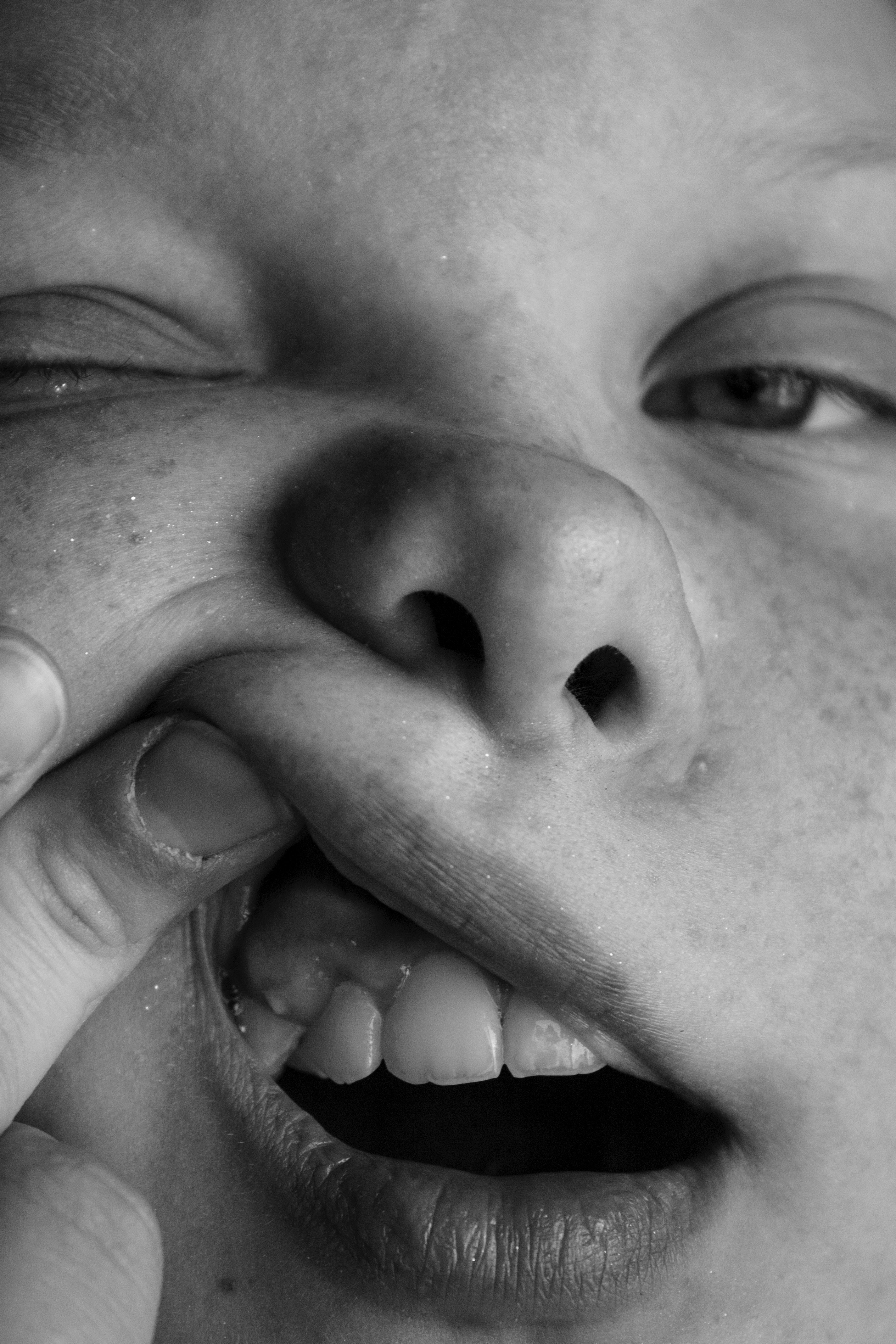
Thinking About My Mouth, Lip and Nose Piercings

Body piercing is a popular style of self expression. You may not be surprised to see someone with a face or mouth piercing, but it may be surprising how dangerous they can be.

While everyone likes to display their personal style, tongue, lip, or cheek piercings can cause dental problems and other health consequences.

How Bad Can Mouth Piercings Be?

These types of piercings can interfere with speaking, chewing or swallowing. They can also cause pain, swelling and infections. Some can also be allergic to the metal in the piercing.

Piercings on the face and lips can lead to facial scarring. Tongue piercings can lead to nerve damage and speech problems.

Anything Else To Know About Mouth Piercings?

These piercings can also injure the gums, crack teeth, scratch teeth, cause sensitive teeth, and they can also damage fillings. The mouth jewelry may even become trapped between the teeth. Also, having a piercing in the mouth can lead to excessive drooling.

Any Recommendations About Mouth Piercings?

If your child already has a piercing keep the piercing site clean and call your pediatrician immediately if your child shows any signs of infection.

Avoid clicking the jewelry against teeth and avoid stress on the piercing. Be gentle and aware of the jewelry’s movement when talking and chewing.

Check the tightness of their mouth jewelry daily (with clean hands) to help prevent swallowing or choking if the jewelry becomes dislodged.

When taking part in sports, remove the jewelry and protect their mouth with a mouthguard.

Regular check-ups are important, and remember to brush twice a day and floss every night.

The best option is to remove mouth jewelry before it causes a problem. Don’t pierce on a whim. And remember, the piercing will be an added responsibility to your child’s and your life needing constant attention.

Do you or your child have a face or mouth piercing? How do you take care of the piercing? What are your hacks? We’d really like to know! Send us an email at kidstoothhotline@protonmail.me Chat with us, Like Us on Facebook at facebook.com/kidstoothhotline

More tips? We have lots. We’re here just for kids!

Happy Mother’s Day

In the Know for You to Know

To the most loved Mommies, wishing you a very HAPPY MOTHER’S DAY!

For all the diaper changes, meal times, putting up with temper tantrums, looking after and making every day so much fun, YOU really are AMAZING!

More tips? We have lots. We’re here just for kids!

Why Can’t I Brush The Yellow Off My Child’s Teeth

In the Know for You to Know

You love seeing your child’s beautiful pearly white teeth. The pure whiteness has you thinking to yourself those are the cutest teeth ever.

Then one day you notice not all their teeth are sparkling white, and in fact some look yellow. You’re thinking wait, when did that happen?

Well you’re in good company. The most common time as a parent you’ll ask about yellow teeth is when your child’s first adult teeth begin to appear.

Will All My Teeth Be Sparkly And Bright?

Baby Teeth Are White, Adult Teeth Are Not

Baby teeth are actually whiter than adult teeth. As your child gets older and their adult teeth start to come in you may see a noticeable difference in the color between the teeth. While baby teeth are more white, adult teeth tend to appear more yellower in color.

The color differences are due to the differences in the thicknesses and actual color hues of the tooth layers. Baby teeth have thinner and whiter layers so they appear more translucent. Adult teeth have thicker and different deeply colored layers so they appear more opaque.

When you’re looking at new adult teeth coming in next to baby teeth the difference is more eye-catching. As more of your child’s adult teeth come in the difference becomes less obvious.

Are There Other Reasons For Yellow Teeth?

There are lots of causes, however the 2 most common for baby teeth and adult teeth are cavities and tooth injuries.

Cavities start out as super white spots on teeth that over time cause the outer enamel shell to disintegrate leaving the inner layer of the tooth (aka dentin) exposed. This exposed part of the tooth is yellow, and that can’t be brushed back to white.

If your child injures their tooth the baby tooth can turn yellow or in rare cases the adult tooth can come in with a yellow spot.

As A Parent What Can You Do?

Talk with your child. School age children and teens have insecurities about their appearance, and their teeth are part of that. If you’ve noticed the yellow chances are they have also. Let them know that while lots of families deal with yellow teeth it’s something that you can take care of together.

Whether you’re dealing with yellow baby teeth or adult teeth be sure to keep up with your child’s daily brushing and flossing routine.

Have you wondered if it was normal for your child to have yellow teeth? What did you do about it? Share your tips with us, we’d really like to know. Email us at kidstoothhotline@protonmail.me Like us on Facebook at facebook.com/kidstoothhotline

More tips? We have lots. We’re here just for kids!

My Child Has A Cavity? Are You Kidding? They Won’t Sit For That

In the Know for You To Know

We Did Great At Our Dentist Appointment

We Did Great At Our Dentist Appointment

You want your child to feel calm, comfortable and confident. Pediatric Dentists understand children’s needs and have designed their offices to make your child feel relaxed and special.

Sometimes, however there is a procedure your child needs that can make them feel anxious before or during treatment. Your child may need more support than a gentle, caring manner to feel comfortable. Nitrous Oxide (aka Laughing Gas) is a safe, effective remedy that is used to calm a child’s fears and enhance their ability to receive their dental treatment.

What is Nitrous Oxide?

Nitrous Oxide is a blended mixture of two gases, oxygen and nitrous oxide. A specially designed nose mask is placed over your child’s nose which allows them to breath in this mixture. It is carefully adjusted and monitored so that your child receives the right amount to make them feel happy, calm and comfortable. This is not a sedative, so your child never “goes to sleep.”

How does my child feel when breathing Nitrous Oxide?

The nose mask comes in a variety of scented flavors. Imagine having your choice of bubblegum, strawberry, orange, cherry, vanilla, plain or mint.

Your child will smell the sweet aroma and experience a sense of relaxation. They may also feel a sense of silliness and happiness. They may happily laugh. This is why this is often called “laughing gas.” Children sometimes say they feel silly or giggly and that their arms and legs feel “tingly.”

How safe is Laughing Gas?

Very safe, and well tolerated. It has a rapid onset, is reversible, can be adjusted to meet specific needs, and is non-allergenic. Your child is fully conscious, awake and aware of their surroundings when breathing Laughing Gas; and they are able to communicate at all times.

Laughing gas is considered safe for children by the American Academy of Pediatric Dentistry and American Academy of Pediatrics.

Laughing gas is administered by trained Pediatric Dentists and your child is monitored throughout the entire procedure for their safety.

Are there any Special Instructions?

First, it is recommended that your child have nothing to eat or drink for four hours before their appointment. This is so that your child will not become nauseous or vomit, which can happen with a full stomach. Bring something for them to drink after the procedure.

Second, if your child starts coughing, sneezing, develops a runny nose, is congested, or gets sick it’s better to reschedule your appointment.

Third, call your Pediatric Dentist if your child begins taking any medicine with in five days of your appointment to talk about the medicine.

Will this be effective for my Child?

Laughing Gas is safe and effective. Not all children are alike, so this is tailored to your child as an individual.

Before your treatment appointment your Pediatric Dentist will discuss with you any risks or concerns as they relate to your child.

In addition, Pediatric Dentists are very receptive and always happy to talk with you about your questions or concerns. All you have to do is ask.

Has your child had Laughing Gas for their dental treatment? Did you find it helpful? We’d really like to know. Email us at kidstoothhotline@protonmail.me Like Us on Facebook at facebook.com/kidstoothhotline

More tips? We have lots. We’re here just for kids!

My Child’s Medicine Can Affect Their Teeth? Really?

In the Know for You to Know

Yes really.

I Know My Daughter Likes The Taste Of Her Medicine

You know why your child asks for that pink or grape medicine when they’re sick, it’s because it tastes so good. The medicine tastes so good, and they’ll take it without a peep because of the sugar flavors which are added to the medicine.

There are also other medicines like asthma medicines, antihistamines and allergy medicines which can cause dry mouth by lowering the amount of saliva in the mouth. Saliva is important because it plays a part in helping to prevent cavities.

Whether your child needs to take medicine every day or is on a limited 7 or 10 day course here’s a few things to know —

Child-friendly Flavors

Depending on your child’s age and preference the top 6 medicine flavors are: Bubblegum, Grape, Cherry, Mint, Banana, and Vanilla.

My Children Always Ask For The Banana Flavor

If sugar free is available, ask your pharmacist if that flavor contains Xylitol. Xylitol is a sugar substitute and tooth friendly.

Medicine, Sugar and Teeth

Many of the medications contain sugar or sugar syrups to sweeten the taste. The longer and more frequently your child’s teeth are exposed to sugar, the greater the risk of cavities.

Another concern is that these sugared medicines are most often given right at nap time or bed time, which is when there is also a naturally occurring drop in saliva in the mouth.

Medicine, Dry Mouth, Saliva and Teeth

Asthma inhalers, nebulizers, antihistamines and allergy medicines decrease the amount of saliva in the mouth. They do this by decreasing the amount of saliva that is made by the glands.

These medicines are usually used ongoing leading to less saliva being produced so there is less saliva in the mouth, which is commonly referred to as dry mouth.

Saliva protects and coats the teeth while also washing away food particles and sugary liquids. When there is less saliva there is less protection for the teeth.

What’s A Parent To Do?

I’ve put together 3 suggestions which can help —

  • Give your child their liquid medicine between finishing a meal and nap time or bed time. This way you can brush their teeth after the medicine or use a wash cloth to wipe their mouth and teeth. Keep up with your regular brushing routine.
  • If your child has asthma you can rinse their mouth with water after their breathing treatment or using their inhaler. Then you can brush on your regular schedule.
  • Speak with your pharmacist about sugar free medicine options.

Rest assured you are doing your best and your child needs their medicine.

What’s your child’s favorite flavor? What are your hacks? We’d really like to hear from you!

Send us an email at kidstoothhotline@proton.me or Like Us on Facebook at facebook.com/kidstoothhotline

More tips? We have lots. We’re here just for kids!

Do You Have Trouble Brushing Your Child’s Teeth?

In the Know for You to Know

Like most parents you may have a tough time brushing your child’s teeth. There’s crying, screaming, struggling, chasing and all to brush teeth.

I’ve put together some tips and tricks that will empower you in your brushing dilemma.

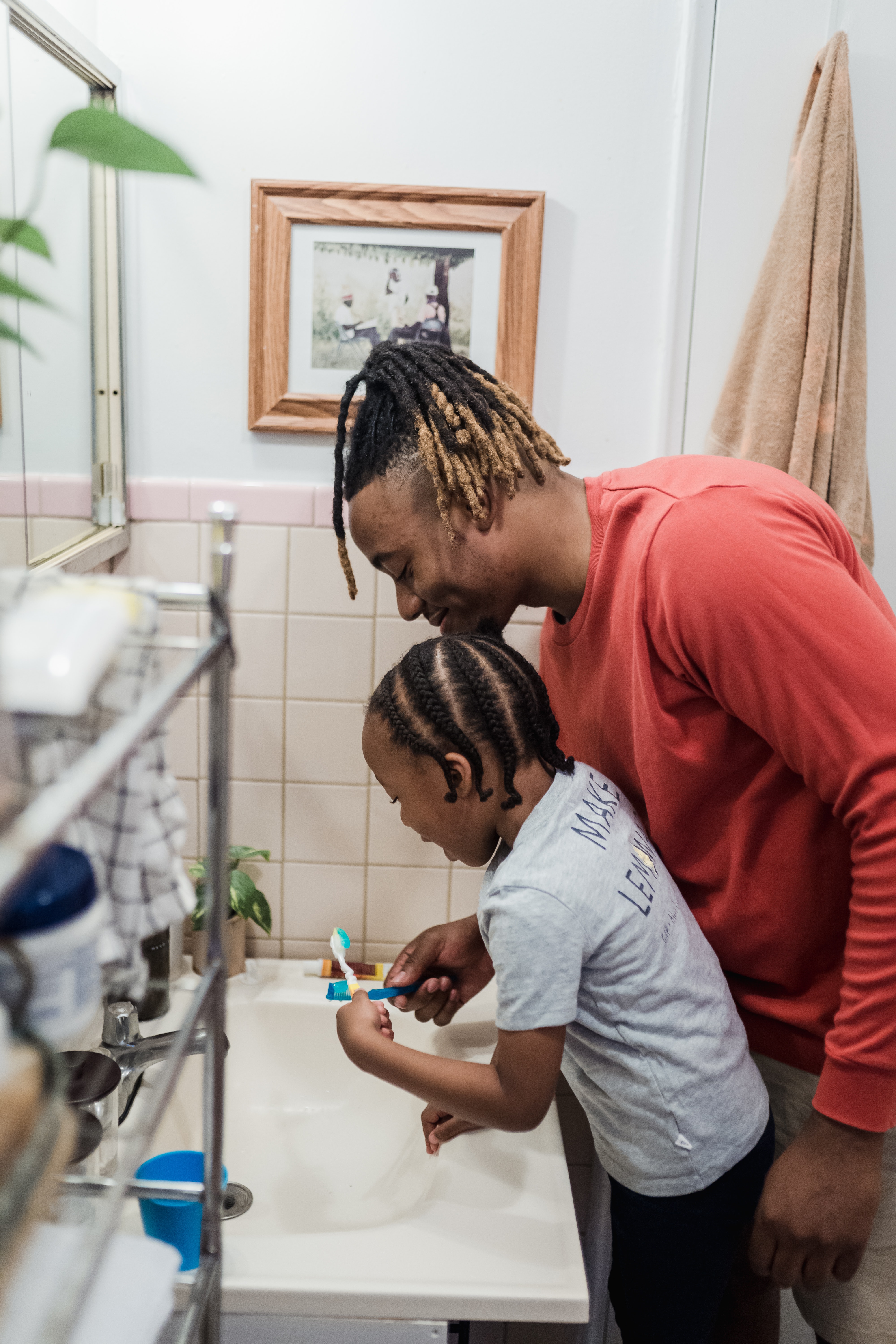
Laughing And Smiling Brushing Teeth with Daddy

Insider Tips To Make Brushing Easier

There isn’t only one way to for you to brush teeth. There are a few different positions you can use to more easily and comfortably clean your child’s teeth.

Lying On The Bed
Try brushing your child’s teeth with your child lying down on your bed. If you’re right handed you sit on their right side, and if you’re left handed sit on their left side. You can use your arm to help cradle your child’s head while brushing.

Sitting On The Floor
With you sitting on a chair have your child sit down on the floor in front of you and lean back against your legs. Have them tip their head up so you can see inside their mouth.

Lying On The Floor
Have your child lie down on the floor. You can either sit beside them, or put a pillow on your lap and place your child’s head on the pillow. If you’re right handed you sit on their right side, and if you’re left handed sit on their left side. You can use your arm to help hold your child’s head while brushing.

Standing In The Bathroom
With your child is standing in front of you, have them face the bathroom mirror with their head slightly tilted against your body. Place your hand gently over their hand so that you can help guide the toothbrush around their mouth.
This helps your child learn how to brush so they can see how tooth brushing is done, and standing behind them may make it easier for you to brush their teeth.

The 4 Most Important Things To Remember

The 4 most important things to remember are —

  • always cradle your child’s head,
  • have good lighting so you can see inside their mouth as well as what you are doing,
  • be able to easily move their tooth brush around their mouth, and
  • always find the safest and most comfortable position for you and your child.

Tooth Brushing By Any Other Name

Does the mention of tooth brushing cause stress in your home? Instead of saying it’s time to brush teeth try calling brushing by another name. For your next brushing time simply say to your child “It’s Smile Check Time”.

Even if helping your child brush twice a day is challenging a little creativity can go a long way to getting them interested, no matter their age.

How do you brush your child’s teeth? Which tip works best for your family? We’d really like to know. Email us as kidstoothhotline@proton.me Like Us on Facebook at facebook.com/kidstoothhotline

More tips? We have lots. We’re here just for kids!

Stopping Cavities With The Silver Bullet

In the Know For You To Know

Here you are, you know your child has a cavity but you also know they won’t sit to have it taken care of. You’re thinking about taking your child to the pediatric dentist and face the music or tough it out, after all it’s only a baby tooth and it will fall out. At first toughing it out sounds like a good idea but then you look at their face then into their mouth and realize you have to go.

But what can they do?

There is a special medication that can be applied directly to teeth which can stop or at least slow down the growth of a cavity. This remedy is Silver Diamine Fluoride.

Please make my teeth stop hurting

What is Silver Diamine Fluoride?

Silver Diamine Fluoride (SDF) is an FDA and ADA (American Dental Association) approved clear topical liquid that is used to treat cavities. It is applied by a pediatric dentist to the cavity area of a tooth to control and help stop the progression of a cavity.

How Does SDF Work?

Silver Diamine Fluoride is composed of two main components, silver and fluoride. The silver part acts as an antimicrobial on the bacteria causing the cavity while the fluoride helps to strengthen and remineralize the tooth. The third accessory component is Diamine which makes the SDF into a liquid.

How Is SDF Applied To Teeth?

Your child’s teeth will be dried and any food or plaque will be removed. SDF is applied to the affected teeth with a small brush and allowed to dry on each tooth for one to two minutes. After this application it is recommended that your child does not eat or drink for at least an hour so the Silver Diamine Fluoride has time to penetrate into the tooth and the cavity.

After SDF is applied the cavity will turn black and stay black. It make take up to a week for the cavity areas to turn black. The black stains on teeth treated with SDF are permanent. The parts of the tooth without the cavity will not turn black.

When Is SDF Recommended?

While Silver Diamine Fluoride is not a substitute for the traditional way cavities are treated, it is another option for treating cavities. Young children, children with special health needs, any child who has a difficult time at the dentist or who may have a lot of cavities may benefit from this type of care.

What Are The Benefits Of SDF?

Silver Diamine Fluoride has a number of benefits — Quick to apply, Painless, May stop cavity progression, Relieves tooth sensitivity, Helpful cavity treatment for children who are very young or any child who struggles with appointments and longer procedure times.

Are There Any Risks With SDF?

Some common risks are — All cavity areas will stain black while healthy tooth structure will not stain; If Sliver Diamine Fluoride touches skin or the gums, a harmless temporary brown or white stain may appear on that area, which will disappear on its own in one to three weeks; Some may notice a metallic taste but this is temporary; SDF may not stop cavities from progressing and other treatments may need to be discussed.

SDF Is Just Not For Some Children

SDF contains silver and children who are allergic to silver or who have mouth sores or ulcers in their mouth should not have it applied to their teeth. It should also not be used when the cavity is very deep and has compromised the tooth. Some parents may not want the cavity areas on their child’s teeth turning black.

Are There Any Alternatives To SDF?

Two possible alternatives may be — No treatment, which may lead to worsening symptom severity as well as increasing breakdown of teeth; Depending on the extent and location of the cavities other treatment options may be necessary which is an important conversation for you to have with your child’s pediatric dentist.

What’s important is that Silver Diamine Fluoride is a safe, effective alternative treatment that can help your child maintain a healthy smile.

Thank You For Taking Care Of Our Teeth

Has your child had SDF applied to their teeth? How did your appointment go? We’d really like to know. Send us an email at kidstoothhotline@protonmail.com Like us or Friend us on Facebook at www.facebook.com/kidstoothhotline

More tips? We have lots. We’re here just for kids!

It’s National Children’s Dental Health Month

In the Know for You to Know

Every February we celebrate Children’s Dental Health Month. We like to celebrate children’s oral health every month but February historically holds a special place in our hearts.

Healthy habits start early and grow as your child grows. Whether your child is a newborn, 6 months old, 6 years old, or 16 years old healthy teeth and gums are important for a healthy smile and a healthy life.

With a consistent home care routine, a balanced diet, injury prevention, and regular dental visits your child’s teeth can be healthy, strong, beautiful and last their whole lifetime.

Keep Those Little Smiles In Your Life Healthy And Happy From The Start!

Cavities are the most common chronic disease among children across all age groups. From infant to college, cavities are 4x’s more common than Asthma.

They are also the most common preventable chronic disease among children of all ages.

Did you know that cavities can form even before a tooth is fully in the mouth?

Happy Healthy Teeth Come Out On Top – What You Can Do At Home

From their 1st tooth, brush your child’s teeth 2x/day with fluoride toothpaste every day. Teeth not in yet? No worries, use a wash cloth to wipe their gum pads and tongue after each feeding.

Teeth touching? Clean between your child’s teeth nightly with dental floss.

To snack and what to snack on? Eat healthy foods and be selective about sugary and starchy (aka high carb) foods and beverages. Yes that includes chips.

Children’s teeth are meant to last a lifetime. And a healthy smile is a happy and confident child.

  • After Your Feeding and Cleaning Your Mouth We Lay You Down To Sleep
  • After Your Feeding Mommy Is Going To Wipe Your Mouth
  • All My Teeth Are Looking Good
  • Daddy And Me Brushing Time
  • Daddy and Me Smiling Our No Cavity Smiles
  • Happy Baby Happy Mommy and Daddy
  • Healthy Teeth Happy Family
  • I May Have A Few Teeth But My Mommy Is Making Sure We Brush
  • Love To Smile
  • Love You Daddy For Playing With Me And Brushing My Teeth
  • Loving My Cavity Free College Smile
  • Mommy and Daddy Brushed Our Teeth Now It's Playtime
  • Mommy And Daddy Love You So Much We Never Want You To Have A Cavity
  • Mommy And Daddy Make Sure I'm In The No Cavity Club
  • Showing Off My Healthy Teeth
  • Smiling Our Best Smiles
  • Still No Cavities!

  • The Thought Of Getting A Cavity Makes Us Laugh

In honor of National Children’s Dental Health Month, we applaud you and encourage you to help your children develop a healthy routine.

What is your goal for Children’s Dental Health Month? Start small and aim high, let us know your plan. Already have a routine in place that you’re working on? Let us know how it’s going. We’d really like to know. Send us an email at kidstoothhotline@proton.me Like us or Friend us on Facebook at www.facebook.com/kidstoothhotline

Happy National Children’s Dental Health Month!

More tips? We have lots. We’re here just for kids!