In the Know for You to Know

You feel like you’re in a good place keeping up with your child’s twice a day tooth brushing routine. Flossing and brushing is going really well so you know what’s going on with their teeth and gums.
Then you notice there are some spots on their teeth which you didn’t notice before and you’re wondering what they are and why they’re there.
Thinking back to your child’s last dental check-up you remember hearing about the areas of hypoplasia on their teeth. Since they didn’t have any cavities you thought everything was all right.
Now you’re thinking, why does my child’s teeth have these spots and what caused them?
Today we’re breaking down the basics about the spots on children’s teeth which is called enamel hypoplasia.
Tooth Basics
Enamel is the hard outermost layer of teeth and the hardest substance in the human body.
Dental enamel needs to be hard because it forms an insulating barrier that protects the inner layers of the tooth from chewing and biting forces as well as sensitivity from hot and cold foods and drinks.
Dental Enamel Starts Developing Early
Around the time Mom’s are finding out that they are pregnant, tooth enamel is starting to form for baby teeth.
Tooth enamel continues to form as baby teeth develop during pregnancy. Around the time your baby is born the dental enamel begins to form for their adult teeth.
Adult tooth enamel continues to develop as these teeth form during early to middle childhood.
Any type of disruption to the enamel formation process will cause defects in the enamel, including hypoplasia.
What Is Hypoplasia?
Enamel hypoplasia is a developmental defect when tooth enamel doesn’t develop properly causing it to be too thin.
Enamel formation is a complex process of formation and timing. Any disruption leading up to the final step in completing the process can affect the thickness of the enamel layer.
What Causes Enamel Hypoplasia?
The enamel forming cells are precise and sensitive, so hypoplasia can affect a whole tooth, part of a tooth, some teeth, certain teeth or less commonly all the teeth.
Some factors which can cause hypoplastic teeth are ~
- Premature birth,
- Low birth weight,
- Health concerns for Mom or Baby during pregnancy,
- Health concerns for Baby after birth,
- Failure to thrive, Malnutrition,
- Certain bacterial or viral infections,
- Dental trauma,
- Fever,
- Some early childhood diseases and/or chronic illness in the first few years of life,
- Genetic conditions, such as Treacher Collins syndrome.
Does Enamel Hypoplasia Affect Baby Teeth And Adult Teeth?
Enamel hypoplasia can occur in both baby teeth and permanent teeth, depending on the timing of the disruption.
If enamel formation is disrupted during pregnancy, baby teeth can be affected with hypoplasia.
When the disruption occurs from birth through middle childhood, the permanent teeth which are developing at that time can be affected with hypoplasia.


What Are The Signs Of Enamel Hypoplasia?
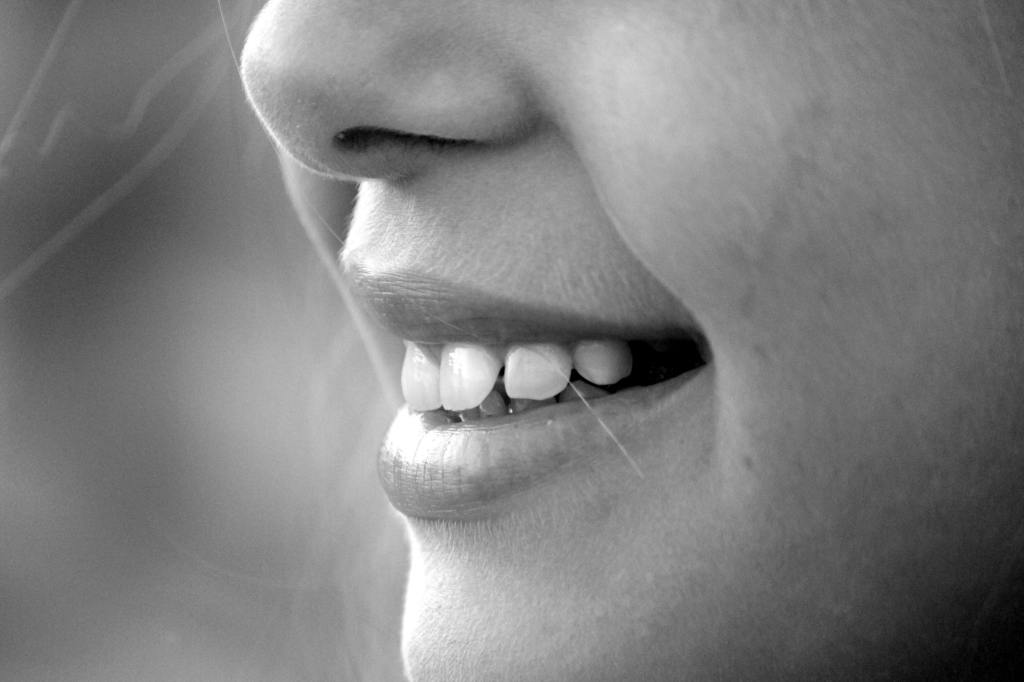
When looking at your child’s teeth some signs to check for to see if they have hypoplastic teeth are ~
- White spots on teeth,
- Teeth with ridges, grooves or pits,
- Stained teeth or teeth that look yellow, brown, or grayish because the enamel is thin and the underlying dentin layer which is yellowish in color shows through,
- Sensitive teeth due to the thinness of the enamel and the dentin being close to the surface,
- Excessive enamel wear or enamel fracturing off,
- Teeth that look mis-shaped,
- Teeth that look like they have cavities.
Do You Treat Enamel Hypoplasia?
Yes, teeth with enamel hypoplasia do need to be treated.
Even teeth with mild hypoplasia, which may initially be a cosmetic concern, needs to be monitored since they can go on to become a significant dental issue due to the thin enamel.
In addition, the thinness of the enamel places children with hypoplastic teeth at more of a risk for developing cavities faster, having increased sensitivity to hot and cold foods, increased risk for tooth damage, and can impact the position of their teeth and their bite.
How Do You Treat Teeth With Enamel Hypoplasia?
Treatment for teeth with enamel hypoplasia depends on the tooth’s location in the mouth (front tooth or back molar), as well as the extent and severity of the hypoplasia.
For hypoplastic teeth where there is purely an aesthetic concern without any other dental complications, cosmetic treatment options can include ~
- Fluoride treatments to help strengthen the enamel,
- Tooth bonding where tooth colored materials are applied over the thin enamel,
- When your child is older and has passed their last growth spurt, other esthetic restorations are a consideration.
For hypoplastic teeth that are more seriously involved including molars, treatment considerations may include ~
- Desensitizing toothpaste,
- Dental sealants,
- Fillings, tooth colored bonded fillings don’t bond well to teeth with defects in the enamel and can come off or chip the enamel more, so there may be other options depending on the specific tooth involved,
- Dental crowns,
- Other restorations when your child has completely finished growing,
- Orthodontic consultation.
What Can We Do At Home To Help The Hypoplasia From Getting Worse?
Some helpful suggestions for at home care ~
- Brush teeth for 2 minutes every morning and 2 minutes every night before bed,
- Floss every night before brushing teeth,
- Use an alcohol-free fluoride mouth rinse every night after flossing and brushing. You can place a small amount in a disposable cup (enough to cover their tooth brush bristles) and dip their tooth brush into the fluoride rinse, then brush their teeth for 1 minute. If your child is old enough to spit out (and not swallow) then watch them as they swish for 1 minute and then spit out the rinse,
- After meals, snacks and drinks rinse their mouths with plain water,
- Water is the best beverage, serve it routinely and encourage your child to drink water,
- Choose healthy snacks and meals to stay on track with their dental health.




What To Remember
Taking care of teeth with enamel hypoplasia is super important.
This is important because these teeth simply don’t have a thick enough enamel layer to protect them from cavities as well as pain and sensitivity to hot and cold foods and beverages.
Teeth use each other as a guide for their positioning and alignment. Thin enamel doesn’t provide the support teeth need to stay in place, so these teeth are more susceptible to being misaligned which affects a child’s bite.
Your twice daily at home care routines, healthy choices for meals, snacks and beverages, and regular dental visits are a good place to start to help protect your child’s teeth especially when they have enamel hypoplasia.

Have you been told your child has enamel hypoplasia? Does your child have another defect involving their tooth enamel? Have you been told your child has a different defect involving their teeth? Tell us, We’d really like to know! Send us an email at kidstoothhotline@proton.me Like Us on Facebook
More tips? We have lots. We’re here just for kids!
 kidstoothhotline