In the Know for You to Know
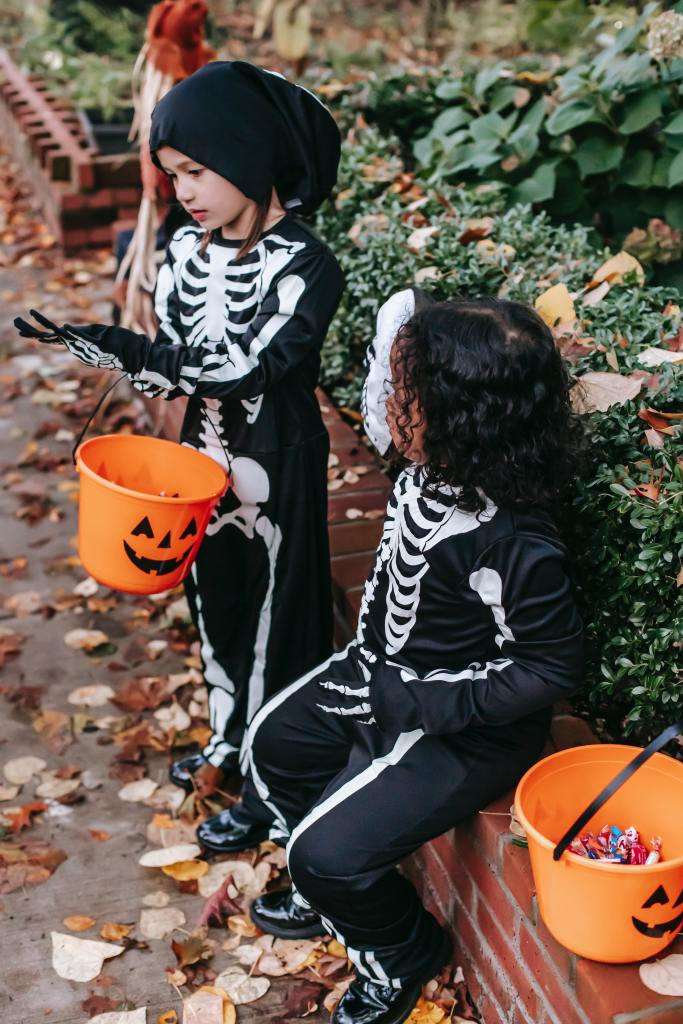
Halloween is finally here!
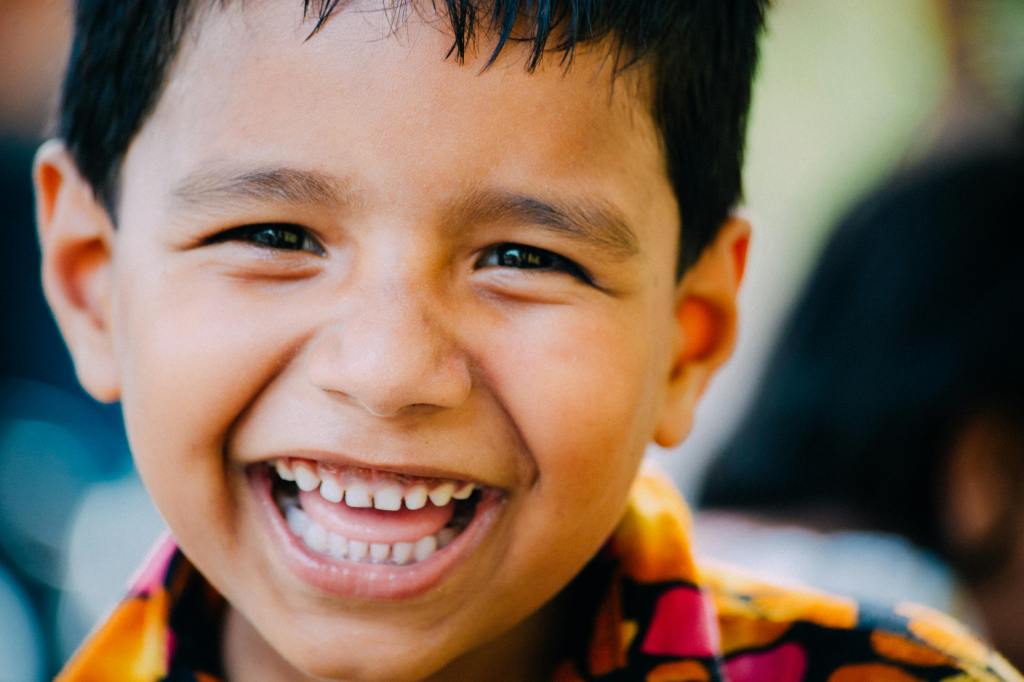
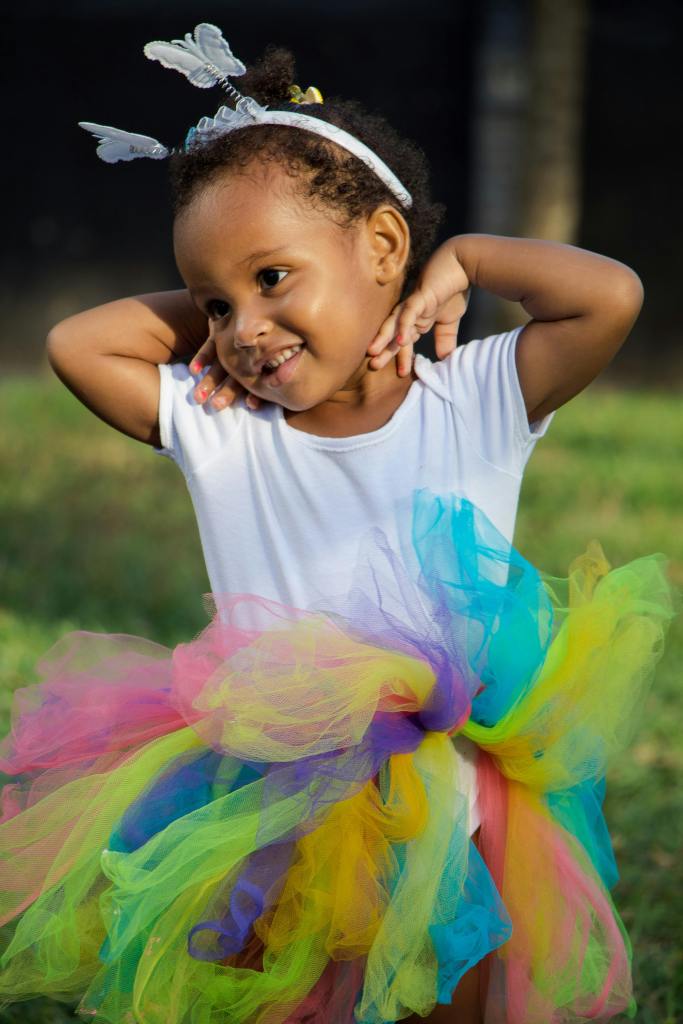
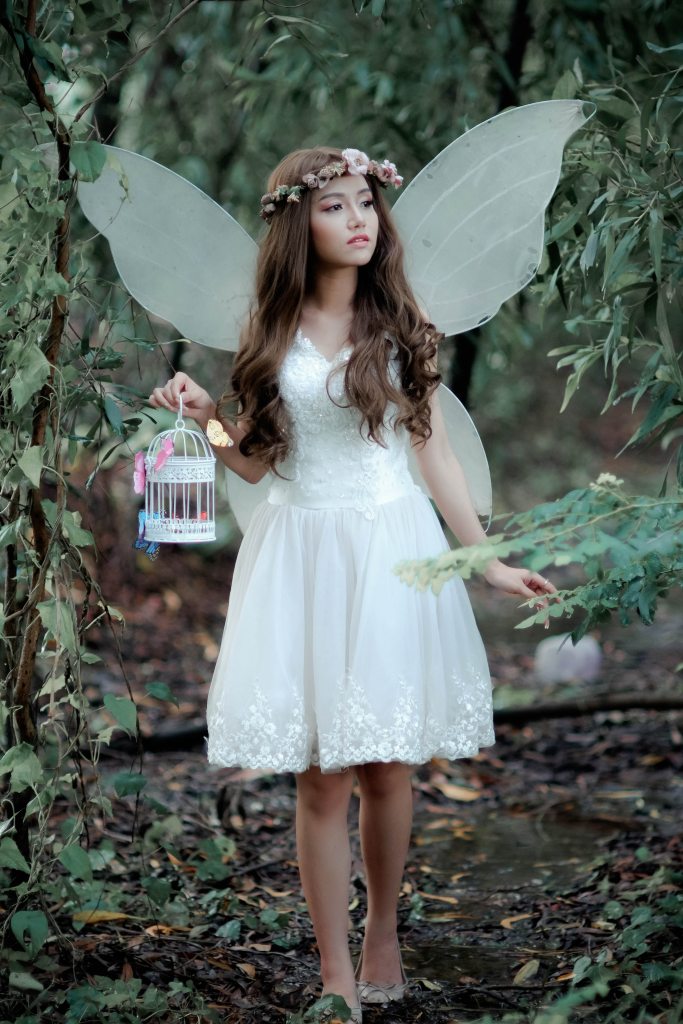
For the children it’s all about the excitement. The thrill of dressing up in their costumes to go out trick-or-treating to collect candy and trinkets from friends and neighbors.
For you it’s how to manage the sweets while keeping your child’s teeth healthy. Part of you is saying for them to have fun and enjoy some candy. Then you’re also thinking about keeping their teeth healthy.
So how do you keep candy and toothbrushing realistic while allowing your child to have a delightful time?
5 Tooth Friendly Tips For A Happy Halloween And For The Days After
- When you get home from trick or treating sit down at the table with your child and sort and check treats as you go through their treat bag with them. Help your child pick the healthiest choices. Allow them to eat these choices within a specific period of time in the kitchen rather than continually snacking throughout the day. By doing this you’re done and everyone is happy. Remember to keep candy out of their bedroom.
- Water is your friend. Drink water to help wash away any gooey chewy candy that’s stuck in their teeth. Water is really good for you and your teeth.
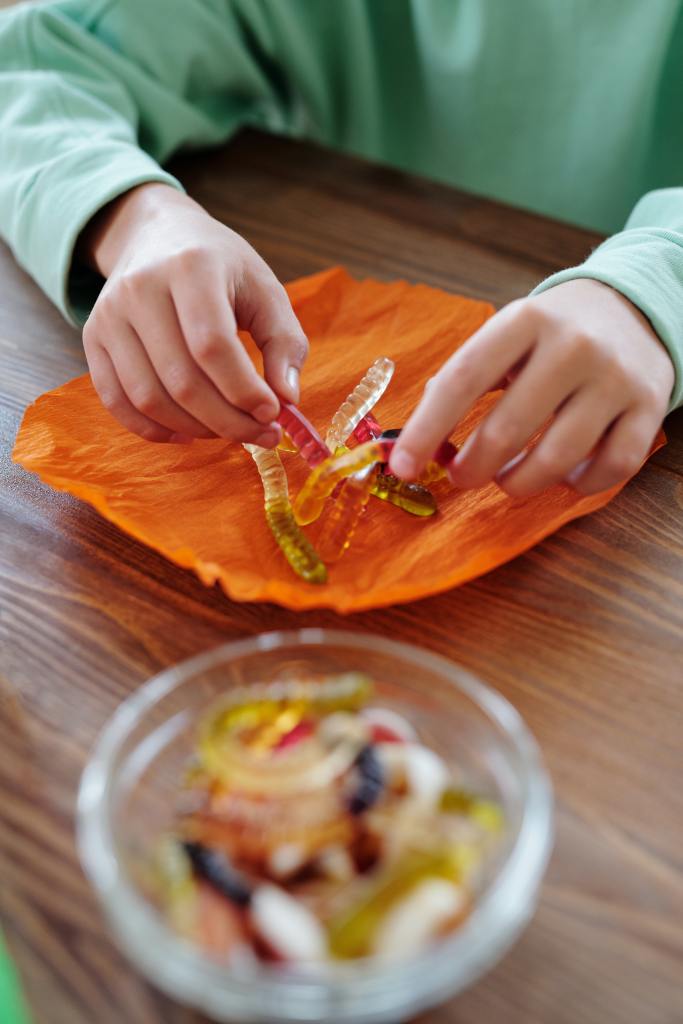
- Sticky and hard candies stay in their mouths for a long time. It’s a good idea to stay away from taffy, dried fruits, caramels, and other chewy, sticky candy. Select less sticky and less sour goodies like pretzels, sugar free gum and chocolate. Chocolate without any mix-ins is great because it slides off and there’s nothing to get stuck in their teeth.
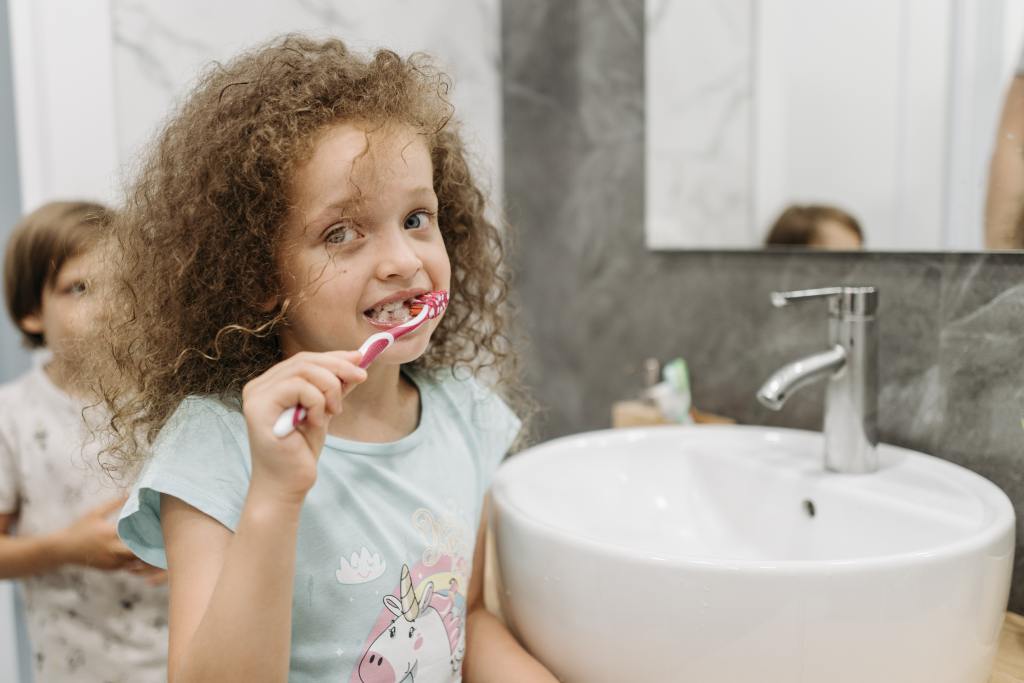
- Brush the candy away. After trick or treating it’s important to make sure to floss and brush your child’s teeth. It takes 2 minutes of brushing to clean away all the candy and flossing to remove what has gotten in between their teeth. Keeping up with your flossing and brushing routine is important every day and reinforces consistency.
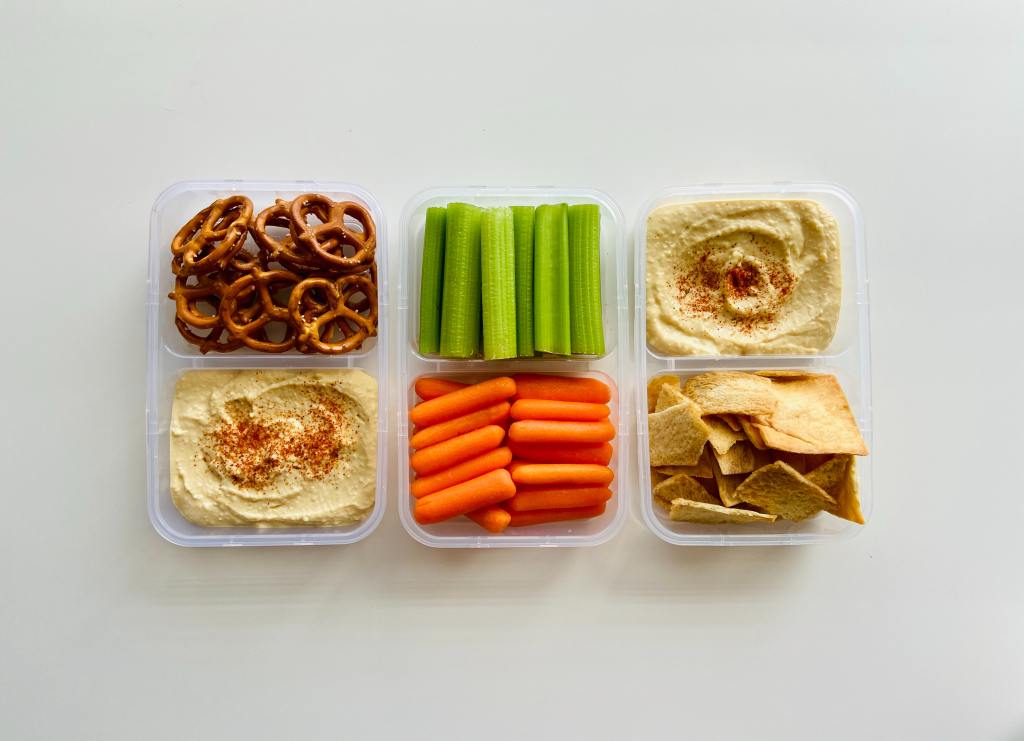
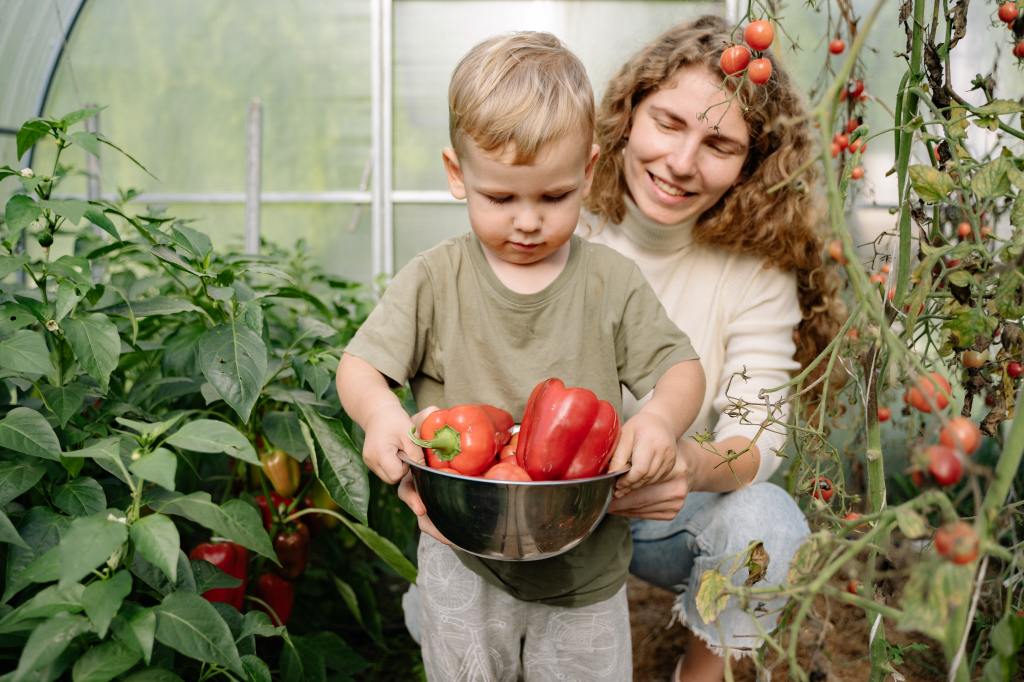
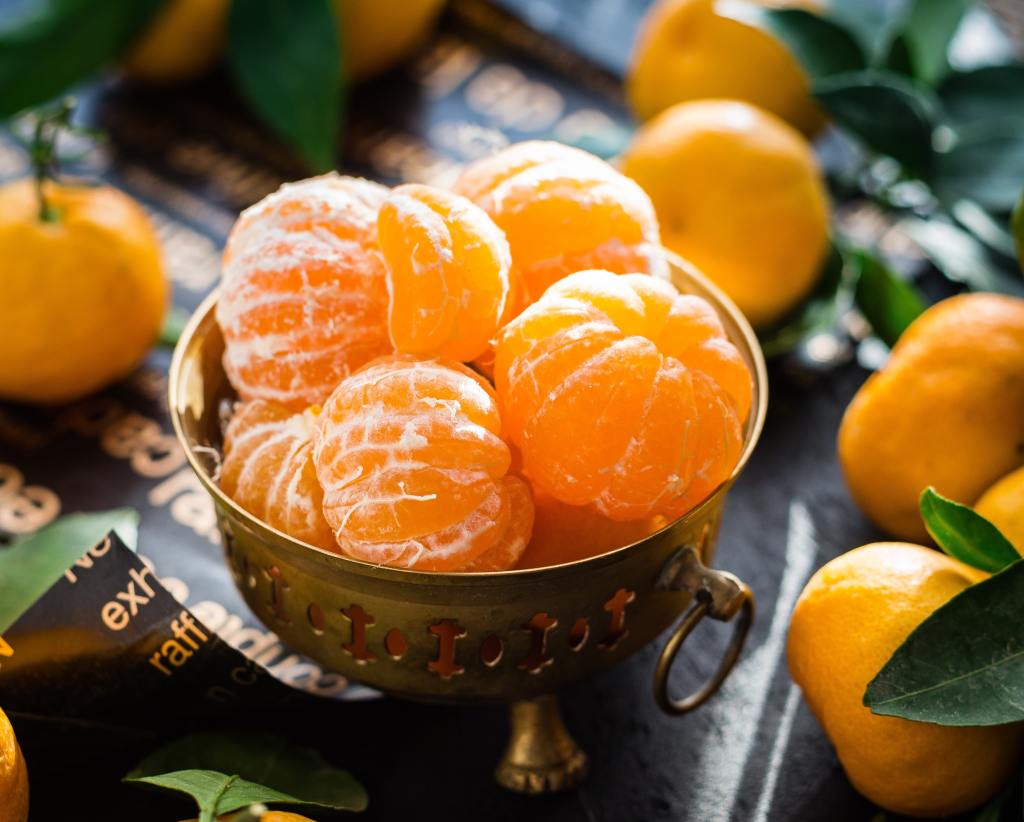
- Don’t allow the Halloween candy stash to be a substitute for healthy snacks. Cheese, yogurt, peanut butter, celery, carrot sticks, apple slices are great options.


What Is National Brush Day?
Each year we celebrate National Brush Day on November 1st.
The legend goes, that to make up for those extra sweet indulgences on Halloween we celebrate today to help your healthy toothbrushing routine.
How Do We Celebrate?
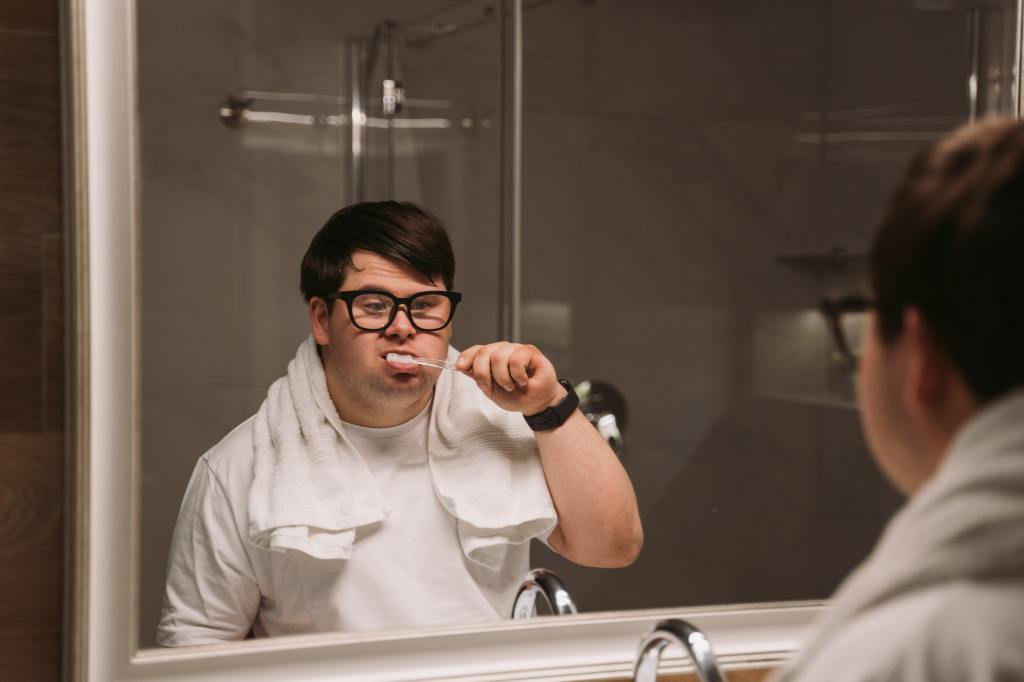
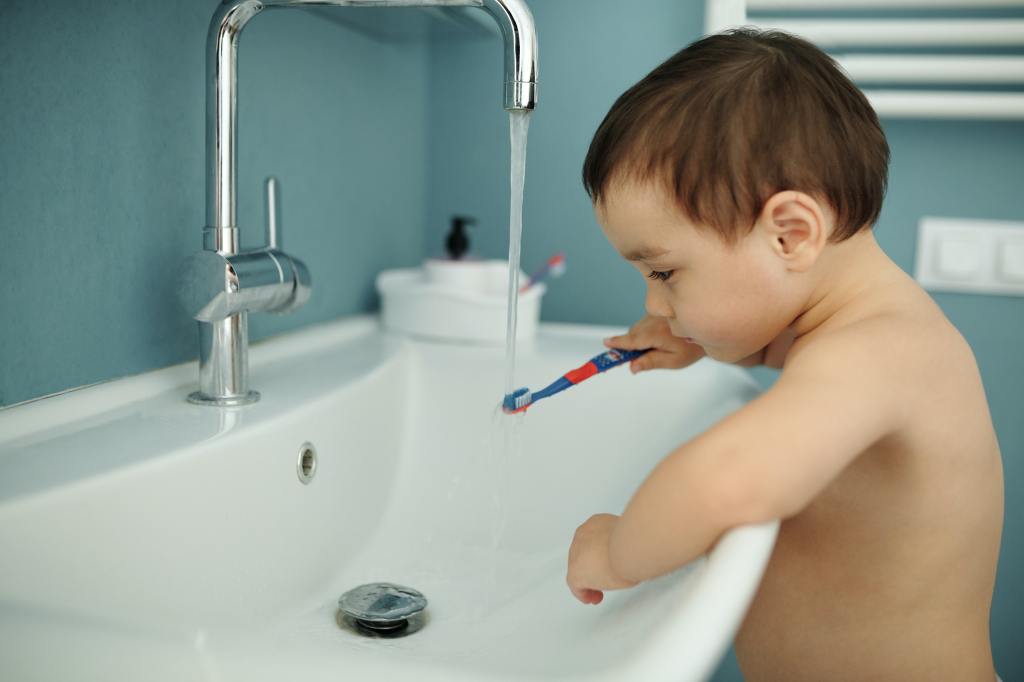
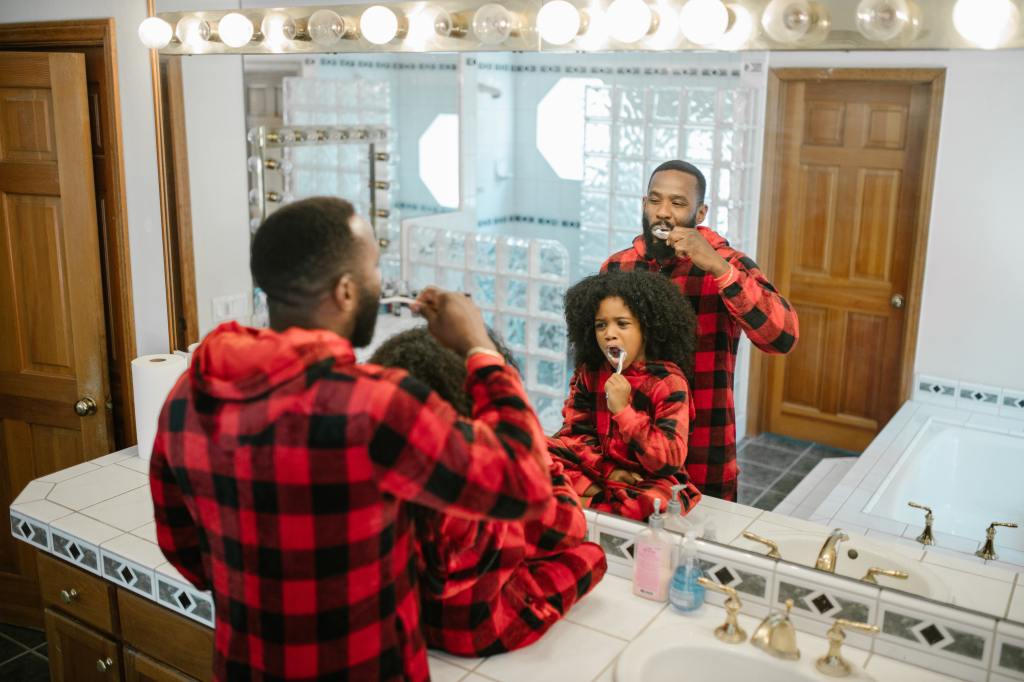
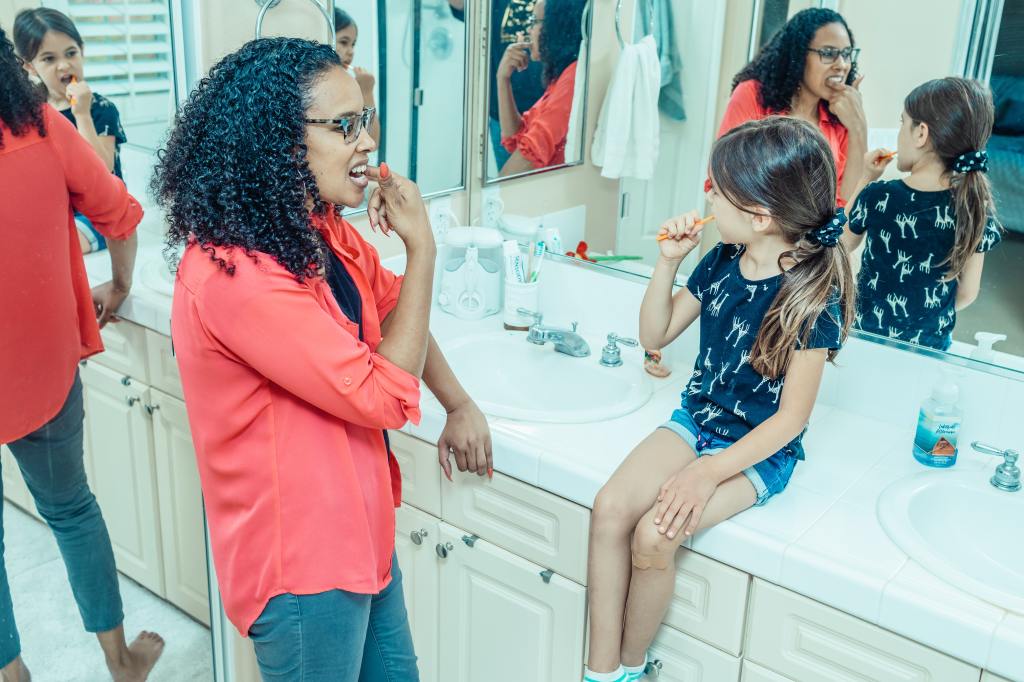
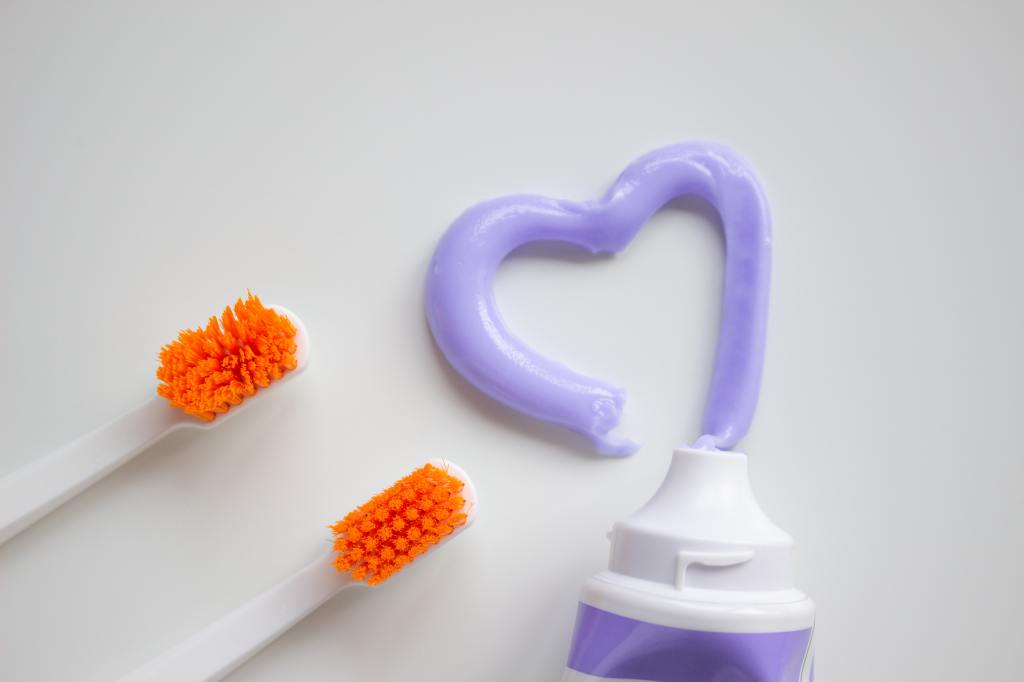
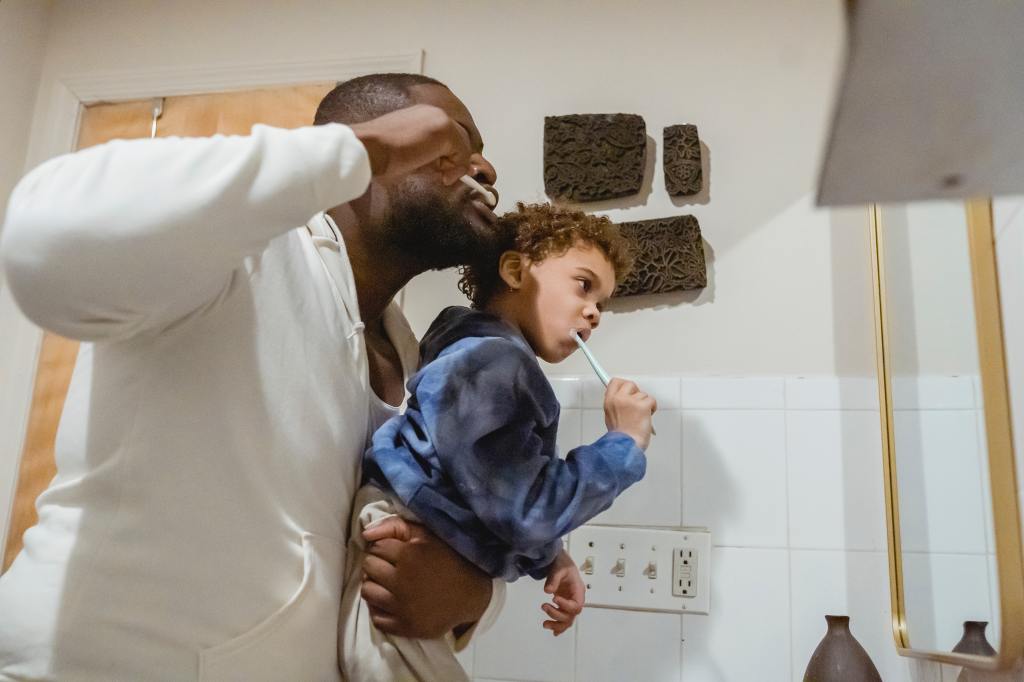
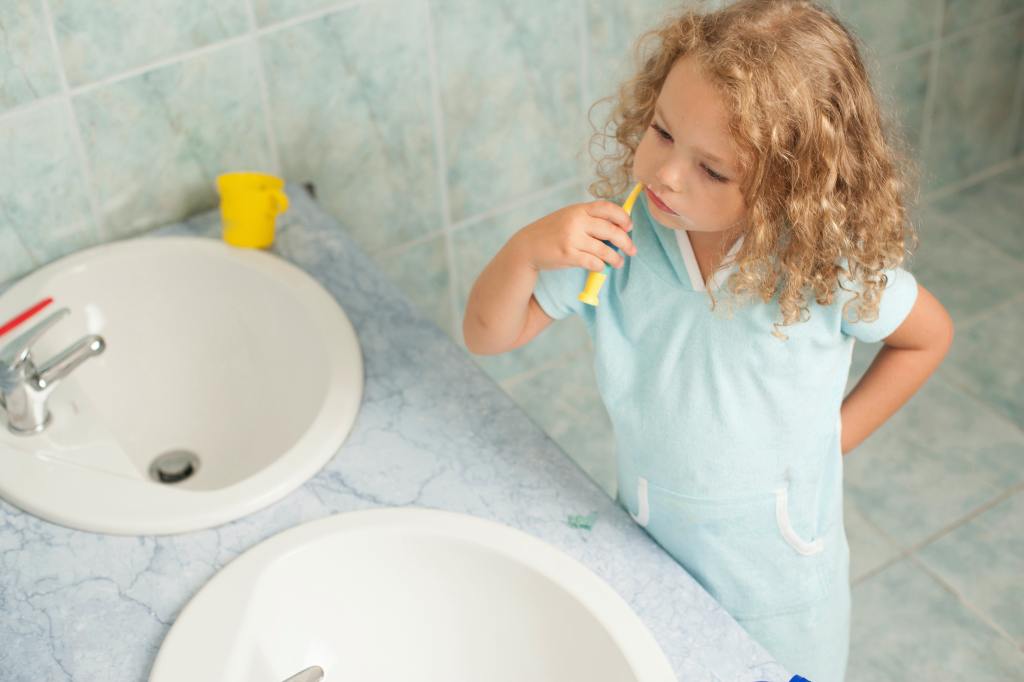
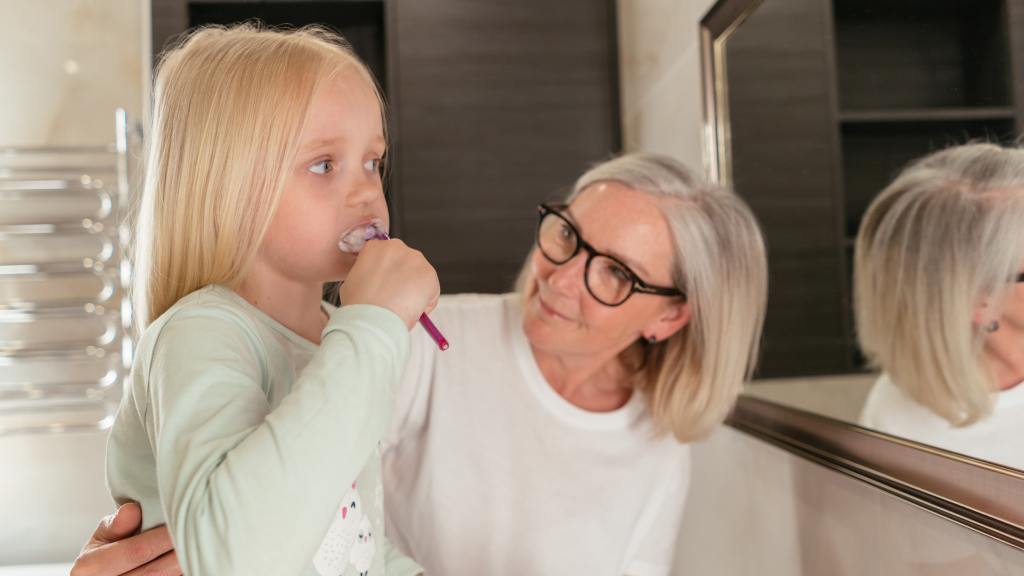
On this day it’s being mindful of how important brushing your child’s teeth for 2 minutes 2x’s a day is for everyone. Brushing is actually fun when you do it together and watching videos to make sure you get into all those tooth nooks and crannies.
Some ways to celebrate ~
- Brushing and flossing #2min2x (www.2min2x.org)
- Choose your family toothbrushing song or make up your own song
- Have a family brushing contest
- Select your favorite toothpaste flavor of the week
- Smile and always make brushing fun
When Do We Brush?
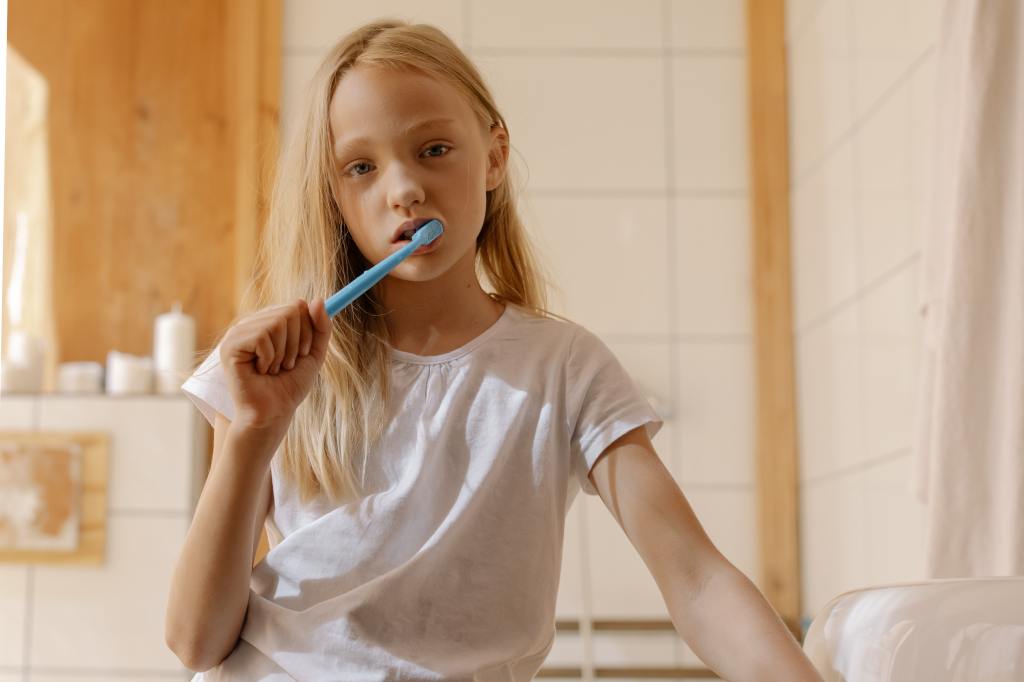
Brushing for 2 minutes in the morning after breakfast and for 2 minutes before bed (and after flossing) is a great way to healthy teeth and gums.
How Often Do We Brush?
Twice a day every day. That’s 7days a week/365 days a year. Yes, even on school days, holidays, vacations and weekends.
What Do We Need?
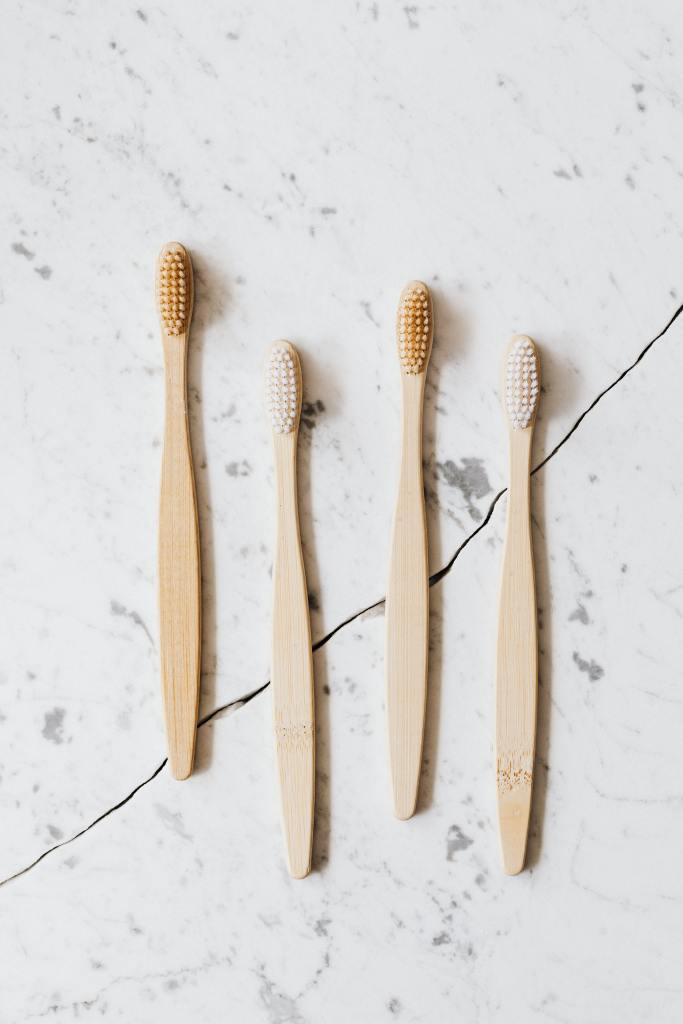
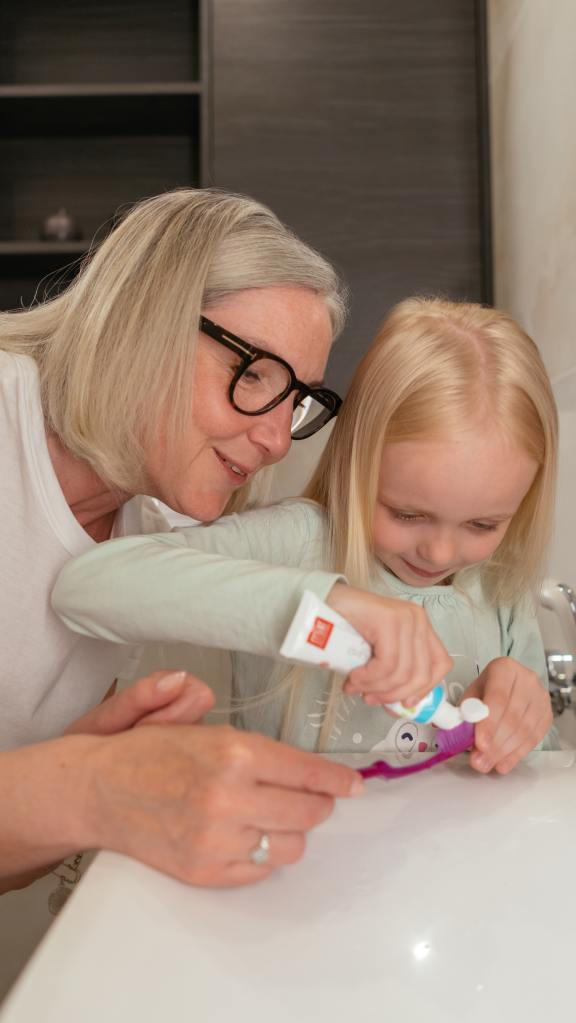
You’ll need 3 things, a soft bristle toothbrush (age appropriate size), a dab will do ya size of toothpaste (fluoride preferred), and a flosser.
What Comes Next?
Remember to floss first. Flossing first allows you to take out all the yucky stuff that gets caught in-between your child’s teeth (there’s always stuff) and then you brush all that away at once.
If you floss second, then you’ll have to brush again to take the
in-between teeth stuff away.
When Should We Start?
National Brush Day is a great day to start. This way it will always be your anniversary for good oral health!


What To Remember
Halloween is a thrilling time for parents and children. It’s a treat for parents to see their child’s enthusiasm about dressing up and for children to comb through scary decorations for their rewarding sweet treats.
Upon returning home with your child’s over flowing stash of goodies, take this opportunity to share lessons for making healthy choices and also to reinforce good dental habits.
You can continue all this enthusiasm on November 1st. November 1st is National Brush Day. Celebrate with brushing and flossing #2min2x, choose your family toothbrushing song, have a family brushing competition, select your favorite toothpaste flavor of the week; and always make brushing fun.
Have A Spooktacular Halloween! and remember to Lift Your Toothbrush For National Brush Day!
Tell us ~Are you having a Halloween Bash or going out Trick-or-Treating? What costume is your child looking forward to wearing? Which is your most memorable costume? Share your favorite toothbrushing song with us. What is your family’s toothpaste flavor this week? If you could create your own toothpaste flavor, what would it be? We’d really like to know! Send us an email at kidstoothhotline@proton.me. Like us or Chat with us on Facebook.
More tips? We have lots. We’re here just for kids!




















































 kidstoothhotline