Halloween is October 31st, Do you know what November 1st is?

In the Know for You to Know

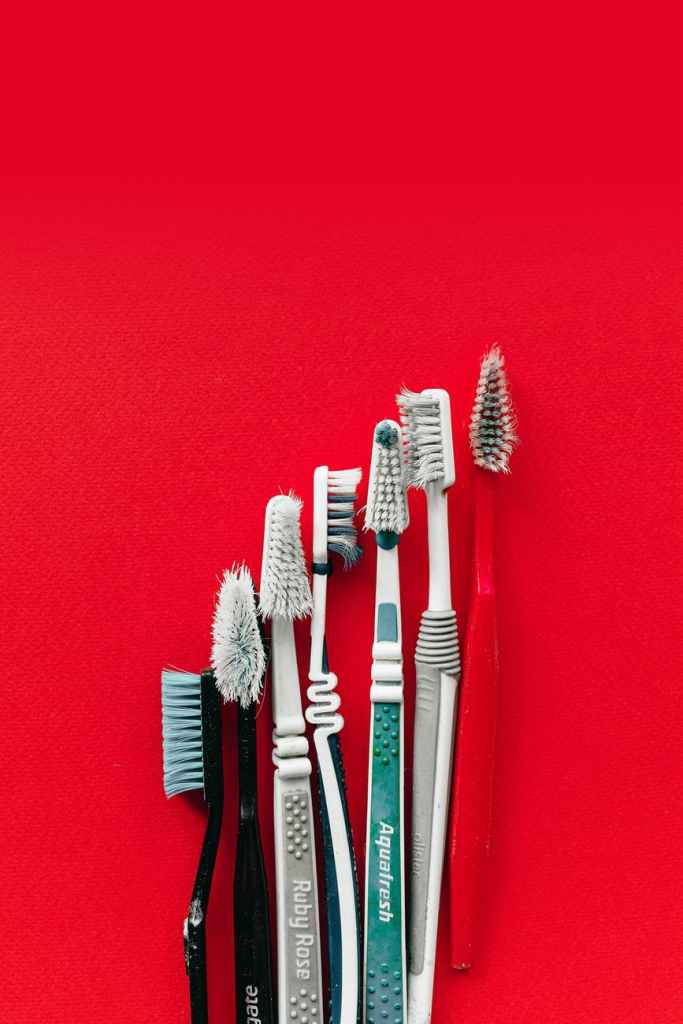
Yes it is the day after Halloween, and it’s also a special day. It’s NATIONAL BRUSH DAY.

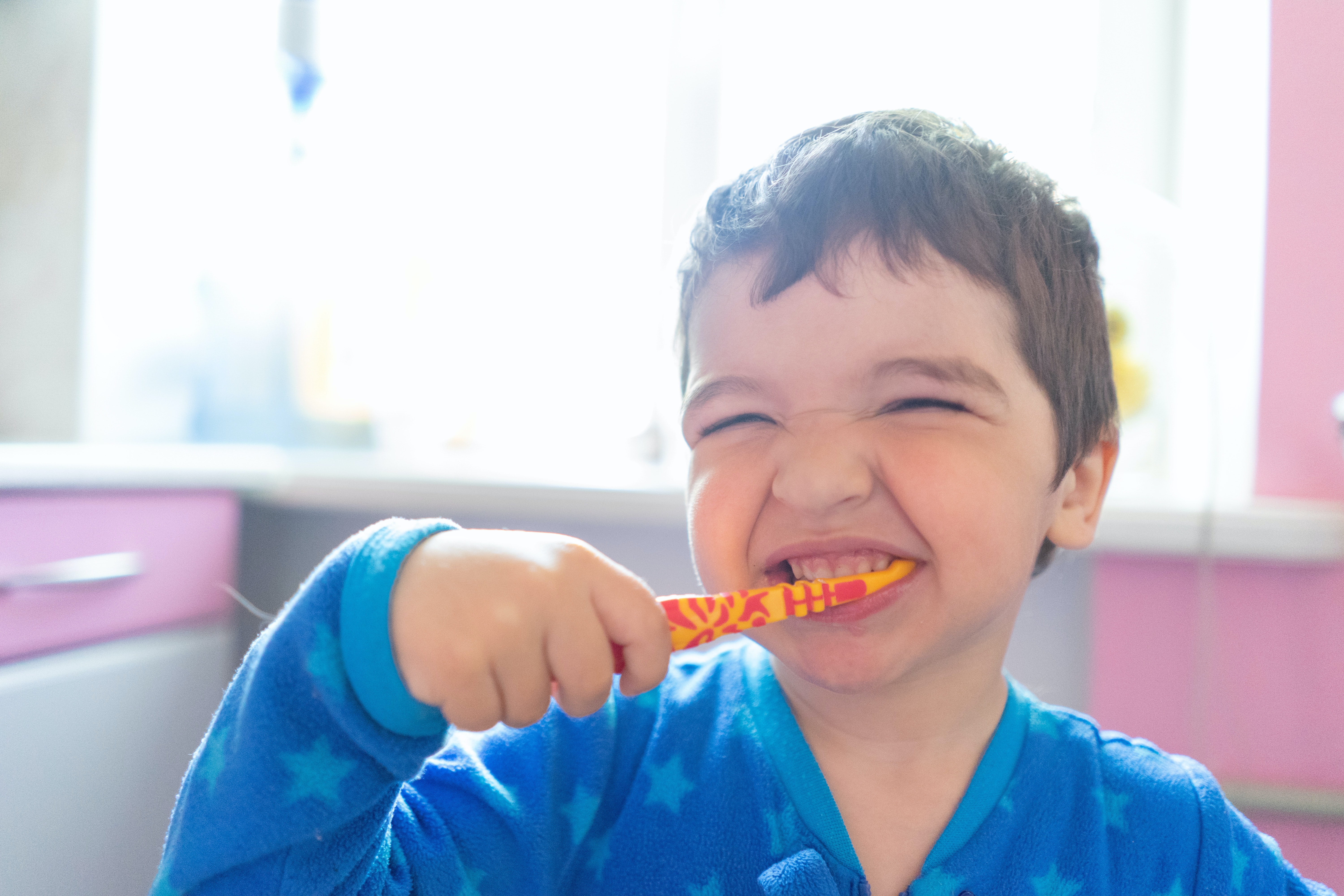
Family Brushing Time After Trick or Treating

What is National Brush Day?

Every year we celebrate National Brush Day on November 1st. To make up for those extra sweets from Halloween we celebrate this day so we can remind our children to get back into our healthy routines and brushing our teeth.

How do we celebrate?

After your children enjoy their treat it’s time to brush to the beat (of their favorite song).

On this day it’s being especially mindful of how important brushing for 2Minutes 2X’s A Day is for everyone. Brushing is actually fun when you do it together to make sure they get into the nooks and crannies. Check out www.2min2x.org for fun brushing.

What do we need to do?

You’ll need 3 things–A soft toothbrush (age appropriate size), a dab will do ya size of toothpaste (fluoride toothpaste recommended), and floss.

Remember to floss first at night. I know everyone says to brush and floss. Flossing first allows you to take out all the yucky stuff that gets caught in between your child’s teeth (and there’s always stuff) then you brush all that away at once.

If you floss second, then you’ll have to brush again to brush that in between the teeth stuff away.

When do we start?

If you haven’t already, National Brush Day is a great day to start. This way National Brush Day will be your family’s anniversary for good oral heath!

Shine Bright My Teeth

HAPPY NATIONAL BRUSH DAY from US to You!

Tell us how your family celebrated National Brush Day. What’s your routine for your child’s healthy teeth and dazzling smile? Send us an email at kidstoothhotline@protonmail.com or Message us, Send us a Comment and Like us on Facebook @ www.facebook.com/kidstoothhotline

More tips? We have lots. We’re here just for kids!

Halloween Is Coming – What Treats Will You Choose?

In the Know for You to Know

What's in Your Pumpkin?
What’s in Your Pumpkin?

Halloween will soon be here. What costume will your child wear? Will it be trick or will it be treat?

If you choose treats, what will they be? and what will you do to keep their teeth healthy?

Check out these tips for a happy Halloween –

*If it’s sticky, it gets stucky and that’s so yucky! Staying away from taffy, dried fruits, caramels, and other chewy, sticky candy is a good idea.

**When choosing candy less sticky and less sour goodies like pretzels, xylitol gum, and smooth chocolate are a good choice. Chocolate without any mix-ins is great because it slides off their teeth.

***Drink water to help wash away the sticky gooey chewy candies. Water is really good for you and your teeth.

****After trick or treating it’s important to make sure to brush their teeth and remember to floss before you brush. It takes 2 Minutes of brushing to clean away all the candy and flossing to remove what has gotten in between their teeth. Keeping up your flossing and brushing routine is important every day.

*****Select with your child their top 5 favorite pieces of candy. Allow them to eat all these choices with in a specific time period rather than continually snacking throughout the night and next day. By doing this you’re one and done and everyone is happy.

Follow these tips for spooktacular teeth.

Happy Halloween!

Tell us about your Halloween plans, costume, whether you tricked or treated, and what your child’s candy choices were. Send us an email at kidstoothhotline@protonmail.com or Message us, Send us a Comment and Like us on Facebook at www.facebook.com/kidstoothhotline

More tips? We have lots. We’re here just for kids!

Manual Toothbrush Or Electric Toothbrush? Which Should My Child Use?

My Mom and Dad Chose this Toothbrush for Me

In the Know for You to Know

As parents we always want the best for our children and will explore all options available to us.

A question we have been receiving a lot recently from parents is about the type of toothbrush their child should be using. Specifically whether to use a regular toothbrush (manual brush) or an electric toothbrush.

What Are The Benefits Of A Manual Toothbrush?

Manual toothbrushes come in lots of sizes, shapes, and colors. There are many varieties that have children’s favorite characters on them. They are light weight, easy to hold, and don’t need to be plugged into an electrical outlet or have batteries changed.

What Are The Benefits Of An Electric Toothbrush?

Electric toothbrushes take the work out of brushing. The brush’s bristles move in a circular motion, mimicking what you and your child would need to do with a manual brush. Some brushes already have the bristles angled (45 degrees) to the gum line for effective tooth and gum cleaning.

Many electric toothbrushes come in children’s favorite characters and colors. These brushes encourage your child to brush for the correct amount of time (2Minutes 2X’s A Day) because they come with a built-in timer. Some timers play music, some flashing lights, some talk, some make buzzing sounds, some simply stop.

How Do I Choose The Right Toothbrush For My Child?

Here are some helpful tips when looking for your child’s toothbrush —

1. Select a child-size toothbrush (or electric toothbrush handle) for easier holding, use and comfort,

2. Choose a child-size head on a child-size manual or electric toothbrush,

3. Select a toothbrush or toothbrush head with soft bristles,

4. Include your child in the decision, the more involved your child is in selecting their toothbrush the more willing they are to (or allow you to) use the brush.

Children should have their teeth brushed for them until they have the motor skills and dexterity they need. A good rule to judge this is when your child can fully bathe or shower on their own as well as wash, dry and style their hair all on their own.

Taking Care Of My Child’s Toothbrush

Taking care of your child’s (and your) toothbrush is always important; whether you choose a manual brush or an electric toothbrush. Always rinse the toothbrush head after each and every use with water.

Check the brush’s bristles for wear and change their toothbrush or toothbrush head (if electric) every 3 months. If anyone has been ill, change their brush (or brush head) after their illness.

Remember what’s most important is for you to feel comfortable and confident taking care of your child’s oral health.

Our New Toothbrushing Saying - I Can and I Will
Our New Toothbrushing Saying – I Can And I Will

Let us know which brush you prefer — Send us an email at kidstoothhotline@protonmail.com or Message us, Like us, and Send us a Comment on Facebook at www.facebook.com/kidstoothhotline

More tips? We have lots. We’re here just for kids!

Tips On Proper Tooth Brushing Technique

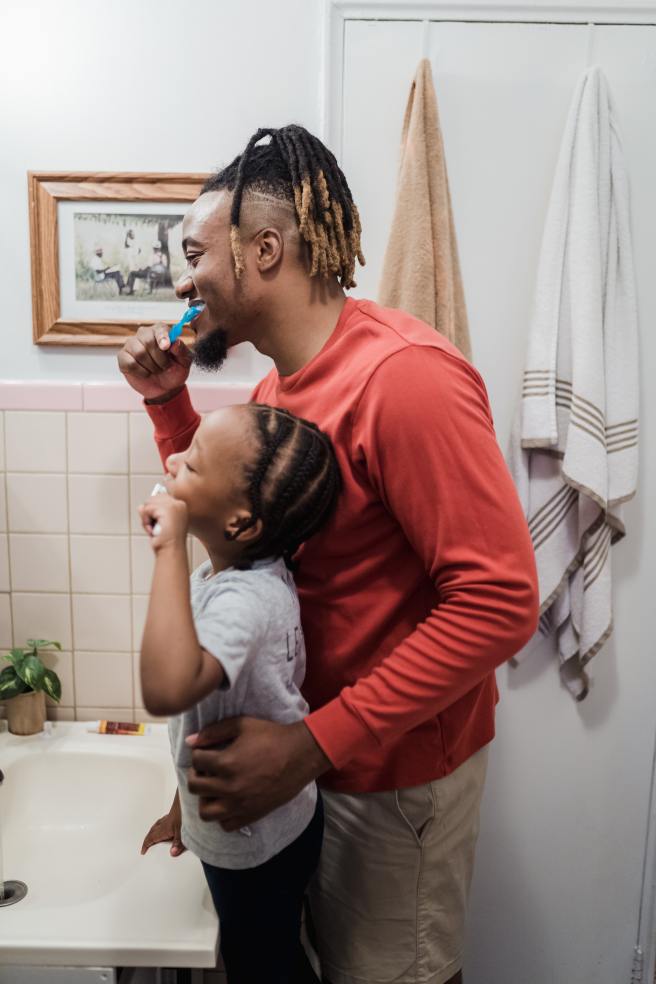
Laughing and Smiling Brushing Teeth With Daddy

In the Know for You to Know

Back to school means there is a lot of learning going on right now! We thought we would add a lesson in ourselves.

Today we’re going over the proper tooth brushing technique. So grab your tooth brushes, and put our knowledge into action.

Why Is It Important To Brush?

Tooth brushing is the best way to remove plaque from your child’s teeth and gums to help prevent cavities. Remember it’s 2Minutes 2X’s A Day.

What is Dental Plaque?

Dental plaque is the sticky stuff that adheres to teeth and forms after eating and drinking every day. The less often you brush the more it accumulates. The more it grows on teeth the higher the risk of cavities.

Steps For Brushing Your Way To Healthy Teeth

Step 1. For a gentle and through tooth brush cleaning always use a small head soft bristle tooth brush,

Step 2. Starting on the Outside of your child’s Front Teeth – Hold the brush at a 45 degree angle to the gum line and move around the tooth in little circles,

Step 3. Keep going around as you move towards the Outside of the Back Teeth and keep the brush going in the same way,

Step 4. Now turn the brush onto the Inside of the Back Teeth and keep going along in circles as you come up to the Front Teeth,

Step 5. When you come to the Inside of the Top and Bottom Front Teeth turn your brush vertically and keep brushing in circles up and down the tooth,

Step 6. Now it’s onto those Chewing Surfaces where you’ll hold the brush flat and brush in a gentle back and forth motion, and don’t forget

Step 7. Gently brush their tongue to remove food particles and freshen breath.

How Much Toothpaste Should I Put On My Child’s Tooth Brush?

It doesn’t take that much toothpaste to brush their whole mouth and tongue.

Your child is younger than 3 years old use a rice-grain size (think teeny tiny dab) of toothpaste.

If your child is 3 years old to 6 years old use a small pea size amount of toothpaste.

When your child is over 6 years old you can still use a small pea size amount of toothpaste and really don’t need much more than a regular pea size amount of paste as they get older (yes even for tweens and teens).

How Often Do I Need To Change Our Tooth Brushes?

2 good rules to follow is every 3 to 4 months because the tooth brush bristles start to wear out and fray so they become less effective for brushing, or if your child has been sick.

Tooth Brushing Can Be Fun

Playing your child’s favorite music during tooth brushing time helps make the time fly by.

Tell us about your tooth brushing routine or favorite tunes you like to play.

Send us an email at kidstoothhotline@protonmail.com or Message us and Like us on Facebook at www.facebook.com/kidstoothhotline

More tips? We have lots. We’re here just for kids!

Happy ToothsDay

In the Know for You to Know

We’re celebrating ToothsDay today

Did you know that today, September 8th is ToothsDay? Yes it is!

Today is the day we celebrate everything about teeth. No matter getting teeth, baby teeth, grownup teeth, teeth for biting into food, teeth for chewing food, teeth for talking, teeth for smiling, teeth for flossing, teeth for brushing.

Here are 3 great ways to celebrate Toothsday and give your child their best smile —

1. Mirror Mirror on the Wall – looking in the mirror to make sure you floss and brush away all the food and sugar that sticks to your child’s teeth and tongue is a great way to teach healthy habits. 2 Minutes 2X’s a day keeps the sugar bugs away.

2. Sweets are treats. There are so many goodies to choose from so keep an eye on snacking and drink choices. With sugar less is more.

3. Celebrate ToothsDay and National School Pictures Day together. That’s right, both are celebrated on September 8th. Pick out your child’s perfect outfit, work on that awesome hairstyle, and practice their best and brightest smile. Mom and Dad you remember this from your childhood, now it’s time for your child to go in front of the camera, think about the deep sense of pride and joy this brings to you.

Today is all about making memories and beautiful smiles together.

Tell us how you celebrated Toothsday.

Send us an email at kidstoothhotline@protonmail.com, Message us and Like us on Facebook www.facebook.com/kidstoothhotline

More tips? We have lots. We’re here just for kids!

Healthy Back To School Snacks For Healthy Teeth

In the Know for You to Know

Back to school with my favorite lunchtime snack

The annual ritual for back to school is here. Daycare, Preschool, Elementary School, Middle School, High School – your school year schedule is back.

For the last few weeks so many of you have been out there checking off clothing and school supply lists. Finding the perfect outfit for 1st day pictures, school pictures and practicing your child’s adorable smile.

While you were busily hunting for the treasured lunch box your child has been asking for, you were also planning what you were going to be packing into it for snacks and lunch that meet your child’s seal of approval.

You know it is important for your child to have a healthy balanced diet. Snacks and lunch at school need to provide a good source of protein, fresh fruits, fresh vegetables and grains.

If your child purchases their school lunches this is a great opportunity for you both to have a conversation about healthy food choices. If vending machines line the hallways or lunch room at your tween’s or teenager’s school, this is a good time to sit down and discuss healthy selections.

What are some good choices to include in their lunch box?

Sticky and chewy snacks need an upgrade. Fresh fruit and veggies are always flavorful and appealing. Have your child help you select their apple, pear, strawberries, orange, grapes. To make eating them more fun for your child to eat you can pre-peel a Clementine or Mandarin Orange, or cut their fruit and veggies into different shapes with your cookie cutters.

Know what goes great with fruit and is good for teeth? Cheese! The calcium in cheese is healthy for growing teeth and growing bones. So it’s a win-win 2 for 1.

When thinking about bread and crackers, whole grains are a great addition to stay on that healthy track.

A healthy drink to wash down a good lunch and snacks is water. Drinking regular plain old water is best. It’s best to avoid juice boxes and soda. To encourage your child to drink more water try having them select their own water bottle. With some reminding they’ll be more likely to bring it along on all your outings.

You’ll be surprised how satisfied your child is with their lunch and snacks, and how happy you are knowing they are eating healthy.

I’ve got this!

More tips? We have lots. We’re here just for kids!

Your New Nightly Bedtime Brushing Routine for the New School Year

I can’t wait to show my Teacher my shiny new teeth!

In the Know for You to Know

Making sure your child starts and ends the day in a healthy way! Brushing for 2 Minutes 2 Times a Day makes for a happy and healthy smile for everyone.

With the new school year here you want to brush up on your tooth brushing habits. The best way to start is with spiffing up your night time brushing. To do this all you and your child have to remember are the 4B’s.

That’s right, the 4B’s are the key to a pleasant and consistent bed time routine, so that this is a time for both of you to enjoy together.

By incorporating these 4B’s you are turning challenges into an easy routine and protecting those little teeth in a big way.

So What Are The 4B’s?

The 4B’s are …. Bath, Brush, Book, Bed

Bath bath time – a warm bath along with comfy and cozy pj’s encourages your child to start to relax and wind down from the day.

Brush brushing time – 2 Minutes with a soft wet wash cloth or a soft toothbrush while singing your favorite brushing song puts brushing in a whole new light, stress free. Remember, nothing to eat or drink afterwards keeps the sugar bugs away.

Book book time – children love the sound of their parents voice. Spend time together reading a good night book, singing, acting out stories, or simply talking. Then as your child gets sleepy it’s book away and into their comfy snuggly bed.

Bed bed time – hugs and kisses for sweet dreams and restful nights with clean sparkling teeth.

You Have The POWER

What makes your 4B routine powerful is how you do this. Be consistent in your timing so you have enough time between when you start and your child’s bed time. Pretty soon your diligence will rub off on your child and they will be reminding you.

You have the Power

Tell us about your 4B routine! Send us an email (kidstoothhotline@protonmail.com), or on facebook (www.facebook.com/kidstoothhotline) We’d love to hear from you.

Happy New School Year!

More tips? We have lots. We’re here just for kids!

How Do Cavities Form?

In the Know for You to Know

Did you know that teeth are the only part of the human body that can’t repair itself?

Tooth enamel is the outer most layer of teeth and is made up of specific proteins, crystals and minerals like calcium and phosphorus. When teeth have been in ongoing contact with foods high in carbohydrates (aka sugars), carbonated beverages (aka soda), and there are longer times (than you would like) between tooth brushings these minerals break down and dissolve the enamel.

DEMINERALIZATION

Everyone has bacteria in their mouths, even newborns. When the bacteria comes in contact with the yummy sweet foods and drinks they produce an acidic environment in the mouth which causes the minerals in your child’s teeth to demineralize and weaken the enamel.

The weakened enamel makes their teeth more vulnerable and cavities form. It is usually not only one cavity that forms, it’s multiple.

Cavities grow fast in baby teeth. The enamel is super thin. A finger nail is thicker than enamel on baby teeth.

SO WHAT TO DO?

Once cavities get to a certain size they can’t be stopped or reversed and don’t stop growing.

While it’s best if cavities aren’t given the opportunity to grow at all, if they do show up and they are small, sometimes they can be stopped.

This does take work on your part when your child is young and on your child’s and your part when they are older. The rewards are worth it.

TIPS TO DO

  • For your newborn, infant, and baby use a clean moist washcloth to wipe their mouths after every feeding and before putting them to bed.
  • For your toddler, pre-schooler, and kindergartener you can also use a clean moist washcloth twice a day (as you would a tooth brush) and add a rice grain size amount of fluoride toothpaste, or, if they allow you can use a soft toothbrush with a rice grain size amount of fluoride toothpaste and brush for 2 Minutes in the AM after breakfast and in the PM floss first and then brush for 2 Minutes before bedtime.
  • For your school-age child you’ll use a soft toothbrush, a small pea size amount of fluoridated toothpaste and brush for 2 Minutes in the AM and in the PM floss first and then brush for 2 Minutes before bedtime.
  • For your tween and teenage child you get to watch them use a soft toothbrush, a pea size amount of fluoride toothpaste and brush for 2 Minutes in the AM after breakfast and in the PM floss first and then brush for 2 Minutes before bedtime.
  • For your college age child you may still need to advise them and make sure they use a soft toothbrush, a larger pea size amount of fluoride toothpaste and brush for 2 Minutes in the AM after breakfast and in the PM floss first and then brush for 2 Minutes before bedtime.

P.S. Don’t forget about yourself!

P.P.S.

REMEMBER – YOU GOT THIS

More Tips? We have lots. We’re here just for kids!

Pacifiers – What 2 Know 2 Say Goodbye

In the Know for You to Know

Sucking is natural for infants and babies. This starts during your 7th month of pregnancy and increases in the weeks just before you give birth in preparation for nursing.

After your baby is born your Pediatrician may recommend a pacifier for a variety of reasons, including prevention of SIDS, or to calm and soothe if your baby is restless.

Each baby is different in how they take to the pacifier. Some will not want it at all, others may only want it when they are being put to sleep, and still others will not want to part with their pacifier and not let it out of their mouth.

The emotions they feel from the sucking can give them a sense of security, relaxation, happiness, or calmness. Everything they receive from you!

When and Why to Stop?

The short answer is between 18 and 24 months of age. The key is before 24 months.

Most babies stop sucking on their pacifier by the time they are 1 year old. Others by the time they are 4 years old.

Increased frequency, longer duration, and greater intensity of the sucking action on the pacifier affects the way a child’s teeth come together and the growth of the jaws. The top front teeth may be pushed outward or turned sideways. The jaws may become narrow or there can be other misalignments. The sooner a child can stop a sucking habit the better.

So What to Do?

  • Some parents choose to go cold turkey,
  • Other parents prefer to wean their child off their pacifier slowly at their pace,
  • There are those who snip off the top of the pacifier nipple which takes away the seal and interest in the broken pacifier,
  • Still others prefer to swap the pacifier with a new toy or prize which distracts attention away from the pacifier,
  • While other parents prefer to offer positive reinforcement, re-assurances, and praise when their child comforts themselves at bed time without the pacifier,
  • There’s those who make the pacifier a beautiful present for a relative’s or neighbor’s new baby who really needs a pacifier,
  • Then there’s the parents who throw a Bye-Bye Pacifier party,
  • And those parents who wrap the pacifier in tissue paper and put it on the kitchen counter for the Pacifier Fairy.

Timing is Important

Once you’ve made the decision that it’s time to stop the pacifier make sure that there are no new life changes or transitions going on for your family, and everyone is onboard with this decision. Everyone has to stay with the plan.

If you’re potty training, having another baby, moving, planning a trip, it’s holiday time, or an equally important life event — not a good time to start taking the pacifier away.

Just in Case?

Which ever plan you choose make sure you find all the pacifiers that are around the house, in the car, at Grandma’s house, at the baby sitter’s, or where ever you may have left 1 (or more) “just in case,” and don’t buy any new ones “just in case.” The last thing you want to do is for there to be confusion and have to start this all over again.

More tips? We have lots. We’re here just for kids?

Putting Your Baby to bed with a Bottle, What’s all the fuss about?

In the Know for You to Know

It’s about keeping your Baby’s and Toddler’s teeth healthy.

Did you know frequent and prolonged exposure of a Baby’s teeth to sugary liquids can lead to cavities at an early age?

This used to be called “Bottle Rot” and “Baby Bottle Cavities.” Today we call this Early Childhood Caries or ECC.

What is Early Childhood Caries?

Early Childhood Caries are cavities which happen with frequent sleep time bottle feeding or breast feeding on demand, or using a bottle as a pacifier when babies are fussy and you’re trying to to put them to bed. Bottle feedings and sippy cups with juice, milk with flavored syrups, and frequently consuming sugar-added snacks and drinks.

How do I know this is happening?

What does this look like?

There is a very specific look to the teeth and pattern in how this happens.

Have you noticed white spots on the teeth or around the gum lines? This is what early stage cavities look like. Those extra white chalky looking spots that don’t match up with the rest of the tooth color. This is the time to visit your Pediatric Dentist for early treatment.

As cavities get bigger those white spots change color to brown or black and become holes in the teeth. The holes continue to get bigger and pieces of tooth start to break off. You may notice red swollen gums or bad breath. You may notice a pimple on the gums, or a new onset fever which indicates an infection is brewing.

Which teeth are involved?

The most noticeable are the top front teeth. Eventually, some sooner than others, they all become involved. You may notice this on the back teeth when your Baby opens really wide and pulls their head back.

This is the point when you really have to see the Pediatric Dentist. Letting this go any further is not an option.

They’re Baby Teeth, why are they so important?

A lot of people feel that because baby teeth will eventually fall out and adult teeth grow in, there is no reason to take care of baby teeth; however this is a very common misconception.

Cavity ridden and infected baby teeth have an impact on a child’s health and can cause many health problems.

Healthy baby teeth are important to allow your Child to be pain free, help them chew their food properly, give them their adorable smile, allow them to speak well, and to grow healthy and happy.

What can I do to decrease the risk of my Baby developing cavities?

The answer comes down to 4 simple to do things –

Clean your Child’s mouth with a wet wash cloth after each feeding from the time they’re born,

Avoid letting them go to sleep without cleaning their mouths,

Avoid sugary and starchy liquids and foods,

Schedule your first Pediatric Dentist appointment as your Child’s first tooth is coming into their mouth.

Now tell me, What is Your Goal for Your Child?

More tips? We have lots. We’re here just for kids!