Breast Feeding – What Nursing Moms Should Know About Dental Health

In the Know for You to Know

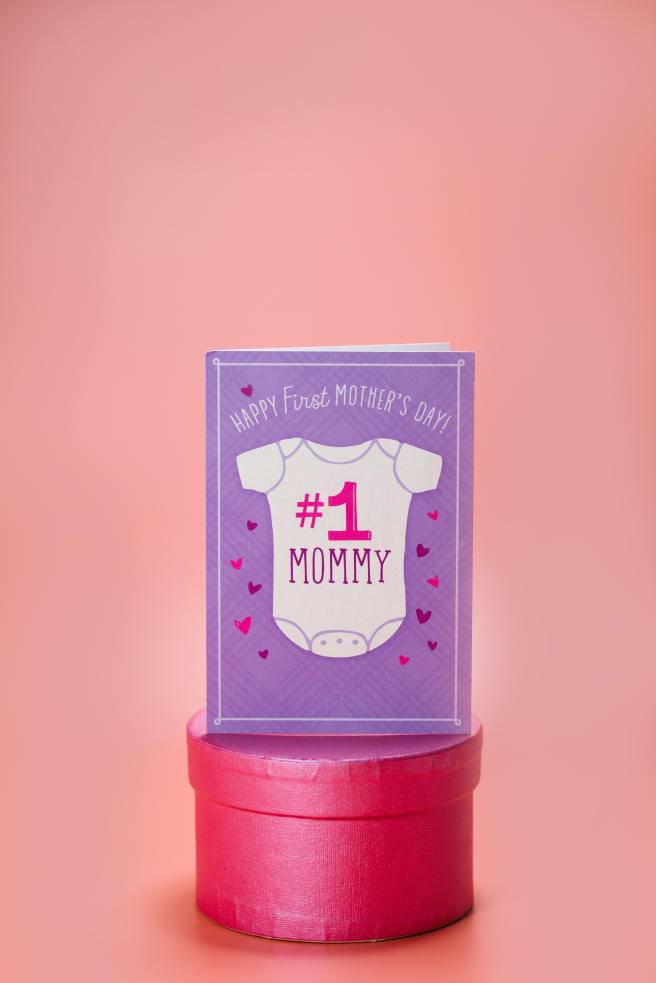
Lovingly Breastfeeding My Baby

Breastfeeding is special for so many reasons and it is one of the first decisions you make as a new mom about how to feed your child. Breastfeeding is a remarkable experience that also has health benefits for both you and your baby.

Breast milk can help infants fight infection, decrease the risk of allergies, asthma, and obesity, as well as lowering the risk of SIDS. Nursing mothers may lower their chances of developing breast and ovarian cancer.

Did you know breastfeeding also has an impact on both your baby’s and your dental health?

Here’s a look at how —

Mom, You Don’t Have to Wean As Your Baby Gets Teeth

This is an often asked concern about teething and breastfeeding. Many nursing moms decide it’s time to stop breastfeeding when their baby starts teething or they first notice a tooth. Usually, this is because they’ve heard that the baby can nip the breast at the end of a feeding session, or, another nursing parent voiced fears about being bitten. Yet there are many teething babies and babies with teeth who never bite when breastfeeding. So the answer is you don’t have to stop if you don’t want to.

Every mother-child breastfeeding experience is individual and special. The decision to stop breastfeeding is important to discuss with your pediatrician when you think it’s the best for you and your baby, and not just because the teeth are coming in.

Breastfed Babies Can Still Get Cavities

Can breast feeding cause cavities? Is an often asked question by nursing mothers. The short answer is yes, and this is because breast milk does contain sugar in addition to all of the other good things.

The long answer is that the benefits of breastfeeding for infants in their first year of life help to ensure the best possible health for your baby and your family.

However, frequent and nightly (and nap time) breastfeeding (and baby bottle use) beyond 12 months of age is associated with increased early childhood cavity risk.

This is why it’s important to never let your baby fall asleep while feeding. Breastfeeding infants who fall asleep while nursing with milk in their mouths are also vulnerable to cavities.

Take care for your infant’s mouth from the start, even before teeth come in. Starting right after birth begin wiping your baby’s mouth and gums with a clean, moist washcloth after each feeding every day.

Breastfeeding May Help Build a Better Bite

The American Dental Association, American Academy of Pediatrics and the American Academy of Pediatric Dentistry found that babies who are exclusively breastfed for the first 6 months of life were less likely to have teeth alignment issues.

While every baby and every child is different, this doesn’t mean your exclusively breastfed baby won’t need braces someday. Other factors, like genetics, pacifier use, and thumb sucking also affect tooth alignment.

Mom, You Need To Take Care of Yourself

Being a mom is stressful. You have no time to take care of yourself. Remember if you’re not healthy (and this also goes for your dental health), you will not have the time and the energy to make sure your baby is healthy.

So what you need to do —
Eat a healthy diet and stay hydrated by drinking water. Plain, fluoridated water is great for you to stay hydrated, for the tooth protective benefits of fluoride and your mouth to stay moist (as opposed to dry which can make you not feel your best).

Brush your teeth twice a day, Yes you are exhausted but you need to do this because if you let this slide then the bad bacteria in the mouth grows and not only causes cavities but can be transmitted to your baby by kissing and sharing (or licking) their spoon.

Another reason to brush is so that you don’t accumulate that sticky film (plaque) and hard tarter on your teeth which increases the risk for gum disease.

Some new moms may experience jaw pain, sore neck muscles, or grinding (clenching). Tell your dentist if you’re having any of these symptoms, you don’t have to grin and bear it.

Need Dental Care? Let Your Dentist Know You’re Breastfeeding

It’s safe and important for you to go to the dentist while you’re pregnant and while you’re nursing. It’s also very important for the best health of your child.

If you need to have a dental procedure that requires medication while nursing, discuss this with your dentist, your personal physician and your pediatrician.

You can even ask your dentist to call your OB, your primary care provider, and your pediatrician directly before or during your appointment to address any concerns you have.

You’ve got this!

Every woman’s motherhood journey is meaningful and special. What’s your hack for including and taking care of your dental health in your usual mom day? We’d really like to know. Email us at kidstoothhotline@proton.me Like us on Facebook at facebook.com/kidstoothhotline

More tips? We have lots. We’re here just for kids!


Stopping Cavities With The Silver Bullet

In the Know For You To Know

Here you are, you know your child has a cavity but you also know they won’t sit to have it taken care of. You’re thinking about taking your child to the pediatric dentist and face the music or tough it out, after all it’s only a baby tooth and it will fall out. At first toughing it out sounds like a good idea but then you look at their face then into their mouth and realize you have to go.

But what can they do?

There is a special medication that can be applied directly to teeth which can stop or at least slow down the growth of a cavity. This remedy is Silver Diamine Fluoride.

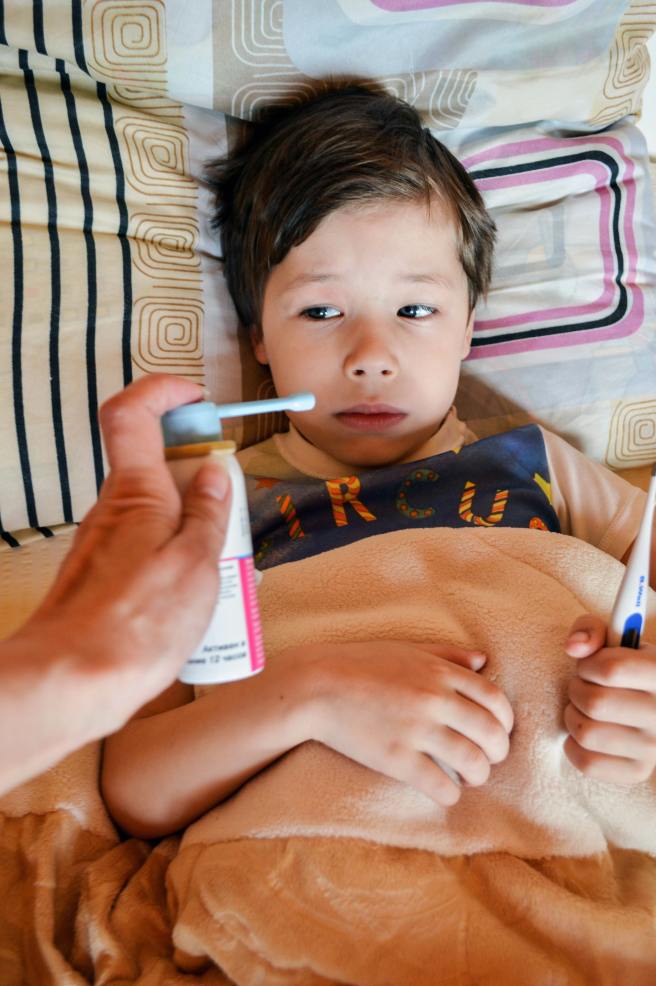
Please make my teeth stop hurting

What is Silver Diamine Fluoride?

Silver Diamine Fluoride (SDF) is an FDA and ADA (American Dental Association) approved clear topical liquid that is used to treat cavities. It is applied by a pediatric dentist to the cavity area of a tooth to control and help stop the progression of a cavity.

How Does SDF Work?

Silver Diamine Fluoride is composed of two main components, silver and fluoride. The silver part acts as an antimicrobial on the bacteria causing the cavity while the fluoride helps to strengthen and remineralize the tooth. The third accessory component is Diamine which makes the SDF into a liquid.

How Is SDF Applied To Teeth?

Your child’s teeth will be dried and any food or plaque will be removed. SDF is applied to the affected teeth with a small brush and allowed to dry on each tooth for one to two minutes. After this application it is recommended that your child does not eat or drink for at least an hour so the Silver Diamine Fluoride has time to penetrate into the tooth and the cavity.

After SDF is applied the cavity will turn black and stay black. It make take up to a week for the cavity areas to turn black. The black stains on teeth treated with SDF are permanent. The parts of the tooth without the cavity will not turn black.

When Is SDF Recommended?

While Silver Diamine Fluoride is not a substitute for the traditional way cavities are treated, it is another option for treating cavities. Young children, children with special health needs, any child who has a difficult time at the dentist or who may have a lot of cavities may benefit from this type of care.

What Are The Benefits Of SDF?

Silver Diamine Fluoride has a number of benefits — Quick to apply, Painless, May stop cavity progression, Relieves tooth sensitivity, Helpful cavity treatment for children who are very young or any child who struggles with appointments and longer procedure times.

Are There Any Risks With SDF?

Some common risks are — All cavity areas will stain black while healthy tooth structure will not stain; If Sliver Diamine Fluoride touches skin or the gums, a harmless temporary brown or white stain may appear on that area, which will disappear on its own in one to three weeks; Some may notice a metallic taste but this is temporary; SDF may not stop cavities from progressing and other treatments may need to be discussed.

SDF Is Just Not For Some Children

SDF contains silver and children who are allergic to silver or who have mouth sores or ulcers in their mouth should not have it applied to their teeth. It should also not be used when the cavity is very deep and has compromised the tooth. Some parents may not want the cavity areas on their child’s teeth turning black.

Are There Any Alternatives To SDF?

Two possible alternatives may be — No treatment, which may lead to worsening symptom severity as well as increasing breakdown of teeth; Depending on the extent and location of the cavities other treatment options may be necessary which is an important conversation for you to have with your child’s pediatric dentist.

What’s important is that Silver Diamine Fluoride is a safe, effective alternative treatment that can help your child maintain a healthy smile.

Thank You For Taking Care Of Our Teeth

Has your child had SDF applied to their teeth? How did your appointment go? We’d really like to know. Send us an email at kidstoothhotline@protonmail.com Like us or Friend us on Facebook at www.facebook.com/kidstoothhotline

More tips? We have lots. We’re here just for kids!

It’s National Children’s Dental Health Month

In the Know for You to Know

Every February we celebrate Children’s Dental Health Month. We like to celebrate children’s oral health every month but February historically holds a special place in our hearts.

Healthy habits start early and grow as your child grows. Whether your child is a newborn, 6 months old, 6 years old, or 16 years old healthy teeth and gums are important for a healthy smile and a healthy life.

With a consistent home care routine, a balanced diet, injury prevention, and regular dental visits your child’s teeth can be healthy, strong, beautiful and last their whole lifetime.

Keep Those Little Smiles In Your Life Healthy And Happy From The Start!

Cavities are the most common chronic disease among children across all age groups. From infant to college, cavities are 4x’s more common than Asthma.

They are also the most common preventable chronic disease among children of all ages.

Did you know that cavities can form even before a tooth is fully in the mouth?

Happy Healthy Teeth Come Out On Top – What You Can Do At Home

From their 1st tooth, brush your child’s teeth 2x/day with fluoride toothpaste every day. Teeth not in yet? No worries, use a wash cloth to wipe their gum pads and tongue after each feeding.

Teeth touching? Clean between your child’s teeth nightly with dental floss.

To snack and what to snack on? Eat healthy foods and be selective about sugary and starchy (aka high carb) foods and beverages. Yes that includes chips.

Children’s teeth are meant to last a lifetime. And a healthy smile is a happy and confident child.

  • After Your Feeding and Cleaning Your Mouth We Lay You Down To Sleep
  • After Your Feeding Mommy Is Going To Wipe Your Mouth
  • All My Teeth Are Looking Good
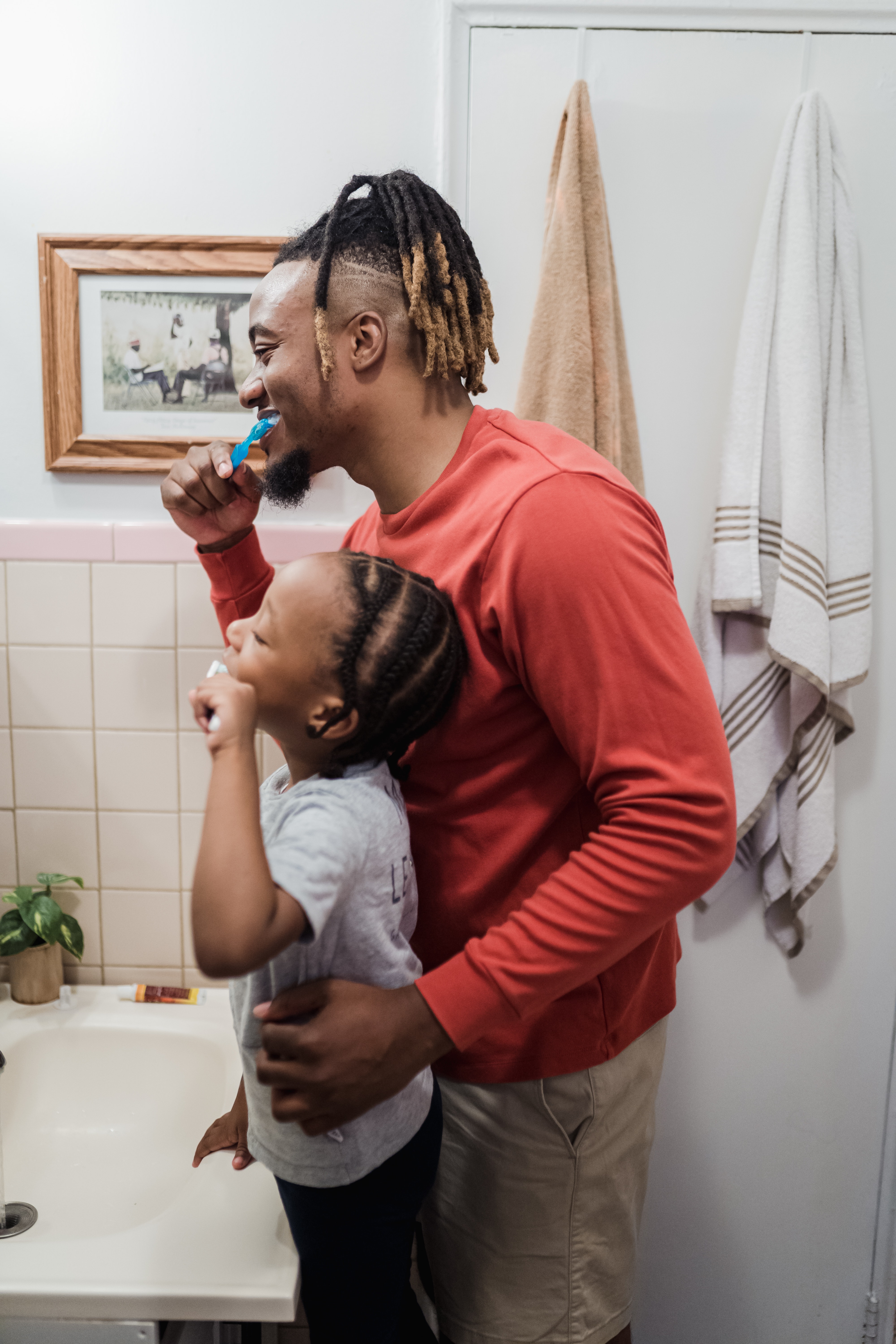
  • Daddy And Me Brushing Time
  • Daddy and Me Smiling Our No Cavity Smiles
  • Happy Baby Happy Mommy and Daddy
  • Healthy Teeth Happy Family
  • I May Have A Few Teeth But My Mommy Is Making Sure We Brush
  • Love To Smile
  • Love You Daddy For Playing With Me And Brushing My Teeth
  • Loving My Cavity Free College Smile
  • Mommy and Daddy Brushed Our Teeth Now It's Playtime
  • Mommy And Daddy Love You So Much We Never Want You To Have A Cavity
  • Mommy And Daddy Make Sure I'm In The No Cavity Club
  • Showing Off My Healthy Teeth
  • Smiling Our Best Smiles
  • Still No Cavities!
  • The Thought Of Getting A Cavity Makes Us Laugh

In honor of National Children’s Dental Health Month, we applaud you and encourage you to help your children develop a healthy routine.

What is your goal for Children’s Dental Health Month? Start small and aim high, let us know your plan. Already have a routine in place that you’re working on? Let us know how it’s going. We’d really like to know. Send us an email at kidstoothhotline@proton.me Like us or Friend us on Facebook at www.facebook.com/kidstoothhotline

Happy National Children’s Dental Health Month!

More tips? We have lots. We’re here just for kids!

My Child Is Grinding Their Teeth, Why?

In the Know for You to Know

You’ve been there, the children are in bed, the house is quiet, you’re starting to relax and then you hear that familiar grating, nails on the chalk board sound coming from your child’s bedroom. You think to yourself “Not again, what is going on?”

I Grind My Teeth and My Parents Don't Like It
I Grind My Teeth and My Parents Don’t Like It

Teeth grinding, also called Bruxism is quite common for children and causes a lot of concern for parents. So what’s a parent to do? The good news is that most children outgrow their teeth grinding habit, so there’s no cause for worry.

You’re thinking “But what do I do?”

What Causes Grinding?

You may be worried that your child is afraid of something, is anxious, or is having a nightmare.

However it can be as simple as your child’s teeth coming in and they’re learning how to make their teeth match up with each other. After all having new teeth come in is new for them and for you.

Some children grind their teeth because they are deep sleepers. So even if you wake them up, the grinding will start again as they fall back to sleep.

Is Grinding A Concern?

Sometimes even after children get all their teeth the grinding may persist. You’re noticing that their teeth don’t have the same shape they did before or they may look flatter. For toddlers, pre-schoolers, and school age children we don’t recommend a mouth piece (aka mouth guard) as it can affect how their teeth come into their mouths and how they lose their baby teeth.

If your child snores that can cause them to grind their teeth, and it’s best to let your pediatrician know about their snoring. Sometimes teeth grinding can be due to pain from an ear infection, so again talk with your pediatrician.

Solutions For Parents

Starting a relaxing pre-bedtime routine for your child may be helpful to set the stage for healthy sleep and have your child feel confident and secure at bedtime.

Some comforting bedtime activities to help your child fall asleep in a more calm and relaxed way —

Eating a nutritious snack before bed and then brushing teeth with a silly brushing song, Taking a warm bath, Together time or Cuddle time together with your child and reading stories, Singing songs or playing soft music.

  • Checking To See Why My Son is Grinding His Teeth
  • I May Be Sleeping Peacefully Now But Wait Until I Start Grinding And The Whole House Is Up
  • I'm Helping My Mom and Dad Learn Why I'm Grinding My Teeth
  • My Covers Don't Stop The Sound Of My Teeth Grinding
  • My Mommy and Daddy Are Comforting Me Trying Too Get Me Too Stop Grinding My Teeth

What approaches have you tried for your child’s teeth grinding? We’d really like to know! Email us at kidstoothhotline@protonmail.me Like us or Message us on Facebook at www.facebook.com/kidstoothhotline

Look for our post next week on Tweens and Teens Teeth Grinding

More tips? We have lots. We’re just for kids!

The Holidays Are Here! The Key To Keeping Smiles Shiny And Bright

In the Know for You to Know

Happy Holidays
Happy Holidays

The holidays are such a busy time of year. Special foods, decorations, gifts – so much to do in so little time, it’s no wonder your everyday routines go off course.

As parents we want to create memories and build family traditions. It is also a great time to make it a tradition to help your children maintain healthy dental habits even with your hectic holiday schedule.

4 Simple Tips To Keep Your Children’s Teeth Healthy During The Season Of Sweets

  • Allow a limited selection of special sugary, sticky, chewy treats, which you offset by maintaining balanced meals;
  • If your child is on formula, being breast fed, drinking from a bottle or a sippy cup and you’re traveling — Remember not to let your child fall asleep with any unswallowed liquids in their mouth because it will stay on their gums and on their teeth increasing the risk for cavities;
  • If you’re traveling for the holidays, pack all your children’s brushing supplies in your luggage before you get on the road. Check List — toothbrush, toothpaste, floss;
  • Set aside a dedicated time each morning after breakfast and each night before bed devoted especially for you and your children as “our together time” to remind yourselves, encourage each other, and reinforce good brushing and flossing habits.

Gift Tips

Cool toothbrush, Travel-size dental kit, Fun brushing timers, Flavored Floss.

Wishing you and your family a lovely holiday full of fun and cheer! Keep your children’s smiles shiny and bright as they enjoy their sweets and treats.

  • Have A Blessed Kwanzaa
  • Happy Chanukah Playing Dreidel
  • What Do You Think Santa Brought Me?
  • We Can't Wait To Eat Our Hanukkah Goodies
  • Happy Hanukkah!
  • Merry Christmas
  • Habari Gani! Have A Blessed Kwanzaa
  • Happy Hanukkah
  • Make A Wish And Check It Twice!

Have a holiday story? Let us know, We’d love to hear! Email us at kidstoothhotline@protonmail.com or Like us, Message us, Chat with us on Facebook at www.facebook.com/kidstoothhotline

HAPPY HOLIDAYS FROM ALL OF US TO YOU!!

More tips? We have lots. We’re here just for kids!

Happy National Cupcake Day!

In the Know for You to Know

It’s time to CELEBRATE Today is Cupcake Day!

Yes, today, December 15th is dedicated to celebrating everything cupcake. Whether it’s the frosting, the sprinkles, the yummy decorations, or that they are the perfect fit in the palm size for your child, cupcakes are the ultimate treat.

Fun Cupcake Facts

  • Cupcakes are delicious,
  • They are fun to make and eat,
  • Cupcakes are irresistible,
  • They were inspired by English Fairy Cakes dating all the way back to the 17th century,
  • Cupcakes were originally baked in tea cups and were small yellow cakes,
  • They bring us together and are great for birthdays, celebrations, and bake sales.

Celebrating The Day

Everyone loves cake and cupcakes are the perfect size to bake, decorate and eat together. Whether you use a box cake mix, look up a recipe online or from your favorite cookbook, use a muffin tin with cup liners, or ramekins, have some together time with your child and bake your favorite bite-sized creation.

Or maybe you’re a fan of celebrating by eating or short on time, then bakeries are sure to have some tasty choices for you to enjoy.

Whether you and your child are baking at home or going to the bakery to pickup your cupcakes, make it a party and have fun!

Take some pictures to remember your special day. Remember too bake (or pickup) extra cupcakes, because left overs taste just as wonderful.

  • I Made This Cupcake Just For You
  • Love Making These Cupcakes
  • Bake Cupcake Decorate Cupcake Eat Cupcake Repeat!
  • Cupcakes For My Birthday!
  • So Many Cupcake Choices
  • Celebrating With Cupcakes For My Mom
  • Amazingly Irresistible Cupcakes
  • Just Love Decorating My Cupcakes
  • Having Fun Decorating My Cupcakes
  • Which One Should I Choose?

After The Celebration

After the fun of your day before your child goes to bed there’s one last thing to do — floss and brush. You knew I was going to say this!

There’s Another Cupcake Day?

Mark your calendar — October 18, 2023 is National Chocolate Cupcake Day.

Have an awesome Cupcake Day!

We’d love to hear how you celebrated National Cupcake Day and all about you or your bakeries creations. Send us an email at kidstoothhotline@protonmail.com or Like us, Message us, Chat with us on Facebook at www.facebook.com/kidstoothhotline

More tips? We have lots. We’re here just for kids!
Happy Thanksgiving

In the Know for you to Know

What Makes You Smile About Thanksgiving?

It’s ALL SMILES!

Keep your children’s teeth safe this holiday. Don’t forget to brush and floss.

And as always we hope you have a happy and fun Thanksgiving.

What's Your Favorite To Eat On Thanksgiving?
What’s Your Favorite To Eat On Thanksgiving?

Let us know, send us an email at kidstoothhotline@protonmail.com, or Like us, Message us, Chat with us at www.facebook.com/kidstoothhotline

More tips? We have lots. We’re here just for kids!

Children’s Tooth Truths

In the Know for you to Know

Mommy Loves You, Let's Go Floss and Brush Your Teeth
Mommy Loves You, Let’s Go Floss and Brush Your Teeth

Taking care of your child’s teeth affects their oral health. A good sign of their well-being is healthy teeth and gums. A lot of parents feel that oral health is one of their top priorities for maintaining a healthy lifestyle for their family.

So what are these truths?

Mistruth 1 – Sugar Causes Cavities

Truth – While sugar does contribute to the formation of cavities, it’s not only the sugar itself that causes the cavity. It’s also the bacteria (which is naturally in the mouth) that thrive and eats the sugar which is stuck on the teeth, and eats the teeth as well.

Solution – Keep your child’s teeth and gums healthy by brushing 2Minutes 2X’s A Day and floss every night before brushing.

Mistruth 2 – Parents Don’t Need To Brush Their Child’s Baby Teeth

Truth – Start early and keep going, even before their teeth are in their mouth. Cleaning your baby’s mouth and teeth after every feeding and before naps and bedtime is a good routine.

Solution – A soft toothbrush or washcloth are best to use, with a tiny rice grain size amount of fluoridated toothpaste. Once baby teeth start coming in you’ll have your routine and your baby will be used to you doing this. Remember to Lift Their Lips (upper and lower lips) so that you can see the entire tooth to make sure they are clean.

Mommy Did You Know This Tooth Truth?

Mistruth 3 – Brushing Harder Cleans Better

Truth – Brushing harder doesn’t mean brushing smarter. The harder you brush their teeth, the more they won’t let you brush and more harm is done to teeth and gums.

Solution – Brush gently with a soft bristled toothbrush in a circular motion for 2Minutes 2X’s A Day, every day.

Mistruth 4 – Flossing Is Not Really Necessary

Truth – Flossing is an important part of maintaining your child’s good oral health. Think of flossing as brushing in-between the teeth. Why floss? The food and stuff that gets in-between has no way to get out. What’s the result? Cavities in-between teeth.

Solution – Toothbrush bristles and rinses don’t get in-between teeth so the only way to clean is with floss. Flossing at night before brushing cleans everything out and then you brush it away.

Mistruth 5 – Chewing Gum Is Like Brushing

Truth – Chewing gum is not a replacement for brushing teeth. Some chewing gums advertise cleaner teeth and fresher breath, but all they can really do is freshen breath.

Solution – While chewing sugar free gum or gum with Xylitol is better, they are not a replacement for a toothbrush and floss. A regular daily routine for brushing and flossing is still best.

What Dental Mistruths have you heard? Did they make you giggle? Was it really convincing? We’d really like to know!

Send us an email at kidstoothhotline@protonmail.com or Like us, Message us or Chat with us on Facebook at www.facebook.com/kidstoothhotline

More tips? We have lots. We’re here just for kids!
Keeping Your Child’s Toothbrush Clean After Brushing

In the Know for You To Know

You do this twice a day out of habit – Brush, Rinse, Repeat.

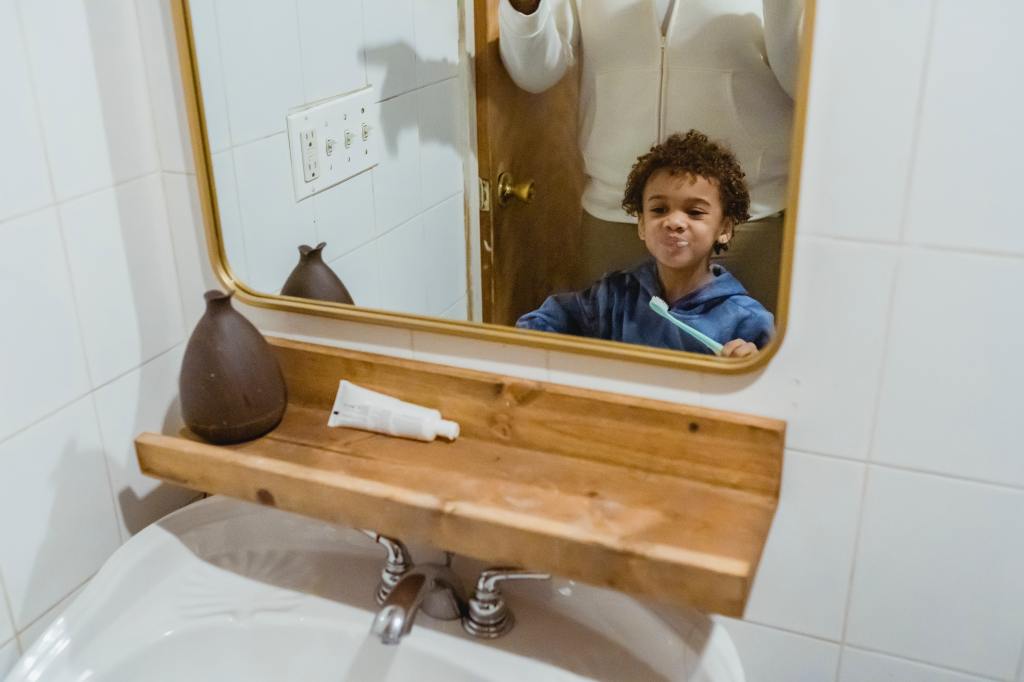
Brushing my teeth with my fresh, clean toothbrush makes me happy

But, what are the best ways to keep toothbrushes clean and fresh between brushing?

Here are 6 ways to take care of your child’s toothbrush so your child’s toothbrush will help you take care of them —

Cleaning your toothbrushes is easy

Rinse your brushes to remove any remaining toothpaste and food particles from the bristles.

Toothbrushes like to be left out in the open

Store your brushes upright and allow them to air dry. Don’t cover or store them in closed containers. A closed container or one with little air holes keeps the brushes wet which allows unwanted bacteria to grow.

Keep toothbrushes separate

If you store your child’s toothbrush with other toothbrushes make sure they are separated to prevent cross contamination and allow them to dry.

Store toothbrushes so they don’t get splashed on

Keep your brushes away from the edge of the sink and counter top. This way they’re not accidentally splashed when someone is washing their hands or reaching for the hand towel. It’s also a good way to help avoid getting germs on the brushes.

Sharing is not caring with toothbrushes

Sharing a toothbrush means you’re also sharing bacteria from each other’s mouth.

Replace your child’s toothbrush every 3 months

90 days of brushing 2Min 2X’s A Day (that’s 180 brushings) takes a toll on a toothbrushes bristles. The bristles become worn down, don’t do a good job of brushing and give germs a place to grow. Regularly replacing your child’s brush allows you to keep up with your good healthy habits.

It's time for a new toothbrush

How do you keep your child’s toothbrush clean and fresh? Have a tip you’d like to share? We’d love to hear from you!

Email us at kidstoothhotline@protonmail.com or Like us, Message us, Chat with us on Facebook at www.facebook.com/kidstoothhotline

More tips? We have lots. We’re just for kids!

How Often Should You Change Your Child’s Toothbrush?

In the Know for You to Know

How Often Do You Change Toothbrushes? There are 3 important reasons to change your child's toothbrush to keep their routine on track.

3 Important Reasons to Replace Your Child’s Toothbrush?

How many times a year do you change your child’s toothbrush?

  • Every 6 months?
  • Every 3 months?
  • Once a month?
  • Once a year?

3 most important reasons to change your child’s toothbrush – when the bristles start to wear out, after your child has been sick, and every 3 months to keep their routine on track.

Brushing My Teeth
Brushing My Teeth With My New Toothbrush Makes Me Smile

Let us know how often you change your child’s toothbrush. Send us an email at kidstoothhotline@protonmail.com or Message us, Chat with us, Like us on Facebook at www.facebook.com/kidstoothhotline

More tips? We have lots. We’re here just for kids!