
In the Know for You to Know
It can be a challenge for a parent to teach their child they need to brush their teeth. But it is possible to make tooth brushing a positive experience for both you and your child.
When To Do This
From day 1 make dental health a priority at home. Start by building a consistent and regular daily routine.
As a parent you may be dealing with your child’s multiple and significant medical needs. Feeding issues and medicines need to be taken into consideration.
Yes, starting when they are newborns and infants wipe their mouths with a wet wash cloth after feedings and medicines. You can continue to do this into their baby stage and when they are toddlers. It is very helpful for you if they don’t take bottles to bed or use sippy cups, especially when they are filled with sugary drinks.
Introducing Your Child To Flossing And Brushing

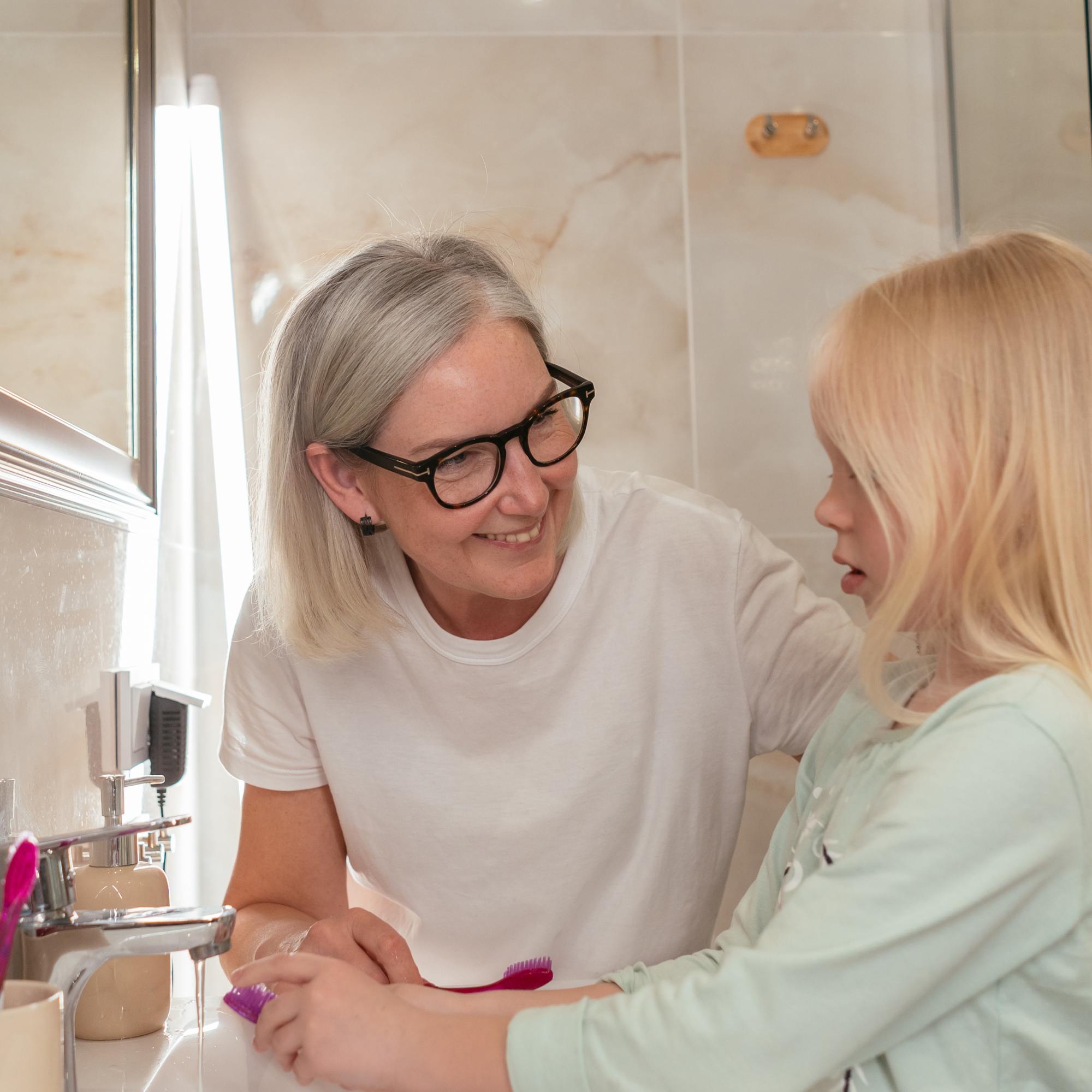
As your child grows they need more assistance and practice in taking care of their teeth. When you’re looking for tooth brushes remember that small brushes and soft bristles are best.
Your child may have Autism and have sensory issues which can make flossing and brushing teeth difficult because the sensation can be uncomfortable at first.
Your child may be a Sensory Seeker or a Sensory Avoider,
Start with the basics – Practice opening their mouth as wide as they can so Mommy or Daddy (or Mom or Dad) can look inside.
You can start by holding the tooth brush with your child, then touch the smooth side of the brush to the back of their hand and then the brush bristles to the back of their hand. Once they are comfortable use the tooth brush to touch your child’s lips then choose one tooth to touch, then another, and another….
For flossing the hand held flossers are great. They come in lots of fun colors. It’s really helpful to introduce them by putting your child’s fingers together (only have to keep them touching) and sliding the floss between each of their fingers. We know that when we floss our own teeth this feels like a “pop,” so when showing finger flossing actually say the word “pop.” Now you can sing the “pop-pop” song. This way they’re focusing on your voice and not so much on what you are doing. Introduce flossing into their mouths the same way as for the tooth brush.
Mom and Dad you can also sing songs like “This is the Way We Brush Our Teeth” to make sure you keep your child’s attention and you spend the 2 Minutes 2X’s a Day brushing their teeth.
For Sensory Seeking children consider using an electric tooth brush to provide that additional mouth feel.
If your child is a Sensory Avoider, their reluctance may be because of the feel of the brush, the taste/texture of the tooth paste, or a combination of factors. You may be using the wet wash cloth longer than you thought you would be. When you introduce the tooth brush remember to use a small one (don’t mind the age on the package) with soft bristles. You may need to work up to using tooth paste, so don’t worry if there isn’t any paste on the wet brush or cloth. There are some unflavored pastes that may be helpful, and remember when you do use it you only need a dab on the brush, and the paste should contain fluoride.
While we mostly brush teeth in the bathroom, you can do this in another area of your home where your child feels comfortable. Make sure to have everything with you within arms reach.
Standing up to floss and brush is also optional, sitting in a good chair is an alternative.
When the flossing and brushing is finished your child can either spit into a wash cloth or the bathroom sink, or you can wipe their mouth with a wash cloth.











What’s Most Important
Routine makes perfect. There is no one ideal for perfect. Perfect is your consistent routine every day with your child.
Remember – Take it 1 Step at a Time and Stay Positive!
More tips? We have lots. We’re here just for kids!

 kidstoothhotline