Dental health is much more than healthy teeth, it is integral to overall good health. This is true for newborns, infants and babies just like it is for mom and dad.
Dental health care during pregnancy is particularly important for you, and ultimately for your baby. The bacteria that cause cavities are infectious and can be passed by you (or daddy or grandma or grandpa) to your baby after she or he is born.
First teeth can start to come in as early as 4 1/2 months old. The average age for teeth to make their appearance is 6 months of age. This is the time for you to call and schedule your infant’s first dental examination.
Your baby’s first dental examination gives you the opportunity to learn how to prevent dental disease for your child.
There are so many things to talk about concerning your baby’s mouth and teeth at this young age. Where do we start? Well, with your questions. They could be about teething, tooth development, jaw growth, oral hygiene, fluoride, diet, thumb sucking, pacifiers, or injury prevention.
You may want to know how often you should bring your baby for their dental examination. Or maybe your husband, mom, or mother-in-law has a question or two.
Are you asking yourself, what makes pediatric dentists so special? Pediatric Dentists educate you and make dental visits fun, positive and stress free for your child (and you). This journey starts in infancy.
Your child deserves a dentist who lays the foundation for a lifetime of good oral health.
No Cavities For You Our Love
How old was your baby when you saw their first toothy smile? When did you make their first dental appointment? What did you learn at that appointment? Tell us, we’d really like to know! Send us an email at kidstoothhotline@proton.me Like Us on Facebook
More tips? We have lots. We’re here just for kids!
My Mom And Dad Said YES To The Tooth Truths And Look At Me Now
Fluoride is a little mineral with big tooth benefits. It works to strengthen tooth enamel, fight tooth decay (aka cavities) and keep smiles shining bright.
With all its benefits fluoride still sparks differences of opinion. Even now-a-days old wives tales still persist.
Today we’re taking an up front look at those tales and seeing how they stack up to the truths about fluoride.
Do I Need This Much Toothpaste?My Mom And Dad Always Make Sure I Drink My WaterThank You For My Beautiful Healthy Smile
Tale: Fluoride isn’t natural and isn’t safe for children.
Truth: Fluoride is a mineral which occurs naturally in water and in many foods. Like other nutrients fluoride is safe in the appropriate amount.
The amount of fluoride in water, toothpaste and professional fluoride treatments are well below toxic levels, and are carefully regulated to insure safety.

Tale: Well water has no fluoride
Truth: Some wells have too little fluoride while others have too much. Bottled, filtered, spring, and well waters all vary in their fluoride amount. It’s important to have the water from your well tested for fluoride every year.
If you’re not sure if you have well water or town/city water, check with the local water company. If you know your town or city supplies your drinking water you can also check the fluoride level by calling them.

Tale: Fluoride shouldn’t be used because it causes fluorosis.
Truth: Fluorosis is chalky white spots on teeth. This is typically mild and occurs when young children consume too much fluoride when their teeth are developing.
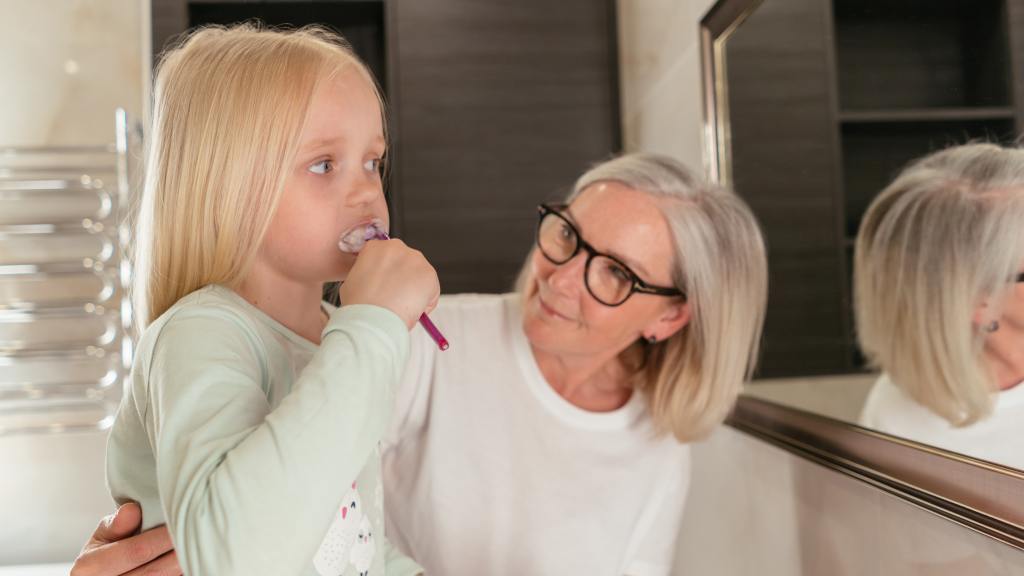
This is preventable. It’s important to use the correct amount of fluoride toothpaste and to always supervise your child’s toothbrushing so they don’t swallow the good tasting toothpaste.

Tale: Children’s teeth are fine, they don’t need fluoride.
Truth: Fluoride helps prevent tooth decay and makes your
child's teeth stronger. We all have bacteria in our mouth that combines with sugars from food and drinks to make acid. The acid harms the outer layer of the tooth (aka enamel). Fluoride protects teeth from being damaged by the acid and helps rebuild tooth enamel.

Tale: Children don’t need fluoride once their adult teeth come in.
Truth: It’s not just baby teeth, all teeth benefit from fluoride. Like children, parent's teeth also benefit from fluoride’s ability to protect tooth enamel and repair early stages of tooth decay.

What To Remember
As pediatric dentist’s we want to help you with your goal of preventing cavities and promoting good dental health for your child.

Fluoride is safe, effective and easy to include in your child’s daily routine. With little or no fluoride, the teeth aren’t able to resist cavities. By adding fluoride to water, the cavity rate has decreased by 50-70%.

But the amount has to be correct. All it takes is a small amount of fluoride for the maximum benefit.

What’s your take on fluoride? Do you have too much, too little or just the right amount of fluoride in your water? Tell us, We’d really like to know! Send us a email to kidstoothhotline@proton.me  Like Us on Facebook

More tips? We have lots. We’re here just for kids!
Grandma Always Watches Me Brush My TeethThe Best Way To Drink WaterThis Is The Way My Mom And I Like To Drink Our WaterWe’re Teeth StrongMom’s Helping Me With My Homework Like She Helps Me Brush My TeethSay YES to Tooth TruthsThe Best Drink
High 5, My Mommy Is Taking Extra Special Care of My Mouth
You’ve seen your gums bleed when you brush your own teeth, and don’t think twice about it. After all don’t everyone’s gums bleed?
Then you notice when you brush your toddler’s teeth their gums also bleed. Sure you’ve missed a few brushings but why would their gums bleed? Now when you look at their gums they don’t look so good.
Your toddler’s gums bleeding isn’t something you want to overlook.
Today we’re breaking down the basics for you to understand why this is happening, how to treat it, and how to prevent bleeding gums for your toddler.
Is It Normal For A Toddler’s Gums To Bleed?
In a word, No.
If you notice your child’s gums are bleeding when you’re brushing their teeth this is something to pay attention to.
It’s important to check and see if their gums are red, swollen, or tender. This is something to talk about with your pediatrician or pediatric dentist.
We’re Sad Ever Since Our Gums Started Bleeding And HurtingMy Mommy And Daddy Make Sure My Gums Are As Healthy As I Am AdorableHealthy Gums Are A Family Affair
What Causes Bleeding Gums For Toddlers?
There are a few reasons why you toddler’s gums are bleeding ~
Plaque – Plaque is a film that forms everyday on their teeth from eating and drinking. With regular twice daily brushing and nightly flossing the plaque accumulation can be controlled. When the plaque is left to sit on your toddler’s new teeth it also attaches onto gums and makes the gums red, swollen and tender so they bleed when you do brush.
Mouth Breathing – Children who suffer with allergies, chronic nasal congestion, or enlarged tonsils become mouth breathers. When toddlers breathe through their mouth, their gums are exposed to the air which causes their gums to become dry, red, swollen and irritated; so when you brush their teeth their gums bleed. If your child is having a hard time breathing through their nose this is something to discuss with your pediatrician or pediatric dentist.
Toothbrush – A soft bristle toothbrush is the way to go as it allows for a kinder, gentler, more effective toothbrushing. It’s also important to make sure that the toothbrush is the correct size to fit their mouth so you can brush all around their mouth easily.
Daily Routine – Sometimes children are fussy and you just want to put them to bed, even if it means not brushing their teeth. While this may happen on a rare occasion, it’s best not to let this become the usual. If this does happen more often than not, plaque continues to accumulate on top of plaque which leads to bleeding gums and tooth decay (aka cavities).
My Mommy Makes Sure She Keeps My Gums HealthyDaddy Takes Care Of My Gums Like When He Makes Sure I’m Good Riding My BicycleOur Mommy And Daddy Are Taking Really Good Care Of Our Gums To Keep Us HealthyKeeping Our Daughter’s Gums Healthy Is So Important
Are Bleeding Gums And Gingivitis The Same Thing?
Yes, bleeding gums and gingivitis are the same thing. Gingivitis is inflammation of the gums surrounding the teeth which leads to bleeding gums..
What Are The Signs Of Gingivitis In Toddlers?
When plaque sits on the teeth without being removed the gums become red, swollen, irritated and begin to recede away from the teeth.
Plaque irritates the gums and it is the consistent irritation that causes the bleeding.
What you need to look for ~
Blood on their toothbrush or in the sink if they can spit out,
Swollen, red, tender, inflamed and irritated gums,
Bad breath – plaque that isn’t brushed away causes bad breath.
Can A Toddler Have Gum Disease?
Yes, a toddler can have gum disease.
Gingivitis is the mildest form of gum disease (aka periodontal disease). This causes the gums to become red, swollen, and bleed easily.
At this mild stage gingivitis is reversible with regular dental care and good at home consistent twice daily home care.
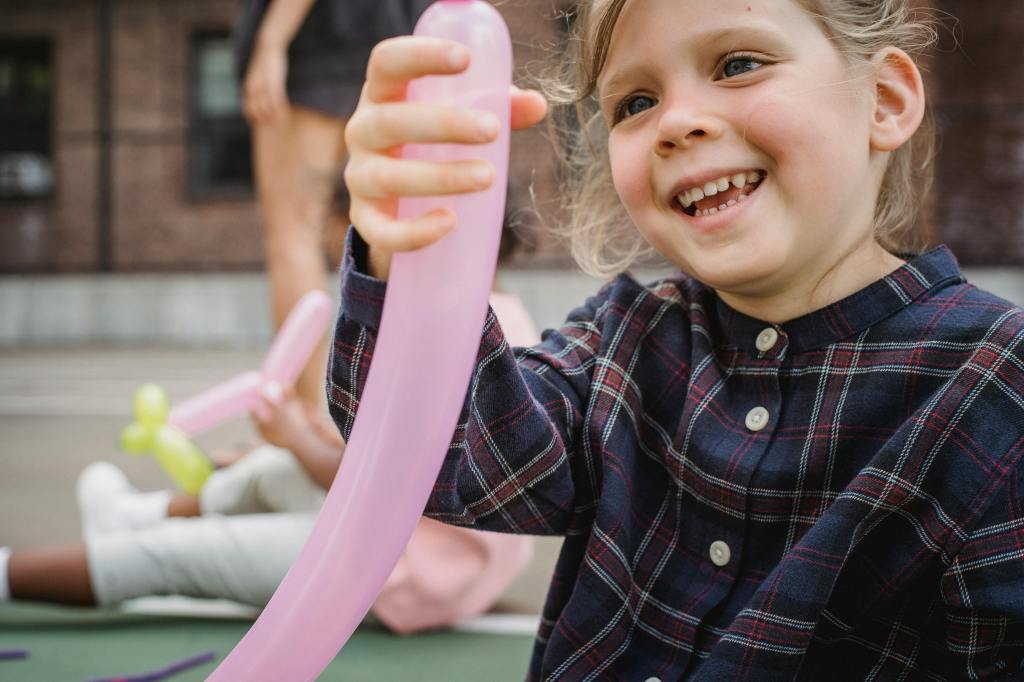
Healthy Gums Mean Happy SmilesI Love Showing Off My Healthy Gums And Beautiful Smile At My Dance RecitalMy Daddy’s The Best At Keeping My Gums HealthyMy Gums Are Healthy Pink Like My Favorite Balloon
How To Treat And Prevent Bleeding Gums For Toddlers?
The best way to prevent your toddler’s gums from bleeding is to keep to a daily routine of twice a day toothbrushing with a soft bristle brush and nightly flossing.
While you’re brushing their teeth, angle the toothbrush slightly towards the gums and brush in gentle circles all around their mouth, including their tongue.
Plaque also sticks to the tongue so remember to brush their tongue as well.
What to do ~
Establish a consistent, daily toothbrushing and flossing routine,
Use a soft bristle toothbrush in the correct size for your toddler’s mouth,
Maintain a balanced diet, cut back on sugary foods and drinks which increase plaque and tooth decay.
Mommy Always Says To Smile Pretty To Show Off My Healthy Gums
What To Remember
Your toddler’s bleeding gums is definitely something you want to pay attention to.
Plaque forms in the mouth everyday, even in toddler’s mouths. Beginning a regular toothbrushing and flossing routine with your child when they are young helps you both grow into it together.
Now I Know How Important It Is To Keep Up On My Children’s Teeth and Gums
Does your toddler have bleeding gums? How is your family’s daily toothbrushing and flossing routine going? What special tricks have you come up with to keep your routine going? What struggles are you having in your routine? Tell us, We’d really like to know! Email us at kidstoothhotline@proton.me Like Us or Chat with us on Facebook
More tips? We have lots. We’re here just for kids!
Fall is here and it seems like everyone is planing a trip to go apple picking.
There are so many wonderful things about apples, and just about everyone loves them.
Did you know that apples are a very important fruit? Not only are they packed with vitamins for a healthy diet, apples can also help clean teeth.
Keep reading for some fyi’s on how apples help keep teeth and gums healthy.
Eating An Apple Is Almost Like Using A Toothbrush
Eating an apple can help remove plaque from teeth and gums.
How Is This Possible?
Apples contain a specific acid called malic acid which can break down plaque that accumulates on the teeth and gums.
Biting into and chewing an apple stimulates more saliva to be produced and flow into the mouth. More saliva helps wash away food particles and bacteria. This also helps by diluting and washing away sugars that are attached to the teeth.
Apples are 85% water which also helps dilute sugars in the mouth.
Mommy Says Apples Are Good For Me And My TeethDaddy Says Apples Help Keep Our Teeth Healthy And HappyApples Are My Most Favorite Snack
Apples Are Great Snacks
Apples make great snacks with their natural sweetness and high fiber content.
An apple’s natural sweetness decreases cravings for other higher sugar content snacks. The fiber keeps children full longer so they snack less. By being high in water apples are naturally juicy so your child is less likely to ask for sugary beverages.
I Always Eat Apples When I StudyApples Are My FavoriteApple Picking With My Mom Is The Best
10 Fun Apple Facts
There are more than 2,500 varieties of apples are grown in the U.S.
The most popular apples are Red Delicious, Fuji, Golden Delicious, McIntosh, Rome, Granny Smith, and Gala.
A bushel of apples weighs almost 42 pounds.
Bobbing for apples – apples float so easily since they are 25% air.
Apple trees take about 4-5 years to produce their first apples.
It takes 36 apples to make 1 gallon of apple cider.
Apples belong to the rose family.
Apples have no fat, sodium, or cholesterol.
Apples ripen 6-10 times quicker at room temperature than when they are refrigerated.
Johnny Appleseed was in fact a real person.
What’s Your Favorite Apple?Can’t Wait To Eat The Apples We Picked Today
What’s your family’s favorite way to eat apples? Do you have a special apple pie recipe to share? How many apples does your family eat in a week? What’s your family’s favorite apple? Tell Us, We’d really like to know! Send us an email at kidstoothhotline@proton.me Chat with us and Like Us on Facebook
More tips? We have lots. We’re here just for kids!
Daddy Says To Smile Pretty Since The Spots On My Front Teeth Are Better Than The One’s On My Back Teeth
You feel like you’re in a good place keeping up with your child’s twice a day tooth brushing routine. Flossing and brushing is going really well so you know what’s going on with their teeth and gums.
Then you notice there are some spots on their teeth which you didn’t notice before and you’re wondering what they are and why they’re there.
Thinking back to your child’s last dental check-up you remember hearing about the areas of hypoplasia on their teeth. Since they didn’t have any cavities you thought everything was all right.
Now you’re thinking, why does my child’s teeth have these spots and what caused them?
Today we’re breaking down the basics about the spots on children’s teeth which is called enamel hypoplasia.
Tooth Basics
Enamel is the hard outermost layer of teeth and the hardest substance in the human body.
Dental enamel needs to be hard because it forms an insulating barrier that protects the inner layers of the tooth from chewing and biting forces as well as sensitivity from hot and cold foods and drinks.
Dental Enamel Starts Developing Early
Around the time Mom’s are finding out that they are pregnant, tooth enamel is starting to form for baby teeth.
Tooth enamel continues to form as baby teeth develop during pregnancy. Around the time your baby is born the dental enamel begins to form for their adult teeth.
Adult tooth enamel continues to develop as these teeth form during early to middle childhood.
Any type of disruption to the enamel formation process will cause defects in the enamel, including hypoplasia.
What Is Hypoplasia?
Enamel hypoplasia is a developmental defect when tooth enamel doesn’t develop properly causing it to be too thin.
Enamel formation is a complex process of formation and timing. Any disruption leading up to the final step in completing the process can affect the thickness of the enamel layer.
What Causes Enamel Hypoplasia?
The enamel forming cells are precise and sensitive, so hypoplasia can affect a whole tooth, part of a tooth, some teeth, certain teeth or less commonly all the teeth.
Some factors which can cause hypoplastic teeth are ~
Premature birth,
Low birth weight,
Health concerns for Mom or Baby during pregnancy,
Health concerns for Baby after birth,
Failure to thrive, Malnutrition,
Certain bacterial or viral infections,
Dental trauma,
Fever,
Some early childhood diseases and/or chronic illness in the first few years of life,
Genetic conditions, such as Treacher Collins syndrome.
Does Enamel Hypoplasia Affect Baby Teeth And Adult Teeth?
Enamel hypoplasia can occur in both baby teeth and permanent teeth, depending on the timing of the disruption.
If enamel formation is disrupted during pregnancy, baby teeth can be affected with hypoplasia.
When the disruption occurs from birth through middle childhood, the permanent teeth which are developing at that time can be affected with hypoplasia.
We Thought The White Spots On My Teeth Were Supposed To Be There, They’re Called HypoplasiaMommy Says My Front Teeth Look Great But My Back Teeth Have HypoplasiaMy Dentist Told My Mommy And Daddy That I Have Hypoplasia On Alot Of My Teeth
What Are The Signs Of Enamel Hypoplasia?
When looking at your child’s teeth some signs to check for to see if they have hypoplastic teeth are ~
White spots on teeth,
Teeth with ridges, grooves or pits,
Stained teeth or teeth that look yellow, brown, or grayish because the enamel is thin and the underlying dentin layer which is yellowish in color shows through,
Sensitive teeth due to the thinness of the enamel and the dentin being close to the surface,
Excessive enamel wear or enamel fracturing off,
Teeth that look mis-shaped,
Teeth that look like they have cavities.
Do You Treat Enamel Hypoplasia?
Yes, teeth with enamel hypoplasia do need to be treated.
Even teeth with mild hypoplasia, which may initially be a cosmetic concern, needs to be monitored since they can go on to become a significant dental issue due to the thin enamel.
In addition, the thinness of the enamel places children with hypoplastic teeth at more of a risk for developing cavities faster, having increased sensitivity to hot and cold foods, increased risk for tooth damage, and can impact the position of their teeth and their bite.
How Do You Treat Teeth With Enamel Hypoplasia?
Treatment for teeth with enamel hypoplasia depends on the tooth’s location in the mouth (front tooth or back molar), as well as the extent and severity of the hypoplasia.
For hypoplastic teeth where there is purely an aesthetic concern without any other dental complications, cosmetic treatment options can include ~
Fluoride treatments to help strengthen the enamel,
Tooth bonding where tooth colored materials are applied over the thin enamel,
When your child is older and has passed their last growth spurt, other esthetic restorations are a consideration.
For hypoplastic teeth that are more seriously involved including molars, treatment considerations may include ~
Desensitizing toothpaste,
Dental sealants,
Fillings, tooth colored bonded fillings don’t bond well to teeth with defects in the enamel and can come off or chip the enamel more, so there may be other options depending on the specific tooth involved,
Dental crowns,
Other restorations when your child has completely finished growing,
Orthodontic consultation.
What Can We Do At Home To Help The Hypoplasia From Getting Worse?
Some helpful suggestions for at home care ~
Brush teeth for 2 minutes every morning and 2 minutes every night before bed,
Floss every night before brushing teeth,
Use an alcohol-free fluoride mouth rinse every night after flossing and brushing. You can place a small amount in a disposable cup (enough to cover their tooth brush bristles) and dip their tooth brush into the fluoride rinse, then brush their teeth for 1 minute. If your child is old enough to spit out (and not swallow) then watch them as they swish for 1 minute and then spit out the rinse,
After meals, snacks and drinks rinse their mouths with plain water,
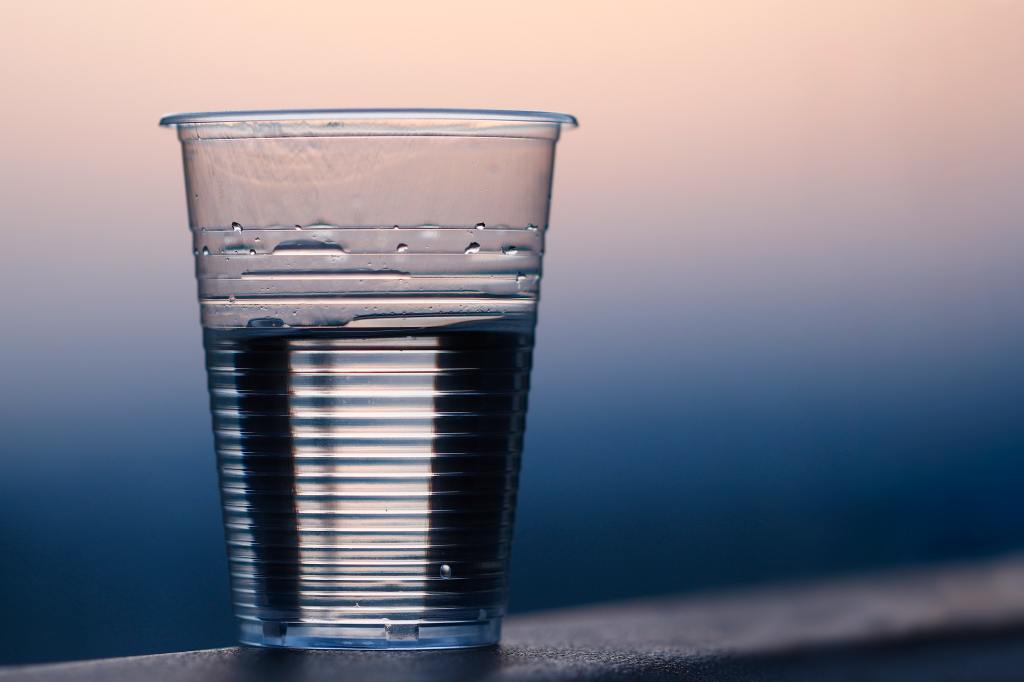
Water is the best beverage, serve it routinely and encourage your child to drink water,
Choose healthy snacks and meals to stay on track with their dental health.
My Mommy And Daddy Thought I Have A Cavity, But It’s Called Enamel HypoplasiaMy Dentist Told My Parents The Spots On My Teeth Are Called Enamel HypoplasiaMy Dentist Always Checks My Teeth Really Well Since I Have Enamel HypoplasiaWe Have To Take Very Good Care Of Your Teeth So The Hypoplasia Doesn’t Get Worse
What To Remember
Taking care of teeth with enamel hypoplasia is super important.
This is important because these teeth simply don’t have a thick enough enamel layer to protect them from cavities as well as pain and sensitivity to hot and cold foods and beverages.
Teeth use each other as a guide for their positioning and alignment. Thin enamel doesn’t provide the support teeth need to stay in place, so these teeth are more susceptible to being misaligned which affects a child’s bite.
Your twice daily at home care routines, healthy choices for meals, snacks and beverages, and regular dental visits are a good place to start to help protect your child’s teeth especially when they have enamel hypoplasia.
My Mom Says The Spots On My Teeth Are Called Hypoplasia
Have you been told your child has enamel hypoplasia? Does your child have another defect involving their tooth enamel? Have you been told your child has a different defect involving their teeth? Tell us, We’d really like to know! Send us an email at kidstoothhotline@proton.me Like Us on Facebook
More tips? We have lots. We’re here just for kids!
Mommy And Daddy, Did You Remember To Pack Our Toothbrushes And Flossers?
Summer is here and it’s time for long lazy days and fun foods. Whether your plans include traveling, a staycation, or sending your child to camp, it’s even more important to keep up your brushing and flossing routine.
Why? Ice cream, popsicles, summer foods and snacks always taste better with clean healthy teeth.
Today we’re breaking down the basics with summer vacation tips for healthy summer teeth.
Summer Vacation Tips
Brushing and flossing is important even in the summer, especially since children like sugary treats to keep cool.
Stay With A Routine
Stay with your consistent daily routine and add a twist. Do something fun while brushing to keep your child’s attention long enough for you to brush all their teeth. Brush and floss together and have a brush-a-thon to your child’s favorite tunes. Pack a sticker chart for a fun daily tooth brushing reminder. and look for your child’s favorite flavor toothpaste or toothbrush and flossers with their favorite character for camp.
During your travels bottles and sippy cups may be good for comforting your child, however falling asleep with one in their mouth increases your little one’s risk for cavities.
Raise Your Hands If You Brushed Your Teeth This MorningShowing Daddy How Beautiful My Teeth Are After Mommy Brushed ThemLooking At The Stars After Flossing And Brushing On Our StaycationMommy’s First Rule Of The Day Is To Brush My TeethWe Brush Our Teeth With Mommy And Daddy Every Day Before We Go OutsideFun With Daddy At The Beach After Brushing My TeethMommy And Daddy’s Rule Every Night After PJ’s They Floss And Brush My Teeth
Keep Your Traveling Dental Kit Handy
Put together a dental kit for your travels whether you’re taking a car trip, a plane trip, or sending your child to summer camp.
Pack a kit and a spare (or 2) with floss, toothbrush, toothpaste, and fluoride rinse for everyone. Remember to keep it on you in a carry-on bag so it’s easily accessible for you.
Road Trip, Dental Kit in Red SuitcaseMommy Packed My Dental Kit For Me To Use At My Camp
Have A Choice? Choose Water
Juice boxes and cans of soda may be convenient, but the soda and fruit juices don’t quench thirst for long and even make children thirstier. Then there’s the sugars in those beverages which weaken the outermost tooth layer (aka enamel) causing teeth to look dingy and increase the risk of cavities.
Why water? Water is refreshing, it’s best for keeping your child hydrated and for helping to keep their teeth healthy. Drinking water helps wash away food particles and bacteria, and keeps saliva flowing which is essential for helping prevent cavities.
Thirst Quencher RefresherDaddy Says Water Is The Best To DrinkKeeping Teeth Healthy And Making Memories
Healthy Summer Snacks
Special foods are more fun when eaten along with tooth friendly options like fresh fruit, veggies, whole grains, and dairy.
Choose fresh fruits and veggies like apples, carrots, and celery which provide essential vitamins and also help clean teeth. Same for cheese and yogurt (without added jellies, jams or crunchies). These snacks are high in calcium and phosphate, which can help strengthen tooth enamel.
Lunching With My Favorite Summer Foods PoolsideWatermelon Is My Favorite Summer Snack
Pool’s Rules Rule
Everyone loves to be at the pool. With so much excitement, so many people, and water splashing everywhere there’s always a chance for a slip, a fall, and potential tooth injury. It’s important to follow the pool’s rules about diving, diving boards, jumping into the pool and running poolside.
No one wants to leave the pool because of a tooth accident. Stay safe and follow the rules.
Pool Time After Toothbrushing TimeCruising Along With Our Healthy Teeth
Smile Protector
Summer means being outside and having fun swimming, biking, skate boarding, riding the scooter, and playing sports. This fun can sometimes lead to a dental accident.
It’s important to make sure your child wears a mouthguard when playing sports and other physical activities. This preventive step can help protect their teeth from potential injuries.
Protecting Teeth While Having Fun At The Beach
What To Remember
While your child is on vacation their teeth are not, this is why it’s so important to stay on track with their dental health.
Time To Go In For Our Night-Time Flossing And Brushing Before BedShowing Off My Pearly White TeethShowing Off My Dazzling Summer SmileHanging Out While My Friend’s Having Her Teeth Brushed
Have a wonderful summer and enjoy your child’s healthy summer smile!
What is your child looking forward to doing most this summer? What is their most favorite, must have snack, drink and summer food? Do you have any summer family traditions? Tell us, We’d really like to know! Send us an email at kidstoothhotline@proton.me Like Us or Chat with us on Facebook
More tips? We have lots. We’re here just for kids!
My Zirconia Crowns Are As Pretty As My New Teddy Bear
You’re at your child’s dental check-up and you find out that the tooth you thought has a cavity does have one and that a filling just won’t do.
In my last post about crowns, we discussed stainless steel crowns. Stainless steel crowns are the classic reliable standard for taking care of baby (aka primary) teeth when placing a regular filling puts a tooth at risk for breaking. But let’s face it, they are not very esthetic.
When esthetics is a concern, there is another option and that is the zirconia crown.
Today we’re breaking down the basics on an esthetic children’s tooth crown alternative, the zirconia crown.
What Is Zirconia?
Zirconia is a high quality ceramic material which closely resembles natural teeth, providing durability and a natural appearance.
What Is A Zirconia Crown?
White zirconia dental crowns are an esthetic alternative to stainless steel crowns for children.
In addition to being metal free, strong and biocompatible, they are esthetically pleasing since they can blend in with your child’s natural teeth; whether back teeth or front teeth.
These crowns are for restoring primary teeth that are chipped, damaged, broken, not developing properly, have had a pulpotomy, or have areas of tooth decay (aka cavity) which are too large for a filling because of the risk of breaking the tooth.
Smiling Pretty With My Mommy After Getting My New Zirconia CrownMommy And Me Reading Up On Zirconia CrownsShowing Grandma My New Zirconia CrownsMommy’s So Proud, My Brother Did Awesome For His Zirconia Crowns TodayCan You Guess Which Of My Teeth Have Zirconia Crowns?I’m Showing My Zirconia Crowns To My FriendCan You See My Zirconia Crown?Mommy and Me Looking In The Mirror Checking Out My New Zirconia CrownI’m Cuddling With My Mom After Getting My Zirconia Crown Today
How Long Does A Zirconia Crown Last?
Zirconia is very strong and well suited for children who need their crowns to last for several years until they naturally lose their baby teeth.
How Do We Take Care Of A Zirconia Crown?
Your child’s daily brushing and flossing routine has the same importance now as it always has, and with increased emphasis now that your child has a crown.
It’s best to avoid biting anything hard, sticky, chewy and gooey since they can dislodge the crown or pull it off completely.
Are The Reasons For A Zirconia Crown Different From A Stainless Steel Crown?
The reason for a children’s tooth crown, whether it is a zirconia crown or a stainless steel crown are the same.
I’m Showing Off My Zirconia Tooth CrownCan You Guess Which Are My 2 Zirconium Crowns?Mommy Said I Did Great For My Zirconia Crowns
5 Indications For A Children’s Zirconia Crown
Tooth decay has caused so much loss of tooth structure that a filling will break, break the tooth even more, or both,
A tooth that grew in with weak structure (not due to a cavity),
Esthetics are a concern.
When Isn’t A Zirconia Crown Recommended?
There are 4 specific times when a Zirconia crown isn’t advised~
When a child grinds their teeth,
When there is space loss between the tooth needing the crown and the adjacent teeth,
When there is too little tooth structure remaining to retain the crown on the tooth,
When there is substantial crowding between the teeth.
What To Remember
Baby teeth may be small but their need is great.
This is because children’s primary teeth are essential for chewing, speaking, and maintaining space for the development and correct positioning of their adult teeth.
Zirconia crowns are a good treatment choice for these important teeth for 4 reasons ~
They have good retention,
They are fracture resistant,
They are oral hygiene friendly,
They have parent’s satisfaction and increase children’s self-confidence.
I Really Like How My Zirconia Crown Looks
Have you been told your child needs a crown? Are you concerned about the crown’s esthetics? What do you think about zirconia crowns? Do you feel comfortable discussing zirconia crowns with your child’s dentist? Tell us, We’d really like to know! Send us an email to kidstoothhotline@proton.me Like Us or chat with us on Facebook
More tips? We have lots. We’re here just for kids!
Why Am I Going To The Dentsit For A Crown? I’m Already Wearing One
You take your child for their regular dental check-up appointment and you’re feeling good this time but you still have this feeling they may have a cavity or two.
The hygienist asks you to come over and the pediatric dentist begins to discuss the best way to take care of the tooth with the big cavity. Yes, that tooth. The tooth all the way in the back that has been a challenge to floss and brush.
As the dentist is talking with you, you’re thinking “maybe a filling, a smallish filling, after all it’s a baby tooth and not very big.”
Then you hear the words “cap” and “crown.” You’re surprised and thinking “oh no, what?, how?, you’ve got to be kidding.”
This isn’t a ploy. There are times when a child’s tooth may have a cavity, a developmental defect, or a fracture and the best way to restore the tooth is with a dental crown.
Today we’re breaking down the basics on a commonly used dental crown for children, the stainless steel crown.
What Is A Dental Crown?
A dental crown is a tooth shaped cap that restores a decayed or broken tooth.
The crown fits over the entire tooth (like a hat covers your child’s head) and is contoured to ensure a proper fit.
Why Does A Baby Tooth Need A Crown?
Baby Teeth (aka primary teeth) are important to take care of because they help with proper speech development, chewing, and maintaining space for adult teeth to come in correctly.
When a baby tooth has a cavity, or defect, or is fractured the structure of the tooth is weakened and can easily break; which causes another set of issues.
Covering the tooth with a crown gives support and structure while preserving the tooth’s form and function.
What Are The Reasons For A Dental Crown?
Tooth decay (aka cavities) is very prevalent among children, and the extent of the cavity is the most common reason for a crown.
There are several additional indications for why a child needs a dental crown —
The decay has caused so much loss of tooth structure that a filling will break, break the tooth even more, or both,
The tooth has developmental defects that compromise the structure of the tooth,
A fractured tooth
I Had To Have 2 Silver CapsMommy And Daddy Say This Is Why I Need Silver Caps On My MolarsMy Mom Said At least I Only Needed 1 Silver Crown, My Brother Needed 4
What Is A Stainless Steel Crown?
Stainless steel crowns are a metal crown which are pre-formed, resemble the anatomy of the tooth and can be contoured to the tooth. The crown is then affixed onto the tooth with a special dental cement.
A stainless steel crown is the most traditional type of crown for baby molars. The reason is that they are designed to last for several years until the baby tooth falls out. They are very durable, and adapt very well to the tooth.
What Is A Stainless Steel Crown Made Of?
Stainless steel crowns are manufactured using a stainless steel alloy which contains nickel and chromium.
If your child has any sensitivity or allergy to any of these materials it’s important for you to speak with your pediatrician and pediatric dentist before your child’s crown appointment.
How Long Does A Stainless Steel Crown Last?
A stainless steel crown is placed to help restore form and function to a baby tooth (most typically a baby molar), and lasts as long as the baby tooth.
The tooth and the crown usually come out together, which can be around the time your child is 10 to 14 years old.
Grandma Do You Remember When I Had All Those Silver Crowns In My Mouth? I Learned My Lesson
How Do We Take Care Of A Stainless Steel Crown?
Floss and brush around the tooth with the crown just like all your child’s other teeth.
It’s best to avoid sticky, chewy and gooey candies since they can dislodge the crown or pull it off completely.
Daddy’s Helping Me Brush My Teeth So I Won’t Have To Get Any More Silver Crowns
Is There An Alternative To A Stainless Steel Crown?
While stainless steel crowns are the gold standard for children’s molar teeth, there are other options available, such as stainless steel crowns with a pre-veneered tooth colored white facing and zirconium crowns.
Stainless Steel Crown With Pre-Veneered White Facing
Stainless steel crowns can be made to look more esthetically pleasing with a pre-veneered tooth colored plastic face.
These crowns appear more cosmetic because from the front they look “tooth colored” but the area around the facing, the biting surface, the sides and back of the crown are all the traditional silver color.
For the tooth colored facing to adhere to the metal crown extra bulk is added, so these crowns look thick and round.
The facing also has an increased tendency to easily break off exposing the silver underneath.
Zirconium Crowns
Stay tuned for my upcoming post on these new for children highly esthetic crowns.
What To Remember
The care of baby teeth is essential due to their role in chewing, speaking, and maintaining space for the development and correct positioning of adult teeth.
While baby teeth may be smaller in size than adult teeth, tooth decay, structural defects and fractures loom larger for them.
Stainless Steel Crown’s are the treatment of choice for primary teeth for 3 important reasons —
Durability,
Longevity,
Reliability.
Mommy Had Silver Caps in Her Mouth When She Was Little, I’m Making Sure My Precious Angel Never DoesI Got A Tooth Crown And Princess Crown Today
Does your child have a stainless steel crown? What were your thoughts when you heard your child needed a stainless steel crown? Did you have a stainless steel crown as a child? Tell us, We’d really like to know! Send us an email to kidstoothotline@proton.me Like Us or chat with us on Facebook
More tips? We have lots. We’re here just for kids!
My Dentist Told My Mommy And Daddy That I Need A Pulpotomy
Your child may have woken up with a toothache or hurt their tooth playing sports. Maybe your neighbor or sister-in-law called you because your child is at a sleepover and has tooth pain. Before you know it you’re being told the nerve in their tooth is inflamed and they need a pulpotomy.
Then you’re thinking, what does all this mean, what is a pulpotomy, and why does my child need a pulpotomy?
I’ve had a lot of questions recently about pulpotomies. Today I’m answering your questions and breaking down the basics on a frequently performed procedure but one you’re not familiar with, a pulpotomy.
Do Baby Teeth Have Nerves?
Yes, Baby teeth have nerves. The nerve is the inner most part of the tooth.
The Nerve Of The Tooth Is Also Known As The Dental Pulp
The nerve, or dental pulp of a tooth is the inner most part of the tooth. The pulp is a jelly-like structure in the center of every tooth, which contains nerves, blood vessels, connective tissue and specialized cells. The purpose of the pulp is to keep the tooth alive.
Why Does A Baby Tooth Need A Pulpotomy?
Cavities and a traumatic injury to a child’s tooth are the main reasons the tooth’s pulp is wounded.
A pulpotomy is performed in order to remove the damaged portion of the nerve and keep the remaining part of the pulp intact and alive.
This way the tooth feels normal and your child can keep their baby tooth until it falls out naturally and is replaced by an adult tooth.
What Is A Pulpotomy?
A pulpotomy is a procedure in which a dentist removes the decayed part of the tooth’s pulp to help prevent the formation of an infection, so your child can keep their baby tooth until it falls out naturally.
This procedure is only performed on baby teeth, and when there are no signs or symptoms of infection, such as pain, sensitivity, or swelling.
Is A Pulpotomy Like A Root Canal?
A baby tooth pulpotomy is sometimes referred to as a “baby root canal” or a “baby nerve treatment,” but this is not the same as an adult tooth root canal.
In a traditional root canal, all of the dental pulp is removed. In contrast a pulpotomy only removes the diseased pulp and is intended to preserve the remaining healthy pulp. This helps to keep the tooth healthy and strong.
It’s Only A Baby Tooth, Why Save It?
Children with strong healthy baby teeth grow up to have strong healthy adult teeth.
It’s important to take care of baby teeth because infections in baby teeth cause pain and can damage developing adult teeth.
Healthy baby teeth are also important because they help with proper speech development, chewing, good nutrition, and maintaining space for the adult teeth to come in correctly.
What Should We Be Doing At Home To Prevent Needing A Pulpotomy In The Future?
ToothBrushing And Flossing Routine
Tooth brushing and flossingare simple but crucial to keep your child’s mouth healthy. Make sure to brush 2X’s a day and floss once a day with your child to establish a healthy brushing routine.
Mouthguards Matter
As a parent you are always saying “Wear your helmet!” when our children want to go out to ride their bike, skateboard or scooter. Mouthguards offer the same protection.
While a helmet protects a child’s head, a mouthguard helps cushion a blow to the mouth and face, minimizing the risk of broken teeth and injuries to your child’s lips, tongue, face or jaws.
When it comes to protecting your child’s mouth, a mouthguard is an essential piece of athletic gear that should be part of their standard equipment from an early age.
What To Remember
A pulpotomyis often recommended as a way for your child to be able to keep their baby tooth and is performed on a tooth for a few reasons —
when the bacteria from a cavity penetrate into the nerve of a tooth,
a tooth is broken and the crack is extends into the nerve of the tooth.
This procedure is done because they are too young to lose their baby tooth, and their adult tooth is not developed enough to grow in.
Has your child had a toothache and needed a pulpotomy? Has your child suffered a hit to their mouth which cracked their tooth and they needed a pulpotomy? Have you ever had a root canal? Tell us, We’d really like to know! Send us an email to kidstoothhotline@proton.me Like Us of Chat with us on Facebook
I’m Having Fun Playing With My Dad and Brother After Brushing and Flossing So I Don’t Need Another Pulpotomy My Mom Says My Baby Molar Needs A PulpotomyMy Mom And Dad Always Say This Is Why Having My Teeth Checked Is So ImportantMommy And Daddy Said I Did A Great Job During My PulpotomyDaddy Says We’ll Get To Play More After We Brush and Floss So I Won’t Need A Pulpotomy Like My BrotherSmiling My Beautiful Smile After My PulpotomyPeek-A-Boo, We’re On Our Way Home After My PulpotomyMommy And Daddy Are Helping Me Brush and Floss My Teeth So I Won’t Need Another PulpotomyChecking Out My Mouth After My Pulpotomy
More tips? We have lots. We’re here just for kids!
February is dedicated as National Children’s Dental Health Month, but good dental care (aka oral health care) is important every month and every day.
Tooth brushing and flossing are essential to prevent cavities, but there is more you can do to protect your child from tooth decay.
Today on the last day of National Children’s Dental Health Month, we’re breaking down the basics on an important topic so you can confidently navigate your child’s dental care journey.
What Is Fluoride?
Fluoride is a naturally occurring mineral, when used in small amounts on a routine basis helps to prevent tooth decay (aka cavities).
How Does Fluoride Work?
Fluoride encourages “remineralization” or strengthening of the tooth enamel.
It occurs naturally in water, and is an ingredient in many dental products such as tooth paste, mouth rinses, gels, varnish and supplements. Fluoride is most effective when combined with a healthy diet and good oral hygiene.
How Safe Is Fluoride?
Fluoride is shown to be safe and highly effective. It’s important for you to know that only small amounts of fluoride are necessary for the maximum benefit.
What Is Topical Fluoride?
Topical fluoride comes in a number of different forms, such as gels, foams, and varnish. Fluoride varnish is the most used form, and is applied onto the teeth with a small brush-like applicator.
There are 2 advantages to have a fluoride treatment:
Easily and quickly applied to the teeth, it takes 1 minute,
Fluoride continues to be absorbed into the tooth enamel for approximately 24 hours after the application.
Who Benefits From Receiving Topical Fluoride?
All children. This benefit exists whether they have no cavities, a few cavities, a lot of cavities, or braces.
Healthy Teeth Just Like My DaddyWe Love Our Teeth Thanks To Our Mom and DadMommy And Daddy Take Care Of My Teeth So I Can Smile Pretty For The CameraOur Beautiful Teeth Are The Best Gift Our Parents Could Give Us
My Water Doesn’t Have Fluoride, Will My Child Need Supplements?
There are several important factors to consider before recommending a fluoride supplement, including your child’s age and the amount of naturally occurring fluoride in your water supply.
Bottled, filtered, spring, and well waters all vary in their fluoride amount, so a water analysis is necessary to ensure your child is receiving the proper amount.
If it is determined after testing that your drinking water does not have an acceptable fluoride level and your child is between the ages of 6 months and 16 years old, you should speak with their pediatric dentist about fluoride supplements.
How Much Fluoride Does My Child Need?
Unlike most medicines, fluoride dosage corresponds to a child’s age, not their weight. It also depends on the amount of fluoride present in your drinking water.
When Is The Best Time For My Child To Take Their Fluoride Supplement?
Fluoride supplements are most effective when there is a 2 hour window before and after eating or drinking any dairy and high calcium juices. This is so that the fluoride doesn’t get absorbed by the calcium and dairy and become inactive.
4 Tips To Remember
Children need fluoride for strong teeth.
Fluoride is a naturally occurring mineral which also strengthens tooth enamel, helps prevent cavities, and can help remineralize enamel.
Mommy, My Teeth are So BeautifulI Love To LaughThank You For My Beautiful Healthy SmileMy Friend And I Like To Play And Having Healthy Teeth
What are your family’s healthy dental care habits? Is your child using a fluoride mouth rinse? Tell us, We’d really like to know! Send us an email to kidstoothhotline@proton.me Like Us or Chat with us on Facebook at facebook.com/kidstoothhotline
More tips? We have lots. We’re here just for kids!




































































































 kidstoothhotline