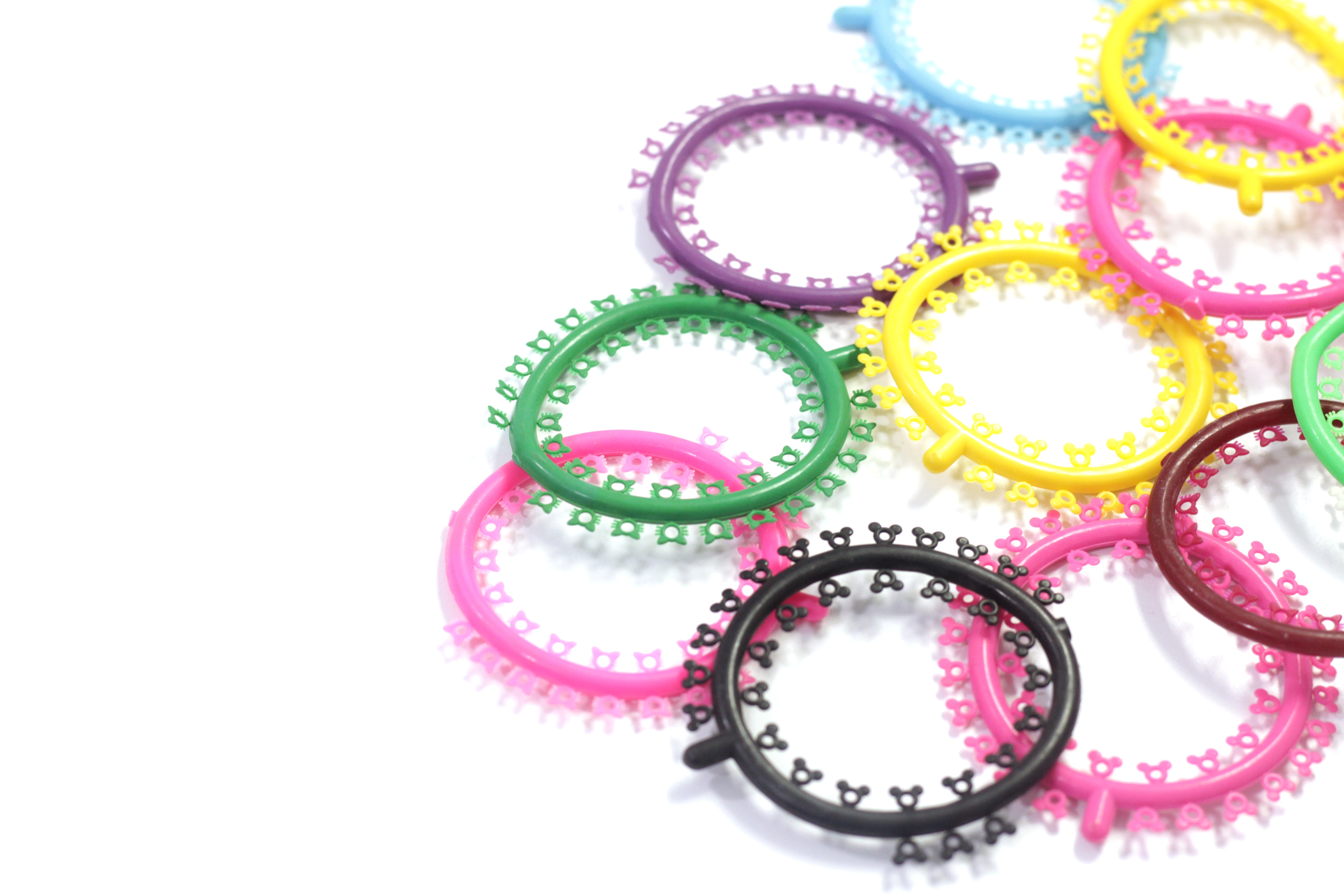
Braces For Children And Teens, But Which Type?

Braces Are The Key To My Smile

Why Braces?

How Long Does My Child Have Braces?

Types Of Braces

Which Style Of Braces Is Right For My Child?

I’m A Mom And A Pediatric Dentist: Here Are 9 Ways I Protect My Children’s Teeth

In the Know for You to Know

Healthy Teeth Are Strong Teeth Like Our Mom

Growing up I was always the child in the dental chair. Every check up it was as if I was destined to have another cavity. My parents chalked it up to “soft teeth run in the family.”

Then I went to dental school, got married, had children and became a pediatric dentist. Along the way I learned some tips and tricks that wouldn’t leave our children’s oral health up to genetics or luck. Today I’m happy to say that this approach has kept our children from having cavities and crooked teeth.

My fellow parents, it is not luck that contributes to good teeth, it’s about planning, consistency and adaptability. I want to share with you what I did to help decrease the family trend of cavities and crowded teeth for my children from when they were infants through their teenage years.

Decreasing The Family Trend For Cavities And Crowded Teeth

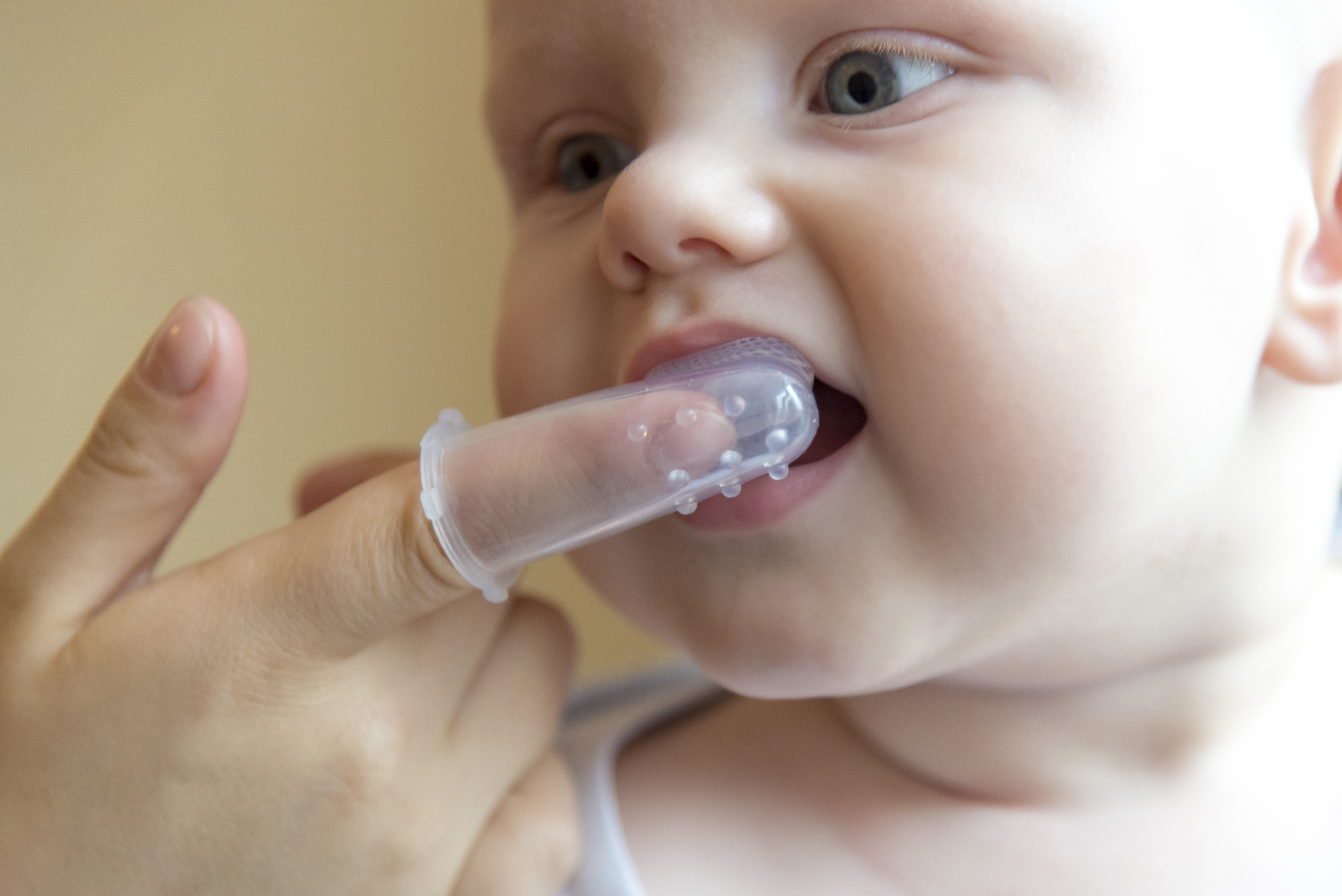
1. Before your child’s first tooth comes in it is important to wipe their gums with a damp washcloth after each feeding and before nap and bed-time.

2. Teething rings should be placed in the refrigerator only, never in the freezer. You never want anything to freeze to your child’s gums.

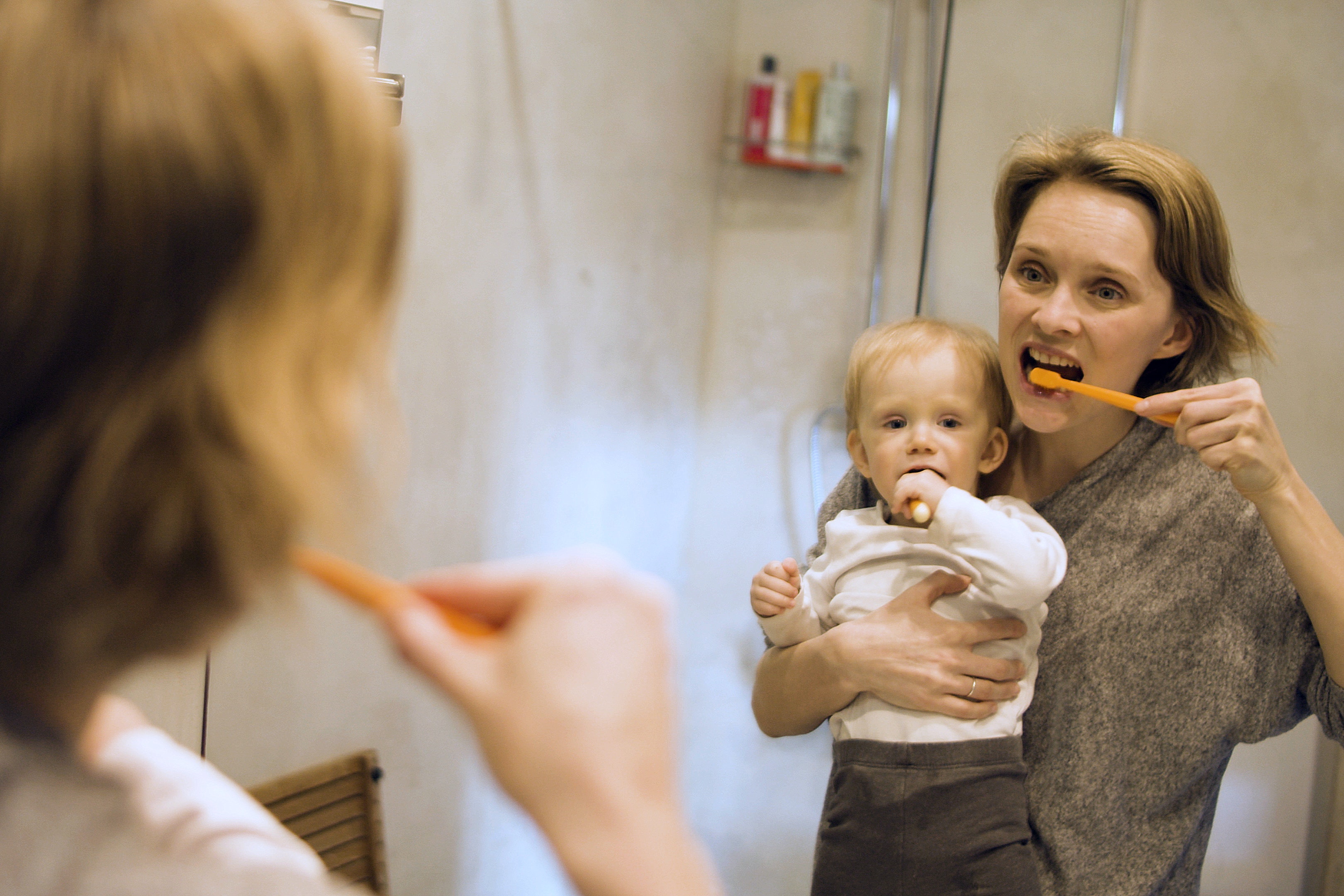
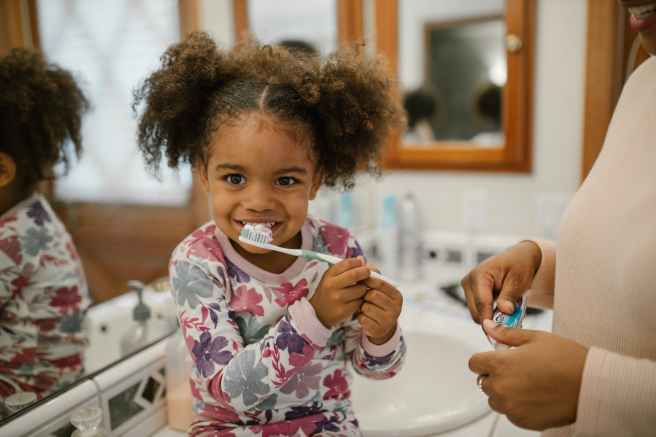
3. As soon as your child’s first tooth peaks through their gums it is important to start brushing with a rice grain size amount of fluoridated toothpaste twice a day.

4. For your pre-K child (over 3 years old) brush twice a day with a pea size amount of fluoride toothpaste and there’s no swallowing.

5. You can protect your child from having fear of the dentist. As parents, we’re always saying that words and actions matter.

6. Orthodontic treatment may be beneficial even before your child’s permanent teeth come in.

7. Mouth guards are recommended to protect your child’s teeth from sports injuries.

8. Sealants are effective in preventing cavities on molars by forming a protective coating over the deep crevices so food doesn’t get caught in the grooves.

9. Always replace your child’s toothbrush after an illness.

With everything you have to do, it may be tempting to skip a day. Turns out diligence is the key.

Help Us Help You

Do you have tip you’d like to share? What’s your strategy? We’d really like to know! Email us at kidstoothhotline@protonmail.me Like Us on Facebook at www.facebook.com/kidstoothhotline

More tips? We have lots. We’re here just for kids!

Sippy Cups Are For Kids, What About Their Teeth?

In the Know for You to Know

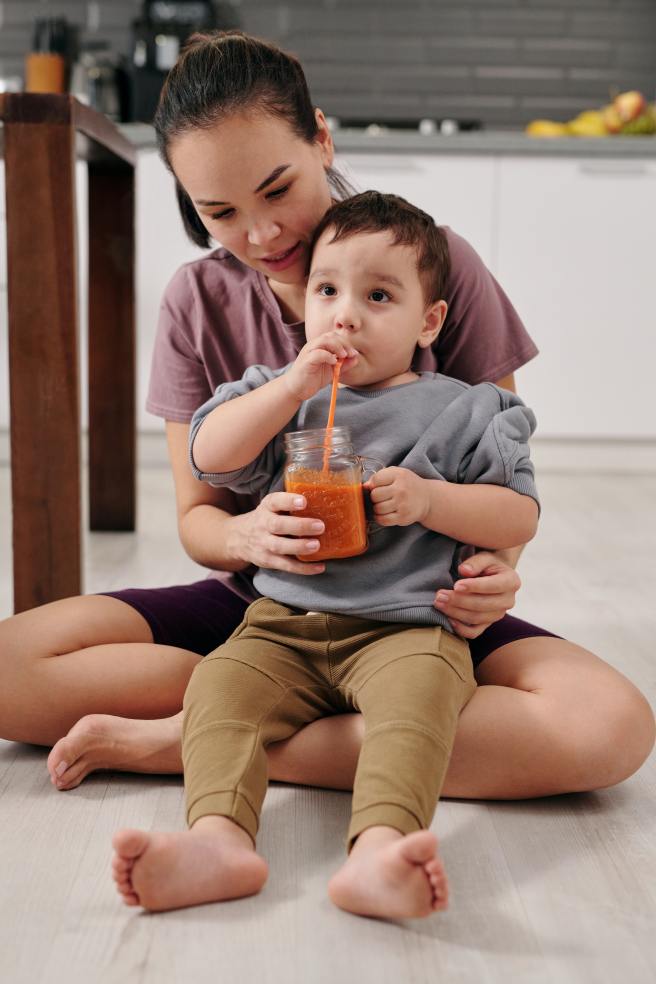
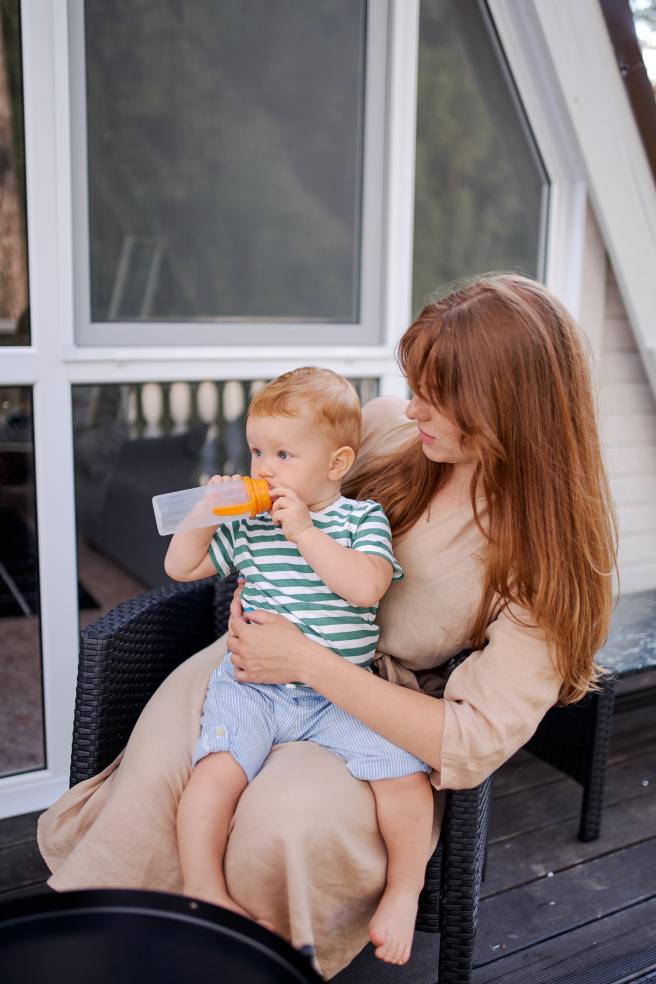
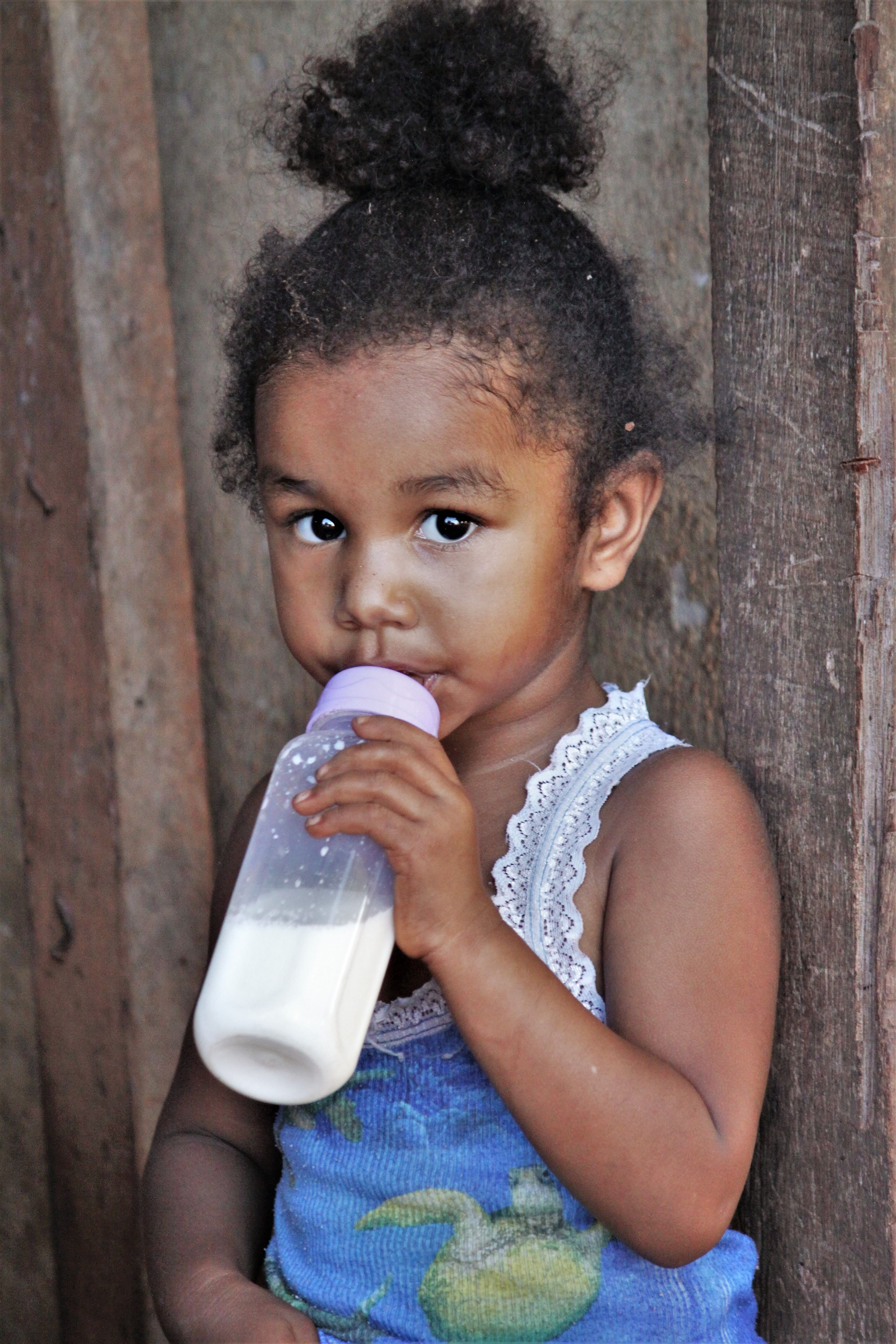
My Mommy Is Helping Me Drink From My Sippy Cup

You’ve been waiting for this day, your baby has started eating solid foods and is drinking from a cup.

Well maybe not from a regular cup right now, but you’re introducing them to drinking from a no spill training cup. These training cups are also affectionately know as sippy cups.

Children grow to love their sippy cup, but there are a few things you should know about them.

Benefits Of Drinking From A Cup

Pediatricians and Pediatric Dentists stress the benefits of teaching your child to drink from a cup.

1st is to transition from sucking to sipping.

2nd, is that ongoing feeding from a bottle can lead early childhood cavities, which occur when a child’s teeth are constantly bathed in milk, formula, juice or other drinks.

3rd, is that drinking from a cup also helps these little mouths strengthen their smiling muscles.

The Right Cup To Choose

Sippy cups come in a variety of styles. Some have a lid with a wide spout, some have a straw, and some have a one way valve inside the lid to prevent spills.

Cups with valves may sound great but the children have to suck on the spout to get any liquid to come up from the cup and this is just like drinking from a baby bottle.

There are some parents who make their own sippy cups, where they offer their child a regular open cup with or without a straw.

If you choose a sippy cup it’s better to choose one without a valve. The cup should have a snap-on or screw-on lid with a simple spout. Also look for a sippy cup with two handles to help those little hands hold the cup easier. There are some cups that have a weighted base which helps to pull them back upright when they tip over, which is great for helping to minimize spills.

My Mom is Helping Me Learn To Drink From A Cup

Healthy Beverages For Your Child’s Sippy Cup

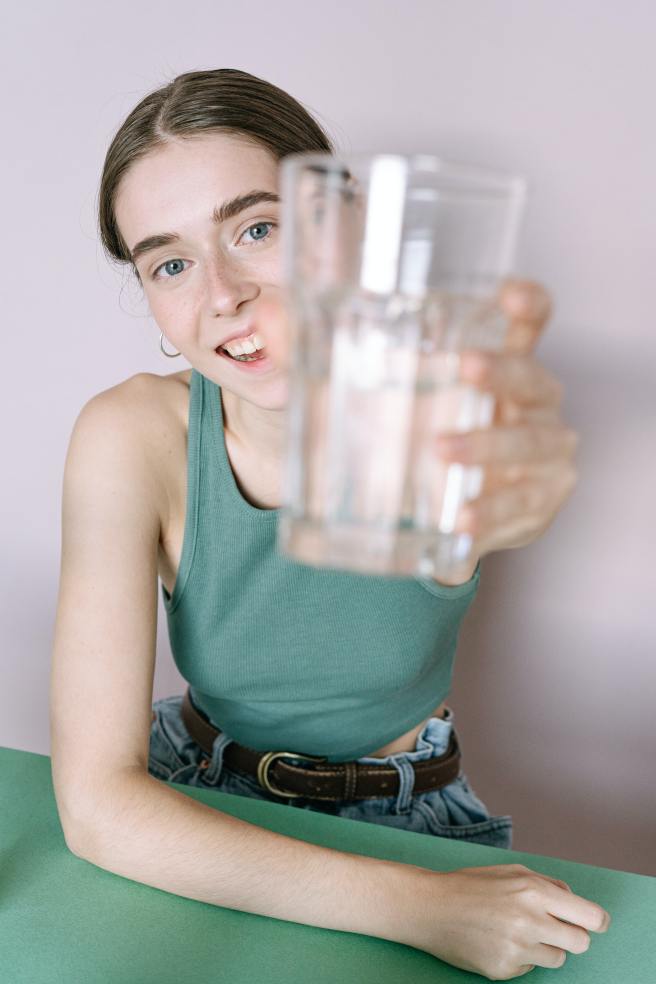
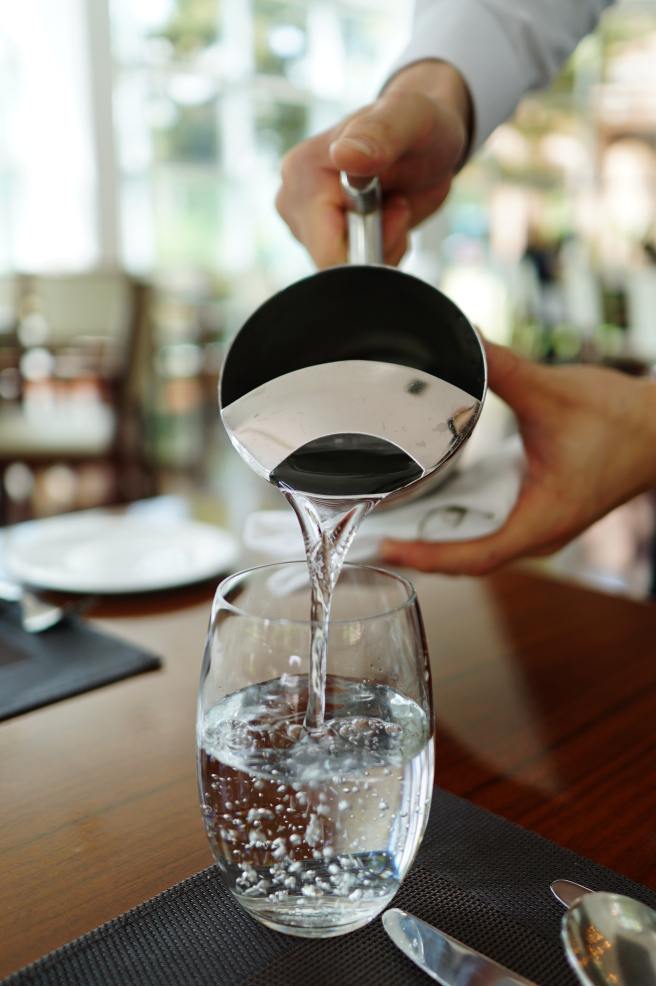
Plain water is the healthiest drink, plus the fluoride in your tap water helps prevent cavities. P.S. fluoride is safe for children.

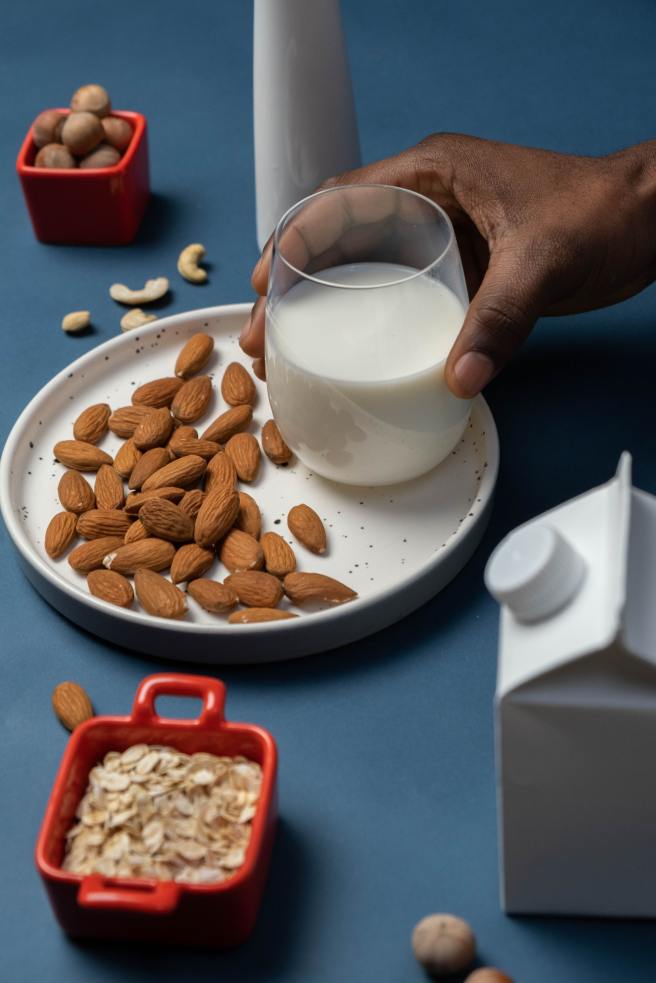
Plain milk is also a good choice, but remember milk also has natural sugars so it’s best to offer in small portions with a meal. This way the food and saliva help to dilute and wash away the sugar.

Flavored milks, juices (even 100% juice) and carbonated drinks have added sugars which cause cavities.

No Carrying Around The Sippy Cup My Dear Toddler

Don’t let your child carry the sippy cup around. Toddlers are often unsteady on their feet. It’s a risk if they try to walk and drink at the same time. Falling while drinking from the sippy cup has the potential to injure their mouth.

No Sippy Cups To Bed Is Best But If You Have To

When nap time and bed time come, don’t let your child go to bed with their sippy cup unless it’s filled with plain water. Sugary drinks sit in their mouths during sleep giving their teeth a sugar bath which can lead to cavities.

Congratulations, introducing a sippy cup is a huge step and worthy of a celebration!

What is your sippy cup story? Do you have a tip or a trick that made your child’s and your journey easier or more fun? Tell us, we’d really like to know. Send us an email at
kidstoothhotline@proton.me Like Us on Facebook at facebook.com/kidstoothhotline

More tips? We have lots. We’re here just for kids!


Happiness is Your Child’s Smile

In The Know For You To Know

As a parent you work hard to make sure your children have healthy balanced meals every meal and every day. Did you know that those meals are also one of the first steps in great oral health?

Now is a good time to help your children learn how good brushing, flossing, and eating habits are essential for healthy teeth.

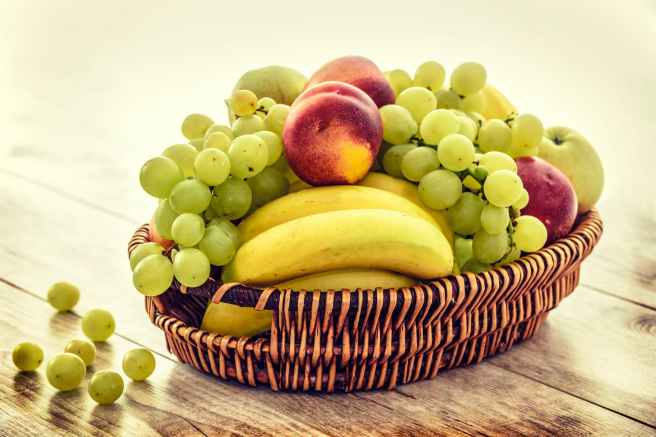
Fruits and Veggies

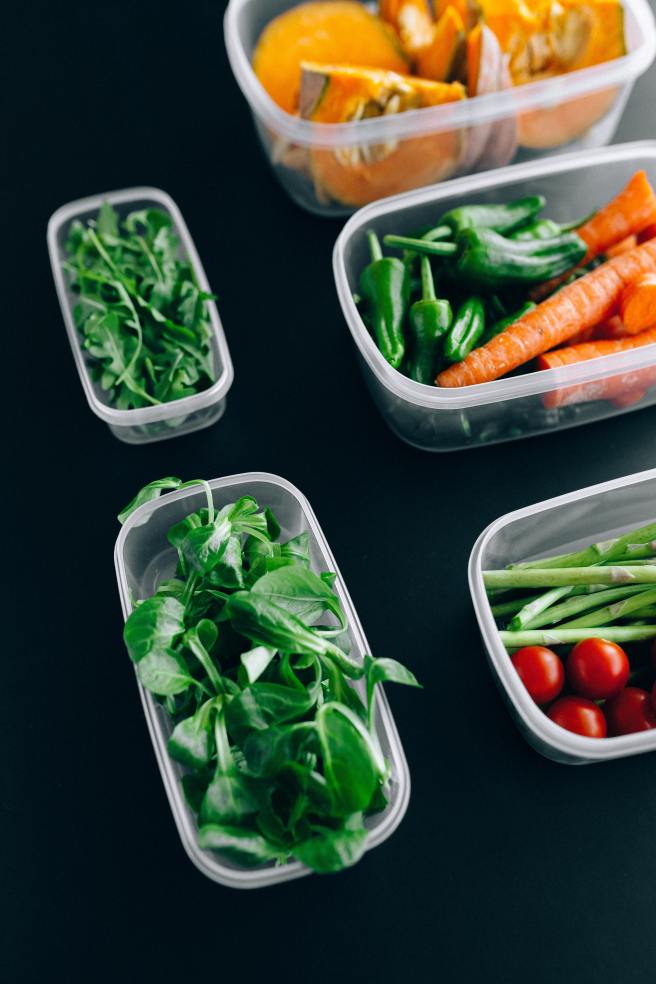
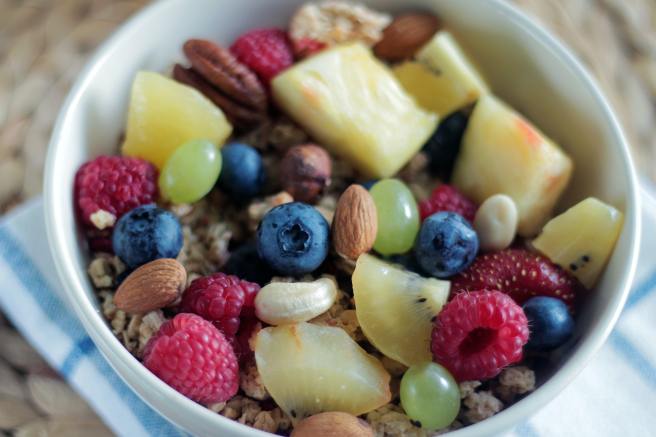
Apples, pears, carrots and celery have the natural sweet and crunchies children love. Keep these treats on hand for a quick healthy snack and meal side dish.

Suggestions –

  • Crunchy fruits and veggies with yogurt dip
  • Avocado dip with crunchy veggies
  • Hummus with crunchy veggies
  • Celery with Nut Butter

Cheese And Yogurt – Get in those Probiotics

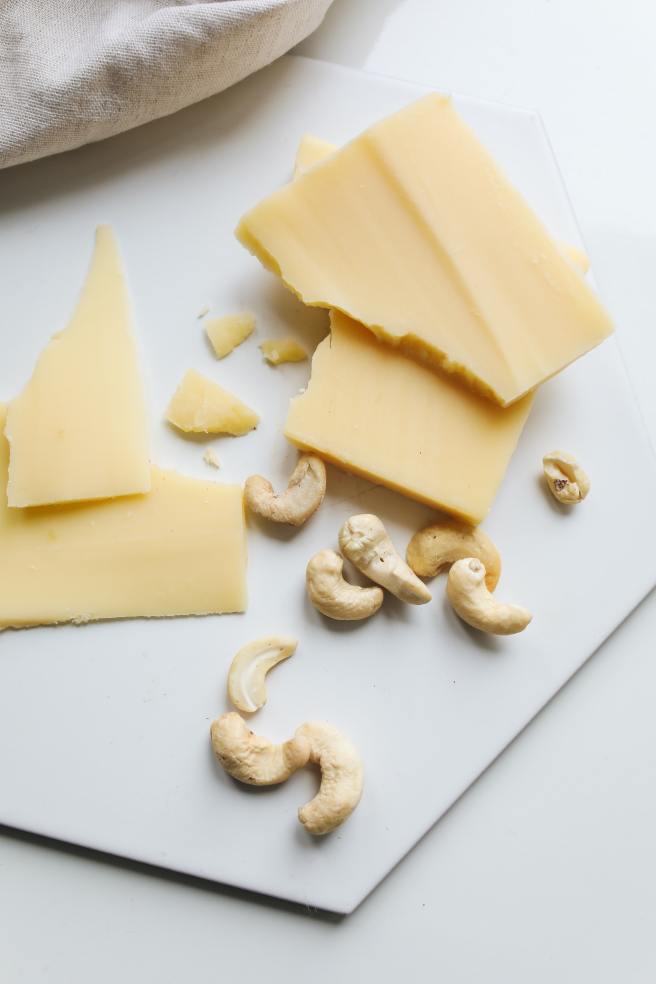
Cheese is one of the healthiest snacks for teeth. When deciding on yogurt look for “no sugar added” and nix the add-ins.

They provide calcium and phosphorous which strengthens tooth enamel and can disrupt the development of cavities.

Suggestions –

  • Frozen yogurt popsicles (tasty, fun and easy to make at home with your children),
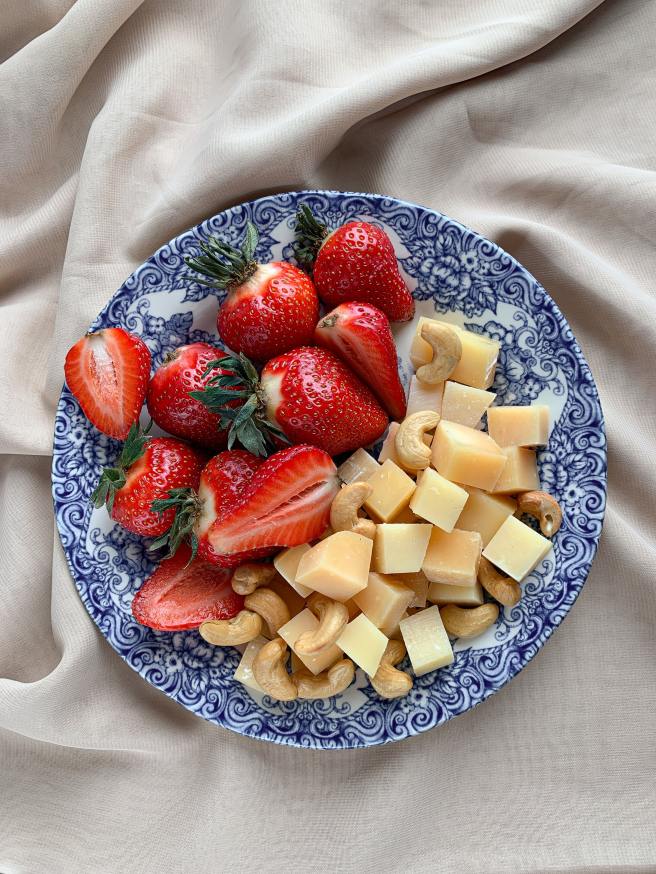
  • Fresh fruit with cheddar cheese or Greek Yogurt,
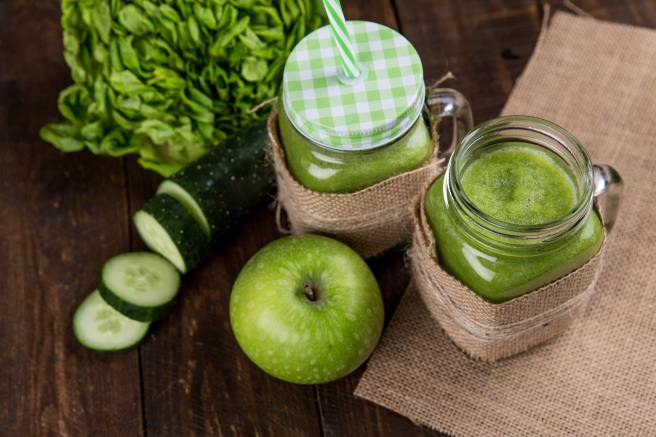
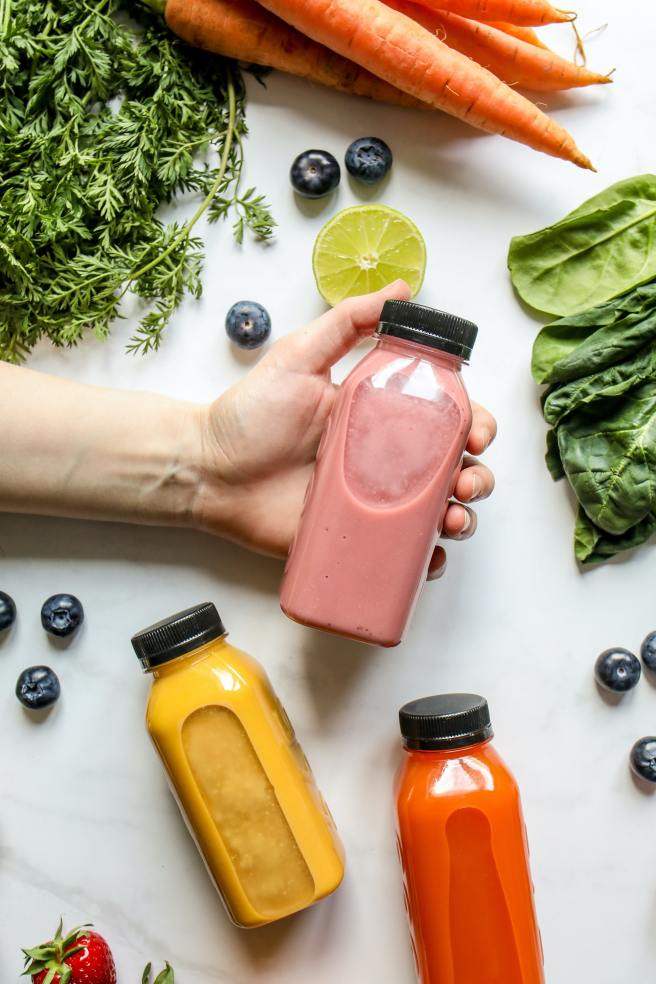
  • Smoothie with frozen fruit and milk (tasty, fun and easy to make homemade).

Getting in those Leafy Greens

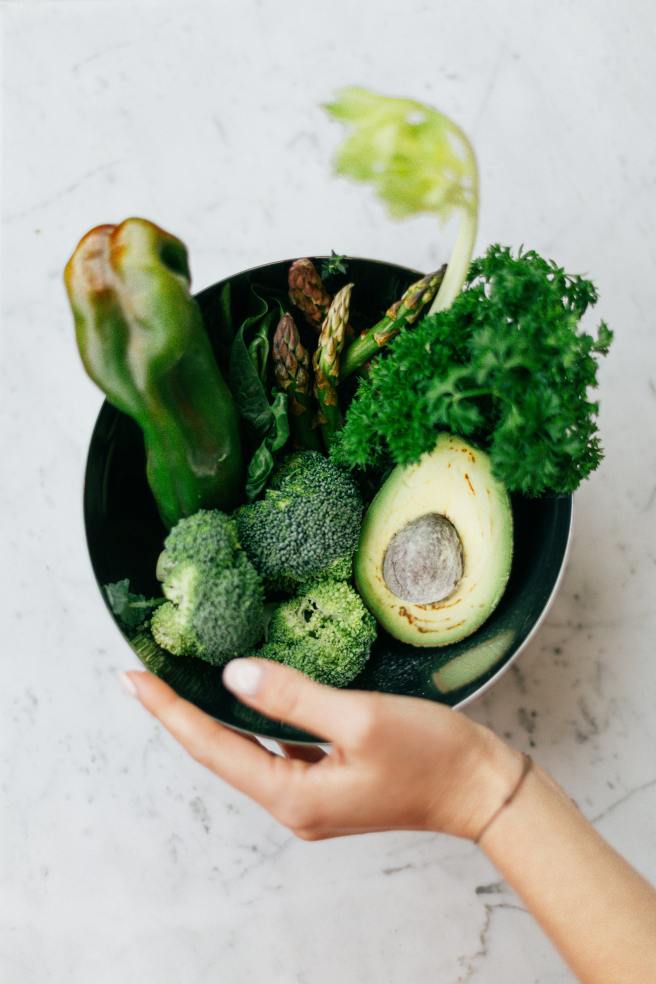
Leafy greens like spinach, kale, broccoli, and broccolini provide fluoride, vitamins and minerals to strengthen tooth enamel and increase saliva production. Talk about a super food!

Suggestions –

  • Cooking together makes everything taste extra yummy!
  • Add fresh or sauteed spinach, kale, broccoli, broccolini, or bok choy to your favorite Mac and Cheese
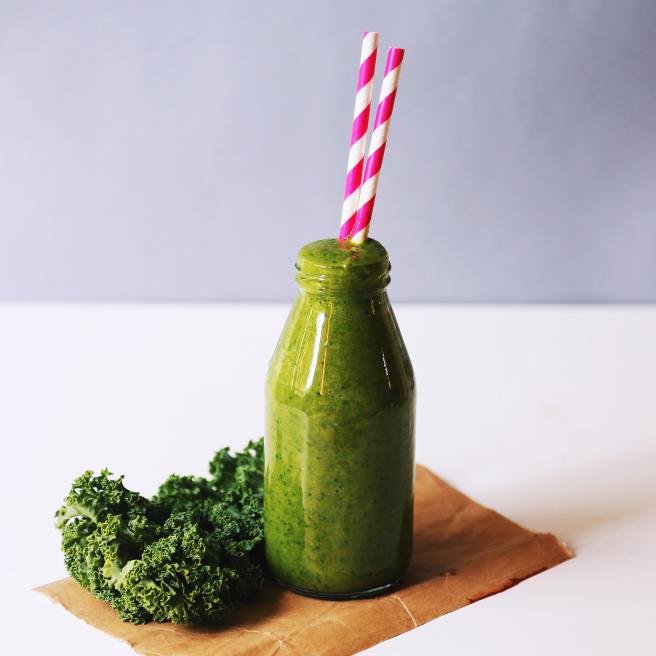
  • Green smoothies are GREAT! Add spinach, kale, or avocado to your favorite fruit smoothie.

Seeds and Nuts

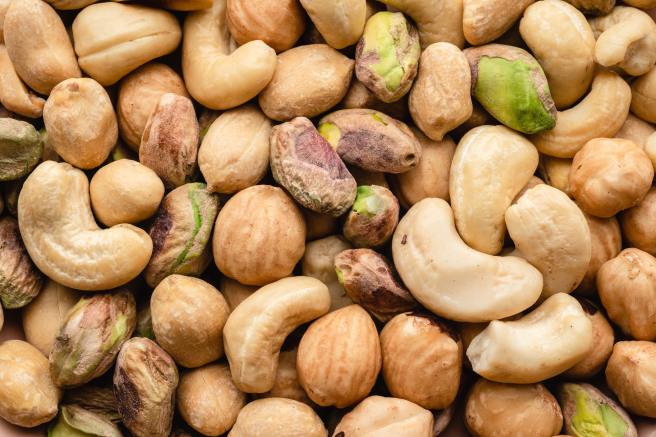
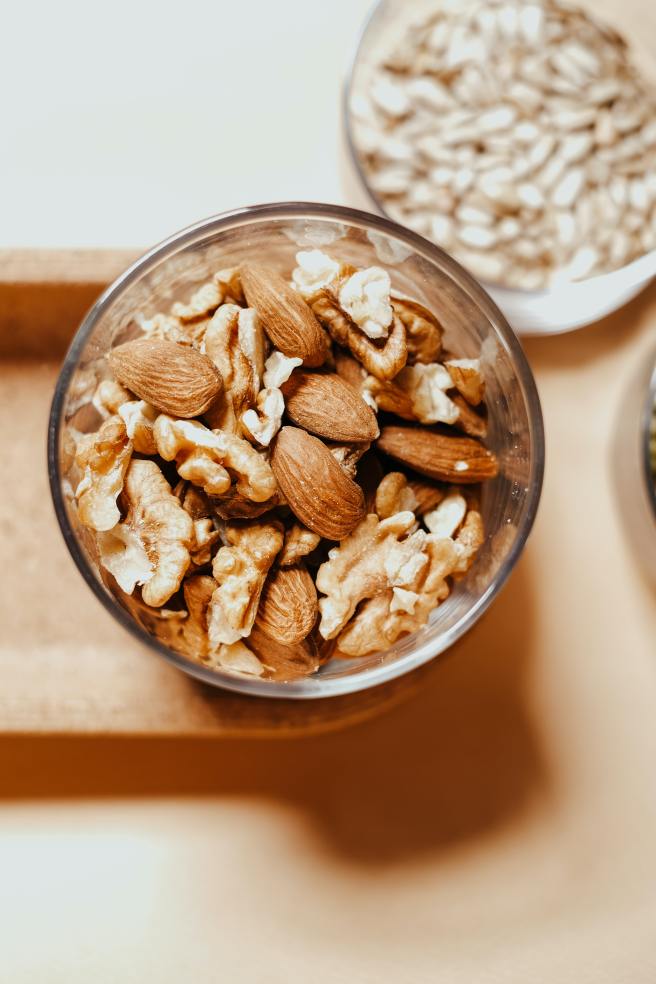
Almonds, cashews, walnuts, sunflower seeds, and pumpkin seeds are great tasting, crunchy, and fun to eat. They are high in minerals, high in good fats, and low in sugar. Remember to pass on the added sugar and salt coated varieties.

Suggestions –

  • Nut Butters on their own are great for snacking, or scoop some into celery sticks,
  • Add a spoon of your favorite nut butter into your smoothie of the day,
  • Enjoy a palm full for a healthy and crunchy snack,
  • Add some to a your cheese and fruit plate,
  • Add some to your homemade trail mix (watch the amount of candies and dried fruits because of the added sugars and stickiness in teeth).

Staying Hydrated

Flavored milks, juice, soda, caffeinated drinks, and low calorie sweetened beverages can be big sources of added sugars in children’s diets and do not provide any nutritional value.

When you serve juice, serve it as a special treat. The American Academy of Pediatrics recommends no more than 4 ounces and have your child drink all of it with their meal. This way the sugar gets diluted with their healthy meal. A splash of juice and a lot of water go a long way to making up those 4 ounces.

Remember, plain milk and water are your go to beverages. Keep water easily on hand to stay refreshed.

Floss and Brush

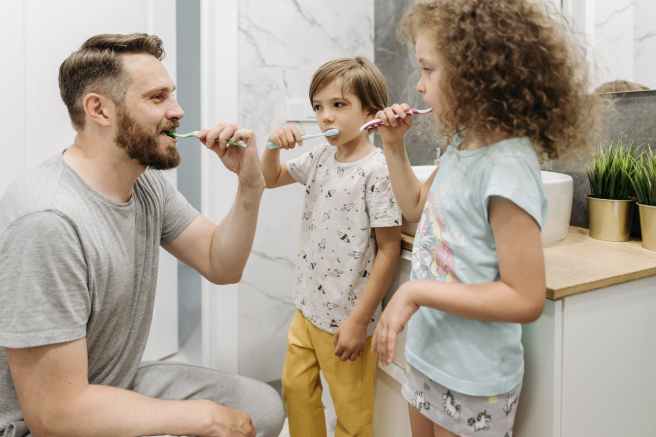
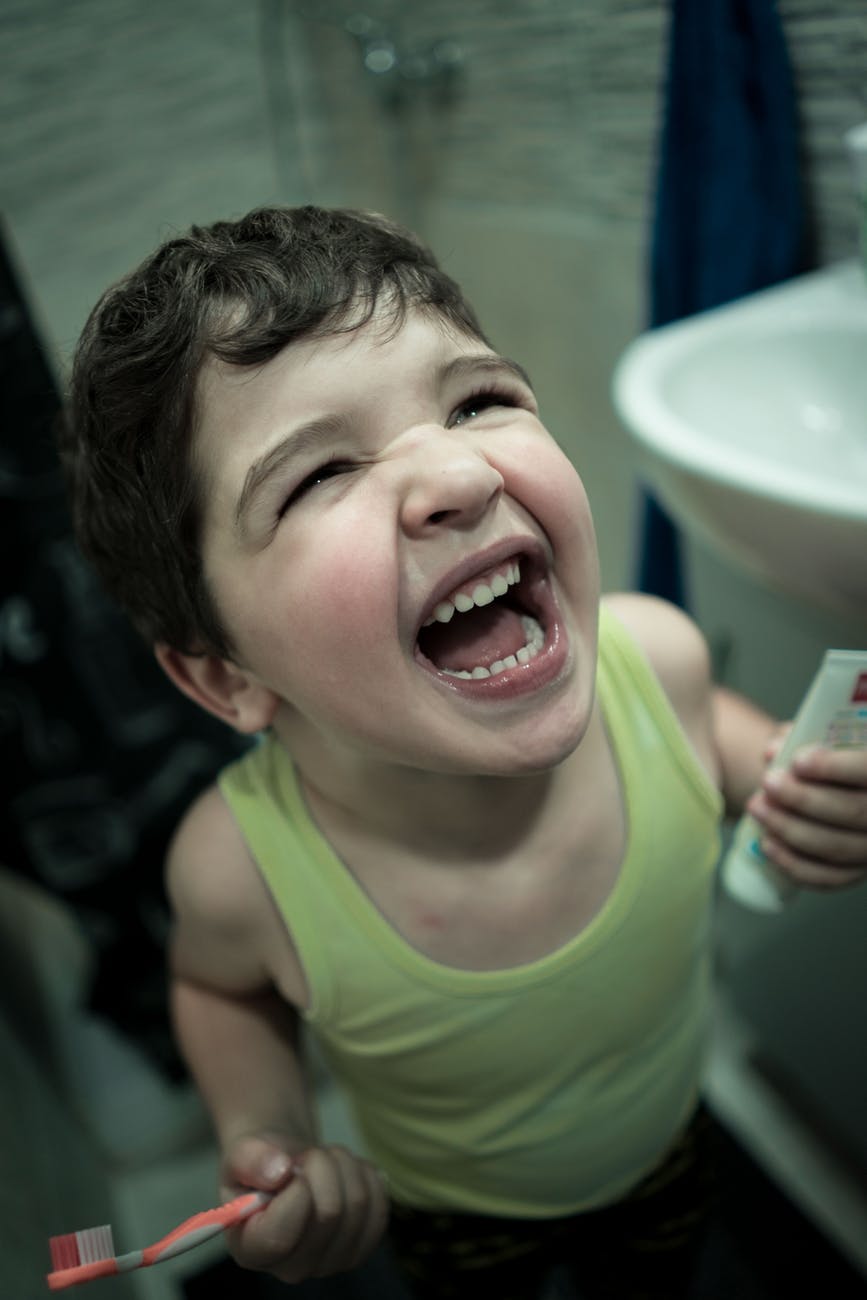
Brush twice a day with a soft tooth brush and fluoridated toothpaste. Brush for 2 Minutes after breakfast and before bed, and Floss before you brush their teeth every night.

Mom High 5 Yourself for a job Well Done

More tips? We have lots. We’re here just for kids!

4 Myths About Children’s Teeth

In The Know For You To Know

MYTH #1 Baby Teeth Are Not Important

Baby teeth are very important and for 4 reasons. First, they are needed for the growth of your Baby’s jaws, muscles and their face. Second, their teeth are also necessary for your Child to be able to chew their food, eat well and grow healthy and strong. Third, their teeth help them to speak — their tongue and cheeks engage the surfaces of their teeth to help them form the sounds they need to talk. Fourth, their Baby teeth provide the space for their permanent teeth to develop and to guide them into position.

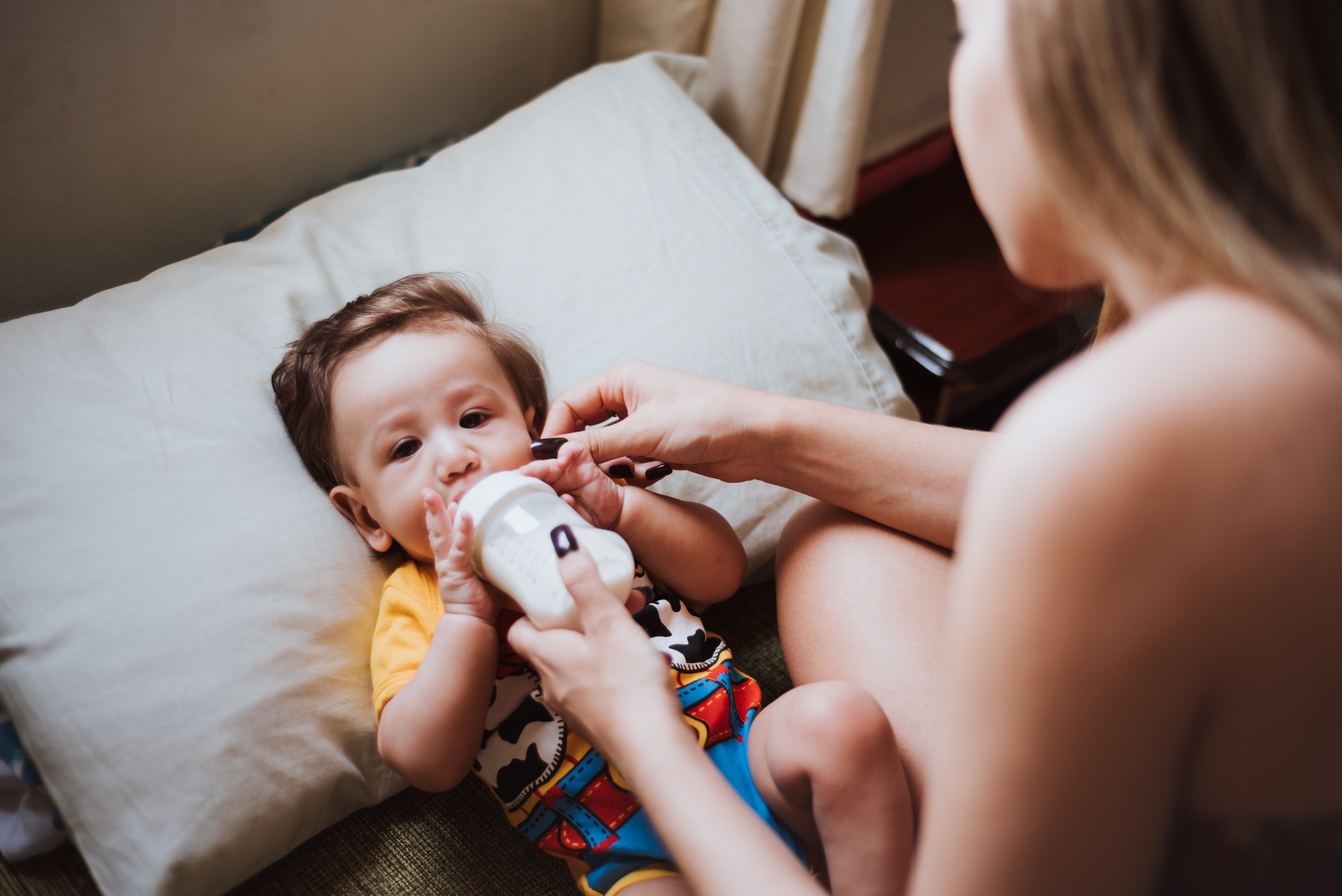
Myth #2 Putting Baby To Bed With A Bottle is NOT A Problem

Putting your Baby to sleep for a nap or at night with a bottle or after breast feeding can cause a serious type of cavities. This is because the sugar in the formula, milk, fruit juice, and other sweetened liquids sit on their teeth and eats away at the enamel. The time for cavities to show up can be as soon as 1 year after their teeth come into their mouth. You’ll most probably see the cavities on their top front teeth first.

What to do? Clean your Baby’s whole mouth and teeth with a wet washcloth after each feeding everyday, from their first to their last feeding of the day. It’s best for you to sit down on the bed or on the sofa where you have room and can comfortably and safely hold your Baby and you can look into their mouth easily.

If they will not go to sleep without a bottle, put water in the bottle. Water not working? Then dilute the sugary liquid with 50% water and keep increasing the amount of water until there is 100% water in the bottle by the end of 1 week.

MYTH #3 Cavities Aren’t A Big Deal For Children

Cavities in children are more prevalent than Asthma. And by a lot, children are 8x’s more likely to have cavities than Asthma.

That’s a lot of children — 20% of preschoolers, 50% of 2nd graders, 75% of 15 year olds.

MYTH #4 Letting Your Child Brush Without Your Help

It takes time for children to develop their motor skills. How old do you think they’ll be when they can wash and dry their own hair from start to finish on their own?

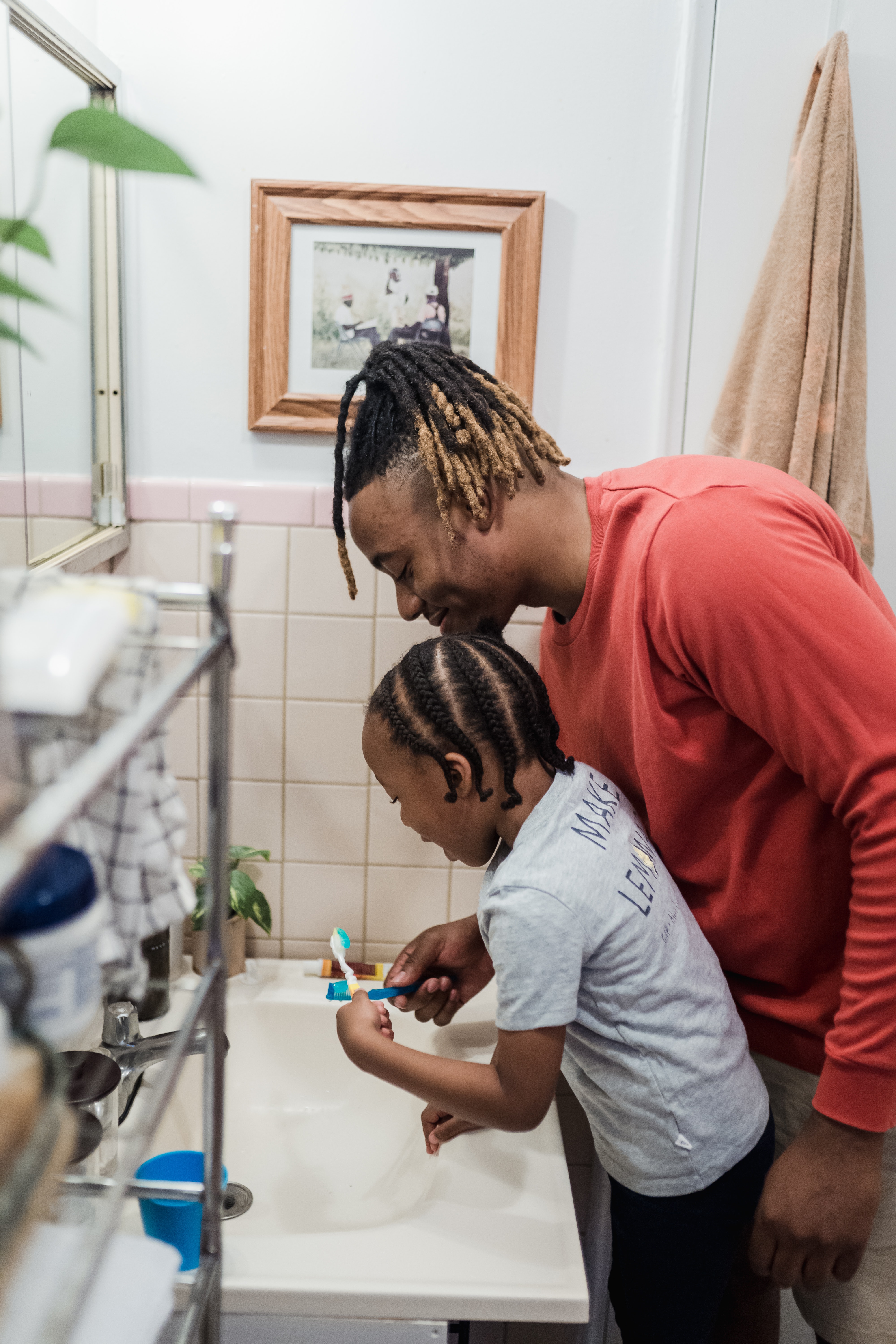
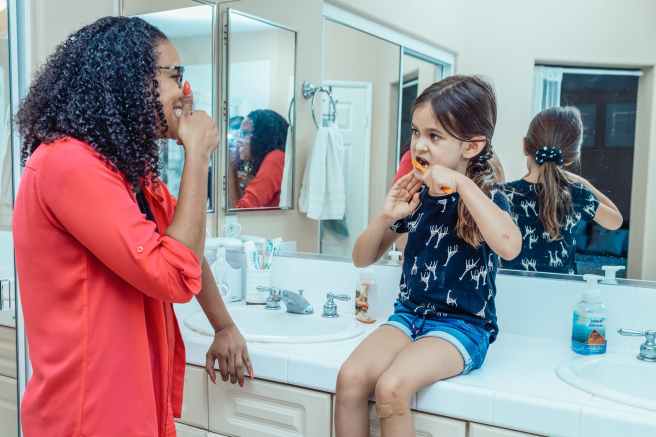
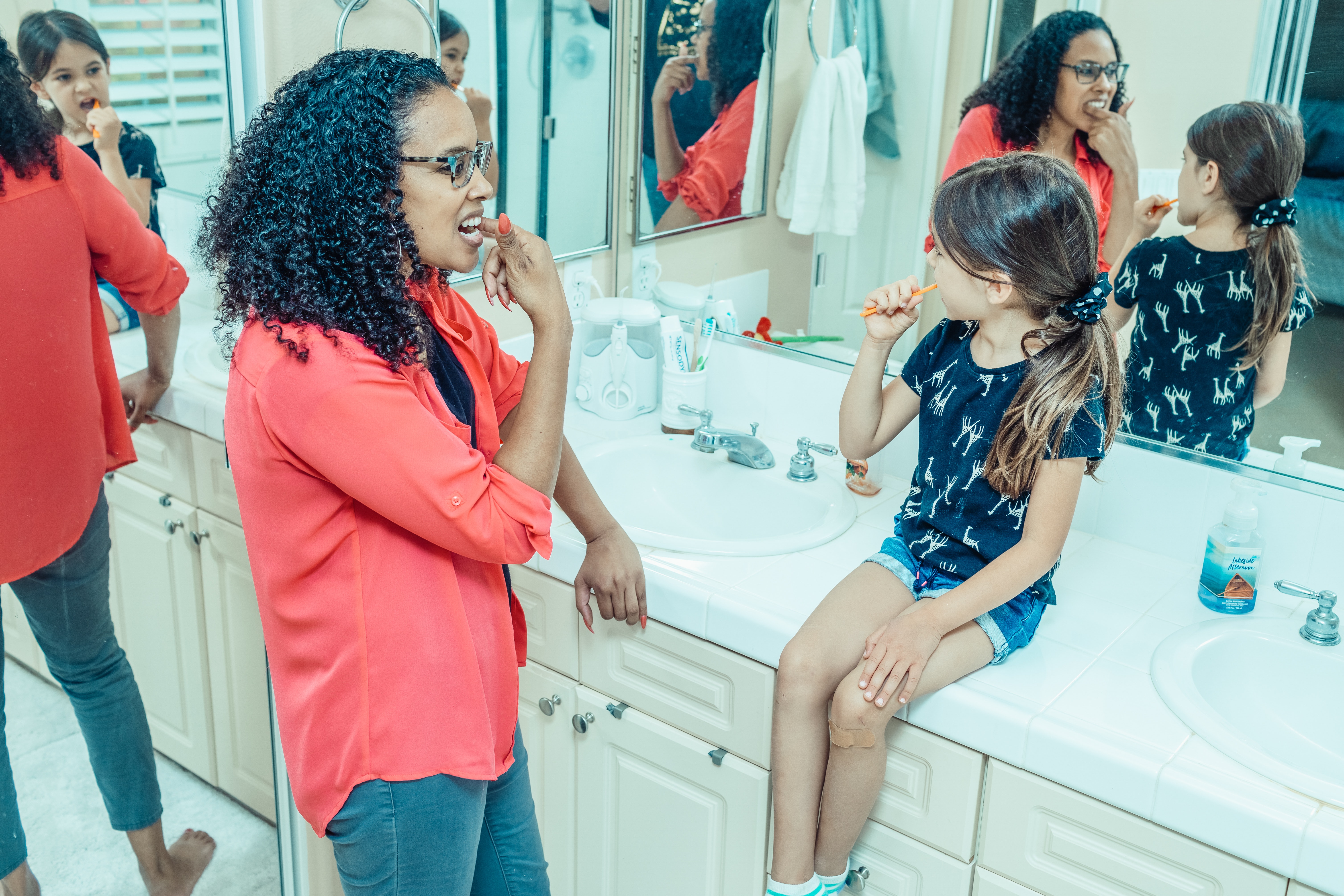
When they can do their hair themselves that’s about the time they can floss and brush on their own also. So you will be doing this for them. Not only that, once they do start flossing and brushing by themselves in front of the bathroom mirror, they’ll do a much better job with you in the bathroom with them.

Brushing is 2 Minutes 2 Times A Day and Flossing is at night before brushing. So it’s brushing in the morning for 2 Minutes after breakfast before leaving for school looking in the mirror, and at night looking in the bathroom mirror to floss first then brush for 2 Minutes, then nothing to eat or drink and straight to bed.

Don’t fall into these common confusions about your Child’s oral health. Now you can take charge and have the power to stop these urban legends before they begin.

What is your power?

More tips? We have lots. We’re here just for kids!