As a Mom and a Pediatric Dentist, February is one of the nicest times, when I have heart felt conversations about the importance of children’s oral health.
Talking with you as one parent to another, and giving you these nuggets of powerful information helps you realize how important it’s to start your children early for a lifetime of good oral health.
Truth be told, keeping your child’s teeth healthy isn’t only a 1 month job. It’s something parents and caregivers work on each and every day.
Today I’m shining the light on the importance of starting oral health care early in your child’s life.
Why It Matters
Early oral care and daily habits matter from the very start.
Tooth decay is the most common preventable chronic disease in children. When left untreated, it can cause infection, trouble eating or sleeping, missed school days, and long term health issues.
Schedule your child’s first pediatric dental appointment by their 1st birthday or within 6 months of their first tooth erupting into their mouth.
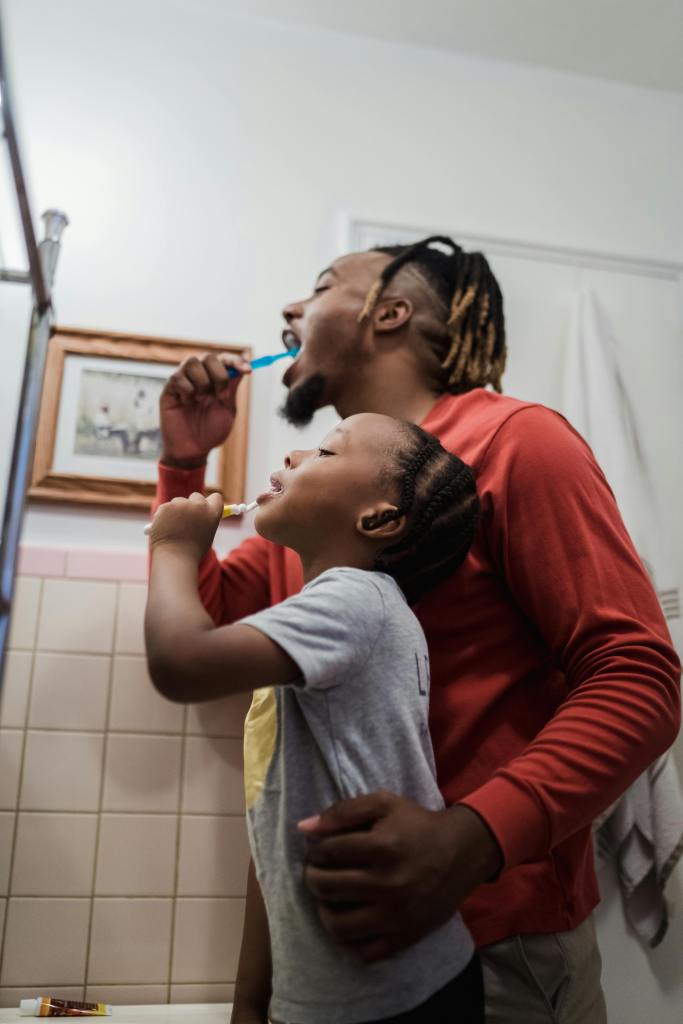
Daily routines and at home habits are important to start at a young age. Clean gums before teeth come in with a soft cloth. Transition to a soft toothbrush when their first tooth appears. Use a rice grain size of fluoridated toothpaste to help prevent cavities.
Your child’s diet impacts their teeth more than you realize. It’s important to avoid putting your child to bed with a bottle. If that’s the only way they’ll go to sleep only put water in their bottle.
What To Remember
Healthy teeth play a big role in your child’s health and well being. Three simple habits make all the difference:
First dental visit by their 1st birthday or within 6 months of their first tooth coming into their mouth.
No teeth, use a soft cloth to wipe their gums and transition to a soft toothbrush with fluoridated toothpaste when their first tooth comes into their mouth.
Diet impacts your child’s teeth more than you realize.
While February is a great reminder of how we need to focus on our children’s teeth, children’s oral health matters every month. By starting good oral healthcare habits at an early age you can help prevent problems as they grow.
How old was your child when they had their first dental appointment? How old was your child when you started to brush their teeth? Did they go to bed with a bottle? Tell Us, We’d really like to know! Send us an email at kidstoothhotline@proton.me Like Us on Facebook
More tips? We have lots. We’re here just for kids!
All your child’s friends mothers have been talking about loosing baby teeth. Now your child is telling you their tooth is loose.
You’re thinking, okay it’s a baby tooth. Baby teeth usually fall out on their own. But it’s dragging on for days and the tooth is holding on by a thread.
They’re complaining that their tooth moving feels funny and gums hurt when they eat. So they won’t eat or let you brush.
What do you do?
Today we’re looking at how you can have the confidence to safely wiggle (aka pull) your child’s loose baby tooth at home.
So Much To Know For My Mom To Wiggle Out My Teeth
Is It Safe To Pull Out A Loose Baby Tooth At Home?
Between the ages of 5 1/2 years old and 14 years old children typically lose their baby teeth.
It’s usually safe to pull your child’s baby tooth at home if they have a very loose tooth and they’re in the age range to loose their baby teeth.
When Shouldn’t We Pull A Baby Tooth At Home?
5 signs it’s not a good idea for you to pull your child’s baby tooth ~
The tooth is barely loose,
Your child’s tooth is loose due to a trauma or accident,
The tooth has a cavity,
Your child is younger than 5 years old,
Your child has medical concerns with bleeding or their blood clotting.
Tips On How To Safely Pull Out A Baby Tooth
Forget the old wive’s tales about putting string around the tooth and then tying the string to a door and shutting the door or pulling on the tooth. They don’t work. They’re scary and cause harm the baby tooth, the gums and the adult tooth.
Wash your hands first. Do not use your bare fingers to pull out the tooth, even if they are clean. Use clean tissues, clean paper towels or clean gauze.
With clean hands place the clean tissue over the tooth. Gently grasp the tooth between your fingers and twist. Very loose teeth come out with little to almost no effort. If the tooth doesn’t come out on the first try, it’s not ready to come out.
Take care of the gums afterwards. You may see some mild bleeding coming from the gums after pulling the tooth. Using fresh clean tissues hold gentle pressure on the gums until any bleeding stops. The gums may be sensitive afterwards. Soft foods to eat, no poking the area, and you helping your child floss and brush their teeth are some ways to avoid irritation.
What To Remember
When you notice your child has a baby tooth loose, you may wonder if it’s safe to pull the tooth yourself. Pulling a baby tooth at home can be done safely. Following these steps helps insure this is a safe, fun and happy experience for your family.
Have you ever thought about pulling your child’s baby tooth? Did you pull out your child’s baby tooth? How did it go? What was it like for you and your child? Tell us, We’d really like to know! Email us at kidstoothhotline@protonmail.com, Like Us on Facebook
More tips? We have lots. We’re here just for kids!
This week we’re continuing our discussion about the importance of tweens and teens maintaining good oral health habits.
As they strive for more independence their good habits may fall to the side; as they’re finding out being a teen can be awesome and tough at the same time.
If you’re at a loss as to how to talk with your tween or teen, we’ve put together some tips on how they can maintain excellent dental health.
Brushing Teeth
Brushing teeth is important for keeping teeth healthy and preventing tooth decay. Unfortunately teenagers don’t always brush their teeth, and there could be several reasons for this.
For example, your child might not understand the importance of brushing their teeth and gums, they might forget to do it, or they may not want to because none of their friends are brushing.
How To Tell If Your Teen Isn’t Brushing Their Teeth
There are a few ways for you to know if your tween or teen isn’t keeping up with tooth brushing ~
Their toothbrush doesn’t look like it’s been used.
The tube of toothpaste is lasting a very long time.
Their teeth don’t look clean.
They may have bad breath (aka halitosis).
They have red, swollen, bleeding gums.
Toothbrushing Basics
These are some basic steps in case your tween or teen needs some gentle reminding for brushing their teeth.
Use a pea-sized amount of fluoride toothpaste on their toothbrush.
Place the toothbrush at a 45° angle towards the gum-line. If you’re using a manual toothbrush, move the brush in gentle circles. If you’re using an electric toothbrush, move the brush gently across the teeth.
Start with the top teeth. Brush the outside surface of the top teeth and along the gum-line, one tooth at a time. Then brush the inside surface of the teeth and gums, one tooth at a time.
Move to the bottom teeth and repeat as in the step above.
Brush along the chewing surfaces of all the teeth.
Gently brush the tongue.
Toothbrush for 2 minutes. Remember to brush for 2 minutes every morning (after breakfast) and for 2 minutes every night (before bed).
Spit out the toothpaste after brushing is finished. There’s no need to rinse with water. Any leftover fluoride toothpaste helps to build strong, healthy teeth.
Now that their teeth are nice and clean it’s best not to have anything more to eat or drink. If they do then they have to brush all over again.
As well as brushing, your child should use dental floss to clean between their teeth every evening before brushing.
Does My Teen Really Need To Floss?
Yes. Brushing is important but it won’t remove the particles of food between their teeth and around their gum-line. You need to floss these spaces at least once a day.
With any floss, you should be careful to avoid hurting your gums. You and your teen can follow these basic steps ~
Carefully insert the floss between two teeth, using a back and forth motion. Gently bring the floss under the gum-line, but don’t force it under the gums.
Curve the floss around the side of your tooth in the shape of the letter “C” and slide it up and down the side of each tooth.
Repeat this process between all your teeth.
Choosing The Correct Toothbrush
When you and your teen are choosing a toothbrush, it’s important to look for a brush which has ~
Soft bristles- these aren’t rough and won’t damage your child’s gums or tooth enamel.
A long handle – this will help your child reach all their teeth.
A small head – this will make it easy for your child to move the toothbrush one tooth at a time around their mouth.
Electric Or Manual Toothbrush?
Electric and manual toothbrushes are equally good, as long as you use them properly to clean all the surfaces of all your child’s teeth. Electric toothbrushes can be useful if you feel your child needs more control in positioning the brush.
What To Remember
Dental decay is one of the most common chronic diseases in young people. This makes it imperative for your child to continue to follow good oral health habits during their teen years.
Do you prefer a manual toothbrush or electric brush for your teenager? How’s their toothbrushing going? How many times a week does your teen floss? What works best for you when it comes to their toothbrushing routine? Tell us, We’d really like to know! Send us an email at kidstoothhotline@proton.me Like Us on Facebook
Showing Off My Beautiful SmileSmiling My Best SmileWe Brushed My Teeth So Now I Can Show Them OffKeeping My Teeth Healthy By FlossingLoving My College Smile
More tips? We have lots. We’re here just for kids!
As a Mom I understand how down right frustrating it is to find answers to our questions.
As a pediatric dentist I get it. You want to learn more to take the best care you can of your children.
This is why I put together the most asked pediatric dental questions we have received along with their answers.
Browse through these FAQ’s to learn more about pediatric dental care.
What is baby bottle tooth decay and how did my child get it? Baby bottle tooth decay is a type of very rapid decay associated with prolonged nursing and/or bottle feeding. This happens when a child goes to sleep while breast feeding and/or bottle feeding. During sleep time and nap time, the milk or juice sits on the teeth because the saliva flow in the mouth is decreased. It’s best not to nurse children to sleep, and to avoid putting them to sleep with a bottle.
What causes tooth decay? There are 4 things necessary for cavities to form ~ teeth, bacteria, carbohydrates or starches or sugar and time. Dental plaque is the thin, sticky, colorless deposits of bacteria that constantly forms on everyone’s teeth everyday. When you eat, the sugars in food cause the bacteria in plaque to produce acids which attack the tooth enamel. Over time and with repeated acid attacks, the enamel breaks down and a cavity forms. This is why it’s important to brush your child’s teeth twice a day and to floss every night.
If my child gets a cavity in their baby tooth, why should it be filled? Baby teeth or “primary” teeth are important for several reasons ~ these teeth help children speak clearly and chew naturally, they also aid in forming the path that permanent teeth can follow when they are ready to erupt. Some baby teeth stay in a child’s mouth until they are 12-14 years old or longer. A cavity (aka tooth decay) is really an infection caused by bacteria. Left untreated, cavities will continue to grow larger and can potentially spread outside the tooth and cause serious infections. Pain, infection, impairment of general health and premature loss of teeth are just a few of the problems that can happen when baby teeth are not taken care of. This is why proper care of baby teeth is instrumental in your child’s health.
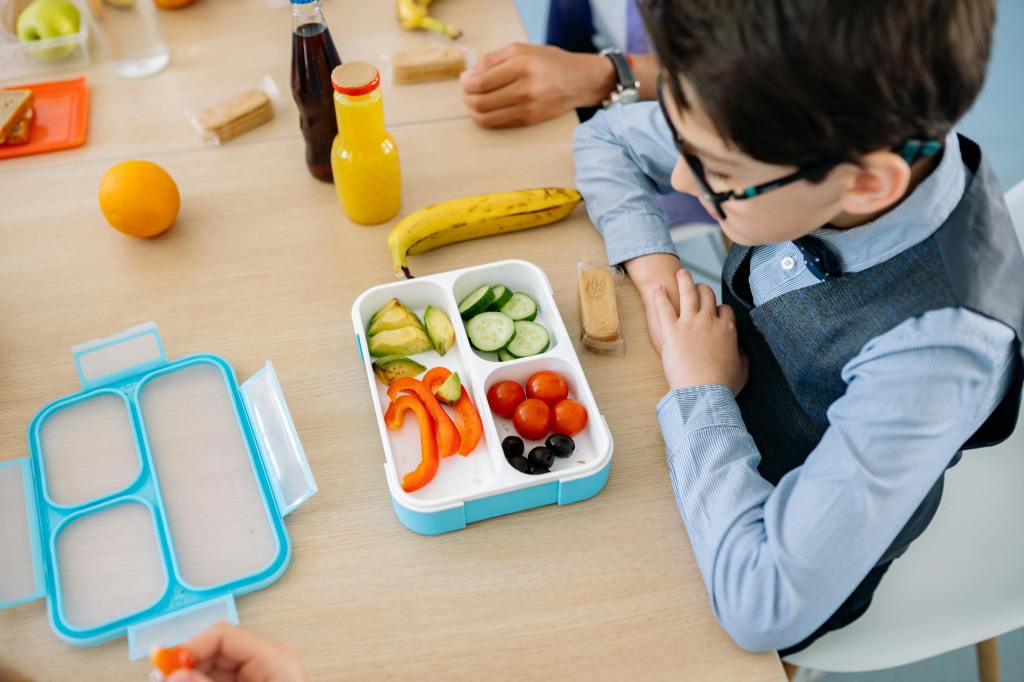
How can I make my child’s diet safe for their teeth and appealing for them to want to eat? A balanced diet good for your child’s general health, growth and development doesn’t have to be boring. Make this fun and be creative. If your child is old enough include them. Keep this in mind when serving fresh fruits and vegetables, breads and cereals, milk and dairy products, and meat, fish and eggs. Limit the servings of sugars and starches, including sugar containing drinks. When you allow these “special treats,” serve them with a meal instead of as a stand-alone snack.
Are pacifiers and thumbsucking harmful to children’s teeth? Thumbsucking, fingersucking and pacifier habits will generally only become a problem if they go on past the age of 3 years old. Most children stop these habits on their own. There are individual treatments that can be discussed if a child is still using a pacifier or sucking their thumbs or fingers past the age of 3.
Are dental sealants good for children’s teeth? Sealants help prevent cavities. The purpose of sealants is to cover the grooves and deep crevices on the surfaces of the back teeth (think molars) which are hard to clean, and keep out food that could get caught and cause cavities. You still need to brush and floss your child’s teeth everyday.
After Your Bottle Daddy And I Will Wipe Your Mouth And Then It’s Off To SleepNow Mommy Is Going To Brush Your TeethWater Is The Best Drink In My BottleChoosing My Fruit Is So Much FunLook What We Got At The Farm MarketOranges Are My FavoriteMy Mom Always Packs Me The Best LunchWe Get To Help Choose Our Fruits And Vegetables At The StoreOpen Wide And Brush TeethNo Cavities For My 2, After Bottle Feeding And Breast Feeding It’s Time To Clean Their Teeth And Mouth Before BedChecking My Sealants
Do you have any questions? Don’t be shy. I’m ready to provide you with informative and clear answers to your dental questions. Let me know. I’m more than happy to help you learn more for you to help your child. Email us at kidstoothhotline@proton.me Like Us on Facebook
More tips? We have lots. We’re here just for kids!
Babies grow so fast and experience so many growth milestones so quickly you don’t know where the time has gone.
With all these first experiences it’s easy to overlook teeth. When you look around you see your family and friend’s babies who are around the same age getting their first teeth.
You’re wondering when will my baby get their adorable toothy grin?
Like with all baby’s milestones teething is very individual and unique to them.
Today, we’re breaking down the basics on when babies get their teeth.
When Do Babies Start To Get Their Teeth?
There is no one set “normal” expected age for when teeth start to come into a baby’s mouth. It’s a really wide range of time. Some babies may be born with teeth and some may not get a tooth until they’re 1 year old.
However, most babies get their first tooth when they are between 4 and 9 months old.
Checking Our Baby’s TeethNew Teeth Are Here
Which Teeth Do Babies Get First?
The very first teeth which typically come into their mouth are the 2 bottom front teeth. These teeth are their bottom central incisors and typically come in between 4 and 6 months of age.
The next teeth to come in are the top front central incisors. These incisors come in between 6 months and 8 months of age.
What Are The Signs To Be Looking For The First Tooth Arrival?
As the teeth grow underneath they push up against the gums. This pushing causes pressure that is uncomfortable.
But as a parent how can you tell if your baby is teething?
These are some classic signs of teething ~
increased drooling – changing their bibs or pajama tops more often,
wanting to put things in their mouths – like their toys or biting on your finger
being more fussy or irritable than usual
trouble sleeping or not wanting to sleep
loss of appetite
sore swollen gums
putting their fingers in their mouth or pulling on their ear
My Fist Tastes So Good When I’m Teething
Is Fever Or Diarrhea A Sign Of Teething?
Teething doesn’t cause a baby to develop a fever, diarrhea, or a rash.
If your child refuses to eat, you’re not able to console them, they develop a fever of 100 degrees Fahrenheit or higher, develop diarrhea, or develop any type of rash, these can be signs of potentially serious medical issues and it is imperative to contact your pediatrician immediately.
What Do The Gums Look Like When A Baby Is Teething?
When babies are teething their gums often become swollen, red, appear to bulge from the tooth underneath.
As the tooth initially comes through the gums you will see the white tip of the tooth.
How Long Does Teething Last?
Babies begin to experience teething as the tooth grows up to the gums. Once the new tooth has come through the gums the teething pain begins to decrease over the next several days and is usually subsided within a week.
What To Use To Relieve Teething Pain
To help relieve the pressure the tooth exerts from under the gums, you can apply light pressure to the gums.
You can do this by~
gently rubbing your child’s gums with your clean finger in gentle circles
allowing your child to chew on a cool (not frozen) washcloth which you hold
allowing your child to chew on a solid non-fluid filled food grade silicone teething toy which you hold
What Is Not Recommended For Teething Pain
The FDA(Federal Drug Administration) strongly recommends to avoid, and in fact discourages to use ~
Homeopathic teething tablets
Fluid filled teething rings
Teething necklaces, bracelets or beads
Teething gels and creams containing benzocaine and/or lidocaine
Teething crackers, biscuits, or cookies
How Many Teeth Should A Baby Have When They’re 1 Year Old?
The number of teeth depends on the baby and family tooth history.
Most 1 year olds have between 2 and 6 teeth. Some can have 8 teeth, while other babies have none.
How Many Teeth Should A 3 Year Old Have?
This also depends on the child and family.
Most 3 year olds have all 20 of their 20 baby teeth. They have 10 teeth on the top and 10 teeth on the bottom.
From front to back they have their central incisors, lateral incisors, canines, first baby molars, and second baby molars; all adding up to 20 baby teeth.
My First Teeth Are Here
What To Remember
When your baby starts teething it can be difficult for both of you. Teething can be stressful. Knowing all you can about your baby’s teeth is essential, and helps both of you through the teething process.
While there is no “normal” expected age for when teeth start to come into a baby’s mouth, most babies get their first tooth when they’re between 4 and 9 months old. Some children may start getting their teeth as early as 3 months while others not until 1 year old.
For you as a parent it’s important to recognize the signs of teething and understand how to take care of your baby’s teething pain. This enables you to take care of your baby the best way you can as they start to get their teeth.
Showing Off My New Teeth
How old was your child when they got their first baby tooth? What was teething like for them? How many sleepless nights did you have? What do you wish you had known then? Tell us, We’d really like to know! Email us at kidstoothhotline@proton.me Like Us and Chat with us on Facebook
More tips? We have lots. We’re here just for kids!
My Dentist Wiggled 2 Teeth And I Was A Great Helper
Your day is going along as usual, then you get a call from your child’s school telling you to come pick them up.
When you get to school the nurse tells you that your child has been complaining their tooth hurts and there’s a pimple on their gums.
You remember the last time they had a pimple it went away. Now it’s back and you know the tooth needs to come out.
But you thought you had more time, because you’re both not ready.
Today we’re breaking down the basics on how to prepare both you and your child for a tooth extraction.
Why Do Children Need To Have Teeth Taken Out?
Children’s teeth may need to be taken out (aka extraction) for a few reasons.
Sometimes teeth develop an infection (aka abscess) when cavities grow bigger allowing bacteria to keep growing through the tooth.
In some cases a broken tooth can lead to an infection. When a tooth is broken bacteria spreads into and through the unprotected tooth layers to the nerve (aka pulp) of a tooth. The pulp becomes inflamed, starts to die, and an infection begins.
There are other times when there is an accident and a tooth is moved out of place, which disturbs or breaks the nerve and leads to an infection.
Sometimes teeth may need to be removed for Orthodontic reasons, such as to relieve excessive crowding.
There are sometimes when a baby tooth is taking its time in falling out and the adult tooth is growing into the mouth.
My Dentist Is Checking Out My Tooth That Hurts
Prepare Yourself
The first step is to prepare yourself. The more you know the better you can help your child.
Your child needing to have a tooth extracted is scary, for them and for you. So you’ll want to know as much as you can to make this as easy as possible for both of you.
So what do you ask?
First, find out why their tooth needs to be removed,
Second, ask what are the benefits of the procedure,
Third, ask about the procedure itself; what happens and how is it done,
Fourth, ask what your child will feel during the procedure,
Fifth, ask if you can be present during the procedure,
Sixth, ask how you can explain this to your child,
Seven, ask as a pediatric dentist how they explain this to your child,
Eight, ask how you take care of your child afterwards.
Preparing Your Child
You know your child best.
Maybe they do better when you bring things up in advance and they have time to think about it, get used to it and ask you questions.
Perhaps they’ll do better with you bringing this up as you’re going to the appointment with less time to stress.
Or maybe your child is somewhere in the middle.
Also, in addition to timing, the conversation is important.
Let your child ask their questions. Be honest that this is something they need to have done. Bring this up gently and use words that are easy and age appropriate for your child to understand.
I Did Great For My Tooth Wiggle
Staying Positive And How To Respond To Your Child’s Questions About Why Their Tooth Needs To Be Extracted
When talking with your child stay positive, upbeat, and be confident. They feel confident when they see you being positive, confident and upbeat.
Let them know the tooth fairy will be making a visit. Their tooth won’t be hurting any more and they can get back to their pleasant dreams. When their new adult tooth grows in, it will be happy and healthy. They’ll have their smile back again.
Your Child’s Treatment Day
The night before is not the time to worry. Everyone needs to have a good night’s sleep.
Depending on the time of your appointment maybe you can do something fun before hand, like go to the park or the mall.
Does your child have a comfort toy or blanket? You may want to bring them to the appointment for your child to hold. Or you may want to have them on you for afterwards.
Very important, lots of hugs and hi-fives from you.
Preparing For Your Child’s Recovery
Be sure to follow your pediatric dentist’s instructions about antibiotics and pain medication.
Soft, cold foods are a good idea to have on hand. Pudding, ices, ice cream are good for right afterwards.
Tips For An Uneventful Recovery
Eat only soft, cool, easy foods for the first 24 hours.
No rinsing, no spitting, no drinking through straws or sippy cups for the first 3 days.
No hot, spicy, or acidic foods for the first 24 hours.
No eating seeds, nuts, chips, popcorn, pretzels, dry crumbly, chewy foods for the first week,
The area will be numb from the local anesthetic. Watch your child does not bite or suck on their lip, cheek, or tongue.
Instead of a toothbrush, use a soft wet washcloth with toothpaste to clean your child’s mouth for the first 2 days.
Minimize swelling by applying a cold pack wrapped in a towel to the cheek for periods of 10 minutes on/10 minutes off at a time for the rest of the day after the extraction.
Keep fingers out of their mouth and keep their tongue away from the extraction site.
No soda.
No sports, bicycle riding, swimming for the first 2 days.
Follow all additional after treatment instructions given to you by your pediatric dentist.
If your child has any complaints, there’s bleeding from the site, your child starts to run a fever, or something doesn’t look right to you call your pediatric dentist.
What To Eat After A Tooth Extraction
Eat soft, cool, and easy foods that protect the newly healing extraction site like ~
Apple sauce,
Yogurt,
Mashed Bananas,
Mashed Avocado, Mashed veggies,
Mashed Potatoes,
Scrambled eggs,
Oatmeal, pastina,
Mac and Cheese, pasta,
Soup.
Taking It Easy After A Tooth Extraction
After the tooth has been removed, a blood clot forms in the site (aka tooth socket). The clot needs to take hold and become firm inside the socket. This blood clot plays an important part in the healing process.
A clot that doesn’t become firm will continue to bleed and disrupt the healing process. If this happens you need to go back and have the non-healing clot removed and start all over again. This is why the after care instructions are important.
Activities After A Tooth Extraction
Plan some fun activities your child will like for after their tooth extraction and those you know will help with their healing~
Choose a favorite book to read,
Watch a movie,
Go out for ice cream,
Visit Grandma or Auntie,
Crafts, painting, coloring,
Go to the mall,
Screen time,
Rest, maybe take a nap.
What To Remember
Having a tooth extracted can be an intimidating experience for both you and your child. This procedure can be made less frightening if you have a plan in place from the start.
My Tooth Was Sick So My Dentist Sent It To The Tooth Fairy Early
Has your child had a tooth extracted? Do you think you were prepared for their extraction? How did you prepare your child to have a tooth removed? Tell Us, We’d really like to know! Send us an email at kidstoothhotline@proton.me Chat with us and Like Us on Facebook
More tips? We have lots. We’re here just for kids!
You’re having a regular day and while talking with your child you notice their tongue looks strange.
As you look closer you ask them if anything is bothering them. Your child says no but you’re starring at their tongue.
When they stick out their tongue it looks like there’s a map stamped on their tongue. Now you’re thinking, what’s this?
Today, we’re breaking down the basics on a tongue appearance variation called geographic tongue.
What Is Geographic Tongue?
Geographic tongue goes by a few other very technical and official sounding names like benign migratory glossitis and erythema migrans.
Our tongues are not smooth. Feel your own tongue. They are bumpy, and these bumps are due to our tastebuds. We have 3 different types of tastebuds that cover all the surfaces of our tongue in different arrangements.
Depending on the set-up of certain tastebuds on the top and/or sides of the tongue you will see different patterns.
These patterns are called geographic tongue, and make the tongue look like a map.
How Many Tastebuds Do We Have?
On average 10,000 tastebuds. That’s a lot of tastebuds! and children can have more.
What Does Geographic Tongue Look Like?
Geographic tongue can be seen on the top and/or on the sides of the tongue. This appears as smooth tongue colored (or reddish looking) areas surrounded by a white (or off white) border.
Does Geographic Tongue Always Look The Same?
It doesn’t. The pattern on the tongue is random. How and when the appearance changes is based on the tastebuds.
How Long Does Geographic Tongue Last?
Geographic tongue can last a few days to weeks to months. It can last years without changing. These patterns don’t cause tongue scarring.
I Like To Show Off My TongueMy Roadmap Tongue Doesn’t Look Like A Roadmap Anymore
What Causes Geographic Tongue?
While there is no known exact cause for geographic tongue, it is known to run in families.
Is Geographic Tongue Painful?
No. Geographic tongue generally doesn’t cause any pain or discomfort.
How Do You Treat Geographic Tongue?
Since there is no pain or discomfort there is no recommended treatment.
I Have My Daddy’s TongueMy Tongue Doesn’t Look Like A Map Anymore
How Did My Child Get Geographic Tongue?
Anyone can develop geographic tongue, from babies to toddlers to school age children to adolescents to adults; and it can also run in families.
A Pediatric Dentist’s Experience With Geographic Tongue
I recently had a new family join my practice family. This was their first visit to my office. While the parents and I were going over their children’s medical, dental and family histories, Dad said “I dare you to find what’s unique about my child’s mouth.”
After ensuring there wasn’t anything of concern or urgent, the Dad said “tell me what you see.”
Well, can you guess what I saw? Yes, you guessed it! One of the children has geographic tongue.
Then before I could ask, Mom asked if I had any questions. Sure I had questions, and the first one I asked was “Did Mom or did Dad have geographic tongue?”
Can you guess which parent has geographic tongue? It’s Mom, Mom has geographic tongue, and so does Mom’s Mom.
What To Remember
As a parent, it can be surprising to see unusual patterns on your child’s tongue. However, it’s important to know that while geographic tongue may look different it is not serious or contagious, and does not pose any health risks. In most cases, no treatment is necessary.
Taking A Selfie To Show Off My Special Tongue
Have you seen geographic tongue? Have you been told your child has geographic tongue? Does geographic tongue run in your family? Tell us, We’d really like to know! Send us an email at kidstoothhotline@kidstoothhotline Chat with Us and Like Us on Facebook
More Tips? We have lots. We’re here just for kids!
Children grow in so many amazing ways from infancy to childhood. There are so many milestones along the way, including those for their teeth.
The same way you eagerly awaited your baby getting their first baby tooth, you will experience again with your preschooler or early school age child with their first set of permanent teeth.
You were probably hoping that teething was in the past. The teething you remember from your child’s baby days usually starts again around the time they’re between 4 to 7 years old with their first set of adult molars. This set of permanent molars are called “6 year molars.”
Today we’re breaking down the basics on your child’s next phase of oral health milestones, their 6 year molars.
Tooth Basics – What Is A Molar Tooth
Molars are teeth which are located all the way in the back of the mouth. They have flat surfaces with nooks and crannies which help us to chew our food.
In addition to being important for chewing, molars help determine the shape of the face and the position of other teeth in the mouth.
What Are 6 Year Molars?
6 year molars (aka “first molars”) are the first set of permanent teeth which come into a child’s mouth and do not replace any baby teeth.
You will see these adult molars coming into your child’s mouth all the way in the back in the empty space behind their last baby molar.
So when your child has all 4 of their 6 year molars they will no longer only have 20 baby teeth, they will have 24 teeth.
Does My Child Have To Be 6 Years Old To Get Their 6 Year Molars?
Your child does not have to be 6 years old to get their 6 year molars.
Depending on family tooth patterns, how early a child got their first baby tooth, and a child’s individuality, a child as young as 4 years old can start to have their 6 year molars come into their mouth.
These teeth are called 6 year molars since on average a child can be expected to have their first set of permanent molars come into their mouth around the age of 6 or 7 years old.
6 year molars can either be the first permanent teeth to come into a child’s mouth, they can come in at the same time the front baby tooth is lost, after the front baby tooth is lost, or after several baby teeth are lost.
I’m 5 And I Have 6 Year MolarsI’m 4 And I’m Getting My 6 Year MolarsSee I Have My 6 Year MolarsI Love To Laugh And Show Off My New 6 Year MolarsAre Your 6 Year Molars Coming In Like Mine?My New Life, My Older Girl Has 24 Teeth and My Baby Has 4 TeethMommy’s So Happy Your Big Boy 6 Year Molars Came InOpen Wide And See My 6 Year MolarsWe’re So Happy My 6 Year Molars Are Coming In, My Brother’s Getting His Baby Tooth, And To Be On VacationI’m So Happy My 6 Year Molars Are Coming InMy Cousin And I Like Playing Together, Having Ice Cream Together, And Getting Our 6 Year Molars Together
What Does It Mean When The Dentist Says My Child’s Tooth Is Erupting?
Eruption is when a tooth comes into the mouth and is visible.
Tooth development is a complex process which takes place in specific sites within the upper and lower jaws over the course of several years.
As a tooth grows and when it has reached a specific stage in its growth, it begins to move towards the top surface of the jaws so that it can ultimately make its way into the mouth.
What Does Teething Feel Like For 6 Year Molars?
As a tooth makes it way toward the tops of the jaws it is common to feel pressure. This pressure, known as teething is sporadic, intermittent, and can be uncomfortable.
When lower molars are coming in, it is common to feel pain in the ears. This is why some children will pull on their ears or put their fingers into their ears.
When the upper molars are coming in, it is common to feel like they have a headache. This is why some children will rub their foreheads or the tops of their heads.
Over the counter teething gels and liquids, in addition to teething beads (necklaces, bracelets) are not recommended as they cause more harm.
If your child’s pain is severe, the pain doesn’t ease, it looks like there is an infection, your child isn’t eating, has a fever, and/or something doesn’t look or seem right to you, don’t wait, call your pediatrician or pediatric dentist for your child to be seen in their office.
How Long Is Teething For 6 Year Molars?
Children experience pressure pain from teething as their new molars begin to move toward the tops of their jaws in preparation to erupt into their mouths.
Generally this lasts about 7 to 10 days (per tooth) as the new tooth pushes through their gums. The teething pain stops once the tooth has come through the gums.
How Do I Comfort My Child When They’re Teething With 6 Year Molars?
These are some tips to help your child (and you) feel more comfortable while they’re teething ~
Soft, easy to chew foods like mashed potatoes, macaroni and cheese, pastina, scrambled eggs;
Cool and cold drinks and special treats like smoothies, water, popsicles, ice cream;
Cool and cold (never frozen) compresses with you holding the washcloth to gently massage the gums around the new tooth;
If your child can take over the counter Ibuprofen and/or Acetaminophen follow your pediatrician’s or pediatric dentist’s instructions for their correct dose to help ease the pain;
Keep the area clean as food can get trapped between the tooth and the overlying gums which causes additional irritation and swelling;
Keep their mouth clean with flossing and brushing. If they won’t let you use a toothbrush then place the same amount of toothpaste that you use on their toothbrush on a cool, wet, soft washcloth and use the cloth to clean their mouth.
If it’s not getting better, may be getting worse, it looks like there is an infection, your child isn’t eating, has a fever, and/or something doesn’t look right to you, don’t wait, call your pediatrician or pediatric dentist for your child to be seen in their office.
What To Remember
Children grow up so fast, there are so many milestones that take place in such a small amount of time.
You go from holding your new born baby in your arms to their first baby tooth to walking to preschool to their first adult tooth, all in the blink of an eye.
While 6 year molars are likely the first adult teeth to erupt into your child’s mouth, they are important for chewing, and to help determine the shape of their face and the position and health of their other permanent teeth to follow.
A child’s 6 year molar making its way into their mouth is an exciting milestone for family’s and the time to teach and practice good dental habits that will last a lifetime.
My Sister And I Are Both Getting Our 6 Year Molars2 Of My 6 Year Molars Are In And 2 More Coming In6 Year Molars Coming In
Are your child’s 6 year molars coming in now? How is it going? Is your child older?, What age was your child when they got their 6 year molars? What remedy did you use to make them comfortable during teething? Tell us, We’d really like to know! Send us an email at kidstoothhotline@proton.me Chat with us and Like Us on Facebook
More tips? We have lots. We’re here just for kids!
Children’s oral health (aka dental health) is essential for their overall health and well-being. As a parent, you understand that preventing dental issues are important.
You also know that this is not so simple to do when your child has Autism Spectrum Disorder (ASD), since establishing and following a daily brushing and flossing routine can be quite challenging.
For some children this may be due to sensory sensitivities, for some it’s due to taste and texture sensitivities, and for some it’s tactile sensitivities which leads to everyone’s frustration.
Today we’re continuing to break down the basics on challenges and strategies for your at home flossing routine.
Strategies For Your At Home Flossing Routine
Almost everyone thinks you need to brush teeth first and then floss. Brush and floss, right?
It’s actually a good idea to floss first and then brush, so this way you brush away everything that was caught in-between the teeth.
Dental Floss Choices To Help Get You Started
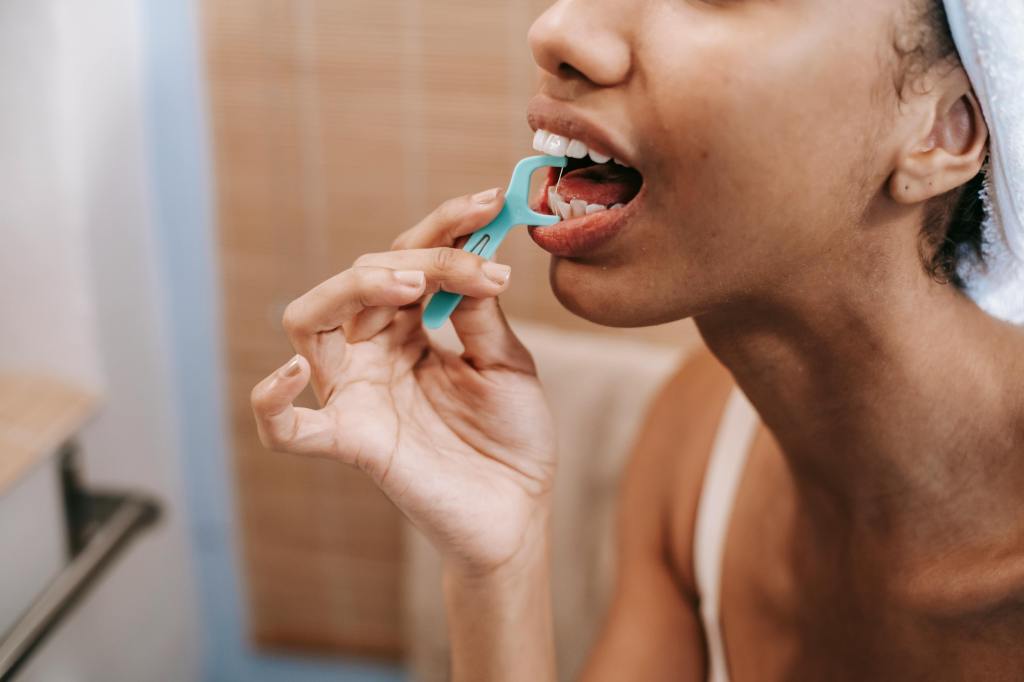
Hand held flossers in fun colors and fun shaped handles
String floss (aka regular floss) waxed or unwaxed
String floss in plain (no flavor) or fun flavors (like grape or bubblegum)
Flossing Steps
Start by showing your child the floss and have them touch the floss. You can touch the floss to the back of their hand and then slide it gently up and down along the side of one of their fingers.
You can then gently touch the floss to their lips. Ask them to open their mouth (as big as they can) and touch the floss up to one or two of their front teeth. Count together how long they can keep their mouth open.
Next Comes Flossing
Whether you’re using a hand held flosser or string floss always remember to gently slide the floss between your child’s tooth and their gums.
The gums between the teeth are triangle shaped and you want to gently slide the floss to the side of the gums next to the tooth, never straight up onto the gums.
If you decide to use a hand held flosser keep a tissue or two close by so you can clean off the floss as you go from tooth to tooth. You don’t want to transfer the stuff in-between teeth from one tooth to the next.
If you’re using string floss, here are 5 steps to help stream line your flossing technique—
Wrap about18 inches of floss around one of your middle fingers. Wind the remaining floss around the same finger of your opposite hand. This finger will take up the floss as you move along.
Hold the floss tightly between your thumbs and forefingers.
Guide the floss between your child’s tooth and gums using a gentle, rubbing motion.
When the floss reaches the gum line, curve it around the tooth into a C shape against the tooth. Always gently slide floss into the space between the gums and each tooth.
Hold the floss against the tooth away from the gums. Gently rub the side of the tooth with an up-and-down motion, following the shape of each tooth. Don’t forget the back of their last teeth.
What’s The Order To Floss Teeth?
Most of the time the order you’ll floss is the same as toothbrushing. Since you’re going slowly and introducing flossing, it may be helpful to try this tooth flossing order—
Top front teeth
Bottom front teeth
Top right back teeth
Top left back teeth
Bottom left back teeth
Bottom right back teeth
4 Important Tips To Remember
Always support your child’s head,
Always have good lighting so you can see inside their mouth as well as what you are doing,
Always be able to easily move the floss around their mouth, and
Always find the safest and most comfortable position for you and your child to floss and brush their teeth.
A Parent’s Experience Establishing A Daily Oral Hygiene Routine For Their Child With ASD
Remember the child we’ve been discussing the last couple of weeks? The child who took 4+ years to be able to become the ideal child and accept dental care.
This family’s schedule and calendar for their AM and PM routine included separate check boxes for AM brushing as well as for PM flossing and PM brushing.
Then after each part was completed they helped their child check off that box. If it was partially completed, that box got a partial check mark, and if it wasn’t going to happen they left that box blank.
At the end of the week they counted up the number of checked boxes, the number of partially check boxes, and the number of no checked boxes. Then they determined a prize for the checked boxes, and kept moving forward in a positive way.
What To Remember
Flossing is hard and can be a struggle, but it is important because it is the only real way to clean in-between teeth.
Introducing flossing and incorporating it into your child’s daily oral routine takes time and may take multiple revisions and repeats.
1 of the most important things to remember, praise and reward your child and yourself for a job well done!
I Am Autism
Stay Tuned — We’re looking forward to seeing you next week when we discuss tips for creating your own story.
Does your child have ASD? Have you attempted flossing? What are your at home care challenges? How is your routine going? What are your successes? What have you learned works for your child? Tell us, We’d really like to know! Send us an email at kidstoothhotline@proton.me Like Us or Chat with us on Facebook at facebook.com/kidstoothhotline
More tips? We have lots. We’re here just for kids!
As pediatric dentists we are always emphasizing good oral habits like brushing and flossing. You’ve heard it so often you can recite it in your sleep.
The reason we talk about this so much is because often times when a cavity forms it doesn’t stay small for very long. It grows and its continuing growth is what makes it concerning.
You see, a tooth is made up of several layers, actually 3 distinct layers. The 1st is the outside layer, the enamel which is the hardest layer. Once a cavity (aka decay) penetrates through the enamel it moves into the 2nd layer which is the dentin.
The dentin is the middle layer and is softer than enamel so the cavity readily moves through this part. Once the cavity expands past the dentin it invades into the 3rd layer which is the nerve (aka pulp) of the tooth.
The pulp is the deepest layer of the tooth and has the blood supply and nutrients that the tooth needs but the cavity bacteria thrive on and want.
When a cavity invades into the pulp it causes the pulp to become inflamed, which can lead to a toothache and sometimes an infection.
There is a specialized procedure that is done specifically for when the cavity has reached the pulp in order to save the tooth, and this is called a Pulpotomy.
Today we’re breaking down the basics on when your child’s cavity has gotten so deep that a Pulpotomy is indicated.
What Is A Pulpotomy?
A lot of pediatric dentists refer to a pulpotomy as a “baby root canal.” While a root canal for adult teeth is a much different procedure, the basic reason is the same.
In a pulpotomy the inflamed portion of the pulp is removed and a specific medicated solution is used to treat any remaining bacteria in the pulp area.
The overall purpose of a pulpotomy is to preserve your child’s dental health.
Why Does My Child Need A Pulpotomy?
As a parent recognizing the signs at home indicating the need for a pulpotomy for your child is crucial.
Symptoms and complaints of a severe or ongoing toothache, tooth sensitivity especially when eating, tooth discoloration, waking up in pain during the night, or difficulty chewing indicate you need to contact your pediatric dentist.
By addressing these issues early on, you can help prevent the spread of infection and preserve the overall health of your child’s teeth and gums.
In contrast, hoping these red flags will go away can lead to more serious sequela.
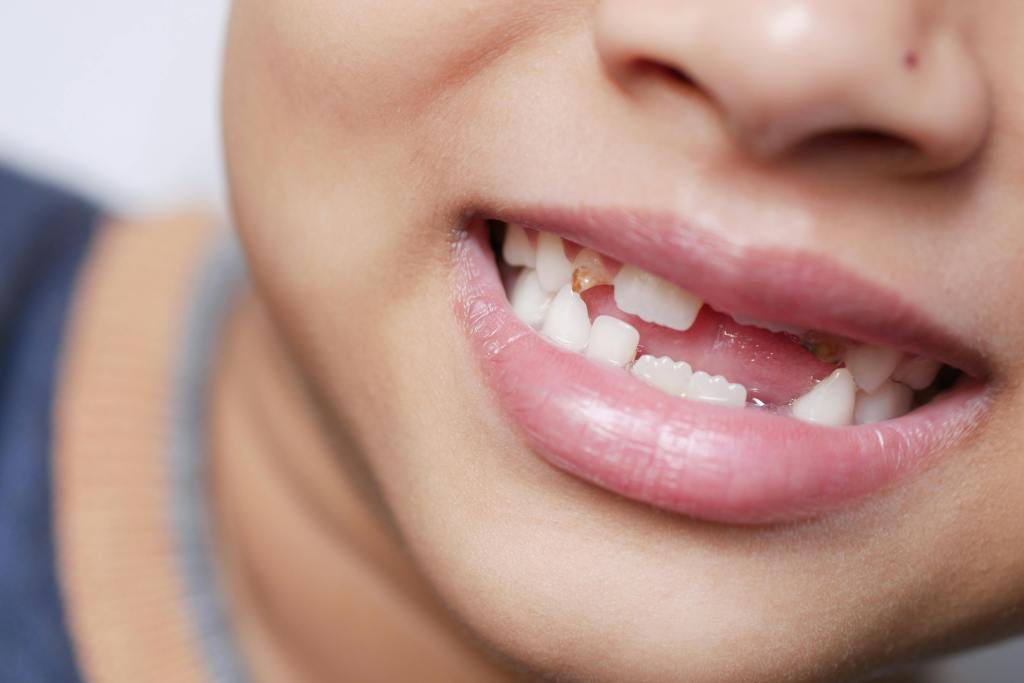
New Front Teeth With Cavities On Back Teeth
Why A Pulpotomy And Not A Regular Filling?
A pulpotomy is the treatment of choice for a tooth when the cavity is so deep that it has infiltrated into the pulp of the tooth.
Once the cavity has gotten to the point when it extends into the pulp it is quite large. Since the cavity is extremely large and deep a traditional filling doesn’t address the nerve involvement, and can make things worse.
How Is A Pulpotomy Performed?
A pulpotomy is typically performed by removing the inflamed tooth pulp, with local dental anesthesia (aka numbing the tooth).
Once the tooth is numb, the dentist carefully accesses the pulp chamber and removes the inflamed or infected pulp tissue. This aims to eliminate the source of the infection and prevent it from spreading further.
After the pulp is removed, a medicated solution and dressing is placed into the pulp chamber to promote healing and help prevent bacterial growth.
What Do You Need To Know For After A Pulpotomy?
After treatment, the pain of your child’s toothache will go away.
Once the numbness wears off, their tooth may feel a sore for a day or two, but not like the pain they had before the pulpotomy.
The best part is you and your child can get back to your normal routine.
What To Remember
There are 2 goals for why a pulpotomy is performed — The 1st is to take your child out of pain and preserve your child’s dental health, The 2nd is to restore their tooth’s function and maintain its structural integrity. Both are important for preserving your child’s tooth for the long term.
Has your child ever had a toothache? One that kept them up at night? and painful enough they didn’t want ice cream or candy? What did you do? Tell us, We’d really like to know! Send us an email at kidstoothhotline@proton.me Like Us or Chat with us at facebook.com/kidstoothhotline
More tips? We have lots. We’re here just for kids!



















































 kidstoothhotline