Happy Mother’s Day

In the Know for You to Know

To the most loved Mommies, wishing you a very HAPPY MOTHER’S DAY!

For all the diaper changes, meal times, putting up with temper tantrums, looking after and making every day so much fun, YOU really are AMAZING!

More tips? We have lots. We’re here just for kids!

Why Can’t I Brush The Yellow Off My Child’s Teeth

In the Know for You to Know

You love seeing your child’s beautiful pearly white teeth. The pure whiteness has you thinking to yourself those are the cutest teeth ever.

Then one day you notice not all their teeth are sparkling white, and in fact some look yellow. You’re thinking wait, when did that happen?

Well you’re in good company. The most common time as a parent you’ll ask about yellow teeth is when your child’s first adult teeth begin to appear.

Will All My Teeth Be Sparkly And Bright?

Baby Teeth Are White, Adult Teeth Are Not

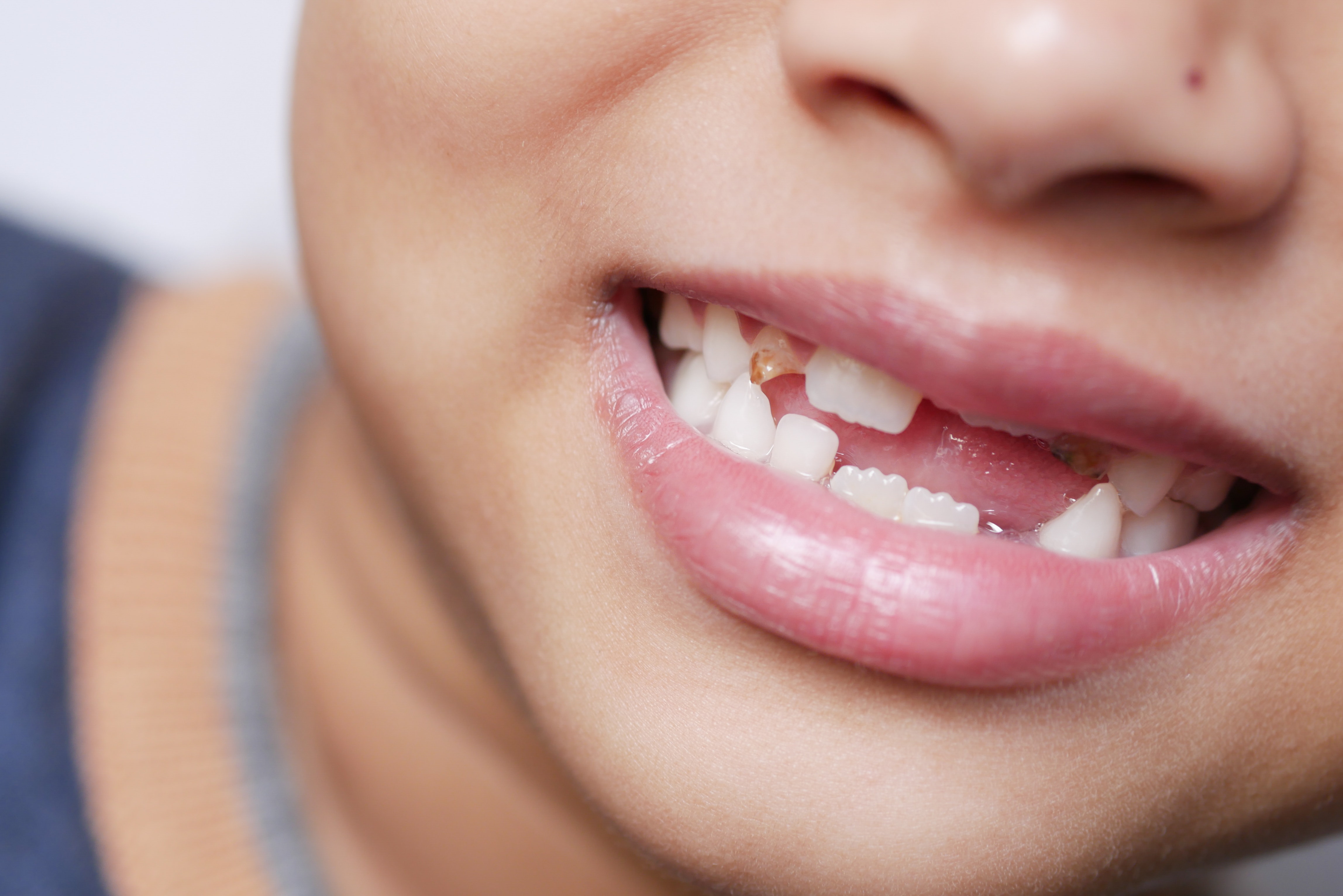
Baby teeth are actually whiter than adult teeth. As your child gets older and their adult teeth start to come in you may see a noticeable difference in the color between the teeth. While baby teeth are more white, adult teeth tend to appear more yellower in color.

The color differences are due to the differences in the thicknesses and actual color hues of the tooth layers. Baby teeth have thinner and whiter layers so they appear more translucent. Adult teeth have thicker and different deeply colored layers so they appear more opaque.

When you’re looking at new adult teeth coming in next to baby teeth the difference is more eye-catching. As more of your child’s adult teeth come in the difference becomes less obvious.

Are There Other Reasons For Yellow Teeth?

There are lots of causes, however the 2 most common for baby teeth and adult teeth are cavities and tooth injuries.

Cavities start out as super white spots on teeth that over time cause the outer enamel shell to disintegrate leaving the inner layer of the tooth (aka dentin) exposed. This exposed part of the tooth is yellow, and that can’t be brushed back to white.

If your child injures their tooth the baby tooth can turn yellow or in rare cases the adult tooth can come in with a yellow spot.

As A Parent What Can You Do?

Talk with your child. School age children and teens have insecurities about their appearance, and their teeth are part of that. If you’ve noticed the yellow chances are they have also. Let them know that while lots of families deal with yellow teeth it’s something that you can take care of together.

Whether you’re dealing with yellow baby teeth or adult teeth be sure to keep up with your child’s daily brushing and flossing routine.

Have you wondered if it was normal for your child to have yellow teeth? What did you do about it? Share your tips with us, we’d really like to know. Email us at kidstoothhotline@protonmail.me Like us on Facebook at facebook.com/kidstoothhotline

More tips? We have lots. We’re here just for kids!

Overcoming Tooth Brushing Struggles For Children With Autism

In the Know for You to Know

Our Family Motto
Our Family Motto

For parents it’s all about finding creative ways to introduce and teach your child about tooth brushing and routine oral hygiene. Every child responds in their own way, and for children with Autism their reactions may be unforeseen because of communication challenges, or certain behavioral characteristics to new changes in routine and sensory sensitivities.

This is especially stressful for you when you’re trying to establish healthy dental hygiene habits and your child is overwhelmed by sounds, smells, tastes, textures, or flavors.

So what to do and where to start to overcome your tooth brushing struggles?

In our last post My Child Has Autism, How Can I Brush Their Teeth? we suggested 2 ideas. Creating a step by step picture guide book (aka story board) or an activity schedule. We included a step by step plan for you on how to assemble your own story board and activity sheet. Which one (or both) you choose, they are absolutely helpful and go a long way to establishing your daily routine.

Now that you have your story board or activity sheet ready to go it’s time for the next step–

Second, Let’s Practice

There are a lot of movements we make with our mouths when we brush, so it’s always good to practice.

1st, it’s great to start with opening wide, and staying open wide. Maybe you make it a game and count to see how long you can both stay open wide. Remember to use the phone timer to count those seconds.

2nd, let’s count teeth. How many teeth are in there? Yes you need to count all the way to the back so be sure to (you guessed it) stay open wide.

3rd, let’s brush. Put a dab of toothpaste on the brush, remember to open wide, and let’s brush those teeth slowly and gently. Maybe you can count teeth, sing a song, or use the phone timer to count. Remember your goal is 2Minutes 2X’s A Day.

For children who have taste or texture sensitivity, there are fluoride tooth pastes that come in different flavors (bubblegum, berry), or unflavored or non-foaming (sodium lauryl sulfate free). There are also choices for toothbrushes, such as a spinning or battery-powered toothbrush for children who like vibration.

4th, time to spit out the toothpaste. Spitting not happening? No problem, drooling out the toothpaste in the sink (or washcloth) and wiping with a wet washcloth is a good alternative, or skip the drooling and use the wet wash cloth.

Sometimes children need more assistance and more practice with brushing their teeth.

If brushing is challenging it may be the sensation is uncomfortable. If that’s the case then try showing the brushing on your finger first, then on their finger, then on the back of their hand, then on their lips, then just inside their mouth or pick the 2 front teeth (top or bottom their choice) and start with brushing those teeth.

Third, Help Your Child Learn The Steps For Toothbrushing

Your child’s age determines how much tooth paste goes on their brush. If they’re 3 years old and younger place a rice grain size of tooth paste on their brush. If they’re older than 3 years old place a peas size amount on their brush.

  • Brush the top front teeth (inside, outside, and chewing surfaces),
  • Brush the bottom front teeth (inside and outside),
  • Brush the bottom back teeth (outside, inside, and top surface),
  • Brush the top back teeth (inside, outside, and chewing surface),
  • Finally, brush all around and spit out the tooth paste.

Fourth, Develop A Reward System

Children adore receiving praise from their parents and parents are eager to show their pride in their child, so let your child know how proud of them you are.

You can also start a rewards system (such as a rewards jar or sticker book) to reinforce your pride and their positive behavior after toothbrushing is complete.

Medical and Dental Go Together

As parents you may be dealing with multiple pressing significant health issues for your child and you need to prioritize their needs. They may be taking medicines that are sugar flavored so that you can get them to take it. Going to bed with a bottle of a nutrition drink may be part of your nightly routine because your child needs to gain weight.

Please do not let their dental health take a back seat. It can be as easy as wiping their mouths, tongue and cheeks with a wet washcloth while you are holding them. Or alternating their bottle with water so they don’t fall asleep with the sugary liquid on their teeth even though you’re still wiping their teeth with a wash cloth. You can always slip in some water for them to drink during the day or begin by diluting their juice with 50% water then 75% water then 100% water.

Remember What’s Most Important

Lots of praise, hugs and smiles for both of you!

Tell us about your Story Board or Activity Sheet. How is brushing time for your family? What works for your family? Share your tip with us, we’d love to know. Email us at kidstoothhotline@protonmail.me Like Us on Facebook at facebook.com/kidstoothhotline.

More tips? We have lots. We’re here just for kids!

My Child Has Autism, How Can I Brush Their Teeth?

In the Know for You to Know

When Autism Speaks It's Time To Listen
When Autism Speaks It’s Time To Listen

As parents we are always looking out for our children, empowering and supporting them to achieve their best quality of life while also promoting acceptance, inclusion, and celebrating our differences. This is especially true for parents whose child has Autism or is on the Autism Spectrum.

Every child responds in their own way to events they encounter every day. For children with Autism their reactions may be unforeseen because of communication challenges, or certain behavioral characteristics such as difficulty with changes in routine and sensory sensitivities.

As a parent it can be difficult for you to look in your child’s mouth, let alone brush their teeth. For some it may be difficult to let you know their teeth are bothering them. Sometimes you notice habits like grinding their teeth, hitting their mouth and teeth, chewing on non-food objects, or eating sugary foods and drinks; which can affect their dental health.

This is also stressful for you when you’re trying to establish healthy dental hygiene habits and your child is overwhelmed by sounds, smells, tastes, textures, flavors, and your child becomes anxious.

So what to do and where to start?

First Focus On Introducing Your Home Dental Hygiene Routine

A calm place is a great way to start.

Create a step by step picture guide book (aka social story or story board) or an activity schedule. Either one or both are quite helpful and go a long way to establishing your routine.

When putting together your picture book you may want to start talking about why we have teeth. The answer is that teeth help us eat, talk and give us our smiles.

You can begin by yourself or include your child while you talk about brushing teeth as you cut and paste pictures, take family photos, or make drawings of each step of your routine.

Your guide book can include picture sections for:

Today we going to brush my teeth in the bathroom (insert picture or photo of a bathroom)These are the times we brush our teeth every day (pictures of clock with AM and PM times)I am going to stand in the bathroom in front of the bathroom sink (picture of bathroom sink)
My Mommy/Daddy will be in the bathroom with me and I will look at my Mommy/Daddy (picture of parent)
We are going to use a tooth brush to brush my teeth. This is my tooth brush, it’s soft (picture of your child’s tooth brush)
We are going to use dental floss to clean between my teeth. This is my dental floss (picture of your child’s dental floss)We are going to put tooth paste on my tooth brush. This is my toothpaste (picture of tooth paste on your child’s toothbrush)I need to open my mouth. I will open my mouth wide and stay open (picture of your child with their mouth open wide)I need to brush my teeth for 2 minutes. This is my timer to brush my teeth (picture of your child’s timer with 2 minutes showing)This is how Mommy/Daddy wash the tooth paste off my teeth (picture of a wet wash cloth or your child spitting into the sink)
I like this and I’m doing great (picture of smiles or thumbs up)Mommy/Daddy are flossing and brushing my teeth now (picture of flossing and brushing teeth), Then we’ll take the tooth paste off my teeth (picture of wash cloth or your child spitting into the sink)This is my tooth brushing timer counting down the 2 minutes I’m brushing my teeth (picture of their timer counting down)I did a great job (picture of you both smiling together)I may get a prize (recommended but this is up to you to decide about a small reward like a sticker, then take a picture with the sticker).

You may want to put together an activity sheet. To do this print out fun monthly calendar pages and include 2 boxes for each day of the month, 1 box to check off for AM brushing and 1 box for PM brushing and flossing (recommended but totally your decision when to include).

1
AM Brushing
PM Flossing
and Brushing
2
AM Brushing
PM Flossing
and Brushing
3
AM Brushing
PM Flossing
and Brushing
4
AM Brushing
PM Flossing
and Brushing
5
AM Brushing
PM Flossing
and Brushing
6
AM Brushing
PM Flossing
and Brushing
7
AM Brushing
PM Flossing
and Brushing
8
AM Brushing
PM Flossing
and Brushing
9
AM Brushing
PM Flossing
and Brushing
10
AM Brushing
PM Flossing
and Brushing
11
AM Brushing
PM Flossing
and Brushing
12
AM Brushing
PM Flossing
and Brushing
13
AM Brushing
PM Flossing
and Brushing
14
AM Brushing
PM Flossing
and Brushing
15
AM Brushing
PM Flossing
and Brushing
16
AM Brushing
PM Flossing
and Brushing
17
AM Brushing
PM Flossing
and Brushing
18
AM Brushing
PM Flossing
and Brushing
19
AM Brushing
PM Flossing
and Brushing
20
AM Brushing
PM Flossing
and Brushing
21
AM Brushing
PM Flossing
and Brushing
22
AM Brushing
PM Flossing
and Brushing
23
AM Brushing
PM Flossing
and Brushing
24
AM Brushing
PM Flossing
and Brushing
25
AM Brushing
PM Flossing
and Brushing
26
AM Brushing
PM Flossing
and Brushing
27
AM Brushing
PM Flossing
and Brushing
28
AM Brushing
PM Flossing
and Brushing
29
AM Brushing
PM Flossing
and Brushing
30
AM Brushing
PM Flossing
and Brushing
31
AM Brushing
PM Flossing
and Brushing

Sometimes this can take one sitting to complete or it may take several. What’s important is to keep going because when you’re done your creation is going to be AMAZING!

For now start putting together your family’s picture guide book and/or activity sheet, so that you’re ready for next week’s post when we discuss steps 2 through 4.

What are your suggestions for the picture guide book or activity sheet? We’d really love to know. Email us at kidstoothhotline@protonmail.me Like Us on Facebook at www.facebook.com/kidstoothhotline.

More tips? We have lots. We’re here just for kids!

10 Dental Care Tips For Parent’s To Know For Your School Age Child

In the Know for You to Know

As parents we are our child’s 1st health care role model.

Our Brushing Mojo
Our Brushing Mojo

Like everything our children’s good dental health starts with good habits at home. As parents we play an important role in developing and encouraging healthy life style behaviors for our child, which are important for their lifelong well-being.

So how do you guide your child toward positive oral healthcare? I’m sharing with you some dental home care tips to help you be successful.

Dental Healthcare Tips For Your Child’s School Age Years

  • Show your child how to brush their teeth by letting them watch you. Use a small soft bristle toothbrush with a flexible head with a pea size amount of fluoride toothpaste.
  • Check out your child’s new teeth. New adult teeth (aka forever teeth) usually start coming in around the time your child is 6 years old and continues on and off until their middle teenage years.
  • When packing lunch and snacks for school and family outings make healthy eating fun and include your child in deciding what to prepare.
  • Limit sugar. Always easier said than done. It’s not only about candy. When you’re grocery shopping take a peak at the label on crackers, cookies, chips, ketchup.
  • Replace your child’s toothbrush every three months. Involve them by letting them pick out the color or design. Always look for and use a soft bristle toothbrush.
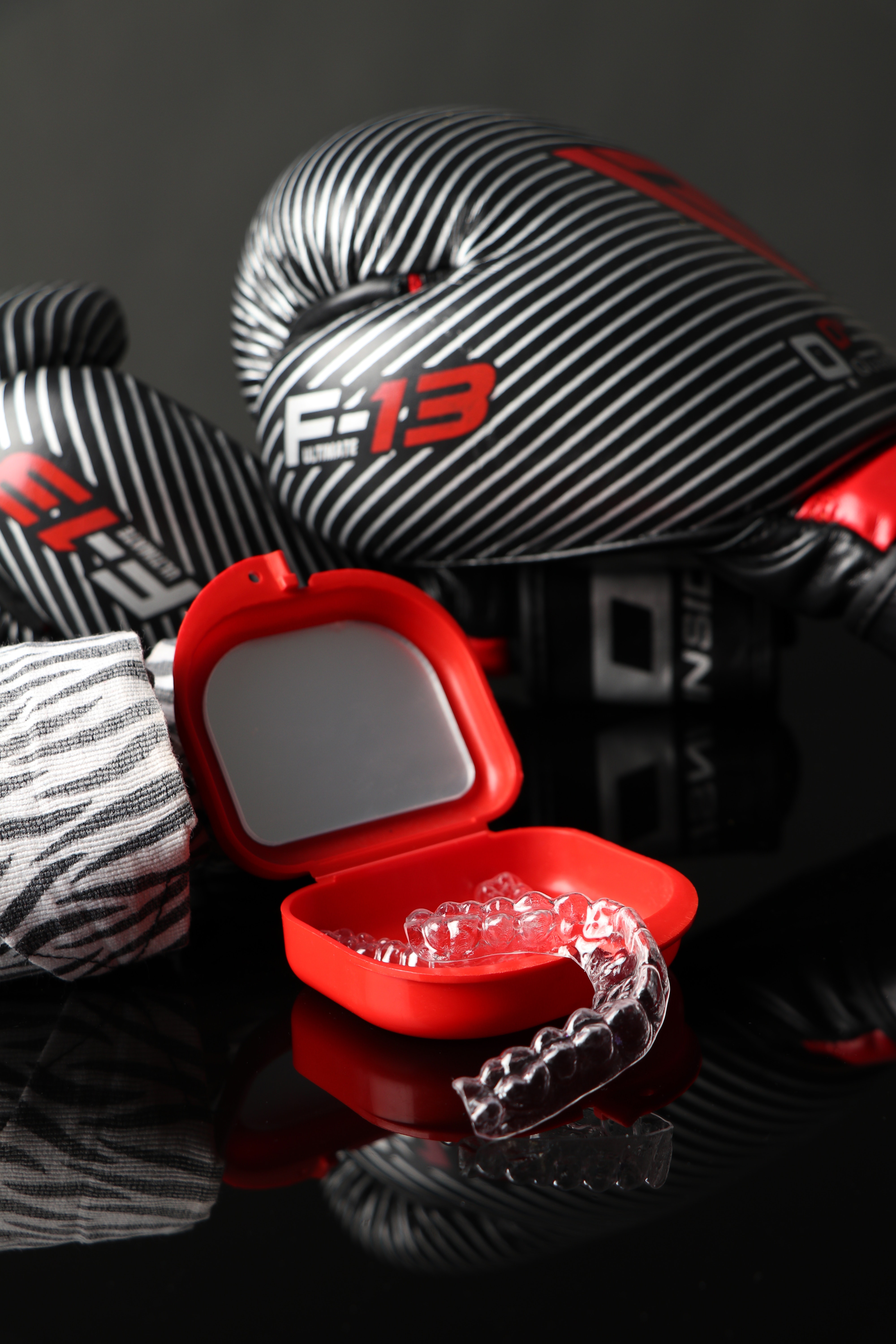
  • Playing sports for the school team or at after-school is the time to talk about mouth guards. It’s all about injury prevention.
  • Watch out for juices, sodas and soft drinks! Children love these sweet drinks, but they’re also a significant cause of cavities. Instead go with water and non-sweetened drinks.
  • Keep track of daily brushing and flossing habits. Your child should brush once in the morning and once at night after flossing.
  • Settle on a schedule. Like when they were toddlers, tying brushing habits to bedtime is a good idea to create a routine for them. Try 30 minutes before bed time every night. When you’re finished it’s a good time for cuddling or reading.
  • Begin a small reward system. Children respond well to positive reinforcement. Think about small rewards like stickers, extra snuggle time or reading an extra story with them after brushing and before it’s light’s out for bed. This goes a long way to having an enjoyable night every night.

This is challenging and sometimes frustrating. Don’t lose sight of your short term goals and your child’s long term prize. Your goals get you to your prize which is life long dental health for your family.

Most important, remember to have fun. Children love to have fun, so have fun with your child while you install in them good dental health habits that will last them their life-time.

What’s your dental hack? Share your tip, we’d love to know. Email us at kidstoothhotline@protonmail.me Like Us on Facebook at facebook.com/ kidstoothhotline.

More tips? We have lots. We’re here just for kids!

My Child’s Medicine Can Affect Their Teeth? Really?

In the Know for You to Know

Yes really.

I Know My Daughter Likes The Taste Of Her Medicine

You know why your child asks for that pink or grape medicine when they’re sick, it’s because it tastes so good. The medicine tastes so good, and they’ll take it without a peep because of the sugar flavors which are added to the medicine.

There are also other medicines like asthma medicines, antihistamines and allergy medicines which can cause dry mouth by lowering the amount of saliva in the mouth. Saliva is important because it plays a part in helping to prevent cavities.

Whether your child needs to take medicine every day or is on a limited 7 or 10 day course here’s a few things to know —

Child-friendly Flavors

Depending on your child’s age and preference the top 6 medicine flavors are: Bubblegum, Grape, Cherry, Mint, Banana, and Vanilla.

My Children Always Ask For The Banana Flavor

If sugar free is available, ask your pharmacist if that flavor contains Xylitol. Xylitol is a sugar substitute and tooth friendly.

Medicine, Sugar and Teeth

Many of the medications contain sugar or sugar syrups to sweeten the taste. The longer and more frequently your child’s teeth are exposed to sugar, the greater the risk of cavities.

Another concern is that these sugared medicines are most often given right at nap time or bed time, which is when there is also a naturally occurring drop in saliva in the mouth.

Medicine, Dry Mouth, Saliva and Teeth

Asthma inhalers, nebulizers, antihistamines and allergy medicines decrease the amount of saliva in the mouth. They do this by decreasing the amount of saliva that is made by the glands.

These medicines are usually used ongoing leading to less saliva being produced so there is less saliva in the mouth, which is commonly referred to as dry mouth.

Saliva protects and coats the teeth while also washing away food particles and sugary liquids. When there is less saliva there is less protection for the teeth.

What’s A Parent To Do?

I’ve put together 3 suggestions which can help —

  • Give your child their liquid medicine between finishing a meal and nap time or bed time. This way you can brush their teeth after the medicine or use a wash cloth to wipe their mouth and teeth. Keep up with your regular brushing routine.
  • If your child has asthma you can rinse their mouth with water after their breathing treatment or using their inhaler. Then you can brush on your regular schedule.
  • Speak with your pharmacist about sugar free medicine options.

Rest assured you are doing your best and your child needs their medicine.

What’s your child’s favorite flavor? What are your hacks? We’d really like to hear from you!

Send us an email at kidstoothhotline@proton.me or Like Us on Facebook at facebook.com/kidstoothhotline

More tips? We have lots. We’re here just for kids!

Do You Have Trouble Brushing Your Child’s Teeth?

In the Know for You to Know

Like most parents you may have a tough time brushing your child’s teeth. There’s crying, screaming, struggling, chasing and all to brush teeth.

I’ve put together some tips and tricks that will empower you in your brushing dilemma.

Laughing And Smiling Brushing Teeth with Daddy

Insider Tips To Make Brushing Easier

There isn’t only one way to for you to brush teeth. There are a few different positions you can use to more easily and comfortably clean your child’s teeth.

Lying On The Bed
Try brushing your child’s teeth with your child lying down on your bed. If you’re right handed you sit on their right side, and if you’re left handed sit on their left side. You can use your arm to help cradle your child’s head while brushing.

Sitting On The Floor
With you sitting on a chair have your child sit down on the floor in front of you and lean back against your legs. Have them tip their head up so you can see inside their mouth.

Lying On The Floor
Have your child lie down on the floor. You can either sit beside them, or put a pillow on your lap and place your child’s head on the pillow. If you’re right handed you sit on their right side, and if you’re left handed sit on their left side. You can use your arm to help hold your child’s head while brushing.

Standing In The Bathroom
With your child is standing in front of you, have them face the bathroom mirror with their head slightly tilted against your body. Place your hand gently over their hand so that you can help guide the toothbrush around their mouth.
This helps your child learn how to brush so they can see how tooth brushing is done, and standing behind them may make it easier for you to brush their teeth.

The 4 Most Important Things To Remember

The 4 most important things to remember are —

  • always cradle your child’s head,
  • have good lighting so you can see inside their mouth as well as what you are doing,
  • be able to easily move their tooth brush around their mouth, and
  • always find the safest and most comfortable position for you and your child.

Tooth Brushing By Any Other Name

Does the mention of tooth brushing cause stress in your home? Instead of saying it’s time to brush teeth try calling brushing by another name. For your next brushing time simply say to your child “It’s Smile Check Time”.

Even if helping your child brush twice a day is challenging a little creativity can go a long way to getting them interested, no matter their age.

How do you brush your child’s teeth? Which tip works best for your family? We’d really like to know. Email us as kidstoothhotline@proton.me Like Us on Facebook at facebook.com/kidstoothhotline

More tips? We have lots. We’re here just for kids!

Stopping Cavities With The Silver Bullet

In the Know For You To Know

Here you are, you know your child has a cavity but you also know they won’t sit to have it taken care of. You’re thinking about taking your child to the pediatric dentist and face the music or tough it out, after all it’s only a baby tooth and it will fall out. At first toughing it out sounds like a good idea but then you look at their face then into their mouth and realize you have to go.

But what can they do?

There is a special medication that can be applied directly to teeth which can stop or at least slow down the growth of a cavity. This remedy is Silver Diamine Fluoride.

Please make my teeth stop hurting

What is Silver Diamine Fluoride?

Silver Diamine Fluoride (SDF) is an FDA and ADA (American Dental Association) approved clear topical liquid that is used to treat cavities. It is applied by a pediatric dentist to the cavity area of a tooth to control and help stop the progression of a cavity.

How Does SDF Work?

Silver Diamine Fluoride is composed of two main components, silver and fluoride. The silver part acts as an antimicrobial on the bacteria causing the cavity while the fluoride helps to strengthen and remineralize the tooth. The third accessory component is Diamine which makes the SDF into a liquid.

How Is SDF Applied To Teeth?

Your child’s teeth will be dried and any food or plaque will be removed. SDF is applied to the affected teeth with a small brush and allowed to dry on each tooth for one to two minutes. After this application it is recommended that your child does not eat or drink for at least an hour so the Silver Diamine Fluoride has time to penetrate into the tooth and the cavity.

After SDF is applied the cavity will turn black and stay black. It make take up to a week for the cavity areas to turn black. The black stains on teeth treated with SDF are permanent. The parts of the tooth without the cavity will not turn black.

When Is SDF Recommended?

While Silver Diamine Fluoride is not a substitute for the traditional way cavities are treated, it is another option for treating cavities. Young children, children with special health needs, any child who has a difficult time at the dentist or who may have a lot of cavities may benefit from this type of care.

What Are The Benefits Of SDF?

Silver Diamine Fluoride has a number of benefits — Quick to apply, Painless, May stop cavity progression, Relieves tooth sensitivity, Helpful cavity treatment for children who are very young or any child who struggles with appointments and longer procedure times.

Are There Any Risks With SDF?

Some common risks are — All cavity areas will stain black while healthy tooth structure will not stain; If Sliver Diamine Fluoride touches skin or the gums, a harmless temporary brown or white stain may appear on that area, which will disappear on its own in one to three weeks; Some may notice a metallic taste but this is temporary; SDF may not stop cavities from progressing and other treatments may need to be discussed.

SDF Is Just Not For Some Children

SDF contains silver and children who are allergic to silver or who have mouth sores or ulcers in their mouth should not have it applied to their teeth. It should also not be used when the cavity is very deep and has compromised the tooth. Some parents may not want the cavity areas on their child’s teeth turning black.

Are There Any Alternatives To SDF?

Two possible alternatives may be — No treatment, which may lead to worsening symptom severity as well as increasing breakdown of teeth; Depending on the extent and location of the cavities other treatment options may be necessary which is an important conversation for you to have with your child’s pediatric dentist.

What’s important is that Silver Diamine Fluoride is a safe, effective alternative treatment that can help your child maintain a healthy smile.

Thank You For Taking Care Of Our Teeth

Has your child had SDF applied to their teeth? How did your appointment go? We’d really like to know. Send us an email at kidstoothhotline@protonmail.com Like us or Friend us on Facebook at www.facebook.com/kidstoothhotline

More tips? We have lots. We’re here just for kids!
It’s National Children’s Dental Health Month

In the Know for You to Know

Every February we celebrate Children’s Dental Health Month. We like to celebrate children’s oral health every month but February historically holds a special place in our hearts.

Healthy habits start early and grow as your child grows. Whether your child is a newborn, 6 months old, 6 years old, or 16 years old healthy teeth and gums are important for a healthy smile and a healthy life.

With a consistent home care routine, a balanced diet, injury prevention, and regular dental visits your child’s teeth can be healthy, strong, beautiful and last their whole lifetime.

Keep Those Little Smiles In Your Life Healthy And Happy From The Start!

Cavities are the most common chronic disease among children across all age groups. From infant to college, cavities are 4x’s more common than Asthma.

They are also the most common preventable chronic disease among children of all ages.

Did you know that cavities can form even before a tooth is fully in the mouth?

Happy Healthy Teeth Come Out On Top – What You Can Do At Home

From their 1st tooth, brush your child’s teeth 2x/day with fluoride toothpaste every day. Teeth not in yet? No worries, use a wash cloth to wipe their gum pads and tongue after each feeding.

Teeth touching? Clean between your child’s teeth nightly with dental floss.

To snack and what to snack on? Eat healthy foods and be selective about sugary and starchy (aka high carb) foods and beverages. Yes that includes chips.

Children’s teeth are meant to last a lifetime. And a healthy smile is a happy and confident child.

  • After Your Feeding and Cleaning Your Mouth We Lay You Down To Sleep
  • After Your Feeding Mommy Is Going To Wipe Your Mouth
  • All My Teeth Are Looking Good
  • Daddy And Me Brushing Time
  • Daddy and Me Smiling Our No Cavity Smiles
  • Happy Baby Happy Mommy and Daddy
  • Healthy Teeth Happy Family
  • I May Have A Few Teeth But My Mommy Is Making Sure We Brush
  • Love To Smile
  • Love You Daddy For Playing With Me And Brushing My Teeth
  • Loving My Cavity Free College Smile
  • Mommy and Daddy Brushed Our Teeth Now It's Playtime
  • Mommy And Daddy Love You So Much We Never Want You To Have A Cavity
  • Mommy And Daddy Make Sure I'm In The No Cavity Club
  • Showing Off My Healthy Teeth
  • Smiling Our Best Smiles
  • Still No Cavities!
  • The Thought Of Getting A Cavity Makes Us Laugh

In honor of National Children’s Dental Health Month, we applaud you and encourage you to help your children develop a healthy routine.

What is your goal for Children’s Dental Health Month? Start small and aim high, let us know your plan. Already have a routine in place that you’re working on? Let us know how it’s going. We’d really like to know. Send us an email at kidstoothhotline@proton.me Like us or Friend us on Facebook at www.facebook.com/kidstoothhotline

Happy National Children’s Dental Health Month!

More tips? We have lots. We’re here just for kids!

Why Is My Teenager Grinding Their Teeth?

In the Know for You to Know

You know what it’s like, the house is quiet, your teenager is finally sleeping, and then you hear that nightly nails on a chalk board sound coming from their bedroom. You’re thinking to yourself “Not again, what is going on?”

Teeth grinding is also called clenching or Bruxism, and is quite common especially for teenagers. So what’s a parent to do? The good news is that most teens will stop their teeth grinding habit on their own, so there’s no cause for worry.

But you’re thinking, “What do I do to stop this?”

Grinding My Teeth At Night Wakes Me Up So I Fall Asleep Studying

What Causes Grinding?

You may be worried that your teen is afraid of something, is anxious, stressed, can’t sleep, or is having a nightmare. For some tweens and teens it may be because they are deeply concentrating on something.

However, it can be that their adult teeth are still coming in or their wisdom teeth are pushing against other teeth. When this occurs they try to compensate for the pressure they’re feeling and make their teeth match up.

Sometimes teens grind their teeth because they are deep sleepers. So even if you wake them up, the grinding will continue as they fall back asleep.

This Is Me When I Wake-up After Grinding My Teeth At Night

Is Grinding A Concern?

Sometimes grinding may persist, and you’re noticing that their teeth don’t have the same shape they did before, or they may look flatter. You may notice chips or cracks on teeth, they may complain about having a lot of headaches, or ear pain, or tenderness around their jaw joint (aka temporomandibular joint or tmj) or their neck muscles.

Depending on the dental age your tween or teen is, your pediatric dentist may not recommend a mouth piece (aka mouth guard) as it can affect how their teeth come into their mouth.

If your child snores that can cause them to grind their teeth and this is something to let your pediatrician know.

Sometimes teeth grinding can be due to pain from an ear infection, this is also something to talk with your pediatrician about.

What Can Parents Do?

As children become tweens and teens they tend to get more stressed out about things, which can show up as grinding during sleep. When they grind their teeth during sleep they aren’t getting the healthy restful sleep they need. Knowing how to respond to our children’s stressors is what helps us to help them.

Alleviating anxiety and stress may mean trying some exercise, looking into finding a hobby, deep breathing exercises, or yoga.

During the day your tween and teen may need to remind themselves to relax, open their mouths and smile. This way their top and bottom teeth aren’t touching so they aren’t grinding. Giving up chewing gum (or at least decreasing its frequency) may also help.

Try starting a relaxing pre-bedtime routine. A warm bath or shower, relaxing music, deep breaths or a good book and putting the phone away may help your child fall asleep in a more calm and relaxed way.

If their jaw or neck muscles hurt, you can give them a warm wet compress to hold to the area that bothers them to relieve the tension in these muscles.

Is There A Cure For Grinding?

For tweens and teens it may be a change in routine to help decrease stress and learning to relax their muscles.

You and your teen can think about establishing a routine to set the stage for peaceful quiet time to encourage healthy sleep and help your child feel relaxed at bedtime.

What approaches have you tried for your tweens and teens teeth grinding? We’d love to know your ideas, what you’ve tried, what’s working for you, what hasn’t worked. Email us at kidstoothhotline@proton.me Like us or Message us on Facebook at www.facebook.com/kidstoothhotline

More tips? We have lots. We’re here just for kids!