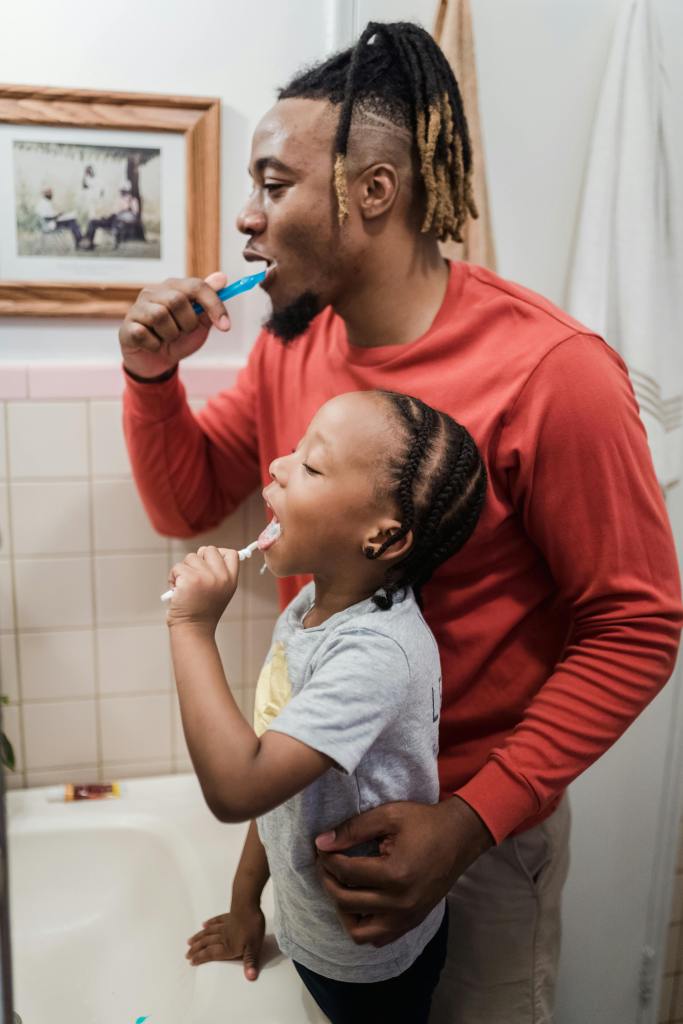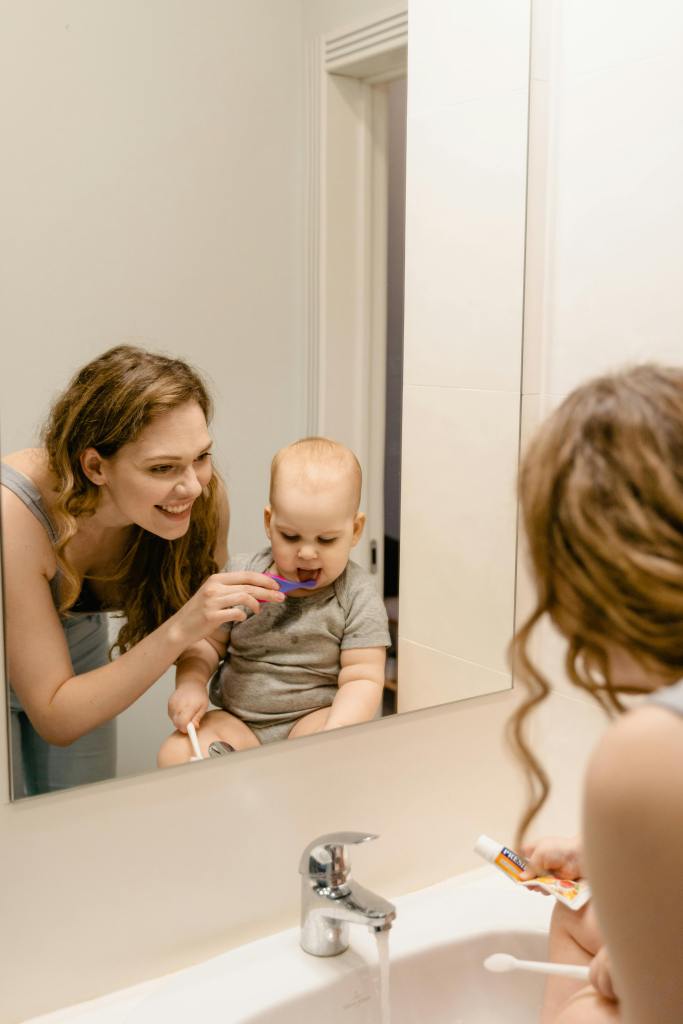
Open Big And Say Cheese Just Like Counting My Teeth At My Pediatric Dentist’s Office
As parents you want to soothe any dental anxiety and remove fears of the dentist for your children, and one of the best tools at your disposal is knowledge.
Keeping descriptions simple, easy going, and relatable is always important no matter what your child’s age. Using child friendly words when explaining the people they will meet, the sites, sounds and instruments (aka tools) go a long way to easing your child into their dental visits.
Today we’re breaking down the basics on how to keep things simple, honest and understandable when preparing your child for their visit with the pediatric dentist.
Child Friendly Language Is The Key To Creating A Fun And Positive Dental Experience
Each visit is an opportunity for you and your pediatric dentist to create a positive dental experience for your child. Fun and self-explanatory word exchanges allow for understanding and encourage confidence toward dental appointments.
Child Friendly Dental Words
Adult Dental Words
Child Friendly Dental Words
Dental Chair
Recliner
Dental Chair Light
Flashlight
Saliva Ejector
Mr. Thirsty or Straw
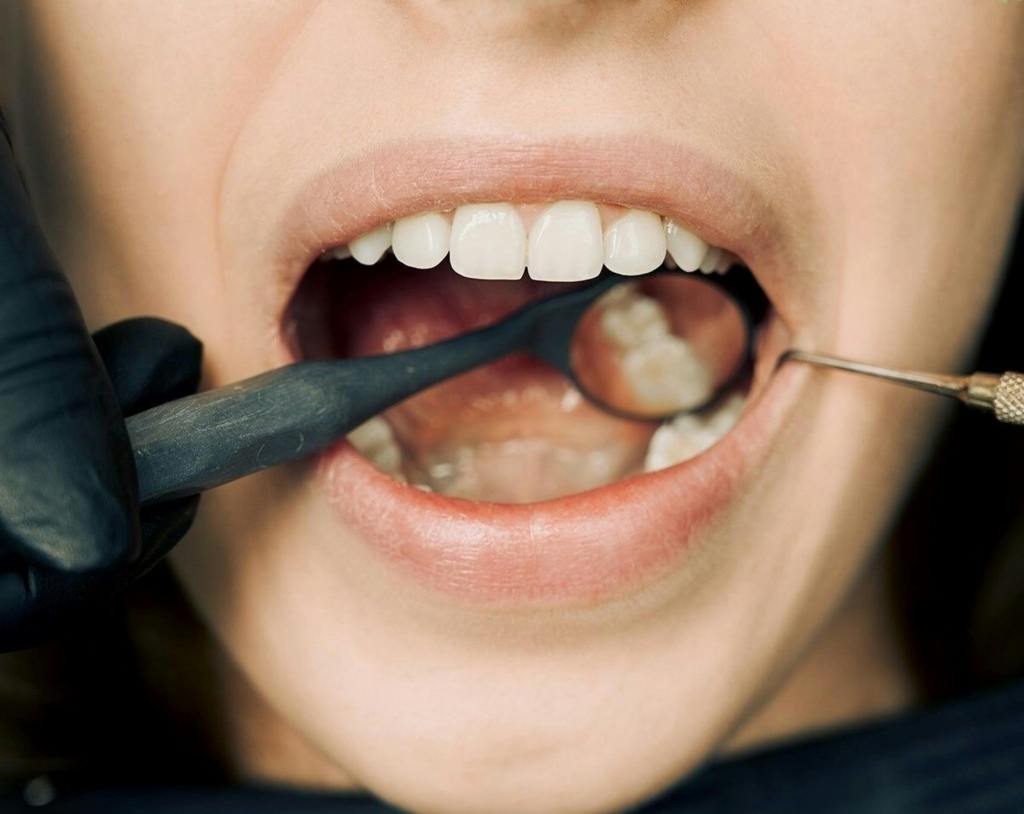
Dental Mirror
Looking Glass
Explorer
Tooth Counter
College Pliers
Picker Uppers
Air Water Syringe
Water Squirter or Super Soaker or Wind & Water
Examine Teeth
Counting Teeth
Cleaning
Tickle Teeth
Prophy Brush
Tooth Tickler or Electric Toothbrush
Prophy Paste
Yummy Flavored Toothpaste
Floss
Tooth String
Fluoride
Tooth Muscles or Tooth Vitamins
X-ray Machine
Camera
Intra-oral Sensor
Tooth Selfie or Photo
Lead Apron
Emoji Cape or Superhero Cape or Blanket
Cavity
Sugar Bugs
High Speed Handpiece (aka fast drill)
Mr. Whistle or Airplane
Slow Speed Handpiece (aka slow drill)
Mr. Bumpitty Bump or Motorcycle
Bur
Shower Head
Injection
Sleepy Juice For Teeth
Topical Anesthetic
Jelly or Spicy Jelly
Remove A Tooth
Tooth Dance or Tooth Wiggle
Infection
Bubble
Rubber Dam
Raincoat
Rubber Dam Clamp
Tooth Ring
Isodry or Isolite
Mr. Fish or Tooth Pillow
Nitrous-Oxide Oxygen
Magic Air
Nitrous Oxide-Oxygen Nose
Ice Cream Nose
Curing Light
Tooth Dryer or Magic Light
Crown
Chapeau or Fancy Hat or Baseball/Football Helmet
Space Maintainer
Tooth Jewelery
Sealant
Tooth Polish
Child Friendly Dental Words
A Big Thumbs Up To My Pediatric Dentist For Being Creative In Helping Me Understand Everything TodayToday Is My Dentist’s Appointment And I Can’t Wait To GoTelling Daddy About The Fun Words I Learned At My Pediatric Dentist Visit TodayDaddy’s High Five With Me For Having Such A Great Visit With My Pediatric Dentist, Thank You DentistMommy Is Showing Me How Much Fun I’m Going To Have At My Pediatric Dentist Appointment TodayMy Mommy Is Tickling My Tummy And My Pediatric Dentist Will Tickle My TeethThumbs Up To My Pediatric Dentist For Helping Me Today, And For Being Such A Good Helper I Get Extra Game TimeMy Pediatric Dentist. Makes Me So Comfortable When They Use The Mirror And Tooth Counter To Check My Teeth, No Matter How Old I GetI’m Drawing A Thank You Tooth For My Pediatric DentisMommy Is So Happy Since I Listened So Well To What My Pediatric Dentist Explained To Me At My Visit TodayThumbs Up To My Pediatric Dentist For Counting My Teeth and Using The Tooth TicklerMy Pediatric Dentist Did A Great Job Explaining Everything To Me, So I Was A Really Good Helper And Daddy’s Proud Of Me-High 5 DaddyThumbs Up For The Best Dentist Appointment EverBlowing Bubbles With My Prize From My Pediatric DentistThumbs Up To Me For Being Such A Good Listener At My Pediatric Dentist’s Appointment YesterdayWe’re Dancing Our Way To Our Pediatric Dentist
What To Remember
It’s not what we say but how we say things that make all the difference. Effective language is key to having a positive experience. As children grow and mature pediatric dentists tailor their explanations to be age appropriate.
No matter what their age, children remember the fun words at the dentist as they grow which helps them have a positive experience and attitude for their dental visits.
Before you know it they’ll be saying to you “I remember when you explained to me about Mr. Whistle and the sugar bugs, by doing that you made it so easy for me at the dentist.” Now that’s empowerment.
I’m Giving My Pediatric Dentist A Thumbs Up For Explaining Everything So I Wasn’t Nervous TodayMy Children Just Had The Best Pediatric Dental Appointment
How do you prepare your child for their dental visit? Have you come up with any fun words to explain to your child their upcoming appointment? Which are your favorite children’s dental terms? Tell us, We’d really like to know! Send us an email to kidstoothhotline@proton.me Like Us or chat with us on Facebook
More tips? We have lots. We’re here just for kids!

These days there’s a lot of information out there for parents. Most of the time what appears true simply isn’t true. Yet there are myths that continue to be spread.
We want you to be knowledgeable and informed, so today we’re breaking down the most common children’s dentistry myths.
Myth #1 Baby Teeth Aren’t Important, They Fall Out
Truth: Baby teeth are the foundation for a life time of good oral health. When your child’s tooth foundation is strong and healthy, they grow up with strong and healthy adult teeth.
The 2nd truth about why it’s important to take care of baby teeth is because if baby teeth aren’t well cared for, tooth decay (aka cavities) may develop. This decay can cause pain and infection that spreads into the gums and cause damage to developing adult teeth.
The 3rd truth is that healthy baby teeth help with proper speech development, chewing, and maintaining space for the adult teeth to come in correctly.
Myth #2 Cavities Are Only Caused By Sugar
Truth: Sugar does play a large role in cavities, but there is also another cause for you to be aware of. Starches in chips, crackers and cookies lower the pH of saliva which makes the saliva more acidic. A lower pH saliva causes cavities to form more quickly and more often.
Myth #3 Children Can Brush Their Own Teeth
Truth: Yes, you should have your child brush their own teeth, BUT ONLY IF they can do it effectively. Most children can’t brush their own teeth because they are too young to have the dexterity to know how to adapt the toothbrush around their mouth. This takes time for a child to develop. You can start your nightly brushing routine when your child is young by spending time with your toddler showing him/her how to brush all sides of their teeth and gums effectively.
The 2nd truth is that teaching correct and proper brushing habits early is essential for good life long oral hygiene habits.
Myth #4 Fruit Juice Is Healthy
Truth: Do you know that fruit juice can have as much sugar or more sugar than a soda? Yes, it’s true. This high amount of sugar cancels out all the benefits of the small amount of vitamins in the juice.
The 2nd truth is that all this sugar in the mouth causes the saliva to become acidic. The more times a child drinks a sugary beverage the more acidic their saliva becomes. The lower pH breaks down tooth enamel, which leads to cavities developing.
Myth #5 Children Should Never Chew Gum
Truth: Gum can be good for children’s teeth, as long as it’s sugar-free. This is because sugar-free gum helps neutralize the pH of saliva.
A 2nd truth is that the action of chewing increases the amount of saliva in the mouth. Both of these aspects can help keep cavities away.
What To Remember
Children’s dental health is a vital aspect of their over all health and well-being.
Share The Information, Now that you’ve read the truth about the most common children’s tooth truths you can spread the word to everyone you know. This way everyone will understand how to take better care of their child’s dental health.
What children’s tooth myths have you heard? Do you have any tooth truths you’d like to share? Tell us, We’d really like to know! Send us an email to kidstoothhotline@proton.me Like Us or chat with us on Facebook
More tips? We have lots. We’re here just for kids!
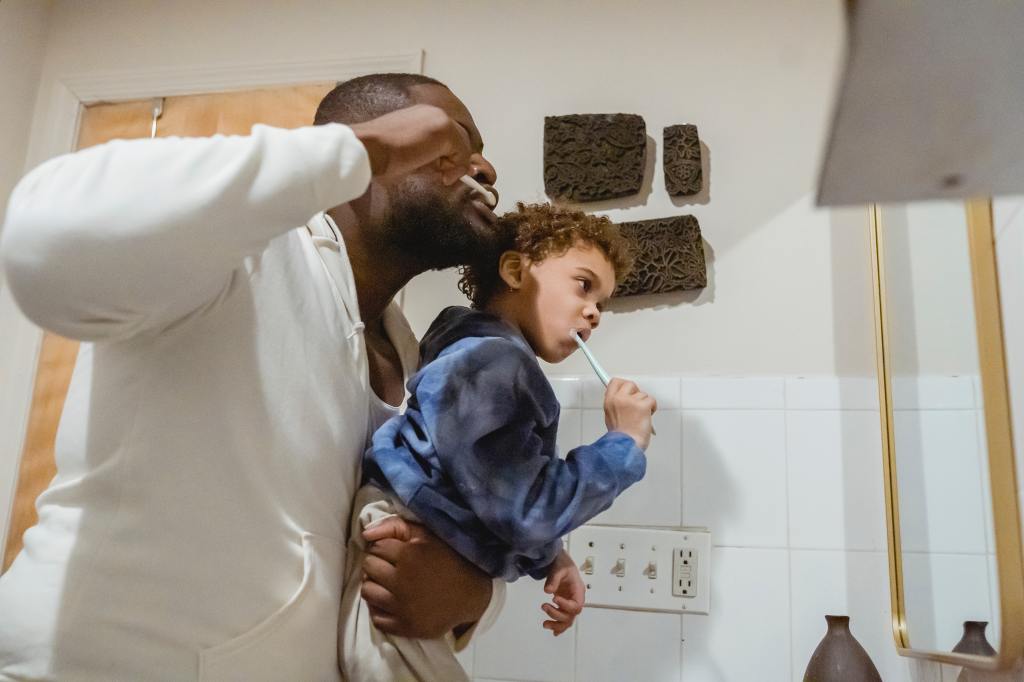
Your child is crying and complaining to you because their mouth hurts and burns when they eat and when you brush their teeth. You check that they’re not getting sick, and when you have them open their mouth wide you see these small yellowish sores on the inside of their mouth.
You think to yourself, what can this be? Then you remember you’ve heard about canker sores and wonder if these are canker sores.
Today we’re breaking down the basics on what you should know about canker sores.
What Are Canker Sores?
Canker sores, also called aphthous ulcers, are a common condition that 20-30% of children and adolescents experience.
Minor aphthous ulcers have a yellowish-white color and are surrounded by a red inflamed looking border. These sores measure 3-10 millimeters (pinpoint to 1/3 of an inch) in diameter; and are found on the soft tissues in the mouth, such as the inside surfaces of the lips, cheeks and the area where the gums and soft tissues meet. In a single outbreak you can expect to find 1-5 ulcers, and they heal in 7-14 days without scarring.
Depending on where the sore is located, your child may experience difficulty talking or eating, and pain when touching or brushing around the area.
Major Aphthous Ulcer
These ulcers are larger, deeper and take longer to heal than the minor aphthous ulcer. They occur on the lips, soft palate, the tonsillar arches, and can take up to 6 weeks to heal with the potential to cause scarring.
What Causes Canker Sores In Children?
It’s not exactly known what causes children, adolescents, and even adults to get canker sores.
There are some factors that can trigger the development of canker sores:
Stress,
Injury to the inside of your mouth,
Acidic foods, such as citrus fruits,
Food allergies or Vitamin deficiencies,
Irritation from orthodontic appliances, such as braces.
What Are The Symptoms Of Canker Sores In Children?
Canker sores are diagnosed on visual examination by their appearance and symptoms.
Common canker sore symptoms include:
One or more painful sores inside of the mouth. These ulcers may form on the inside of their lips, the inside of their cheeks or above their gums where the gums meet the cheeks,
Burning or tingling sensations.
Small, round ulcers that are yellowish-white with a red border.
Are Canker Sores And Cold Sores The Same?
Canker sores and cold sores are not the same thing. They are very different for several reasons.
What Is The Difference Between Canker Sores And Cold Sores?
Canker sores are only found inside the mouth. They are flat and look like an ulceration with a light center and red edge. These sores can appear as a single round sore or up to 5 sores. Canker sores are not contagious.
Cold sores, or fever blisters are caused by a virus, are highly contagious and easily spread from person to person. They are fluid filled and can appear as a blister or cluster of blisters usually outside of or around the mouth.
How Are Canker Sores Treated In Children?
Treatment usually isn’t necessary for minor canker sores, since they tend to heal on their own in 7-14 days.
However, if you’d like to do something more than wait it out, these are some ways to reduce your child’s discomfort:
Keep your child hydrated with water, hydration helps with healing;
Encourage your child with soft, cold, cool and easy to eat foods;
Avoid spicy, acidic, salty foods and drinks since they irritate the canker sores and make their mouths more painful. Think bland food;
Good sleep habits and sleep times encourage healing;
Keep up with your oral hygiene routine gently, take it slow, keeping up with their brushing and flossing helps with healing.
How Long Do Canker Sores Take To Heal?
Canker sores take 7-14 days to go away, and there isn’t anything that will make them go away faster. However, there is a tendency for the sores to re-occur.
Grandma And Grandpa Are So Happy My Canker Sore Is All Healed And So Are Mommy And I
Is There A Way To Prevent Canker Sores?
There’s no way to prevent canker sores.
However, there are several things you can do to have your child be more comfortable while the sores are healing:
Try stress reduction techniques, such as mindfulness and meditation, giving your child a warm bath before bed, having them take a warm shower, or enjoyable family time;
Stay away from acidic, salty and spicy foods;
Keep up with your good oral hygiene routine;
Encourage good sleeping habits;
Talk with your pediatrician for nutritional guidance.
When To Call Your Pediatrician
Call your pediatrician’s office for an appointment if your child begins to experience:
Recurring sores with new break outs before the existing sores heal,
Frequent episodes of canker sores,
Large canker sores,
Non-healing sores, or sores not healing within 14 days,
Sores outside their mouth,
Increasing pain,
Increasing difficulty eating and drinking,
It hurts to swallow,
Fever of any kind.
I Know You Don’t Want To Eat Because Of Your Canker Sore
How Do I Stop Getting Canker Sores?
What Will Make My Canker Sore Go Away?
Why Do I Keep Getting Canker Sores?
II Know The Sore In You Mouth Hurts, Let Me Make It Batter
Why Do I Have Another Canker Sore?
What To Remember
Canker sores are small, shallow yellowish-white ulcers that are found on the soft tissues in your child’s mouth like the inside of their lips, cheeks, or below the base of their gums. They can be found as a single ulcer or as several together, and can be painful initially which can make eating difficult.
Unlike canker sores, cold sores are found outside the mouth, such as on the outside surface of their lips, at the corners of their mouth and they are very contagious.
Most canker sores go away in 7-14 days on their own. Call your pediatrician or pediatric dentist’s office if something doesn’t seem right, your child develops a fever, your child looks and/or feels sick, eating and drinking is becoming an issue, the canker sore isn’t healing, or you have any concerns.
Has your child ever experienced a canker sore? Have you had a canker sore? Do canker sores run in your family? We’d really like to know! Send us an email at kidstoothhotline@proton.me Like Us or Chat with us on Facebook
More tips? We have lots. We’re here just for kids!

As a parent, you know that preventing dental related issues is important, and you also know that this is not so simple to do when your child has Autism Spectrum Disorder (ASD).
Some children may be fearful of new surroundings or sensitive to light and sounds or smells and tastes and do not know how to express these feelings. You may or may not have already established a consistent way that comforts your child when introducing them to new experiences.
Today we’re breaking down the basics on how to create your own dental social story.
Helping Your Child To Learn And Prepare For Going To The Dentist
Your approach needs to be tailored to your child’s individual needs.
For some children with ASD, it’s your calm reassuring voice talking with them about the Pediatric Dentist’s office, the people they’ll meet, the chair they’ll sit in, the toothpaste that’s used to brush their teeth.
While other children may like to read or look at books, some like to look at actual photos on your phone, or role play, and for some it’s your social story.
Which ever works best for your child, always stay positive and portray their dental care (whether in the office or at home) in small, repeatable steps.
Read A Social Story With Your Child About Taking Care Of Their Teeth
Social stories use simple, straight forward language to describe the sequence of events a child will experience. The stories usually have photos or pictures to help show the things they will see, hear, and do.
You’ll find social stories about going to the Dentist, having their teeth cleaned, having dental x-rays taken, and having a cavity filled.
I Am Autism
Create Your Own Social Story About Going To The Dentist
Once you’ve made your child’s appointment it’s best to introduce this early on.
Before you do, consider taking pictures of the street the office is on, the parking lot, the outside of the building, the office’s front door with the Dentist’s name.
You might want to stop by and ask if you can take some pictures of the office to include in your social story.
This way you’re establishing what your child will be expecting step by step.
To go along next to the pictures you can include a description—
We’re going to the Dentist and we’ll be driving down this street,
Then we’ll park the car near the Dentist’s office,
After we park the car we’ll walk to the Dentist’s office,
The office is upstairs/downstairs/on the walk-in level so we may/may not need to take an elevator ride; or we may or may not take the stairs,
When we get to the Dentist’s office we’ll open the door and walk in,
There is a lady sitting behind a desk to say hello to us when we walk in,
After we say hello, we’ll tell her my name,
The lady behind the desk may ask us to sit down and watch a movie, or play one of the games until it’s my turn,
When it’s my turn the hygienist will call my name,
We’ll all walk together to a room with a few special chairs that look like Daddy’s recliner chair,
The hygienist will ask me to sit down in the chair,
The hygienist will tell me that this chair is special because it moves up and down and reclines back almost like a bed, but I don’t have to take a nap,
The hygienist will tell me that the chair moves back so she and the Dentist can look at all my teeth even my teeth all the way in the back,
The hygienist will also tell me that when I’m lying back on the chair I can hold my Mom’s hand and put my legs straight out in front of me,
The hygienist will ask me how big I can open my mouth, and we will count how long I can stay open wide,
The hygienist will show me the big light she and the Dentist use so they can see all my teeth,
Before she turns the light on, the hygienist will ask me if I want to wear sunglasses because the light is bright or if I want to close my eyes,
The hygienist will show my the special mirror she and the Dentist use to look at my teeth. She’ll let me touch the mirror will also show me what the mirror feels like on my lips and tongue and cheeks,
Then the hygienist will show me the tooth counter she and the Dentist use to count and check my teeth,
The hygienist will show me the special floss string she uses to clean in-between my teeth, she’ll let me touch the floss and she’ll show me how it feels in-between my fingers and then she’ll floss my teeth,
The hygienist will show me the special power toothbrush and special toothpaste she uses to clean my teeth, then she will let me touch this special toothbrush and she’ll show me what the brush feels like on my finger and then on my teeth; the best part is that the hygienist says I will get to pick the flavor of the toothpaste,
The Dentist may want to take special photos of my teeth, the hygienist explains that these photos are called x-rays and I get to wear a super special emoji apron to take the x-rays, and my Mom gets to watch me,
When I’m all finished the hygienist will give me a fun bag filled with a brand new toothbrush and toothpaste, and I’ll get to choose a super special prize.
What To Remember
Preparing your children with ASD for their Dentist’s appointment and dental care in advance can be helpful for having a calm and successful visit.
Ask your child’s Pediatric Dentist about scheduling a pre-visit introductory walk about, or if you can take pictures of the office to help you put together your own social story.
Your child’s needs always come first, so if you feel doing everything at one appointment is too much, ask about breaking up the visit into smaller steps and introduce the appointment more gradually. This way your child will become more familiar and feel more comfortable.
Most important, praise and reward your child and you for a job well done!
How did you prepare your child for their first dental appointment? How did it go? How have your subsequent dental visits been? Have you heard of social stories? Have your read social stories or created your own? Tell us, We’d really like to know! Send us an email at kidstoothhotline@proton.me Like Us or Chat with us on Facebook at facebook.com/kidstoothhotline
More tips? We have lots. We’re here just for kids!
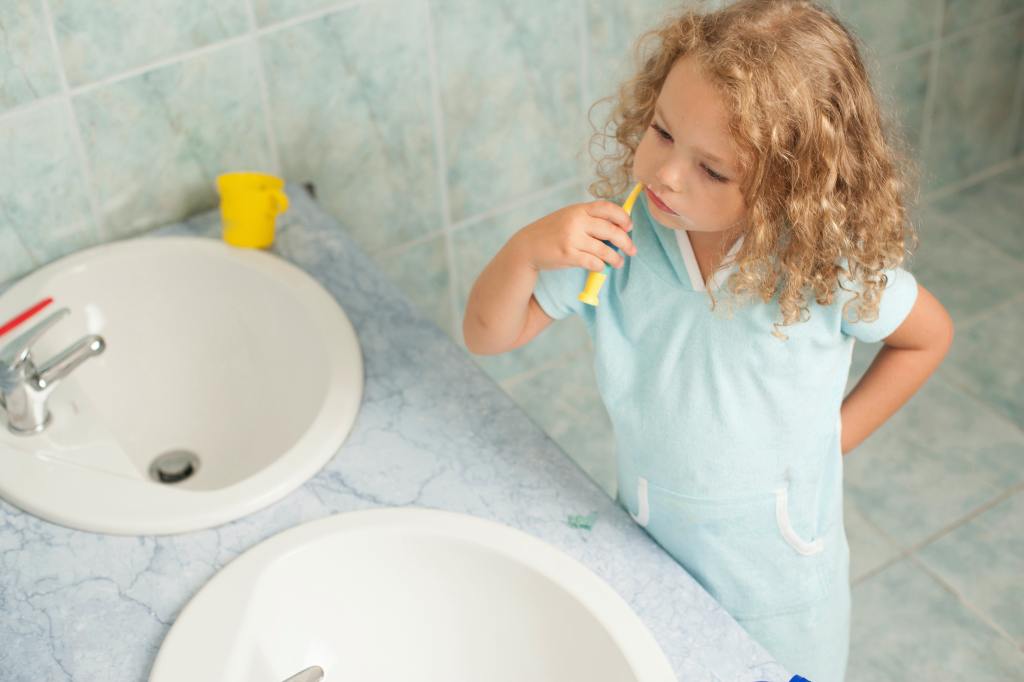
Children’s oral health (aka dental health) is an extremely important part of healthy everyday life. As a parent, one of your first goals is to focus on prevention and at home oral hygiene routines.
However, for some children who have Autism Spectrum Disorder (ASD) following a brushing and flossing routine can be quite difficult. This makes establishing and maintaining these daily routines challenging.
For some children this may be due to sensory sensitivities, for some it’s due to taste and texture sensitivities, and for some it’s their inability to communicate which leads to everyone’s frustration.
Today we’re breaking down the basics on challenges and strategies for your at home tooth care routine.
Strategies For Your At Home Tooth Care Routine
Almost everyone thinks you need to brush teeth in the bathroom, it is not always the case.
A Few Ways For You To More Easily Brush Your Child’s Teeth
Try brushing your child’s teeth with your child lying down on your bed, or
With you sitting on a chair have your child sit down on the floor in front of you and lean back against your legs. Have them tip their head up so you can see inside their mouth, or
Have your child lie down on the floor. You can either sit beside your child, or put a pillow on your lap and place your child’s head on the pillow, or
Standing in the bathroom with your child standing in front of you, have them face the bathroom mirror with their head slightly tilted against your body. Place your hand gently over their hand so that you can help guide the toothbrush around their mouth.
What You Need To Get Started Brushing Your Child’s Teeth
Soft-bristled toothbrush-choose your child’s favorite color or cartoon character
Electric toothbrush
Bubble gum or fruity flavored toothpaste
Hand held Flossers in fun colors
2 Minute Timer-a traditional fun colored plastic timer and watch the sand as you brush teeth, play a favorite song, or sign up for the 2 Minute 2X A Day App
Fluoride Rinse- which is available in several flavors
Parent Choices
Electric toothbrush-some children like the feeling of the moving bristles in their mouth and some children do not
Toothpaste- if you’re concerned about sodium lauryl sulfate (SLS) in your child’s toothpaste, there are toothpastes without SLS, you may want to consider the Hello brand or Tanner’s Tasty Paste (Disclaimer: I do not receive any endorsements and do not have any affiliations with any of the mentioned products).
Toothbrushing Steps
Start by showing your child their toothbrush and have them touch the brush handle and then the bristles with their fingers, then rub the bristles gently in small circles on the back of their hand.
You can then touch the toothbrush bristles to their lips. Ask them to open their mouth (as big as they can) and touch the bristles to one or two of their front teeth. Count together to see how long they can keep their mouth open.
Place a rice grain size (if your child is younger than 3 years old) or a small green pea size (if your child is older than 3 years old) amount of toothpaste on their toothbrush.
Next Comes Toothbrushing—
Brush the outside, inside and chewing surfaces of the top right back teeth five times,
Brush the outside, inside and biting edges of the top front teeth five times,
Brush the outside, inside and chewing surfaces of the top left back teeth five times,
Brush the inside, outside and chewing surfaces of the bottom left back teeth five times,
Brush the outside, inside and biting edges of the bottom front teeth five times,
Brush the bottom right back teeth outside, inside and chewing surfaces five times.
4 Important Tips To Remember When Brushing Your Child’s Teeth
always support your child’s head,
have good lighting so you can see inside their mouth as well as what you are doing,
be able to easily move their tooth brush around their mouth, and
always find the safest and most comfortable position for you and your child.
A Parent’s Experience Establishing A Daily Oral Hygiene Routine For Their Child With ASD
You know that agonizing, tearful, disappointing, painful and frustrating dental appointments are compounded at home when you try to brush your child’s teeth, let alone try to floss.
They read social stories and made step by step story boards. They coordinated their oral hygiene schedule with other parts of their daily AM and PM routines.
They involved anyone in the family they could. They tried distraction and demonstrated through role playing.
They came up with a calendar for their AM and PM routines, made this something fun to look forward to, and they included a rewards calendar.
The hardest part was staying positive and motivated no matter how frustrated or defeated they felt.
Then one day out of the blue it came together after more than 4 years in the making. Yes this may seem amazing, but it can happen because each child is on their own time line.
I Just Want To Do My PuzzleI Always Brush My Teeth Twice A DayLook How Far I Can Stick Out My Tongue
What To Remember
It takes time to establish a routine, and it may take multiple revisions and repeats. Try incorporating oral care into your daily life to become part of what you do everyday.
Consider talking with your child’s teacher, principal or the school district about adding daily oral hygiene to to your child’s Individualized Education Plan (IEP).
It’s important to take this one step at a time, reward your child’s successes and acknowledge that somethings may need to be tweaked.
2 of the most important things to remember— When you get to where you want your child’s oral hygiene routine to be it will be so worth it! Reward yourself for a job well done!!
Stay Tuned — We’re looking forward to seeing you next week when we continue discussing Strategies For Your At Home Care Routine with tips for creating your own storyboard.
Does your child have ASD? What are your at home care challenges? How is your routine going? What are your successes? What have you learned works for your child? Tell us, We’d really like to know! Send us an email at kidstoothhotline@proton.me Like Us or Chat with us on Facebook at facebook.com/kidstoothhotline
More tips? We have lots. We’re here just for kids!

Going to the Dentist is hard. For parents whose child has Autism Spectrum Disorder (ASD) it is especially difficult.
See Me FirstIt’s Just To Much
What is important to know is that dental care and oral hygiene routines may go very slowly at first. Over time, and with compassion, patience and determination at home and in the pediatric dental office achieving positive results is possible and can bring invaluable rewards for your child and you.
ASD is complex and individual. There can also be associated medical issues that your family is dealing with and need to be taken into consideration.
Some children are distant and detached from people and their surroundings, and may or may not be verbal. Other children may have repetitive routines and behaviors, unpredictable body movements, or self-injurious behaviors. There are some children who have sensory, taste and/or texture sensitivities. Any of these behaviors can complicate dental care and establishing oral hygiene routines.
Today we’re breaking down the basics on challenges and strategies to help you help your child achieve successful dental care in the office.
Challenges And Strategies For Dental Care
Pediatric dental offices have all the bells and whistles for making going to the dentist fun. However they still have bright lights, loud noises and unfamiliar sights, smells and tastes.
Dental visits and procedures can be difficult for children with ASD who are sensitive to strong smells, tastes, and textures, or can not tolerate people or objects near their ears, face and mouth.
Strategies For Making Dental Visits Successful
Call the office ahead of your visit to discuss your child’s medical history, needs and preferences. Ask if you can tour the office with your child before their appointment.
While you’re on the phone or during the tour, ask if the office has or if you can bring noise-canceling headphones, a weighted blanket, or sunglasses, You can also ask if your child can listen to music or watch a movie. It’s okay to ask if it would be possible to turn off the fluorescent ceiling lights in the treatment room, and/or have limited talking during the dental procedure. If your child has self-soothing or a repetitive routine when they’re in a new environment remember to let the office know.
Some children with ASD may benefit from a gradual introduction to each step over multiple successive visits, rather than trying to accomplish everything at once. You can also ask the office if they offer introduction or “desensitization” visits to help prepare for your child for their first visit, their cleaning appointment or their dental procedure.
Tell your child ahead of time they are going to the dentist.
Read a social story about going to the dentist or create a story board about going to the dentist.
Read a book about going to the dentist. Some of our favorites are —Just Going To The Dentist by Mercer Mayer, The Berenstain Bears Visit The Dentist, Dentist Trip (Peppa Pig), Dora Goes To The Dentist.
Role play a dentist visit at home – You can put on disposable gloves, let your child touch them when they’re on your hands so they get the feel of the gloves’ texture, and practice looking in their mouth and counting their teeth. You can also do this with their toys.
Encourage your child and and do something fun as a reward for success at the end of the visit. (just not sweets or candy). This gives them positive reinforcement and associates the visit with something happy and something to look forward to.
Always be positive when talking about the dentist and their upcoming appointments.
A Pediatric Dentist’s Experience Treating A Child With Autism Spectrum Disorder
As a pediatric dentist it is a pleasure and privilege to treat all children. The greatest compliment I can receive is when a parent entrusts me with the dental care and treatment for their child.
I would like to tell you about a patient of mine who has ASD. This child is amazing in the office now but our dental journey did not start out that way 4+ years ago. For this child’s parents it was agonizing, hair pulling, tearful, disappointing, painful and frustrating. What worked once didn’t always work twice. Each time we regrouped and eked forward. Today I’m happy to say that this child is incredible for their dental appointments, and I am so proud for this family.
I Just Want To Do My PuzzleI Am Autism Eye To Eye With My MomSee Someone SpecialCelebrating My BirthdaySometimes I Need A Time Out
What To Remember
Pack your patience. It may take a while to get to where you want to be. When you get there it will be so worth it!
Stay Tuned — We’re looking forward to seeing you next week when we discuss Challenges And Strategies For Your At Home Care.
Does your child have ASD? What are your dental visit challenges? What are your tips for dental visits? Tell us, We’d really like to know! Send us an email at kidstoothhotline@proton.me Like Us or Chat with us on Facebook at facebook.com/kidstoothhotline
More tips? We have lots. We’re here just for kids!
I Love My Mommy And Daddy, And They Love My Fresh Breath
When it’s snuggle time with your child you expect your child’s breath to smell as sweet as they are. While children’s breath can be very sweet, there are times when your toddler to teen’s breath is plain stinky.
Bad breath (aka Halitosis) while not uncommon in children also does not necessarily mean your child is sick.
We’re breaking down the basics for you, so keep reading to find out about potential causes and solutions for bad breath in children.
What Causes Bad Breath?
Halitosis can be caused by several factors, such as —
Mouth Breathing
Everyone breathes through their mouths once in a while, especially when it’s cold and flu season. Even then you’ll notice that your mouth feels dry and chapped.
This is because breathing through the mouth, and especially for children who breathe through their mouths every night when they sleep do dry out their mouth. The drying effect is due to a decrease in saliva production. Less saliva means more dry mouth.
What else can cause mouth breathing? Something stuck in their nose, congestion from a sinus infection, seasonal allergies, or certain medicines like an asthma inhaler. When any of these issues show no signs of resolving anytime soon, it’s time to see your pediatrician.
Good Morning BreathMonster Breath
Large Tonsils
Enlarged tonsils and adenoids can cause bad breath when they trap nasal secretions, food particles, and bacteria.
On the other hand, tonsillitis is an infection that makes the tonsils appear red and swollen. It occurs due to viruses or bacteria.
Dehydration and Dry Mouth
Drinking the right amount of water is important to keep your child’s body hydrated. Being well hydrated means that their salivary glands are producing the correct amount of saliva which in turn helps to cleanse their mouth and teeth, helping them to have fresh breath.
The National Institute of Dental and Craniofacial Research states that saliva helps clean the mouth. When children don’t drink enough water, the amount of saliva in their mouth’s decreases. Less saliva leads a decrease the natural ability to clean their mouths. and an increase in the odor causing bacteria in their mouths.
Oral Hygiene
Poor oral hygiene can cause smelly breath even in children as young as toddlers. The most common places for food debris to hang out is in between teeth, on the gums, and also on the tongue.
Food debris is more than left over particles of food, it is also the mouth bacteria that attaches onto the food, and all of this together make up what we call dental plaque (or plaque for short).
Ever notice that white coating on your child’s tongue? That’s the plaque that attaches to the natural crevices on their tongue. You know that if the plaque is on the tongue, it’s for sure on the teeth and gums.
You Mean Stuff Caught In My Braces Can Give Me Stinky Breath
Cavities, Loose Fillings, Dental Infection
Did you know that bacteria causes cavities? Yes they do. The natural bacteria in the mouth latch onto the plaque. The longer plaque sits on teeth and in between the teeth, the more the tooth enamel is broken down, which is how cavities start and grow.
Cavities keep growing and the larger it gets the more likely it is to cause an infection. When the infection forms more types of bacteria come to the site and since these bacteria have their own smell the mouth gets even smellier.
Sometimes it could happen that your child has a loose cap or filling. If this occurs, food and bacteria can get trapped underneath, which can also cause bad breath.
Gum Disease
The same plaque that sits on the teeth, in between teeth and on the tongue also sits on the gums and causes their breath to smell like sulfur or rotten eggs. Also known as gingivitis, this causes the gums to become red, swollen and bleed during toothbrushing.
Eating Smelly Foods
Some of the foods we really like, are good for us, and are happy our children want to eat can cause smelly breath. The most talked about are onions and garlic.
So what to do? After enjoying your oniony-garlicky delights, have your child rinse their mouth with water, brush their teeth, or chew sugar-free gum to freshen up their breath. The sugar free gum helps to stimulate saliva production to naturally help cleanse their mouths.
Medical Conditions
Your child may have bad breath if they have certain medical conditions, such as tonsillitis, sinusitis, bronchitis, or other respiratory infections.
If your child has a serious medical condition such as uncontrolled diabetes, kidney disease, gastrointestinal issues, liver disease they may also experience chronic bad breath.
An Object In The Nose
Some children, especially toddlers like to put things into their nose, whether it’s a tiny toy, something they find or bits of food.
When something gets put into the nose, it causes an increase in nasal secretions like a runny nose, inflammation and a bad smell that can be mistaken for bad breath. This is the time to seek medical attention.
What Can I Do To Keep Bad Breath Away?
Children can have halitosis for several reasons, and the approach to treatment depends on the cause.
Sometimes it’s a trip to your pediatrician to make sure everything is okay; or sometimes it’s your pediatric dentist you contact.
Sometimes what you’re doing at home is the solution to taking care of your child’s bad breath —
Good daily oral hygiene – Toothbrushing twice a day in the morning before going to school and at night after flossing. Use a fluoride toothpaste to help reduce the risk of cavities and infection;
Change their toothbrush – Toothbrush bristles wear down with regular twice daily use and should be changed every 3-4 months to make sure your child’s teeth are properly cleaned so their breath can stay fresh;
Brush to their favorite tunes or use a 2 minute brushing timer;
Be rock stars of the toothbrushing world together by brushing together and establishing your daily routine.
Mommy And Daddy Love Your Sweet Smelling BreathFresh Food For Fresh BreathI Always Brush My Teeth Twice A DayDaddy And Me Brushing TimeHow Often Do You Change Toothbrushes?Mommy Loves You, Let’s Go Floss and Brush Your TeethDad Did You Know This Tooth Truth?
What To Remember
Most children and teenagers have bad breath when they wake up. This usually goes away after they have something to eat and drink and brush their teeth.
Key ways to prevent bad breath for your child is to —
maintain good oral hygiene including toothbrushing, flossing, tongue brushing,
decreasing the habit of mouth breathing and learning how to breathe through their nose,
staying well hydrated by drinking healthy amounts of water which also helps maintain adequate flow of saliva.
However, there are times when you’re concerned because your child’s bad breath isn’t going away no matter what you do, this is the time for you to talk with your pediatric dentist or pediatrician.
Have you noticed your child’s breath lately? Are you worried your child may have bad breath? Has your child had bad breath for a while?, What did you do? Tell us, We’d really like to know! Send us an email at kidstoothhotline@proton.me Like Us or Chat with us at facebook.com/kidstoothhotline
More tips? We have lots. We’re here just for kids!
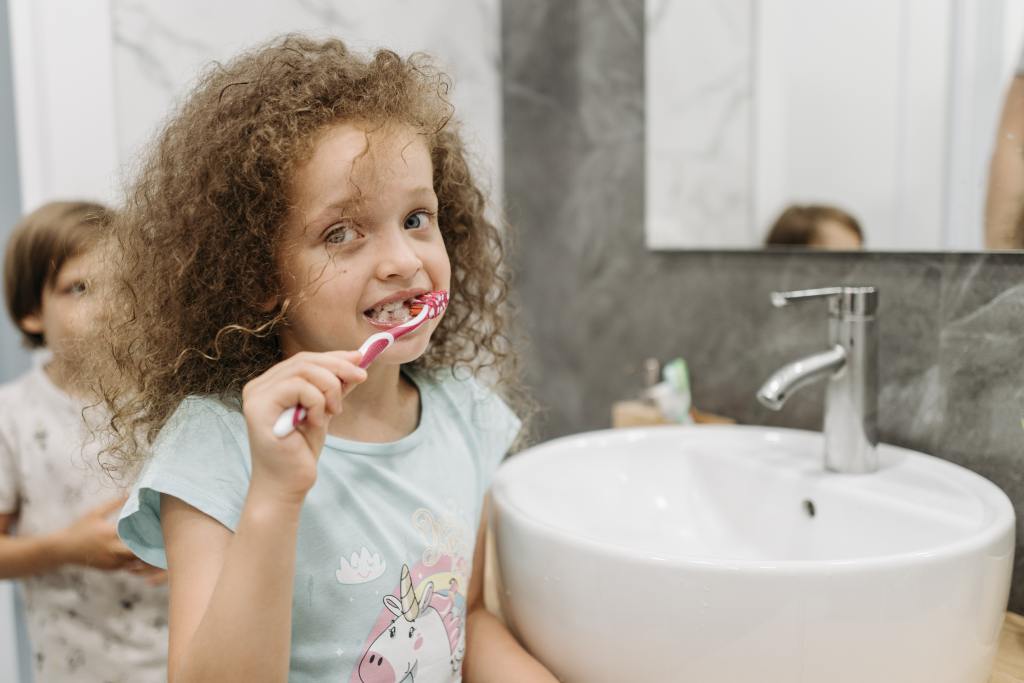
Your child’s smile says it all, it’s the window to their overall health and well being.
Rocking My Amazing Smile and Healthy Me
February is officially National Children’s Dental Health Month, but your child’s dental care is important everyday. A healthy mouth means healthy teeth, a bright smile and fresh breath. This also means your child can talk and laugh with confidence.
We’ve put together for you some facts, ideas and tips on keeping a healthy smile for your tween and teen during these important years.
3 Facts To Know About Tween and Teen Dental Health
FACT 1: Your child has not outgrown tooth decay (aka cavities). In fact, dental decay may be more of a problem for you during their teen years than it has been before.
FACT 2: Gum disease (aka gingivitis) is a risk to their dental health. It is also a threat to their appearance. Gingivitis causes red and swollen gums, bleeding gums and bad breath.
FACT 3: Between the ages of 12 and 14 years old your child may have lost all of their baby teeth and have all of their permanent teeth, with the possible exception of their wisdom teeth (aka third molars).
That’s going from 20 baby teeth in kindergarten to 28 adult (permanent) teeth between middle school and high school.
This is why during these growing years, as their teeth, face and jaws undergo many changes it’s important to keep their teeth healthy by what you do at home and seeing their pediatric dentist every 6 months for checkups.
Smiling Our Best SmilesDo You Really Think My Teeth Look Great?We Love Showing Off Our Healthy Teeth
How Should We Be Brushing And Flossing?
Sometimes they’ll need your help, sometimes they’ll want to brush and floss on their own, sometimes they won’t want anything to do with brushing and flossing. What’s important is for you to patiently support and encourage your at home oral hygiene routine.
How To Brush
4 Steps make it easy, BUT 5 make it fun
Place a green pea size amount of fluoride toothpaste on their brush and place their toothbrush against their gum line,
Hold their toothbrush at a 45 degree angle to their gum line to make sure you’ll be reaching the gum line and each tooth,
Move their toothbrush gently in circles as you move along the gum line and over each tooth surface,
Before your bedtime brushing, floss between their teeth to remove what the brush won’t reach,
Make it fun by playing their favorite song and brush to the tune!
How To Floss
Floss all their teeth, and don’t forget to floss behind their very last back teeth.
Use about 18 inches of floss wound around one of your middle fingers, with the rest wound around the opposite middle finger,
Hold the floss tightly between the thumbs and forefingers and gently insert it between the teeth. You may want to start on the top right side and move around to the top left side, then the bottom left until you finish on the bottom right side,
Curve the floss into a “C” shape against the side of the tooth. Gently rub the side of the tooth with an up-and-down motion. The gums in between the teeth look like a triangle. You’ll place the floss gently under the gums on each side of the triangle as you floss each side of the tooth,
Rub the floss gently up and down, keeping it pressed against the tooth and following the shape of the tooth. Don’t jerk or snap the floss, and be gentle. Effective flossing is gentle flossing.
Keeping My Teeth Healthy By FlossingHealthy Teeth Is Like Ice Skating, It Takes PracticeI Love To SmileOur Healthy Teeth Give Us The Confidence To Sing
Your Check List To Help Your Tween And Teen Keep A Health Smile
Eat intelligently! Life is going to be more hectic now. If your child has to eat on the run, choose fresh fruits and vegetables instead of junk foods.
Steer clear of the juice, soda, chips and candy at your child’s school vending machines. If they need to get something, encourage purchasing water. Why water? It’s sugar free and keeps them hydrated.
Snack smartly. Lot’s of snack food contain sugar which can cause cavities.
Practice good oral hygiene twice a day. Brush for 2Minutes 2X’s A Day (after breakfast and before bed) with a fluoride toothpasteand floss before tooth brushing every night.
Replace your child’s toothbrush every three or four months when the bristles are worn down.
Keep up with their checkups. Cleanings, fluoride treatments and sealants are important protective measures for your child.
Do Not smoke, chew tobacco, or vape. The warnings are real! Lung (breathing) problems, heart problems and cancer are only a few of the bad tings that can happen. If you notice anything different contact your Pediatrician immediately. Tobacco (in any form) and vaping can stain their teeth and tongue, change their sense of taste and smell, increase their risk for cavities and tooth loss.
Wear a mouth guard when playing sports or activities where your mouth can be hit. This is to protect your teeth.
Buckle up in the car, safety first.
5 Reasons Your Tween’s and Teen’s Teeth Are Important To Keep Healthy
Speak clearly – Teeth, tongue and mouth muscles help make specific speech sounds like f, s, sp, v, t, and th.
Eat healthy foods – Eating healthy foods promotes good nutrition and a healthy weight. Cavities can cause teeth to hurt, so they are less likely to want to eat.
Be healthy – Sometimes it’s hard to describe that their teeth hurt, so they can’t tell you. That doesn’t mean that the pain isn’t real. As cavities grow they can cause pain, swelling and significant infections which can affect other parts of their body.
Focus and learn – When teeth hurt performance in school suffers. Keeping teeth healthy allows children to pay attention in school.
Feel good about themselves – At the bus stop, school drop off or pick up, have you seen the child who stays to themselves, is quiet, keeps their hand over their mouth when speaking and doesn’t smile? They’re probably hiding the cavities on their teeth they don’t want anyone to see.
Some Of Us Like To Smile, Others Not So MuchSister’s Keep Each Other’s Smiles HealthyHaving Healthy Teeth Helps Me Learns Better.jpgGood Food Keeps Me And My Teeth HealthyBeautiful Smiles Now, Beautiful Smiles Later
What To Remember
At times teenagers can act indifferent to certain things, it is important for you to help and gently remind and encourage your teen to keep up with their home care.
How to do this? Be your child’s hero, Be their role model for oral health. Brush your own teeth 2Min 2X’s a day with fluoride toothpaste (in the morning and at bedtime) and floss once a day (before bedtime brushing).
This way you’re showing them that a healthy mouth is important for their overall health and well-being; and with a healthy mouth, they can speak clearly, eat healthy foods, be healthy, learn well and feel good about themselves.
Group SmileI’ve Always Brushed My Teeth For 2 Minutes 2X’s A DayMy Picture Perfect Smile
What are your struggles to get your tween or teen to brush their teeth? Have you dared to mention the dreaded flossing? Tell us, We’d really like to know! Send us an email to kidstoothhotline@proton.me Like Us or Chat with us on Facebook at facebook.com/kidstoothhotline
More tips? We have lots. We’re here just for kids!
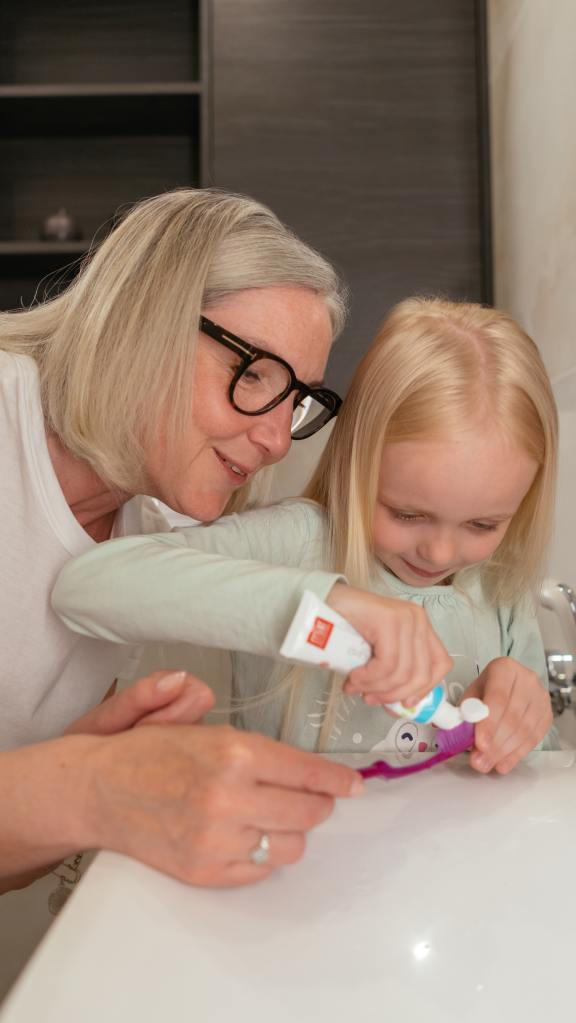
My Mom and Dad Say I Grind My Teeth But I Don’t Know Why
You walk into your child’s room to check on them after they’re asleep, you hear what sounds like fingernails on a chalkboard and you think “Oh no, they’re grinding their teeth. But do children grind their teeth?”
According to the Children’s Hospital of Philadelphia about 3 out of 10 children grind their teeth, and that’s before they’re 5 years old. So yes, teeth grinding is fairly common for children.
What Is Tooth Grinding?
Tooth grinding, is also known as bruxism. Bruxism is when your child grinds or clenches their teeth together. This can occur unconsciously during the day or at night while they are sleeping.
What Are The Signs My Child Is Grinding Their Teeth?
There are usually 6 signs to look out for that your child is grinding their teeth —
The grinding, nails on a chalk board sound,
Their teeth are getting shorter because they are getting worn down and becoming more sensitive,
Their teeth look flatter especially the eye teeth (aka canines),
Their jaw joints (aka Temporomandibular joint or TMJ), jaws and/or cheeks are sore in the morning,
Their neck muscles are tight and painful in the morning,
They have a headache in the morning.
While children may let you know about most of these signs in the morning, they can also occur during school, after school, and in the evening.
Why Do Children Grind Their Teeth?
Young children such as toddlers and preschoolers usually grind their teeth as a way counteract teething discomfort or pain. They’re getting new teeth so this is also a way for them to learn how to place their teeth together.
Most school age children between the ages of 6 and 9 stop grinding on their own.
For the school age children, tween and teenagers who still constantly grind there could be a few reasons why —
It could be a sign that they are stressed. We don’t usually think that children have stress, but they do. There’s school work, home work, tests, sports, after school, in other words lots of reasons to be stressed,
Their teeth aren’t lining up in a way that’s comfortable for them to bite together and they’re searching for the right spot for all their teeth to fit together comfortably,
Some medications,
They may not be getting good sleep due to things like nightmares, night terrors, snoring, sleep apnea,
Ear infections cause a buildup of pressure in the middle ear and a child may grind to compensate and try to equalize what they’re feeling.
Can Bruxism Cause Problems?
Chronic bruxism can cause ongoing problems such as —
Worn off tooth enamel
Fractured and chipped teeth,
Tooth sensitivity,
Jaw pain,
Jaw joint issues,
Headaches.
How is Bruxism Treated?
Toddlers and preschoolers grind their teeth usually when they are teething. To help with the teething pressure you can try a clean cool wet washcloth, you hold the cloth while having them bite on it. The coolness of the washcloth helps soothe their gums.
For older children who haven’t stopped clenching and grinding their teeth, like school age, tweens and teenagers and you’re concerned that it’s damaging their teeth or causing jaw pain, your pediatric dentist can sometimes fabricate a custom night guard. A night guard helps cushion the impact from grinding, which can help prevent damage to the teeth and jaw joint.
If teeth clenching and grinding is part another sleep issue like snoring or sleep apnea, it’s important for you to speak with your pediatrician before your child’s next appointment.
As A Parent, What Can I Do To Help My Child?
Help your child, no matter their age, feel relaxed and comfortable before bed by establishing a calming bed time routine —
Set a regular bedtime and wakeup time every day,
Encourage beds are only for sleeping, no electronics or doing homework in the bed
Set up their room decor in a warm, welcoming, comfy and cozy way,
Have them take a warm bath or shower before bed,
Older children may want to listen to their favorite book on a podcast,
For younger children, reading their favorite stories or books together,
You may want to start the evening with their favorite music or some calming music and have some fun,
You may want to turn on an app with some calming water sounds, white noise, nature sounds,
As an after school activity you may want to consider children’s yoga,
Try to find out what’s causing the grinding. This may take some detective work and part of that is talking with your child to see how things are going, if anything has changed, anything new at school or with sports…
If you’ve tried and it’s not working, then it’s best to speak with your pediatrician and pediatric dentist to help you delve deeper and help you get the right treatment.
What To Remember
Often, the first indication that your child is grinding is the noise created by the clenching during sleep; or, you may notice their teeth getting shorter.
There are many thoughts as to why this occurs. Stress or inner ear infections are only 2 likely causes.
While the majority children may outgrow this or not require any treatment, there are children who need to see their pediatric dentist and pediatrician to address the cause of their bruxism and provide treatment.
If you suspect bruxism or have any concerns, always discuss this with your pediatrician and pediatric dentist.
Do you grind your teeth? Have you heard your child gnashing their teeth together? What have you done to help stop the grinding? Tell us, We’d really like to know! Send us an email to kidstoothhotline@proton.me Like Us or Chat with us on Facebook at facebook.com/kidstoothhotline
More tips? We have lots. We’re here just for kids!
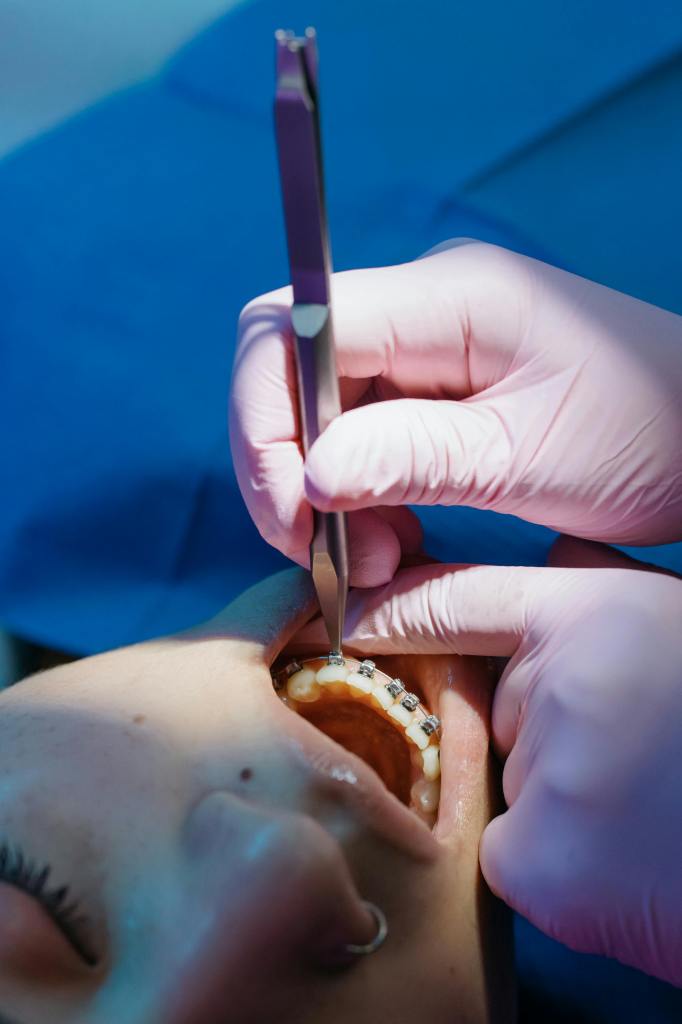
The 2 questions parents ask most often about their children’s teeth are about braces and cavities.
When asking about braces, we’ll often hear one of two types of questions. Many parents ask if “now” is the time to see the Orthodontist. While many more parents will ask “Isn’t my child too young to start braces?”
The answer is, there is a lot that goes into recommending when to first see the Orthodontist.
What Does The Orthodontist Say?
The American Association of Orthodontists recommends that every child have an orthodontic evaluation by the age of 7.
Does This Mean We’re Ready To Start Braces?
An evaluation does not mean that your child will start braces immediately. Depending on your child’s growth and development, braces may or may not be indicated for several years.
The evaluation gives the Orthodontist a chance to examine your child, and discuss with you their growth pattern, the next steps and when to begin treatment.
What is Early Treatment?
Early treatment is also called Interceptive Orthodontics or Phase 1 treatment.
In this phase, the emphasis is on growth; specifically your child’s growth pattern.
The Orthodontist is interested in the position and symmetry of the jaws, future growth, spacing of the baby teeth, breathing and other oral habits which can, over a period of time affect your child’s dental and facial development.
When Is Early Treatment Recommended?
Early treatment may be recommended for —
Habits such as tongue thrusting or thumb sucking
A constricted airway due to enlarged adenoids or tonsils
Mouth breathing or snoring problems
A bad bite
Narrow or underdeveloped jaws
Space maintenance (if there are any missing teeth)
Treatment in this phase of development does not necessitate or eliminate the need for future orthodontic treatment.
Remember this phase is all about how your child grows.
If There is Phase 1, Is There A Phase 2?
In the second phase, the Orthodontist will be looking at how your child’s teeth and jaws fit and come together.
Teeth will be straightened and their bite (aka occlusion) is properly aligned. Attention is given to their jaw joint (TMJ), their facial profile and gum tissues.
Showing Off My Beautiful SmileOn Our Way To The Orthodontist’s OfficeMy Braces Make Me Want To SmileBeing Careful With My Braces During Swimming
What To Remember
You want your child to have their best smile. While some children may need braces sooner than others, there is no exact age on when to start; and each child needs their own distinct treatment protocol.
An evaluation by an Orthodontist is valuable because it helps identify and address dentofacial issues early, putting your child on the path to their healthy beautiful smile.
Did you have braces? Does your child have braces? or, Are you about to start braces? What questions do you have? Tell us, We’d really like to know! Send us an email to kidstoothhotline@protonmail.me Like Us or Chat with us on Facebook at facebook.com/kidstoothhotline
More tips? We have lots. We’re here just for kids!