Why Is Chewing Ice Bad For My Child’s Teeth?

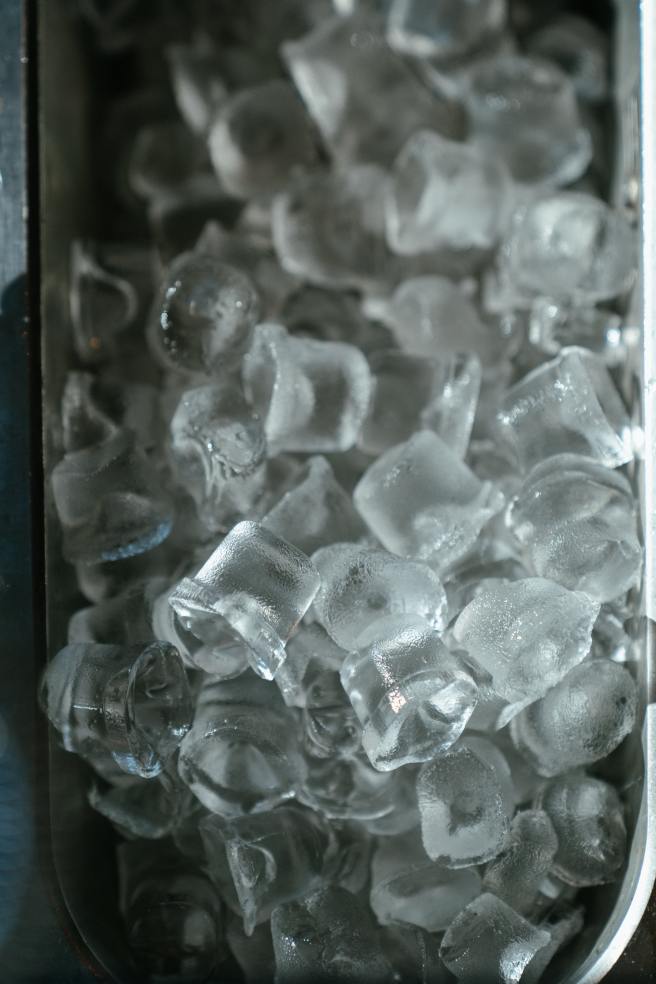
Ice Cubes Aren't For Teeth
Ice Cubes Aren’t For Teeth

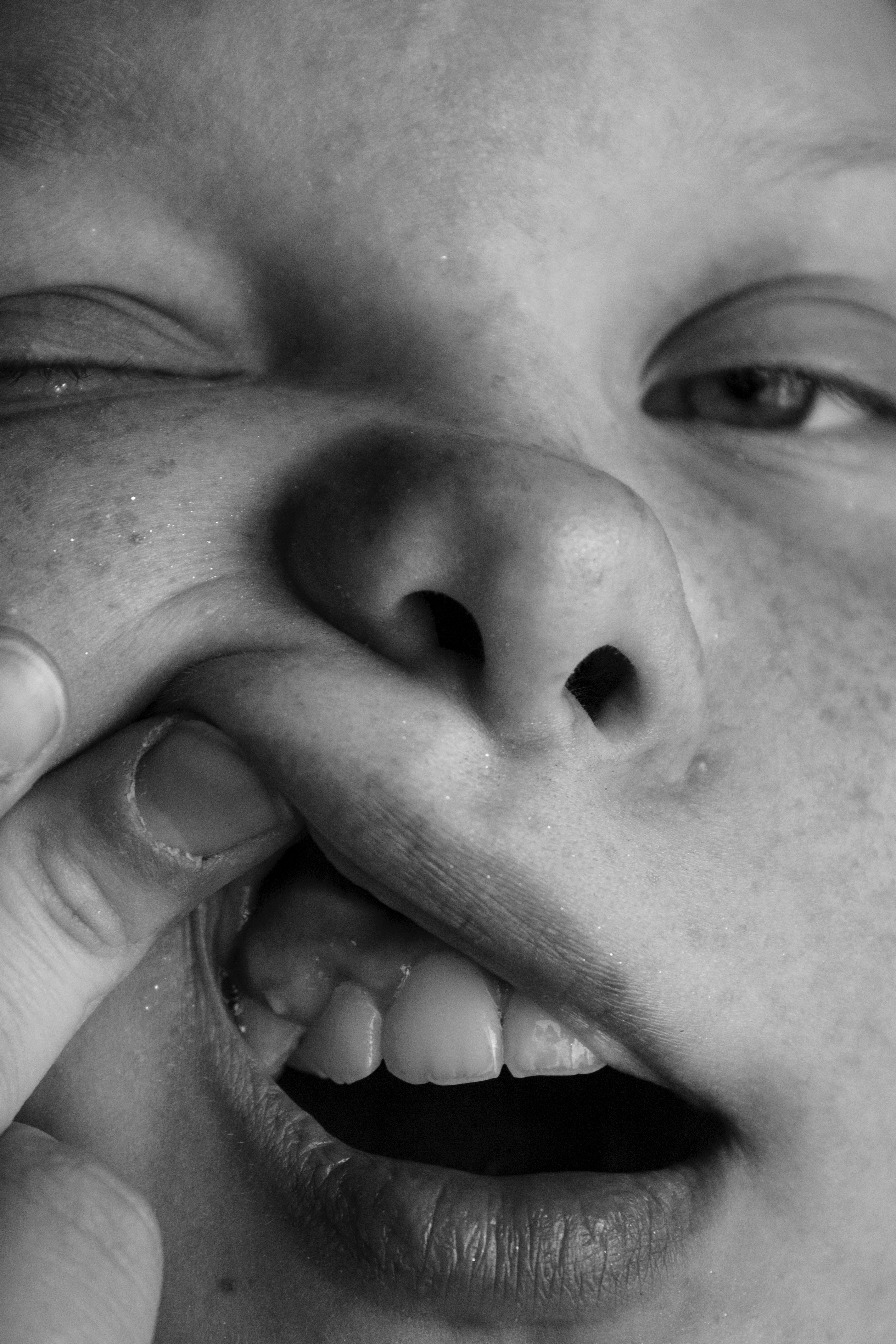
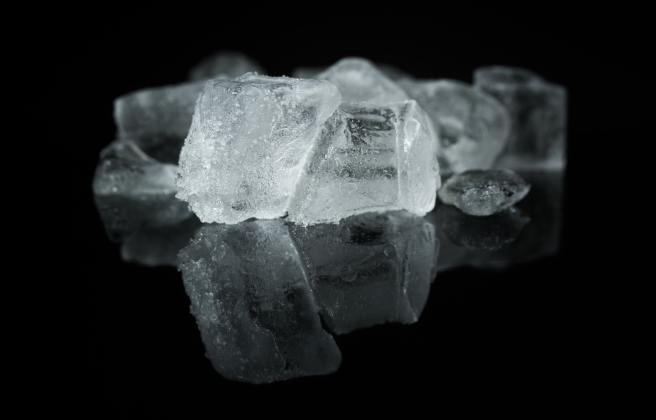
Ice Is Harder Than Teeth

Ice Isn't For Teeth
Ice Isn’t For Teeth

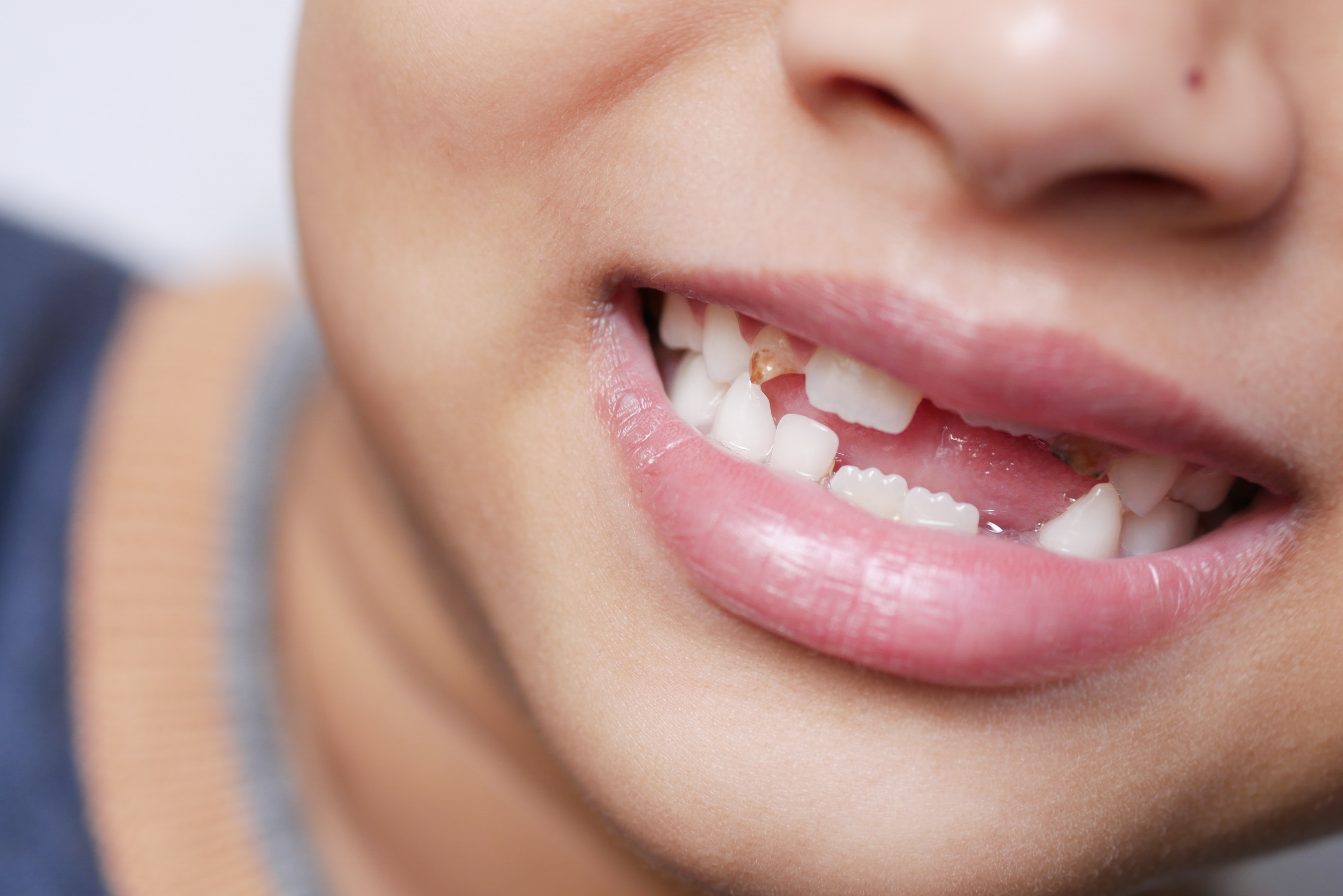
Ice Can Break Teeth And More

Broken Teeth Can Get Cavities

How To Stop Chewing On Ice

Gummy Vitamins, What’s The Big Deal For Little Teeth?

In the Know for You to Know
Sugar Puts The Gummy In Gummy Vitamins

Sugar Puts The Gummy In Gummy Vitamins

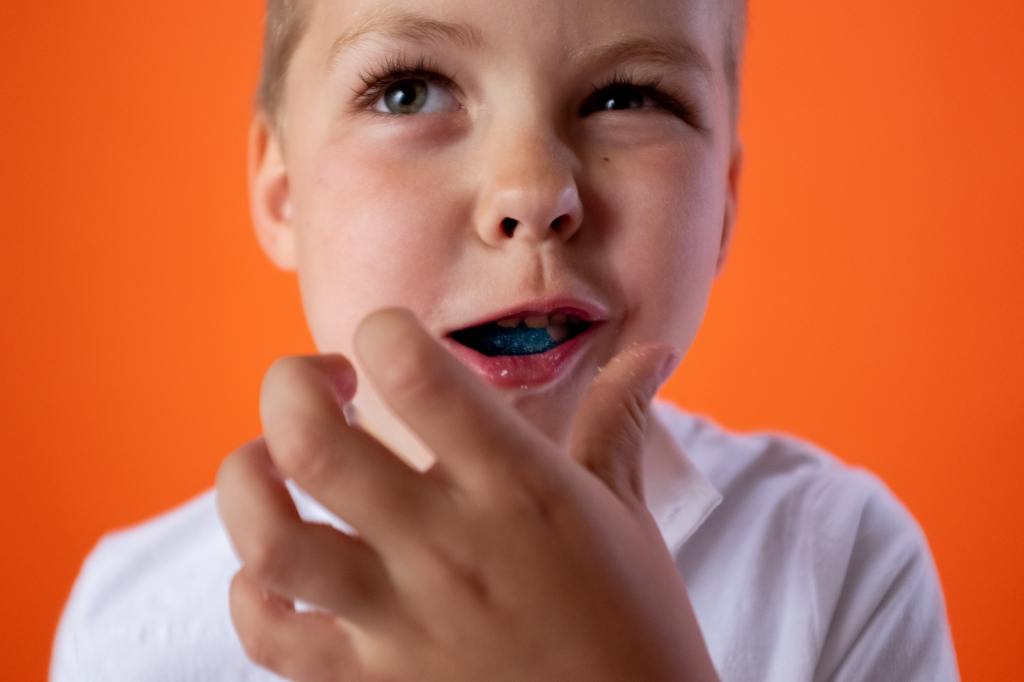
Gummy vitamins are very popular with children and parents for getting essential vitamins and nutrients in a tasty gummy treat. While this can be a great way for your children to want to take their vitamins, gummy vitamins can also harm their teeth.

BUT THEY’RE VITAMINS

Yes, they’re vitamins that are chewy, really tasty, and come in an endless variety of colors, shapes and flavors.

THE STICKY TRUTH

It’s really 3 things to keep in mind,
Gummy vitamins are high in sugars in comparison to other vitamins. It’s the sticky consistency that makes them stick to the tops and in-between the teeth that’s the concern because it eats away at the tooth’s outer protective enamel layer.

Gummy Vitamins Can Also Come Sugar-Free, But…

Xylitol is the only 1 sugar substitute known to help reduce cavities, and that is in very specific amounts.

Manufacturers of gummy vitamins may not use xylitol or use it in different amounts. Some manufacturers may say their vitamin is sugar-free only to find out that they add other sugar substitutes (which doesn’t reduce cavities) and other sweeteners. They may also coat the vitamin with sugar or a sugar substitute (again which doesn’t reduce cavities).

Our Recommendation

It is your and your pediatrician’s decision regarding which vitamin supplement is best for your child. Our suggestion is to please make sure your child takes their gummy vitamin before your nightly tooth brushing routine. This way everyone goes to bed with nice clean teeth.

If your pediatrician wants your child to take their gummy vitamin in the morning, have them take it with their breakfast and when they’ve finished eating then brush their teeth. This way everyone starts the day with nice clean sparkling teeth.

Does your child take gummy vitamins? What’s your routine? We’d really like to know! Send us and email at kidstoothhotline@proton.me Chat with us and Like Us on Facebook at facebook.com/kidstoothhotline

More tips? We have lots. We’re here just for kids!


\

Summer Tooth Tips For Your Family

In the Know for You to Know

Hello Summertime

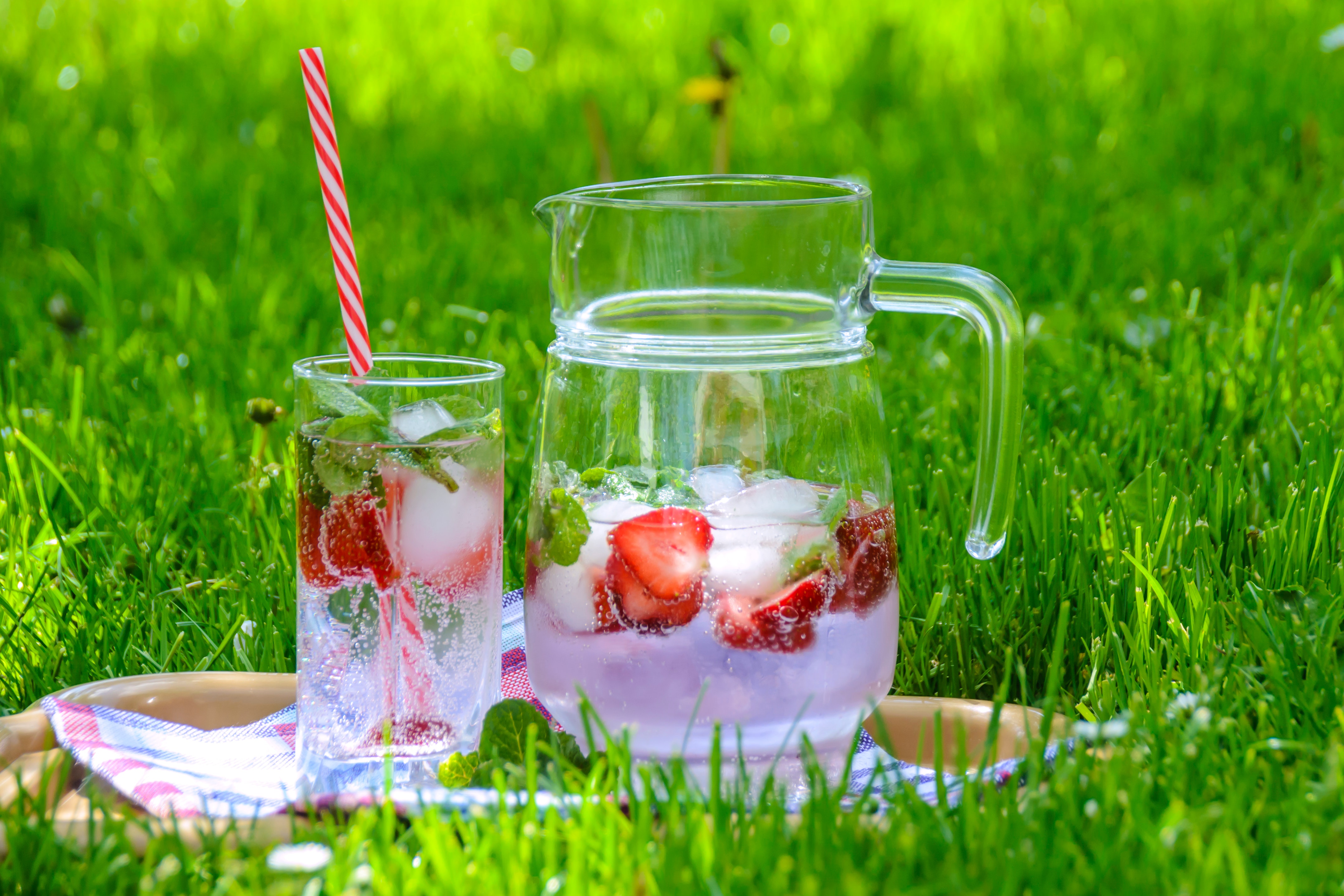
Summer is here and your family wants to have fun, fun, and more fun. Lazy days and yummy foods have been on your children’s minds since the count down to vacation began.

This is also a stressful time for you because you know what they want and you want to keep up their balanced diet and keep going with those good habits you’ve worked hard on.

So how do you indulge those eagerly awaited extra special delights and stay on track?

4 Bite Sized Tips For Healthy Summer Teeth

Keep up with your child’s routine

Whether you’re traveling, day tripping, planing a staycation or a trip to Grandma’s, put together a traveling dental kit. This way if schedule changes disrupt your good habits you can start up where you left off. Also remember that while bottles and sippy cups are good for comforting your child, don’t let them fall asleep with one in their mouth as it increases their risk for cavities.

Stick to your child’s healthy diet

Make those special foods and beverages more delicious when eaten with a healthy and balanced meal full of fresh fruit, veggies, whole grains, lean protein, water, and plain milk.

Indulge with care

Gooey, sticky and chewy are fun to eat, not so much to brush off teeth. Choose treats that are super smooth and slide off the teeth like chocolate bars without crunchies, italian water ices, and ice cream.

Make it fun

Vacation time is happy and new every year. This year tweak your consistent daily routines in a fun way. Try doing something to keep your child’s attention long enough for you to brush all their teeth, like – brushing and flossing together or have a brush-a-thon to your child’s favorite tunes. Children love stickers, so use a sticker chart and remember to be on the look out for their fun flavor toothpaste or a toothbrush with their favorite character.

Summer time is always a busy time for families. Being out of school with a steady stream of activities puts every day life on hold, including good tooth routines and habits.

If your good habits go haywire, pick up where you left off and help your child get back on track with their good brushing, flossing and healthy eating habits.

Enjoy your summer and make those amazing memories while at the same time protecting those beautiful smiles!

How do you keep up with your children’s brushing and flossing over the summer? What are your families favorite summer foods? We’d really like to know! Send us an email at kidstoothhotline@proton.me or Chat with us and Like Us on Facebook at facebook.com/kidstoothhotline

More tips? We have lots. We’re here just for kids!

Mouthguards Are The Sports Equipment To Protect Your Child’s Smile

In the Know for You to Know

As parents we all know to say “Wear your helmet!” when our children want to go out to ride their bike, skateboard or scooter. We also say this when our older children play baseball, football, hockey or lacrosse. You may have already seen them used in contact sports, such as football, boxing, and ice hockey.

Mouthguards offer the same protection. While a helmet protects a child’s head, a mouthguard protects their teeth and their head.

How does a mouthguard protect a child’s head? As parents we’ve heard about concussions, and a lot of times we think about concussions as occurring from a blow to the head. What’s important to note is that contact to any portion of the mouth or jaw can cause a concussion.

My Balance Beam Is Really High And The Mat Is Far Away, I'm Happy I'm Wearing My Mouthguard
My Balance Beam Is Really High And The Mat Is Far Away, I’m Happy I’m Wearing My Mouthguard

How can a mouthguard help?

What Is The Benefit Of Wearing A Mouthguard?

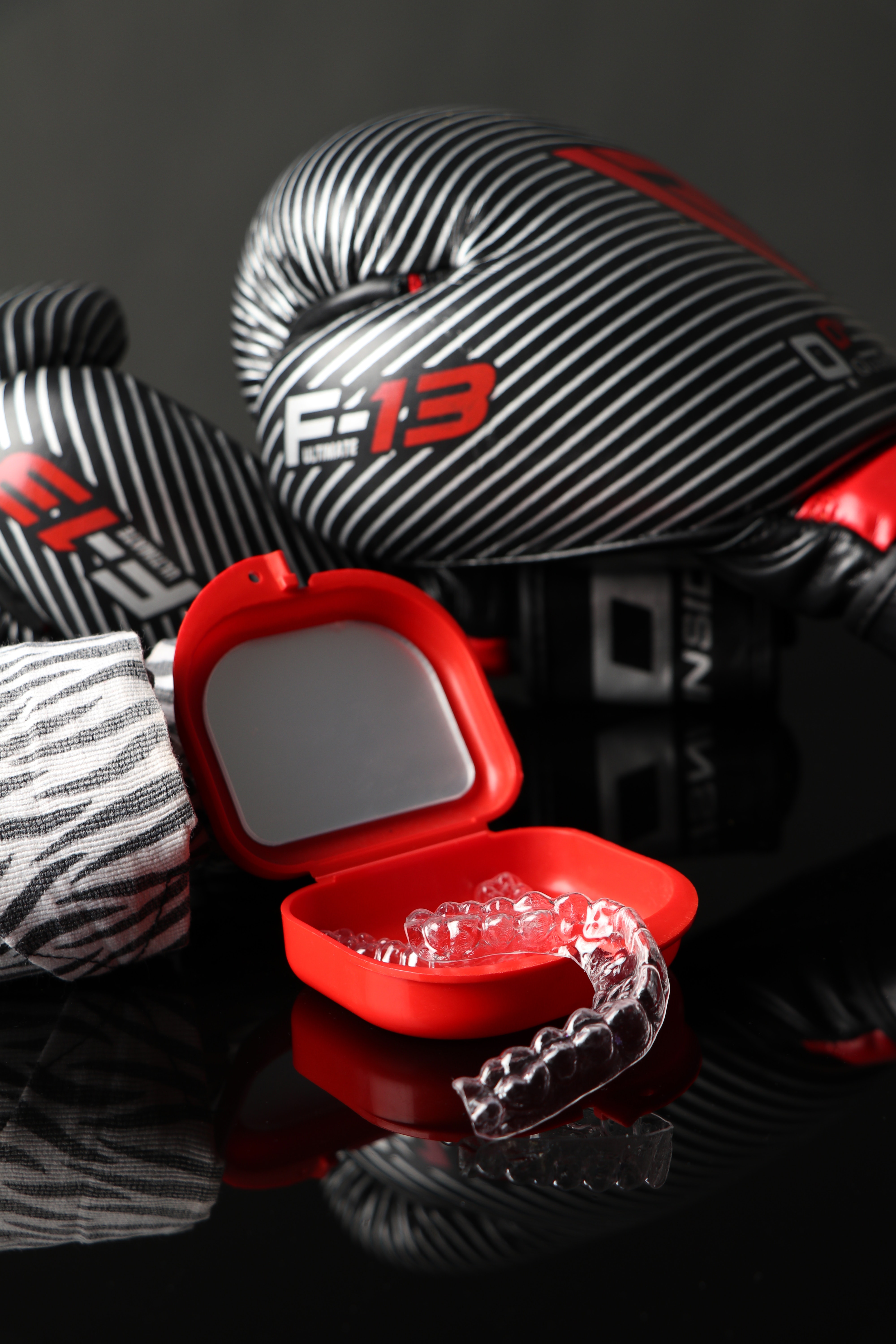
Mouthguards are mouth protectors which help cushion a blow to the mouth and face, minimizing the risk of broken teeth and injuries to your child’s lips, tongue, face or jaws.

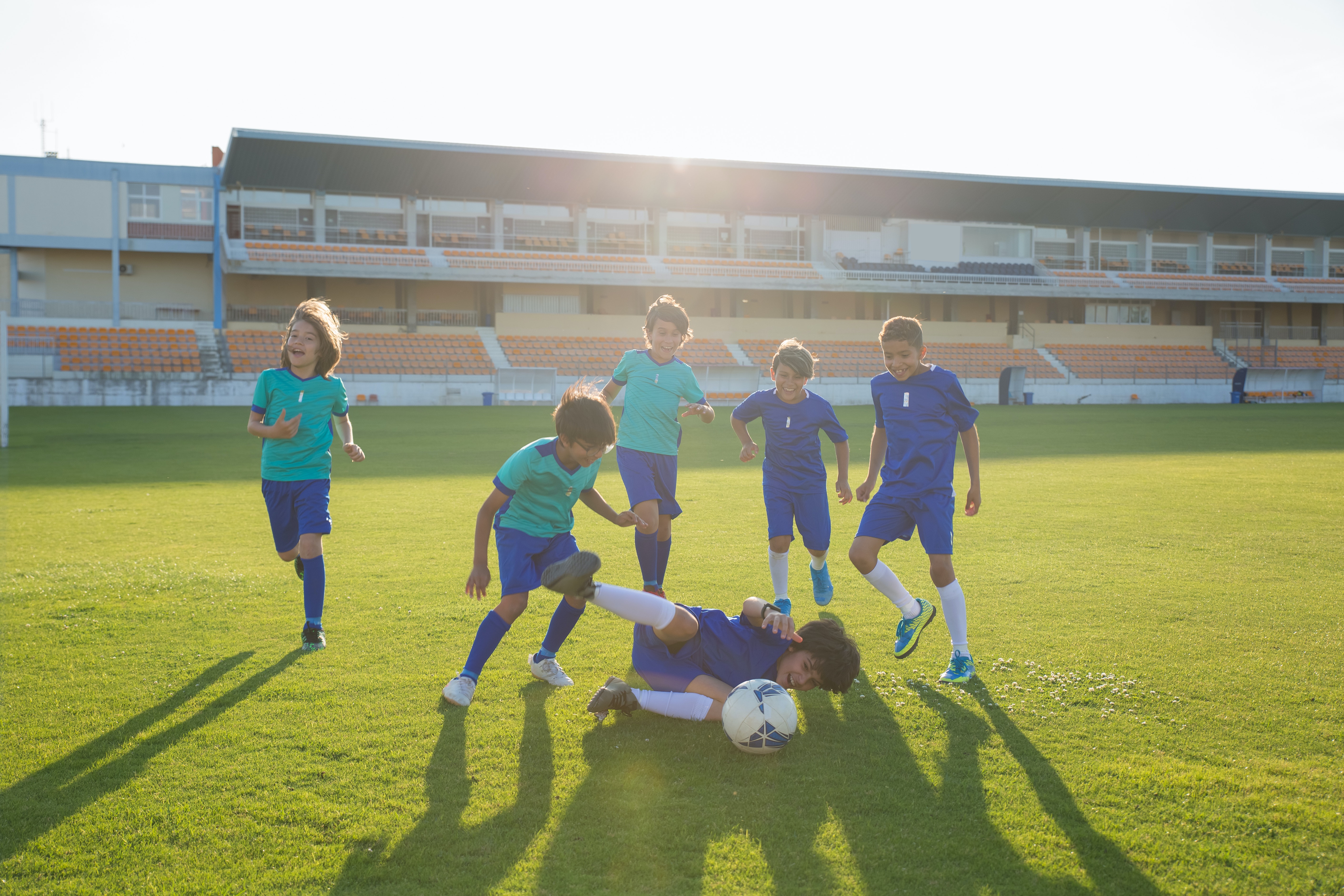
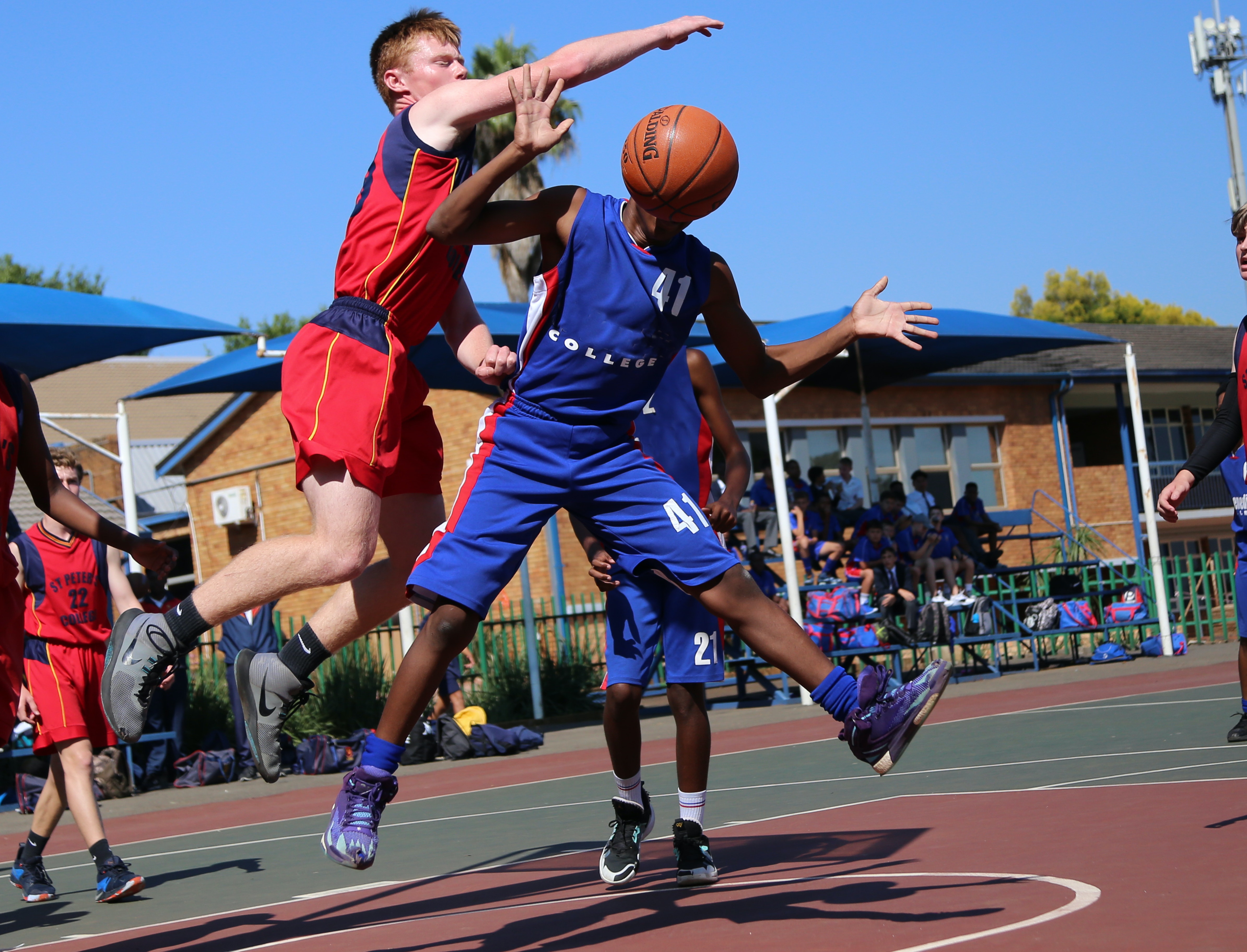
While collisions in contact sports, such as basketball and boxing are higher-risk sports for the mouth, children can experience a dental injury in non-contact activities too, such as gymnastics and skating.

Findings in Sports Dentistry show that even in non-contact sports such as gymnastics, rollerblading, and field hockey, mouthguards help protect teeth. Many of these experts recommend that a mouthguard be worn for any recreational activity that poses a risk of injury to the mouth.

Most Important Mouthguard Features

To be most effective a mouthguard should have these features:

  • Be resilient, tear-resistant and comfortable,
  • Fit properly and stay in place during sports activities,
  • Be durable and easy to clean,
  • Not restrict your child’s speech or breathing.

There Are 3 Types Of Mouthguards

  • Stock These are found in sporting goods stores and come pre-formed, ready to wear. One size fits most and may not fit very well. They are made of hard plastic, can be bulky and which can make it uncomfortable to wear and talk.
  • Boil and bite These mouth protectors can also be bought at many sporting goods stores and may have a better fit than stock mouth protectors. They are first softened in hot boiling water, then placed in the mouth and with your child moving their lips, tongue and cheeks around and closing their teeth together, they plastic is adapted to the shape of their mouth. Remember to be very careful because this is very hot water and very hot plastic.
  • Custom-fit These are made by your dentist for your child specifically and because they are customized, usually offer the best fit. They fit snugly, allowing your athlete to run and talk more easily while playing sports. Custom mouth guards are comfortable, and offer excellent protection. They can be made in a wide variety of colors and designs.

How Many Mouthguards Does My Child Have To Wear?

One.

Mouthguards typically cover the top teeth, and are a great way to protect the soft tissues of their tongue, lips and cheek lining.

There are certain times when depending on specific needs your dentist or orthodontist may suggest for your child to instead use a mouthguard to cover their lower teeth.

Mouthguards And Braces

A properly fitted mouthguard is especially important for children who have braces. A blow to the face could damage the wires and brackets or other fixed orthodontic appliances. The mouthguard provides a barrier between the braces and their cheeks and lips, limiting the risk of gum and soft tissue injuries.

If your child has an orthodontic retainer or wears any removable appliance, never wear it during any type of sports activities.

Tips for Caring for Your Child’s Mouthguard

4 tips for keeping your child’s mouthguard sports ready:

  • Rinse with cool water before each use and afterwards brush with toothpaste, rinse, dry.
  • Keep the mouthguard in a sturdy container that has vents and in a safe place. This permits air circulation and helps prevent damage to the mouthguard.
  • Don’t take the mouthguard out and leave it in the sun. Avoid high temperatures, such as hot water, hot surfaces or direct sunlight, which can distort the mouth guard.
  • Check for wear and tear to see if it needs replacing. A mouthguard that’s torn, in bad shape, or doesn’t fit any more can irritate your child’s mouth and lessen the amount of protection it provides.

When it comes to protecting your child’s mouth, a mouthguard is an essential piece of athletic gear that should be part of their standard equipment from an early age.

Does your child wear a mouthguard? Do you wear a mouthguard? What are your thoughts about mouthguards? We’d really like to know. Send us an email at kidstoothhotline@proton.me Like Us on Facebook at www.facebook.com/kidstoothhotline

More tips? We have lots. We’re here just for kids!

What To Know About Wisdom Teeth

In the Know for You to Know

As children get older they achieve many new milestones. With each new life change they embark on their mouth also goes through changes. One dental milestone, or right of passage is getting their wisdom teeth.

For parents there are lots of questions about wisdom teeth — What are wisdom teeth? Does everyone have wisdom teeth? Is it painful when wisdom teeth come in? Do you have to have wisdom teeth taken out? Is there a best time for wisdom teeth to be removed?

Doing Our research On Wisdom Teeth

These are some tips to help you be wise about wisdom teeth.

What Are Wisdom Teeth?

Wisdom teeth are the last set of molars to develop and are called wisdom teeth because they appear when children are in their older adolescent years (late teens to early twenties) and are “wiser” than when their other teeth came into their mouths.

Does Everyone Have Wisdom Teeth?

Actually not everyone has wisdom teeth. Approximately 25% to 33% of individuals are born without any wisdom teeth.

When we think about wisdom teeth we usually think about there being 4 teeth. However not everyone has the same number and it is possible to be born having only 1, or only 2, or only 3 wisdom teeth.

Is It Painful When Wisdom Teeth Come In?

As wisdom teeth start coming in they can cause pressure. The top teeth can cause headaches and the bottom teeth can cause ear pain.

Do You Have To Have Wisdom Teeth Taken Out?

Sometimes wisdom teeth can come in aligned with the other teeth as long as the top and bottom jaws have enough room for these teeth to come in. Sometimes wisdom teeth come right in and you’d never know, other times it’s not so easy.

This means that when wisdom teeth come in, they’re usually mis-aligned because the jaw doesn’t have enough space for them, and this can also cause problems for neighboring teeth.

Sometimes wisdom teeth can be “impacted” which means that either they are only partially able to come into the mouth through the gums which creates a risk for infections.

Other times wisdom teeth are “impacted” because there is no room at all for them to come into the mouth and they will continue to grow in the jaws.

Oral Surgeons are the Dentists who remove wisdom teeth due to impaction, mis-alignment and infection issues.

Is There A Best Time For Wisdom Teeth To Be Removed?

Many parents opt to have their child’s wisdom teeth removed during their mid to late teenage years, while others wait to have them taken out in their early twenties. There may be certain situations which may arise during braces or with early detected impacted teeth that may alter how soon wisdom teeth need to be removed.

Everyone who was born without wisdom teeth or whose child was born without wisdom teeth give us a shout out! Everyone who had their wisdom teeth out or whose child had their wisdom teeth removed give us a shout out! Tell us your experience. We’d really like to know. Email us at kidstoothhotline@protonmail.me Like Us on Facebook at www.facebook.com/ kidstoothhotline

More tips? We have lots. We’re here just for kids!

Happy Mother’s Day

In the Know for You to Know

To the most loved Mommies, wishing you a very HAPPY MOTHER’S DAY!

For all the diaper changes, meal times, putting up with temper tantrums, looking after and making every day so much fun, YOU really are AMAZING!

More tips? We have lots. We’re here just for kids!
Why Can’t I Brush The Yellow Off My Child’s Teeth

In the Know for You to Know

You love seeing your child’s beautiful pearly white teeth. The pure whiteness has you thinking to yourself those are the cutest teeth ever.

Then one day you notice not all their teeth are sparkling white, and in fact some look yellow. You’re thinking wait, when did that happen?

Well you’re in good company. The most common time as a parent you’ll ask about yellow teeth is when your child’s first adult teeth begin to appear.

Will All My Teeth Be Sparkly And Bright?

Baby Teeth Are White, Adult Teeth Are Not

Baby teeth are actually whiter than adult teeth. As your child gets older and their adult teeth start to come in you may see a noticeable difference in the color between the teeth. While baby teeth are more white, adult teeth tend to appear more yellower in color.

The color differences are due to the differences in the thicknesses and actual color hues of the tooth layers. Baby teeth have thinner and whiter layers so they appear more translucent. Adult teeth have thicker and different deeply colored layers so they appear more opaque.

When you’re looking at new adult teeth coming in next to baby teeth the difference is more eye-catching. As more of your child’s adult teeth come in the difference becomes less obvious.

Are There Other Reasons For Yellow Teeth?

There are lots of causes, however the 2 most common for baby teeth and adult teeth are cavities and tooth injuries.

Cavities start out as super white spots on teeth that over time cause the outer enamel shell to disintegrate leaving the inner layer of the tooth (aka dentin) exposed. This exposed part of the tooth is yellow, and that can’t be brushed back to white.

If your child injures their tooth the baby tooth can turn yellow or in rare cases the adult tooth can come in with a yellow spot.

As A Parent What Can You Do?

Talk with your child. School age children and teens have insecurities about their appearance, and their teeth are part of that. If you’ve noticed the yellow chances are they have also. Let them know that while lots of families deal with yellow teeth it’s something that you can take care of together.

Whether you’re dealing with yellow baby teeth or adult teeth be sure to keep up with your child’s daily brushing and flossing routine.

Have you wondered if it was normal for your child to have yellow teeth? What did you do about it? Share your tips with us, we’d really like to know. Email us at kidstoothhotline@protonmail.me Like us on Facebook at facebook.com/kidstoothhotline

More tips? We have lots. We’re here just for kids!

Overcoming Tooth Brushing Struggles For Children With Autism

In the Know for You to Know

Our Family Motto
Our Family Motto

For parents it’s all about finding creative ways to introduce and teach your child about tooth brushing and routine oral hygiene. Every child responds in their own way, and for children with Autism their reactions may be unforeseen because of communication challenges, or certain behavioral characteristics to new changes in routine and sensory sensitivities.

This is especially stressful for you when you’re trying to establish healthy dental hygiene habits and your child is overwhelmed by sounds, smells, tastes, textures, or flavors.

So what to do and where to start to overcome your tooth brushing struggles?

In our last post My Child Has Autism, How Can I Brush Their Teeth? we suggested 2 ideas. Creating a step by step picture guide book (aka story board) or an activity schedule. We included a step by step plan for you on how to assemble your own story board and activity sheet. Which one (or both) you choose, they are absolutely helpful and go a long way to establishing your daily routine.

Now that you have your story board or activity sheet ready to go it’s time for the next step–

Second, Let’s Practice

There are a lot of movements we make with our mouths when we brush, so it’s always good to practice.

1st, it’s great to start with opening wide, and staying open wide. Maybe you make it a game and count to see how long you can both stay open wide. Remember to use the phone timer to count those seconds.

2nd, let’s count teeth. How many teeth are in there? Yes you need to count all the way to the back so be sure to (you guessed it) stay open wide.

3rd, let’s brush. Put a dab of toothpaste on the brush, remember to open wide, and let’s brush those teeth slowly and gently. Maybe you can count teeth, sing a song, or use the phone timer to count. Remember your goal is 2Minutes 2X’s A Day.

For children who have taste or texture sensitivity, there are fluoride tooth pastes that come in different flavors (bubblegum, berry), or unflavored or non-foaming (sodium lauryl sulfate free). There are also choices for toothbrushes, such as a spinning or battery-powered toothbrush for children who like vibration.

4th, time to spit out the toothpaste. Spitting not happening? No problem, drooling out the toothpaste in the sink (or washcloth) and wiping with a wet washcloth is a good alternative, or skip the drooling and use the wet wash cloth.

Sometimes children need more assistance and more practice with brushing their teeth.

If brushing is challenging it may be the sensation is uncomfortable. If that’s the case then try showing the brushing on your finger first, then on their finger, then on the back of their hand, then on their lips, then just inside their mouth or pick the 2 front teeth (top or bottom their choice) and start with brushing those teeth.

Third, Help Your Child Learn The Steps For Toothbrushing

Your child’s age determines how much tooth paste goes on their brush. If they’re 3 years old and younger place a rice grain size of tooth paste on their brush. If they’re older than 3 years old place a peas size amount on their brush.

  • Brush the top front teeth (inside, outside, and chewing surfaces),
  • Brush the bottom front teeth (inside and outside),
  • Brush the bottom back teeth (outside, inside, and top surface),
  • Brush the top back teeth (inside, outside, and chewing surface),
  • Finally, brush all around and spit out the tooth paste.

Fourth, Develop A Reward System

Children adore receiving praise from their parents and parents are eager to show their pride in their child, so let your child know how proud of them you are.

You can also start a rewards system (such as a rewards jar or sticker book) to reinforce your pride and their positive behavior after toothbrushing is complete.

Medical and Dental Go Together

As parents you may be dealing with multiple pressing significant health issues for your child and you need to prioritize their needs. They may be taking medicines that are sugar flavored so that you can get them to take it. Going to bed with a bottle of a nutrition drink may be part of your nightly routine because your child needs to gain weight.

Please do not let their dental health take a back seat. It can be as easy as wiping their mouths, tongue and cheeks with a wet washcloth while you are holding them. Or alternating their bottle with water so they don’t fall asleep with the sugary liquid on their teeth even though you’re still wiping their teeth with a wash cloth. You can always slip in some water for them to drink during the day or begin by diluting their juice with 50% water then 75% water then 100% water.

Remember What’s Most Important

Lots of praise, hugs and smiles for both of you!

Tell us about your Story Board or Activity Sheet. How is brushing time for your family? What works for your family? Share your tip with us, we’d love to know. Email us at kidstoothhotline@protonmail.me Like Us on Facebook at facebook.com/kidstoothhotline.

More tips? We have lots. We’re here just for kids!

My Child Has Autism, How Can I Brush Their Teeth?

In the Know for You to Know

When Autism Speaks It's Time To Listen
When Autism Speaks It’s Time To Listen

As parents we are always looking out for our children, empowering and supporting them to achieve their best quality of life while also promoting acceptance, inclusion, and celebrating our differences. This is especially true for parents whose child has Autism or is on the Autism Spectrum.

Every child responds in their own way to events they encounter every day. For children with Autism their reactions may be unforeseen because of communication challenges, or certain behavioral characteristics such as difficulty with changes in routine and sensory sensitivities.

As a parent it can be difficult for you to look in your child’s mouth, let alone brush their teeth. For some it may be difficult to let you know their teeth are bothering them. Sometimes you notice habits like grinding their teeth, hitting their mouth and teeth, chewing on non-food objects, or eating sugary foods and drinks; which can affect their dental health.

This is also stressful for you when you’re trying to establish healthy dental hygiene habits and your child is overwhelmed by sounds, smells, tastes, textures, flavors, and your child becomes anxious.

So what to do and where to start?

First Focus On Introducing Your Home Dental Hygiene Routine

A calm place is a great way to start.

Create a step by step picture guide book (aka social story or story board) or an activity schedule. Either one or both are quite helpful and go a long way to establishing your routine.

When putting together your picture book you may want to start talking about why we have teeth. The answer is that teeth help us eat, talk and give us our smiles.

You can begin by yourself or include your child while you talk about brushing teeth as you cut and paste pictures, take family photos, or make drawings of each step of your routine.

Your guide book can include picture sections for:

Today we going to brush my teeth in the bathroom (insert picture or photo of a bathroom)These are the times we brush our teeth every day (pictures of clock with AM and PM times)I am going to stand in the bathroom in front of the bathroom sink (picture of bathroom sink)
My Mommy/Daddy will be in the bathroom with me and I will look at my Mommy/Daddy (picture of parent)
We are going to use a tooth brush to brush my teeth. This is my tooth brush, it’s soft (picture of your child’s tooth brush)
We are going to use dental floss to clean between my teeth. This is my dental floss (picture of your child’s dental floss)We are going to put tooth paste on my tooth brush. This is my toothpaste (picture of tooth paste on your child’s toothbrush)I need to open my mouth. I will open my mouth wide and stay open (picture of your child with their mouth open wide)I need to brush my teeth for 2 minutes. This is my timer to brush my teeth (picture of your child’s timer with 2 minutes showing)This is how Mommy/Daddy wash the tooth paste off my teeth (picture of a wet wash cloth or your child spitting into the sink)
I like this and I’m doing great (picture of smiles or thumbs up)Mommy/Daddy are flossing and brushing my teeth now (picture of flossing and brushing teeth), Then we’ll take the tooth paste off my teeth (picture of wash cloth or your child spitting into the sink)This is my tooth brushing timer counting down the 2 minutes I’m brushing my teeth (picture of their timer counting down)I did a great job (picture of you both smiling together)I may get a prize (recommended but this is up to you to decide about a small reward like a sticker, then take a picture with the sticker).

You may want to put together an activity sheet. To do this print out fun monthly calendar pages and include 2 boxes for each day of the month, 1 box to check off for AM brushing and 1 box for PM brushing and flossing (recommended but totally your decision when to include).

1
AM Brushing
PM Flossing
and Brushing
2
AM Brushing
PM Flossing
and Brushing
3
AM Brushing
PM Flossing
and Brushing
4
AM Brushing
PM Flossing
and Brushing
5
AM Brushing
PM Flossing
and Brushing
6
AM Brushing
PM Flossing
and Brushing
7
AM Brushing
PM Flossing
and Brushing
8
AM Brushing
PM Flossing
and Brushing
9
AM Brushing
PM Flossing
and Brushing
10
AM Brushing
PM Flossing
and Brushing
11
AM Brushing
PM Flossing
and Brushing
12
AM Brushing
PM Flossing
and Brushing
13
AM Brushing
PM Flossing
and Brushing
14
AM Brushing
PM Flossing
and Brushing
15
AM Brushing
PM Flossing
and Brushing
16
AM Brushing
PM Flossing
and Brushing
17
AM Brushing
PM Flossing
and Brushing
18
AM Brushing
PM Flossing
and Brushing
19
AM Brushing
PM Flossing
and Brushing
20
AM Brushing
PM Flossing
and Brushing
21
AM Brushing
PM Flossing
and Brushing
22
AM Brushing
PM Flossing
and Brushing
23
AM Brushing
PM Flossing
and Brushing
24
AM Brushing
PM Flossing
and Brushing
25
AM Brushing
PM Flossing
and Brushing
26
AM Brushing
PM Flossing
and Brushing
27
AM Brushing
PM Flossing
and Brushing
28
AM Brushing
PM Flossing
and Brushing
29
AM Brushing
PM Flossing
and Brushing
30
AM Brushing
PM Flossing
and Brushing
31
AM Brushing
PM Flossing
and Brushing

Sometimes this can take one sitting to complete or it may take several. What’s important is to keep going because when you’re done your creation is going to be AMAZING!

For now start putting together your family’s picture guide book and/or activity sheet, so that you’re ready for next week’s post when we discuss steps 2 through 4.

What are your suggestions for the picture guide book or activity sheet? We’d really love to know. Email us at kidstoothhotline@protonmail.me Like Us on Facebook at www.facebook.com/kidstoothhotline.

More tips? We have lots. We’re here just for kids!
10 Dental Care Tips For Parent’s To Know For Your School Age Child

In the Know for You to Know

As parents we are our child’s 1st health care role model.

Our Brushing Mojo
Our Brushing Mojo

Like everything our children’s good dental health starts with good habits at home. As parents we play an important role in developing and encouraging healthy life style behaviors for our child, which are important for their lifelong well-being.

So how do you guide your child toward positive oral healthcare? I’m sharing with you some dental home care tips to help you be successful.

Dental Healthcare Tips For Your Child’s School Age Years

  • Show your child how to brush their teeth by letting them watch you. Use a small soft bristle toothbrush with a flexible head with a pea size amount of fluoride toothpaste.
  • Check out your child’s new teeth. New adult teeth (aka forever teeth) usually start coming in around the time your child is 6 years old and continues on and off until their middle teenage years.
  • When packing lunch and snacks for school and family outings make healthy eating fun and include your child in deciding what to prepare.
  • Limit sugar. Always easier said than done. It’s not only about candy. When you’re grocery shopping take a peak at the label on crackers, cookies, chips, ketchup.
  • Replace your child’s toothbrush every three months. Involve them by letting them pick out the color or design. Always look for and use a soft bristle toothbrush.
  • Playing sports for the school team or at after-school is the time to talk about mouth guards. It’s all about injury prevention.
  • Watch out for juices, sodas and soft drinks! Children love these sweet drinks, but they’re also a significant cause of cavities. Instead go with water and non-sweetened drinks.

  • Keep track of daily brushing and flossing habits. Your child should brush once in the morning and once at night after flossing.
  • Settle on a schedule. Like when they were toddlers, tying brushing habits to bedtime is a good idea to create a routine for them. Try 30 minutes before bed time every night. When you’re finished it’s a good time for cuddling or reading.
  • Begin a small reward system. Children respond well to positive reinforcement. Think about small rewards like stickers, extra snuggle time or reading an extra story with them after brushing and before it’s light’s out for bed. This goes a long way to having an enjoyable night every night.

This is challenging and sometimes frustrating. Don’t lose sight of your short term goals and your child’s long term prize. Your goals get you to your prize which is life long dental health for your family.

Most important, remember to have fun. Children love to have fun, so have fun with your child while you install in them good dental health habits that will last them their life-time.

What’s your dental hack? Share your tip, we’d love to know. Email us at kidstoothhotline@protonmail.me Like Us on Facebook at facebook.com/ kidstoothhotline.

More tips? We have lots. We’re here just for kids!