My Child Is Grinding Their Teeth, Why?

In the Know for You to Know

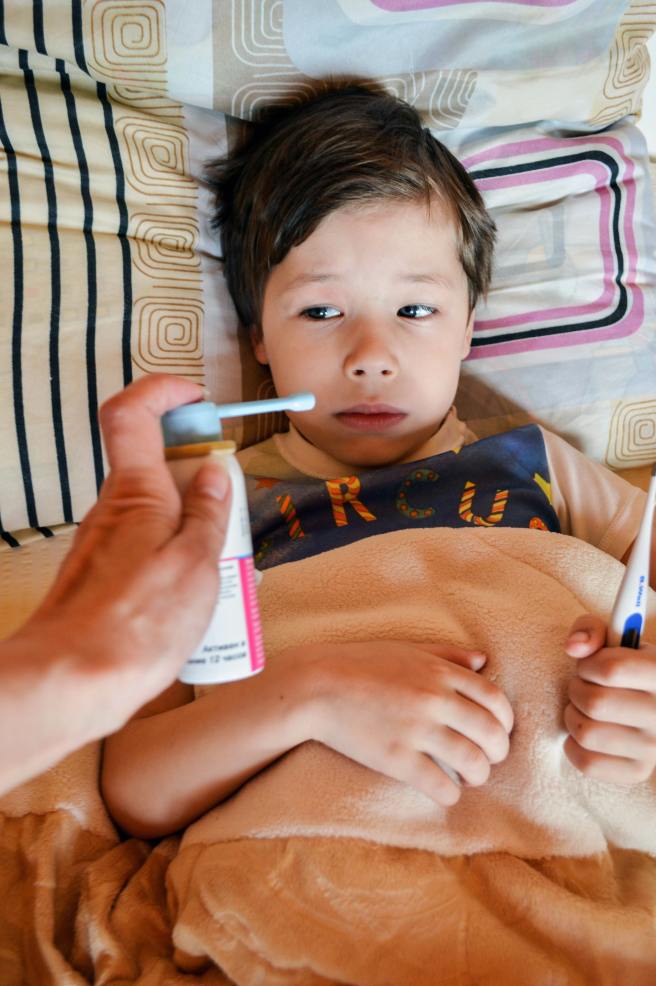
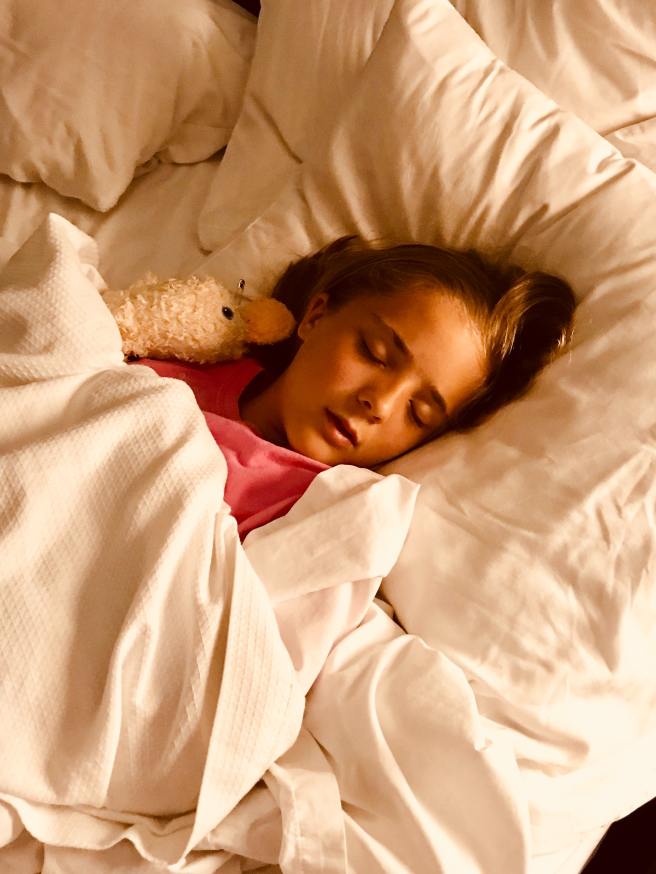
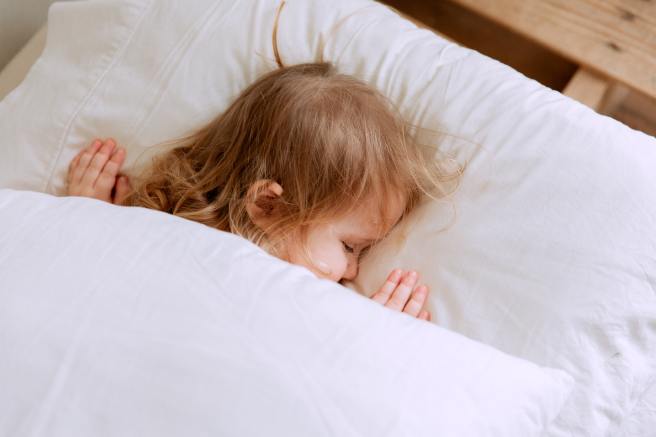
You’ve been there, the children are in bed, the house is quiet, you’re starting to relax and then you hear that familiar grating, nails on the chalk board sound coming from your child’s bedroom. You think to yourself “Not again, what is going on?”

I Grind My Teeth and My Parents Don't Like It
I Grind My Teeth and My Parents Don’t Like It

Teeth grinding, also called Bruxism is quite common for children and causes a lot of concern for parents. So what’s a parent to do? The good news is that most children outgrow their teeth grinding habit, so there’s no cause for worry.

You’re thinking “But what do I do?”

What Causes Grinding?

You may be worried that your child is afraid of something, is anxious, or is having a nightmare.

However it can be as simple as your child’s teeth coming in and they’re learning how to make their teeth match up with each other. After all having new teeth come in is new for them and for you.

Some children grind their teeth because they are deep sleepers. So even if you wake them up, the grinding will start again as they fall back to sleep.

Is Grinding A Concern?

Sometimes even after children get all their teeth the grinding may persist. You’re noticing that their teeth don’t have the same shape they did before or they may look flatter. For toddlers, pre-schoolers, and school age children we don’t recommend a mouth piece (aka mouth guard) as it can affect how their teeth come into their mouths and how they lose their baby teeth.

If your child snores that can cause them to grind their teeth, and it’s best to let your pediatrician know about their snoring. Sometimes teeth grinding can be due to pain from an ear infection, so again talk with your pediatrician.

Solutions For Parents

Starting a relaxing pre-bedtime routine for your child may be helpful to set the stage for healthy sleep and have your child feel confident and secure at bedtime.

Some comforting bedtime activities to help your child fall asleep in a more calm and relaxed way —

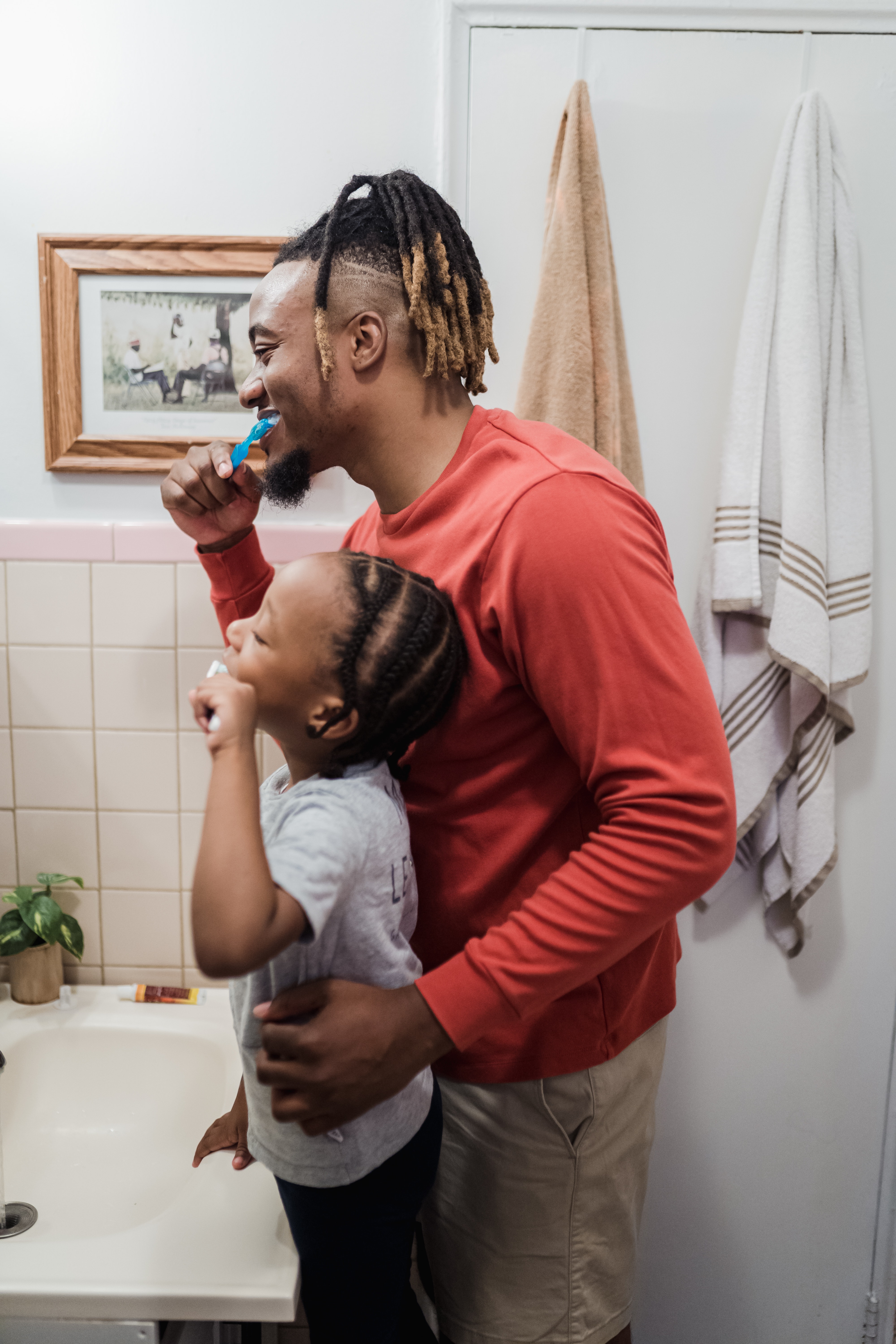
Eating a nutritious snack before bed and then brushing teeth with a silly brushing song, Taking a warm bath, Together time or Cuddle time together with your child and reading stories, Singing songs or playing soft music.

  • Checking To See Why My Son is Grinding His Teeth
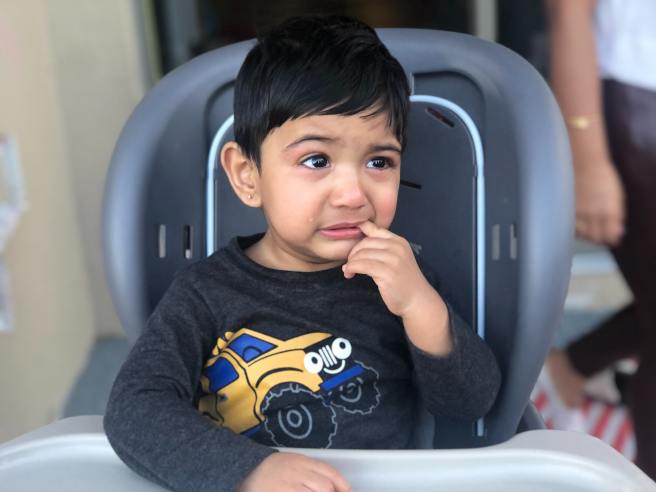
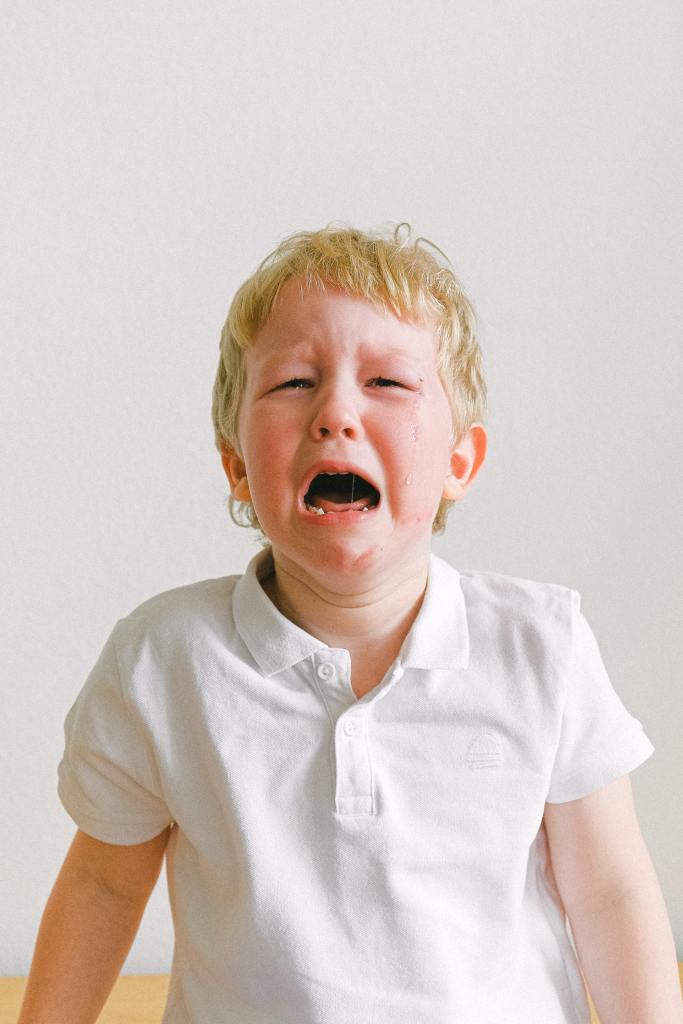
  • I May Be Sleeping Peacefully Now But Wait Until I Start Grinding And The Whole House Is Up
  • I'm Helping My Mom and Dad Learn Why I'm Grinding My Teeth
  • My Covers Don't Stop The Sound Of My Teeth Grinding
  • My Mommy and Daddy Are Comforting Me Trying Too Get Me Too Stop Grinding My Teeth

What approaches have you tried for your child’s teeth grinding? We’d really like to know! Email us at kidstoothhotline@protonmail.me Like us or Message us on Facebook at www.facebook.com/kidstoothhotline

Look for our post next week on Tweens and Teens Teeth Grinding

More tips? We have lots. We’re just for kids!

Why Does My Child Have Shark Teeth

In the Know for You to Know

It’s new tooth time again, and this time your child is getting their first adult tooth.

I'm 5 and I have Shark Teeth
I’m 5 and I have Shark Teeth

You’re thinking okay, baby tooth gets loose, baby tooth falls out, the tooth fairy is coming and what is it going to cost me?

Then you look in your child’s mouth and the baby tooth is still there and now the adult tooth is coming in behind it. Now you’re thinking, there’s 2 rows of teeth, that’s not supposed to happen, what’s going on? and what do I do?

The FYI On How Baby Teeth Fall Out

Around the time your child is 5 to 7 years old their bottom and top front adult teeth (aka forever teeth) start to come into their mouths.

Baby teeth start to become loose when the adult teeth push up from under the gums and naturally melts away the baby tooth’s root. Then the adult tooth grows into that same place.

Sometimes the adult tooth isn’t growing directly under the baby tooth, it’s growing a little further back behind the baby tooth. When this happens the baby tooth doesn’t fall out and the adult tooth grows in behind it.

When this happens, these 2 rows of teeth are fondly called Shark Teeth.

Why? Sharks have 2 rows of teeth.

Should You Be Worried?

The long and short answer is No.

This is relatively common even though it looks frightening.

That Adult Tooth Looks Really Big

Yes it does and they’re supposed to look that way.

The front adult teeth are about 2x’s the size of baby teeth. That’s why sometimes they don’t fit in the same spot as baby teeth.

What To Do About Shark Teeth

If the baby tooth is even a little bit loose encourage your child to wiggle it and loosen it more.

Most times the baby tooth will eventually fall out on its own, and the permanent tooth will slowly move into place. It may or may not be in the perfect position.

Remember, your child is growing and so are their jaws, as their jaws grow there is room for more teeth.

If the baby tooth isn’t loose it may be time to visit the pediatric dentist.

Showing Off My Shark Teeth

As a parent, it’s natural to be worried when you see those 2 rows of teeth in your child’s mouth. Knowing that it’s common will help you rest a lot easier.

What’s your Shark Tooth story? Did you have Shark Teeth when you were a child? Let us know, we’d love to hear from you! Send us an email at kidstoothhotline@protonmail.com or Like Us on Facebook at www.facebook.com/kidstoothhotline

More tips? We have lots. We’re here just for kids!

Smart Mom’s Rely On A Specialist To Be In The Know

In the Know for You to Know

Happy 2023 to You! We celebrated the end of another year last week and are looking forward to everything 2023 has to bring. Wishing you all a happy and healthy new year with plenty to smile about!!

Mom Tips For Starting Off 2023 On The Right Tooth

My Mom Showing Me How To Brush My Teeth

Brush And Floss By Example

Show your children that taking care of their teeth and gums is something you do twice a day everyday. Brushing after breakfast and before bed is important, so is flossing before bedtime brushing. Show them how you hold your toothbrush – tilt the bristles toward your gums and move your brush in little circles, making sure to touch every side of every tooth. This doesn’t have to be boring. You can have fun! What’s your favorite songs? You can brush to the music.

Using Fluoride Toothpaste From The Start Is Okay

The American Dental Association (ADA) and The American Academy Of Pediatric Dentistry (AAPD) recommend that parents use fluoride toothpaste as soon as your baby gets their first tooth. All you need is a little bit. A tiny rice grain size of toothpaste is all you need at first, then a peas-size amount once your child turns 3 years old.

Fluoride In The Water

Drinking water that has fluoride in it and using fluoride toothpaste is not too much fluoride. The amount that is put into each is not too little and not too much but the exact right amount because it is strictly enforced so everyone’s teeth benefit.

Water Is Good For Teeth, Soda And Juice Not So Much

The sugar and the fizzy make soda and juice taste so good, and so bad for teeth. What’s left in the mouth sits on teeth and makes their saliva more acidic. The more often teeth have a sugar bath the more likely cavities will form.

New Parents You Can Stop Cavities Before They Start

Wiping your child’s mouth (inside and out) after a feeding and before you put them to bed (or nap) can decrease the potential for a specific type of cavities on baby teeth. That’s right, all you have to do is clean their mouth with a wet washcloth starting before they get teeth and even after teeth start coming into their mouth. P.S. This also means never putting your child to sleep while they are still having their feeding.

Play It Safe

Accidents, falls, sports are common causes of tooth trauma for children. To reduce the risk of injuries, make sure your child is secure in their car seat, wears a helmet when riding a bicycle, and uses a mouthguard when playing contact sports.

Rewards And Praise

Just never candy.

These tips help make it easier for you to set your child up for a lifetime of healthy teeth and bright beautiful smiles!

Have a tip you’d like to share? Have a story to tell us? Want to say Hi! Send us an email at kidstoothhotline@protonmail.com Like us, Message us, Chat with us on Facebook at www.facebook.com/kidstoothhotline

More tips? We have lots. We’re here just for kids!
The Holidays Are Here! The Key To Keeping Smiles Shiny And Bright

In the Know for You to Know

Happy Holidays
Happy Holidays

The holidays are such a busy time of year. Special foods, decorations, gifts – so much to do in so little time, it’s no wonder your everyday routines go off course.

As parents we want to create memories and build family traditions. It is also a great time to make it a tradition to help your children maintain healthy dental habits even with your hectic holiday schedule.

4 Simple Tips To Keep Your Children’s Teeth Healthy During The Season Of Sweets

  • Allow a limited selection of special sugary, sticky, chewy treats, which you offset by maintaining balanced meals;
  • If your child is on formula, being breast fed, drinking from a bottle or a sippy cup and you’re traveling — Remember not to let your child fall asleep with any unswallowed liquids in their mouth because it will stay on their gums and on their teeth increasing the risk for cavities;
  • If you’re traveling for the holidays, pack all your children’s brushing supplies in your luggage before you get on the road. Check List — toothbrush, toothpaste, floss;
  • Set aside a dedicated time each morning after breakfast and each night before bed devoted especially for you and your children as “our together time” to remind yourselves, encourage each other, and reinforce good brushing and flossing habits.

Gift Tips

Cool toothbrush, Travel-size dental kit, Fun brushing timers, Flavored Floss.

Wishing you and your family a lovely holiday full of fun and cheer! Keep your children’s smiles shiny and bright as they enjoy their sweets and treats.

  • Have A Blessed Kwanzaa
  • Happy Chanukah Playing Dreidel
  • What Do You Think Santa Brought Me?
  • We Can't Wait To Eat Our Hanukkah Goodies
  • Happy Hanukkah!
  • Merry Christmas
  • Habari Gani! Have A Blessed Kwanzaa
  • Happy Hanukkah
  • Make A Wish And Check It Twice!

Have a holiday story? Let us know, We’d love to hear! Email us at kidstoothhotline@protonmail.com or Like us, Message us, Chat with us on Facebook at www.facebook.com/kidstoothhotline

HAPPY HOLIDAYS FROM ALL OF US TO YOU!!

More tips? We have lots. We’re here just for kids!
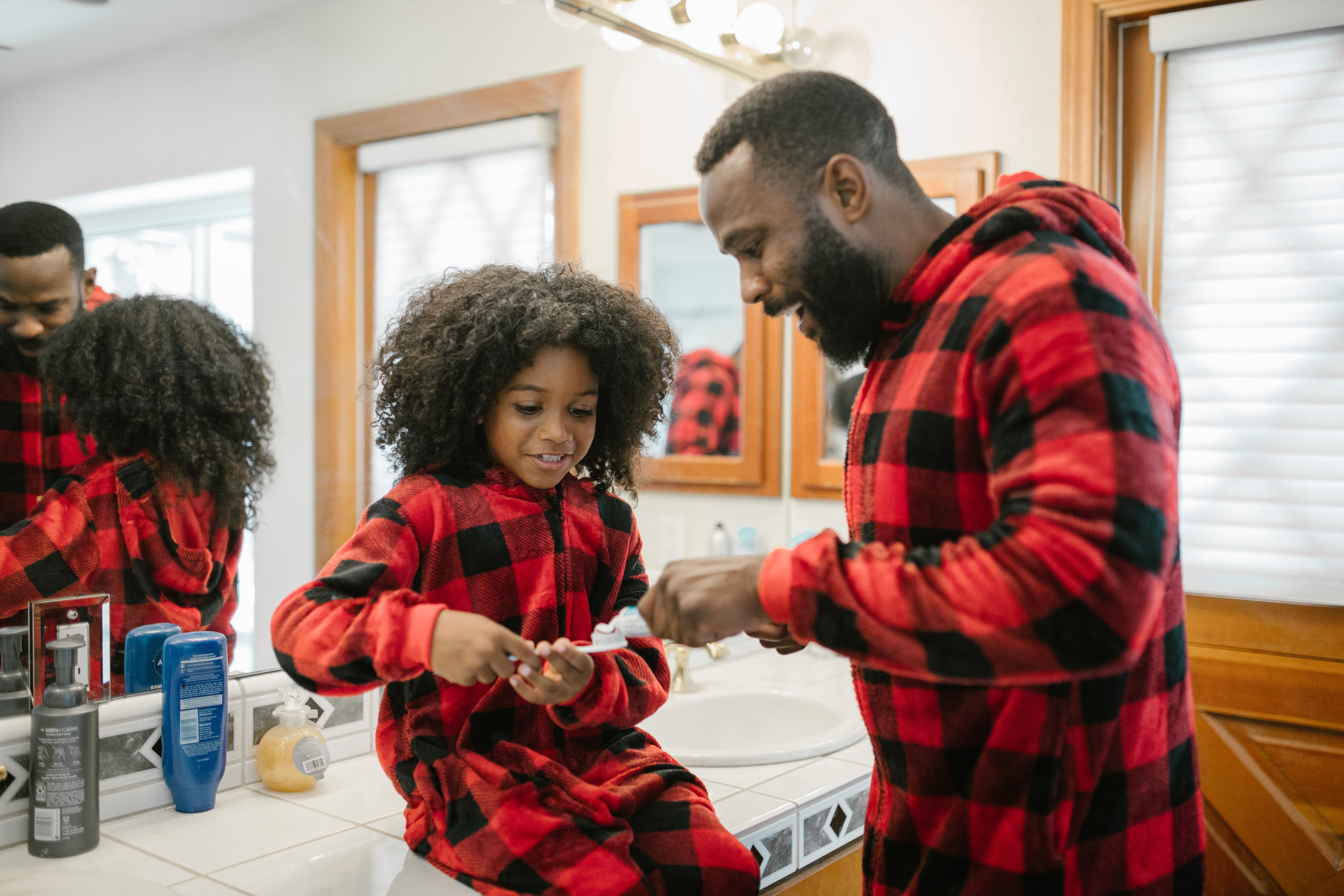
Happy National Cupcake Day!

In the Know for You to Know

It’s time to CELEBRATE Today is Cupcake Day!

Yes, today, December 15th is dedicated to celebrating everything cupcake. Whether it’s the frosting, the sprinkles, the yummy decorations, or that they are the perfect fit in the palm size for your child, cupcakes are the ultimate treat.

Fun Cupcake Facts

  • Cupcakes are delicious,
  • They are fun to make and eat,
  • Cupcakes are irresistible,
  • They were inspired by English Fairy Cakes dating all the way back to the 17th century,
  • Cupcakes were originally baked in tea cups and were small yellow cakes,
  • They bring us together and are great for birthdays, celebrations, and bake sales.

Celebrating The Day

Everyone loves cake and cupcakes are the perfect size to bake, decorate and eat together. Whether you use a box cake mix, look up a recipe online or from your favorite cookbook, use a muffin tin with cup liners, or ramekins, have some together time with your child and bake your favorite bite-sized creation.

Or maybe you’re a fan of celebrating by eating or short on time, then bakeries are sure to have some tasty choices for you to enjoy.

Whether you and your child are baking at home or going to the bakery to pickup your cupcakes, make it a party and have fun!

Take some pictures to remember your special day. Remember too bake (or pickup) extra cupcakes, because left overs taste just as wonderful.

  • I Made This Cupcake Just For You
  • Love Making These Cupcakes
  • Bake Cupcake Decorate Cupcake Eat Cupcake Repeat!
  • Cupcakes For My Birthday!
  • So Many Cupcake Choices
  • Celebrating With Cupcakes For My Mom
  • Amazingly Irresistible Cupcakes
  • Just Love Decorating My Cupcakes
  • Having Fun Decorating My Cupcakes
  • Which One Should I Choose?

After The Celebration

After the fun of your day before your child goes to bed there’s one last thing to do — floss and brush. You knew I was going to say this!

There’s Another Cupcake Day?

Mark your calendar — October 18, 2023 is National Chocolate Cupcake Day.

Have an awesome Cupcake Day!

We’d love to hear how you celebrated National Cupcake Day and all about you or your bakeries creations. Send us an email at kidstoothhotline@protonmail.com or Like us, Message us, Chat with us on Facebook at www.facebook.com/kidstoothhotline

More tips? We have lots. We’re here just for kids!

Are Cavities Genetic?

In the Know for You to Know

You Have My Hand and Heart Forever, But Please Not My Teeth

As parents we want our children to inherit the best from us. Yet so many of us have thought, “please please don’t get my teeth.”

You’re doing everything you can do to prevent cavities for your child. Sometimes you feel that it’s not enough. Now you’re thinking something else is going on. Well, you’re right!

For the numbers person in you, 42% of children from 2 to 11 years of age have some form of cavities according to the National Institute of Dental and Craniofacial Research. In addition, dental research on cavities have found that genes account for 60% of an individuals cavity risk.

My Child’s Cavities Are Genetic?

Cavities have gone hi-tech. The University of Pittsburgh School of Dental Medicine conducted a study that found a variation of the Beta Defensin 1 gene (or DEFB1) could account for why some are more likely to have rapid cavities and gum disease. Sounds plausible? Yes, but more needs to be evaluated because the initial study didn’t look at diet and oral hygiene.

While dental genetics is in its early stages there is a lot of research going on looking at genes controlling tooth structure development and environmental factors.

The Genetic Link

There are 4 areas that researchers say genetics apparently influences cavity development —

Tooth Enamel — This is the tooth’s outer most layer and is supposed to be the strong coating protecting against breakdown. Genetic alterations in the mineral content or mineralization process increase risk of cavities.

Saliva — Saliva plays a big part. It affects the process for key nutrients like calcium and phosphorus on teeth, as well as how it controls the natural bacteria in the mouth. Gene variations make some people better at controlling this than others.

Tooth Shape — Teeth are all different shapes and sizes. Some are crowded together, some are really groovy. The tighter teeth are together and the more nooks and crannies teeth have, the more difficult it is to keep those hard to reach places clean.

Immune System — Immune system for the mouth? Your mouth has naturally occurring bacteria and how the body responds to it affects the teeth and gums.

What’s The Other 40%?

Here’s the long and short answer — diet, snacking, brushing and flossing habits, infrequent dental visits, smoking and vaping, snoring and dry mouth.

Snoring and dry mouth? When someone snores or sleeps with their mouth open they produce less saliva and develop dry mouth and dry teeth which affects the minerals in tooth enamel. Remember, even if genetic factors contribute to your child’s risk of cavities you can help to reduce the risk with good diet, good snacking habits, regular dental visits, no smoking or vaping, talking to your Pediatrician about snoring, and good oral hygiene.

Do you think your child has inherited your teeth? Email us at kidstoothhotline@protonmail.com or Like us, Message us, Chat with us on Facebook at www.facebook.com/kidstoothhotline Let us know, we’d love to hear from you!

  • I Love My Grandchildren So Much I Don't Want Them To Have Teeth Like Me
  • Our Family Gets Our Good Teeth From Our Parents Showing Us Good Habits Start Young
  • We're Teaching Our Children Healthy Food Helps Us To Have Healthy Teeth
  • I Got My Red Hair From My Dad, My Eyes From My Mom and and My Teeth We'll See At My Checkup
  • You Have My Hand and Heart Forever, But Please Not My Teeth

More tips? We have lots. We’re here just for kids!
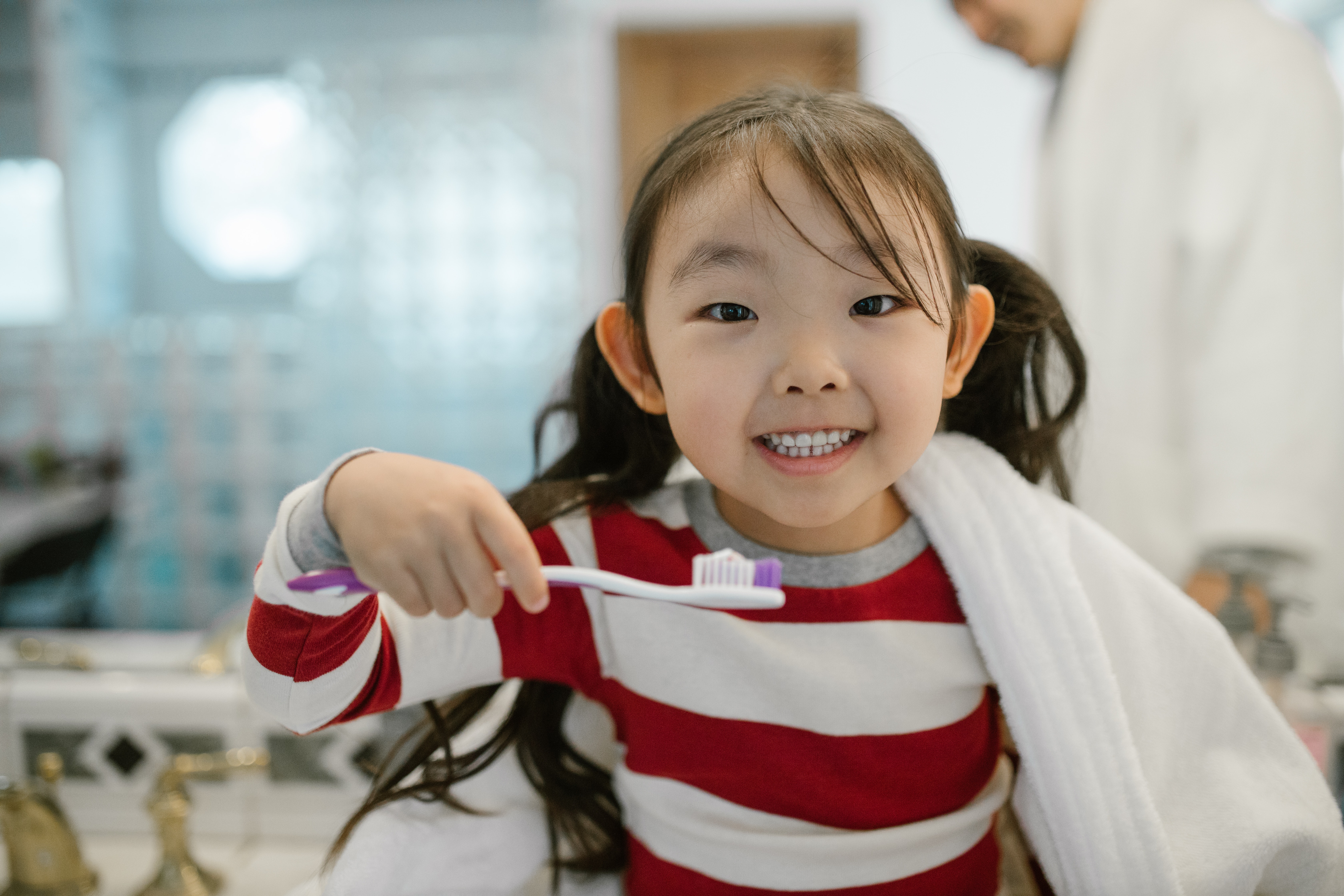
Are My Child’s New Teeth Supposed To Be Bumpy?

In the Know for You to Know

Smiling With My New Bumpy Teeth

You’ve made it! Your child is officially on the permanent tooth chart. The Tooth Fairy has visited at least once. Adult teeth are coming in. Everyone is happy.

But wait, what are those bumps on the edges of these teeth? They weren’t there yesterday, or were they? Are they supposed to be there? What are they and why are they there?

You’re thinking, what do I do? And how do I explain this to my child?

Why Do The Edges Of My Child’s Teeth Have Bumps?

Their baby teeth had smooth edges, so why don’t their adult teeth? Adult teeth don’t form as a solid entity. As they form they fuse from 3 tissue lobes which morph into a single tooth, and the bumps are the result of this process. The 3 bumps are located along the edge of the teeth and help the teeth come through the gums.

The Bumps On New Adult Teeth Actually Have A Name

These bumpy grooves have a groovy name and are called Mamelons. Mamelons are perfectly normal.

As a Pediatric Dentist we expect these bumps to be present as brand new adult teeth come in and for a few years as these teeth continue to grow under the gums.

Which Teeth Have Mamelons?

You will see Mamelons on the 4 top and 4 bottom front teeth. These front teeth are called Incisors. The 4 top front teeth are called the Maxillary Incisors and the 4 bottom front teeth are called the Mandibular Incisors.

Do I Need To Have the Mamelons Removed Or Can I Leave them Alone?

There is no need to worry about Mamelons. They do not interfere with normal biting and chewing, they are not an esthetic issue; so they are not an oral health concern.

As your child gets older and the Mamelons don’t wear away, check with your Dentist about any potential bite concerns.

In general, leave them alone and they will wear away on their own.

How Do I Explain Mamelons To My Child?

There’s really nothing to say. If your child asks, assure them everything is okay and there are children in their class whose teeth also have these wavy Mamelons.

What About Pictures?

Take as many as you can! Mamelons are present for such a short period of time. You’ll want to remember this time forever.

  • All My New Teeth Are Bumpy
  • I Know Why My Teeth Have Bumps
  • I Love my new Lumpy Bumpy Teeth
  • New Teeth Almost All Grown In With Bumpy Mamelons
  • I'm Reading Up On Why My Teeth Have Bumps
  • Showing Off My New Teeth And They Have Mamelons
  • We All Have Teeth With Bumpy Mamelons
  • Yes, I Can See Your Bumpy Teeth
  • Yes, I Still Have My Bumpy Mamelons on My Teeth And That's Okay With Me
  • Yea For Bumpy Teeth

What did you think when you first saw the Mamelons? Share your stories with us – email us at kidstoothhotline@protonmail.com or Like us, Message us, Chat with us on Facebook at www.facebook.com/kidstoothhotline We’d love to hear from you!

More tips? We have lots. We’re here just for kids!
Happy Thanksgiving

In the Know for you to Know

What Makes You Smile About Thanksgiving?

It’s ALL SMILES!

Keep your children’s teeth safe this holiday. Don’t forget to brush and floss.

And as always we hope you have a happy and fun Thanksgiving.

What's Your Favorite To Eat On Thanksgiving?
What’s Your Favorite To Eat On Thanksgiving?

Let us know, send us an email at kidstoothhotline@protonmail.com, or Like us, Message us, Chat with us at www.facebook.com/kidstoothhotline

More tips? We have lots. We’re here just for kids!

Children’s Tooth Truths

In the Know for you to Know

Mommy Loves You, Let's Go Floss and Brush Your Teeth
Mommy Loves You, Let’s Go Floss and Brush Your Teeth

Taking care of your child’s teeth affects their oral health. A good sign of their well-being is healthy teeth and gums. A lot of parents feel that oral health is one of their top priorities for maintaining a healthy lifestyle for their family.

So what are these truths?

Mistruth 1 – Sugar Causes Cavities

Truth – While sugar does contribute to the formation of cavities, it’s not only the sugar itself that causes the cavity. It’s also the bacteria (which is naturally in the mouth) that thrive and eats the sugar which is stuck on the teeth, and eats the teeth as well.

Solution – Keep your child’s teeth and gums healthy by brushing 2Minutes 2X’s A Day and floss every night before brushing.

Mistruth 2 – Parents Don’t Need To Brush Their Child’s Baby Teeth

Truth – Start early and keep going, even before their teeth are in their mouth. Cleaning your baby’s mouth and teeth after every feeding and before naps and bedtime is a good routine.

Solution – A soft toothbrush or washcloth are best to use, with a tiny rice grain size amount of fluoridated toothpaste. Once baby teeth start coming in you’ll have your routine and your baby will be used to you doing this. Remember to Lift Their Lips (upper and lower lips) so that you can see the entire tooth to make sure they are clean.

Mommy Did You Know This Tooth Truth?

Mistruth 3 – Brushing Harder Cleans Better

Truth – Brushing harder doesn’t mean brushing smarter. The harder you brush their teeth, the more they won’t let you brush and more harm is done to teeth and gums.

Solution – Brush gently with a soft bristled toothbrush in a circular motion for 2Minutes 2X’s A Day, every day.

Mistruth 4 – Flossing Is Not Really Necessary

Truth – Flossing is an important part of maintaining your child’s good oral health. Think of flossing as brushing in-between the teeth. Why floss? The food and stuff that gets in-between has no way to get out. What’s the result? Cavities in-between teeth.

Solution – Toothbrush bristles and rinses don’t get in-between teeth so the only way to clean is with floss. Flossing at night before brushing cleans everything out and then you brush it away.

Mistruth 5 – Chewing Gum Is Like Brushing

Truth – Chewing gum is not a replacement for brushing teeth. Some chewing gums advertise cleaner teeth and fresher breath, but all they can really do is freshen breath.

Solution – While chewing sugar free gum or gum with Xylitol is better, they are not a replacement for a toothbrush and floss. A regular daily routine for brushing and flossing is still best.

What Dental Mistruths have you heard? Did they make you giggle? Was it really convincing? We’d really like to know!

Send us an email at kidstoothhotline@protonmail.com or Like us, Message us or Chat with us on Facebook at www.facebook.com/kidstoothhotline

More tips? We have lots. We’re here just for kids!

Keeping Your Child’s Toothbrush Clean After Brushing

In the Know for You To Know

You do this twice a day out of habit – Brush, Rinse, Repeat.

Brushing my teeth with my fresh, clean toothbrush makes me happy

But, what are the best ways to keep toothbrushes clean and fresh between brushing?

Here are 6 ways to take care of your child’s toothbrush so your child’s toothbrush will help you take care of them —

Cleaning your toothbrushes is easy

Rinse your brushes to remove any remaining toothpaste and food particles from the bristles.

Toothbrushes like to be left out in the open

Store your brushes upright and allow them to air dry. Don’t cover or store them in closed containers. A closed container or one with little air holes keeps the brushes wet which allows unwanted bacteria to grow.

Keep toothbrushes separate

If you store your child’s toothbrush with other toothbrushes make sure they are separated to prevent cross contamination and allow them to dry.

Store toothbrushes so they don’t get splashed on

Keep your brushes away from the edge of the sink and counter top. This way they’re not accidentally splashed when someone is washing their hands or reaching for the hand towel. It’s also a good way to help avoid getting germs on the brushes.

Sharing is not caring with toothbrushes

Sharing a toothbrush means you’re also sharing bacteria from each other’s mouth.

Replace your child’s toothbrush every 3 months

90 days of brushing 2Min 2X’s A Day (that’s 180 brushings) takes a toll on a toothbrushes bristles. The bristles become worn down, don’t do a good job of brushing and give germs a place to grow. Regularly replacing your child’s brush allows you to keep up with your good healthy habits.

It's time for a new toothbrush

How do you keep your child’s toothbrush clean and fresh? Have a tip you’d like to share? We’d love to hear from you!

Email us at kidstoothhotline@protonmail.com or Like us, Message us, Chat with us on Facebook at www.facebook.com/kidstoothhotline

More tips? We have lots. We’re just for kids!