Fall is here and it seems like everyone is planing a trip to go apple picking.
There are so many wonderful things about apples, and just about everyone loves them.
Did you know that apples are a very important fruit? Not only are they packed with vitamins for a healthy diet, apples can also help clean teeth.
Keep reading for some fyi’s on how apples help keep teeth and gums healthy.
Eating An Apple Is Almost Like Using A Toothbrush
Eating an apple can help remove plaque from teeth and gums.
How Is This Possible?
Apples contain a specific acid called malic acid which can break down plaque that accumulates on the teeth and gums.
Biting into and chewing an apple stimulates more saliva to be produced and flow into the mouth. More saliva helps wash away food particles and bacteria. This also helps by diluting and washing away sugars that are attached to the teeth.
Apples are 85% water which also helps dilute sugars in the mouth.
Mommy Says Apples Are Good For Me And My TeethDaddy Says Apples Help Keep Our Teeth Healthy And HappyApples Are My Most Favorite Snack
Apples Are Great Snacks
Apples make great snacks with their natural sweetness and high fiber content.
An apple’s natural sweetness decreases cravings for other higher sugar content snacks. The fiber keeps children full longer so they snack less. By being high in water apples are naturally juicy so your child is less likely to ask for sugary beverages.
I Always Eat Apples When I StudyApples Are My FavoriteApple Picking With My Mom Is The Best
10 Fun Apple Facts
There are more than 2,500 varieties of apples are grown in the U.S.
The most popular apples are Red Delicious, Fuji, Golden Delicious, McIntosh, Rome, Granny Smith, and Gala.
A bushel of apples weighs almost 42 pounds.
Bobbing for apples – apples float so easily since they are 25% air.
Apple trees take about 4-5 years to produce their first apples.
It takes 36 apples to make 1 gallon of apple cider.
Apples belong to the rose family.
Apples have no fat, sodium, or cholesterol.
Apples ripen 6-10 times quicker at room temperature than when they are refrigerated.
Johnny Appleseed was in fact a real person.
What’s Your Favorite Apple?Can’t Wait To Eat The Apples We Picked Today
What’s your family’s favorite way to eat apples? Do you have a special apple pie recipe to share? How many apples does your family eat in a week? What’s your family’s favorite apple? Tell Us, We’d really like to know! Send us an email at kidstoothhotline@proton.me Chat with us and Like Us on Facebook
More tips? We have lots. We’re here just for kids!
My Dentist Wiggled 2 Teeth And I Was A Great Helper
Your day is going along as usual, then you get a call from your child’s school telling you to come pick them up.
When you get to school the nurse tells you that your child has been complaining their tooth hurts and there’s a pimple on their gums.
You remember the last time they had a pimple it went away. Now it’s back and you know the tooth needs to come out.
But you thought you had more time, because you’re both not ready.
Today we’re breaking down the basics on how to prepare both you and your child for a tooth extraction.
Why Do Children Need To Have Teeth Taken Out?
Children’s teeth may need to be taken out (aka extraction) for a few reasons.
Sometimes teeth develop an infection (aka abscess) when cavities grow bigger allowing bacteria to keep growing through the tooth.
In some cases a broken tooth can lead to an infection. When a tooth is broken bacteria spreads into and through the unprotected tooth layers to the nerve (aka pulp) of a tooth. The pulp becomes inflamed, starts to die, and an infection begins.
There are other times when there is an accident and a tooth is moved out of place, which disturbs or breaks the nerve and leads to an infection.
Sometimes teeth may need to be removed for Orthodontic reasons, such as to relieve excessive crowding.
There are sometimes when a baby tooth is taking its time in falling out and the adult tooth is growing into the mouth.
My Dentist Is Checking Out My Tooth That Hurts
Prepare Yourself
The first step is to prepare yourself. The more you know the better you can help your child.
Your child needing to have a tooth extracted is scary, for them and for you. So you’ll want to know as much as you can to make this as easy as possible for both of you.
So what do you ask?
First, find out why their tooth needs to be removed,
Second, ask what are the benefits of the procedure,
Third, ask about the procedure itself; what happens and how is it done,
Fourth, ask what your child will feel during the procedure,
Fifth, ask if you can be present during the procedure,
Sixth, ask how you can explain this to your child,
Seven, ask as a pediatric dentist how they explain this to your child,
Eight, ask how you take care of your child afterwards.
Preparing Your Child
You know your child best.
Maybe they do better when you bring things up in advance and they have time to think about it, get used to it and ask you questions.
Perhaps they’ll do better with you bringing this up as you’re going to the appointment with less time to stress.
Or maybe your child is somewhere in the middle.
Also, in addition to timing, the conversation is important.
Let your child ask their questions. Be honest that this is something they need to have done. Bring this up gently and use words that are easy and age appropriate for your child to understand.
I Did Great For My Tooth Wiggle
Staying Positive And How To Respond To Your Child’s Questions About Why Their Tooth Needs To Be Extracted
When talking with your child stay positive, upbeat, and be confident. They feel confident when they see you being positive, confident and upbeat.
Let them know the tooth fairy will be making a visit. Their tooth won’t be hurting any more and they can get back to their pleasant dreams. When their new adult tooth grows in, it will be happy and healthy. They’ll have their smile back again.
Your Child’s Treatment Day
The night before is not the time to worry. Everyone needs to have a good night’s sleep.
Depending on the time of your appointment maybe you can do something fun before hand, like go to the park or the mall.
Does your child have a comfort toy or blanket? You may want to bring them to the appointment for your child to hold. Or you may want to have them on you for afterwards.
Very important, lots of hugs and hi-fives from you.
Preparing For Your Child’s Recovery
Be sure to follow your pediatric dentist’s instructions about antibiotics and pain medication.
Soft, cold foods are a good idea to have on hand. Pudding, ices, ice cream are good for right afterwards.
Tips For An Uneventful Recovery
Eat only soft, cool, easy foods for the first 24 hours.
No rinsing, no spitting, no drinking through straws or sippy cups for the first 3 days.
No hot, spicy, or acidic foods for the first 24 hours.
No eating seeds, nuts, chips, popcorn, pretzels, dry crumbly, chewy foods for the first week,
The area will be numb from the local anesthetic. Watch your child does not bite or suck on their lip, cheek, or tongue.
Instead of a toothbrush, use a soft wet washcloth with toothpaste to clean your child’s mouth for the first 2 days.
Minimize swelling by applying a cold pack wrapped in a towel to the cheek for periods of 10 minutes on/10 minutes off at a time for the rest of the day after the extraction.
Keep fingers out of their mouth and keep their tongue away from the extraction site.
No soda.
No sports, bicycle riding, swimming for the first 2 days.
Follow all additional after treatment instructions given to you by your pediatric dentist.
If your child has any complaints, there’s bleeding from the site, your child starts to run a fever, or something doesn’t look right to you call your pediatric dentist.
What To Eat After A Tooth Extraction
Eat soft, cool, and easy foods that protect the newly healing extraction site like ~
Apple sauce,
Yogurt,
Mashed Bananas,
Mashed Avocado, Mashed veggies,
Mashed Potatoes,
Scrambled eggs,
Oatmeal, pastina,
Mac and Cheese, pasta,
Soup.
Taking It Easy After A Tooth Extraction
After the tooth has been removed, a blood clot forms in the site (aka tooth socket). The clot needs to take hold and become firm inside the socket. This blood clot plays an important part in the healing process.
A clot that doesn’t become firm will continue to bleed and disrupt the healing process. If this happens you need to go back and have the non-healing clot removed and start all over again. This is why the after care instructions are important.
Activities After A Tooth Extraction
Plan some fun activities your child will like for after their tooth extraction and those you know will help with their healing~
Choose a favorite book to read,
Watch a movie,
Go out for ice cream,
Visit Grandma or Auntie,
Crafts, painting, coloring,
Go to the mall,
Screen time,
Rest, maybe take a nap.
What To Remember
Having a tooth extracted can be an intimidating experience for both you and your child. This procedure can be made less frightening if you have a plan in place from the start.
My Tooth Was Sick So My Dentist Sent It To The Tooth Fairy Early
Has your child had a tooth extracted? Do you think you were prepared for their extraction? How did you prepare your child to have a tooth removed? Tell Us, We’d really like to know! Send us an email at kidstoothhotline@proton.me Chat with us and Like Us on Facebook
More tips? We have lots. We’re here just for kids!
The sheer mention of the Tooth Fairy brings out such joy and excitement in all of us. No matter if your child is about to lose their first tooth or you’re a pro the thought of a visit sparks amazing anticipation.
The slightest suggestion the Tooth Fairy will visit causes such happiness and wonder that a special day has been set aside to honor our tooth loving friend. And that day is today!
Yes today, August 22 is Tooth Fairy Day!
Who Is The Tooth Fairy?
The Tooth Fairy is a magical fairy who visits children when they lose a tooth and leaves them a gift if their tooth is healthy and clean.
The Tooth Fairy Always Has Her Basket Of Teeth
A Poem From The Tooth Fairy To You
As pediatric dentists we are very close friends with the Tooth Fairy. So close in fact that she’s written a poem for us to share with you in honor of her special day.
My Dearest Friend,
I saw you wiggling in your mouth and knew a tooth would soon be mine
You kept it close thinking you'd stay up all night long
Then you drifted off to sleep and I began my fairy flight
So into your bedroom I did come upon my fairy wings
When I took a peek I found my favorite thing
Now off I go, I have to dash
I hope you'll send me other teeth but there is no rush
And remember my dearest friend, every time you lose a tooth
another takes its place for you to floss and brush
Most Sincerely,
Your friend in teeth,
The Tooth Fairy
When To Anticipate Your Child’s First Tooth Fairy Visit
Losing baby teeth is an exciting time for children. Their baby teeth will begin to get looser and looser, eventually falling out, and be replaced by their adult teeth.
This usually begins around 6-7 years old for most children. However, some parents may start seeing loose baby teeth when their child is 4 1/2 years old.
There are 2 things we often see that are helpful for you as a parent to know ~
The earlier baby teeth come in, the earlier the Tooth Fairy visits.
Girls teeth may come in a little earlier than boy’s teeth.
Have You Seen The Tooth Fairy?
Celebrating A Tooth Fairy Visit
Some fun tips to prepare for your child’s tooth fairy visit ~
Have a Tooth Fairy pillow or door hanger with a pocket to hold their tooth ready for Tooth Fairy pickup.
Your child can write a letter to the Tooth Fairy, and sometimes she answers that letter and includes some of her magical fairy glitter.
Money may be expected, sometimes though the Tooth Fairy leaves a tooth friendly gift that she would really like your child to use. Since this gift is from the Tooth Fairy it gives your child more encouragement to use this.
You may feel that you want to give your child a money gift. Sparkles and money may be the way to go. Place your gift in a home made decorated envelop and add in some magical tooth fairy glitter.
The Tooth Fairy always has her trusty wand to help scoop up those precious teeth. Sometimes a tired Tooth Fairy may leave behind her wand which gets found in their bedroom the next day.
Keep a tooth Fairy journal for you and your child to write about how they lost their teeth, how old they were, the present they received, and what they did with their prize, and any other special notes or pictures you may want to add.
Reinforce positive oral hygiene habits with the Tooth Fairy as a way to achieve this; because the Tooth Fairy (like Santa) always knows.
Think about creating your own family traditions and customs knowing the magic and excitement of the tradition will likely be more important to your child than any monetary amount!
The Tooth Fairy Is Always Welcome To Visit Our Home
What To Remember
Today you can remember your own joyful memories of your Tooth Fairy visits, when your newly lost tooth was exchanged for a surprise when you looked under your pillow the next morning. Sharing and passing along these memories with your children is a priceless way to create new and endearing memories for both of you. Happy Tooth Fairy Day!
What are your favorite Tooth Fairy memories? How do you prepare for your child’s Tooth Fairy visit? What treasure does your Tooth Fairy leave? What do you think the Tooth Fairy does with the teeth she gathers up each night? We’d really like to know! Send us an email at kidstoothhotline@protonmail.me Chat with us and Like Us on Facebook
More tips? We have lots. We’re here just for kids!
My Dearest Friend, I saw you wiggling in your mouth and knew a tooth would soon be mine You kept it close thinking you’d stay up all night long Then you drifted off to sleep and I began my fairy flight So into your bedroom I did come upon my fairy wings When I took a peek I found my favorite thing Now off I go, I have to dash I hope you’ll send me other teeth but there is no big rush And remember my dearest friend, every time you lose a tooth another takes its place for you to floss and brush Most Sincerely, Your friend in teeth, The Tooth Fairy
Everything is going according to plan with your at home toothbrushing and flossing routine.
Then your child comes to you and says their tooth and/or their gums hurt, or they’ve been up at night crying needing pain medicine, or when you look inside their mouth you see a pimple on their gums, or you notice their face is swollen.
You’re thinking, what is this?, why did this happen?, and what do I do?
These are some signs of children’s tooth infections, also known as an abscess, and need to be taken seriously.
Today we’re breaking down the basics on abscesses involving children’s teeth.
What Is A Tooth Abscess?
A tooth abscess is an infection. The abscess is buildup of pus that looks like a red, swollen bump or pimple on the gums.
The most common type of abscess involving children’s teeth is a periapical abscess, which is a bacterial infection.
This type of infection forms when the bacteria from a cavity or fractured tooth spread from the outermost layer of tooth enamel through the to the nerve (aka pulp) of the tooth and out of the tooth to the area around the tooth that is in the bone.
There are 2 other types of abscesses which are ~
A gingival abscess starts in the gum tissue and does not touch nearby teeth. There are some medical conditions which cause this type of abscess to occur. A popcorn kernel stuck in the gums is also a likely cause of this type of abscess
A periodontal abscess is located in the gum tissue and alongside the root of a tooth. This is less often seen in children and is most commonly seen in adults.
Why Do Children’s Teeth Abscess?
Cavities are caused by bacteria. When cavities go untreated they grow bigger which allows more bacteria to grow through a tooth.
In some cases a broken tooth can lead to an infection. When a tooth is broken the inner parts of a tooth are exposed and bacteria grows into and through these unprotected tooth layers.
When the bacteria reach the pulp of a tooth, the pulp becomes inflamed, starts to die, and the infection begins.
In addition, there are other instances when there is an accident (aka tooth trauma) and a tooth is hit and/or moved out of place, which can disturb or break the nerve and lead to an infection.
What Are The Signs Of A Tooth Abcess To Look For?
A child’s symptoms depends on several factors including how long the pain has been bothering them and how far the infection has spread.
Also be on the look out for ~
Pain in the affected tooth may come on suddenly and increase quickly to severe pain (and possibly in other teeth, their ear, their jaw, their neck, their temples, and/or their eyes),
Pain mostly at night when they are lying down,
Decrease in eating and drinking,
Temperature sensitivity,
Sensitivity to pressure placed on the affected tooth,
Tooth mobility,
Color change in the affected tooth (e.g., the tooth turning brown or black),
Swelling and/or redness in the gums around the tooth,
Facial swelling,
Their tongue feeling like it doesn’t fit in the bottom of their mouth,
Swollen lymph nodes under the child’s jaw or in their neck,
Bad breath,
Bad taste in their mouth,
Fever,
Feeling sick.
Daddy, Why Is My Face Swollen?Mommy And Daddy Please Make My Tooth Stop Hurting
Can An Abscess In A Baby Tooth Affect The Permanent Tooth?
Yes.
Abscesses in baby teeth can affect the development of permanent teeth growing underneath the baby tooth and lead to discoloration, weakened enamel, malformed or mottling of the adult tooth.
Do Children’s Tooth Abscesses Go Away On Their Own?
No.
An abscess in a child’s tooth will not go away on its own.
The pus bubble may pop BUT that does NOT mean that the infection has gone away.
Even if your child’s symptoms appear to be improving, this does not mean that the abscess is healing, an abscessed tooth still requires dental treatment.
In fact the infection will come back worse (and it does) because the bacteria continue to grow causing more pain and swelling.
At the first sign of pain and/or swelling you need to contact your pediatric dentist or pediatrician right away.
When left untreated the infection will not only affect other teeth, it will become a medical emergency.
Daddy’s Taking You To The Dentist To Check Your GumsMommy And Daddy Are Taking You To The Dentist To Make Your Tooth Stop Hurting
Are Antibiotics Needed For A Child’s Tooth Abscess?
In most cases a child will first be prescribed antibiotics to control the infection and reduce swelling so that treatment can be performed.
Contact your pediatric dentist or pediatrician to have your child examined for them to determine the best course of antibiotic treatment for your child.
Can A Child’s Tooth Abscess Turn Into An Emergency?
Yes.
If you suspect your child may have a tooth abscess, call your child’s dentist’s office right away and tell them your child’s symptoms.
If left untreated, a tooth abscess can spread to other parts of the body, potentially leading to serious medical complications.
There are times when a tooth abscess can lead to life-threatening conditions.
If your child is experiencing difficulty breathing, difficulty swallowing, swelling in their neck, facial swelling or other potentially life-threatening conditions, you should first seek immediate treatment at your closest hospital’s emergency room.
What To Remember
Abscesses occur as a result of prior injury to a tooth or untreated cavities.
They can affect the development of your child’s permanent teeth.
These infections do not heal on their own and become serious very quickly.
A child’s symptoms depends on a several things in addition to how long the pain has been bothering them and how far the infection has spread.
It’s important to watch for any of the symptoms I’ve described above, and to contact your pediatric dentist or pediatrician immediately with your child’s first complaint.
I Don’t Want To Play Because My Tooth Hurts
Do you know a child who has had a tooth abscess? or a dental infection? We hope that everyone is okay, what needed to be done to take care of the infection? Have you ever had an infected tooth? Tell Us, We’d really like to know! Send us an email at kidstoothhotline@proton.me Chat with us and Like Us on Facebook
More tips? We have lots. We’re here just for kids!
Children grow in so many amazing ways from infancy to childhood. There are so many milestones along the way, including those for their teeth.
The same way you eagerly awaited your baby getting their first baby tooth, you will experience again with your preschooler or early school age child with their first set of permanent teeth.
You were probably hoping that teething was in the past. The teething you remember from your child’s baby days usually starts again around the time they’re between 4 to 7 years old with their first set of adult molars. This set of permanent molars are called “6 year molars.”
Today we’re breaking down the basics on your child’s next phase of oral health milestones, their 6 year molars.
Tooth Basics – What Is A Molar Tooth
Molars are teeth which are located all the way in the back of the mouth. They have flat surfaces with nooks and crannies which help us to chew our food.
In addition to being important for chewing, molars help determine the shape of the face and the position of other teeth in the mouth.
What Are 6 Year Molars?
6 year molars (aka “first molars”) are the first set of permanent teeth which come into a child’s mouth and do not replace any baby teeth.
You will see these adult molars coming into your child’s mouth all the way in the back in the empty space behind their last baby molar.
So when your child has all 4 of their 6 year molars they will no longer only have 20 baby teeth, they will have 24 teeth.
Does My Child Have To Be 6 Years Old To Get Their 6 Year Molars?
Your child does not have to be 6 years old to get their 6 year molars.
Depending on family tooth patterns, how early a child got their first baby tooth, and a child’s individuality, a child as young as 4 years old can start to have their 6 year molars come into their mouth.
These teeth are called 6 year molars since on average a child can be expected to have their first set of permanent molars come into their mouth around the age of 6 or 7 years old.
6 year molars can either be the first permanent teeth to come into a child’s mouth, they can come in at the same time the front baby tooth is lost, after the front baby tooth is lost, or after several baby teeth are lost.
I’m 5 And I Have 6 Year MolarsI’m 4 And I’m Getting My 6 Year MolarsSee I Have My 6 Year MolarsI Love To Laugh And Show Off My New 6 Year MolarsAre Your 6 Year Molars Coming In Like Mine?My New Life, My Older Girl Has 24 Teeth and My Baby Has 4 TeethMommy’s So Happy Your Big Boy 6 Year Molars Came InOpen Wide And See My 6 Year MolarsWe’re So Happy My 6 Year Molars Are Coming In, My Brother’s Getting His Baby Tooth, And To Be On VacationI’m So Happy My 6 Year Molars Are Coming InMy Cousin And I Like Playing Together, Having Ice Cream Together, And Getting Our 6 Year Molars Together
What Does It Mean When The Dentist Says My Child’s Tooth Is Erupting?
Eruption is when a tooth comes into the mouth and is visible.
Tooth development is a complex process which takes place in specific sites within the upper and lower jaws over the course of several years.
As a tooth grows and when it has reached a specific stage in its growth, it begins to move towards the top surface of the jaws so that it can ultimately make its way into the mouth.
What Does Teething Feel Like For 6 Year Molars?
As a tooth makes it way toward the tops of the jaws it is common to feel pressure. This pressure, known as teething is sporadic, intermittent, and can be uncomfortable.
When lower molars are coming in, it is common to feel pain in the ears. This is why some children will pull on their ears or put their fingers into their ears.
When the upper molars are coming in, it is common to feel like they have a headache. This is why some children will rub their foreheads or the tops of their heads.
Over the counter teething gels and liquids, in addition to teething beads (necklaces, bracelets) are not recommended as they cause more harm.
If your child’s pain is severe, the pain doesn’t ease, it looks like there is an infection, your child isn’t eating, has a fever, and/or something doesn’t look or seem right to you, don’t wait, call your pediatrician or pediatric dentist for your child to be seen in their office.
How Long Is Teething For 6 Year Molars?
Children experience pressure pain from teething as their new molars begin to move toward the tops of their jaws in preparation to erupt into their mouths.
Generally this lasts about 7 to 10 days (per tooth) as the new tooth pushes through their gums. The teething pain stops once the tooth has come through the gums.
How Do I Comfort My Child When They’re Teething With 6 Year Molars?
These are some tips to help your child (and you) feel more comfortable while they’re teething ~
Soft, easy to chew foods like mashed potatoes, macaroni and cheese, pastina, scrambled eggs;
Cool and cold drinks and special treats like smoothies, water, popsicles, ice cream;
Cool and cold (never frozen) compresses with you holding the washcloth to gently massage the gums around the new tooth;
If your child can take over the counter Ibuprofen and/or Acetaminophen follow your pediatrician’s or pediatric dentist’s instructions for their correct dose to help ease the pain;
Keep the area clean as food can get trapped between the tooth and the overlying gums which causes additional irritation and swelling;
Keep their mouth clean with flossing and brushing. If they won’t let you use a toothbrush then place the same amount of toothpaste that you use on their toothbrush on a cool, wet, soft washcloth and use the cloth to clean their mouth.
If it’s not getting better, may be getting worse, it looks like there is an infection, your child isn’t eating, has a fever, and/or something doesn’t look right to you, don’t wait, call your pediatrician or pediatric dentist for your child to be seen in their office.
What To Remember
Children grow up so fast, there are so many milestones that take place in such a small amount of time.
You go from holding your new born baby in your arms to their first baby tooth to walking to preschool to their first adult tooth, all in the blink of an eye.
While 6 year molars are likely the first adult teeth to erupt into your child’s mouth, they are important for chewing, and to help determine the shape of their face and the position and health of their other permanent teeth to follow.
A child’s 6 year molar making its way into their mouth is an exciting milestone for family’s and the time to teach and practice good dental habits that will last a lifetime.
My Sister And I Are Both Getting Our 6 Year Molars2 Of My 6 Year Molars Are In And 2 More Coming In6 Year Molars Coming In
Are your child’s 6 year molars coming in now? How is it going? Is your child older?, What age was your child when they got their 6 year molars? What remedy did you use to make them comfortable during teething? Tell us, We’d really like to know! Send us an email at kidstoothhotline@proton.me Chat with us and Like Us on Facebook
More tips? We have lots. We’re here just for kids!
Daddy Says To Smile Pretty Since The Spots On My Front Teeth Are Better Than The One’s On My Back Teeth
You feel like you’re in a good place keeping up with your child’s twice a day tooth brushing routine. Flossing and brushing is going really well so you know what’s going on with their teeth and gums.
Then you notice there are some spots on their teeth which you didn’t notice before and you’re wondering what they are and why they’re there.
Thinking back to your child’s last dental check-up you remember hearing about the areas of hypoplasia on their teeth. Since they didn’t have any cavities you thought everything was all right.
Now you’re thinking, why does my child’s teeth have these spots and what caused them?
Today we’re breaking down the basics about the spots on children’s teeth which is called enamel hypoplasia.
Tooth Basics
Enamel is the hard outermost layer of teeth and the hardest substance in the human body.
Dental enamel needs to be hard because it forms an insulating barrier that protects the inner layers of the tooth from chewing and biting forces as well as sensitivity from hot and cold foods and drinks.
Dental Enamel Starts Developing Early
Around the time Mom’s are finding out that they are pregnant, tooth enamel is starting to form for baby teeth.
Tooth enamel continues to form as baby teeth develop during pregnancy. Around the time your baby is born the dental enamel begins to form for their adult teeth.
Adult tooth enamel continues to develop as these teeth form during early to middle childhood.
Any type of disruption to the enamel formation process will cause defects in the enamel, including hypoplasia.
What Is Hypoplasia?
Enamel hypoplasia is a developmental defect when tooth enamel doesn’t develop properly causing it to be too thin.
Enamel formation is a complex process of formation and timing. Any disruption leading up to the final step in completing the process can affect the thickness of the enamel layer.
What Causes Enamel Hypoplasia?
The enamel forming cells are precise and sensitive, so hypoplasia can affect a whole tooth, part of a tooth, some teeth, certain teeth or less commonly all the teeth.
Some factors which can cause hypoplastic teeth are ~
Premature birth,
Low birth weight,
Health concerns for Mom or Baby during pregnancy,
Health concerns for Baby after birth,
Failure to thrive, Malnutrition,
Certain bacterial or viral infections,
Dental trauma,
Fever,
Some early childhood diseases and/or chronic illness in the first few years of life,
Genetic conditions, such as Treacher Collins syndrome.
Does Enamel Hypoplasia Affect Baby Teeth And Adult Teeth?
Enamel hypoplasia can occur in both baby teeth and permanent teeth, depending on the timing of the disruption.
If enamel formation is disrupted during pregnancy, baby teeth can be affected with hypoplasia.
When the disruption occurs from birth through middle childhood, the permanent teeth which are developing at that time can be affected with hypoplasia.
We Thought The White Spots On My Teeth Were Supposed To Be There, They’re Called HypoplasiaMommy Says My Front Teeth Look Great But My Back Teeth Have HypoplasiaMy Dentist Told My Mommy And Daddy That I Have Hypoplasia On Alot Of My Teeth
What Are The Signs Of Enamel Hypoplasia?
When looking at your child’s teeth some signs to check for to see if they have hypoplastic teeth are ~
White spots on teeth,
Teeth with ridges, grooves or pits,
Stained teeth or teeth that look yellow, brown, or grayish because the enamel is thin and the underlying dentin layer which is yellowish in color shows through,
Sensitive teeth due to the thinness of the enamel and the dentin being close to the surface,
Excessive enamel wear or enamel fracturing off,
Teeth that look mis-shaped,
Teeth that look like they have cavities.
Do You Treat Enamel Hypoplasia?
Yes, teeth with enamel hypoplasia do need to be treated.
Even teeth with mild hypoplasia, which may initially be a cosmetic concern, needs to be monitored since they can go on to become a significant dental issue due to the thin enamel.
In addition, the thinness of the enamel places children with hypoplastic teeth at more of a risk for developing cavities faster, having increased sensitivity to hot and cold foods, increased risk for tooth damage, and can impact the position of their teeth and their bite.
How Do You Treat Teeth With Enamel Hypoplasia?
Treatment for teeth with enamel hypoplasia depends on the tooth’s location in the mouth (front tooth or back molar), as well as the extent and severity of the hypoplasia.
For hypoplastic teeth where there is purely an aesthetic concern without any other dental complications, cosmetic treatment options can include ~
Fluoride treatments to help strengthen the enamel,
Tooth bonding where tooth colored materials are applied over the thin enamel,
When your child is older and has passed their last growth spurt, other esthetic restorations are a consideration.
For hypoplastic teeth that are more seriously involved including molars, treatment considerations may include ~
Desensitizing toothpaste,
Dental sealants,
Fillings, tooth colored bonded fillings don’t bond well to teeth with defects in the enamel and can come off or chip the enamel more, so there may be other options depending on the specific tooth involved,
Dental crowns,
Other restorations when your child has completely finished growing,
Orthodontic consultation.
What Can We Do At Home To Help The Hypoplasia From Getting Worse?
Some helpful suggestions for at home care ~
Brush teeth for 2 minutes every morning and 2 minutes every night before bed,
Floss every night before brushing teeth,
Use an alcohol-free fluoride mouth rinse every night after flossing and brushing. You can place a small amount in a disposable cup (enough to cover their tooth brush bristles) and dip their tooth brush into the fluoride rinse, then brush their teeth for 1 minute. If your child is old enough to spit out (and not swallow) then watch them as they swish for 1 minute and then spit out the rinse,
After meals, snacks and drinks rinse their mouths with plain water,
Water is the best beverage, serve it routinely and encourage your child to drink water,
Choose healthy snacks and meals to stay on track with their dental health.
My Mommy And Daddy Thought I Have A Cavity, But It’s Called Enamel HypoplasiaMy Dentist Told My Parents The Spots On My Teeth Are Called Enamel HypoplasiaMy Dentist Always Checks My Teeth Really Well Since I Have Enamel HypoplasiaWe Have To Take Very Good Care Of Your Teeth So The Hypoplasia Doesn’t Get Worse
What To Remember
Taking care of teeth with enamel hypoplasia is super important.
This is important because these teeth simply don’t have a thick enough enamel layer to protect them from cavities as well as pain and sensitivity to hot and cold foods and beverages.
Teeth use each other as a guide for their positioning and alignment. Thin enamel doesn’t provide the support teeth need to stay in place, so these teeth are more susceptible to being misaligned which affects a child’s bite.
Your twice daily at home care routines, healthy choices for meals, snacks and beverages, and regular dental visits are a good place to start to help protect your child’s teeth especially when they have enamel hypoplasia.
My Mom Says The Spots On My Teeth Are Called Hypoplasia
Have you been told your child has enamel hypoplasia? Does your child have another defect involving their tooth enamel? Have you been told your child has a different defect involving their teeth? Tell us, We’d really like to know! Send us an email at kidstoothhotline@proton.me Like Us on Facebook
More tips? We have lots. We’re here just for kids!
Mommy And Daddy, Did You Remember To Pack Our Toothbrushes And Flossers?
Summer is here and it’s time for long lazy days and fun foods. Whether your plans include traveling, a staycation, or sending your child to camp, it’s even more important to keep up your brushing and flossing routine.
Why? Ice cream, popsicles, summer foods and snacks always taste better with clean healthy teeth.
Today we’re breaking down the basics with summer vacation tips for healthy summer teeth.
Summer Vacation Tips
Brushing and flossing is important even in the summer, especially since children like sugary treats to keep cool.
Stay With A Routine
Stay with your consistent daily routine and add a twist. Do something fun while brushing to keep your child’s attention long enough for you to brush all their teeth. Brush and floss together and have a brush-a-thon to your child’s favorite tunes. Pack a sticker chart for a fun daily tooth brushing reminder. and look for your child’s favorite flavor toothpaste or toothbrush and flossers with their favorite character for camp.
During your travels bottles and sippy cups may be good for comforting your child, however falling asleep with one in their mouth increases your little one’s risk for cavities.
Raise Your Hands If You Brushed Your Teeth This MorningShowing Daddy How Beautiful My Teeth Are After Mommy Brushed ThemLooking At The Stars After Flossing And Brushing On Our StaycationMommy’s First Rule Of The Day Is To Brush My TeethWe Brush Our Teeth With Mommy And Daddy Every Day Before We Go OutsideFun With Daddy At The Beach After Brushing My TeethMommy And Daddy’s Rule Every Night After PJ’s They Floss And Brush My Teeth
Keep Your Traveling Dental Kit Handy
Put together a dental kit for your travels whether you’re taking a car trip, a plane trip, or sending your child to summer camp.
Pack a kit and a spare (or 2) with floss, toothbrush, toothpaste, and fluoride rinse for everyone. Remember to keep it on you in a carry-on bag so it’s easily accessible for you.
Road Trip, Dental Kit in Red SuitcaseMommy Packed My Dental Kit For Me To Use At My Camp
Have A Choice? Choose Water
Juice boxes and cans of soda may be convenient, but the soda and fruit juices don’t quench thirst for long and even make children thirstier. Then there’s the sugars in those beverages which weaken the outermost tooth layer (aka enamel) causing teeth to look dingy and increase the risk of cavities.
Why water? Water is refreshing, it’s best for keeping your child hydrated and for helping to keep their teeth healthy. Drinking water helps wash away food particles and bacteria, and keeps saliva flowing which is essential for helping prevent cavities.
Thirst Quencher RefresherDaddy Says Water Is The Best To DrinkKeeping Teeth Healthy And Making Memories
Healthy Summer Snacks
Special foods are more fun when eaten along with tooth friendly options like fresh fruit, veggies, whole grains, and dairy.
Choose fresh fruits and veggies like apples, carrots, and celery which provide essential vitamins and also help clean teeth. Same for cheese and yogurt (without added jellies, jams or crunchies). These snacks are high in calcium and phosphate, which can help strengthen tooth enamel.
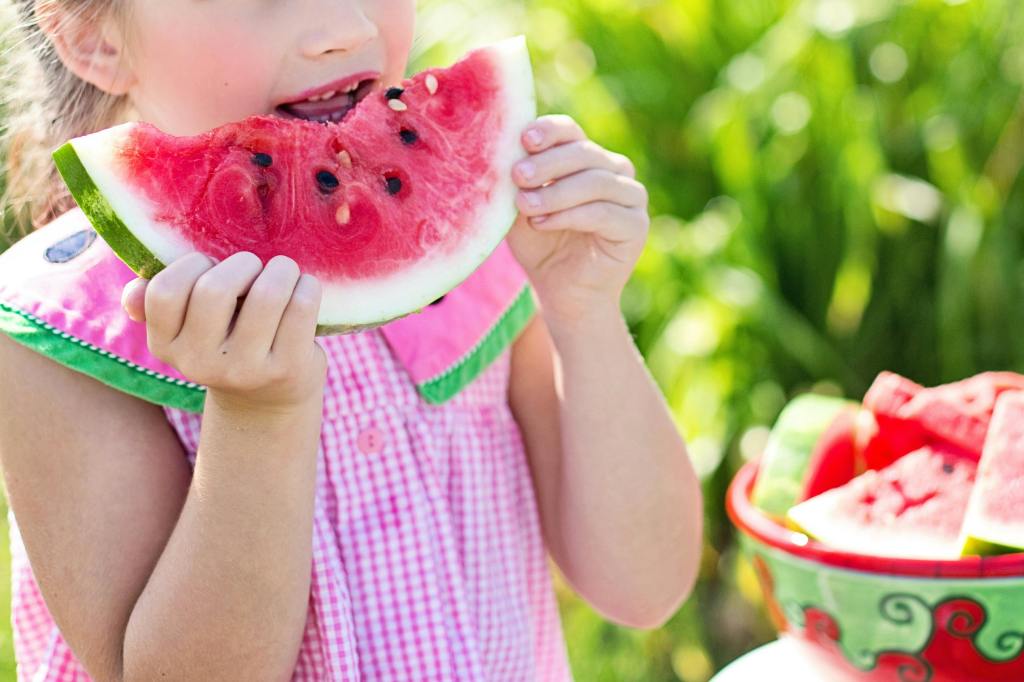
Lunching With My Favorite Summer Foods PoolsideWatermelon Is My Favorite Summer Snack
Pool’s Rules Rule
Everyone loves to be at the pool. With so much excitement, so many people, and water splashing everywhere there’s always a chance for a slip, a fall, and potential tooth injury. It’s important to follow the pool’s rules about diving, diving boards, jumping into the pool and running poolside.
No one wants to leave the pool because of a tooth accident. Stay safe and follow the rules.
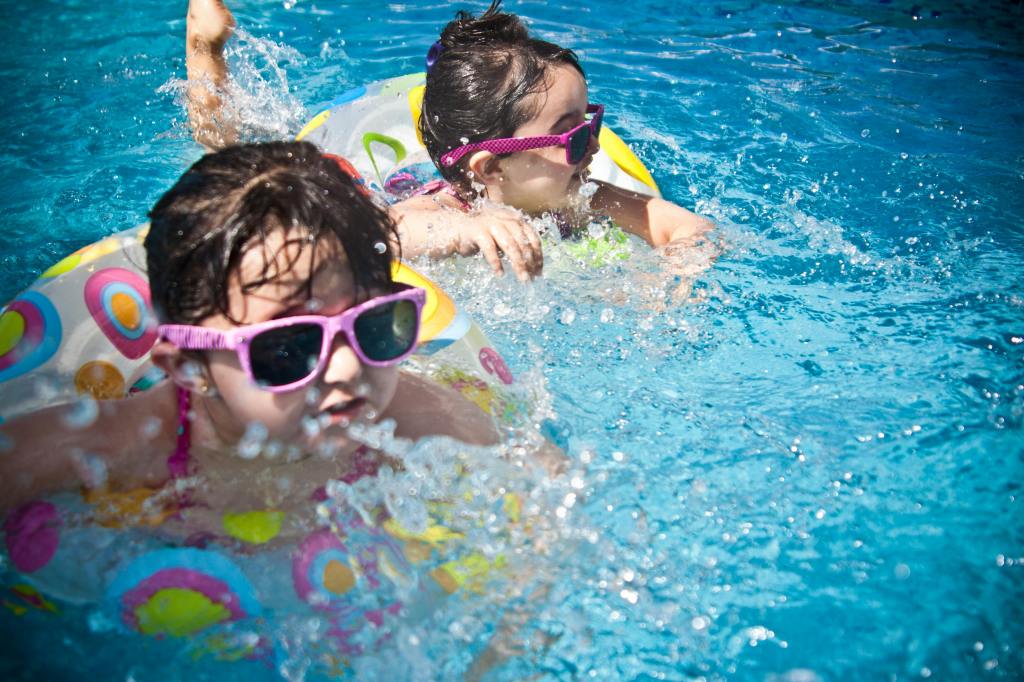
Pool Time After Toothbrushing TimeCruising Along With Our Healthy Teeth
Smile Protector
Summer means being outside and having fun swimming, biking, skate boarding, riding the scooter, and playing sports. This fun can sometimes lead to a dental accident.
It’s important to make sure your child wears a mouthguard when playing sports and other physical activities. This preventive step can help protect their teeth from potential injuries.
Protecting Teeth While Having Fun At The Beach
What To Remember
While your child is on vacation their teeth are not, this is why it’s so important to stay on track with their dental health.
Time To Go In For Our Night-Time Flossing And Brushing Before BedShowing Off My Pearly White TeethShowing Off My Dazzling Summer SmileHanging Out While My Friend’s Having Her Teeth Brushed
Have a wonderful summer and enjoy your child’s healthy summer smile!
What is your child looking forward to doing most this summer? What is their most favorite, must have snack, drink and summer food? Do you have any summer family traditions? Tell us, We’d really like to know! Send us an email at kidstoothhotline@proton.me Like Us or Chat with us on Facebook
More tips? We have lots. We’re here just for kids!
Open Big And Say Cheese Just Like Counting My Teeth At My Pediatric Dentist’s Office
As parents you want to soothe any dental anxiety and remove fears of the dentist for your children, and one of the best tools at your disposal is knowledge.
Keeping descriptions simple, easy going, and relatable is always important no matter what your child’s age. Using child friendly words when explaining the people they will meet, the sites, sounds and instruments (aka tools) go a long way to easing your child into their dental visits.
Today we’re breaking down the basics on how to keep things simple, honest and understandable when preparing your child for their visit with the pediatric dentist.
Child Friendly Language Is The Key To Creating A Fun And Positive Dental Experience
Each visit is an opportunity for you and your pediatric dentist to create a positive dental experience for your child. Fun and self-explanatory word exchanges allow for understanding and encourage confidence toward dental appointments.
Child Friendly Dental Words
Adult Dental Words
Child Friendly Dental Words
Dental Chair
Recliner
Dental Chair Light
Flashlight
Saliva Ejector
Mr. Thirsty or Straw
Dental Mirror
Looking Glass
Explorer
Tooth Counter
College Pliers
Picker Uppers
Air Water Syringe
Water Squirter or Super Soaker or Wind & Water
Examine Teeth
Counting Teeth
Cleaning
Tickle Teeth
Prophy Brush
Tooth Tickler or Electric Toothbrush
Prophy Paste
Yummy Flavored Toothpaste
Floss
Tooth String
Fluoride
Tooth Muscles or Tooth Vitamins
X-ray Machine
Camera
Intra-oral Sensor
Tooth Selfie or Photo
Lead Apron
Emoji Cape or Superhero Cape or Blanket
Cavity
Sugar Bugs
High Speed Handpiece (aka fast drill)
Mr. Whistle or Airplane
Slow Speed Handpiece (aka slow drill)
Mr. Bumpitty Bump or Motorcycle
Bur
Shower Head
Injection
Sleepy Juice For Teeth
Topical Anesthetic
Jelly or Spicy Jelly
Remove A Tooth
Tooth Dance or Tooth Wiggle
Infection
Bubble
Rubber Dam
Raincoat
Rubber Dam Clamp
Tooth Ring
Isodry or Isolite
Mr. Fish or Tooth Pillow
Nitrous-Oxide Oxygen
Magic Air
Nitrous Oxide-Oxygen Nose
Ice Cream Nose
Curing Light
Tooth Dryer or Magic Light
Crown
Chapeau or Fancy Hat or Baseball/Football Helmet
Space Maintainer
Tooth Jewelery
Sealant
Tooth Polish
Child Friendly Dental Words
A Big Thumbs Up To My Pediatric Dentist For Being Creative In Helping Me Understand Everything TodayToday Is My Dentist’s Appointment And I Can’t Wait To GoTelling Daddy About The Fun Words I Learned At My Pediatric Dentist Visit TodayDaddy’s High Five With Me For Having Such A Great Visit With My Pediatric Dentist, Thank You DentistMommy Is Showing Me How Much Fun I’m Going To Have At My Pediatric Dentist Appointment TodayMy Mommy Is Tickling My Tummy And My Pediatric Dentist Will Tickle My TeethThumbs Up To My Pediatric Dentist For Helping Me Today, And For Being Such A Good Helper I Get Extra Game TimeMy Pediatric Dentist. Makes Me So Comfortable When They Use The Mirror And Tooth Counter To Check My Teeth, No Matter How Old I GetI’m Drawing A Thank You Tooth For My Pediatric DentisMommy Is So Happy Since I Listened So Well To What My Pediatric Dentist Explained To Me At My Visit TodayThumbs Up To My Pediatric Dentist For Counting My Teeth and Using The Tooth TicklerMy Pediatric Dentist Did A Great Job Explaining Everything To Me, So I Was A Really Good Helper And Daddy’s Proud Of Me-High 5 DaddyThumbs Up For The Best Dentist Appointment EverBlowing Bubbles With My Prize From My Pediatric DentistThumbs Up To Me For Being Such A Good Listener At My Pediatric Dentist’s Appointment YesterdayWe’re Dancing Our Way To Our Pediatric Dentist
What To Remember
It’s not what we say but how we say things that make all the difference. Effective language is key to having a positive experience. As children grow and mature pediatric dentists tailor their explanations to be age appropriate.
No matter what their age, children remember the fun words at the dentist as they grow which helps them have a positive experience and attitude for their dental visits.
Before you know it they’ll be saying to you “I remember when you explained to me about Mr. Whistle and the sugar bugs, by doing that you made it so easy for me at the dentist.” Now that’s empowerment.
I’m Giving My Pediatric Dentist A Thumbs Up For Explaining Everything So I Wasn’t Nervous TodayMy Children Just Had The Best Pediatric Dental Appointment
How do you prepare your child for their dental visit? Have you come up with any fun words to explain to your child their upcoming appointment? Which are your favorite children’s dental terms? Tell us, We’d really like to know! Send us an email to kidstoothhotline@proton.me Like Us or chat with us on Facebook
More tips? We have lots. We’re here just for kids!
My Zirconia Crowns Are As Pretty As My New Teddy Bear
You’re at your child’s dental check-up and you find out that the tooth you thought has a cavity does have one and that a filling just won’t do.
In my last post about crowns, we discussed stainless steel crowns. Stainless steel crowns are the classic reliable standard for taking care of baby (aka primary) teeth when placing a regular filling puts a tooth at risk for breaking. But let’s face it, they are not very esthetic.
When esthetics is a concern, there is another option and that is the zirconia crown.
Today we’re breaking down the basics on an esthetic children’s tooth crown alternative, the zirconia crown.
What Is Zirconia?
Zirconia is a high quality ceramic material which closely resembles natural teeth, providing durability and a natural appearance.
What Is A Zirconia Crown?
White zirconia dental crowns are an esthetic alternative to stainless steel crowns for children.
In addition to being metal free, strong and biocompatible, they are esthetically pleasing since they can blend in with your child’s natural teeth; whether back teeth or front teeth.
These crowns are for restoring primary teeth that are chipped, damaged, broken, not developing properly, have had a pulpotomy, or have areas of tooth decay (aka cavity) which are too large for a filling because of the risk of breaking the tooth.
Smiling Pretty With My Mommy After Getting My New Zirconia CrownMommy And Me Reading Up On Zirconia CrownsShowing Grandma My New Zirconia CrownsMommy’s So Proud, My Brother Did Awesome For His Zirconia Crowns TodayCan You Guess Which Of My Teeth Have Zirconia Crowns?I’m Showing My Zirconia Crowns To My FriendCan You See My Zirconia Crown?Mommy and Me Looking In The Mirror Checking Out My New Zirconia CrownI’m Cuddling With My Mom After Getting My Zirconia Crown Today
How Long Does A Zirconia Crown Last?
Zirconia is very strong and well suited for children who need their crowns to last for several years until they naturally lose their baby teeth.
How Do We Take Care Of A Zirconia Crown?
Your child’s daily brushing and flossing routine has the same importance now as it always has, and with increased emphasis now that your child has a crown.
It’s best to avoid biting anything hard, sticky, chewy and gooey since they can dislodge the crown or pull it off completely.
Are The Reasons For A Zirconia Crown Different From A Stainless Steel Crown?
The reason for a children’s tooth crown, whether it is a zirconia crown or a stainless steel crown are the same.
I’m Showing Off My Zirconia Tooth CrownCan You Guess Which Are My 2 Zirconium Crowns?Mommy Said I Did Great For My Zirconia Crowns
5 Indications For A Children’s Zirconia Crown
Tooth decay has caused so much loss of tooth structure that a filling will break, break the tooth even more, or both,
A tooth that grew in with weak structure (not due to a cavity),
Esthetics are a concern.
When Isn’t A Zirconia Crown Recommended?
There are 4 specific times when a Zirconia crown isn’t advised~
When a child grinds their teeth,
When there is space loss between the tooth needing the crown and the adjacent teeth,
When there is too little tooth structure remaining to retain the crown on the tooth,
When there is substantial crowding between the teeth.
What To Remember
Baby teeth may be small but their need is great.
This is because children’s primary teeth are essential for chewing, speaking, and maintaining space for the development and correct positioning of their adult teeth.
Zirconia crowns are a good treatment choice for these important teeth for 4 reasons ~
They have good retention,
They are fracture resistant,
They are oral hygiene friendly,
They have parent’s satisfaction and increase children’s self-confidence.
I Really Like How My Zirconia Crown Looks
Have you been told your child needs a crown? Are you concerned about the crown’s esthetics? What do you think about zirconia crowns? Do you feel comfortable discussing zirconia crowns with your child’s dentist? Tell us, We’d really like to know! Send us an email to kidstoothhotline@proton.me Like Us or chat with us on Facebook
More tips? We have lots. We’re here just for kids!
Why Am I Going To The Dentsit For A Crown? I’m Already Wearing One
You take your child for their regular dental check-up appointment and you’re feeling good this time but you still have this feeling they may have a cavity or two.
The hygienist asks you to come over and the pediatric dentist begins to discuss the best way to take care of the tooth with the big cavity. Yes, that tooth. The tooth all the way in the back that has been a challenge to floss and brush.
As the dentist is talking with you, you’re thinking “maybe a filling, a smallish filling, after all it’s a baby tooth and not very big.”
Then you hear the words “cap” and “crown.” You’re surprised and thinking “oh no, what?, how?, you’ve got to be kidding.”
This isn’t a ploy. There are times when a child’s tooth may have a cavity, a developmental defect, or a fracture and the best way to restore the tooth is with a dental crown.
Today we’re breaking down the basics on a commonly used dental crown for children, the stainless steel crown.
What Is A Dental Crown?
A dental crown is a tooth shaped cap that restores a decayed or broken tooth.
The crown fits over the entire tooth (like a hat covers your child’s head) and is contoured to ensure a proper fit.
Why Does A Baby Tooth Need A Crown?
Baby Teeth (aka primary teeth) are important to take care of because they help with proper speech development, chewing, and maintaining space for adult teeth to come in correctly.
When a baby tooth has a cavity, or defect, or is fractured the structure of the tooth is weakened and can easily break; which causes another set of issues.
Covering the tooth with a crown gives support and structure while preserving the tooth’s form and function.
What Are The Reasons For A Dental Crown?
Tooth decay (aka cavities) is very prevalent among children, and the extent of the cavity is the most common reason for a crown.
There are several additional indications for why a child needs a dental crown —
The decay has caused so much loss of tooth structure that a filling will break, break the tooth even more, or both,
The tooth has developmental defects that compromise the structure of the tooth,
A fractured tooth
I Had To Have 2 Silver CapsMommy And Daddy Say This Is Why I Need Silver Caps On My MolarsMy Mom Said At least I Only Needed 1 Silver Crown, My Brother Needed 4
What Is A Stainless Steel Crown?
Stainless steel crowns are a metal crown which are pre-formed, resemble the anatomy of the tooth and can be contoured to the tooth. The crown is then affixed onto the tooth with a special dental cement.
A stainless steel crown is the most traditional type of crown for baby molars. The reason is that they are designed to last for several years until the baby tooth falls out. They are very durable, and adapt very well to the tooth.
What Is A Stainless Steel Crown Made Of?
Stainless steel crowns are manufactured using a stainless steel alloy which contains nickel and chromium.
If your child has any sensitivity or allergy to any of these materials it’s important for you to speak with your pediatrician and pediatric dentist before your child’s crown appointment.
How Long Does A Stainless Steel Crown Last?
A stainless steel crown is placed to help restore form and function to a baby tooth (most typically a baby molar), and lasts as long as the baby tooth.
The tooth and the crown usually come out together, which can be around the time your child is 10 to 14 years old.
Grandma Do You Remember When I Had All Those Silver Crowns In My Mouth? I Learned My Lesson
How Do We Take Care Of A Stainless Steel Crown?
Floss and brush around the tooth with the crown just like all your child’s other teeth.
It’s best to avoid sticky, chewy and gooey candies since they can dislodge the crown or pull it off completely.
Daddy’s Helping Me Brush My Teeth So I Won’t Have To Get Any More Silver Crowns
Is There An Alternative To A Stainless Steel Crown?
While stainless steel crowns are the gold standard for children’s molar teeth, there are other options available, such as stainless steel crowns with a pre-veneered tooth colored white facing and zirconium crowns.
Stainless Steel Crown With Pre-Veneered White Facing
Stainless steel crowns can be made to look more esthetically pleasing with a pre-veneered tooth colored plastic face.
These crowns appear more cosmetic because from the front they look “tooth colored” but the area around the facing, the biting surface, the sides and back of the crown are all the traditional silver color.
For the tooth colored facing to adhere to the metal crown extra bulk is added, so these crowns look thick and round.
The facing also has an increased tendency to easily break off exposing the silver underneath.
Zirconium Crowns
Stay tuned for my upcoming post on these new for children highly esthetic crowns.
What To Remember
The care of baby teeth is essential due to their role in chewing, speaking, and maintaining space for the development and correct positioning of adult teeth.
While baby teeth may be smaller in size than adult teeth, tooth decay, structural defects and fractures loom larger for them.
Stainless Steel Crown’s are the treatment of choice for primary teeth for 3 important reasons —
Durability,
Longevity,
Reliability.
Mommy Had Silver Caps in Her Mouth When She Was Little, I’m Making Sure My Precious Angel Never DoesI Got A Tooth Crown And Princess Crown Today
Does your child have a stainless steel crown? What were your thoughts when you heard your child needed a stainless steel crown? Did you have a stainless steel crown as a child? Tell us, We’d really like to know! Send us an email to kidstoothotline@proton.me Like Us or chat with us on Facebook
More tips? We have lots. We’re here just for kids!






































































































 kidstoothhotline