My Mom And Dad Said YES To The Tooth Truths And Look At Me Now
Fluoride is a little mineral with big tooth benefits. It works to strengthen tooth enamel, fight tooth decay (aka cavities) and keep smiles shining bright.
With all its benefits fluoride still sparks differences of opinion. Even now-a-days old wives tales still persist.
Today we’re taking an up front look at those tales and seeing how they stack up to the truths about fluoride.
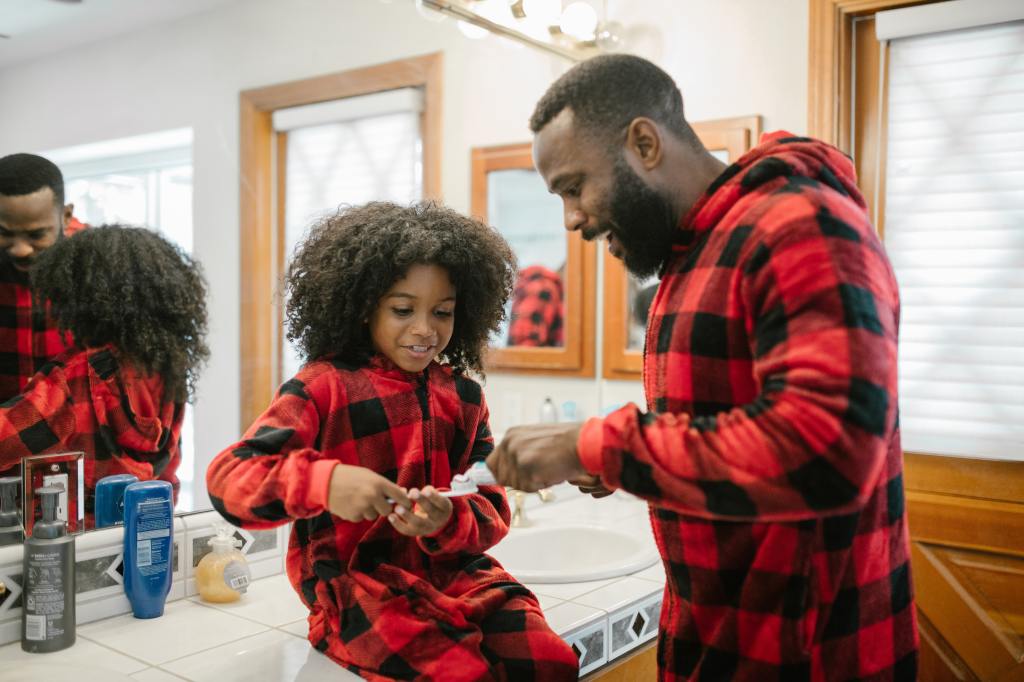
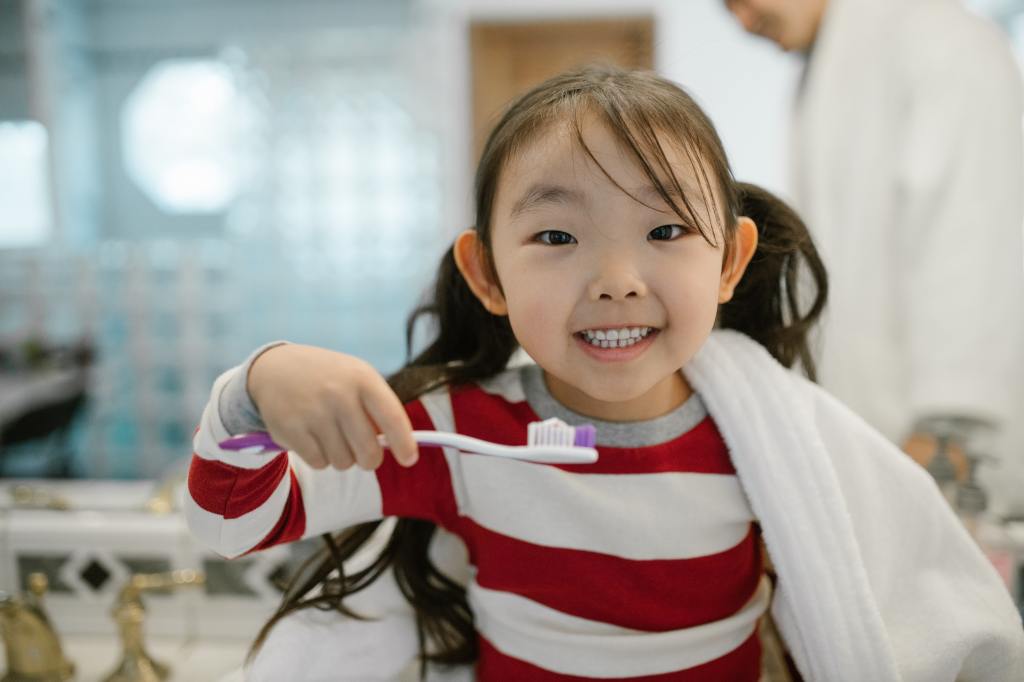
Do I Need This Much Toothpaste?My Mom And Dad Always Make Sure I Drink My WaterThank You For My Beautiful Healthy Smile
Tale: Fluoride isn’t natural and isn’t safe for children.
Truth: Fluoride is a mineral which occurs naturally in water and in many foods. Like other nutrients fluoride is safe in the appropriate amount.
The amount of fluoride in water, toothpaste and professional fluoride treatments are well below toxic levels, and are carefully regulated to insure safety.

Tale: Well water has no fluoride
Truth: Some wells have too little fluoride while others have too much. Bottled, filtered, spring, and well waters all vary in their fluoride amount. It’s important to have the water from your well tested for fluoride every year.
If you’re not sure if you have well water or town/city water, check with the local water company. If you know your town or city supplies your drinking water you can also check the fluoride level by calling them.

Tale: Fluoride shouldn’t be used because it causes fluorosis.
Truth: Fluorosis is chalky white spots on teeth. This is typically mild and occurs when young children consume too much fluoride when their teeth are developing.
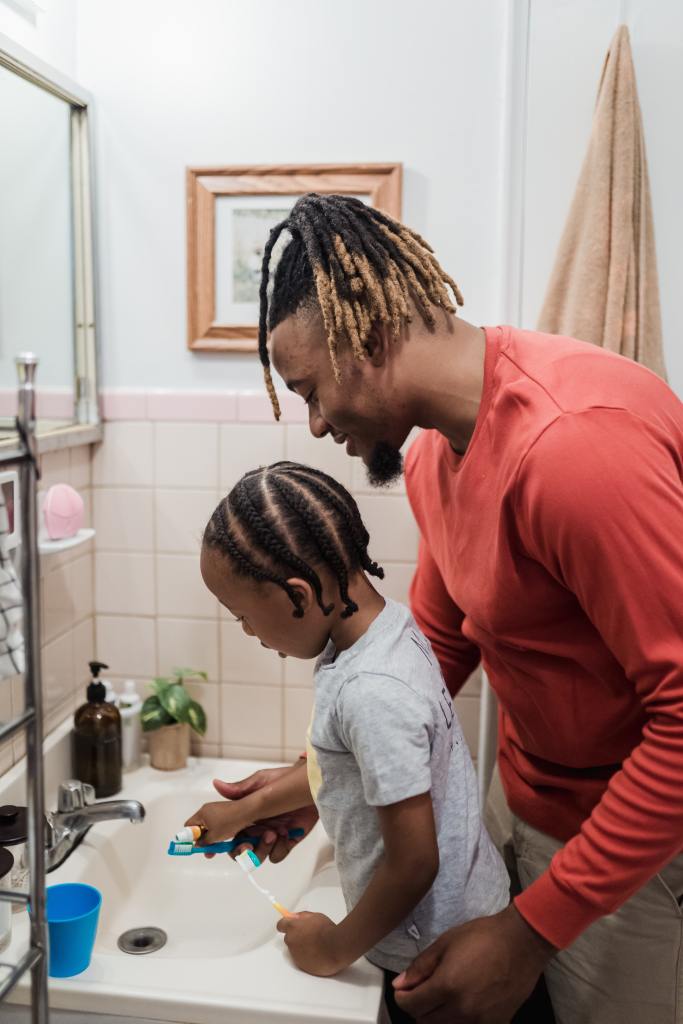
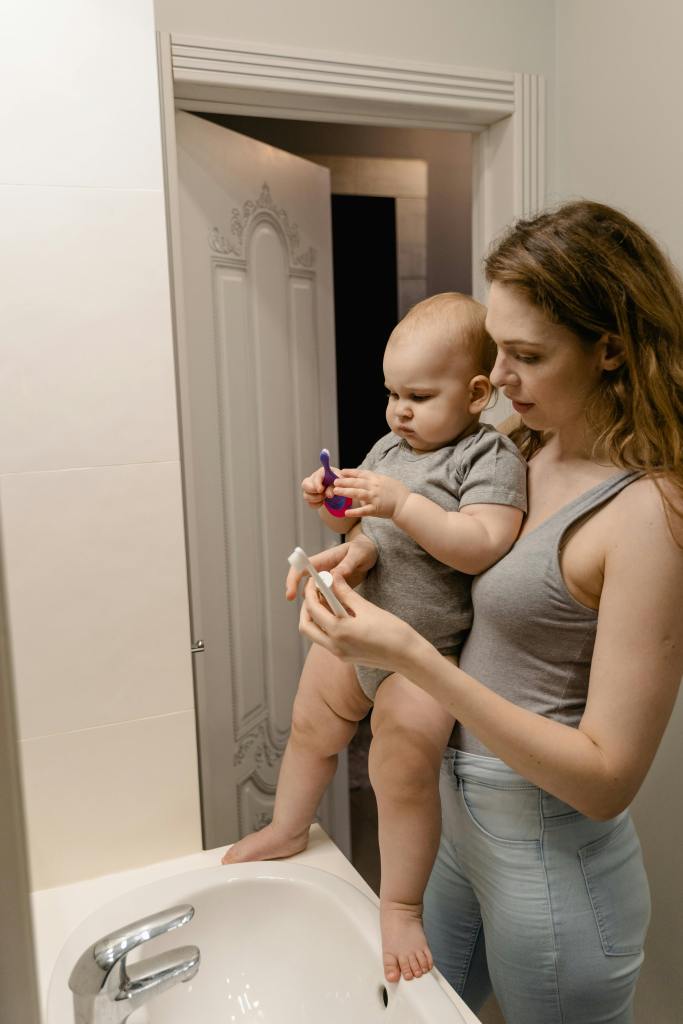
This is preventable. It’s important to use the correct amount of fluoride toothpaste and to always supervise your child’s toothbrushing so they don’t swallow the good tasting toothpaste.

Tale: Children’s teeth are fine, they don’t need fluoride.
Truth: Fluoride helps prevent tooth decay and makes your
child's teeth stronger. We all have bacteria in our mouth that combines with sugars from food and drinks to make acid. The acid harms the outer layer of the tooth (aka enamel). Fluoride protects teeth from being damaged by the acid and helps rebuild tooth enamel.

Tale: Children don’t need fluoride once their adult teeth come in.
Truth: It’s not just baby teeth, all teeth benefit from fluoride. Like children, parent's teeth also benefit from fluoride’s ability to protect tooth enamel and repair early stages of tooth decay.

What To Remember
As pediatric dentist’s we want to help you with your goal of preventing cavities and promoting good dental health for your child.

Fluoride is safe, effective and easy to include in your child’s daily routine. With little or no fluoride, the teeth aren’t able to resist cavities. By adding fluoride to water, the cavity rate has decreased by 50-70%.

But the amount has to be correct. All it takes is a small amount of fluoride for the maximum benefit.

What’s your take on fluoride? Do you have too much, too little or just the right amount of fluoride in your water? Tell us, We’d really like to know! Send us a email to kidstoothhotline@proton.me  Like Us on Facebook

More tips? We have lots. We’re here just for kids!
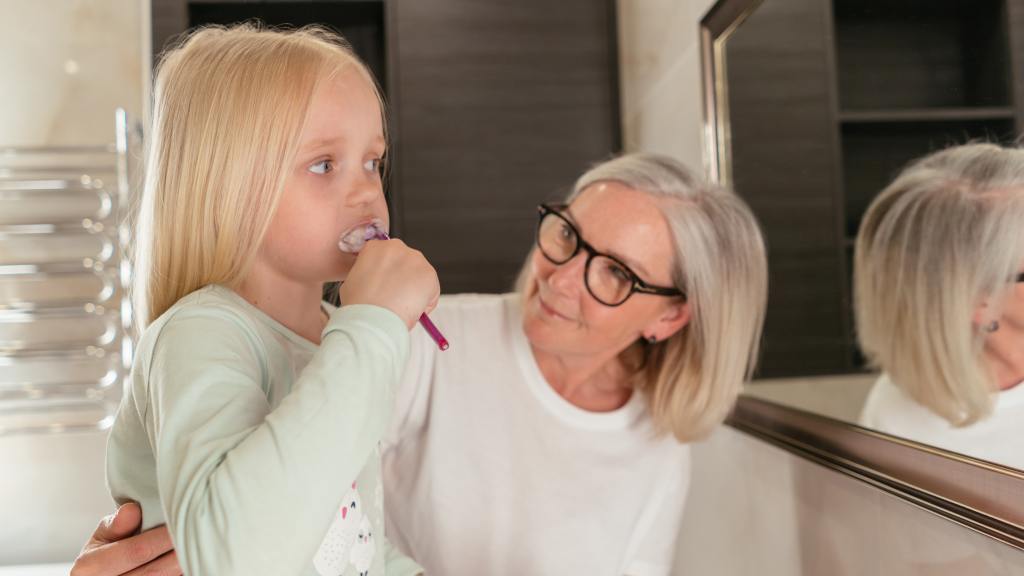
Grandma Always Watches Me Brush My TeethThe Best Way To Drink WaterThis Is The Way My Mom And I Like To Drink Our WaterWe’re Teeth StrongMom’s Helping Me With My Homework Like She Helps Me Brush My TeethSay YES to Tooth TruthsThe Best Drink
There I was, a brand new pediatric dentist. I was ready to take the on the world and stop cavities. Fluoride was my super power to halt cavities before they started.
I was examining a 3 1/2 year old girl who lived in a town with fluoridated water, but she was drinking bottled water. When I asked why bottled water, her Mom asked me 2 questions.
These 2 questions are the top 2 on practically every parent’s mind when fluoride is mentioned. Why is fluoride is so important? and Do I need worry about my child drinking water with fluoride?
Fluoride can spark some differences of opinion. Today, we’re discussing fluoride basics, why fluoride is safe and its importance for protecting children’s teeth against tooth decay (aka cavities).
What Is Fluoride?
Fluoride is a naturally occurring mineral that helps strengthen tooth enamel and prevent cavities.
Fluoride can be found naturally in water, soil, air and some foods.
Why Is Fluoride Important?
Fluoride is one of the best and safest ways to prevent cavities for children.
How Does Fluoride Work?
Your mouth contains bacteria that feed on the sugars in the foods we eat and the beverages we drink. This produces acid that can wear away the hard, outer shell of your tooth’s enamel. This can lead to cavities.
Fluoride protects teeth by making the teeth stronger and more resistant to acid. It not only reduces the risk of cavities, it can even help reverse early signs of decay.
How Does Fluoride Prevent Cavities?
Fluoride prevents cavities in 3 ways.
Fluoride is like a shield for your child’s teeth. It helps to strengthen tooth enamel. By strengthening the enamel it can stop cavities before they start and even repair tiny areas of cavity damage.
Plus, fluoride fights off those troublesome germs that cause tooth decay.
Along with healthy eating and good toothbrushing habits, fluoride is a great way to keep your child’s smiles cavity free and strong.
Some Of Us Like To Smile, Others Not So MuchPlaying Is Like Brushing Teeth, We Do It EverydayWe’re 2 Sisters Sharing Healthy Happy SmilesMommy And Daddy Give Me Yummy Healthy Foods And Brush My Teeth With Fluoride ToothpasteDo You Really Think My Teeth Look Great?
Is Fluoride Safe?
Yes, fluoride is safe and effective in preventing cavities when used correctly.
However, too much while teeth are growing and developing can cause fluorosis. This is usually mild, with tiny white spots on teeth that are hardly noticeable. Severe cases are rare, but can cause enamel discoloration.
To avoid this keep fluoride containing products out of reach, especially for little ones. The right amount, like in toothpaste for your child’s age and drinking water gives your child all the benefits.
Should I Be Worried About My Child Drinking Water With Fluoride?
No. Fluoridated water is easy and one of the best beverage choices for all children.
Sweetened drinks like juice (even 100% natural), soda and sports drinks contribute to weight gain and tooth decay.
If We Brush Our Children’s Teeth With Fluoride Toothpaste, Do We Still Need To Drink Fluoridated Water?
Yes. Drinking water with fluoride bathes their teeth in small amounts of fluoride throughout the day and has been found to add to the benefits of brushing with fluoride toothpaste.
Drinking water with fluoride helps prevent cavities before they start.
I May Have A Few Teeth But My Mommy Is Making Sure We Brush With Fluoride ToothpasteWe Love Our Teeth Thanks To Our Mom and DadWe Brushed My Teeth With Fluoride Toothpaste So Now I Can Show Them OffWe Love Showing Off Our Healthy TeethThe Thought Of Getting A Cavity Makes Us Laugh
4 Sources Of Fluoride
There are 4 sources of fluoride:
Fluoridated Water
Fluoride Toothpaste
Fluoride Treatments
Fluoride Supplements
Fluoridated Water
Most tap water in the United States contains fluoride to help fight cavities.
One of the easiest ways to ensure your child gets enough fluoride is by choosing fluoridated tap water as their go-to drink. Not only does it strengthen their teeth, but it also supports their overall health.
Fluoride Toothpaste
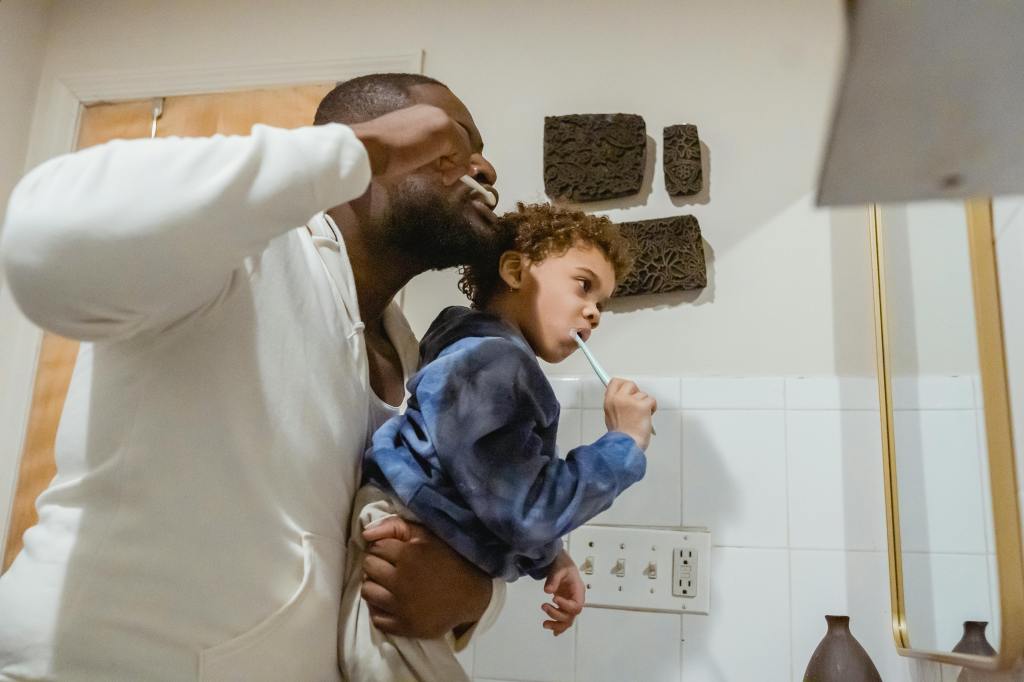
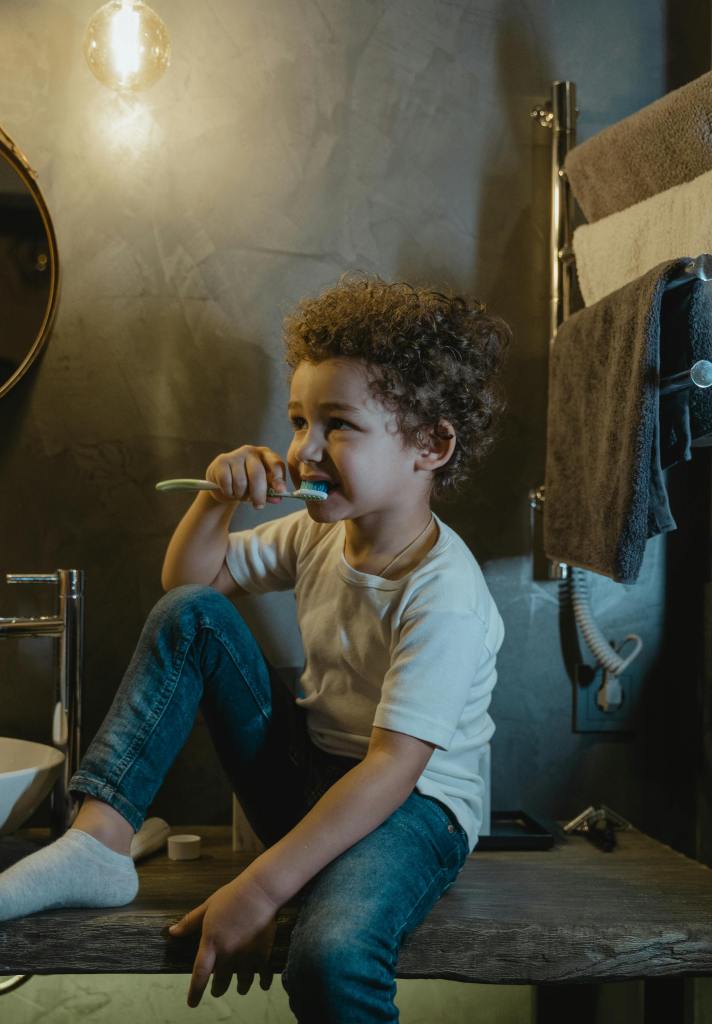
Brush teeth twice a day with a fluoride toothpaste.
For children under 3 years old, use a smear of toothpaste, which is the size of an uncooked grain of rice.
If your child is older than 3 years old use a green-pea size amount of toothpaste.
Fluoride Treatments
Your pediatric dentist can apply fluoride varnish to your child’s teeth for extra protection against cavities.
A fluoride treatment is quick and painless. Fluoride varnish is a sticky yellow or orange substance that often has a pleasant taste.
The varnish application is fast and sets quickly. Your child may be advised to avoid eating of drinking for a short period of time (maybe 30 minutes) after the treatment. This is so that the fluoride isn’t washed off their teeth.
Fluoride Supplements
If your tap water doesn’t have fluoride, your pediatric dentist will recommend for your child to take a fluoride supplement. The fluoride dose in the supplement depends on how little fluoride is in your water.
Come To Daddy And Then We’re Going To Clean Your Teeth Before BedtimeEven On Vacation We Still Brush Our Teeth 2X’s A DayShowing Off My Healthy TeethSmiling Our Best SmilesHealthy Teeth Just Like My Daddy
What To Remember
Children deserve the healthiest start to their lives, and a healthy smile is one of the best gifts parents can give them.
Fluoride is naturally occurring and has definite health benefits for children’s teeth. You’ll find fluoride in drinking water, toothpaste and mouth rinses. It’s safe and effective in preventing cavities when used correctly.
These small habits today will lead to strong, confident smiles for years to come.
Did We Brush My Teeth This Morning?
What concerns do you have about fluoride? Does your family use fluoride toothpaste? Does your drinking water have fluoride or do you use bottled water? Do you have well water? Has your pediatric dentist or pediatrician ever mentioned your child needs to take fluoride supplements? Tell us, We’d really like to know! Send us a email at kidstoothhotline@proton.me and Like Us on Facebook
While we are dedicated to children’s dental health every day, this month makes it extra special to celebrate strong healthy smiles.
When did this annual tribute to children’s dental health begin? The American Dental Association (ADA) first observed Children’s Dental Health Day on February 8, 1949. In 1955, this 1-day event was extended to one week, and in 1981 it was transformed into a full month celebration acknowledging children’s dental health.
Children who have cavities when they are young struggle with cavities their whole life,
The right amount of fluoride makes teeth strong,
Cavities are preventable.
What To Know For Your Baby’s Teeth
Children need their baby teeth. Healthy baby teeth allow them to chew and to speak clearly. Baby teeth also keep space for the adult teeth.
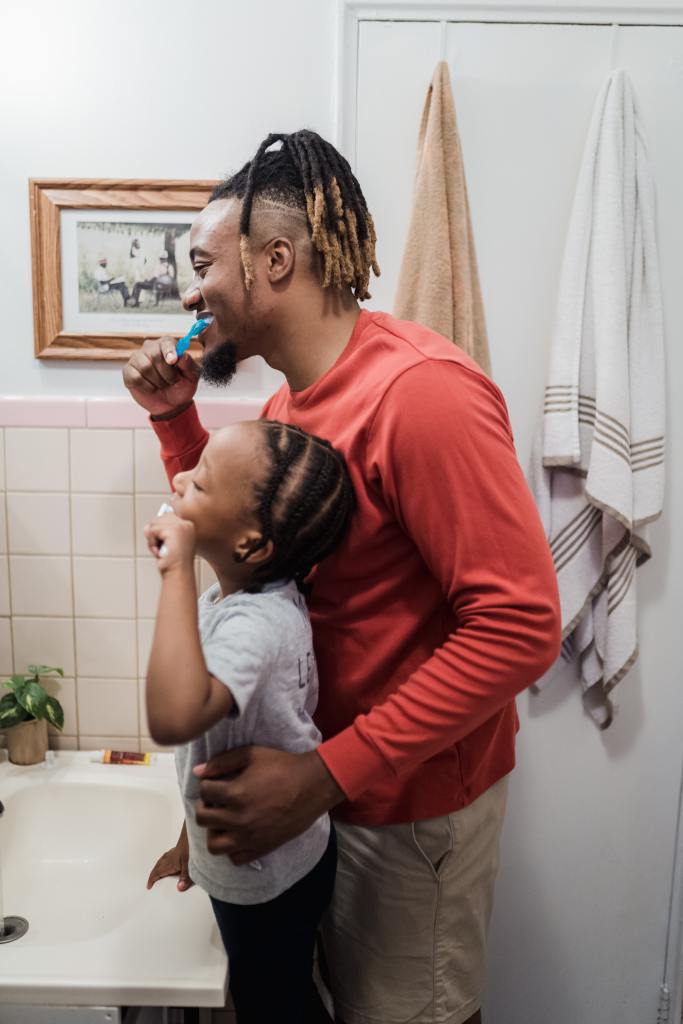
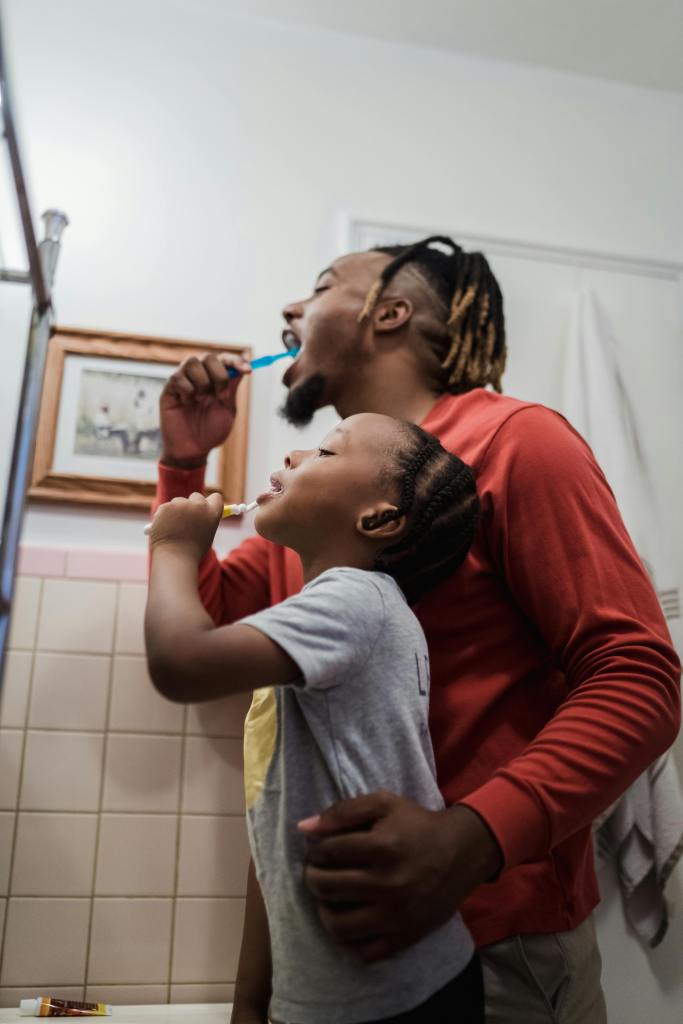
It’s important for children to have their teeth brushed twice a day just like their mommy and daddy.
Taking Care Before Teeth Come In
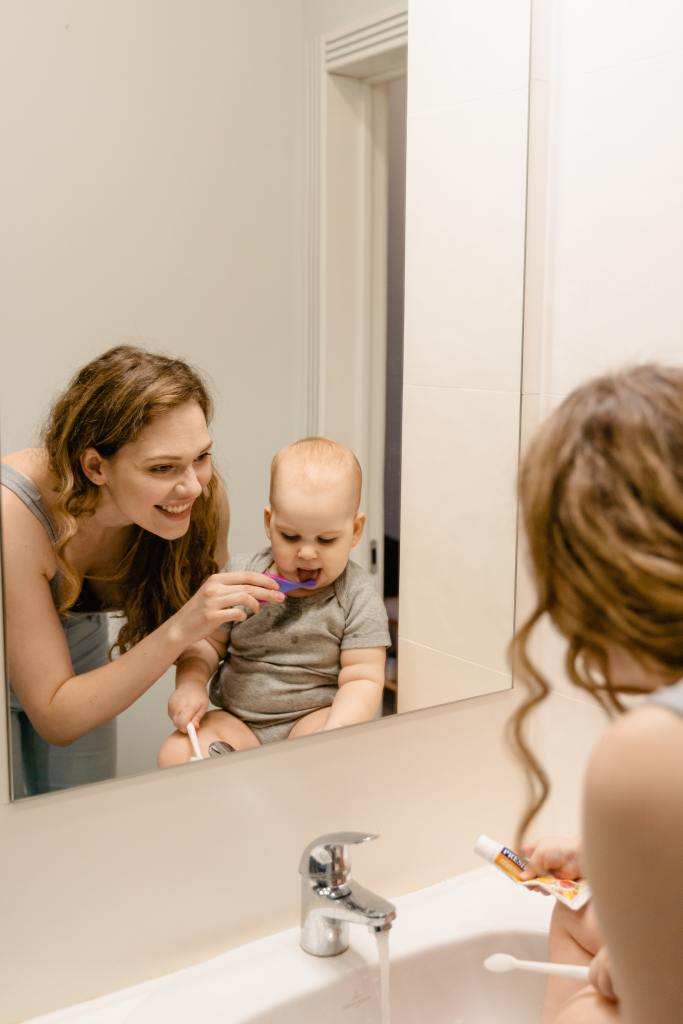
Before your baby’s teeth come into their mouth, it’s important to clean their gums. Clean your baby’s gums after every feeding, before their naps, and before bed time with a clean damp washcloth.
Healthy habits start early.
Mommy And Daddy Love You So Much We Never Want You To Have A CavityLet Mommy See Your Nice Clean MouthI’m One And I Don’t Have Any Cavities
Taking Care Of Teeth For Children, Tweens And Teens Is Important
Good oral health along with healthy meals and snacks go a long way to help prevent cavities in childhood and adolescence.
Young children want to brush their own teeth, but they really need your help.
As children get older they still need your help to brush and floss properly. They have new teeth coming in they don’t even know about.
Adolescents watch and see everything. By you taking care of your own teeth, you’re setting a good example which also helps your child’s teeth stay healthy.
Mommy And Daddy Take Care Of My Teeth So I Can Smile Pretty For The CameraShowing Off Our Big Healthy SmilesShowing Off My Pink Sneakers, Pink Sunglasses And Healthy TeethLearning To Play My Game IS Like Brushing Teeth, It Takes Time And PatienceSaying Goodbye To Cavities With Healthy TeethOur Beautiful Teeth Are The Best Gift Our Parents Could Give Us
Fluoride Helps Prevent Cavities
Fluoride is nature’s cavity super-power.
There are 3 ways fluoride helps make teeth strong:
Fluoride strengthens tooth enamel and makes it stronger against cavities,
Fluoride repairs tiny weak spots in the enamel before bigger problems develop,
Fluoride fights against cavity causing bacteria in the mouth.
Fluoride Is Safe
The American Academy of Pediatrics (AAP), the American Academy of Pediatric Dentistry, the American Dental Association, and the Centers for Disease Control and Prevention all agree that water fluoridation is safe, effective and works to prevent tooth decay (aka cavities).
Still No Cavities At My AgeDaddy And Me Brushing Time
Talking Tooth Care
Introducing brushing and flossing into your child’s routine can seem complicated.
A fun way to start introducing your at home toothbrushing and flossing routine can start with watching a video cartoon the ADA put together about a school age dinosaur named Dudley and his message about taking care of teeth.
What To Remember
Cavities are the #1 childhood disease. The good news is they are preventable.
Start early even before your infant gets their first tooth by cleaning their gums.
As your child grows your consistency helps establish their daily toothbrushing and flossing routine. By you taking care of your own teeth, you’re setting a good example will also help your child’s teeth stay healthy.
Cavities are preventable with a good at home oral hygiene routine, eating healthy foods, and drinking fluoridated water. As a parent you can help give your child their bright healthy smile.
Loving My College SmileI Always Brush My Teeth For 2 Minutes 2X’s A DayNothing Can Stop Us, Healthy Teeth Strong Learning SkillsBrushing Teeth Is Like Learning Ballet, It’s All About TechniqueKeeping My Teeth Healthy By FlossingLearning Chess Is Like Brushing Teeth, We’re Taught How To Do This
What are your healthy toothbrushing habits? Do you have any tips and tricks for your child’s daily routine? What are your tips to prevent cavities? Tell us, We’d really like to know! Send us a email to kidstoothhotline@proton.me Like Us on Facebook
Healthy Teeth, Happy Smiles, Healthy Family
More tips? We have lots. We’re here just for kids!
My Baby’s Teeth Are Beautiful But Why Are They Crooked?
You’ve been eagerly waiting for your baby’s teeth to come in. Now is the time. Their teeth are coming in. The color and shape are what you expected, but the position looks off.
Lots of parents expect, or at least hope to see their baby’s beautiful teeth lined up in a perfectly straight row.
That’s not always the case. There are times, and more often than not, that baby teeth do not come in straight. They come in misaligned, more commonly known as crooked.
Crooked teeth are one of the most common types of dental issues for children.
So what’s a parent to do?
What Causes Crooked Teeth?
There are several factors that contribute to the position of baby teeth, such as ~
Genetics
Misaligned teeth and jaws are often due to mismatched jaw growth. Jaw and facial growth are determined by genetics, and children inherit traits from both parents.
Prolonged Habits
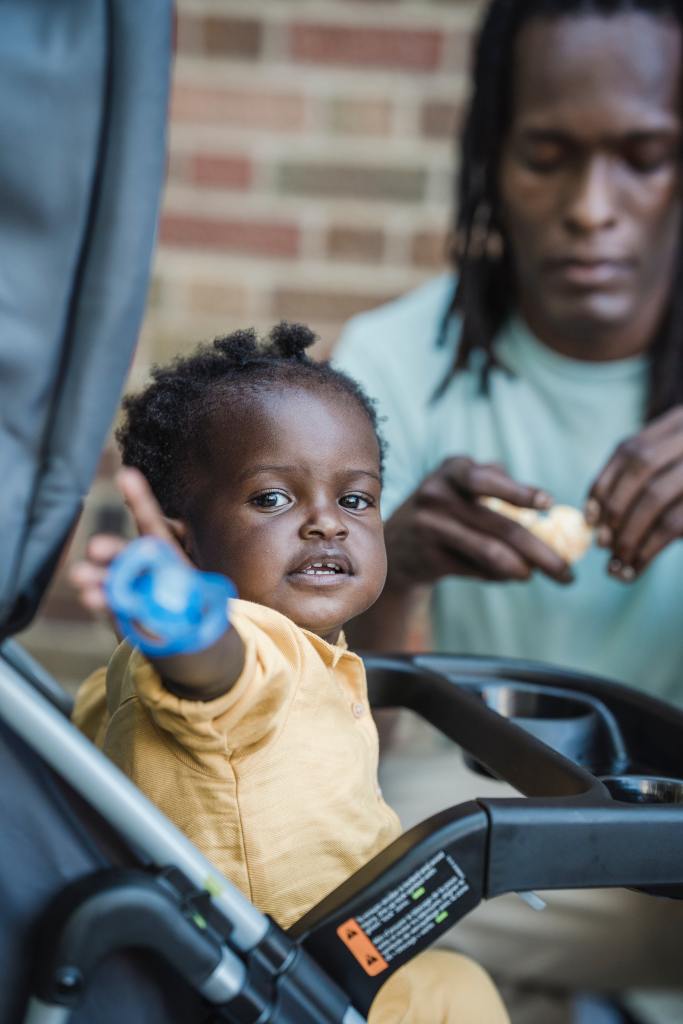
Oral habits like thumb sucking and finger sucking are known as digit habits. These digit habits and/or pacifiers apply pressure on the roof of the mouth (aka palate) and top front teeth. This leads to a narrowing of the top jaw and protruding front teeth
Tongue Thrusting And Mouth Breathing
Tongue thrusting and mouth breathing are known as myofunctional (aka muscle) disorders. They may interfere with facial growth and lead to crooked teeth and/or bite problems.
Early Baby Tooth Loss
Early loss of a baby tooth may be due to tooth decay (aka cavities) or tooth trauma. When a tooth has a cavity which is large enough for the tooth enamel to break off, the tooth behind tips into the broken spot.
When a baby tooth is lost due to decay or injury from a trauma, the teeth on both sides of the gap move into the space. This causes crooked baby teeth and also blocks the adult tooth from coming in correctly.
My Mom And Dad Are Wondering Why My Teeth Are Crooked
Does It Matter If My Child’s Baby Teeth Grow In Crooked?
It doesn’t generally matter if your child’s baby teeth grow in crooked. Your child’s mouth, jaws and face will be doing a lot of growing and changing over the next several years. This growth can affect the position of teeth as they grow. So let growth take its course.
Should I Be Concerned About My Child’s Crooked Baby Teeth?
It’s okay to be concerned. You’re being extra observant and vigilant about your child’s teeth.
This is also something to discuss with your pediatric dentist, either at your child’s upcoming appointment or on the phone.
Depending on your child’s age, they may take a watch-wait-and-see approach. When your child has their regular 6 month check up appointment this is something pediatric dentists are trained to evaluate and discuss with you.
If you’re concerned and don’t want to wait, then call their office and talk with them.
Is There Anything I Can Do To Prevent My Child’s Teeth From Coming In Crooked?
As a parent this is something you really want to prevent. However this is something you can’t prevent.
What Can I Do If My Child’s Baby Teeth Come In Crooked?
There are things you can do to reduce the severity of the problem:
Stop Thumb Sucking, Finger Sucking And Pacifier Use
Digit habits (thumb sucking, finger sucking) and pacifiers can alter the position and alignment of teeth when the teeth erupt into their mouth.
For some children these effects can be seen when they are as young as 24 months of age.
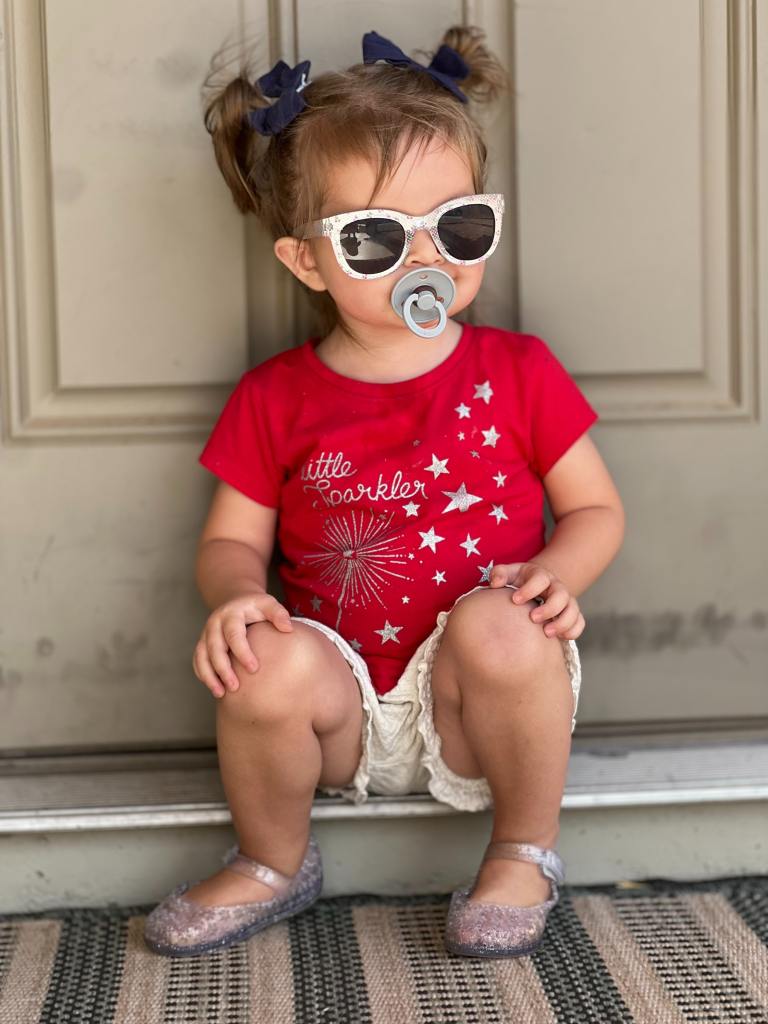
This is why it’s best to encourage your child to stop sucking their thumb, or their finger, or their pacifier at or around the age of 18 to 24 months old.
While most children may naturally stop digit sucking or using a pacifier around 24 months old, there are those who don’t want to stop on their own.
Depending on your child’s age, your pediatric dentist may suggest a habit appliance, a certain type of nail polish, how to say good-bye to the pacifier or an orthodontic evaluation.
Giving Away My PacifierI’m A Big Girl, Why Do I Need A Pacifier?Ready To Give Up Up My Pacifier When My Mom and Dad Say So
Treatment For Myofunctional Habits
Tongue thrust and mouth breathing are 2 types of habits that affect tooth position and jaw growth.
Tongue thrust is also called reverse swallow or immature swallowing. This occurs when the tongue moves forward and pushes against the front teeth during swallowing.
The tongue is a strong muscle. This type of swallowing can change the position of teeth and move jaws out of alignment due to the constant pressure of the tongue.
It is important to talk with your pediatric dentist and pediatrician. They can talk with you about allergies, mouth exercises, myofunctional therapy, or habit appliances to address your child’s specific needs.
they are needed for the growth of your baby’s jaws, muscles and their face.
their teeth are also necessary for your child to be able to chew their food, eat well and grow healthy and strong.
their teeth help them to speak, their tongue and cheeks engage the surfaces of their teeth to help them form the sounds they need to talk.
baby teeth provide the space for their permanent teeth to develop and to guide them into the correct position.
What To Do If A Baby Tooth Comes Out Early
Everything is going along and then despite your best efforts your child loses a baby tooth earlier than they should be losing it.
Losing a baby tooth too early can change the position of the surrounding baby teeth and their adult tooth.
It’s important to talk with your pediatric dentist about something to help prevent this from happening. There is a dental appliance that is used for this purpose. It’s called a space maintainer.
What To Remember
Whether your child’s crooked teeth is genetic or caused by habits like digit sucking, there are ways to address the misalignment. Early intervention early, addressing habits, a healthy diet with good oral hygiene can help prevent tooth misalignment in children.
Are you happy with how your child’s teeth look? Does your child have crooked teeth? What are you doing to correct the position of their teeth? Tell us, We’d really like to know! Email us at kidstoothhotline@proton.me and Like Us on Facebook
I Asked My Mom And Dad Why My Tooth Looks This WayI Hope My Crooked Teeth Get StraightMy Brother And I Love To Laugh And Show Off Our Crooked TeethSmiling Even With My Crooked TeethWhen I Smile This Way You Don’t See My Crooked Teeth As Much
More tips? We have lots. We’re here just for kids!
Children grow so fast. Taking care of a toddler is so different from taking care of an infant.
There are so many new things to know and do. How we take care of their teeth also changes.
Toddler’s teeth are so important. That’s because the way we take care of their teeth now affects how they will take care of their own teeth in the future.
So what is there to know about your toddler’s amazing teeth? We’re glad you asked.
20 Teeth Make A Complete Set
Up until this time your child’s teeth have been like an iceberg with parts peaking through the gums while the rest is still growing underneath.
By the time your toddler is 3 years old teething is over and they will have all of their 20 baby teeth.
Smiling And Showing Off My Teeth
Brushing Starts And Ends Your Day
Make a game out of brushing your child’s teeth 2 Minutes 2X’s A Day. Brush in the morning after breakfast and at night right before their bedtime.
There are so many yummy flavors of toothpaste to entice your child. All you need is a small (dry) rice grain size amount of paste on their brush.
When To Start Flossing
It’s best to begin flossing their teeth once they have two teeth touching.
Flossing is recommended with the nightly brushing routine. If your child lets you floss more often then definitely make that part of your habit.
Floss Before You Brush
Flossing first allows you to remove everything that is between their teeth (and there is always something there) so you can brush everything away.
Can’t Spit Out?
Your child can’t spit out? No worries, have a moistened soft wash cloth handy to wipe their mouth and teeth, and a dry one to wipe their lips and chin.
A Handy Tip
The last thing that touches their teeth at night is their toothbrush.
We Say Brush 2 Times A Day And Floss 1 Time A DayMommy Flossed Both Of Our TeethLove to Play After Our Teeth Are BrushedGetting Ready To Brush My Teeth With My DadDaddy Put The Right Amount Of Toothpaste On My ToothbrushPlaying With My Toys after Mommy Brushed My Teeth
Keep An Eye On Snacking And Juice
It’s important to avoid all day snacking.
Toddlers need their snacks. They are an opportunity to provide nutrients because toddlers actually need more nutrients than they can get at meal time.
Juice By Any Name Is Still Juice
Juice is not the way for your child to meet their daily fruit and vegetable needs. Not even 100% juice. Not even organic juice. Juice, soda, and sports drinks are sugar sweetened beverages with no real nutritional value and put children on the fast track to harming their teeth.
Water And Milk Are The Winners
Drinking water and plain low fat milk are the healthiest choices. Water is the best choice in-between meals and for hydration.
Drinking Water With MommyPlain Milk Is The BestMilk,My Healthy DrinkWater Is The Best DrinkMommy Says I’m A Big Girl And It’s Time For Me To Give up My Bottle
Tooth Enamel Is Strong But…
The hard outer shell of teeth is enamel. Tooth enamel is the hardest substance in the body, but it can also be weakened.
Keeping Enamel Strong
2 of the best ways to keep enamel strong and help strengthen weakened enamel is to drink fluoridated tap water and brush with fluoride toothpaste.
Bottled Water Or Filtered Water
Bottled water often contains little to no fluoride. If you use a carbon or charcoal filter in a pitcher, the filter leaves most of the fluoride in the water.
Not Sure About Fluoride In Your Water?
Call your town hall, county hall, the company who bills you for your water, or your well servicer. Ask them for a water report and specifically ask about fluoride.
Play It Safe
Toddlers love to explore. Whether they toddle, walk, run, climb, or jump the possibility always exists that teeth can get hurt.
Falls from high chairs, strollers and shopping carts, as well as automobile accidents, are frequent causes of tooth and/or mouth injuries.
What Happens To Teeth?
The teeth most commonly hurt are the lower and upper front teeth. These teeth can be moved around or broken in all different ways. There’s also the possibility that the gums, tongue, cheeks or lips can be bruised or cut.
To help reduce the risk of injuries, make sure your child is secure in their car seat and wears a helmet when riding their bicycle.
If anything like this ever happens, contact your pediatric dentist or go to the closest emergency room immediately.
Rewards And Praise
Just not candy.
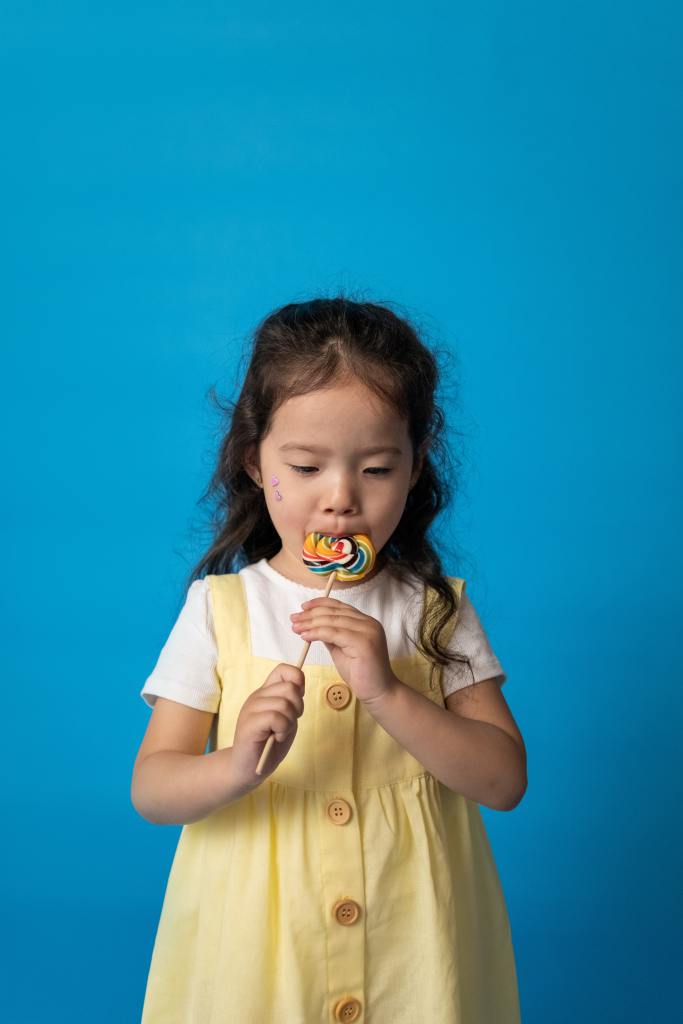
Me And My Lollipop
What To Remember
Your toddler means everything to you and as a parent you want the very best for them. With these tips as your guide you are laying the foundation for a life time of beautiful smiles and good dental health.
Eating Our Grapes For SnackWalking With Mom Eating My AppleEnjoying Eating My Watermelon
How do you take care of your toddler’s teeth? What are your burning questions?, biggest challenges?, best strategies? Tell us, We’d really like to know! Email us at kidstoothhotline@proton.me and Like Us on Facebook
More tips? We have lots. We’re here just for kids!
Good Night, Sleep Tight, Won’t Let The Sugar Bugs Bite After Brushing My Teeth
Tooth enamel is super hard. In fact enamel is the hardest substance in the human body. That’s right it’s stronger than bones.
Enamel has 3 important purposes. It protects the teeth from cavities (aka tooth decay), from hot and cold (foods and drinks) and fends off constant acid attacks (when we sip, eat and snack).
What we eat and drink is broken down into carbohydrates (aka sugars). The more often we eat and drink the more sugars we have in our mouth.
The more sugars we have in our mouth the more the bacteria in our mouth goes on a food frenzy. When the bacteria go on their feeding frenzy they release acids into our saliva.
These acids in our saliva mix with food particles in our mouth and form plaque. Plaque is that sticky white stuff that sticks to tooth enamel and tongues.
What’s A Tooth To Do?
Plaque keeps on accumulating until it’s brushed away. It’s the acids in the plaque that gnaw away at the tooth enamel over time.
It’s like a tug of war with 2 things going on at the same time. There’s demineralization where the plaque acids are weakening the enamel. There’s remineralization when toothbrushing and fluoride toothpaste strengthen the enamel by replacing the lost minerals.
When Is All This Happening?
During sleep our body makes less saliva, and the bacteria sit in our mouth and on our teeth.
The mouth is a warm, moist place which the bacteria love, and produce more acids.
If we go to sleep without brushing our teeth, the bacteria have more sugars to eat and put our teeth at risk for more demineralization.
How to Keep Your Child’s Teeth Strong
For healthy teeth it’s about increasing remineralization and minimizing demineralization.
Boosting the remineralization process is about amazing oral hygiene habits and a healthy diet.
Tips To Keep The Sugar Bugs Away
6 Months – 2 Years Old
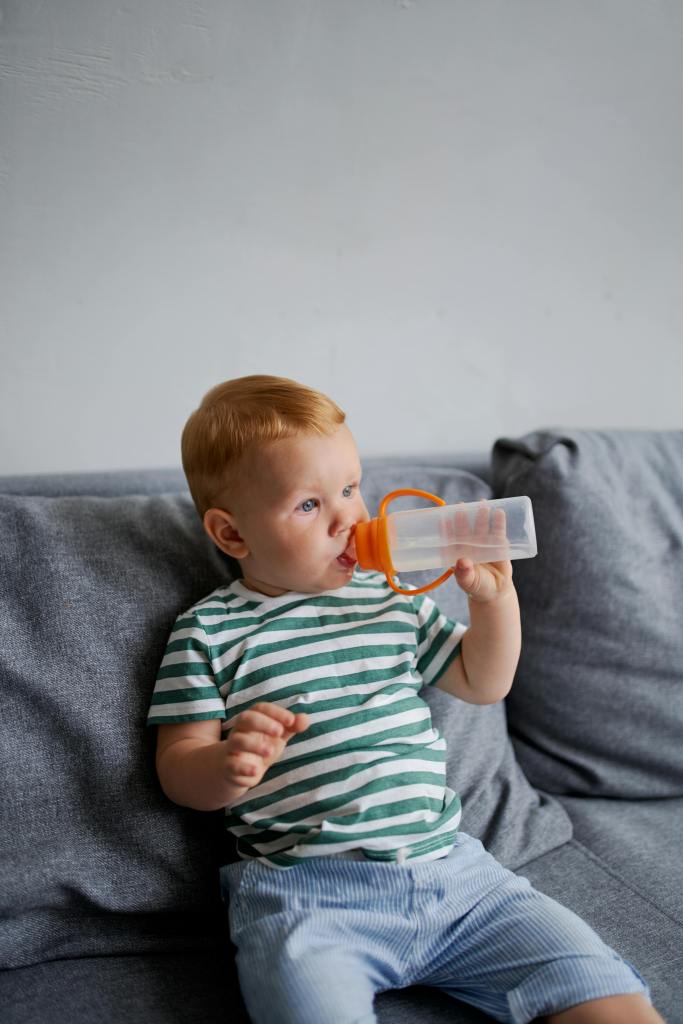
If your baby is given a bottle when going to sleep make sure Only Water is in their bottle.
Bottles that have any sugary liquids or carbohydrates – like milk, formula, fruit juice keep their teeth under bacterial acid attack all night long.
A Clean Mouth For A Good Night’s SleepMommy Says Good Brushing Habits Start Early
2 – 5 Years Old
When 2 teeth are touching it’s time to start Flossing.
When you’re toothbrushing and flossing their teeth make sure there aren’t any left overs. Sugar bugs love their late night snack!
Mommy And Daddy Take Really Good Care Of My TeethGetting Ready to Brush My Teeth with My DadBrushing My Teeth With My Daddy
School Aged Children
Brush your child’s teeth Twice A Day. Once in the morning and Once at night.
Twice a day is better but if you need to pick one time, the most important time to brush your child’s teeth is Right Before Bedtime After you Floss their Teeth.
Remember, sugar bugs look forward to their nightly snack!
I Brush My Teeth Then My Mom ChecksMy Clean Teeth Make Me Sleep So Much Better
Tweens And Teens
Remember to brush with a fluoride toothpaste Once in the morning and Once at night, and Floss (around every tooth) before their night time brushing.
The same way their appetite’s have increased, so have the sugar bug’s for their nightly snack!
Healthy Teeth And Good Friends Keep Us SmilingI Have Red Hair, Freckles and Sparkling Healthy Teeth
What To Remember
There you have it! 5 reliable ways to healthy tooth enamel.
By toothbrushing twice a day and flossing every night, rinsing with water after every meal and snack, eating a well balanced diet, and seeing your pediatric dentist for regular checkups, you’re helping to keep those sugar bugs away from your child’s teeth.
Look At My Teeth!
How do you keep the sugar bugs away? What are your successful tips and tricks to win the remineralization game? Tell us, We’d really like to know! Email us at kidstoothhotline@proton.me and Like Us on Facebook
More tips? We have lots. We’re here just for kids!
Wishing each of you a Happy New Year! To new beginnings, healthy habits, and lots and lots of laughter in this year ahead.
Here we are. On the 2nd day of this new year. Whether you feel eager or daunted, try picking one small change to your child’s oral hygiene routine.
You may choose to start with brushing twice a day or flossing every night. Because, remember, how we start the day is how we end it. With bright healthy smiles all day long!
Here are 4 simple ways to start 2025 on the right foot. Because a healthy smile is the best gift to give your child.
Embrace Sugar-Free Treats
Now-a-days the emphasis for many families are sugar-free snacks and gum as healthier alternatives to sugar-rich treats.
These options not only decrease sugar in children’s diets, they also protect their teeth from harmful sugar acid buildup.
While it’s a good idea to incorporate more sugar-free options into your child’s diet, it’s also important to always encourage rinsing with water after meals and snacks.
Healthy Snacks For My Healthy TeethI Love My Fruit, Then Mommy Brushes My TeethMommy And Daddy Only Let Me Have Juice With My BreakfastMommy Says Eating The Rainbow Makes My Teeth HealthyMommy Takes Care Of My Teeth So We Can Spend More Time Having FunMy Teeth And I Love Our CarrotsI Love Choosing My Fruits And Veggies, And So Does My Teeth
Prioritize Toothbrushing
Toothbrushing and fluoride are 2 of the best defenses against cavities by strengthening tooth enamel.
There are 2 ways to help make sure your child gets the right amount of fluoride. The first is by brushing with an American Dental Association (ADA) Seal Of Acceptance fluoride toothpaste. The second is by drinking fluoridated water whenever possible.
Brushing My Teeth Just Like My Daddy I Like To Show Off My SmileI’m Brushing My Teeth With My Mom And Dad WatchingMommy And Daddy Brush My Teeth And My TongueMommy And Daddy Say This Isn’t The Way To Brush My TeethMommy Is Starting To Clean My Mouth NowNew Teeth New Healthy SmileNo Cavities For Me How About You?Our Teeth Are A Work Of ArtDaddy Makes Everything Fun, Especially Brushing Our Teeth
Consider Sealants For Protection
Dental sealants provide an extra layer of protection because they create a barrier over the grooves and crevices in teeth.
Sealants are a great preventive measure, especially for molars.
Showing My Mom My Awesome Teeth
Replace Used Toothbrushes
The New Year is the perfect time replace worn toothbrushes with new ones.
A useful guide is that a toothbrush should be changed every three to four months or sooner if the bristles are frayed or bent.
What To Remember
Set achievable oral health care goals for this year. Start with brushing twice a day, or flossing every night.
Celebrate milestones to keep both of you motivated.
Be consistent while also modeling good oral hygiene habits yourself. This helps instill in children their daily routine.
Setting small attainable goals makes tooth care more accomplishable and less overwhelming.
Healthy Teeth Means More Game TimeLook At My Teeth!Mommy Takes Care Of My Teeth So We Can Spend More Time Having FunMy Teeth Are Healthy So I Get To Go To The PlaygroundWe’re Teeth StrongTeeth Time In The Morning, Teeth Time At Night, More Family Time During The DayStrong Healthy Teeth, Strong Healthy UsTaking Care Of My Teeth Everyday So I Spend More Time Having Fun With My FriendsAfter Mommy Brushed My Teeth This Morning, We Got ManicuresTaking Care Of My Teeth Gives Me Time To Do What I LikeTaking Good Care Of My Teeth Gives Me More Time For School
As you reflect on the year that was and look forward to all that’s to come, cheers for a happy, bright and smile filled 2025!
Good Night, Sleep Tight, Won’t Let The Tooth Bugs Bite After Brushing My Teeth
What is your tooth goal for your child in the first month of this new year? What will you choose? Tell us, We’d really like to know! Email us at kidstoothhotline@proton.me Like Us on Facebook
Thanks Mom And Dad For My Great Teeth Habits
More tips? We have lots. We’re here just for kids!
As a Mom I understand how down right frustrating it is to find answers to our questions.
As a pediatric dentist I get it. You want to learn more to take the best care you can of your children.
This is why I put together the most asked pediatric dental questions we have received along with their answers.
Browse through these FAQ’s to learn more about pediatric dental care.
What is baby bottle tooth decay and how did my child get it? Baby bottle tooth decay is a type of very rapid decay associated with prolonged nursing and/or bottle feeding. This happens when a child goes to sleep while breast feeding and/or bottle feeding. During sleep time and nap time, the milk or juice sits on the teeth because the saliva flow in the mouth is decreased. It’s best not to nurse children to sleep, and to avoid putting them to sleep with a bottle.
What causes tooth decay? There are 4 things necessary for cavities to form ~ teeth, bacteria, carbohydrates or starches or sugar and time. Dental plaque is the thin, sticky, colorless deposits of bacteria that constantly forms on everyone’s teeth everyday. When you eat, the sugars in food cause the bacteria in plaque to produce acids which attack the tooth enamel. Over time and with repeated acid attacks, the enamel breaks down and a cavity forms. This is why it’s important to brush your child’s teeth twice a day and to floss every night.
If my child gets a cavity in their baby tooth, why should it be filled? Baby teeth or “primary” teeth are important for several reasons ~ these teeth help children speak clearly and chew naturally, they also aid in forming the path that permanent teeth can follow when they are ready to erupt. Some baby teeth stay in a child’s mouth until they are 12-14 years old or longer. A cavity (aka tooth decay) is really an infection caused by bacteria. Left untreated, cavities will continue to grow larger and can potentially spread outside the tooth and cause serious infections. Pain, infection, impairment of general health and premature loss of teeth are just a few of the problems that can happen when baby teeth are not taken care of. This is why proper care of baby teeth is instrumental in your child’s health.
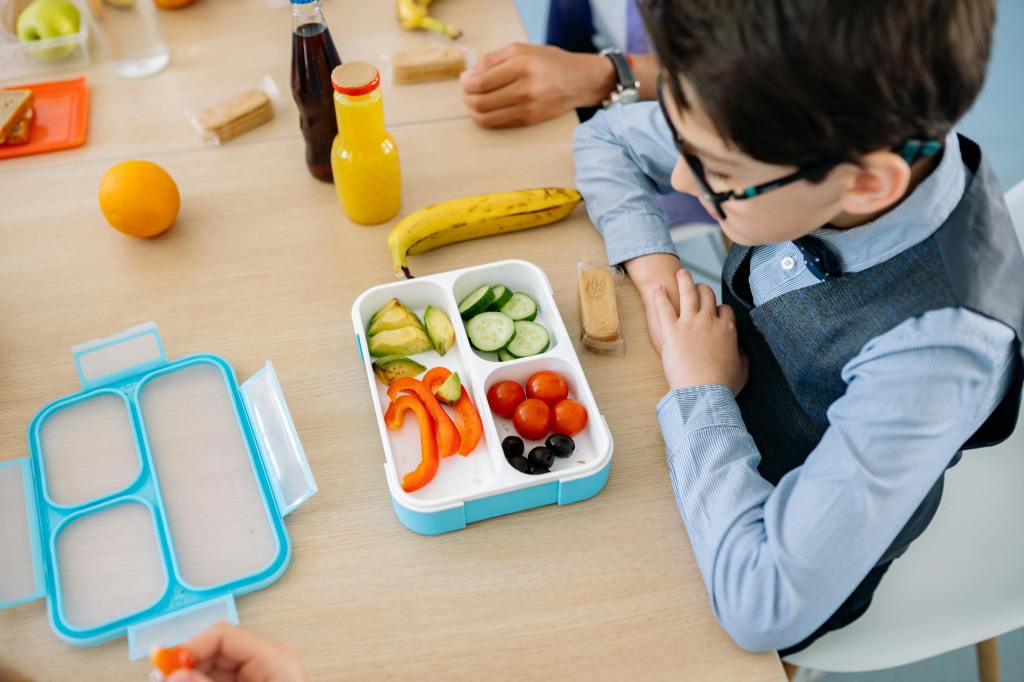
How can I make my child’s diet safe for their teeth and appealing for them to want to eat? A balanced diet good for your child’s general health, growth and development doesn’t have to be boring. Make this fun and be creative. If your child is old enough include them. Keep this in mind when serving fresh fruits and vegetables, breads and cereals, milk and dairy products, and meat, fish and eggs. Limit the servings of sugars and starches, including sugar containing drinks. When you allow these “special treats,” serve them with a meal instead of as a stand-alone snack.
Are pacifiers and thumbsucking harmful to children’s teeth? Thumbsucking, fingersucking and pacifier habits will generally only become a problem if they go on past the age of 3 years old. Most children stop these habits on their own. There are individual treatments that can be discussed if a child is still using a pacifier or sucking their thumbs or fingers past the age of 3.
Are dental sealants good for children’s teeth? Sealants help prevent cavities. The purpose of sealants is to cover the grooves and deep crevices on the surfaces of the back teeth (think molars) which are hard to clean, and keep out food that could get caught and cause cavities. You still need to brush and floss your child’s teeth everyday.
After Your Bottle Daddy And I Will Wipe Your Mouth And Then It’s Off To SleepNow Mommy Is Going To Brush Your TeethWater Is The Best Drink In My BottleChoosing My Fruit Is So Much FunLook What We Got At The Farm MarketOranges Are My FavoriteMy Mom Always Packs Me The Best LunchWe Get To Help Choose Our Fruits And Vegetables At The StoreOpen Wide And Brush TeethNo Cavities For My 2, After Bottle Feeding And Breast Feeding It’s Time To Clean Their Teeth And Mouth Before BedChecking My Sealants
Do you have any questions? Don’t be shy. I’m ready to provide you with informative and clear answers to your dental questions. Let me know. I’m more than happy to help you learn more for you to help your child. Email us at kidstoothhotline@proton.me Like Us on Facebook
More tips? We have lots. We’re here just for kids!
You know about their baby teeth and how to take care of them. You have this down!
Then your child is telling you their friends are getting new teeth. These new teeth go by a few names. They’re known as adult, grown up, and secondary teeth.
Your child is asking when they’ll be getting their grown up teeth.
You’re thinking when you got yours, but you’re not sure, and no one seems to remember.
Today we’re talking about the timing for adult teeth coming into the mouth (aka tooth eruption).
Losing Baby Teeth
When a child has all their baby teeth, they’ll have 20 teeth. As children grow they ultimately lose all their baby teeth.
Generally children start losing their baby teeth around 6 years of age (aka exfoliation). However, the earlier baby teeth come into the mouth, the earlier they fall out. Like wise, the later baby teeth come in the later they fall out.
By the time a child has reached their tween and teen years, they will have lost all their 20 baby teeth. Those baby teeth are replaced with adult teeth.
Just Yesterday Baby Teeth, Today Adult TeethI Finally Lost My Last Baby Tooth, Now I Have My Adult Teeth
When Do Adult Teeth Come In?
Adult teeth typically begin to come in about the time the bottom front baby teeth (aka central incisors) start to become loose.
Like with baby teeth, there can be individual variation in permanent tooth eruption. However, also like baby teeth, adult teeth usually follow a pattern.
6 Year Molars Coming In
6 year molars (aka first molars) are the first set of permanent teeth which come into a child’s mouth and do not replace any baby teeth.
You will see these adult molars coming into your child’s mouth all the way in the back in the empty space behind their last baby molar.
So when your child has all 4 of their 6 year molars they will no longer only have 20 baby teeth, they will have 24 teeth.
Adult Tooth Time Line
As a child enters their mid-teen years, they’ll have on average 28 teeth.
The baby teeth have been replaced with new adult teeth, and 2 sets of adult molars (6 year and 12 year molars) which come in all the way in the back.
Late teen to early adult years is when wisdom teeth (aka third molars) usually start to come into the mouth.
Adult Tooth Growth Guide
While the age varies with each child, there is generally a pattern in which the adult teeth come in ~
Tooth
Average Age (In Years)
Lower 6 Year Molar
6-7
Upper 6 Year Molar
6-7
Lower Central Incisor
6-7
Upper Central Incisor
7-8
Lower Lateral Incisor
7-8
Upper Lateral Incisor
8-9
Lower Canine
9-10
Upper First Premolar
10-11
Lower First Premolar
10-12
Upper Second Premolar
10-12
Lower Second Premolar
11-12
Upper Canine
11-12
Lower 12 Year Molar
11-13
Upper 12 Year Molar
12-13
Upper Wisdom Teeth
17-21
Lower Wisdom Teeth
17-21
So the adult teeth count is made up of 8 incisors, 4 canines, 8 premolars, and 8 molars make up their 28 teeth. Including the 4 wisdom teeth that’s 32 teeth.
4 Grownup Teeth And 2 More On The WayGrown Up Teeth Growing InI Can’t Believe My Daughter Is Getting Her Adult Teeth And My Son Is Getting His Baby TeethGetting My Adult TeethMy 2 New Adult Front Teeth Are Coming InScore, 28 Adult TeethI Finally Lost My Last Baby Tooth, Now I Have My Adult Teeth
Fun Tooth Facts
Girls get their teeth earlier than boys.
Between the ages of 6 and 12 years old, children are in the “mixed dentition” stage. This means they have both baby teeth and permanent teeth.
Not everyone is born with wisdom teeth. If a child doesn’t have wisdom teeth they’ll have 28 teeth instead of 32.
What To Remember
This doesn’t have to be a stressful time for you as a parent. Children grow at their own pace, and there is a wide range when it comes to permanent teeth coming into the mouth.
Typically permanent teeth begin erupting around age 6, starting with the first molars and lower central incisors. This process continues until approximately age 21.
When all the adult teeth have come in, children and young adults have 28 permanent teeth, or up to 32 which includes the wisdom teeth.
Getting My Grown Up Teeth Doesn’t Mean I Stop Having FunI Love To Show Off My Adult TeethSo Now We Both Have All Our Adult Teeth
How old was your child when they go their first adult tooth? Which tooth was it? Were they the same age you were when you got your first adult tooth? Tell us, We’d really like to know! Email us at kidstoothhotline@proton.me Like Us and Chat with us on Facebook
More tips? We have lots. We’re here just for kids!
It seems like yesterday your baby got their first tooth. Now they’re coming to you saying “My tooth is loose.” Where did the time go?
This is an exciting time for you and your child as you embrace this new milestone.
Today we’re discussing this natural growth phase as your child begins to lose their baby teeth (aka primary teeth).
What Age Do Children Start To Lose Their Baby Teeth?
Generally children start losing their baby teeth (aka exfoliation) around 6 years of age.
However, the earlier baby teeth come into the mouth, the earlier they fall out. There are some children who may start losing their baby teeth as young as 4 years old.
It’s important to also keep in mind, the later baby teeth come in the later they fall out. So there are some children who may start losing baby teeth at 7 or 8 years of age.
My Bottom Front Teeth Are Really LooseMom, My Teeth Are Wiggly!I Lost My 2 Front Teeth!My Top Teeth Are Loose And Bottom Teeth Are Coming In
How Many Teeth Do Children Lose?
When toddlers have all their baby teeth they’ll have 20 teeth, 10 teeth on the top and 10 teeth on the bottom.
As they grow, children will lose all 20 of their baby teeth.
Which Teeth Do Children Lose First?
Teeth fall out in the order they came in to the mouth.
Around the time a child turns 6 years old the first teeth they start to lose are their bottom front teeth (aka lower central incisors).
While the age varies with each child, there is generally a pattern in which baby teeth are lost~
Tooth
Age
Lower Central Incisors
6-7 years
Upper Central Incisors
6-7 years
Upper Lateral Incisors
7-8 years
Lower Central Incisors
7-8 years
Upper First Molars
9-11 years
Lower First Molars
9-11 years
Lower Canines
9-12 years
Upper Canines
10-12 years
Lower Second Molars
10-12 years
Upper Second Molars
10-12 years
What Are The Signs Of A Loose Tooth?
Sometimes a child doesn’t realize their tooth is loose, so they won’t be able to tell you.
If your child is about the age you were when you lost your first tooth or in the age range, go ahead and check for wiggly teeth. You may find none, 1, or 2.
So what are the tell-tale signs of loose teeth?
Tooth movement or wiggling when eating, talking, touching the tooth, brushing teeth.
Gaps between teeth – as teeth get loose they can move out of their original position. So if teeth were touching before when they become loose they can move and create spaces between teeth.
Change in tooth position – in the same way loose teeth create spaces between teeth, as teeth get lose they can move to the left or the right of their original position and sometimes overlap the teeth next to them.
As A Parent, Is There Anything Special I Should Do?
Losing teeth is an exciting time for some children, but unsettling for others.
Children do well with guidance in new situations, and losing baby teeth is no exception.
When you know that a tooth is loose, it’s important to stay calm and explain to your child what is happening. They’re growing up. The feeling around their wiggly tooth is new and different and it will go away when their tooth comes out; which may mean a visit from the tooth fairy.
Also, keep in mind that while your child’s tooth is loose, it’s important to show them why you need to stay on your regular toothbrushing and flossing routine; even if they don’t want to.
I’m So Excited, I Lost My Top Tooth And The Other One Is WigglyLosing More Baby TeethI Have 2 Wiggly Teeth and I Can’t Wait For The Tooth Fairy To VisitSweet Dreams About The Tooth Fairy With My Tooth Tucked Under My Pillow
Can I Wiggle Out My Child’s Loose Tooth?
Some children love to wiggle their loose teeth anticipating an earlier visit from the tooth fairy. Other children may not like the feeling of their tooth moving in their gums and want to let the tooth come out on its own.
It’s all right if your child wiggles their loose tooth with their tongue or a clean finger, as long as their gums aren’t inflamed or causing pain.
What To Remember
The earlier baby teeth come in, the earlier they fall out
The most common time children lose their baby teeth is when their permanent tooth is ready to grow in and pushes out the baby tooth.
The first baby teeth that fall out are most often the bottom 2 front teeth, the lower central incisors. The next to fall out are the two top front teeth, the upper central incisors. Followed by the lateral incisors, first molars, canines and second molars.
Embrace each time the tooth fairy makes a visit to your house. These special moments will be a memory in the blink of an eye.
So Much To Know About Losing Our Teeth
How old was your child when they lost their first baby tooth? Did the tooth come out on its own? Did you need to wiggle their tooth out? Have you saved their teeth? Tell us, We’d really like to know! Email us at kidstoothhotline@proton.me Like Us and Chat with us on Facebook
More tips? We have lots. We’re here just for kids!



























































































































 kidstoothhotline