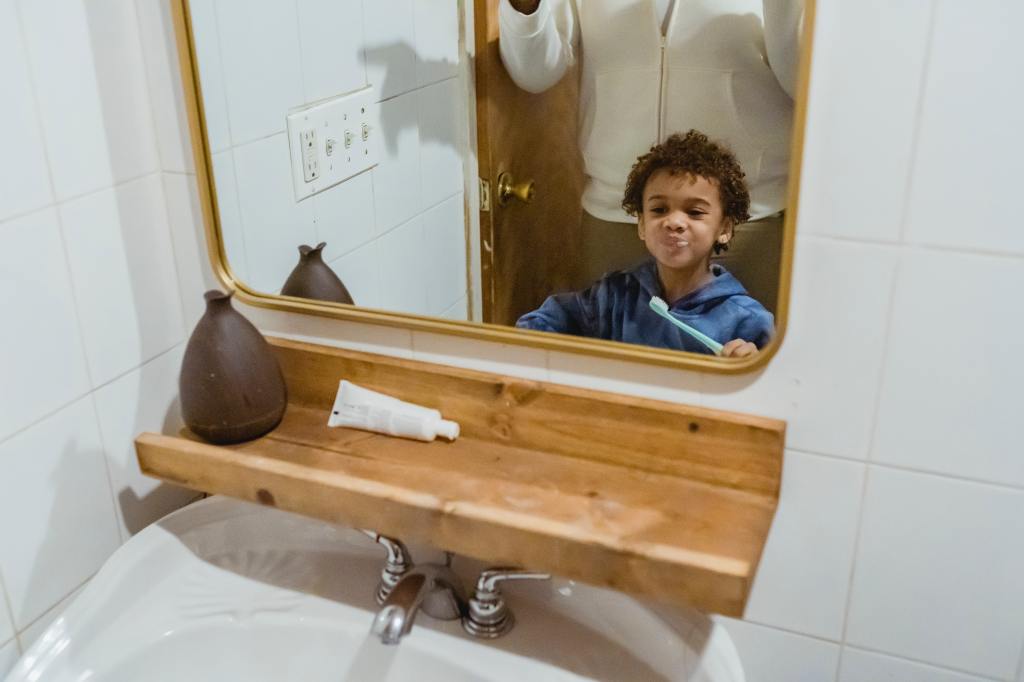
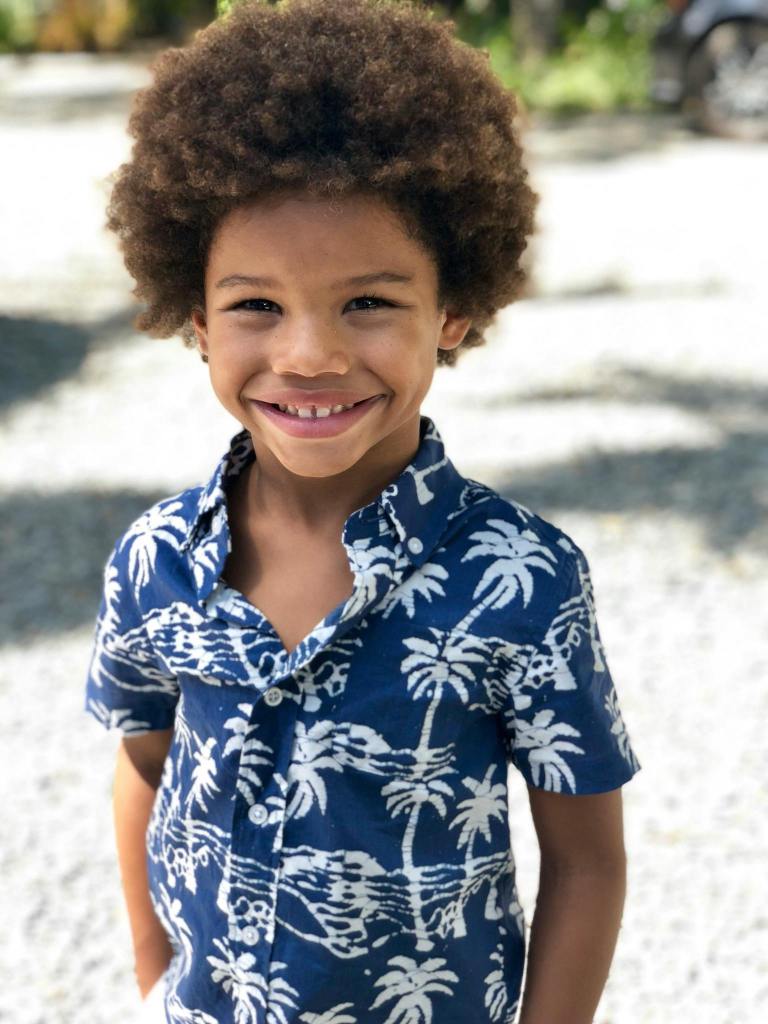
Brushing My Teeth Like My Daddy So I’ll Be Big And Strong Like Him
In the Know for You to Know
World Oral Health Day is a global observance dedicated to raising awareness about the importance of oral health and promoting good oral hygiene practices.
This day emphasizes the connection between oral health and overall well-being, encouraging parents and people of all ages to take care of their children’s and their own teeth and gums.
So what is there to know about World Oral Health Day?
What Is World Oral Health Day?
This is an annual event that focuses on the significance of maintaining good oral health throughout life.
World Oral Health Day’s goal is to encourage and develop better oral care practices.
When Is World Oral Health Day?
World Oral Health Day is observed every year on March 20th.
March 20th was chosen to reflect the importance of the number 20 in oral health. Children should have 20 baby teeth, and seniors should aim to have at least 20 of their natural teeth.
History Of World Oral Health Day
World Oral Health Day was launched by the FDI World Dental Federation in 2007 to raise awareness about oral health and its impact on overall health.
For 2026 the motto “A Happy Mouth is…A Happy Life” inspires lasting, positive change by showing the vital role oral health plays in living a healthier, happier life; which begins in childhood.
Nice Clean Mouth And All Ready For BedMommy And Daddy Give Me Yummy Healthy Foods For My Teeth And To Grow
Why is World Oral Health Day Important?
Oral health is a crucial component of overall health.
Poor oral hygiene can lead to a range of issues, including tooth decay, gum disease, and even systemic conditions like heart disease and diabetes. Systemic disease in adulthood can be traced back to childhood habits.
Oral Health Across The Lifespan
A positive mouth-body connectionultimately shows how oral health supports well being throughout life.
Oral health matters at every age and stage of life. From a baby’s first tooth to a confident smile in older age, oral health is far more than just healthy teeth. It shapes how we eat, speak, learn, work, and connect with one another.
Oral health is essential to living life to the fullest. It is inseparable from overall health, influencing both body and mind.
At its core is prevention, simple daily habits and regular check ups that can make a lifelong difference.
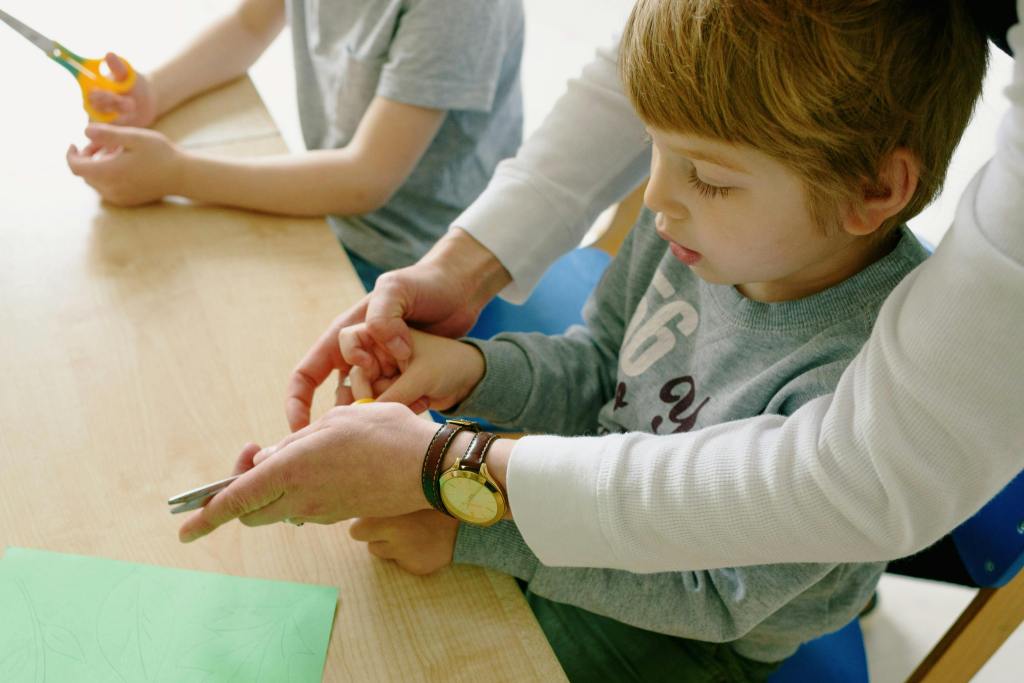
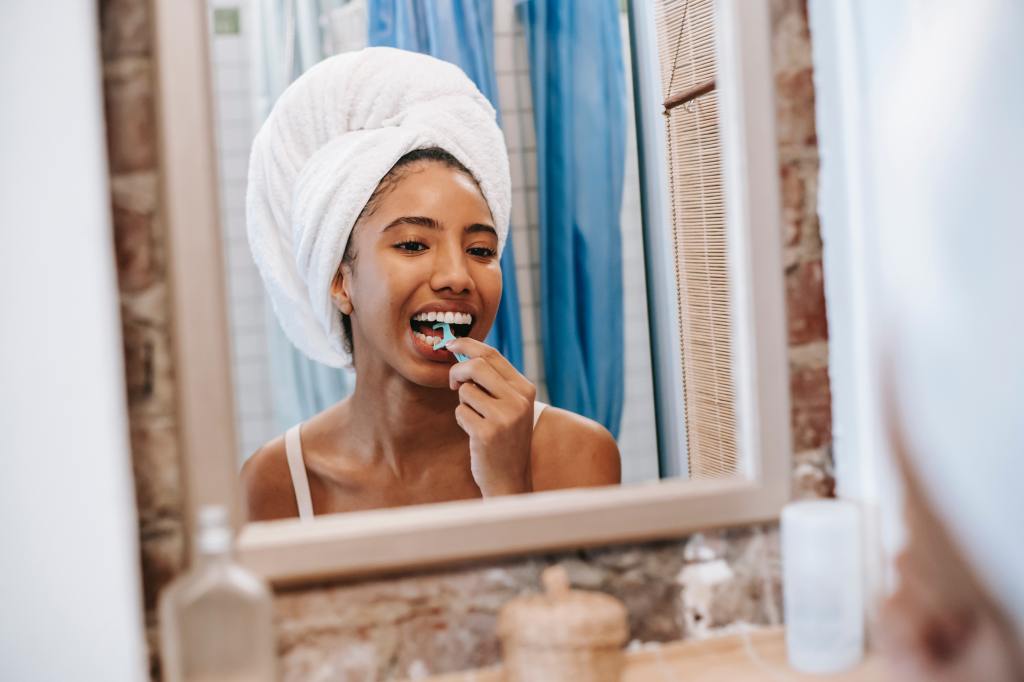
Love To Brush My TeethGood Teeth and Great GradesStill No Cavities At My Age, Healthy Mouth And Healthy MeLearning To Hold A Scisssor Is Like Learning To Hold A ToothbrushFlossing Is Part Of My Nightly Routine For Heathy Gums
Ways To Celebrate World Oral Health Day
Celebrating World Oral Health Day is celebrating every life, young and old. Because feeling your best starts with a healthy smile, every day and at every age.
How To Celebrate
Schedule a Dental Check-Up: Use this day as a reminder to schedule your children’s and your regular dental check ups. Early detection and prevention are key to maintaining good oral health.
Practice Good Oral Hygiene: Make sure everyone brushes their teeth at least twice a day and flosses overnight.
Educate Your Family and Friends: Encourage your extended family members and friends to follow a good oral hygiene routine as well.
Promote Oral Health In School: As a parent encourage your children’s school to talk about oral health and teach children about the importance of brushing, flossing, and regular dental visits.
Happy Heathy Mommy Happy Heathy BabyStrong Healthy Teeth, Strong Healthy MePlaying Is Like Brushing Teeth And Flossing, We Do It EverydayEven On Vacation We Still Brush Our Teeth 2X’s A DayMommy And Daddy Brush My Teeth And My Tongue
What To Remember
It’s important to prioritize your child’s and your oral health for a very good reason, a healthy mouth is the gateway to a healthy, happy life.
Reading Our Social Story About Keeping Our Teeth And Body Healthy Loving My Teen SmileMommy Fed You And Cleaned Your Mouth Now It’s Time For Bed
What are your thoughts? Do you think there is a connection between a healthy mouth and a healthy body? Do you believe oral health plays a vital role in living a healthier, happier life? Tell Us, We’d really like to know! Send us an email at kidstoothhotline@proton.me Like Us on Facebook
Healthy Teeth, Healthy Body, Happy Family
More tips? We have lots. We’re here just for kids!
When it’s snuggle time with your child, you expect your child’s breath to smell as sweet as they are. While children’s breath can be very sweet, there are times when your toddler to teen’s breath is plain stinky.
Bad breath, also known as Halitosisnot uncommon in children. A comprehensive 2014 study found 37.6% of children have bad breath.
As a pediatric dentist I’m routinely asked about this by parents. Most of the time the conversation starts with: Why does my child’s breath smell so bad?, or The white gunk on my child’s tongue smells really bad, or My teenager is really uncomfortable about their breath.
Today I have answers for you about what causes halitosis, how to take care of it and when it needs to be evaluated by your pediatric dentist or your pediatrician.
First Things First, What Is Halitosis?
Halitosis is the medical term for chronic bad breath.
Everyone, even children get bad breath from time to time. Especially after eating stinky foods like garlic, onions or other strong odor foods.
But if bad breath is ongoing or doesn’t resolve, it could be a sign of an oral health issue or something else going on in their body.
Bad breath isn’t usually a sign of something serious. But if it doesn’t get better despite changes you make to address it, it’s time to see the pediatric dentist or pediatrician.
9 Most Common Causes of Bad Breath In Children
1. Mouth Breathing
Everyone breathes through their mouths once in a while, especially when it’s cold and flu season. Even then you’ll notice that your mouth feels dry and chapped.
This is because breathing through the mouth, and especially for children who breathe through their mouths every night when they sleep do dry out their mouth. The drying effect is due to a decrease in saliva production. Less saliva means more dry mouth.
What else can cause mouth breathing? Something stuck in their nose, congestion from a sinus infection, seasonal allergies, or certain medicines like an asthma inhaler. When any of these issues show no signs of resolving anytime soon, it’s time to see your pediatrician.
2. Enlarged Tonsils or Tonsil Stones
Tonsillitis is an infection that makes the tonsils appear red and swollen. It occurs due to viruses or bacteria.
On the other hand, enlarged tonsils and adenoids can cause bad breath when they trap nasal secretions, food particles, and bacteria.
Tonsil stone(s) sit on the surface of the tonsil(s). With time it attaches food and bacteria. Since you can’t reach it to clean, what’s on it stays there and attracts more and more. This is the time to see your pediatrician.
3. Dehydration and Not Enough Saliva
Drinking the right amount of water is important to keep your child’s body hydrated. Being well hydrated means that their salivary glands are producing the correct amount of saliva which in turn helps to cleanse their mouth and teeth, helping them to have fresh breath.
The National Institute of Dental and Craniofacial Research states that saliva helps clean the mouth. When children don’t drink enough water, the amount of saliva in their mouth’s decreases. Less saliva leads a decrease the natural ability to clean our mouths. and an increase in the odor causing bacteria in our mouths.
4. Oral Hygiene And Tongue Coating
Poor oral hygiene can cause smelly breath even in children as young as toddlers. The most common places for food debris to hang out is in-between teeth, on the gums, and also on the tongue.
Food debris is more than left over particles of food, it is also the mouth bacteria that attaches onto the food, and all of this together make up what we call dental plaque (or plaque for short).
Ever notice a white coating on your child’s tongue? That’s the plaque that attaches to the natural crevices on their tongue. You know that if the plaque is on the tongue, it’s for sure on the teeth and gums.
Did you know that bacteria causes cavities? Yes they do.
The natural bacteria in the mouth latch onto the plaque. The longer this sits on the teeth and in-between the teeth the more the tooth enamel is broken down, which is how cavities are formed and grow.
Cavities keep growing and the larger it gets the more likely it is to cause an infection. When the infection forms more types of bacteria come to the site and since these bacteria have their own smell the mouth gets even smellier.
If your child has a loose crown or filling, food and bacteria can get trapped underneath, which can also cause bad breath.
6. Gum Disease
The same plaque that sits on the teeth, in-between teeth and on the tongue also sits on the gums and causes their breath to smell like sulfur or rotten eggs. Also known as gingivitis, this causes the gums to become red, swollen and bleed during toothbrushing.
7. Eating Smelly Foods
Some of the foods we really like are good for us and are happy our children want to eat can cause smelly breath. The most talked about are onions and garlic.
So what to do? After enjoying your oniony-garlicky delights, your child can rinse their mouth with water, brush their teeth, or chew sugar-free gum to freshen up their breath.
The sugar free gum helps to stimulate saliva production to naturally help cleanse their mouths.
8. Medical Conditions
Your child may have bad breath if they have certain medical conditions, such as tonsillitis, sinusitis, bronchitis, or other respiratory infections.
If your child has a serious medical condition such as diabetes, kidney disease, gastrointestinal issues, liver disease they may also experience chronic bad breath.
9. An Object In The Nose
Some children, especially toddlers like to put things into their nose, whether it’s a tiny toy, something they find, or bits of food.
When something gets put into the nose, it causes an increase in nasal secretions like a runny nose, inflammation and a bad smell that can be mistaken for bad breath. This is the time to seek immediate medical attention.
You Mean Stuff Caught In My Braces Can Give Me Stinky BreathGood Morning Breath
What You Can Do To Get Rid Of Your Child’s Bad Breath
Children can have halitosis for several reasons, and the approach to treatment depends on the cause.
Sometimes it’s a trip to your pediatrician to make sure everything is okay; or sometimes it’s your pediatric dentist you contact.
Sometimes what you’re doing at home is the solution to taking care of your child’s bad breath.
4 Tips For Your At Home Oral Hygiene Routine:
1. Good daily oral hygiene –
Toothbrushing twice a day in the morning before going to school and at night after flossing. Remember to brush their tongue and use a fluoride toothpaste to help reduce the risk of cavities;
2. Change their toothbrush –
Toothbrush bristles wear down with regular twice daily use and should be changed every 3 months to make sure your child’s teeth are properly cleaned so their breath can stay fresh;
3. Brush to their favorite tunes
Or use a 2 minute brushing timer;
4. Be rock stars of the toothbrushing world together –
Brush teeth together and establish your daily routine.
What To Remember
Most children and teenagers have bad breath when they wake up. This usually goes away after they have something to eat, drink and brush their teeth.
Key ways to prevent bad breath for your child is to:
Maintain good oral hygiene including toothbrushing, flossing, tongue brushing,
Decreasing the habit of mouth breathing by learning how to breathe through their nose,
Staying well hydrated by drinking healthy amounts of water which also helps maintain adequate flow of saliva.
However, there are times when you’re concerned because your child’s bad breath doesn’t go away no matter what you do. This is the time for you to talk with your pediatric dentist or pediatrician.
Mommy And Daddy Love Your Sweet Smelling BreathI Love My Mommy And Daddy, And They Love My Fresh Breath
Have you noticed your child’s breath lately? Are you worried your child may have bad breath? Has your child asked you how their breath smells? Tell Us, We’d really like to know! Send us an email at kidstoothhotline@proton.me Like Us on Facebook
More tips? We have lots. We’re here just for kids!
The mention of the Tooth Fairy brings out joy and excitement in all of us. No matter if your child is about to lose their first tooth or you’re a pro, the thought of a visit sparks amazing anticipation.
The slightest suggestion of a visit from the Tooth Fairy causes such happiness and wonder that a special day has been set aside to honor our tooth loving friend. Yes, Tooth Fairy Day is coming on February 28th.
Let’s celebrate the magical journey into one of childhood’s most cherished traditions, the Tooth Fairy!
8 Fun Tooth Fairy Facts
Who Is The Tooth Fairy?
The Tooth Fairy is a magical fairy who visits children when they lose a baby tooth and leaves them a gift in exchange for their tooth. There may be an extra gift if their tooth is clean and healthy.
The Tooth Fairy Left Me 2 Presents
How Old Is The Tooth Fairy?
She’s 118 years old. The first known mention of the Tooth Fairy was in the Chicago Daily Tribune in 1908. In the fairy realm that’s probably about 25 years old.
I’m The Tooth Fairy
What Does The Tooth Fairy Do With The Teeth She Collects?
The Tooth Fairy uses the teeth she’s collected for magical purposes. She may build fairy tooth castles, fairy schools, or create fairy jewelry.
The Tooth Fairy can use the teeth to hold her fairy dust that she sprinkles to grant special wishes and promote sweet dreams for children so they don’t even know she’s taking their teeth.
The Tooth Fairy Came!
How Many Teeth Does The Tooth Fairy Collect Each Night?
It’s thought that the Tooth Fairy gathers about 300,000 teeth from children worldwide every night. No wonder she’s considered to be one of the busiest fairies in the fairy realm.
Mommy Says The Tooth Fairy Is Visting Tonight
The Tooth Fairy Is A Frequent Visitor
With each child having 20 baby teeth to lose, the Tooth Fairy becomes a frequent visitor. She marks each of her visits with a souvenir to show her presence and celebration of a child’s growth.
The Tooth Fairy Keeps Visiting Me
The Tooth Fairy Is The Ambassador For Children’s Dental Health
The Tooth Fairy is a clever parental accessory to help promote good oral hygiene for their child. Children never want to disappoint the Tooth Fairy. The mention of her name motivates and encourages toothbrushing and flossing in exchange for receiving her reward.
Tooth Fairy Day Is Celebrated 2X’s A Year
National Tooth Fairy Day is observed on February 28th and August 22nd.
Why twice? No one really knows for sure. It could have something to do helping to remind parents to keep up with their child’s twice a year dental examinations. Or, it offers a special opportunity to doubly celebrate this treasured time honored childhood tradition.
What Does The Tooth Fairy Pay For Teeth?
This is totally up to your discretion.
The Tooth Fairy’s rates fluctuate with the market. Dental insurance company Delta Dental has been researching the Tooth Fairy rate for many years. They have found a correlation between the stock market and how much she pays for teeth.
So the Tooth Fairy follows the Stock Market, who knew?
Sometimes instead of money, the Tooth Fairy may leave a small toy, a book, a fun activity set, or a thank you note.
I Can’t Wait For My Tooth Fairy Visit
The Tooth Fairy continues to fascinate, charm and play a memorable role in the lives of children and families. Her enchanting tradition reminds us of the joy, magic and wonder of childhood.
Share with us your family’s Tooth Fairy stories and traditions. How does your family celebrate your Tooth Fairy’s visit? What are your memories of the Tooth Fairy and have you passed them down to your children? Tell Us, We’d really like to know! Send us an email at kidstoothhotline@proton.me Like Us on Facebook
More tips? We have lots. We’re here just for kids!
Being a parent means worrying about absolutely everything. Especially when it comes to things in the mouth.
The mouth is a scary place for so many, especially when you’re not quite sure what you’re looking at.
Thankfully there are a few things that don’t need to worry you. These are actually typical findings seen in a child’s mouth.
Some children may have 1 or 2, some may have all; but all children will experience at least 1 of these changes as they grow.
I’ve put together 9 commonly seen oral changes you may notice in your child’s mouth.
A Baby’s Tooth Chart Is Totally Individual
Children’s teeth are just like they are, lots of variety.
While there is a typical time line for baby teeth to come in there is also variability in the process. Most babies get their first teeth between 4 and 9 months of age.
The exact order the teeth come in doesn’t matter. What matters is that the teeth come in and your child has their full set of 20 baby teeth by about their 3rd birthday.
Still Getting My Baby TeethMy Sister And I Have The Same Teeth But They Came In At Different Times
Spaces Between Baby Teeth Are Good
Spaces (or gaps) between baby teeth is good. This is something important that we like to see.
Baby teeth are smaller than adult teeth and permanent teeth need the extra space to come in correctly. Without enough room, crowding can develop as the adult teeth come into the mouth.
Why Are There Spaces Between My New Teeth?
Children Lose Their Baby Teeth On Their Own Timeline
Generally children start losing (aka exfoliating) their baby teeth around 6 years of age.
However, the earlier baby teeth come into the mouth, the earlier they fall out. Like wise, the later baby teeth come in the later they fall out.
Getting My New Tooth
Adult Teeth Can Grow In Behind Baby Teeth
Baby teeth start to become loose when the adult teeth push up from under the gums and naturally melts away the baby tooth’s root. Then the adult tooth grows into that same place.
Sometimes the adult tooth isn’t growing directly under the baby tooth, it’s growing a little further to the back behind or in front of the baby tooth. When this happens the baby tooth doesn’t fall out and the adult tooth grows in behind or in front of the baby tooth.
Showing Off My Shark Teeth
Adult Molars Grow In Without Losing Baby Teeth
6 year molars (aka first permanent molars or adult molars) are the first set of permanent teeth which come into a child’s mouth that do not replace any baby teeth.
You’ll see these adult molars coming into your child’s mouth all the way in the back in the empty space behind their last baby molar.
See I Have My 6 Year Molars
Children Can Have Baby Teeth And Adult Teeth At The Same Time
When children have a combination of baby teeth and adult teeth they are in their mixed dentition.
This is the time when they start losing their front baby teeth and their adult teeth begin to come in. The mixed dentition lasts up to when a child loses their last baby tooth.
Getting My Adult Teeth
Children’s Bite and Jaws Change As They Grow
As children grow so do their jaws. Each growth milestone is reflected in the position of their jaws, the eruption pattern of their teeth, and the alignment of their teeth.
Facial and jaw growth can also affect how teeth look.
This is why it’s important to monitor a child’s developing dentition and growth pattern at regular examinations.
When I Smile This Way You Don’t See My Crooked Teeth As Much
Their Gums Are The Windows To Their Teeth
The gums outline teeth in a specific way and the way they look says a lot. When we look at the gums were look at 3 things. The color, the shape and the texture of the gums.
It’s not that only 1 aspect can be off. If 1 is off, there’s something going on that affects all 3 characteristics.
Which is why dry, puffy, red, swollen, irritated, or bleeding gums adversely affect the teeth.
Teeth Can Cause Discomfort As They Come In
Whether it’s baby teeth or adult teeth, as a tooth makes it way toward the tops of the jaws it is common to feel pressure. This pressure, known as teething is sporadic, intermittent, and can be uncomfortable.
When bottom teeth are coming in, it’s common to feel pain in the ears. This is why some children will pull on their ears or put their fingers into their ears.
When the top teeth are coming in, it’s common to feel like they have a headache. This is why some children will rub their foreheads or the tops of their heads.
What To Remember
While these 9 changes are commonplace, if any issues last for more than a couple of days or things are getting worse it’s important to follow up with your pediatric dentist or pediatrician for an examination.
What is the scariest thing you’ve seen in your child’s mouth? Which of these findings has your child had? Tell Us, We’d really like to know! Send us an email at kidstoothhotline@proton.me Like Us on Facebook
More tips? We have lots. We’re here just for kids!
Time has really flown by. It feels like yesterday we were ringing in the new year and now Valentine’s Day is almost here. With all these never ending sweets, how are you supposed to protect your child’s healthy smile?
While there are a lot of Valentine’s traditions that involve sugary candies, there are other ways to celebrate this special day.
As a Mom and pediatric dentist, I understand. We want to preserve the fun traditions, the fun foods, but with a twist. A twist that’s equally special with a little less added sugar.
In honor of Valentine’s Day I’ve put together for you some tooth friendly ideas for you to try.
Make Breakfast And Lunch Valentine’s Special
Breakfast
Jazz up their morning pancakes by adding a drop or two of red food coloring to the batter and with a cookie cutter, cut them into heart shapes.
French toast more to their liking? Cut the bread into hearts after cooking.
Bagel and cream cheese or toast part of their breakfast. Add a drop of red food coloring to their cream cheese to make it pinky-red. You can also cut their toast into hearts.
Fruit with breakfast is always great. Cut strawberries into heart shapes and serve with pancakes, or french toast, or bagels, or toast. Or prepare your child’s favorite fruits and serve them in a heart shaped bowl.
Lunch
Keep the celebration going with lunch.
They’ll be so excited when they see their heart shaped sandwich and fruit, especially if you include a hand written heart shaped note next to their plate.
On a cold and frosty Valentine’s soup hits the spot. Why not serve it in a heart shaped bowl?
Having a salad? Arrange your salad fixings in a heart shape along with your heart shaped sides.
Our Mom Made Us A Heart Of CherriesOur Favorite Chocolate Dipped Fruits For Valentines Day
Classroom Valentine’s
Teachers love celebrating Valentine’s Day. They always ask for the children’s (and parents) participation.
Instead of sweets like candies or cupcakes, consider Valentine’s cards with small stickers or toys, and always include one for the teacher.
Family Valentine’s Day Gift Ideas
It’s really nice to receive that heart shaped box of candy. Once the candy is gone, what is there? Celebrating Valentine’s Day is more than candy, it’s lasting memories.
Some great classic gifts are stuffed animals like teddy bears, balloons (or heart shaped bouquets), and of course flowers.
Maybe there’s a certain toy or game your child wants and has been working towards or has earned. A trip to their favorite park is always fun and great together time or family time.
How about a Valentine’s family night out? What about staying home and making some family favorites together?
Valentine’s Day Is Coming
However you choose to celebrate, Happy Valentine’s Day!
How are you celebrating Valentine’s Day? What are some of your healthier tips for Valentine’s Day? Tell Us, We’d really like to know! Send us an email at kidstoothhotline@proton.me Like Us on Facebook
More tips? We have lots. We’re here just for kids!
Do you believe in the power of a happy and healthy smile?
What if I told you about the actual impact a smile has on a child’s overall health?
Think about it. You smile at your child and they smile back. You both giggle and feel great. Smiling may be a simple expression, but its benefits go beyond simply making us look happier.
With this in mind, today we’re talking about the benefits of smiling.
Smiling Increases A Child’s Self-Confidence
As children grow they often become self-conscious about their appearance. The internet and especially social media don’t make things easier for them or their parents.
A beautiful smile isn’t only about looks. It’s about feeling good on the inside and out. Their smile plays a major role in how they feel about themselves, and how they present themselves to others.
Children smile about 400 times a day. When a child smiles they naturally feel happier. This in turn helps them face challenges and new situations with a positive spirit.
I Love To Smile
Smiling Creates Positive Social Experiences
When a child smiles big and often, it demonstrates their confidence. Other children want to be around them. This helps a child to build friendships and lifelong relationships.
A beautiful smile helps children builds strong connections and have positive social experiences with their peers.
Friends Make Friends Smile
Smiling Reduces Anxiety And Stress
Smiling is important for a child’s health. It’s a natural mood booster. Each time they smile, their body releases natural stress releasing compounds, called neuropeptides. These neuropeptides relax their body and lower their heart rate and blood pressure.
Don’t feel like smiling? Even laughing can improve a child’s mood. Plus it’s hard not to smile when you’re laughing.
There’s nothing quite like seeing a child’s smile to make everyone feel better. It really creates a positive atmosphere for the whole family.
Giggle time With Mommy And Daddy
The Family That Smiles Together Supports And Encourages Each Other
While a smile can go a long way for a child, there is nothing like a parent’s support and encouragement to help them feel great about themselves. Creating this loving and supportive environment makes everyone feel more secure and accepted.
This is why talking with them about their oral health is so important. Good oral health, a beautiful healthy smile, and good communication go a long way to forming a positive self-image.
Sisters Know How To Make Each Other Smile
Smiling Positively Impacts School Performance
A smile does more than foster self-confidence and social interactions. It can also directly impact a child’s school performance. Children who have healthy smiles are less likely to be absent from school.
Which is why good oral hygiene routines are important for supporting children’s overall well-being and success in school.
I’m Smiling Because I’m With My Friends
Creating Beautiful Smiles By Encouraging Healthy Oral Hygiene Habits
There are some things you can do to help your child develop good oral care habits:
Brush teeth twice a day, once in the morning and once before bed,
Use fluoride toothpaste to help strengthen their teeth and prevent cavities,
Floss each night to remove food particles and plaque between teeth that brushing doesn’t reach,
Regular dental checkups with your pediatric dentist to keep your child’s teeth healthy,
Eat a healthy diet with plenty of fruits and vegetables, limit sugary snacks and drinks which cause tooth decay,
Lead by example by showing your child the importance of good oral hygiene by practicing these habits yourself. Children watch everything their parents do and are more likely to copy those habits,
Reward system to motivate children to maintain their oral care routine. Stickers, a small toy, going to the park, extra play time or screen time can be great incentives.
What To Remember
A healthy smile is the first sign of a happy child. While smiling makes you feel happy, it also helps keep you healthy. As the saying goes, “smiling is contagious.” A home filled with smiles becomes a more positive and supportive place.
Remember the power of a smile, it might just be what you need to brighten up your day.
Show Us Your Smiley Face
How do you describe a happy child? How many times a day does your child smile? Now, how many times a day do you smile? Same number of smiles in a day or different? Tell Us, We’d really like to know! Send us an email at kidstoothhotline@proton.me Like Us on Facebook
More tips? We have lots. We’re here just for kids!
I’m Keeping Your Teeth and Your Body Healthy Because Mommy Loves You
In the Know For You To Know
For the last few years we’ve heard a lot about how the mouth affects the rest of the body. That the bacteria typically in the mouth has been found in other organs of the body and implicated in various diseases.
This does make sense since the mouth is the entrance to the body.
With this in mind, today is a good time to discuss how this mouth-body connection affects children.
What Is The Mouth-Body Connection?
This is the link between oral health as it relates to overall health. It’s the role that the harmful bacteria in our (children’s and yes parent’s too) mouths play in systemic disease.
Is There Science Behind The Mouth-Body Connection?
Everyone’s mouth (including children) has good and bad bacteria. The good bacteria help keep us healthy. With poor oral hygiene the bad bacteria over grow. The imbalance leads to inflammation and infection.
This inflammation and infection don’t stay in the mouth. They affect the rest of the body. With time and age this compounds on itself and affects disease progression.
What Diseases Are Oral Inflammation Linked To?
The bacteria and inflammation are linked to:
Heart Disease by damaging blood vessels
Diabetes Complications by making sugar control (and insulin) less effective which weakens the immune system
Lung Infections by oral bacteria being inspired into the lungs
Pregnancy Complications, Giving birth to pre-term, low birth weight and failure to thrive babies
Brain Health by causing inflammation which is a major factor in neurodegenerative disease
Learning About Teeth Starts YoungStrong Healthy Teeth, Strong Healthy Me
It’s About More Than Teeth And Gums
Oral health affects children’s lives in ways that extend beyond cavities.
It’s important to look at:
Sleep quality which can be affected by oral health and breathing patterns
Speech development which can be influenced by oral health, dental and bone structures
Self-confidence, social development and learning which are all affected by oral health, dental appearance and comfort
Proper nutrition which depends on good oral health and healthy teeth for chewing and enjoying their food
Regular dental check-ups can sometimes reveal signs of health issues before they appear elsewhere in the body. This allows for prompt referrals to your pediatrician and other appropriate healthcare providers when necessary.
How Does Oral Health Affect The Immune System?
Inflammation and infection in the mouth are the same as it is in the rest of the body. The immune system goes into overdrive to fight it.
With chronic inflammation the immune system is always on high alert. and this leads to immune fatigue.
In other words, poor oral health puts stress on the immune system making children (and parents) susceptible to colds, viruses, and long term health issues.
Mommy And Daddy Make My Tooth Stop HurtingDrinking My Healthy Drink And Loving It
How To Build Life Long Health Habits
As a parent knowing about and understanding the mouth-body connection allows you develop comprehensive health habits for your child and support them as they grow:
Regular and routine dental check-ups are part of overall healthcare
Good oral health habits and routines establish long term self-care patterns
Making good food choices by being aware of how nutrition affects both oral and general health
These unified approaches to health can benefit your child as they grow and into adulthood.
What To Remember
Your child’s mouth isn’t just about teeth. The mouth is a window into the rest of their body, and oral health issues can influence and be influenced by your child’s general health.
Is your child a mouth breather? Are they a good sleeper, do they snore or do they wake up at during the night? Has your child missed school because of tooth or mouth pain? What is your family’s brushing habits? Tell Us, We’d really like to know! Send us an email at kidstoothhotline@proton.me Like Us on Facebook
More tips? We have lots. We’re here just for kids!
Do you think children are too young to have cavities (aka tooth decay)?
Most parents say that their children are too young for cavities. Unfortunately this isn’t the case.
What do the numbers say? According to the CDC (U.S. Centers for Disease Control and Prevention) 46% of children age 2-19 years old have at least 1 decayed tooth. The numbers are equally high according to the National Institute of Dental and Cranio-facial Research.
Tooth decay is a significant dental problem affecting children. It’s often called the most common chronic disease of childhood.
How many children do you know who have asthma? How many children do you know who have cavities?
With this in mind, now is a great time for us to discuss tooth decay in children.
What Is Tooth Decay?
Tooth decay is the breakdown of tooth enamel. Enamel is a tooth’s hard outer protective layer. Damaged enamel can lead to cavities.
What Causes Tooth Decay In Children?
When food, beverages, bacteria and saliva all mix in the mouth they create a sticky substance called plaque. It’s plaque that sticks to the teeth.
This plaque coats all parts of the teeth. When left on the teeth plaque will eat away at the tooth’s enamel, dissolving it and causing cavities.
Beverages like juice, soda and sports drinks are especially harmful since they bring out the acidic (bad) bacteria.
When children eat, snack and drink their sugary drinks throughout the whole day, the plaque builds up. Combine this with poor dental hygiene and you have a recipe for cavities.
Main Causes Of Tooth Decay In Children
Some of the main causes are:
Milk or juice in the bottle at bedtime or sleeping with the bottle
Cookies
Candies
Raisins, any Dried Fruit
White Bread
Cereal
Cake
Chocolate Milk, any Flavored Milk
Sweet Specialty Coffees
Fruit Juice, even 100% Juice
Soda
Dad Did You Know This?
Why Are Children At Risk For Tooth Decay?
Everyone, even children have good and bad bacteria in their mouth. Some have more good bacteria, and some have more bad bacteria.
The proportions of these bacteria are totally individual and can vary even within a family.
When foods containing sugars and starches are left on the teeth the bacteria that normally live in the mouth change these foods by making acids. Over time, the acids made by the bacteria eat away at the tooth enamel, causing cavities.
There are some things that may raise your child’s risk for developing tooth decay:
High levels of the bad bacteria
A diet high in sugars and starches
Drinking water that has low or no fluoride
Poor oral hygiene, rushed or missed tooth brushing routines
Decrease in saliva
I’m Not Going To Open My Mouth
What Are The Signs Of Tooth Decay?
Some early signs of tooth decay for you to be on the look out for:
White spots that weren’t there before. These spots mean that the enamel is starting to break down
Tooth sensitivity to sweets as well as hot or cold beverages
Light brown or dark brown color on the tooth
Pain in the area around the tooth
Pick Your Child’s Smile
What To Remember
Tooth decay in children starts quietly and slowly. It’s the perfect storm of everyday habits. Decay begins with the gradual chalky erosion of tooth enamel until one day a full fledged cavity appears.
Do you think that baby teeth can get cavities that matter? Are you worried about your child getting cavities? Tell Us, We’d really like to know! Send us an email at kidstoothhotline@proton.me Like Us on Facebook
More tips? We have lots. We’re here just for kids!
Can you believe it’s 2026? Here’s to a great year!
Like the saying goes, new year, new dreams, new hopes. This year you’re hoping for only good visits at the pediatric dentist’s office. Finger’s crossed no cavities. Or at least no new ones.
But when cavities are caught early, are they really cavities?
How can you tell if your child has early signs of tooth decay? What do you look for to tell if your child has a potential cavity?
Today we’re talking the tell tale signs of early tooth decay for you to spot.
Early Signs Of Tooth Decay
Recognizing the early signs of decay can help you take action.
What to look for:
White spots on the teeth – this is also called demineralization, and indicates the earliest sign of enamel damage
Brown or black spots near the gum line – indicates cavities are forming or have already formed
Bad breath
Sensitivity to sweets
Sensitivity to hot and/or cold foods and beverages
Pain or discomfort while chewing – can lead to a decreased appetite
Puffy, swollen or red gums
Why Early Decay Isn’t Only About Baby Teeth
Have you heard the myth about baby teeth? The one that goes, “They’re just baby teeth. They’ll fall out anyway.”
Well, this is what happens when early decay is undervalued and overlooked:
Pain and infections lead to missed school and poor nutrition
Premature tooth loss affects speech and adult tooth position
Self-confidence takes a hit and embarrassment takes over due to visible cavities and/or bad breath
Future dental visits may become a source of fear
We’re Reading Our Social Story So I Can Check My Daughter’s TeethI Look At Mommy’s Teeth, Then Mommy Looks At My Teeth
Parent’s Role In Early Detection Of Tooth Decay
Become the tooth detective of your home.
Be on the look out for:
Complaining about teeth hurting when eating or drinking cold foods, beverages, and ice cream
Avoiding chewing on one side or eating less
White or brown spots that don’t go away no matter how much you brush
Bad breath
Gums that bleed when brushed
When your child tells you they have a bad taste in their mouth
Let Me Tell You About My TeethMy Teeth, My Teeth
What To Remember
Tooth decay often starts silently.
As a parent, you’re always looking for anything unexpected when it comes to your child’s health, and that includes their teeth.
So if you’ve spotted something on your child’s pearly whites, you’ll be wondering what’s going on. Whether your child has baby teeth or newly erupted adult teeth, knowing what to look for can give you peace of mind.
When is the last time you looked in your child’s mouth? And looked at their teeth? How did they look? How did their breath smell? Tell Us, We’d really like to know! Send us an email at kidstoothhotline@proton.me Like Us on Facebook
More tips? We have lots. We’re here just for kids!
The holiday spirit is in the air! Spending time enjoying family, friends and food is here. Chocolates, candies, cookies, cakes and donuts are everywhere.
Mostly everything our children eat this time of year is tied to tradition, especially the sweets. As parents we want to create new memories and enjoy family traditions.
This is also a great time to start new family traditions to help your child maintain healthy tooth habits even during your hectic holiday schedule.
How do you do this?
I’ve put together some tips for keeping teeth healthy while enjoying the holidays.
Strive For Moderation
We’ve all heard this from our parents. You can enjoy everything but everything in moderation.
And you know this is true, especially for sugary and starchy foods. But why?
Holiday time with big family meals and lots of special foods and tons of deserts increase the number of times children are eating sweets.
The natural bacteria in their mouth also love all those sugary and starchy foods. When the sugars and starches stay on the teeth, the bacteria release acids that eat away at tooth enamel. Eating away at the enamel is a cause of cavities.
What to do? When your entertaining and festive meals are planned, make sure your child’s other meals and snacks are full of foods that help strengthen teeth, like fresh vegetables, whole grains, low-fat dairy and lean protein.
If you’ve been invited out for the holidays, stock your own refrigerator and kitchen cabinets with healthy food. This way you know that when you’re at home, your child is enjoying foods with less sugar and important nutrients.
Re-think The Classics
Family time together with home made cookies and hot chocolate is the best. With minor alterations in the recipe these special treats can be even better.
Instead of using all purpose flour, perhaps you can find a recipe that replaces some of the regular flour with whole wheat flour. Maybe you experiment to see how much frosting, icing, sprinkles, jimmies and sugar decorations you can remove from your baked goods and your children and guests will still absolutely love them.
There’s something so special about drinking hot chocolate with marshmallows when it’s cold outside. Maybe instead of mixing up those pre-packaged mixes (which are loaded with sugar), you make it from scratch. This way you can keep the hot chocolate on the yummy side but not the sugary sweet side. Or maybe you’ll add a dash of cinnamon. Remember, that peppermint stick candy is just for decoration.
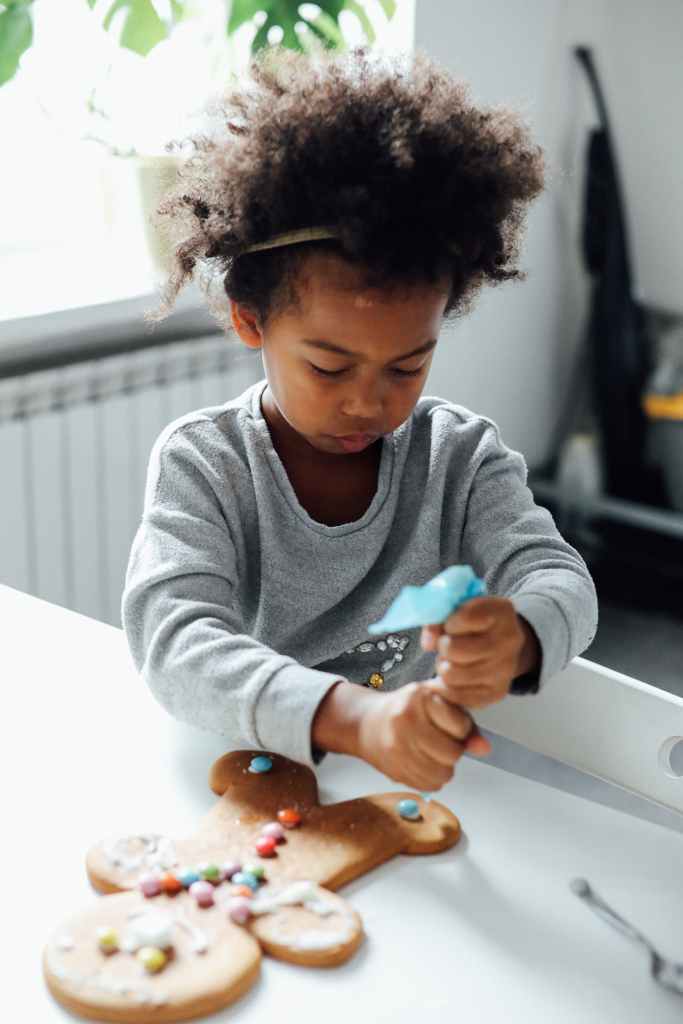
My Not So Small Mug Of Hot ChocolateCelebrating Kwanzaa with Our FamilyHow Much Powdered Sugar Do You Like On Your Jelly Donut?I’m Decorating My Christmas Cookie By Myself
Make Brushing And Flossing A Priority
Set aside a dedicated time each morning after breakfast and each night before bed devoted especially for you and your child as “our together time.” This way you’ll be reinforcing good toothbrushing and flossing habits.
Making oral hygiene even more of a priority during the holidays can help go a long way to protecting your child’s teeth.
Remember to brush your child’s teeth with a fluoride toothpaste for 2 minutes in the morning and 2 minutes before bed, and floss before their bed time brushing.
If you’re traveling for the holidays, pack all your children’s brushing supplies in your easy to access luggage before you head out on the road.
Checklist:
Toothbrush,
Toothpaste,
Floss.
Try To Avoid Grazing While Enjoying Family Time
Spending time together in the kitchen enjoying all the cooking and baking, or at the table reminiscing after a luxurious meal is amazing and heart warming.
But it’s actually not that great for teeth.
Did you know that the first 30 minutes after eating are the most vulnerable time for teeth? This is when teeth are the most susceptible to those bacterial acids. So eating a cookie here, grabbing a candy there, actually restarts the clock each time.
It’s really better to eat and drink all at once. If your child is having their special treat, juice or soda, it’s best for them to have it with their meal. This is so that it gets neutralized by their saliva.
Give Some Tooth Friendly Holiday Gifts
Include a few tooth friendly gifts into your holiday gift mix as a good way towards keeping your child’s teeth healthy during the holidays and afterwards.
Gift Tips:
Cool character toothbrush,
Cool color toothbrush,
Tempting flavored fluoride toothpaste,
Travel-size dental kit,
Fun brushing timers,
Flavored floss,
Electric toothbrush for an older child.
Encourage Drinking Water
Drinking water helps wash away the residual food that stays around in the mouth as we eat and after we eat. Water also helps to stimulate more saliva to be released into the mouth, which neutralizes the pH of the mouth.
This is a good thing because there isn’t any sugar in water. Which also helps to neutralize the acid caused by bacteria in the mouth.
Drinking water is always a good idea, whether it’s with a meal, after a meal, instead of juice and soda, or after a sugary drink.
An added bonus of water is that it keeps everyone hydrated.
What To Remember
The holidays are hectic enough. Help your child brush like a champ.
Being watchful about the amount of sugary treats they eat during the festivities and downtime at home, and keeping up with their regular dental check-ups goes a long way to happy mouths and bright smiles.
Sugar bugs love to eat sugar and teeth. What do you think is their most favorite time of the year? What is your child’s favorite holiday story? Does your child have a favorite holiday food? Tell Us, We’d really like to know! Send us an email at kidstoothhotline@proton.me Like Us on Facebook
Happy holidays for all, and for all a bright smile!
More tips? We have lots. We’re here just for kids!