Healthy Back To School Snacks For Healthy Teeth

In the Know for You to Know

Back to school with my favorite lunchtime snack

The annual ritual for back to school is here. Daycare, Preschool, Elementary School, Middle School, High School – your school year schedule is back.

For the last few weeks so many of you have been out there checking off clothing and school supply lists. Finding the perfect outfit for 1st day pictures, school pictures and practicing your child’s adorable smile.

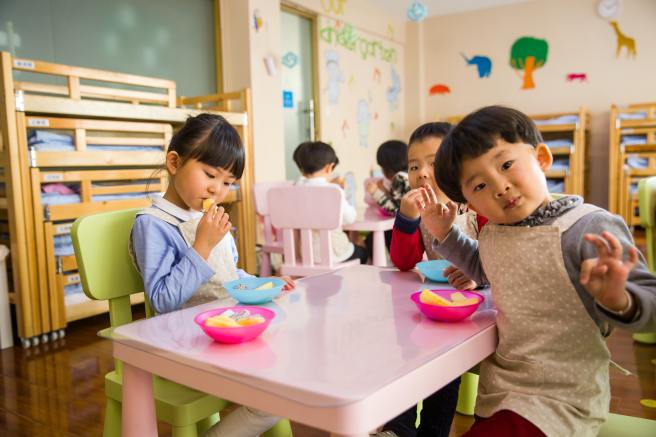
While you were busily hunting for the treasured lunch box your child has been asking for, you were also planning what you were going to be packing into it for snacks and lunch that meet your child’s seal of approval.

You know it is important for your child to have a healthy balanced diet. Snacks and lunch at school need to provide a good source of protein, fresh fruits, fresh vegetables and grains.

If your child purchases their school lunches this is a great opportunity for you both to have a conversation about healthy food choices. If vending machines line the hallways or lunch room at your tween’s or teenager’s school, this is a good time to sit down and discuss healthy selections.

What are some good choices to include in their lunch box?

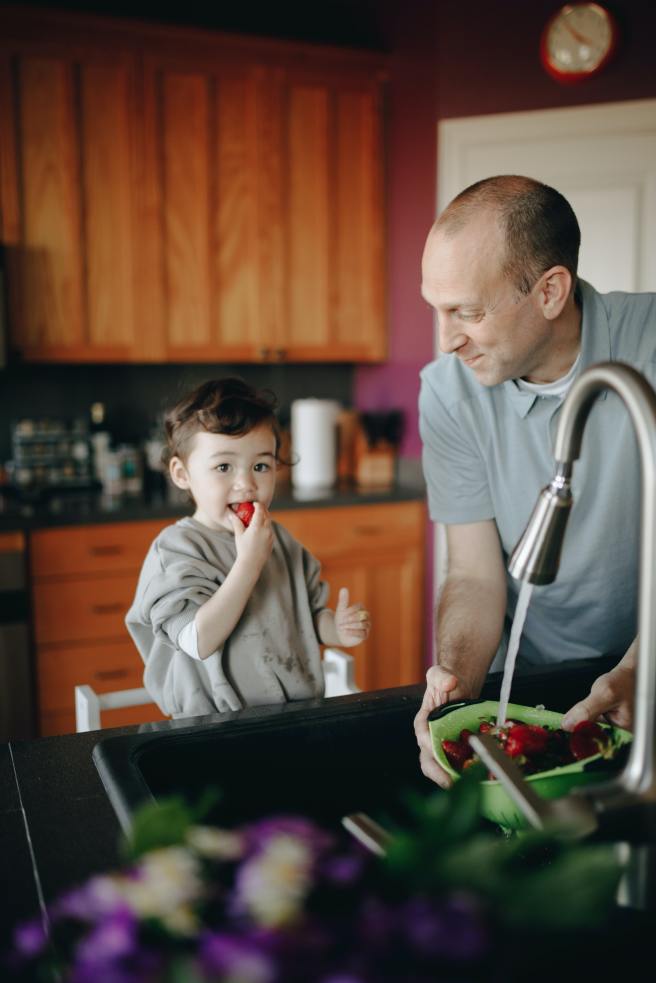
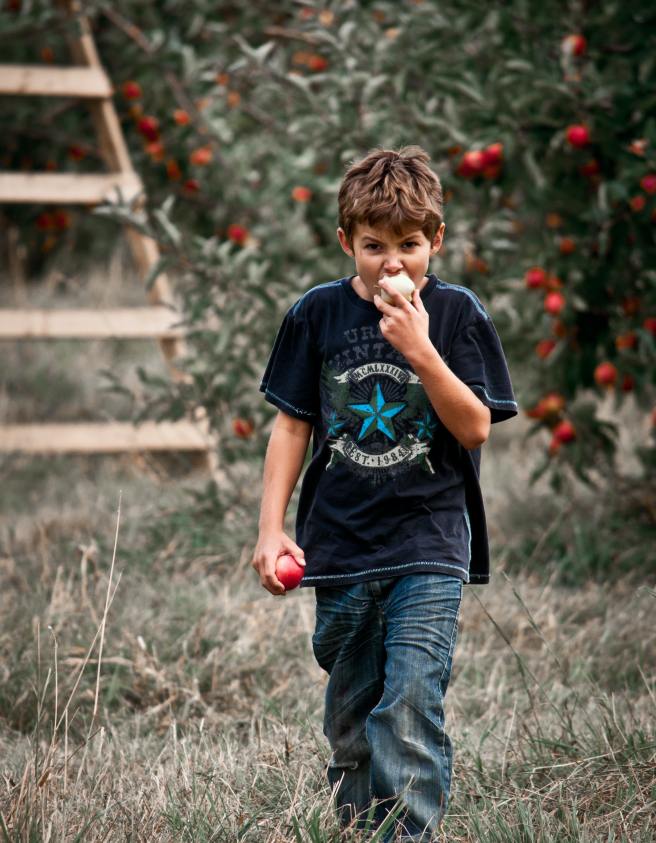
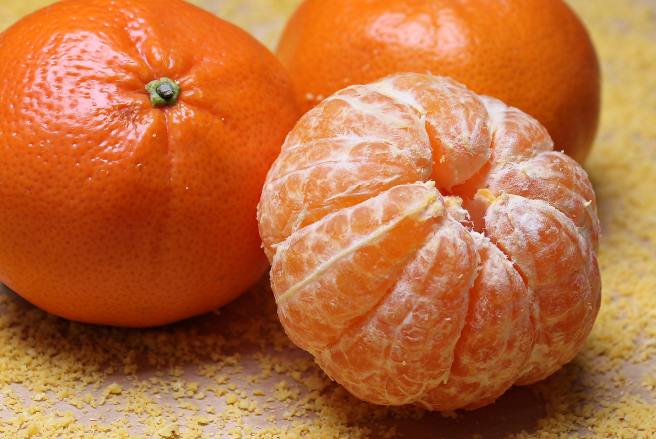
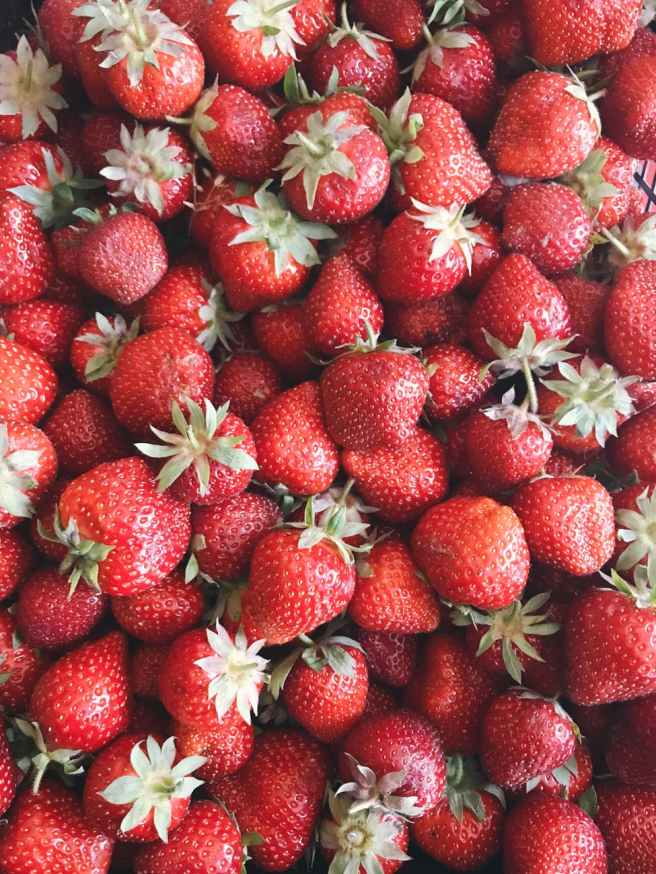
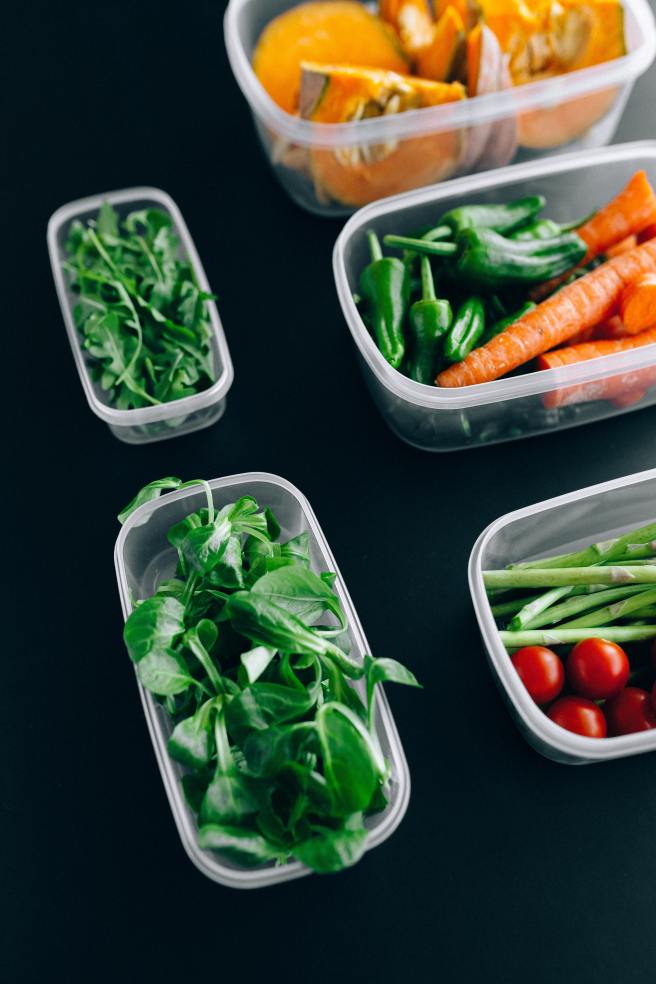
Sticky and chewy snacks need an upgrade. Fresh fruit and veggies are always flavorful and appealing. Have your child help you select their apple, pear, strawberries, orange, grapes. To make eating them more fun for your child to eat you can pre-peel a Clementine or Mandarin Orange, or cut their fruit and veggies into different shapes with your cookie cutters.

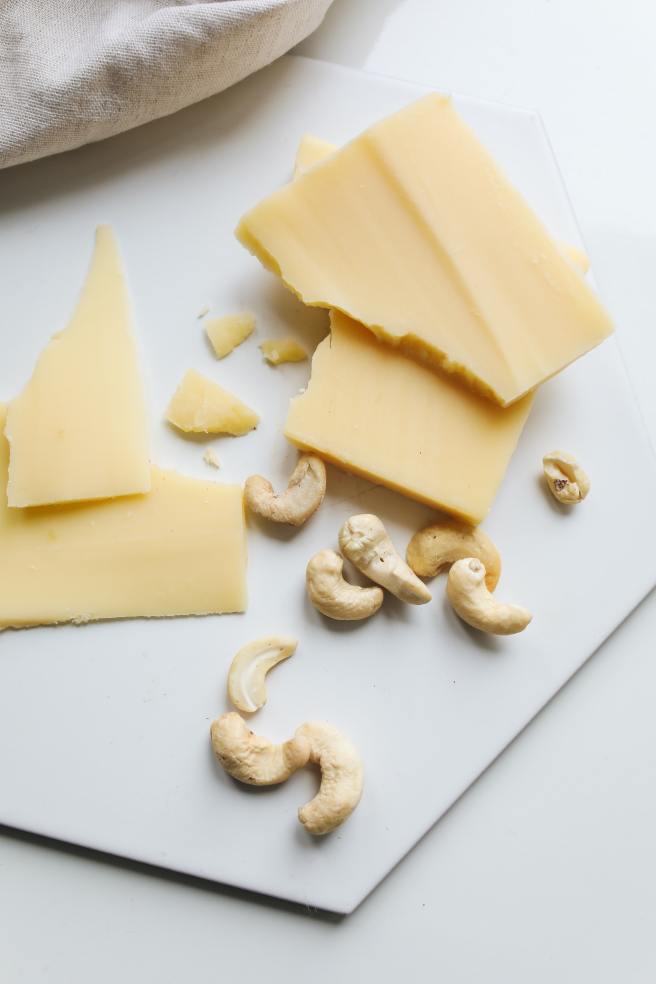
Know what goes great with fruit and is good for teeth? Cheese! The calcium in cheese is healthy for growing teeth and growing bones. So it’s a win-win 2 for 1.

When thinking about bread and crackers, whole grains are a great addition to stay on that healthy track.

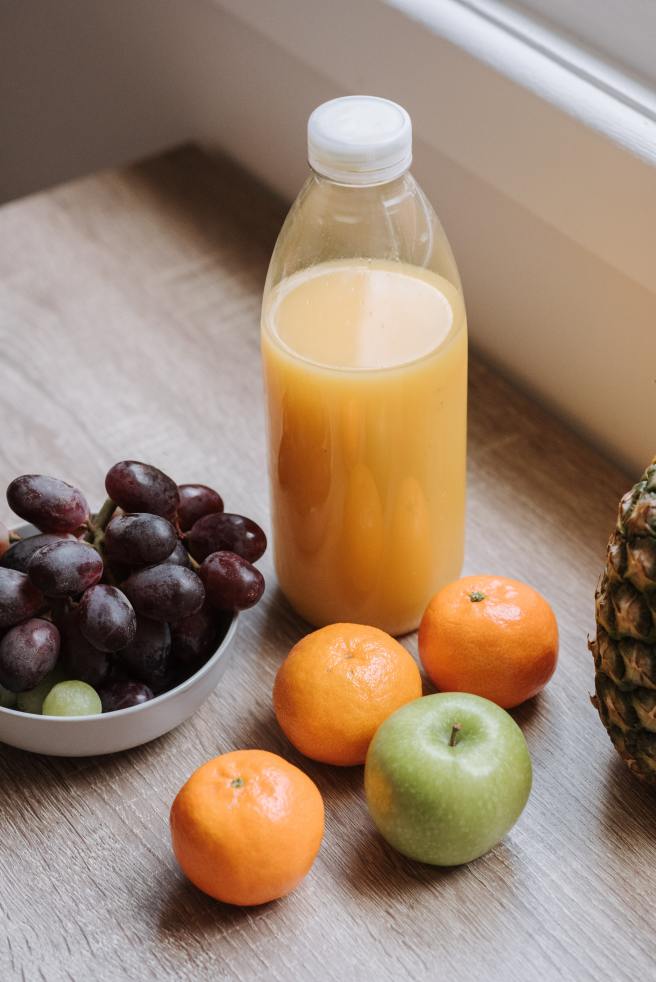
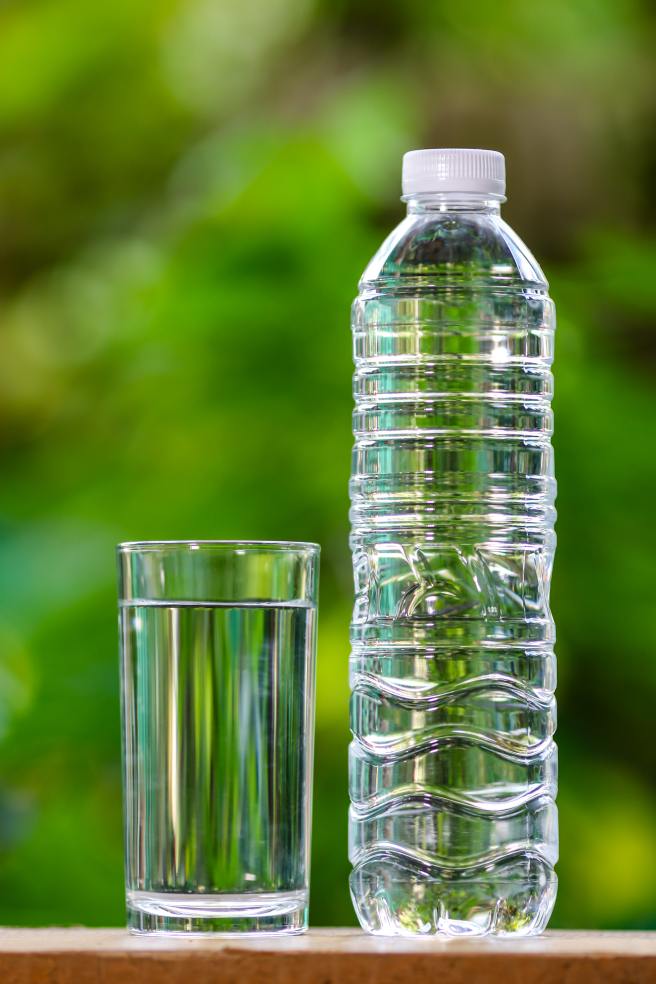
A healthy drink to wash down a good lunch and snacks is water. Drinking regular plain old water is best. It’s best to avoid juice boxes and soda. To encourage your child to drink more water try having them select their own water bottle. With some reminding they’ll be more likely to bring it along on all your outings.

You’ll be surprised how satisfied your child is with their lunch and snacks, and how happy you are knowing they are eating healthy.

I’ve got this!

More tips? We have lots. We’re here just for kids!
How Do Cavities Form?

In the Know for You to Know

Did you know that teeth are the only part of the human body that can’t repair itself?

Tooth enamel is the outer most layer of teeth and is made up of specific proteins, crystals and minerals like calcium and phosphorus. When teeth have been in ongoing contact with foods high in carbohydrates (aka sugars), carbonated beverages (aka soda), and there are longer times (than you would like) between tooth brushings these minerals break down and dissolve the enamel.

DEMINERALIZATION

Everyone has bacteria in their mouths, even newborns. When the bacteria comes in contact with the yummy sweet foods and drinks they produce an acidic environment in the mouth which causes the minerals in your child’s teeth to demineralize and weaken the enamel.

The weakened enamel makes their teeth more vulnerable and cavities form. It is usually not only one cavity that forms, it’s multiple.

Cavities grow fast in baby teeth. The enamel is super thin. A finger nail is thicker than enamel on baby teeth.

SO WHAT TO DO?

Once cavities get to a certain size they can’t be stopped or reversed and don’t stop growing.

While it’s best if cavities aren’t given the opportunity to grow at all, if they do show up and they are small, sometimes they can be stopped.

This does take work on your part when your child is young and on your child’s and your part when they are older. The rewards are worth it.

TIPS TO DO

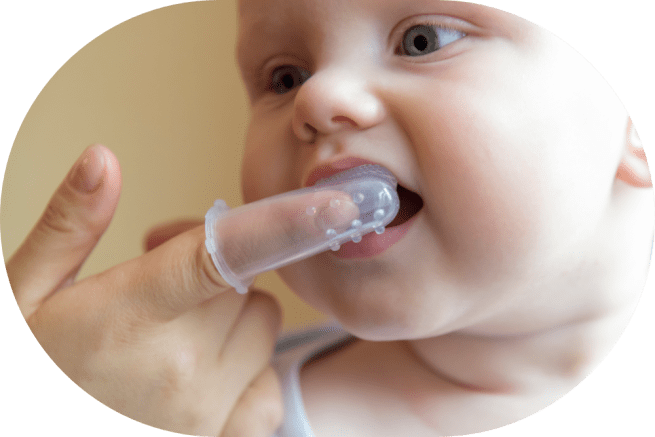
  • For your newborn, infant, and baby use a clean moist washcloth to wipe their mouths after every feeding and before putting them to bed.
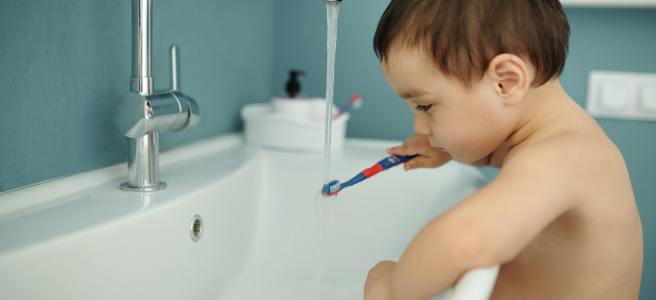
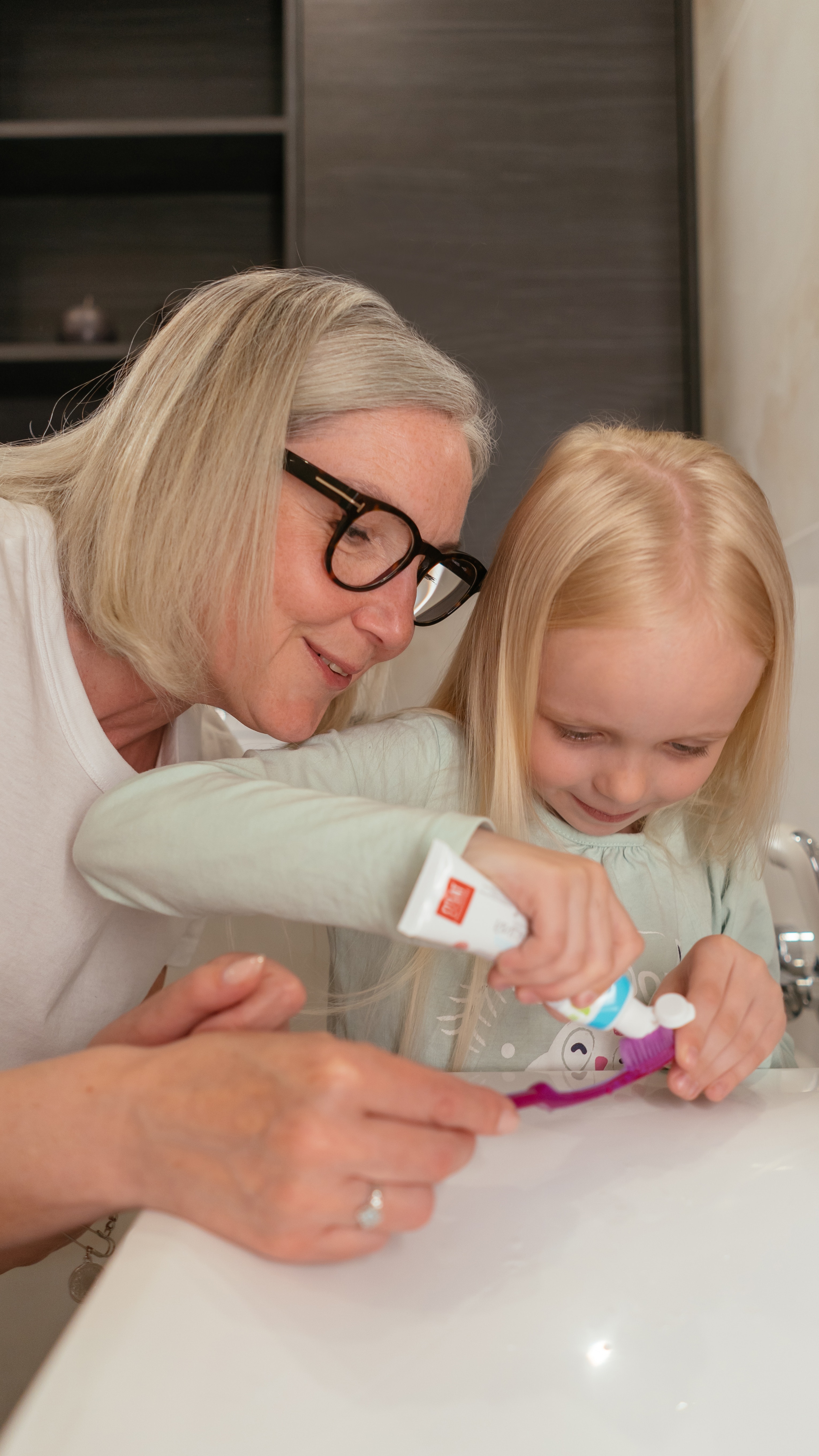
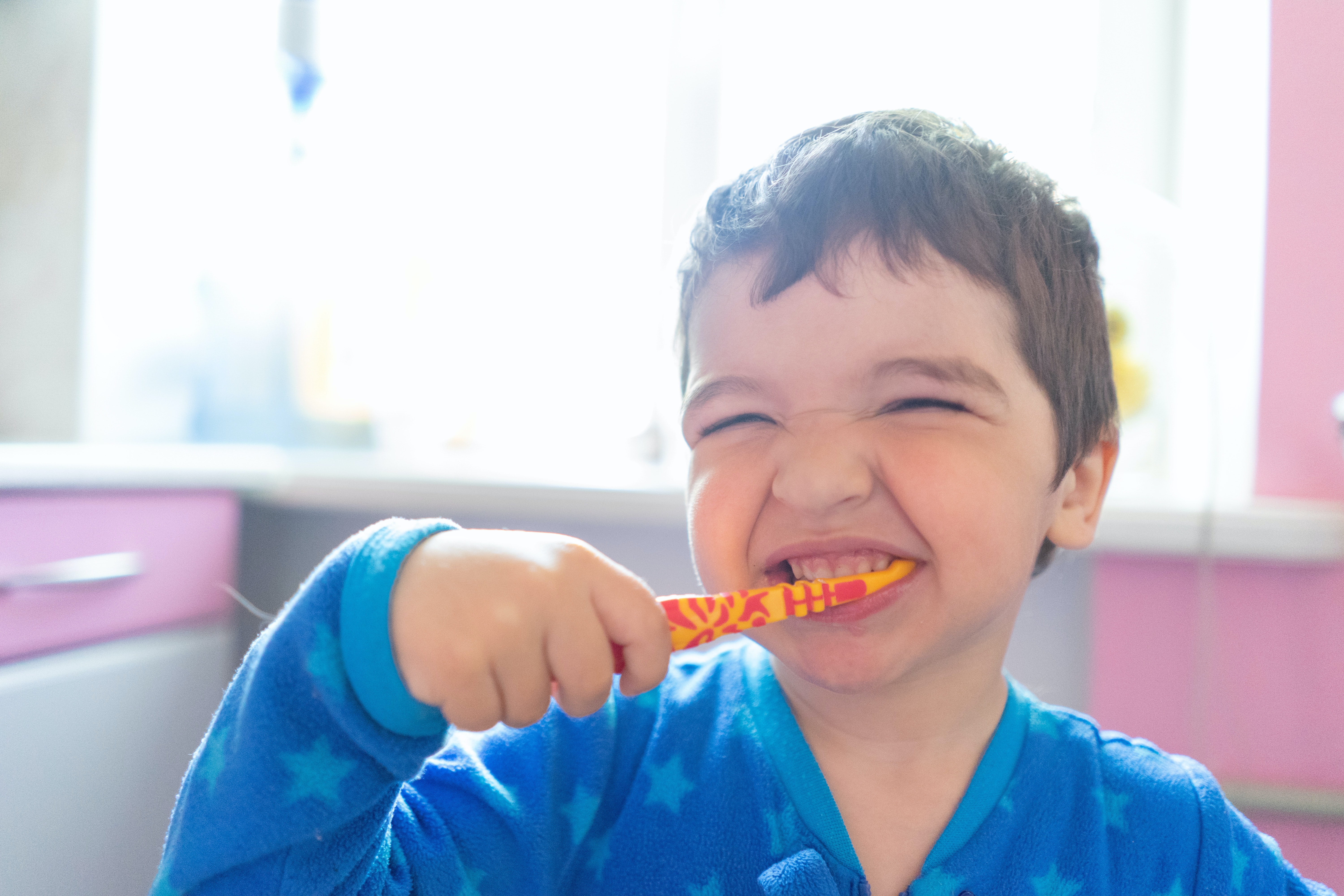
  • For your toddler, pre-schooler, and kindergartener you can also use a clean moist washcloth twice a day (as you would a tooth brush) and add a rice grain size amount of fluoride toothpaste, or, if they allow you can use a soft toothbrush with a rice grain size amount of fluoride toothpaste and brush for 2 Minutes in the AM after breakfast and in the PM floss first and then brush for 2 Minutes before bedtime.
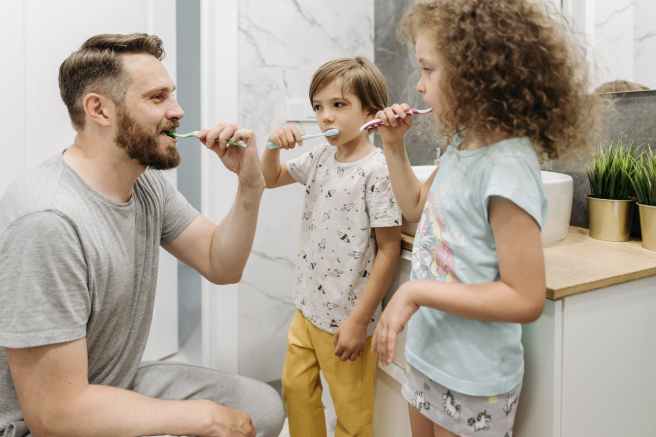
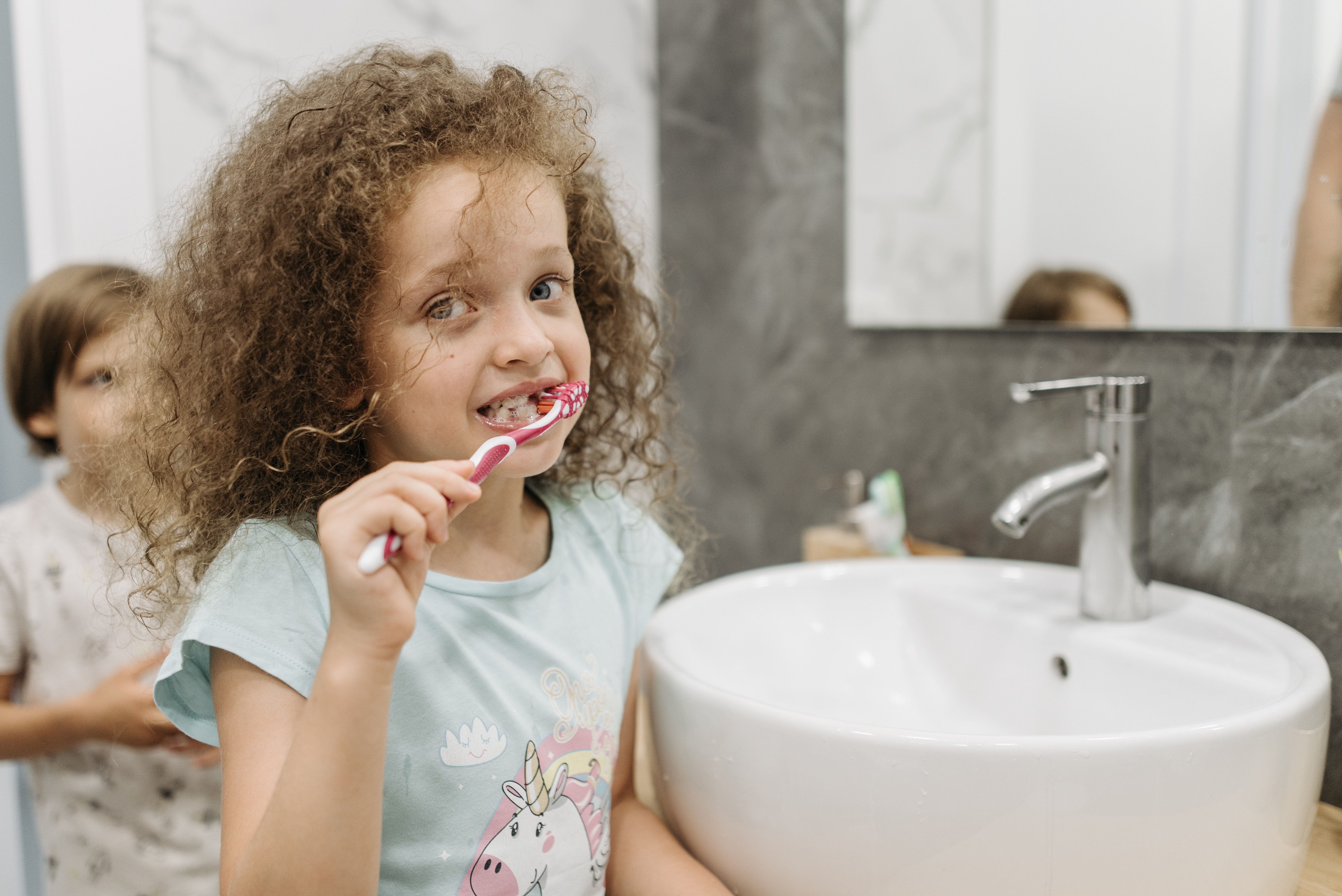
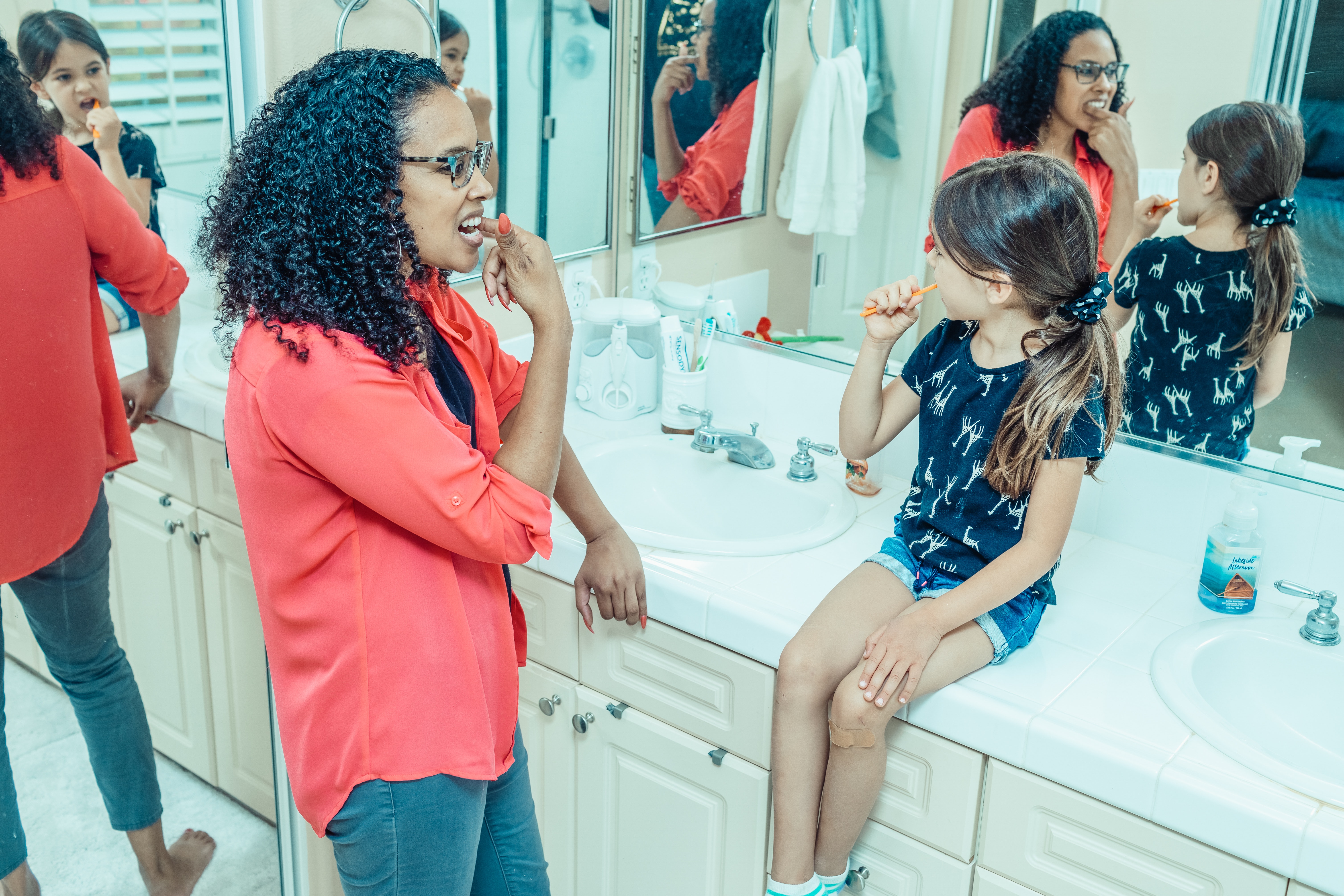
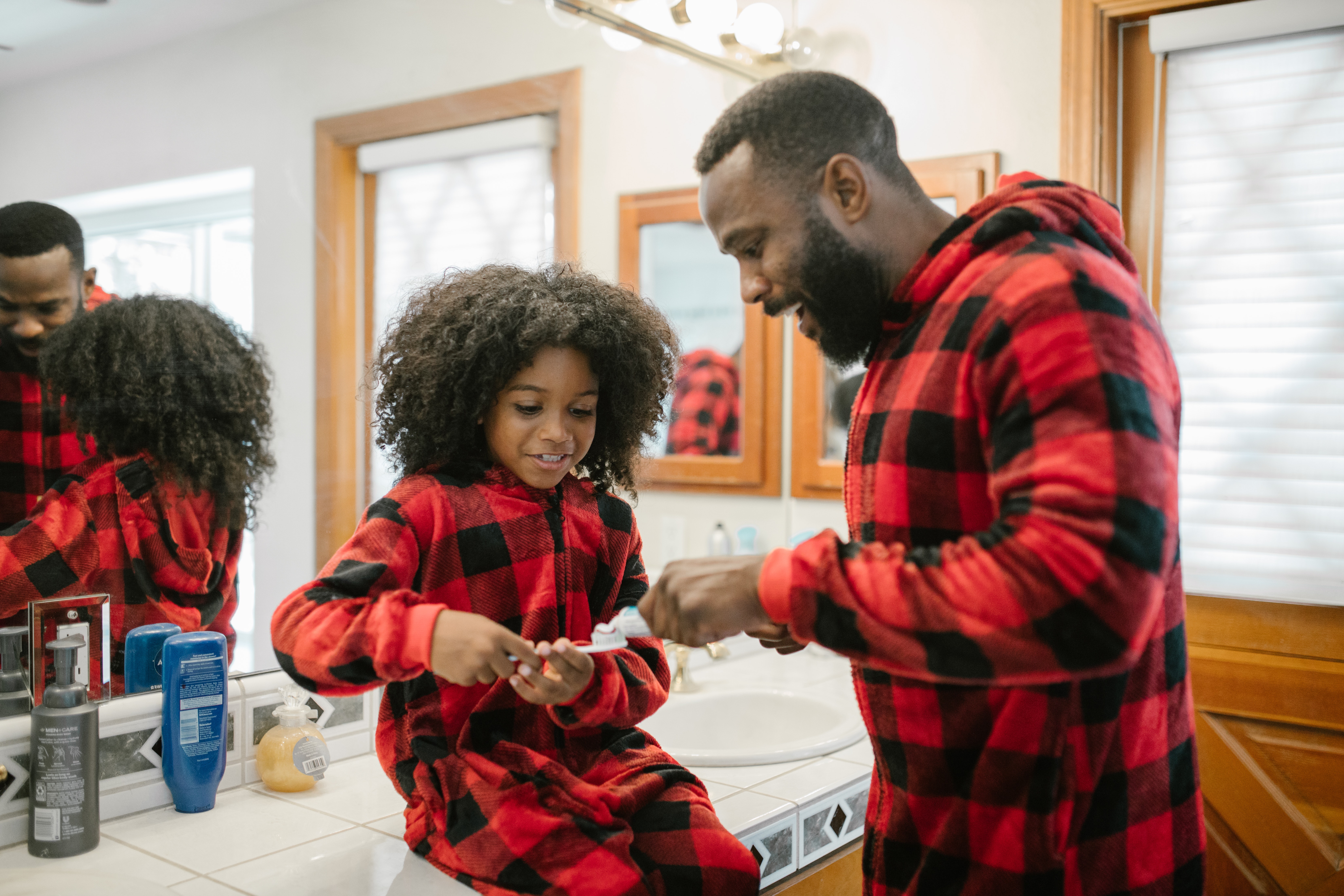
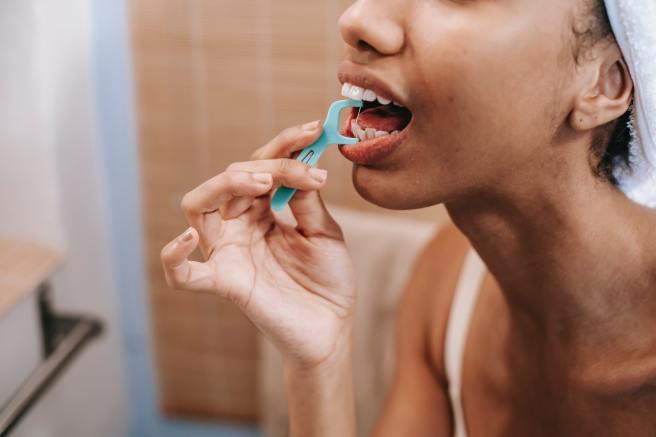
  • For your school-age child you’ll use a soft toothbrush, a small pea size amount of fluoridated toothpaste and brush for 2 Minutes in the AM and in the PM floss first and then brush for 2 Minutes before bedtime.
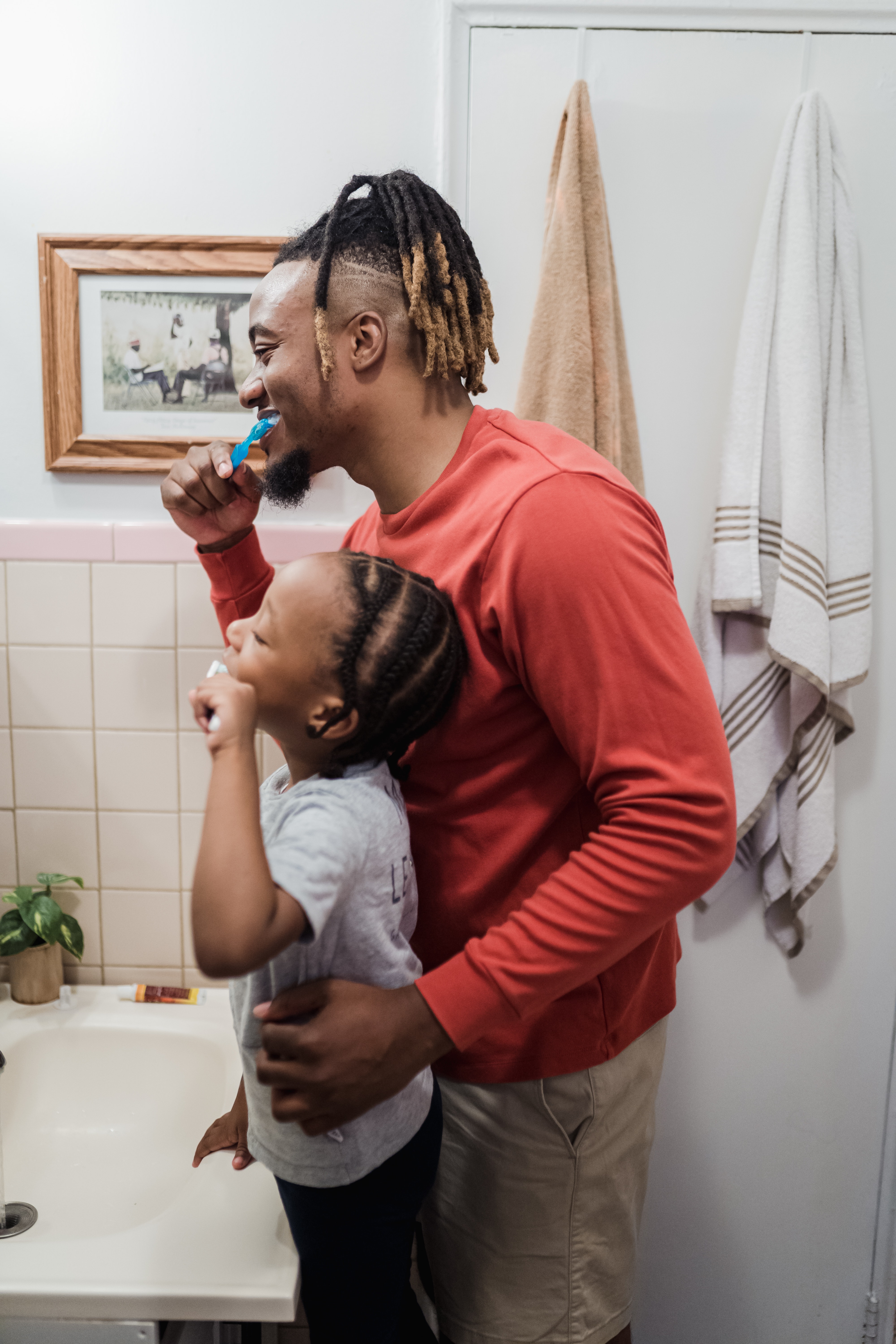
  • For your tween and teenage child you get to watch them use a soft toothbrush, a pea size amount of fluoride toothpaste and brush for 2 Minutes in the AM after breakfast and in the PM floss first and then brush for 2 Minutes before bedtime.
  • For your college age child you may still need to advise them and make sure they use a soft toothbrush, a larger pea size amount of fluoride toothpaste and brush for 2 Minutes in the AM after breakfast and in the PM floss first and then brush for 2 Minutes before bedtime.

P.S. Don’t forget about yourself!

P.P.S.

REMEMBER – YOU GOT THIS

More Tips? We have lots. We’re here just for kids!
Wiggly Tooth? What’s A Parent To Do?

In the Know for You to Know

You couldn’t wait for your child to get their first tooth. Then by the time they were 24 to 36 months old they had all their 20 baby teeth. You thought you were all set.

Now they’re asking you – When will the Tooth Fairy come to visit?

When Will My Child Lose Their Baby Teeth?

Children whose baby teeth come in early also get their adult teeth earlier. Children who have their baby teeth come in later – you guessed it – have their adult teeth come in later.

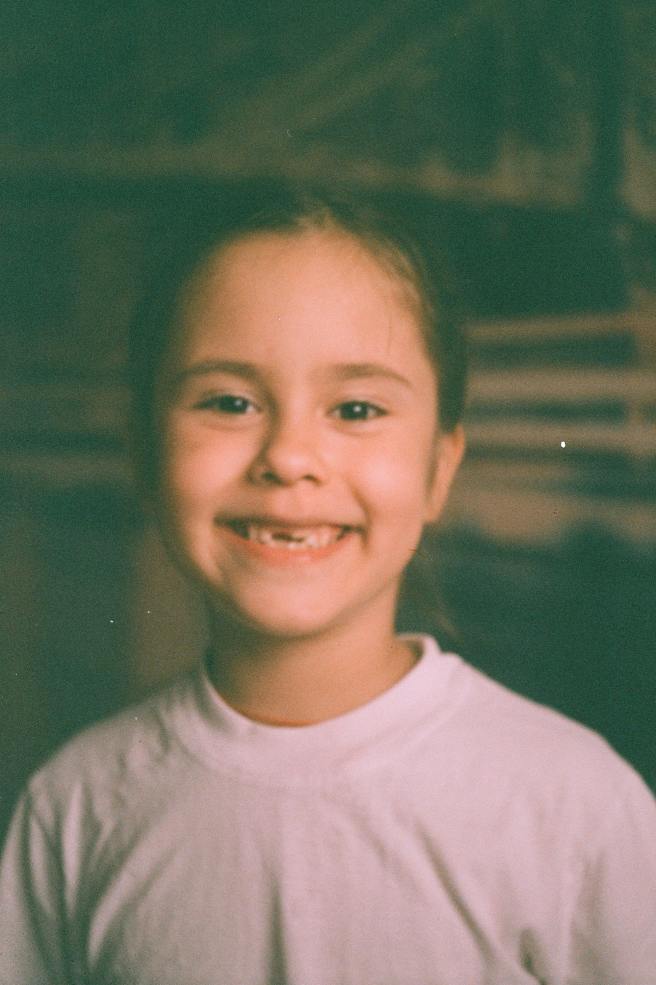
Girls typically lose their baby teeth and get their adult teeth earlier than boys of the same age. What’s important to remember is what every parent knows and that is every child develops at their own pace, so it’s normal too have early and late tooth development.

Most children will start to lose their baby teeth around the time they are 5-7 years old. This is when the roots of the baby teeth are dissolved by the adult teeth.

So get ready to be on the tooth chart!

The first baby teeth to come in are the first to fall out. You can anticipate seeing the bottom front teeth changing first. After the baby tooth is lost the gums may look a little wavy. This is the adult tooth growing in and when it makes its appearance in their mouth you’ll see those waves on the tips of those teeth. These waves are perfectly fine and even have a special name – mammelon (also spelled mamelon). No worries – the mammelons wear away naturally as your child gets older.

Over the next years your child will continue to lose more baby teeth, and new teeth will also be coming in all the way in the back behind the furthest back baby tooth.

By the time your child is 14 to 16 years old they will have their 28 adult teeth in their mouth.

What To Do When Baby Teeth Get Loose

To wiggle or not to wiggle that is the question.

While it’s tempting to help that loose tooth along and speed up that visit from the Tooth Fairy, it’s best to be patient and let nature take its course. Pulling the tooth before it is loose enough will cause unnecessary bleeding and discomfort. Plus the adult tooth won’t come in any faster.

If the tooth is wiggly and it moves easily then with their tongue or with clean hands your child can wiggle the tooth out on their own.

Now you can start your own Tooth Fairy Tradition to celebrate this big milestone!

How To Comfort Your Child

Parents know it’s important to be calm, reassuring, and proud of this BIG-KID Milestone! Go ahead and be proud, this is what everyone has been waiting for!

Once the wiggled tooth is in your hand or Tooth Fairy Box, clean the site with a moistened soft wash cloth to clean up any ooze that may appear. You can place the wash cloth’s edge on the gums and have your child bite down gently if they don’t like the feeling of the baby tooth not being there. The ooze and any uncomfortableness generally goes away quickly and there is no need for medicines.

Let us know your Tooth Fairy Tradition. Like us and tell us on Facebook (www.facebook.com/kidstoothhotline) or Email us at kidstoothhotline@protonmail.com

CONGRATULATIONS ON YOUR CHILD’s BIG-KID MILESTONE!

More tips? We have lots. We’re here just for kids!