In the Know for You to Know

As a pediatric dentist, my focus is to advise and educate you about good oral health for your child. As a mom, I know how important this is for our children’s future. The reason is simple. Starting oral health care when children are new borns and infants sets the foundation for a lifetime of healthy smiles.
We’re receiving lots of questions from parents about why taking care of their newborn’s and infant’s mouth is important, as well as how and when to start doing this.
Today we’re answering your questions about prenatal and infant oral health care.
What can a woman do during pregnancy to help her child develop healthier teeth?
Nutrition is very important for the oral health of your developing baby. Taking prenatal vitamins and minerals, as recommended by your Obstetrician, is key since their teeth are forming along with the other structures of the body between 7 weeks and 3 months of gestation.

Is there anything else a mother-to-be can do?
Expectant mom’s need to take good care of their own dental health during pregnancy and after their baby is born. A mother with a buildup of bacteria in her own mouth due to tooth decay (aka cavities) and/or periodontal (aka gum) disease, can actually transmit bacteria to her baby when kissing, sharing spoons, or licking a pacifier “clean”.
Same goes for dads and grandparents.

At what age should a baby have their first examination with the Pediatric Dentist?
When you see their first tooth coming into their mouth, that’s the time to call for your child’s first dental examination.
There’s a lot to cover. Not only are their tooth/teeth examined, it’s important to discuss their diet, pacifier and thumb sucking, and the importance of cleaning the inside of your baby’s mouth with a wet washcloth to remove any sugar residue from milk, formula or juices. In addition, to talking about fluoride and testing well water for fluoride content.
Do regular Dentists see children this early?
Adult and family dentists don’t see children until at least age 3. But the impact of early childhood dental care is significant. If cavities form during this time, they need to be addressed before infection and tooth loss occurs.
How can I prevent tooth decay from a bottle or nursing?
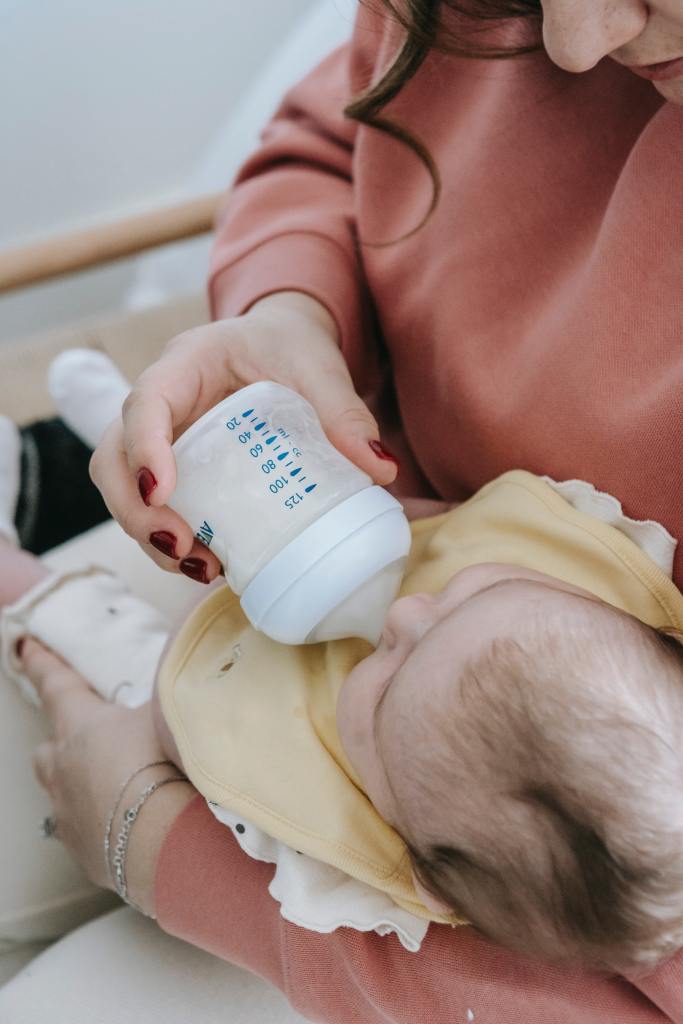
Children should not fall asleep with a bottle or after breast feeding. It’s best to clean their mouth after their feeding. Cleaning their mouth after each feeding helps stop the milk, formula, or juice from staying on their gums and teeth.

When should bottle feeding be stopped?
Children should begin to be weaned from their bottle when you’re introducing table food. At this time they should also be introduced to drinking from a cup.
This is important for your child’s teeth. Prolonged use of the bottle means having milk or juice in contact with teeth for long periods of time, which can lead to tooth decay.
Should I worry about my infant’s thumb and finger sucking?
Digit sucking (thumb or finger or both) is perfectly normal for newborns and infants. Generally most children stop by age 2.
When should I start cleaning my baby’s teeth?
The sooner the better! Starting at birth, clean your child’s gums and mouth with a wet washcloth after each feeding and before you put them down for a nap or to bed.

Any advice on teething?
From 6 months to age 3, your child may have sore gums as teeth come into their mouths. Many children like a clean teething ring, cool spoon, or cold wet washcloth. Some parents swear by a chilled (refrigerator never freezer) teething ring; others simply rub the baby’s gums with a clean finger.
Remember, no numbing liquids, gel teething beads, teething necklaces, teething bracelets. The liquids and gel are toxic. While teething jewelry can be swallowed and cause choking.
How prevalent is tooth decay in children?
Tooth decay is the most common chronic disease in childhood.
Cavities are an infectious and transmissible disease established early in life and seen throughout life.
More children have tooth decay than have asthma. 20% of preschoolers, 50% of second graders and 75% of 15 year olds have cavities.

Have we answered your questions? Do you have any questions we haven’t addressed? What are your questions? How old was your baby when you started to clean their mouth? When did you make their 1st dental appointment? Did your baby ever go to sleep after breast feeding or with a bottle? Tell us, we’d really like to know! Send us an email at kidstoothhotline@proton.me Like Us on Facebook





 kidstoothhotline