Mommy Loves You, Let’s Go Floss and Brush Your Teeth
Taking care of your child’s teeth affects their oral health. A good sign of their well-being is healthy teeth and gums. A lot of parents feel that oral health is one of their top priorities for maintaining a healthy lifestyle for their family.
So what are these truths?
Mistruth 1 – Sugar Causes Cavities
Truth – While sugar does contribute to the formation of cavities, it’s not only the sugar itself that causes the cavity. It’s also the bacteria (which is naturally in the mouth) that thrive and eats the sugar which is stuck on the teeth, and eats the teeth as well.
Solution – Keep your child’s teeth and gums healthy by brushing 2Minutes 2X’s A Day and floss every night before brushing.
Mistruth 2 – Parents Don’t Need To Brush Their Child’s Baby Teeth
Truth – Start early and keep going, even before their teeth are in their mouth. Cleaning your baby’s mouth and teeth after every feeding and before naps and bedtime is a good routine.
Solution – A soft toothbrush or washcloth are best to use, with a tiny rice grain size amount of fluoridated toothpaste. Once baby teeth start coming in you’ll have your routine and your baby will be used to you doing this. Remember to Lift Their Lips (upper and lower lips) so that you can see the entire tooth to make sure they are clean.
Mommy Did You Know This Tooth Truth?
Mistruth 3 – Brushing Harder Cleans Better
Truth – Brushing harder doesn’t mean brushing smarter. The harder you brush their teeth, the more they won’t let you brush and more harm is done to teeth and gums.
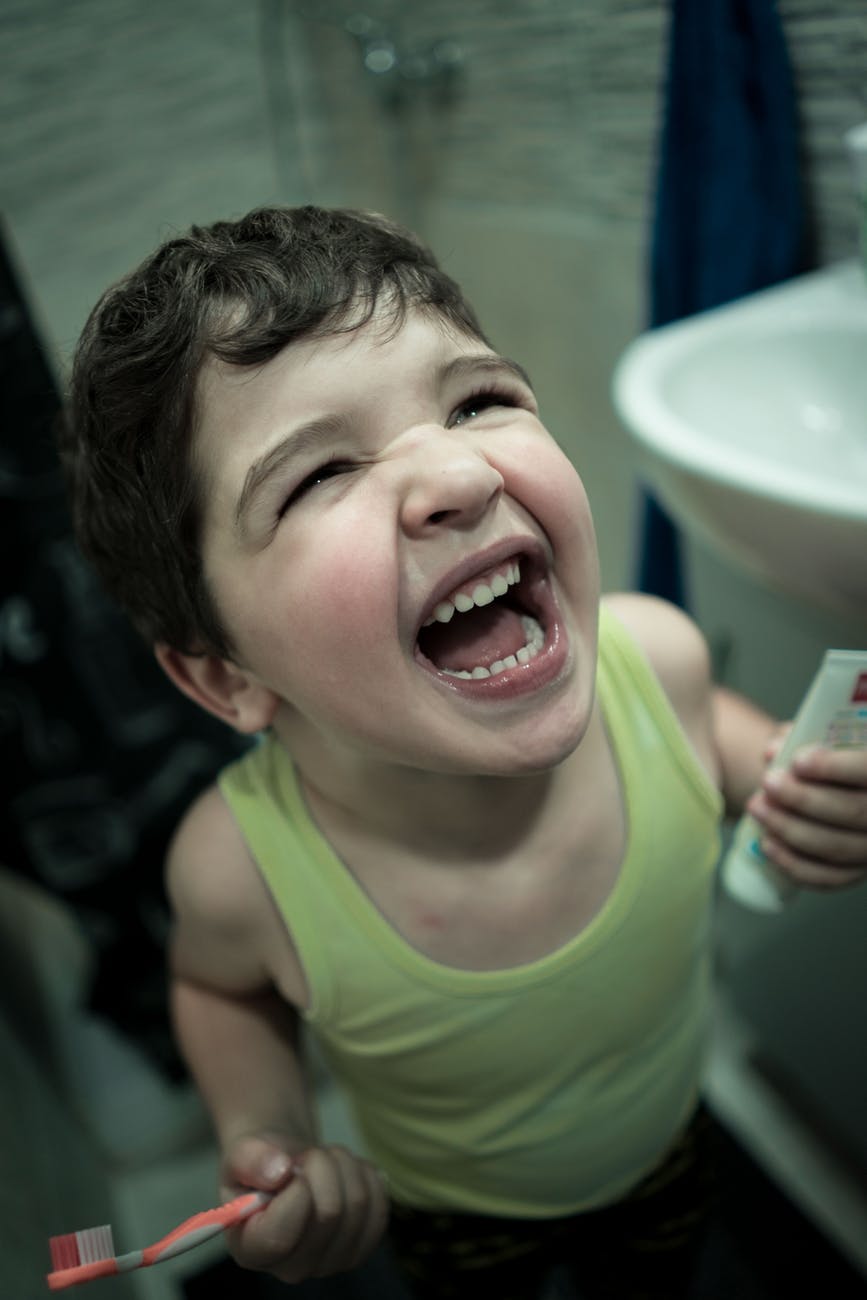
Solution – Brush gently with a soft bristled toothbrush in a circular motion for 2Minutes 2X’s A Day, every day.
Mistruth 4 – Flossing Is Not Really Necessary
Truth – Flossing is an important part of maintaining your child’s good oral health. Think of flossing as brushing in-between the teeth. Why floss? The food and stuff that gets in-between has no way to get out. What’s the result? Cavities in-between teeth.
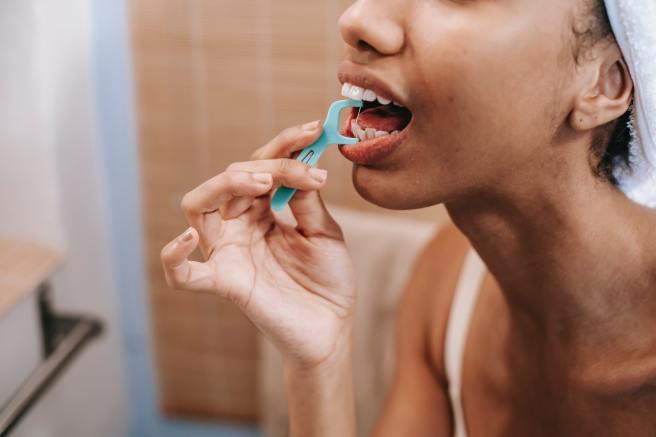
Solution – Toothbrush bristles and rinses don’t get in-between teeth so the only way to clean is with floss. Flossing at night before brushing cleans everything out and then you brush it away.
Mistruth 5 – Chewing Gum Is Like Brushing
Truth – Chewing gum is not a replacement for brushing teeth. Some chewing gums advertise cleaner teeth and fresher breath, but all they can really do is freshen breath.
Solution – While chewing sugar free gum or gum with Xylitol is better, they are not a replacement for a toothbrush and floss. A regular daily routine for brushing and flossing is still best.
What Dental Mistruths have you heard? Did they make you giggle? Was it really convincing? We’d really like to know!
Did you know that teeth are the only part of the human body that can’t repair itself?
Tooth enamel is the outer most layer of teeth and is made up of specific proteins, crystals and minerals like calcium and phosphorus. When teeth have been in ongoing contact with foods high in carbohydrates (aka sugars), carbonated beverages (aka soda), and there are longer times (than you would like) between tooth brushings these minerals break down and dissolve the enamel.
DEMINERALIZATION
Everyone has bacteria in their mouths, even newborns. When the bacteria comes in contact with the yummy sweet foods and drinks they produce an acidic environment in the mouth which causes the minerals in your child’s teeth to demineralize and weaken the enamel.
The weakened enamel makes their teeth more vulnerable and cavities form. It is usually not only one cavity that forms, it’s multiple.
Cavities grow fast in baby teeth. The enamel is super thin. A finger nail is thicker than enamel on baby teeth.
SO WHAT TO DO?
Once cavities get to a certain size they can’t be stopped or reversed and don’t stop growing.
While it’s best if cavities aren’t given the opportunity to grow at all, if they do show up and they are small, sometimes they can be stopped.
This does take work on your part when your child is young and on your child’s and your part when they are older. The rewards are worth it.
TIPS TO DO
For your newborn, infant, and baby use a clean moist washcloth to wipe their mouths after every feeding and before putting them to bed.
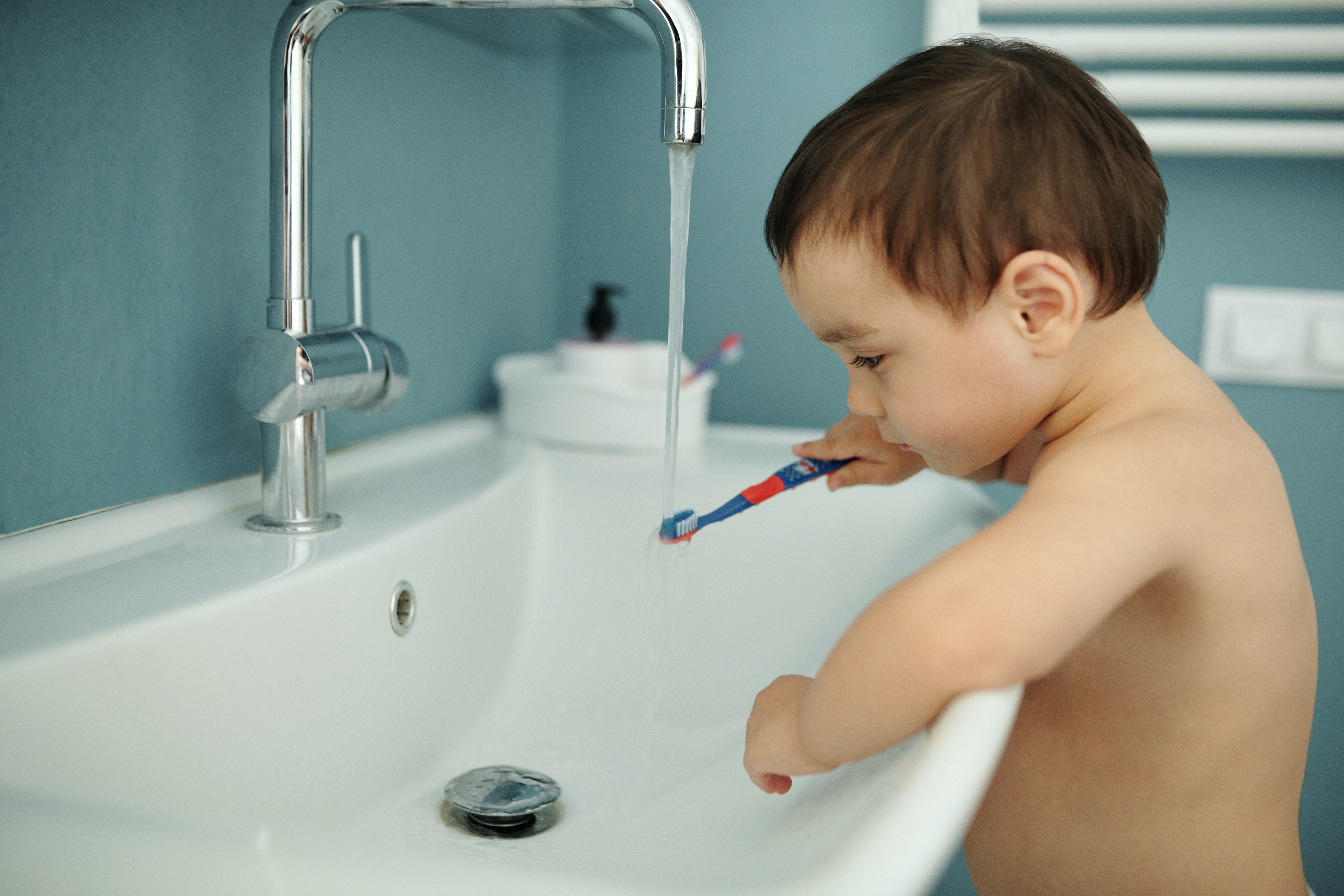
For your toddler, pre-schooler, and kindergartener you can also use a clean moist washcloth twice a day (as you would a tooth brush) and add a rice grain size amount of fluoride toothpaste, or, if they allow you can use a soft toothbrush with a rice grain size amount of fluoride toothpaste and brush for 2 Minutes in the AM after breakfast and in the PM floss first and then brush for 2 Minutes before bedtime.
For your school-age child you’ll use a soft toothbrush, a small pea size amount of fluoridated toothpaste and brush for 2 Minutes in the AM and in the PM floss first and then brush for 2 Minutes before bedtime.
For your tween and teenage child you get to watch them use a soft toothbrush, a pea size amount of fluoride toothpaste and brush for 2 Minutes in the AM after breakfast and in the PM floss first and then brush for 2 Minutes before bedtime.
For your college age child you may still need to advise them and make sure they use a soft toothbrush, a larger pea size amount of fluoride toothpaste and brush for 2 Minutes in the AM after breakfast and in the PM floss first and then brush for 2 Minutes before bedtime.
P.S. Don’t forget about yourself!
P.P.S.
REMEMBER – YOU GOT THIS
More Tips? We have lots. We’re here just for kids!
Your child’s teeth start forming very early in your pregnancy. By the time you’re giving birth some of those first baby teeth are almost fully formed and some are still growing, while there are some adult teeth with the tiniest beginnings.
Where are their teeth?
You may not see their teeth yet, but your Baby’s teeth are right underneath their gums. You may even be able to feel the outline of some teeth.
When will I see teeth?
All children are different, even among siblings.
Teething typically starts when a Baby is between 6 and 8 months old, although some children can start as early as 3 months old. Be patient because some children don’t have their first tooth until they’re 12 to 14 months, and for some not until 24 months.
How long does teething last?
Teething is just like children, wonderful and individual.
The first teeth to peek through are usually the bottom two front teeth, next to grow in are usually the top two front teeth. Then the “usual” order are the bottom and top side teeth, followed by the first molars, the eye teeth, and finally the second molars.
Don’t stress if their teeth aren’t coming in in this exact order. What’s important is that their teeth come into their mouths.
When all their 20 baby teeth have grown in, your child can be between 2 and 3 years old.
What can I do to comfort my Baby?
Hugs, kisses, cuddling and snuggling are always a good idea.
When you feel you need something to add, you can consider —
Giving your Baby a firm rubber teething ring to chew on can help with discomfort. You may want to put the teething ring in the refrigerator to make it a little cold which also helps.. Never put a teething ring in the freezer. A frozen teething ring will freeze to their tender gums.
It’s best to avoid liquid-filled teething rings, any plastic objects or beads, teething necklaces and bracelets, any anything that will break or become a choking hazard.
Gently rub their gums with a cool, wet wash cloth, You can place the wet wash cloth in the refrigerator to chill it, but wash it before using it again.
You can give them their bottle with cool water. The bottle’s nipple is almost as strong as the teething ring and you’re hydrating them which helps them feel better.
It’s also best to skip topical pain relievers and medications that are rubbed on the gums. They aren’t helpful and run the risk of burning their sensitive gums.
How do I take care of my Baby’s teeth?
Start taking care when they are born.
Yes, you are a new Mom. Yes, you’ve just given birth to a brand new adorable human being. Yes, you’re learning what feels like ten million new things about taking care of your Baby. Yes, you are tired.
Yes, your Baby doesn’t have teeth right now. But they will soon and starting earlier is better than starting later for you and your Baby.
Wipe your Baby’s gums with a soft, clean cloth after feedings and at bedtime. This helps wipe away sugar and bacteria that together will cause cavities.
Then when you see that adorable smile with the littlest bits of those pearly white teeth showing, you can say – No problem, I’ve got this!
More tips? We have lots/ We’re here just for kids!
Thank You Mommy and Daddy, I love my beautiful Smile
School’s out, Camp and Vacations are in. Long lazy days, family traditions, and fun times are here!
While you’re having fun you can also keep up your families good habits (or tweaking not so good ones) like your balanced diet and oral hygiene routine. This way those eagerly awaited treats taste extra special.
Keep a Routine
Start with putting together your summer dental kit – toothpaste, floss, tooth brush, finger brush, wash cloths.
While you’re doing your regular grocery shopping be on the look out for their fun flavor tooth paste or a tooth brush with their favorite character.
This way if schedule changes disrupt your habits you’re prepared and can start up where you left off.
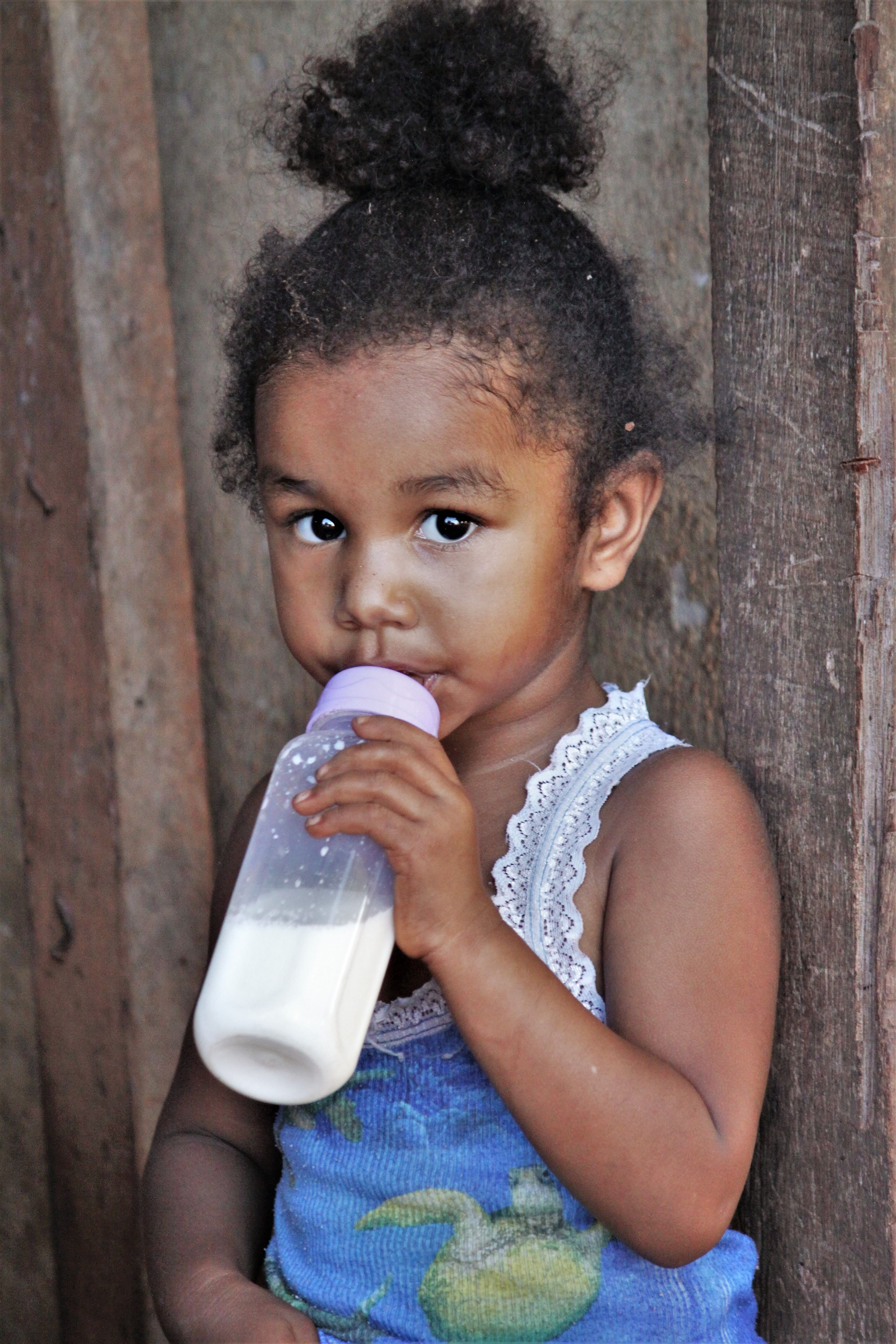
Also keep in mind that bottles and sippy cups may be good for comforting a tired child, however falling asleep with one in their mouth increases their risk of cavities.
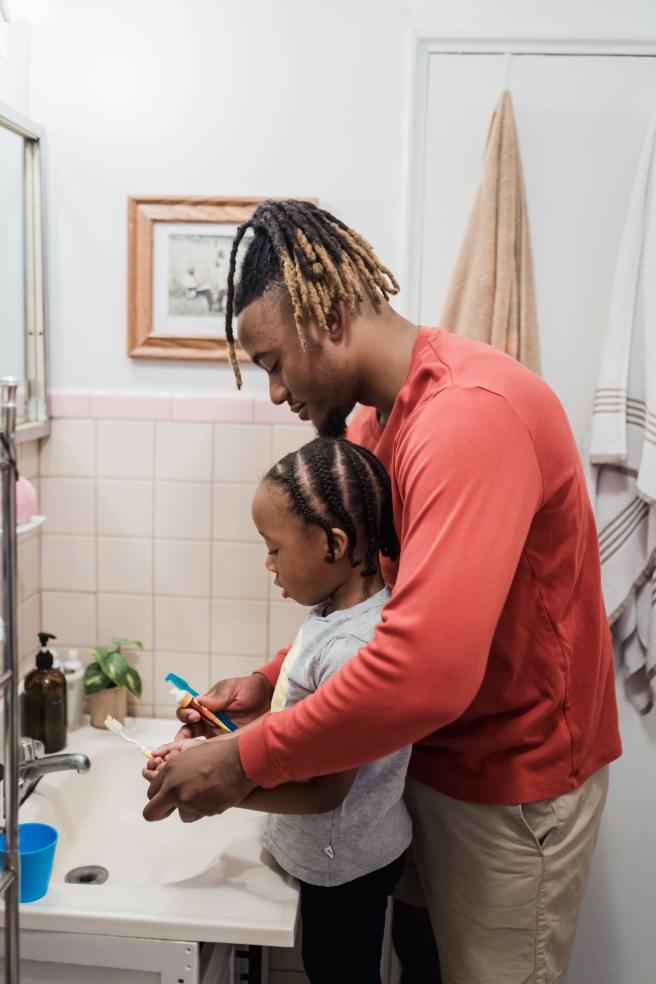
My toothbrush is in my Daddy’s knapsack
Healthy Diet = Healthy Teeth = Happy Family
Those fun foods your child always looks forward to are a special part of summer. Adding them to their healthy diet of fresh fruits, fresh veggies, whole grains, plain milk and water, go a long way to helping you decrease their cavity risk. And they are an incentive for your child to eat the way you want them to (Added Bonus!).
Sticky, Gooey, Chewy
Gooey, sticky and chewy are fun to eat, not so much fun to brush away from teeth.
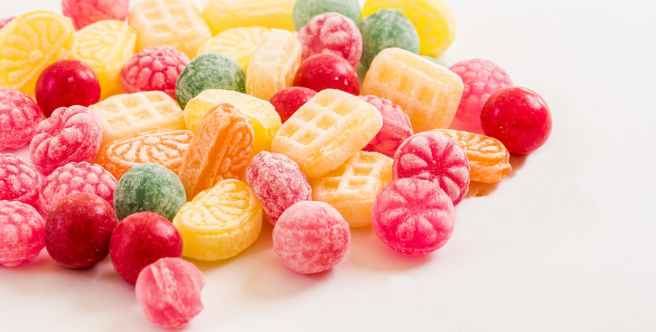
Yes it’s about those candy apples from the specialty shop you always seem to go to, and the taffy at the seashore which are talked about for days before you get there. Or it’s the ice cream cone with the crunchies on top from the ice cream man coming down the street playing his familiar and anticipated summer tune that your child looks forward to every day.
While these are amazingly delicious and we all love them, the stickier, gooey, chewier and crunchier foods tend to stick into the nooks and crannies of teeth and are really hard to brush out and away.
What to do? Let’s face it when your child is enjoying these treats it is not always at a time you can take out the floss and tooth brush. When you can it is definitely best to do so. If changing your fun food selection is not possible then drinking water will help dilute all that sugar and also help wash away the food on the surface. Perhaps your child is okay with trying something else (think new family tradition), then chocolate (with no mix ins) is a good option since it is smooth and will slide off their teeth.
What’s Most Important?
Keep a consistent daily routine that can be done in a fun way and which you can continue in the summer.
Do something fun to keep their attention while flossing and brushing —
Talk about the great stuff they did today and build anticipation for tomorrow.
Floss and brush together and have a brush-a-thon to your child’s favorite summer tunes.
Make a summer sticker chart and sticker the chart every morning after brushing (2 Minutes) and every night after flossing and brushing (2 Minutes).
Above all, don’t stress, have fun and make wonderful memories.
More tips? We have lots. We’re here just for kids!
Sucking is natural for infants and babies. This starts during your 7th month of pregnancy and increases in the weeks just before you give birth in preparation for nursing.
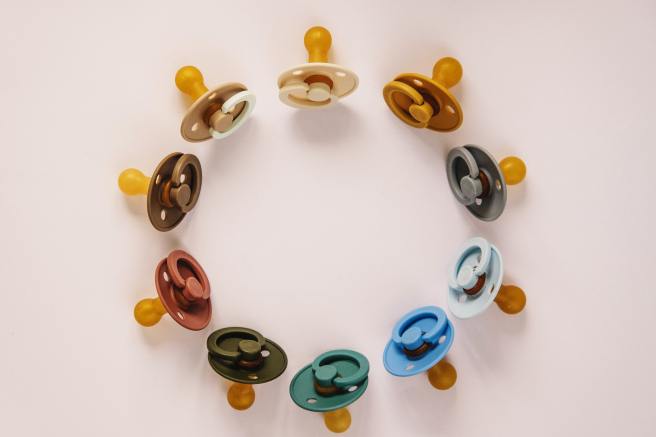
After your baby is born your Pediatrician may recommend a pacifier for a variety of reasons, including prevention of SIDS, or to calm and soothe if your baby is restless.
Each baby is different in how they take to the pacifier. Some will not want it at all, others may only want it when they are being put to sleep, and still others will not want to part with their pacifier and not let it out of their mouth.
The emotions they feel from the sucking can give them a sense of security, relaxation, happiness, or calmness. Everything they receive from you!
When and Why to Stop?
The short answer is between 18 and 24 months of age. The key is before 24 months.
Most babies stop sucking on their pacifier by the time they are 1 year old. Others by the time they are 4 years old.
Increased frequency, longer duration, and greater intensity of the sucking action on the pacifier affects the way a child’s teeth come together and the growth of the jaws. The top front teeth may be pushed outward or turned sideways. The jaws may become narrow or there can be other misalignments. The sooner a child can stop a sucking habit the better.
So What to Do?
Some parents choose to go cold turkey,
Other parents prefer to wean their child off their pacifier slowly at their pace,
There are those who snip off the top of the pacifier nipple which takes away the seal and interest in the broken pacifier,
Still others prefer to swap the pacifier with a new toy or prize which distracts attention away from the pacifier,
While other parents prefer to offer positive reinforcement, re-assurances, and praise when their child comforts themselves at bed time without the pacifier,
There’s those who make the pacifier a beautiful present for a relative’s or neighbor’s new baby who really needs a pacifier,
Then there’s the parents who throw a Bye-Bye Pacifier party,
And those parents who wrap the pacifier in tissue paper and put it on the kitchen counter for the Pacifier Fairy.
Timing is Important
Once you’ve made the decision that it’s time to stop the pacifier make sure that there are no new life changes or transitions going on for your family, and everyone is onboard with this decision. Everyone has to stay with the plan.
If you’re potty training, having another baby, moving, planning a trip, it’s holiday time, or an equally important life event — not a good time to start taking the pacifier away.
Just in Case?
Which ever plan you choose make sure you find all the pacifiers that are around the house, in the car, at Grandma’s house, at the baby sitter’s, or where ever you may have left 1 (or more) “just in case,” and don’t buy any new ones “just in case.” The last thing you want to do is for there to be confusion and have to start this all over again.
More tips? We have lots. We’re here just for kids?
Baby teeth are very important and for 4 reasons. First, they are needed for the growth of your Baby’s jaws, muscles and their face. Second, their teeth are also necessary for your Child to be able to chew their food, eat well and grow healthy and strong. Third, their teeth help them to speak — their tongue and cheeks engage the surfaces of their teeth to help them form the sounds they need to talk. Fourth, their Baby teeth provide the space for their permanent teeth to develop and to guide them into position.
Myth #2 Putting Baby To Bed With A Bottle is NOT A Problem
Putting your Baby to sleep for a nap or at night with a bottle or after breast feeding can cause a serious type of cavities. This is because the sugar in the formula, milk, fruit juice, and other sweetened liquids sit on their teeth and eats away at the enamel. The time for cavities to show up can be as soon as 1 year after their teeth come into their mouth. You’ll most probably see the cavities on their top front teeth first.
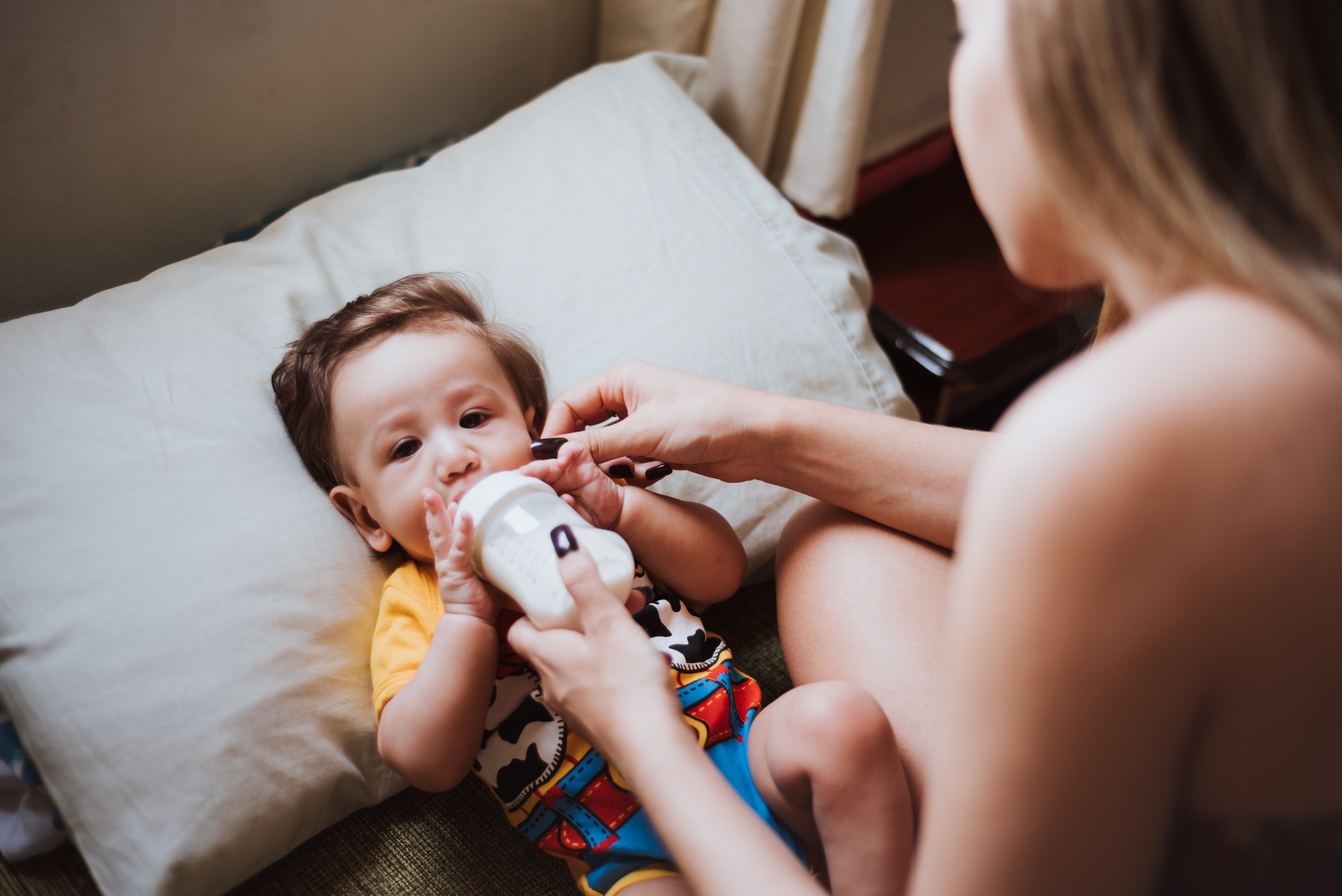
What to do? Clean your Baby’s whole mouth and teeth with a wet washcloth after each feeding everyday, from their first to their last feeding of the day. It’s best for you to sit down on the bed or on the sofa where you have room and can comfortably and safely hold your Baby and you can look into their mouth easily.
If they will not go to sleep without a bottle, put water in the bottle. Water not working? Then dilute the sugary liquid with 50% water and keep increasing the amount of water until there is 100% water in the bottle by the end of 1 week.
MYTH #3 Cavities Aren’t A Big Deal For Children
Cavities in children are more prevalent than Asthma. And by a lot, children are 8x’s more likely to have cavities than Asthma.
That’s a lot of children — 20% of preschoolers, 50% of 2nd graders, 75% of 15 year olds.
MYTH #4 Letting Your Child Brush Without Your Help
It takes time for children to develop their motor skills. How old do you think they’ll be when they can wash and dry their own hair from start to finish on their own?
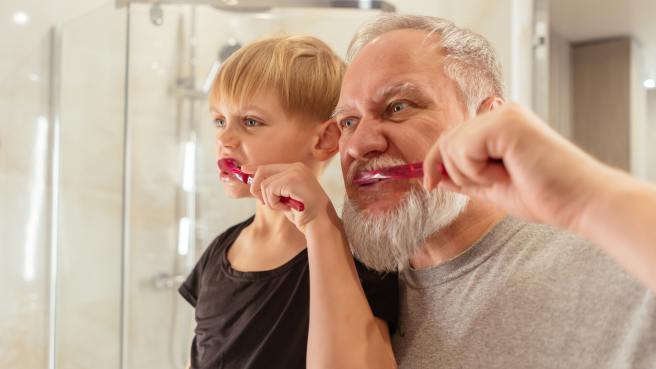
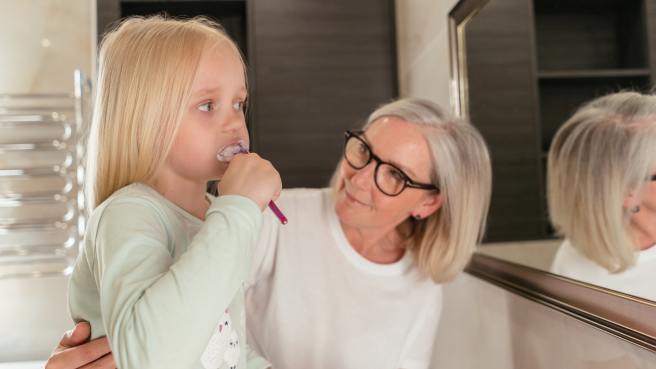
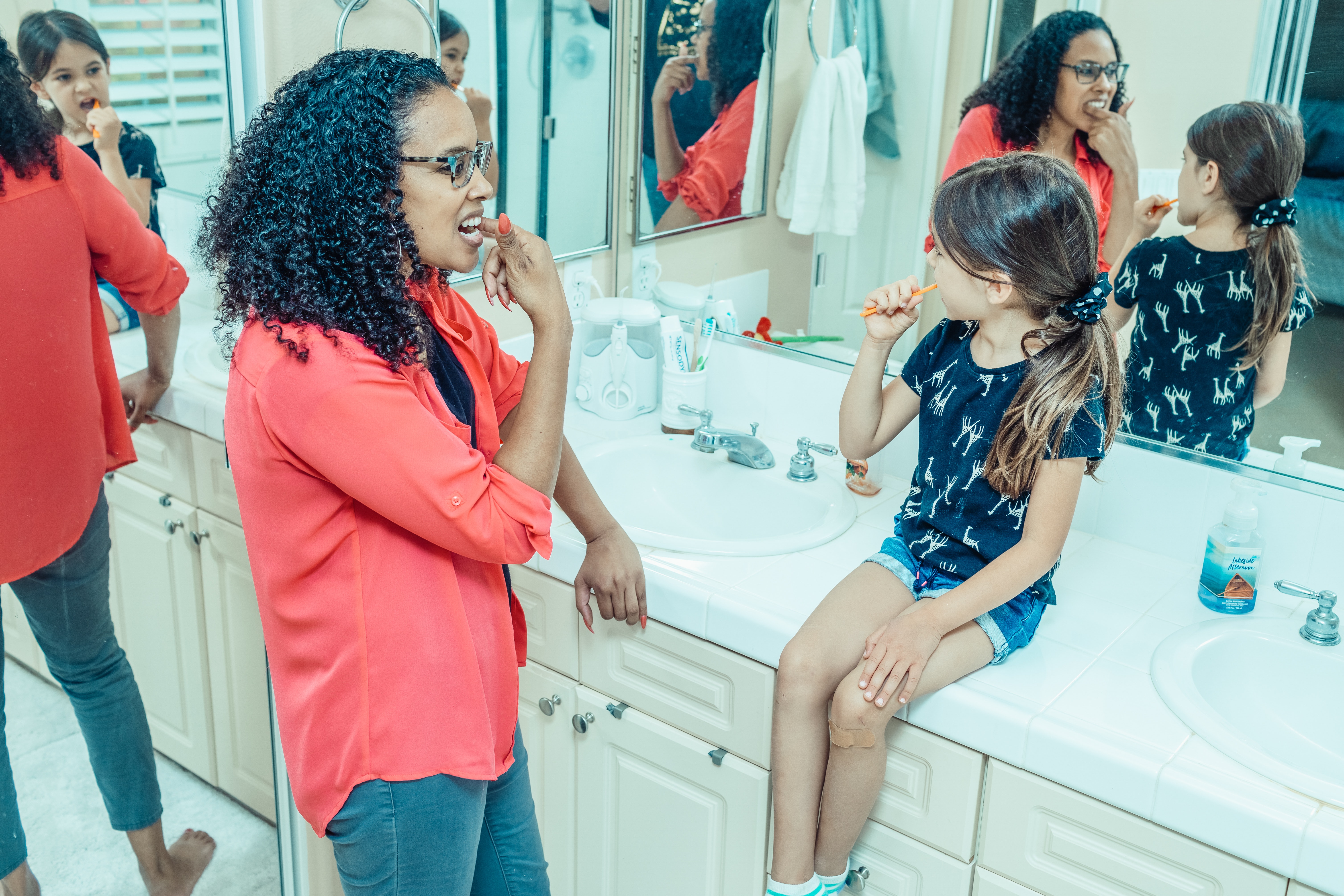
When they can do their hair themselves that’s about the time they can floss and brush on their own also. So you will be doing this for them. Not only that, once they do start flossing and brushing by themselves in front of the bathroom mirror, they’ll do a much better job with you in the bathroom with them.
Brushing is 2 Minutes 2 Times A Day and Flossing is at night before brushing. So it’s brushing in the morning for 2 Minutes after breakfast before leaving for school looking in the mirror, and at night looking in the bathroom mirror to floss first then brush for 2 Minutes, then nothing to eat or drink and straight to bed.
Don’t fall into these common confusions about your Child’s oral health. Now you can take charge and have the power to stop these urban legends before they begin.
What is your power?
More tips? We have lots. We’re here just for kids!
Mom, did you know that 3 months into your pregnancy your Baby’s teeth are already beginning to form?
And, that when you are giving birth all 20 of their Baby teeth are formed and their permanent teeth are beginning to grow?
NEWBORN’S TEETH
Immediately after your Baby is born as parents you can do something in anticipation of their teeth coming in.
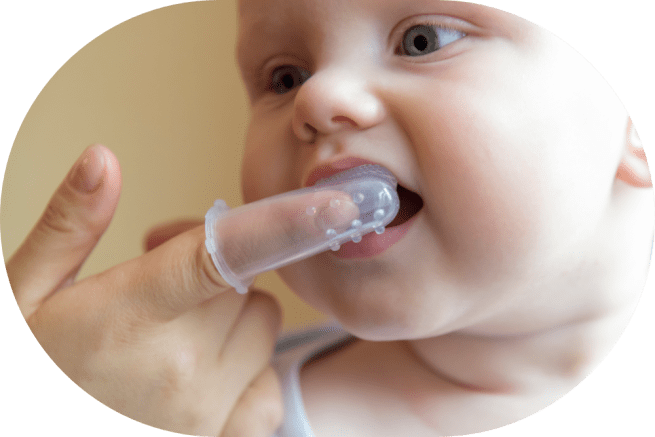
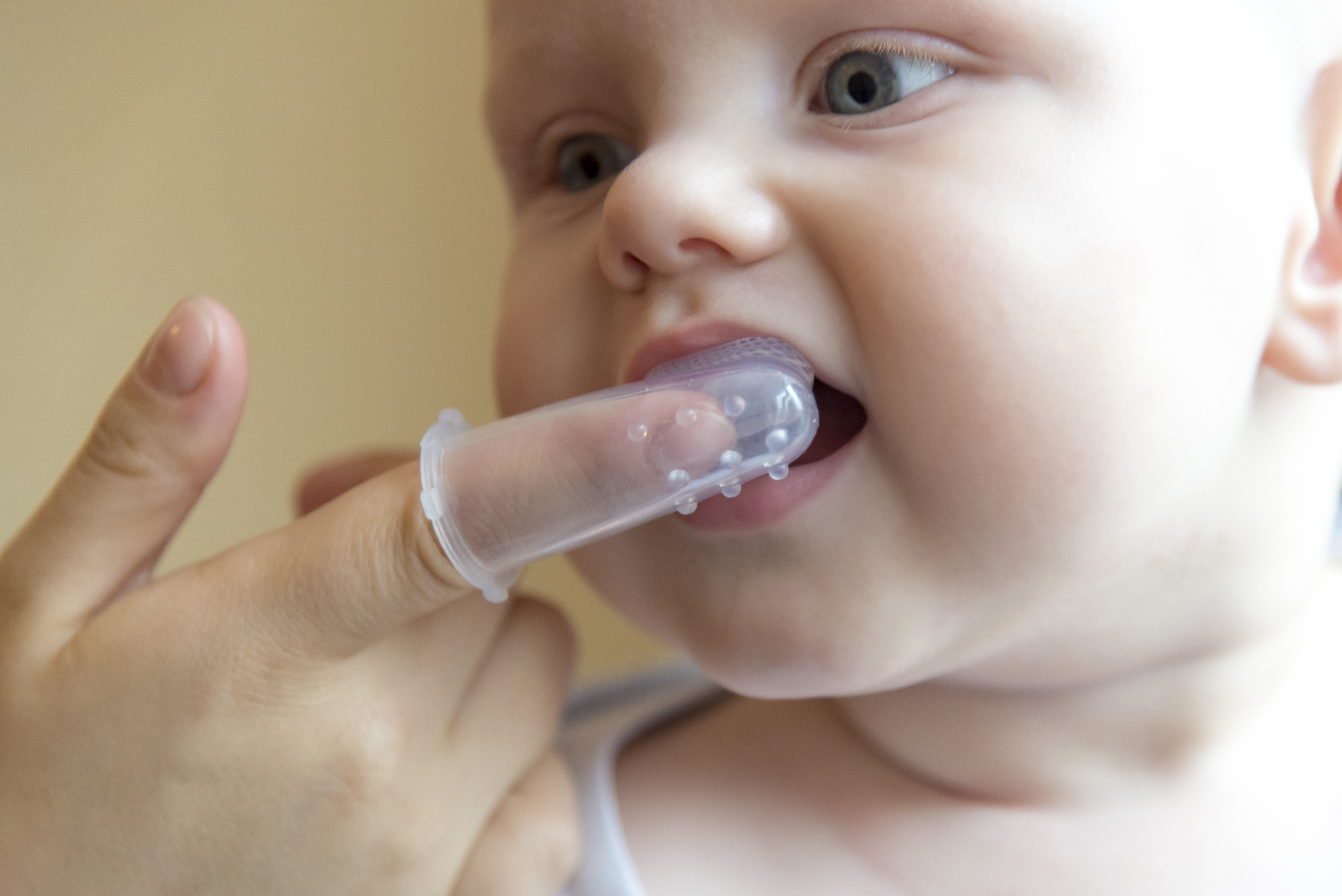
What to do? Wipe off your Baby’s gum pads, tongue and all around their cheeks after each feeding. Use a soft wash cloth or a finger contoured cloth or finger toothbrush.
Some babies are born with a tooth or two already visible in their mouth, or may appear within the first month after they are born. There is NO need to be worried. This is normal.
Early baby teeth are called Natal or Neonatal Teeth depending on when they are seen.
Which are which? Natal teeth are present at birth, and Neonatal teeth come in within the first month.
Where will you find these teeth? Natal and Neonatal teeth are found peaking through the bottom front gum pads.
If everything is fine, your Baby is healthy, the teeth are not interfering with feedings or nursing and they do not cause discomfort to their tongue, their teeth should be left in place. I’m saying that if everything is good to keep the teeth because these are their real baby teeth, they just came early.
Sometimes you or your Pediatrician notice small white spots on the roof of your Baby’s mouth. These spots are called Epstein’s Pearls. They are normal, no cause for concern and usually go away on their own within 10-14 days.
When your Baby begins teething you may (or may not) notice bumps on their gum pads that appear bluish. Their teeth are within theses sacs called Eruption Cysts. This is normal, no cause for concern and as their teeth come into their mouth these sacs will pop and dissolve on their own.
TEETHING
Teething usually begins at 6 months of age, and can start as early as 3 or 4 months. This goes on intermittently until your Baby is about 24 to 30 months old.
What to look out for? Drooling and swollen tender gums are common. Sleeping through the night may be interrupted. Some children may run a slight temperature, others may become finicky eaters, or develop isolated episodes of diarrhea.
What to do? Wet a wash cloth with cool water and place it in your refrigerator to make it cold. Then you can hold it and place it on the spot where the tooth is coming in. Frozen cloths are not a good idea because they will freeze to your Baby’s gums. Teething rings, teething beads, teething bracelets, teething necklaces are never good because they contain harmful gels and liquids which leak out and get into the mouth.
During this time it is important to ensure that your child’s usual feedings are maintained.
FIRST TEETH
Where will you see the teeth? As teeth come into their mouth they usually begin in the bottom front followed by the upper front. The lower and upper side come next. Lower and upper back complete the full set of 20 Baby teeth, 10 lower teeth and 10 upper teeth.
With more and more teeth coming into your Baby’s mouth it’s very important to wipe their teeth, lips, tongue, cheeks, and roof of their mouth with a wet wash cloth. Move their lips away from their teeth so you can see the entire teeth to wipe them clean.
TOP TIP
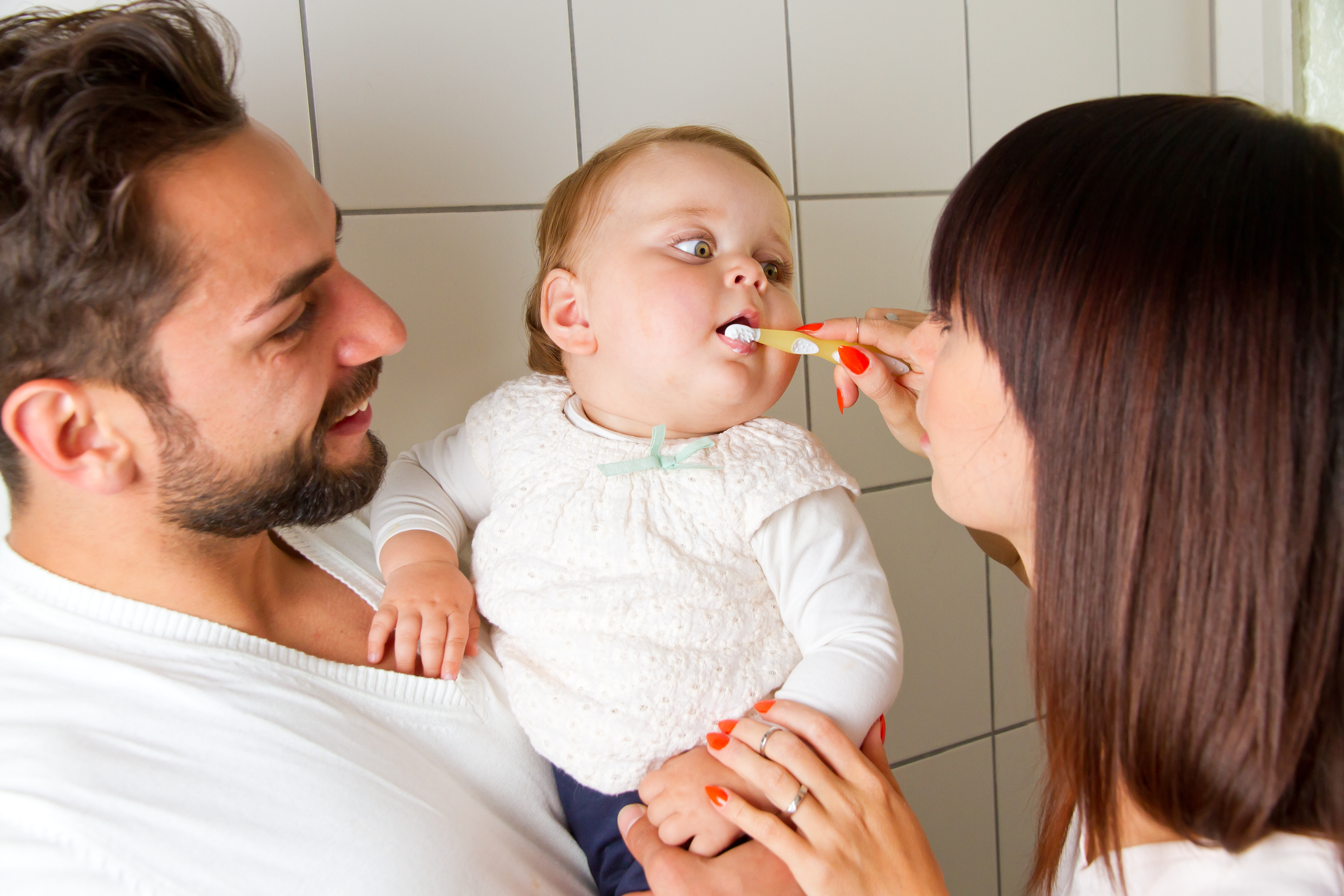
Mom and Dad brushing Baby’s teeth
Start cleaning your child’s teeth when they are a Baby, they will get used to this and it will make your life easier when they are older.
The earlier you start the easier this will be for both of you.
More tips? We have lots. We’re here just for kids!
Fluoride works to help prevent cavities Fluoride is a naturally occurring mineral found in water. It’s also in toothpaste, mouth rinses, gels, varnish and supplements. In the right amount and on a regular schedule it helps prevent cavities by strengthening the outer surface of teeth. This outer surface is tooth enamel. Tooth enamel is weakened by those not so healthy foods and sweet drinks. To be effective, fluoride works its best when combined with a good diet and good brushing and flossing habits.
Fluoride is safe and effective. Did you know that water fluoridation has decreased the cavity rate by 25%? All it takes is a small amount for the maximum benefit. Proper tooth paste amounts need to be supervised by Mom and Dad, and other forms of fluoride like rinses and supplements must also be carefully monitored. Remember not to leave anything within reach of those inquisitive hands since the flavors that encourage children to brush are also tempting to eat.
For infants and toddlers starting to get their teeth and aren’t able to spit out, you can put a tiny dab of fluoride toothpaste on a washcloth or soft baby sized toothbrush. Once your child is old enough to fully spit out in the bathroom sink, a rice grain size dab of toothpaste with fluoride on their toothbrush is the right amount. School age children, tweens, and adolescents only need a pea sized amount of fluoridated toothpaste on their brush. It’s always important to closely supervise your child’s brushing so they don’t swallow the good tasting toothpaste.
Well Water Mystery Some wells have too little fluoride while others have too much. Bottled, filtered, spring and well waters all vary in their fluoride amount. So what do you do? It’s important to have the water from your well tested for fluoride every year. If you’re not sure if you have well water or town/city water, check with the local water utilities company. If you know your town/city supplies your drinking water you can also check the fluoride level by calling them.
Children between the ages of 6 months and 16 years may or may not need supplements, depending on how much fluoride is in your water, So ask for your water report.
Unlike most other medicines, fluoride dosage corresponds to a child’s age, not their weight. It also depends on the amount of fluoride present in your drinking water. This is why it is so important to have your water tested; so that your child is prescribed the appropriate dose.
Topical Fluoride Topical fluorides come in a number of different forms. There are rinses, gels, foams and varnishes. The flavors and colors are endless, as are how they are used. Some are over the counter and some are by prescription. Those over the counter products are not recommended for children under the age of 6.
Also remember to check the labels for fluoride amounts in your Baby’s powdered and pre-made formulas, as well as in their cereals.
Tell us your Ninja story – We’d love to hear
More tips? We have lots. We’re here just for kids!
FACT 1 Baby teeth are important and for several BIG reasons. Baby teeth are also called primary teeth or milk teeth and help your child learn where to put their tongue and cheeks so that they can speak clearly, allow them to chew their food well, help in the growth of both their jaws, and guide the position of their adult teeth. That’s a lot of responsibility for 20 teeth!
FACT 2 Your child can get cavities from their bottle and from nursing. Please don’t put your child to bed with a bottle or nurse them while they are sleeping. The liquid in the bottle or breast milk causes cavities because it stays on their teeth. So the sugar in the milk, juice, breast milk in their nice warm mouth eats away at their teeth. That’s why we call them “Sugar Bugs”.
FACT 3 A dab ‘ll do ya with toothpaste. From your child’s first tooth until they are 2 years old a tiny smear is enough. For your 3 to 6 year old a pea sized amount of toothpaste is plenty. As your child gets older they don’t need more than the pea sized amount. Remember to directly supervise their brushing routine, get in there with them and sing that brushing song. Louder, I want to hear you! What are your favorite brushing tunes?
FACT 4 It’s best to let that wiggly teeth come out on its own. If your child wants to help it along, allow them to gently wiggle the tooth with their fingers or tongue until it comes out on its own. Do not pull or put anything else on the tooth to help it along which will be painful and cause their gums to bleed. If you see an adult tooth growing in and that baby tooth isn’t wiggly or is slightly wiggly call your Pediatric Dentist for their guidance. So tell me, what is your tooth fairy tradition?
FACT 5 Sealants really do work. Even with really good brushing and flossing sometimes it’s impossible to clean the tiny grooves and pits on some teeth. Food and bacteria build up in these crevices and before you know it there’s a cavity. Sealants “seal out” food and plaque reducing their tooth’s risk of decay. Are you joining the No Cavity Club?
Go ahead, send me an email at kidstoothhotline@protonmail.com and tell me your favorite brushing song, your tooth fairy tradition, and if you’re joining the no cavity club. I love to hear from you!
More tips? We have lots. We’re here just for kids!







































































 kidstoothhotline