Have A Children’s Dentistry Question?

My Child’s Medicine Can Affect Their Teeth? Really?

In the Know for You to Know

Yes really.

I Know My Daughter Likes The Taste Of Her Medicine

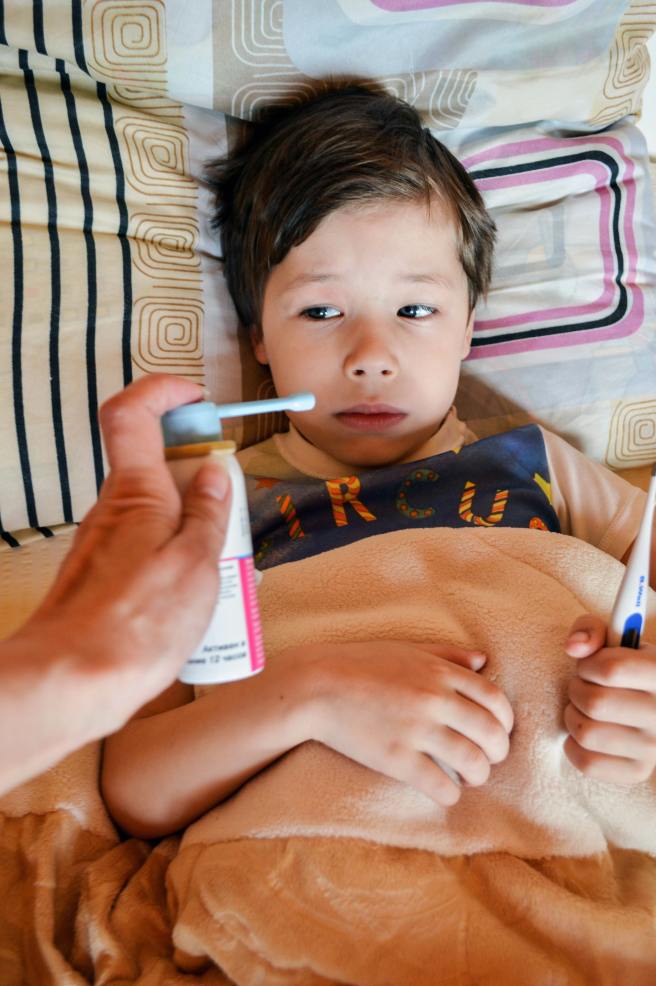
You know why your child asks for that pink or grape medicine when they’re sick, it’s because it tastes so good. The medicine tastes so good, and they’ll take it without a peep because of the sugar flavors which are added to the medicine.

There are also other medicines like asthma medicines, antihistamines and allergy medicines which can cause dry mouth by lowering the amount of saliva in the mouth. Saliva is important because it plays a part in helping to prevent cavities.

Whether your child needs to take medicine every day or is on a limited 7 or 10 day course here’s a few things to know —

Child-friendly Flavors

Depending on your child’s age and preference the top 6 medicine flavors are: Bubblegum, Grape, Cherry, Mint, Banana, and Vanilla.

My Children Always Ask For The Banana Flavor

If sugar free is available, ask your pharmacist if that flavor contains Xylitol. Xylitol is a sugar substitute and tooth friendly.

Medicine, Sugar and Teeth

Many of the medications contain sugar or sugar syrups to sweeten the taste. The longer and more frequently your child’s teeth are exposed to sugar, the greater the risk of cavities.

Another concern is that these sugared medicines are most often given right at nap time or bed time, which is when there is also a naturally occurring drop in saliva in the mouth.

Medicine, Dry Mouth, Saliva and Teeth

Asthma inhalers, nebulizers, antihistamines and allergy medicines decrease the amount of saliva in the mouth. They do this by decreasing the amount of saliva that is made by the glands.

These medicines are usually used ongoing leading to less saliva being produced so there is less saliva in the mouth, which is commonly referred to as dry mouth.

Saliva protects and coats the teeth while also washing away food particles and sugary liquids. When there is less saliva there is less protection for the teeth.

What’s A Parent To Do?

I’ve put together 3 suggestions which can help —

  • Give your child their liquid medicine between finishing a meal and nap time or bed time. This way you can brush their teeth after the medicine or use a wash cloth to wipe their mouth and teeth. Keep up with your regular brushing routine.
  • If your child has asthma you can rinse their mouth with water after their breathing treatment or using their inhaler. Then you can brush on your regular schedule.
  • Speak with your pharmacist about sugar free medicine options.

Rest assured you are doing your best and your child needs their medicine.

What’s your child’s favorite flavor? What are your hacks? We’d really like to hear from you!

Send us an email at kidstoothhotline@proton.me or Like Us on Facebook at facebook.com/kidstoothhotline

More tips? We have lots. We’re here just for kids!

Breast Feeding – What Nursing Moms Should Know About Dental Health

In the Know for You to Know

Lovingly Breastfeeding My Baby

Breastfeeding is special for so many reasons and it is one of the first decisions you make as a new mom about how to feed your child. Breastfeeding is a remarkable experience that also has health benefits for both you and your baby.

Breast milk can help infants fight infection, decrease the risk of allergies, asthma, and obesity, as well as lowering the risk of SIDS. Nursing mothers may lower their chances of developing breast and ovarian cancer.

Did you know breastfeeding also has an impact on both your baby’s and your dental health?

Here’s a look at how —

Mom, You Don’t Have to Wean As Your Baby Gets Teeth

This is an often asked concern about teething and breastfeeding. Many nursing moms decide it’s time to stop breastfeeding when their baby starts teething or they first notice a tooth. Usually, this is because they’ve heard that the baby can nip the breast at the end of a feeding session, or, another nursing parent voiced fears about being bitten. Yet there are many teething babies and babies with teeth who never bite when breastfeeding. So the answer is you don’t have to stop if you don’t want to.

Every mother-child breastfeeding experience is individual and special. The decision to stop breastfeeding is important to discuss with your pediatrician when you think it’s the best for you and your baby, and not just because the teeth are coming in.

Breastfed Babies Can Still Get Cavities

Can breast feeding cause cavities? Is an often asked question by nursing mothers. The short answer is yes, and this is because breast milk does contain sugar in addition to all of the other good things.

The long answer is that the benefits of breastfeeding for infants in their first year of life help to ensure the best possible health for your baby and your family.

However, frequent and nightly (and nap time) breastfeeding (and baby bottle use) beyond 12 months of age is associated with increased early childhood cavity risk.

This is why it’s important to never let your baby fall asleep while feeding. Breastfeeding infants who fall asleep while nursing with milk in their mouths are also vulnerable to cavities.

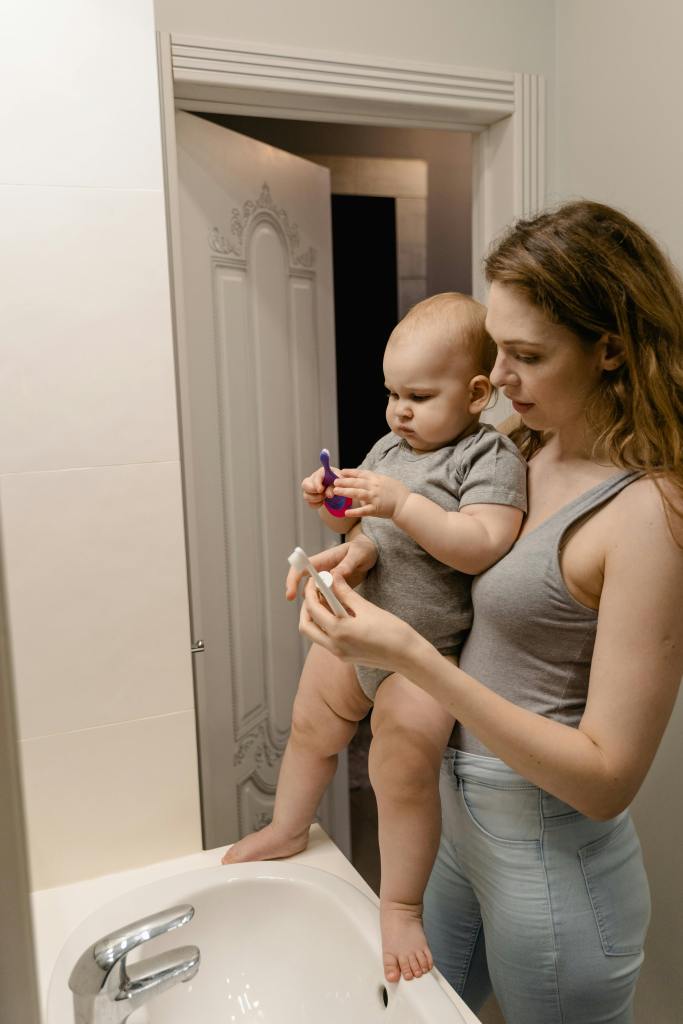
Take care for your infant’s mouth from the start, even before teeth come in. Starting right after birth begin wiping your baby’s mouth and gums with a clean, moist washcloth after each feeding every day.

Breastfeeding May Help Build a Better Bite

The American Dental Association, American Academy of Pediatrics and the American Academy of Pediatric Dentistry found that babies who are exclusively breastfed for the first 6 months of life were less likely to have teeth alignment issues.

While every baby and every child is different, this doesn’t mean your exclusively breastfed baby won’t need braces someday. Other factors, like genetics, pacifier use, and thumb sucking also affect tooth alignment.

Mom, You Need To Take Care of Yourself

Being a mom is stressful. You have no time to take care of yourself. Remember if you’re not healthy (and this also goes for your dental health), you will not have the time and the energy to make sure your baby is healthy.

So what you need to do —
Eat a healthy diet and stay hydrated by drinking water. Plain, fluoridated water is great for you to stay hydrated, for the tooth protective benefits of fluoride and your mouth to stay moist (as opposed to dry which can make you not feel your best).

Brush your teeth twice a day, Yes you are exhausted but you need to do this because if you let this slide then the bad bacteria in the mouth grows and not only causes cavities but can be transmitted to your baby by kissing and sharing (or licking) their spoon.

Another reason to brush is so that you don’t accumulate that sticky film (plaque) and hard tarter on your teeth which increases the risk for gum disease.

Some new moms may experience jaw pain, sore neck muscles, or grinding (clenching). Tell your dentist if you’re having any of these symptoms, you don’t have to grin and bear it.

Need Dental Care? Let Your Dentist Know You’re Breastfeeding

It’s safe and important for you to go to the dentist while you’re pregnant and while you’re nursing. It’s also very important for the best health of your child.

If you need to have a dental procedure that requires medication while nursing, discuss this with your dentist, your personal physician and your pediatrician.

You can even ask your dentist to call your OB, your primary care provider, and your pediatrician directly before or during your appointment to address any concerns you have.

You’ve got this!

Every woman’s motherhood journey is meaningful and special. What’s your hack for including and taking care of your dental health in your usual mom day? We’d really like to know. Email us at kidstoothhotline@proton.me Like us on Facebook at facebook.com/kidstoothhotline

More tips? We have lots. We’re here just for kids!


Pacifiers – What 2 Know 2 Say Goodbye

In the Know for You to Know

Sucking is natural for infants and babies. This starts during your 7th month of pregnancy and increases in the weeks just before you give birth in preparation for nursing.

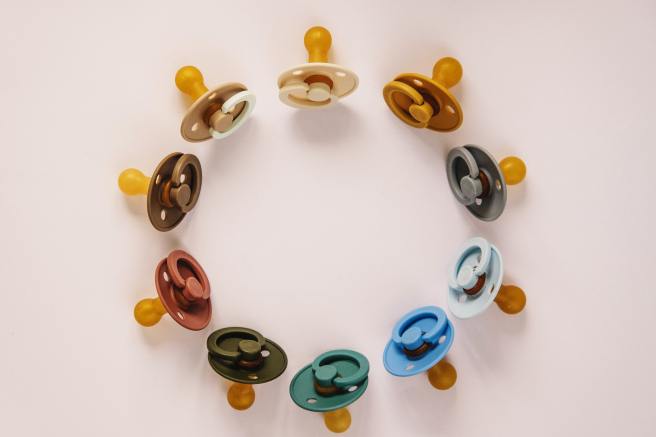
After your baby is born your Pediatrician may recommend a pacifier for a variety of reasons, including prevention of SIDS, or to calm and soothe if your baby is restless.

Each baby is different in how they take to the pacifier. Some will not want it at all, others may only want it when they are being put to sleep, and still others will not want to part with their pacifier and not let it out of their mouth.

The emotions they feel from the sucking can give them a sense of security, relaxation, happiness, or calmness. Everything they receive from you!

When and Why to Stop?

The short answer is between 18 and 24 months of age. The key is before 24 months.

Most babies stop sucking on their pacifier by the time they are 1 year old. Others by the time they are 4 years old.

Increased frequency, longer duration, and greater intensity of the sucking action on the pacifier affects the way a child’s teeth come together and the growth of the jaws. The top front teeth may be pushed outward or turned sideways. The jaws may become narrow or there can be other misalignments. The sooner a child can stop a sucking habit the better.

So What to Do?

  • Some parents choose to go cold turkey,
  • Other parents prefer to wean their child off their pacifier slowly at their pace,
  • There are those who snip off the top of the pacifier nipple which takes away the seal and interest in the broken pacifier,
  • Still others prefer to swap the pacifier with a new toy or prize which distracts attention away from the pacifier,
  • While other parents prefer to offer positive reinforcement, re-assurances, and praise when their child comforts themselves at bed time without the pacifier,
  • There’s those who make the pacifier a beautiful present for a relative’s or neighbor’s new baby who really needs a pacifier,
  • Then there’s the parents who throw a Bye-Bye Pacifier party,
  • And those parents who wrap the pacifier in tissue paper and put it on the kitchen counter for the Pacifier Fairy.

Timing is Important

Once you’ve made the decision that it’s time to stop the pacifier make sure that there are no new life changes or transitions going on for your family, and everyone is onboard with this decision. Everyone has to stay with the plan.

If you’re potty training, having another baby, moving, planning a trip, it’s holiday time, or an equally important life event — not a good time to start taking the pacifier away.

Just in Case?

Which ever plan you choose make sure you find all the pacifiers that are around the house, in the car, at Grandma’s house, at the baby sitter’s, or where ever you may have left 1 (or more) “just in case,” and don’t buy any new ones “just in case.” The last thing you want to do is for there to be confusion and have to start this all over again.

More tips? We have lots. We’re here just for kids?

Children’s Dental Health Month

In the Know for You to Know

Every February we celebrate a whole month dedicated to children’s oral health.

Healthy habits start early and grow as your child grows. Whether your child is 6 months old, 6 years old, or 16 years old, healthy teeth and gums are important for a healthy smile. With good care, a balanced diet, injury prevention, a home based daily hygiene routine, and dental visits their teeth can be healthy, strong, beautiful, and last a lifetime. 

Little girl playing Dentist with Mom
Photo by Kamaji Ogino on Pexels.com

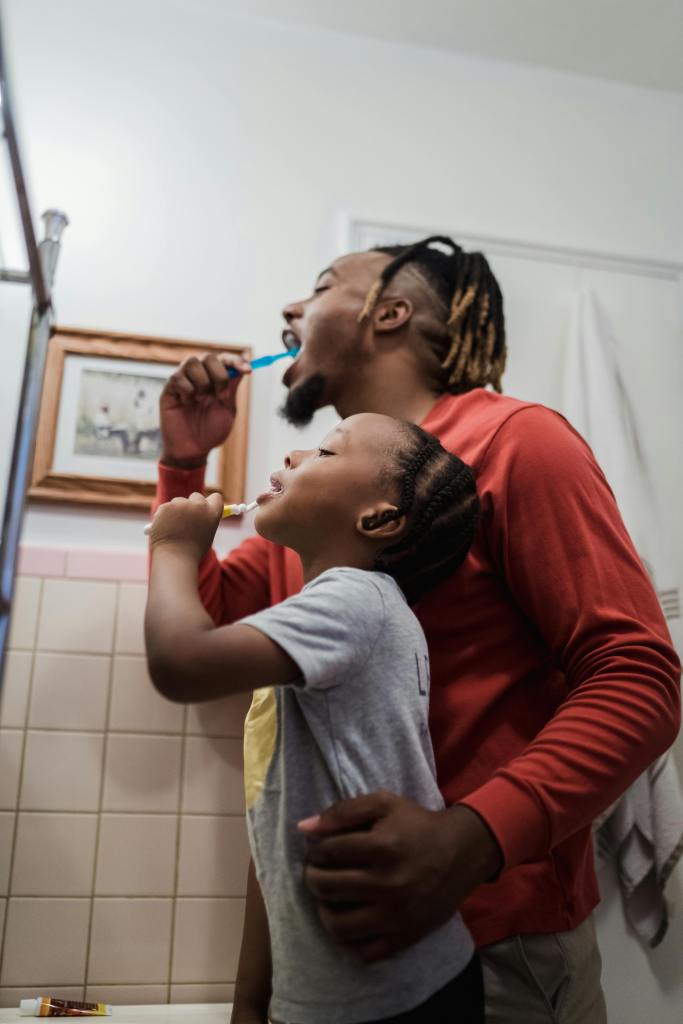
This is why it’s so important to start early and continue on a regular schedule. By doing this you are establishing your child’s twice a day flossing and brushing routine. Your child gets used to doing this, they grow up knowing this is expected of them and it’s in their comfort zone. Which means it’s stress free for you!

Healthy Teeth = 365 Days of SMILES

Your child’s health, happiness and successes are most important to you. Teaching them cavities are preventable is the first step.

More tips? We have lots. We’re here just for kids!

You Asked, Here Are The Hacks to Your Pregnancy and Infant Oral Healthcare Questions

In the Know for You to Know

What can I do during my pregnancy to help my child have healthy teeth? Nutrition is always very important and especially for the oral health of your growing baby. A good place to visit for healthy eating tips is myplate.gov. Taking your prenatal vitamins as recommended by your Obstetrician is key since your baby’s teeth are forming along with other important body parts between 7 weeks and 3 months.

I’m having my first baby and following my OB’s instructions. I can’t help wondering, is there anything else I should or could be doing? Congratulations first time Mommy!! My question for you is, when is the last time you saw your dentist? It is so important to take care of your own oral health during your pregnancy and after your baby is born. This also holds true for Daddy, Grandma, Grandpa and everyone who is going to hold, kiss, and feed your baby. You see if someone has active cavities or gum disease the bacteria in the saliva can be passed along to your baby by kissing, sharing spoons, and licking a pacifier. So remember to see your Dentist for regular check-ups, brush twice a day and floss before your nightly brushing.

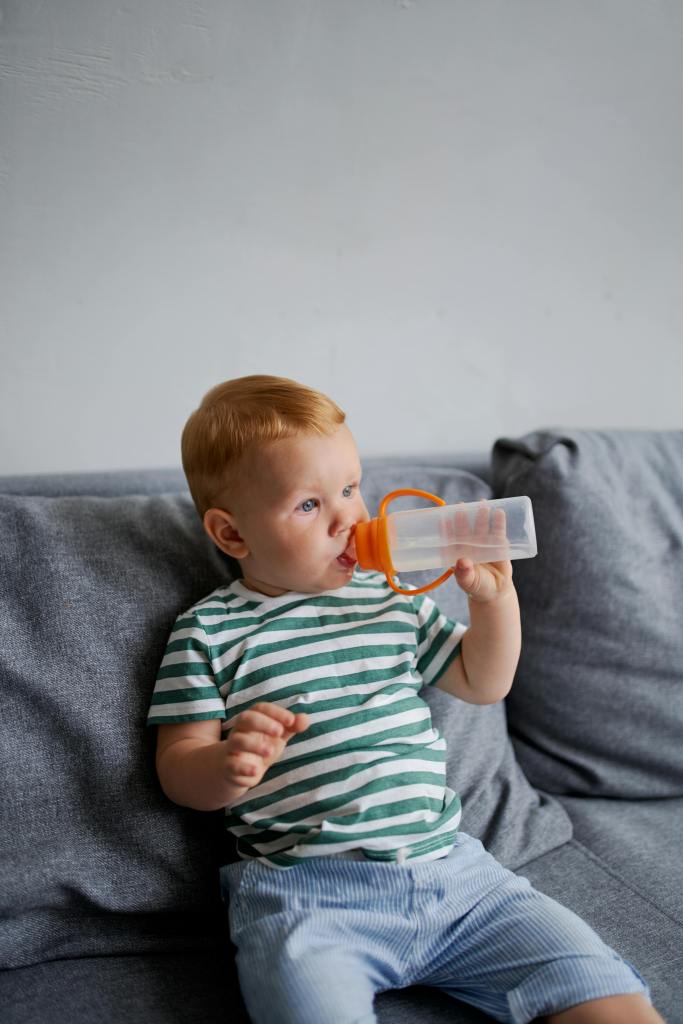
I heard babies can get cavities from bottle and breast feeding. I’m going to have to do a combination of both since I’ll have to go back to work. How can I prevent this from happening? Start when your baby is born. Even before teeth come in it is important to wipe their gums, cheeks, tongue, roof of their mouth after each feeding with a wet wash cloth and also before you put your baby to bed for their nap time or bedtime. Remember not to ever put your baby to bed with a bottle and don’t let your baby fall asleep while you are breast feeding. The reason is that the sugar will sit in their mouth and eventually on their teeth, which is what causes cavities.

I have terrible teeth. When should I start cleaning my Baby’s teeth? The sooner the better. Before your babies teeth come in use a wet wash cloth to wipe their gums, cheeks, tongue, and the roof of their mouth after each feeding and before you put them down for their nap or bedtime. Once teeth start coming in it’s necessary to clean those pearly whites, their gums, cheeks, tongue and roof of their mouth after each feeding and before putting them down for their nap or bedtime. Whether you use a wash cloth, baby tooth brush, or finger brush, remember to lift their upper and lower lips to see their whole tooth.

Do you have any advice on teething? From 4 months to 3 years old you may see sore or swollen gums as your child’s teeth start to come into their mouths. Some children may run a low grade fever, some may have diarrhea, some may tug at their ears, or some may just show you their toothy grin. If need be, it’s best for you to hold and gently rub a cool wet wash cloth on their tooth bumps. Never use teething rings, teething gels, gel pads, teething beads, teething necklaces, teething bracelets, or any kind of pain reliever without discussing this first with you Pediatric Dentist or Pediatrician. If you are not sure it’s teeth or if your child is sick always reach out to your Pediatric Dentist or Pediatrician.

How old should my Baby be when I make our first Pediatric Dentist appointment? My Dentist says it’s 3 years old, my Pediatrician says 1 year old, which is it? It’s best to schedule your first visit when your Baby’s first tooth comes into their mouth. There is a lot to talk about. Not only do we examine teeth, we check their dental growth and developmental milestones, we talk about diet, oral hygiene schedules, tooth paste, pacifiers and thumb sucking habits, and so much more.

Should I worry if my Baby is a thumb or finger sucker? My husband and his siblings did both and now I’m concerned. Thumb sucking is normal for infants and most stop before they are 2 years old. Prolonged thumb or finger sucking can create crowded, crooked teeth and bite problems. There are a few ways to address this concern and it is specific for your child’s needs.

How common are cavities in young children? In this day and age do I really need to worry about cavities? In a word, Yes. Cavities are the most common disease of childhood. Cavities are 5-8 times more common than asthma. Cavities affect 20% of Preschoolers, 50% of School Age Children, and 75% of Adolescents. Cavities that start early in life continue throughout life.

Thank you to everyone who reached out with your questions!

Don’t be shy, send us your specific questions or tell us what you’d like more information on; we’d love to hear from you!

More tips? We have lots. We’re here just for kids!